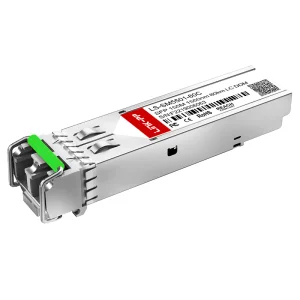
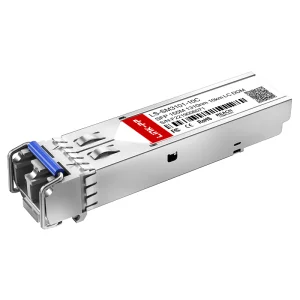
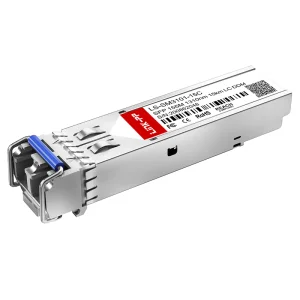
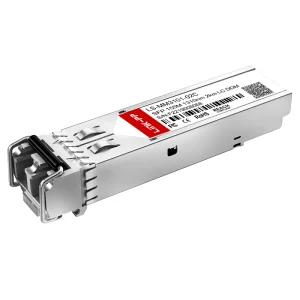
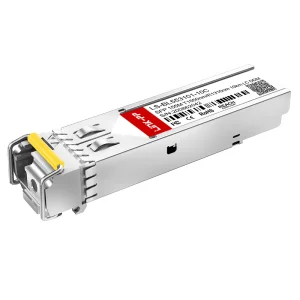
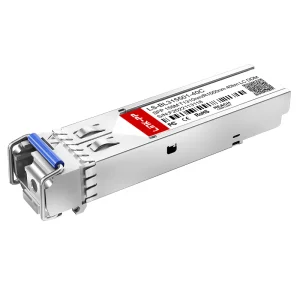
High-performance optical transceivers engineered for critical telecommunication links, industrial Ethernet platforms, and legacy SDH/SONET frameworks.
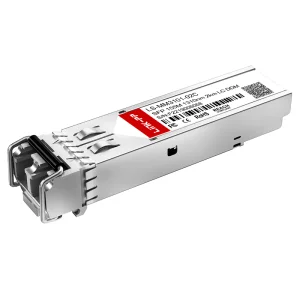
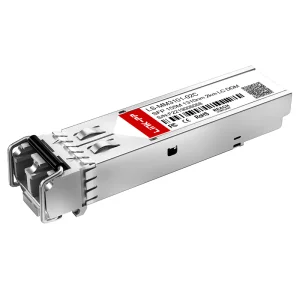
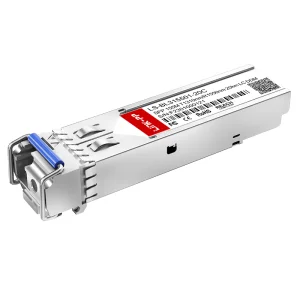
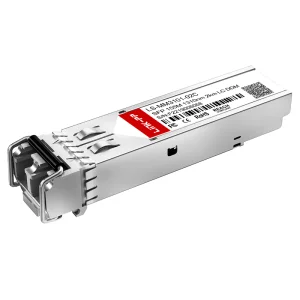
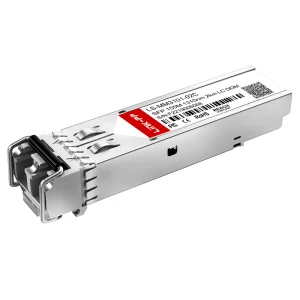
In an era defined by terabit-scale data centers and rapid multi-gigabit expansions, low-speed optical transceivers—specifically 155Mbps and 622Mbps SFP modules—remain the bedrock of legacy telecommunication and industrial networking infrastructure. Far from obsolete, these low-latency, highly stable formats drive critical operations across railway signaling networks, smart power grids, sub-station automation, and metropolitan SDH (Synchronous Digital Hierarchy) and SONET (Synchronous Optical Network) loops. Understanding their parameters, selection criteria, and supply chain integrity is fundamental for infrastructure architects worldwide.
The transition from traditional, bulky transceiver form factors to the Small Form-Factor Pluggable (SFP) MSA (Multi-Source Agreement) standard established a modular architecture that continues to benefit telecom legacy systems. 155M modules typically operate under Fast Ethernet protocols (100Base-FX/LX) or optical carrier rates like STM-1 (Synchronous Transport Module 1) and OC-3. Similarly, 622M SFP transceivers align with STM-4/OC-12 structures.
The survival of these modules is anchored in physics and economic feasibility. Low-speed signals degrade far less over longer fiber distances because they are significantly less vulnerable to chromatic and polarization mode dispersion (PMD) compared to high-frequency signals like 100G or 400G. Consequently, network operators can run 155M links over distances up to 80km, or even 120km, using cost-effective Fabry-Perot (FP) or Distributed Feedback (DFB) laser sources without needing expensive dispersion compensation modules.
Technical Insight: While optical chips continue to advance toward sub-nanometer nodes for 800G coherent optics, the production of mature, industrial-grade 155M and 622M transceivers relies heavily on optical alignment precision, robust TO-Can packaging, and rugged temperature compensation firmware. These factors are critical to achieving decades of continuous mean time between failures (MTBF).
Selecting the correct SFP module for industrial deployment requires a thorough understanding of transmitter and receiver architectures:
| Module Standard | Data Rate | Wavelength (nm) | Fiber Type | Max Distance | Typical Laser Source | Typical Receiver |
|---|---|---|---|---|---|---|
| 100BASE-FX / STM-1 | 155 Mbps | 1310nm | MMF (Multi-Mode) | 2km | FP Laser | PIN |
| 100BASE-LX10 / STM-1 | 155 Mbps | 1310nm | SMF (Single-Mode) | 10km - 20km | FP / DFB | PIN |
| 100BASE-ZX / STM-1 LH | 155 Mbps | 1550nm | SMF (Single-Mode) | 80km - 120km | DFB Laser | APD |
| STM-4 / OC-12 SR | 622 Mbps | 1310nm | MMF / SMF | 2km - 15km | FP Laser | PIN |
| STM-4 / OC-12 LR | 622 Mbps | 1310nm / 1550nm | SMF (Single-Mode) | 40km - 80km | DFB Laser | PIN / APD |
How advanced automation and strategic component redundancy protect global purchasers from market fluctuations.
Over 1,200 supply chain partnerships guarantee steady access to premium TO-can lasers, driver ICs, and PCB components, preventing production bottlenecks.
Every transceiver is programmed and tested in-house using proprietary emulation environments to guarantee seamless integration with switches from Cisco, Juniper, Moxa, Hirschmann, and others.
Our specialized test chambers subject every industrial-grade module to temperature cycles from -40°C to +85°C, verifying optical power stability and wavelength coherence.
As global technology components face shifting export landscapes, system integrators require reliable manufacturing partners. FiberNova's modern 380㎡ production facility, operating with active ISO9001 and CE/RoHS quality standards, bridges the gap between cost efficiency and technical performance. With over 12 years of industry experience, we maintain a dedicated staff of 65 engineers and 45 professional QC personnel.
By maintaining high optical performance standards, including 100% testing of insertion loss, return loss, eye diagrams, and signal integrity, FiberNova ensures a steady global supply of optical modules. This approach supports critical infrastructure across the United States, Germany, Japan, South Korea, and the United Arab Emirates.
From deep subterranean mines to metropolitan transit grids, 155M/622M modules maintain reliable data transport.
Industrial Ethernet switches deployed in wind farms and oil rigs rely on robust, noise-resistant 155M optical modules. Our Hirschmann- and Moxa-compatible SFPs ensure reliable links in environments with high electromagnetic interference (EMI).
Electric utilities rely on stable, low-latency communication paths to protect transmission lines. BiDi 155M SFP transceivers enable single-core fiber layouts, saving physical fiber resources while preserving dedicated data paths for IEC 61850 control systems.
Point-to-multipoint and point-to-point connections over copper-to-fiber legacy infrastructure utilize 155M transceivers to bridge remote terminal units (RTUs) and Central Offices, ensuring reliable data connectivity in rural areas.
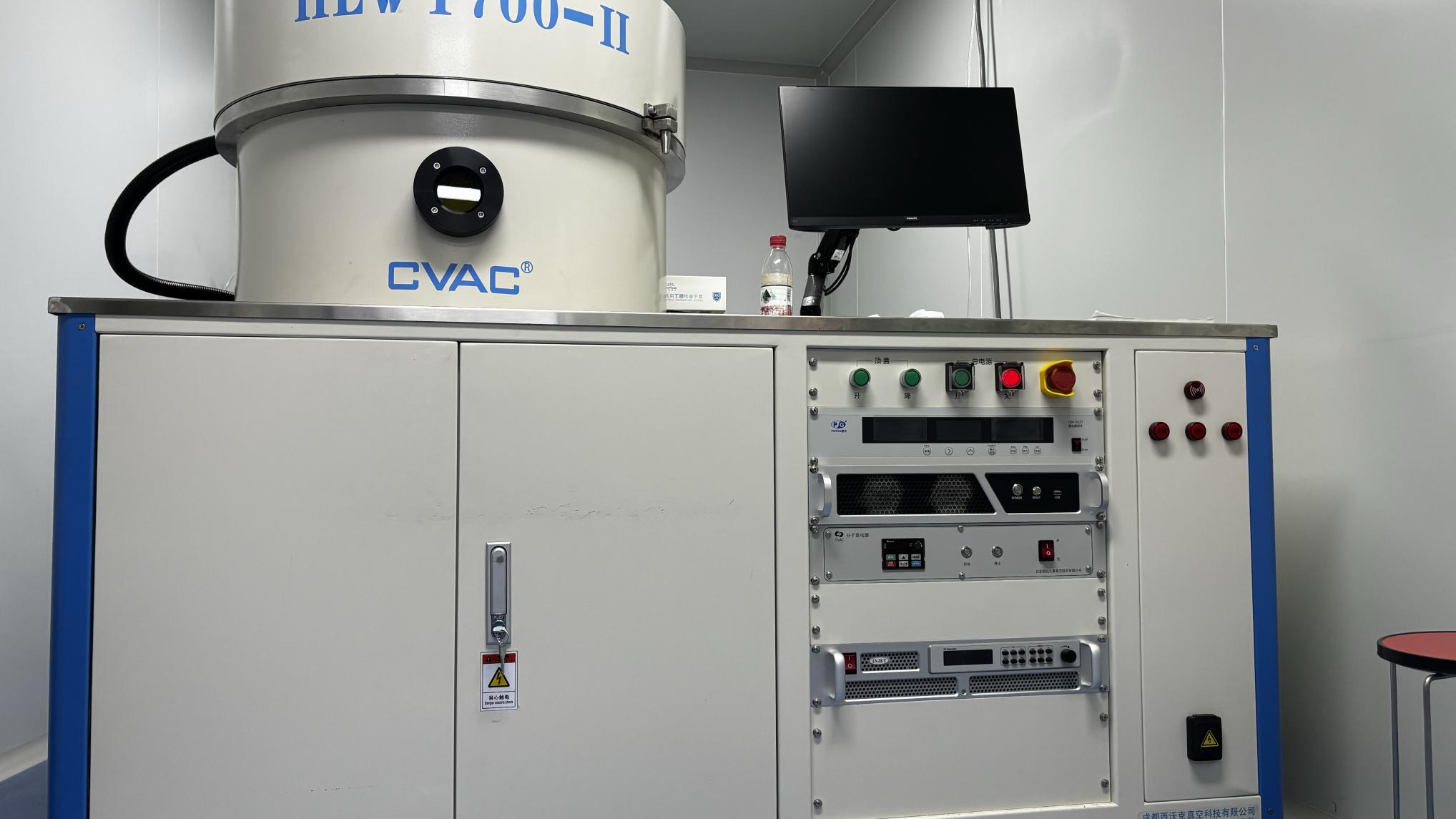
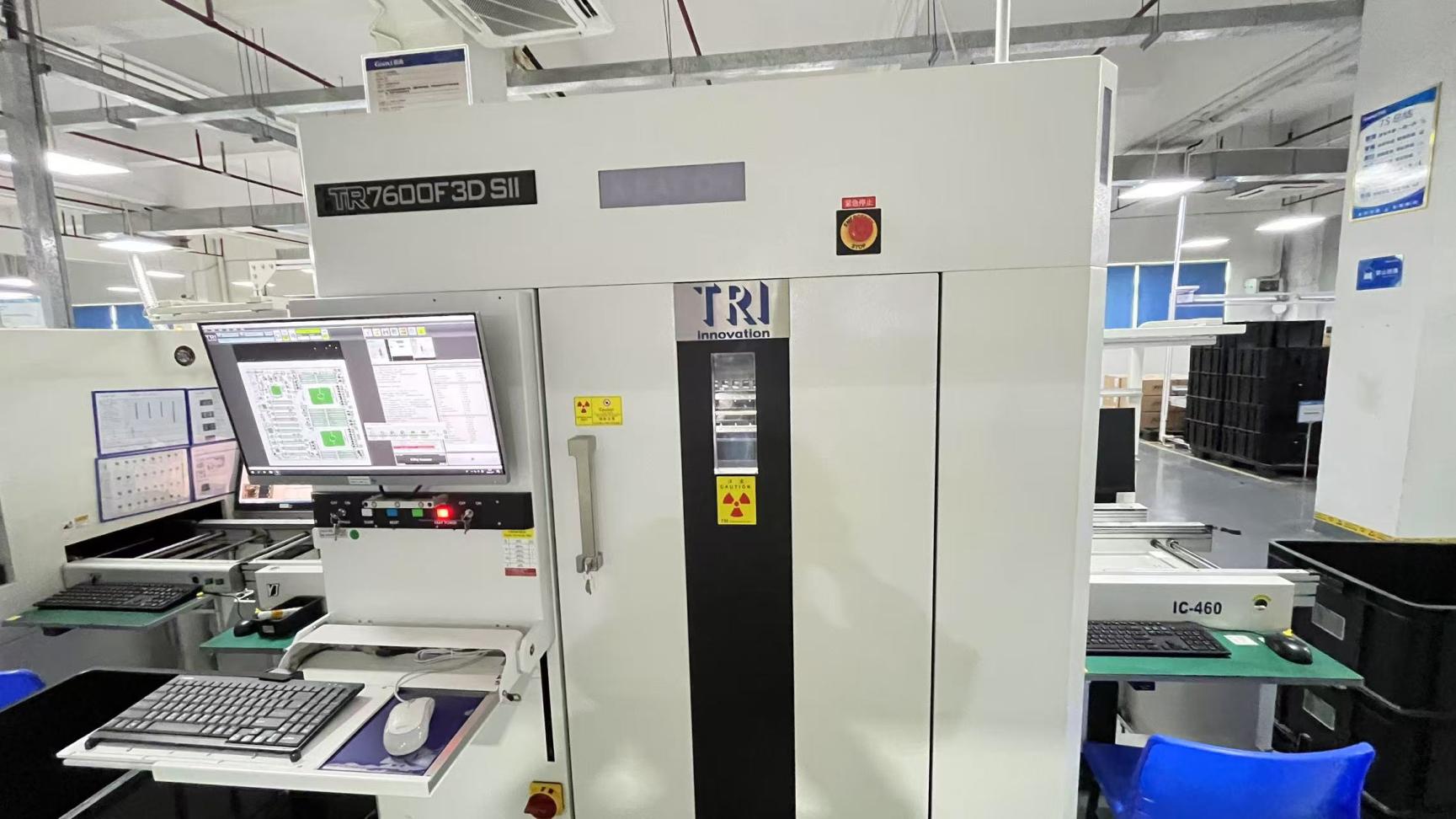
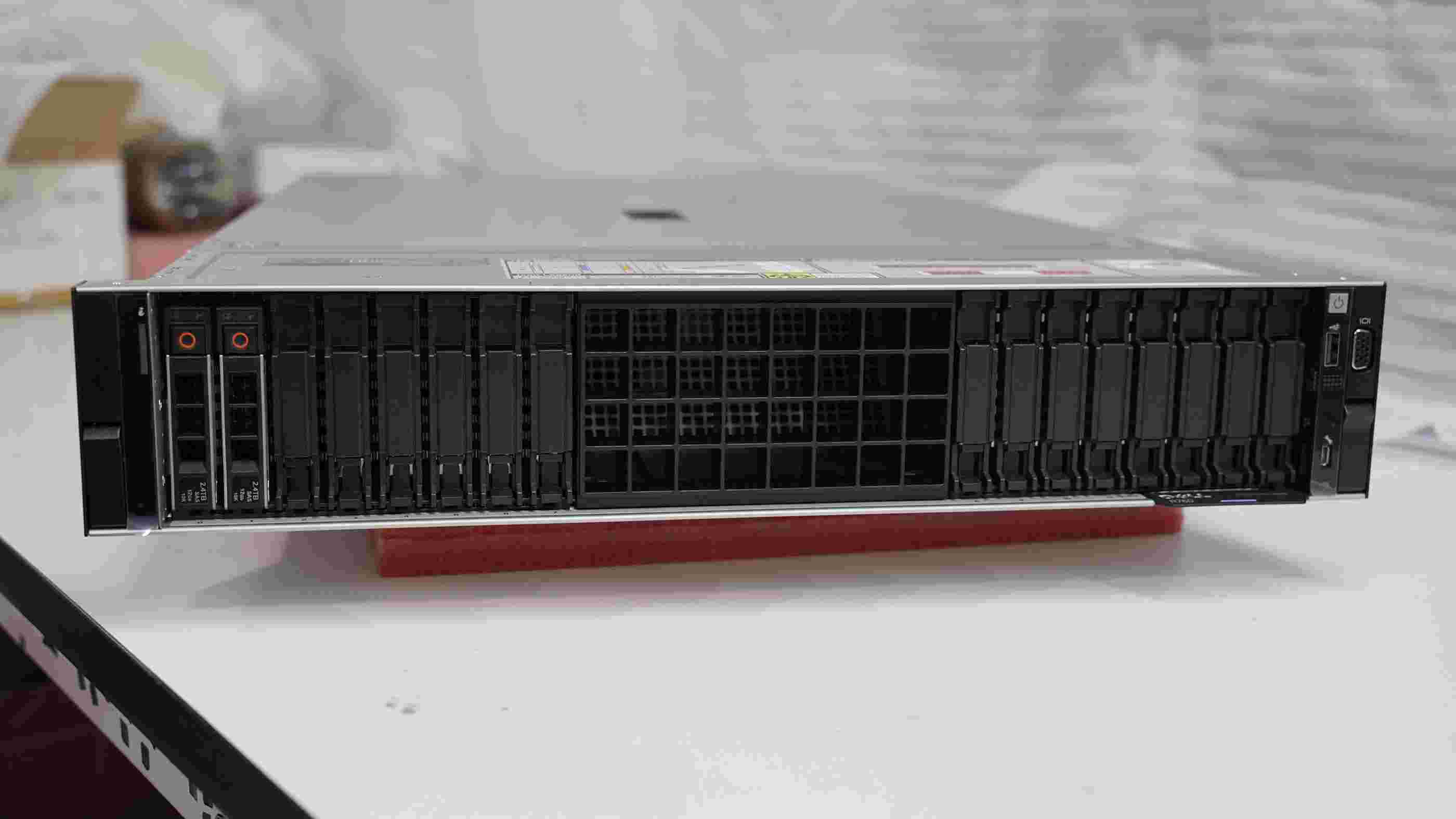
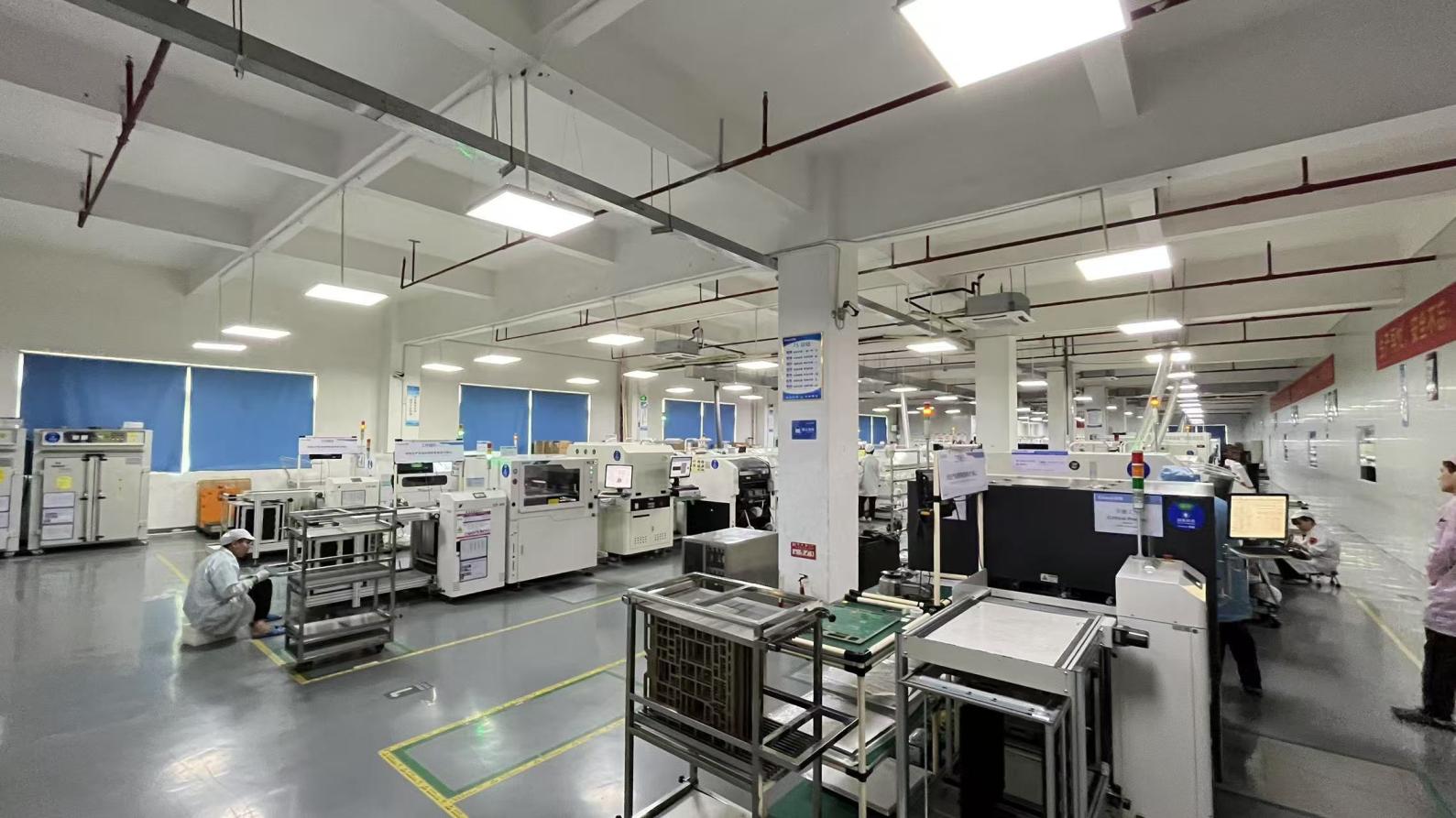
A glimpse inside our ISO-certified cleanrooms, automated optical testing labs, and packaging stations.




Technical answers to key integration questions regarding optical budgets, compatibility, and durability.
Although the physical layer interfaces (LC connectors, laser structures) can look identical, their protocols and clock rates differ. A 100M Fast Ethernet SFP complies with IEEE 802.3u standards operating at exactly 125MBd (due to 4B/5B encoding). An STM-1/OC-3 SFP runs at 155.52 Mbps according to ITU-T G.957 standards. FiberNova transceivers can be dual-rate programmed to support both protocols, ensuring compatibility across different host platforms.
DDMI (also known as DOM - Digital Optical Monitoring) allows network administrators to monitor real-time parameters such as optical output power, receiver sensitivity, laser bias current, module temperature, and supply voltage. In industrial applications where modules are located in remote areas, DDMI enables predictive maintenance. It helps identify optical fiber attenuation or transmitter degradation before a complete link failure occurs.
Standard duplex optical links require two fiber strands: one to transmit (TX) and one to receive (RX). BiDi SFPs use Wavelength Division Multiplexing (WDM) diplexers to send and receive data over a single fiber strand by using different wavelengths (for example, 1310nm TX / 1550nm RX on one end, and 1550nm TX / 1310nm RX on the other). This effectively doubles optical network capacity without requiring new physical fiber deployment.
Commercial-grade SFPs are designed to operate within temperature ranges of 0°C to 70°C. In contrast, industrial-grade SFPs are designed for harsh environments, supporting operating temperatures from -40°C to 85°C. These modules feature rugged internal components, specialized thermal interface materials, and temperature-compensated laser control algorithms. This prevents wavelength drift and helps maintain receiver sensitivity in outdoor enclosures.
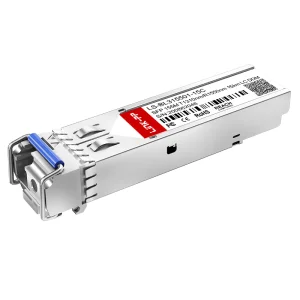
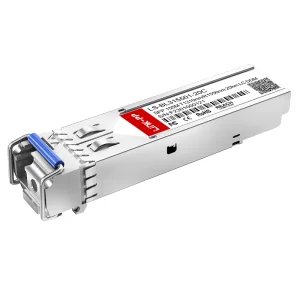
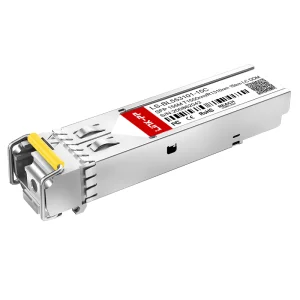
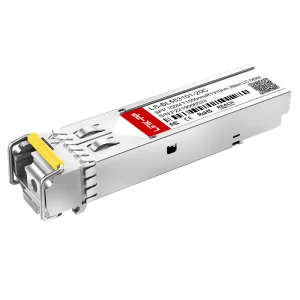
Explore our specialized long-haul, single-mode, and bidirectional transceiver configurations built to meet strict telecom requirements.
 FiberNova