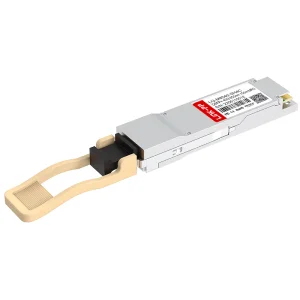
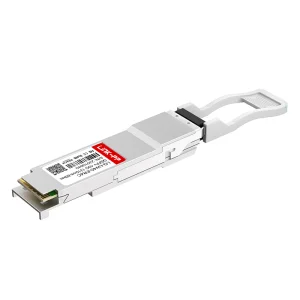
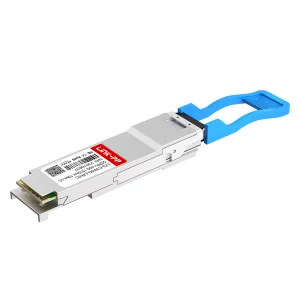
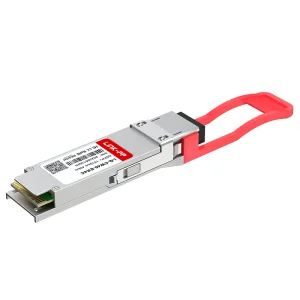
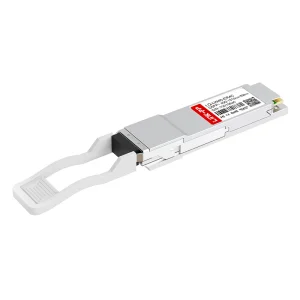
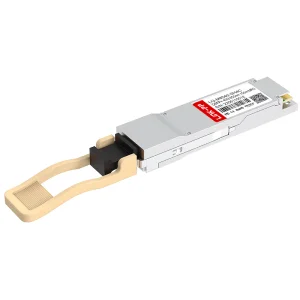
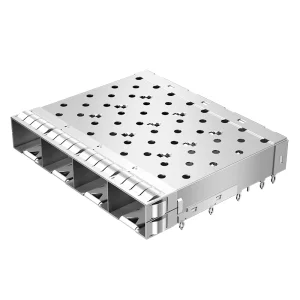
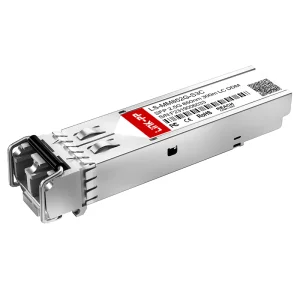
Enterprise-grade optical transceivers engineered to SFF-8436 MSA specifications, delivering 100% interoperability, low power footprint, and high-density performance.
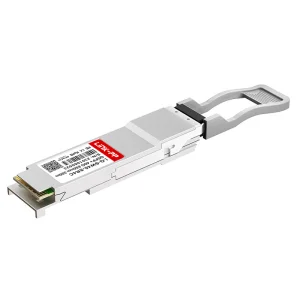
Analyzing the design criteria, performance metrics, and technological longevity of 40Gb/s Quad Small Form-Factor Pluggable (QSFP+) transceiver architectures.
The global landscape of enterprise networking, high-performance computing (HPC) environments, and telecommunication core nodes has shifted rapidly toward modular, high-efficiency architectures. Within this transition, the 40G QSFP+ Module has proven to be an incredibly robust, cost-effective, and highly scalable standard. Positioned strategically as the bridge between legacy 10G networks and modern high-velocity 100G/400G deployments, QSFP+ technology provides the required lane consolidation to reduce rack space and streamline thermal profiles in modern hyper-scale data centers.
Unlike traditional SFP+ modules that rely on single-channel optical links, QSFP+ integrates 4 independent transmit and receive channels, each operating at 10.3125 Gbps utilizing NRZ (Non-Return-to-Zero) modulation. Through this configuration, an aggregate bandwidth of 40 Gbps is realized over standard fiber networks. Engineering a 40G optical system demands deep attention to signal integrity, thermal dissipation, and compliance with the SFF-8436 Multi-Source Agreement (MSA). System integrators must balance link budgets, dispersion penalties, and insertion losses depending on their media choice—whether using short-reach Multimode Fiber (MMF) via MPO ribbon connectors or long-haul Single Mode Fiber (SMF) via LC duplex connectors.
By splitting data rates into four parallel channels, QSFP+ modules optimize electrical crosstalk, maximize routing density, and lower insertion losses across backplanes.
Modern 40G QSFP+ transceivers exhibit low power consumption ratings (often < 1.5W for SR4 and < 3.5W for LR4), minimizing operational cooling costs for facility operators.
Adhering strictly to IEEE 802.3ba, SFF-8436, and SFF-8636 standards, ensuring seamless compatibility across Cisco, Arista, Juniper, and other major network platforms.
Selecting the correct 40G QSFP+ transceiver format requires an understanding of their physical layer configurations:
How procurement professionals and optical engineers assess supply chain risks, total cost of ownership (TCO), and performance margins.
As digital transformation accelerates across global economies, B2B procurement professionals, system integrators, and telecom engineering teams face unique market challenges. The demand for bandwidth is infinite, yet capital expenditures (CAPEX) and operating expenses (OPEX) are heavily constrained. While hyperscalers are driving toward 400G and 800G optical layers, the global enterprise segment, industrial factories, regional ISPs, and governmental networks continue to deploy 40G QSFP+ architectures due to their reliability, low power draw, and lower cost-per-port metrics.
Procuring optical transceivers requires a rigorous evaluation framework. Reliability is non-negotiable: a single faulty module in a core switch can cause costly network downtime. For global B2B procurement managers, the primary focus is not just purchasing the cheapest component, but sourcing from a high-capacity supplier that guarantees consistent material quality, EEPROM programming accuracy, and multi-vendor platform compatibility. This has led to the rise of premium third-party transceiver options, where factories like FiberNova offer identical performance margins compared to original equipment manufacturers (OEMs), but at a fraction of the cost.
When selecting a manufacturing partner, B2B procurement directors prioritize the following vectors:
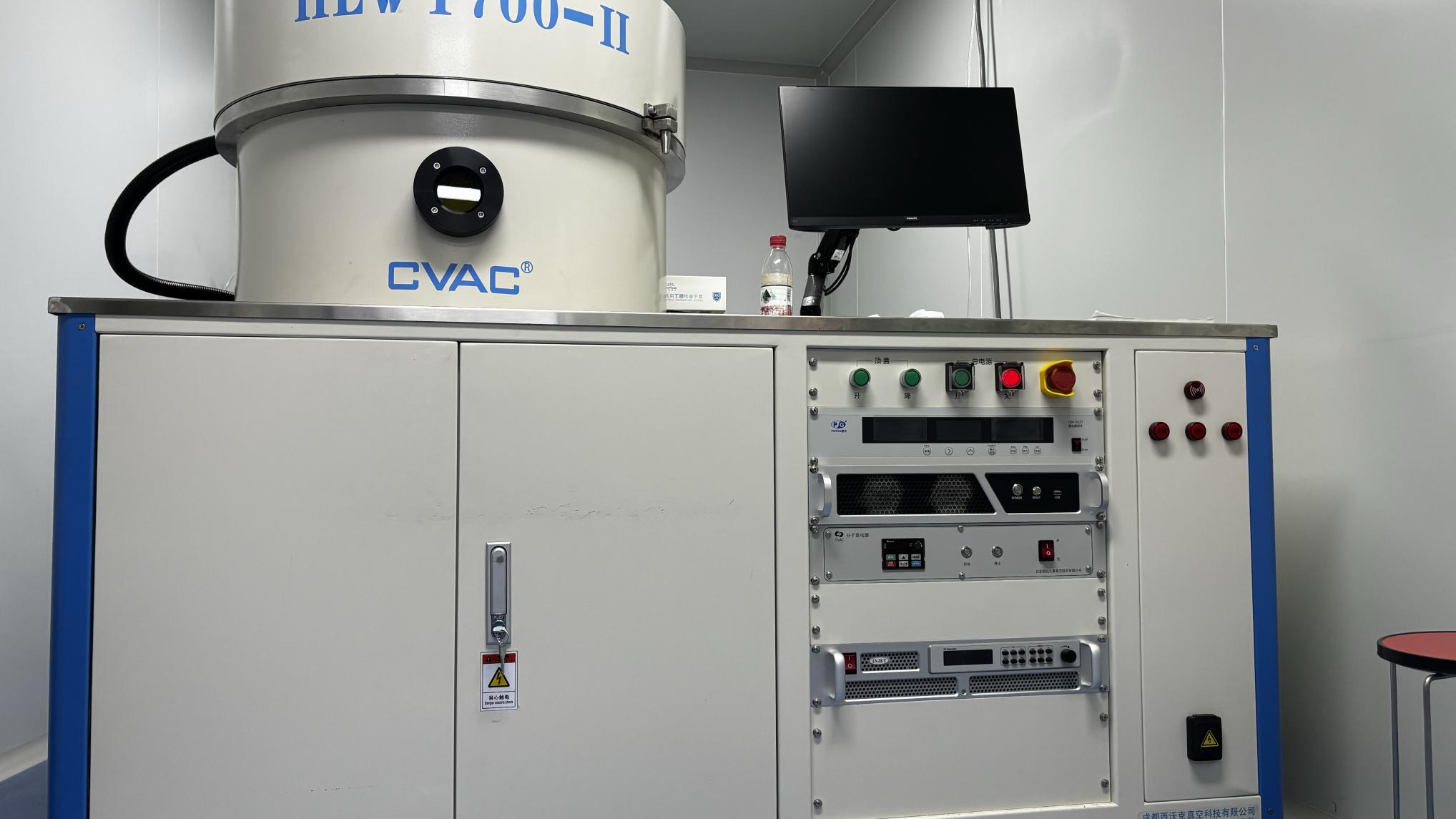
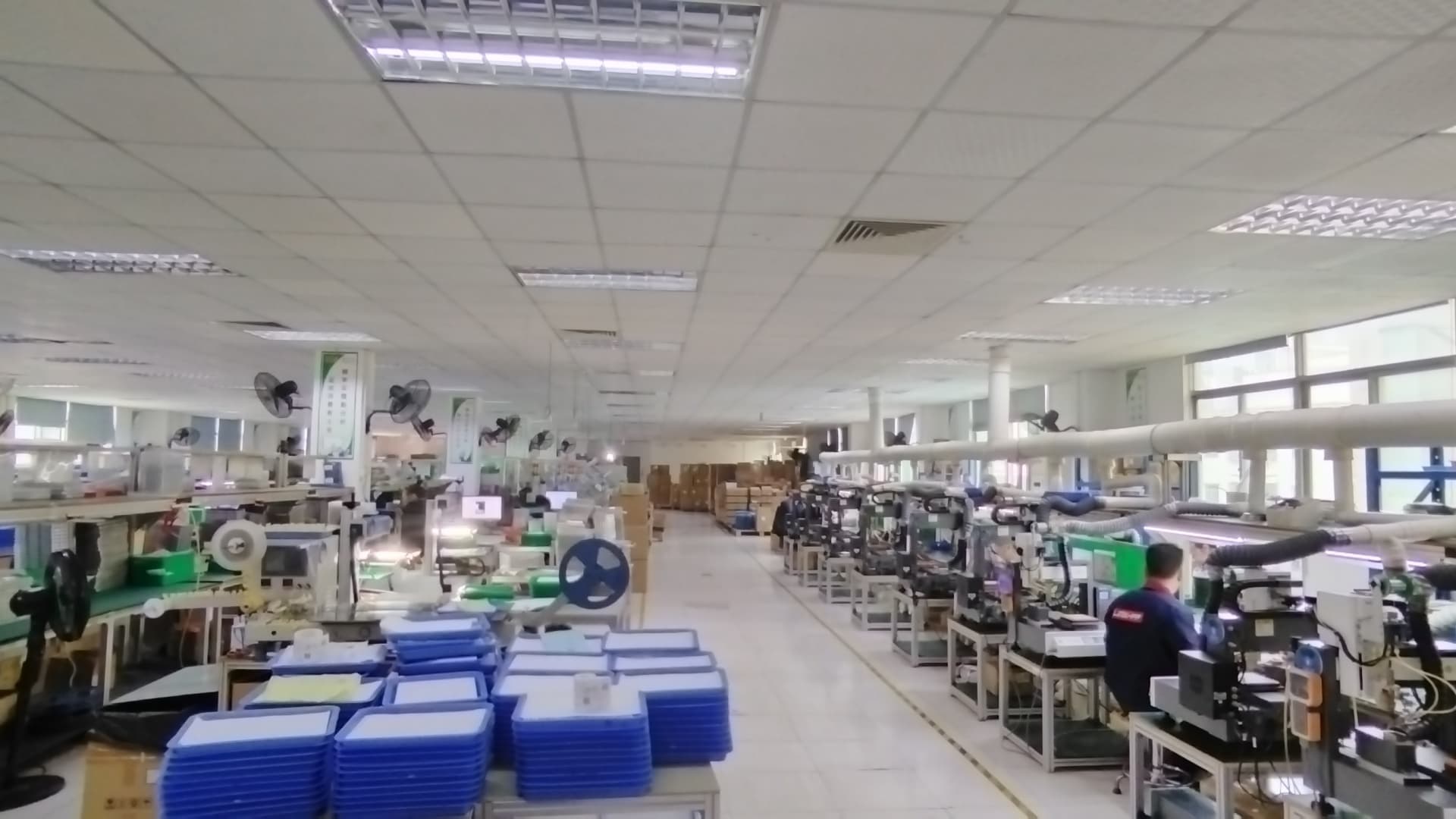
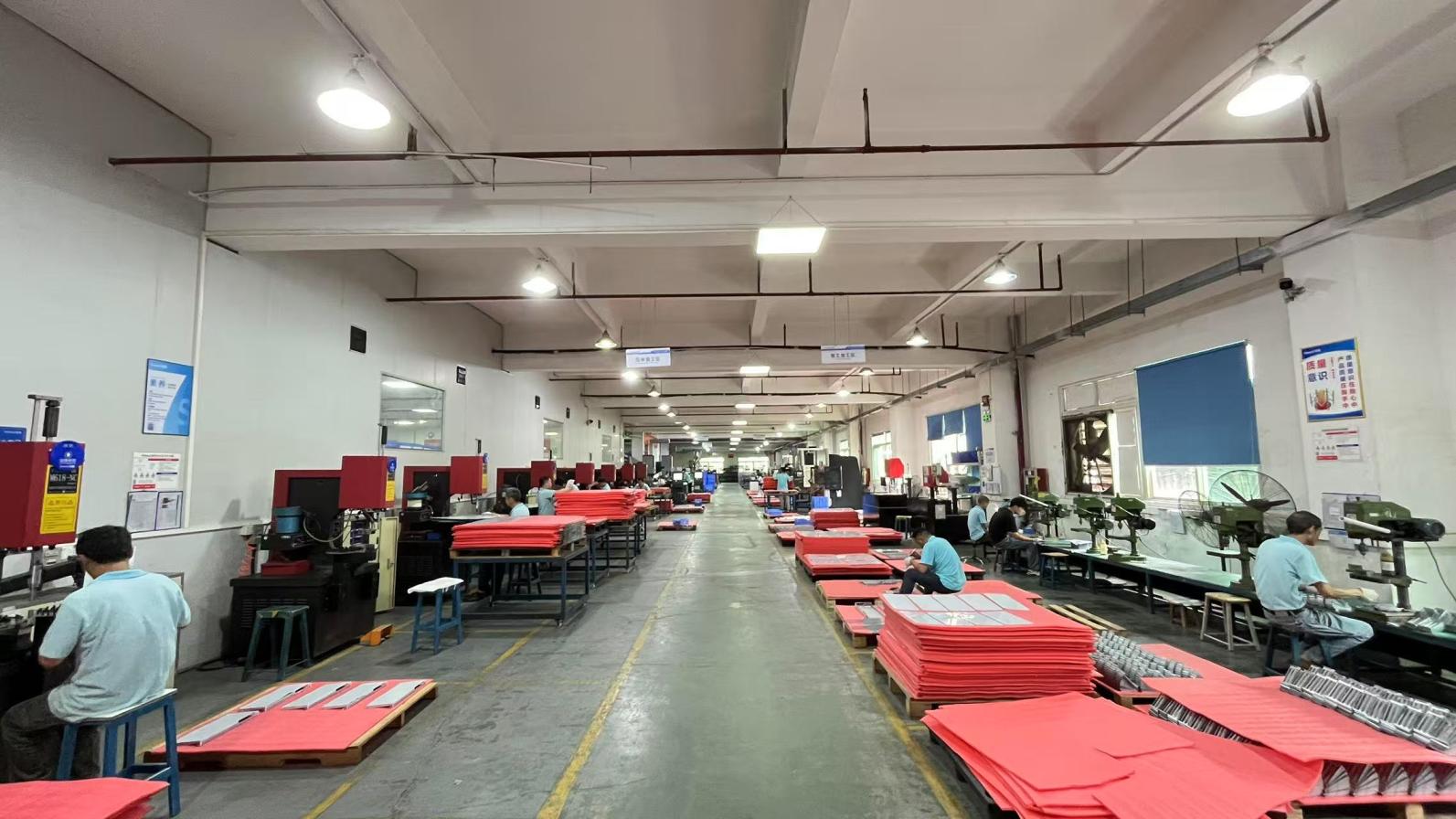
Deep inside the advanced manufacturing facilities, automated testing systems, and high-precision labs of China's optical communication hub.
The global supply chain for optoelectronics demands high precision. A significant portion of the world's optical transceivers are produced and tested in China's specialized technology corridors. Over the last decade, these manufacturing centers have transitioned from traditional assembly plants into advanced Factory 4.0 smart facilities. By deploying automated optical alignment, smart robotic testing cells, and IoT-driven tracking systems, manufacturers have increased throughput while keeping defective rates at low PPM (parts per million) levels.
At the core of this industrial capability is FiberNova Optical Communication Tech Co., Ltd. (FiberNovaTransceivers.com). Established in 2016, FiberNova operates a modern, high-precision cleanroom and testing facility covering approximately 380㎡. While the physical footprint is streamlined for high-efficiency throughput, the facility operates to cleanroom standards, housing state-of-the-art optical spectrum analyzers, digital communication analyzers (DCA), and automated testing jigs. Backed by over 12 years of deep industry expertise and 6 years of export compliance experience, FiberNova manages to generate an annual export revenue of USD 8–15 million. This high productivity is enabled by partnering with over 1,200 supply chain partners, ensuring a stable, priority supply of core materials like lasers, photodiodes, and transimpedance amplifiers (TIAs) even during market shortages.
What sets a true Factory 4.0 supplier apart is the integration of testing and engineering:
Explore FiberNova's high-tech production environment, compliance labs, and advanced test instrumentation.
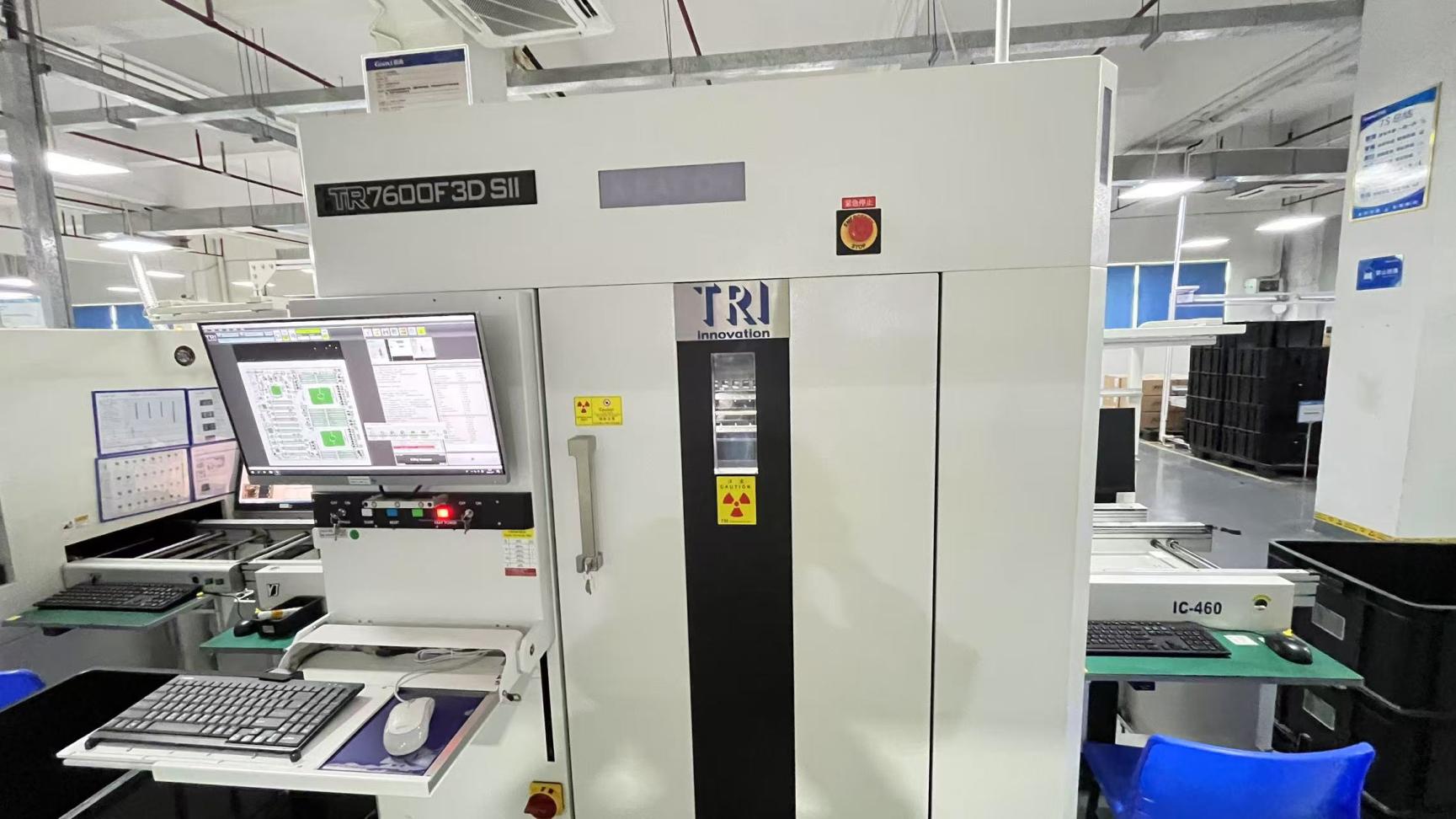
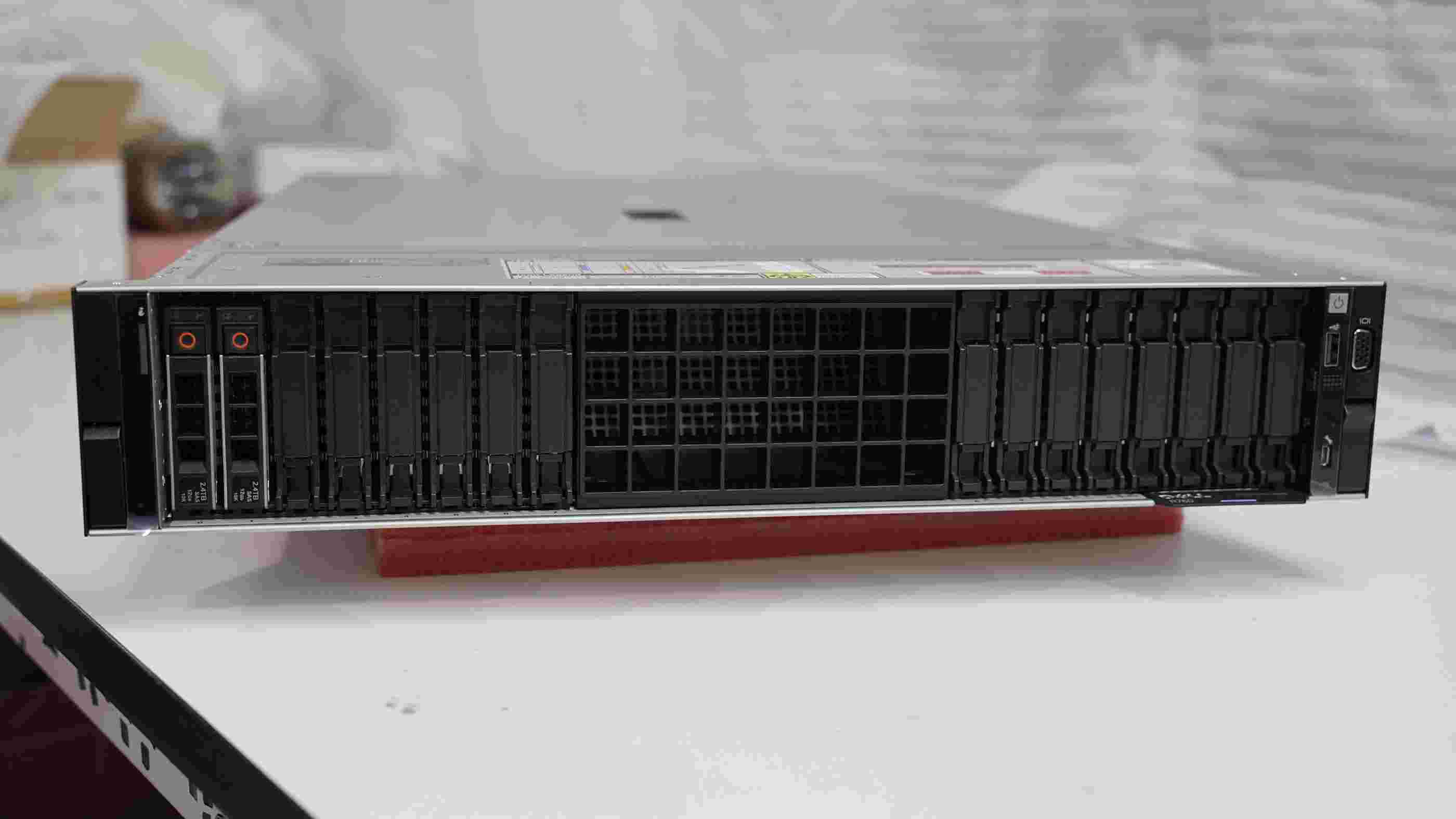

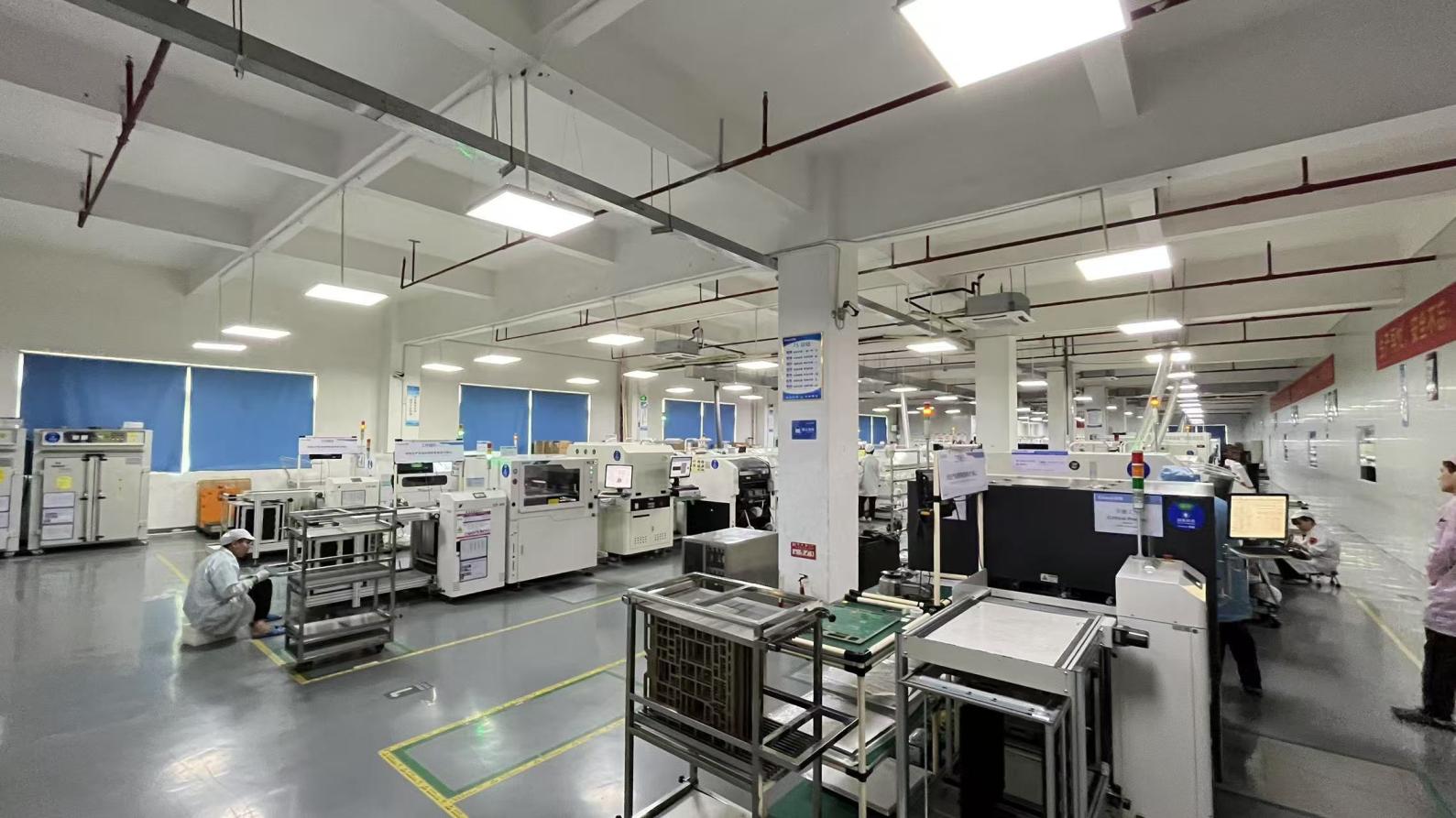
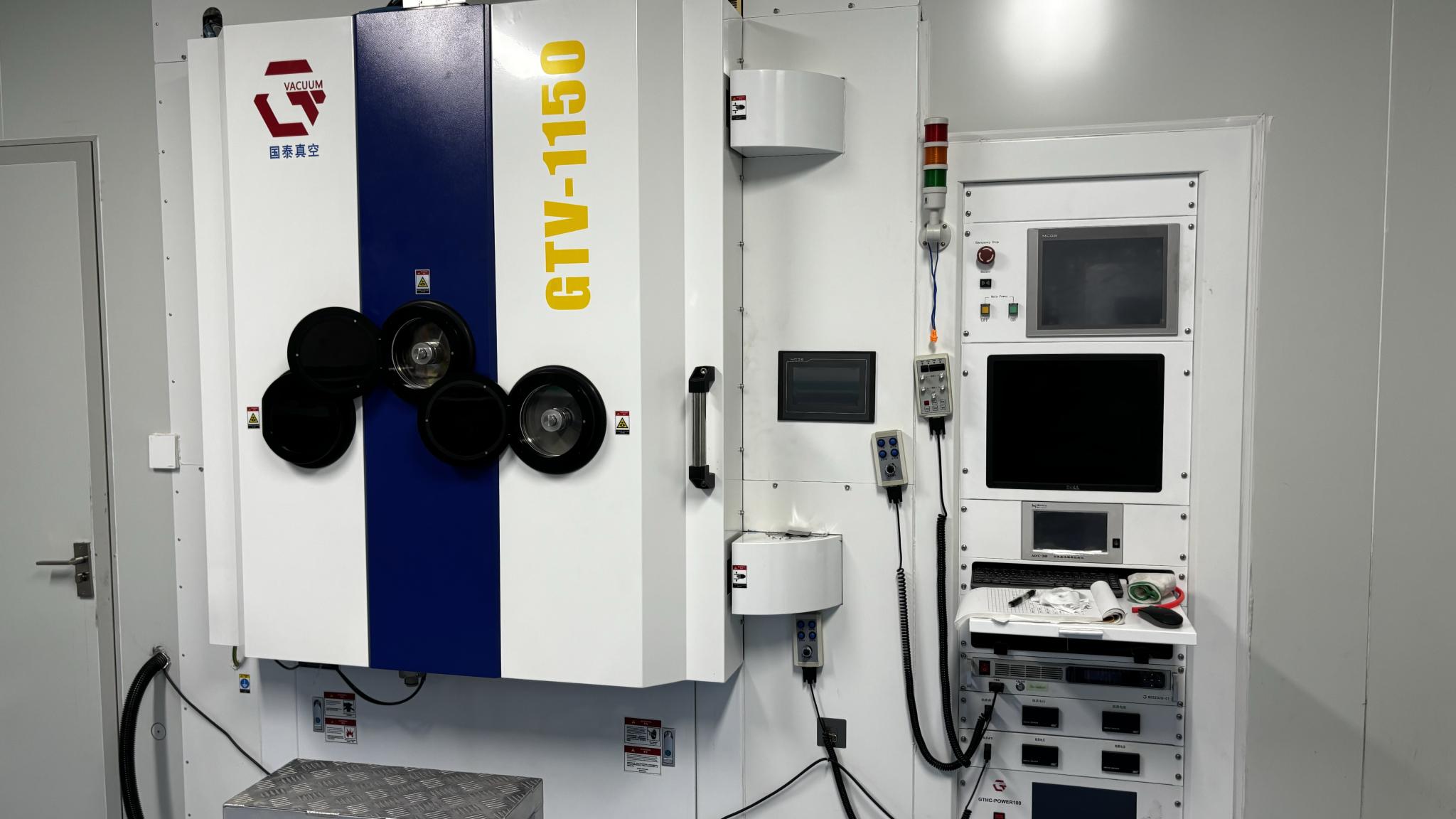
Reviewing deployment architectures across corporate datacenters, high-frequency trading networks, utility grids, and campus backbones.
Optical networks are not one-size-fits-all; they are highly customized systems configured for specific localized requirements. The 40G QSFP+ module family adapts well to several deployment topologies, ensuring maximum signal fidelity and minimal latency. By analyzing real-world topologies, engineers can optimize their transceiver choices to match physical environment requirements.
Connecting High-Density Top-of-Rack (ToR) switches to Spine distribution switches. Deploying 40GBASE-SR4 over MPO-12 breakout setups to 4x 10G SFP+ links minimizes cable bulk and enhances air cooling flows inside server racks.
Telecom operators deploy 40GBASE-LR4 and ER4 transceivers for mid-mile links. These transceivers carry multi-gigabit traffic across urban hubs and connect local central offices up to 40 kilometers apart without mid-span signal amplification.
For smart factories and power plants, industrial-grade 40G transceivers are configured to withstand electromagnetic interference (EMI). They operate reliably inside ruggedized switches near high-voltage lines, facilitating continuous PLC telemetry.
A key localized scenario involves Legacy Fiber Migrations. In older campus infrastructures pre-wired with LC duplex multimode fibers, upgrading to standard 40G MPO systems is often cost-prohibitive. FiberNova's QSFP+ BiDi modules solve this issue by multiplexing two 20Gb/s channels over a single pair of LC duplex MMF. This approach allows enterprise campuses to upgrade their network cores to 40G speed without replacing their optical cable infrastructure, saving on both capital equipment and installation labor.
How FiberNova leverages its 65-engineer R&D center to customize physical layer optics, protocol stack microcodes, and custom housing designs.
Modern networking environments are increasingly customized. Proprietary operating systems and vendor-specific firmware locks require flexible transceiver code architectures. FiberNova stands out by offering robust OEM and ODM engineering services. Supported by an experienced team of 65 R&D engineers, FiberNova designs custom solutions to meet specific application requirements. Over the past year, FiberNova launched approximately 120 new products, adapting to shifting customer demands across global markets including the United States, Germany, Japan, South Korea, and the United Arab Emirates.
Our engineering services go beyond basic vendor coding. We work with clients to develop custom optoelectronic specifications:
FiberNova's global presence is built on reliable export management. Our export divisions manage compliance paperwork, RoHS certifications, CE/FCC testing, and custom clearance pathways for direct deliveries into North America, Europe, Southeast Asia, and the Middle East. With an annual export volume between USD 8M and 15M, we maintain a robust supply chain to fulfill volume orders with minimal lead times.
Detailed technical answers addressing compatibility, diagnostic telemetry, optical budgets, and hardware installation best practices.
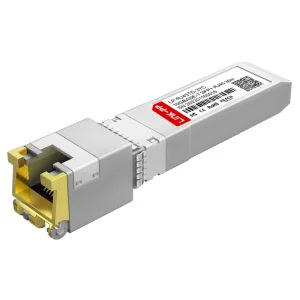
Expand network configurations with our shielded RJ45 modules, SFP+ cages, and copper/optical transceiver line.
 FiberNova