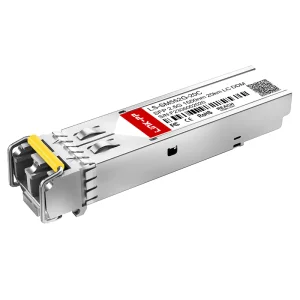
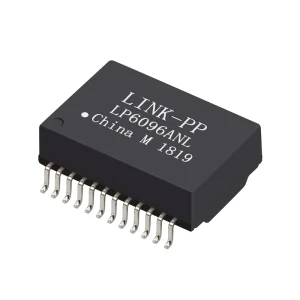
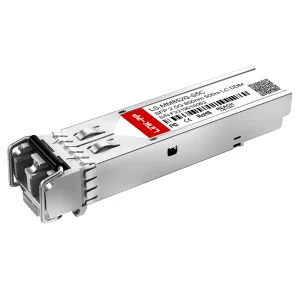
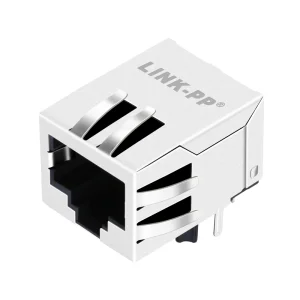
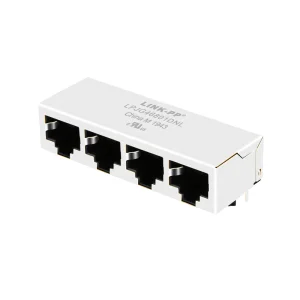
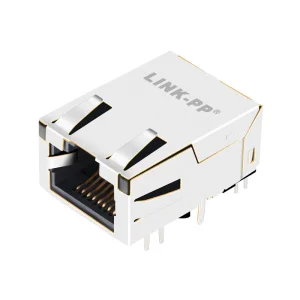
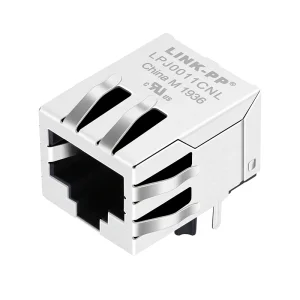
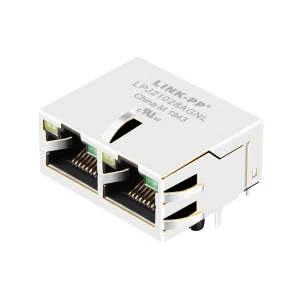
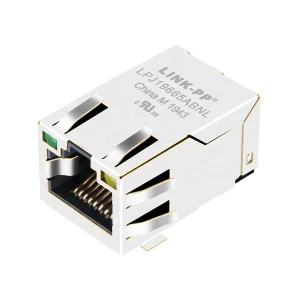
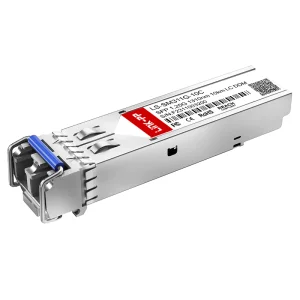
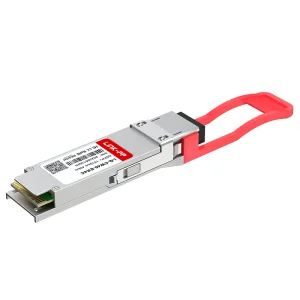
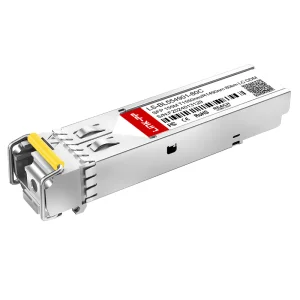
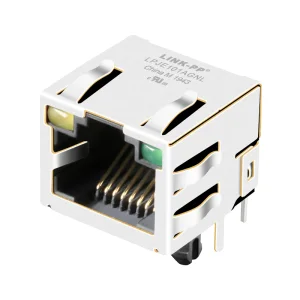
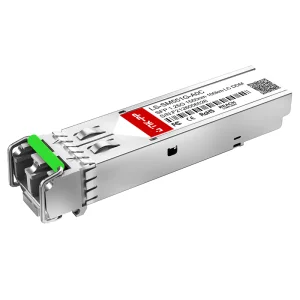
Explore our top-performing SFP cages, optical transceiver modules, and Ethernet magnetics engineered for enterprise networking systems.
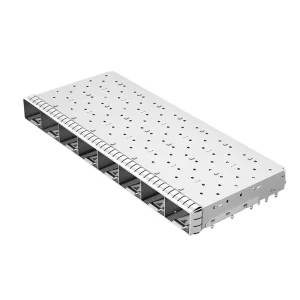
In the era of hyper-scale cloud computing, 5G wireless rollouts, and AI-driven computing farms, the global request for reliable, high-speed input/output (I/O) connectivity has reached an unprecedented scale. Underpinning this physical architecture is the small form-factor pluggable (SFP) module cage. SFP cages serve as critical structural components mounted on the printed circuit boards (PCBs) of switches, routers, host bus adapters (HBAs), and cellular base stations, serving a dual purpose: providing robust mechanical support for transceiver modules and mitigating electromagnetic interference (EMI).
Currently, the market represents a transition from legacy SFP/SFP+ designs supporting 10 Gbps and 16 Gbps speeds to zSFP+ and SFP28/SFP56 form-factors operating at 25 Gbps to 56 Gbps per channel. As the industry scales toward 112G and 224G PAM4 signaling schemes, SFP cage manufacturing is no longer a simple sheet-metal stamping exercise. It is a highly engineered discipline requiring micro-millimeter precision tolerances, sophisticated venting configurations, advanced elastomeric EMI gaskets, and optimized press-fit termination configurations.
Leading network infrastructure builders across North America, the European Union, and East Asia are demanding higher port densities. Multi-port ganged configurations (such as 1x2, 1x4, 1x8, and stacked 2xN layouts) allow system designers to pack maximum bandwidth into standard 1RU rack spaces. However, this high concentration of transceiver modules creates acute challenges in heat dissipation and thermal runaway prevention, raising the stakes for premium SFP cage engineering.
Engineered to minimize crosstalk and insertion loss up to 56 Gbps PAM4 frequencies by employing optimized press-fit pins and precision housing.
Utilizes dual-point contact EMI spring fingers and elastomeric gaskets to prevent electromagnetic leakage at high system frequencies.
Integrated riding heat sink paths and optimized airflow designs to lower module temperatures by up to 10°C compared to standard configurations.
To design a robust, MSA-compliant (Multi-Source Agreement) SFP cage, manufacturers must blend mechanical design, materials science, and high-precision stamping. A high-performance SFP/SFP+ cage is usually fabricated from high-grade copper alloys (such as phosphor bronze or nickel silver) which provide the perfect balance between electrical conductivity, mechanical strength, and corrosion resistance. The thickness of the cage wall (typically 0.25mm) is chosen to maximize shielding efficiency while maintaining structural rigidity during the press-fit or through-hole wave soldering installation process.
Electromagnetic interference (EMI) is the biggest enemy of high-speed digital communications. At frequencies corresponding to 25G and 56G systems, slot-antenna effects on SFP cage ports can radiate high-frequency emissions. Modern SFP cages tackle this through two primary methods:
Metal Spring Fingers: These contacts surround the cage's opening to form a reliable connection to the system bezel, bridging any gap where EMI could escape. Dual-point contact geometries ensure that even under mechanical misalignment, grounding is not lost.
Elastomeric Gaskets: For extremely high-frequency deployments, conductive elastomers provide continuous, gap-free contact along the perimeter of the panel cutout, delivering superior EMI isolation at 10GHz to 40GHz bands.
Historically, through-hole soldering (THT) was the standard for SFP cages. However, the thermal mass of multi-port ganged cages, combined with the need to avoid thermal damage to high-layer count backplanes, has made Press-Fit (specifically "Eye-of-the-Needle" or EON pin geometry) the dominant manufacturing standard. Press-fit technology offers several benefits:
1. Solderless Assembly: Eliminates solder flux and heat cycles, safeguarding the PCB.
2. Reworkability: Allows cages to be replaced up to three times without damaging the plated-through holes (PTH) on the motherboard.
3. Electrical Cleanliness: Solder stubs can create parasitic capacitance and signal reflections. Press-fit pins, when properly engineered, minimize stub lengths to preserve high-speed channel performance.
In the global supply chain, China stands out as the premier hub for precision hardware manufacturing. For SFP cages and optical modules, this advantage goes far beyond simple labor cost savings. It is built on a highly integrated industrial ecosystem, massive material access, and advanced automation.
A resilient Chinese manufacturer, like FiberNova Optical Communication Tech Co., Ltd., integrates all steps of the production cycle: tool-and-die design, precision high-speed stamping, surface plating, automated inspection, and packaging. This vertical integration allows for rapid prototyping and mass customization, cutting time-to-market for international buyers. When a European or North American customer needs custom thermal heat-sink modifications for a 1x4 SFP cage, Chinese engineering networks can deliver working samples within two weeks—a cycle that would take months elsewhere.
Furthermore, China's proximity to major copper mines, alloy processing plants, and gold/nickel electroplating facilities stabilizes raw material costs. Even amid macroeconomic shifts, Chinese manufacturers manage supply shocks through long-term partner relationships. For instance, FiberNova maintains a robust network of over 1,200 supply chain partners, guaranteeing a steady supply of premium metals, components, and packaging materials even during peak global demand cycles.
The operating environments of SFP cages vary widely depending on their geographical location and application vertical. As a premier exporter, we design products optimized for these distinct environments:
In major cloud hubs like Northern Virginia and Oregon, data centers run massive server racks 24/7. These environments prioritize thermal efficiency and high-density ports. We supply zSFP+ press-fit 1x8 and stacked 2x8 configurations with integrated, low-profile riding heat sinks to optimize horizontal airflow across the chassis.
For outdoor 5G remote radio heads (RRH) across Germany, the UK, and Scandinavia, SFP cages are exposed to severe weather and humidity. Our components feature custom nickel-silver alloys and 30-microinch gold plating to resist oxidation and thermal cycling stress down to -40°C.
Industrial manufacturing hubs in Vietnam, Thailand, and Malaysia run ethernet networks on factory floors. High dust levels and vibration are major challenges. Our SFP cages with extra PCB anchoring pegs and dust-proof spring doors ensure stable, uninterrupted signal integrity in these harsh setups.
The insatiable demand for bandwidth—fueled by generative AI training, high-definition video streaming, and autonomous driving networks—is pushing system speeds from 25G/100G per port to 400G (QSFP-DD), 800G (OSFP), and even 1.6T speeds. This technological progression reshapes the design of SFP cages and their form factors:
SFP28 & SFP56 (25G to 50G): Ideal for enterprise access networks and server-to-switch links. Our SFP28/SFP56 cages use advanced EMI-reducing gaskets to prevent high-frequency leakage at 14GHz (SFP28) and 28GHz (SFP56) Nyquist frequencies.
QSFP-DD and SFP-DD (Double Density): By adding a second row of electrical contacts, SFP-DD doubles the channel count while keeping the legacy SFP form-factor envelope. This design requires incredibly precise mechanical alignment inside the cage to ensure proper contact and reliable mating force.
CPO (Co-Packaged Optics) Integration: Looking ahead, traditional pluggable transceivers will face physical limits in density and power. As systems move toward Co-Packaged Optics, the role of SFP cages will shift. They will evolve from holding stand-alone transceiver modules to supporting optical connector interfaces that route signals directly to the host ASIC board.
FiberNova Optical Communication Tech Co., Ltd. (FiberNovaTransceivers.com) is a professional optical transceiver manufacturer established in 2016, with a modern production facility covering approximately 380㎡. The company focuses on high-speed optical communication solutions, serving global data center and telecom customers with stable, high-performance products.
With over 6 years of export experience and 12 years of industry expertise, FiberNova has developed strong capabilities in R&D, manufacturing, and international trade. The company achieves an annual export revenue of approximately USD 8–15 million, supplying customers across North America, Europe, Southeast Asia, and the Middle East.
FiberNova operates with a strict quality control system, including 100% optical performance testing, temperature cycling tests, and signal integrity inspection before shipment. The quality assurance team consists of around 45 professional QC staff, ensuring every transceiver meets international standards such as IEEE and MSA compatibility requirements.
The company maintains a solid trade background with experienced export teams handling OEM and ODM projects worldwide. Its main markets include the United States, Germany, Japan, South Korea, and the United Arab Emirates. FiberNova has established long-term partnerships with more than 1,200 supply chain partners, enabling stable procurement of chips, lasers, and optical components.
FiberNova serves a wide range of clients, including telecom operators, cloud service providers, data center integrators, and network equipment distributors. The company has strong R&D capabilities, supported by 65 engineers, focusing on high-speed transmission technologies such as 10G, 25G, 100G, 400G, and 800G optical modules.
Customization is fully supported, including wavelength tuning, protocol compatibility, housing design, and labeling services. In the past year, FiberNova launched approximately 120 new products, continuously expanding its portfolio to meet fast-changing market demands.
With innovation-driven development and strict quality standards, FiberNova aims to become a trusted global partner in optical communication solutions.
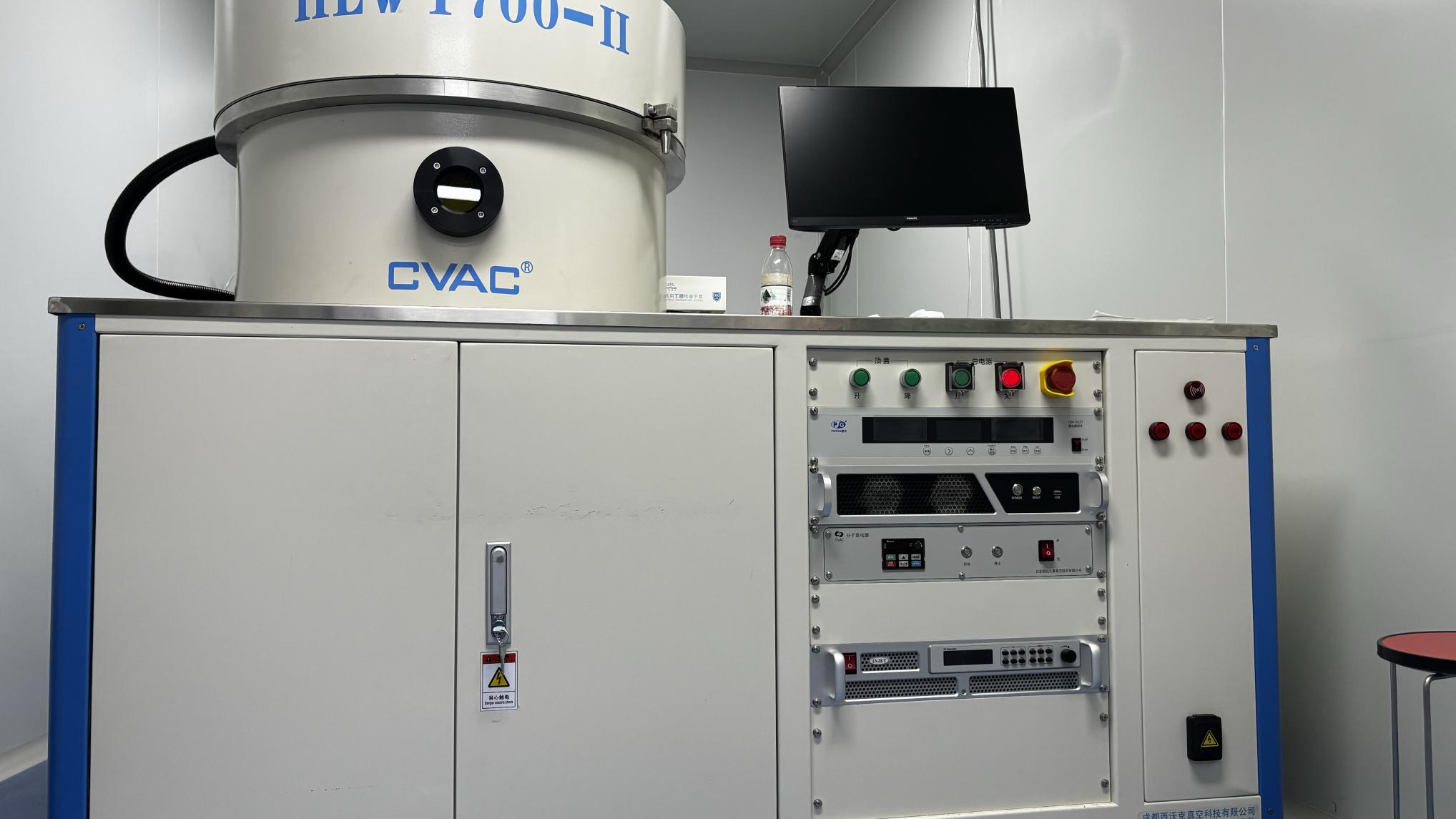
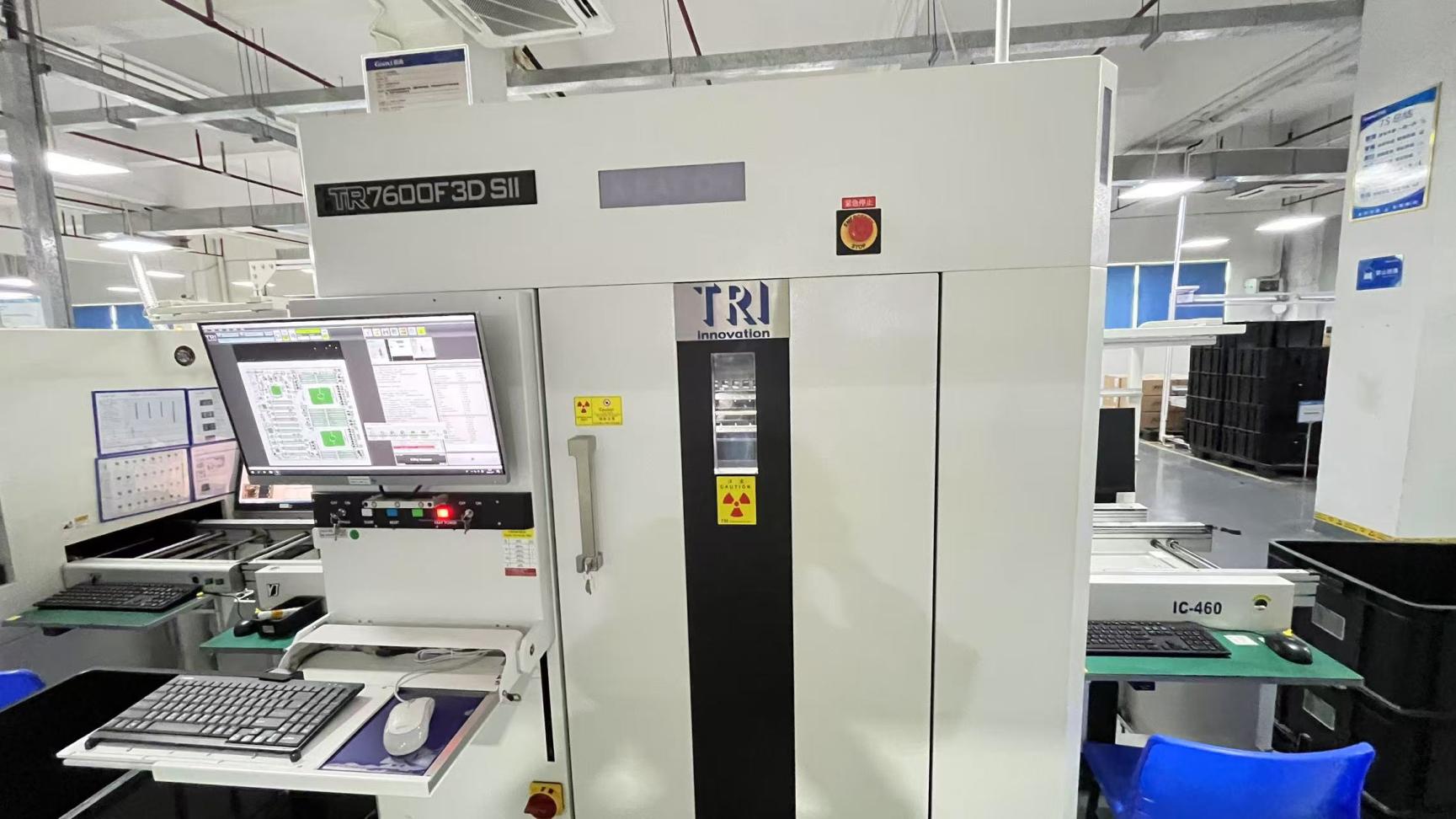
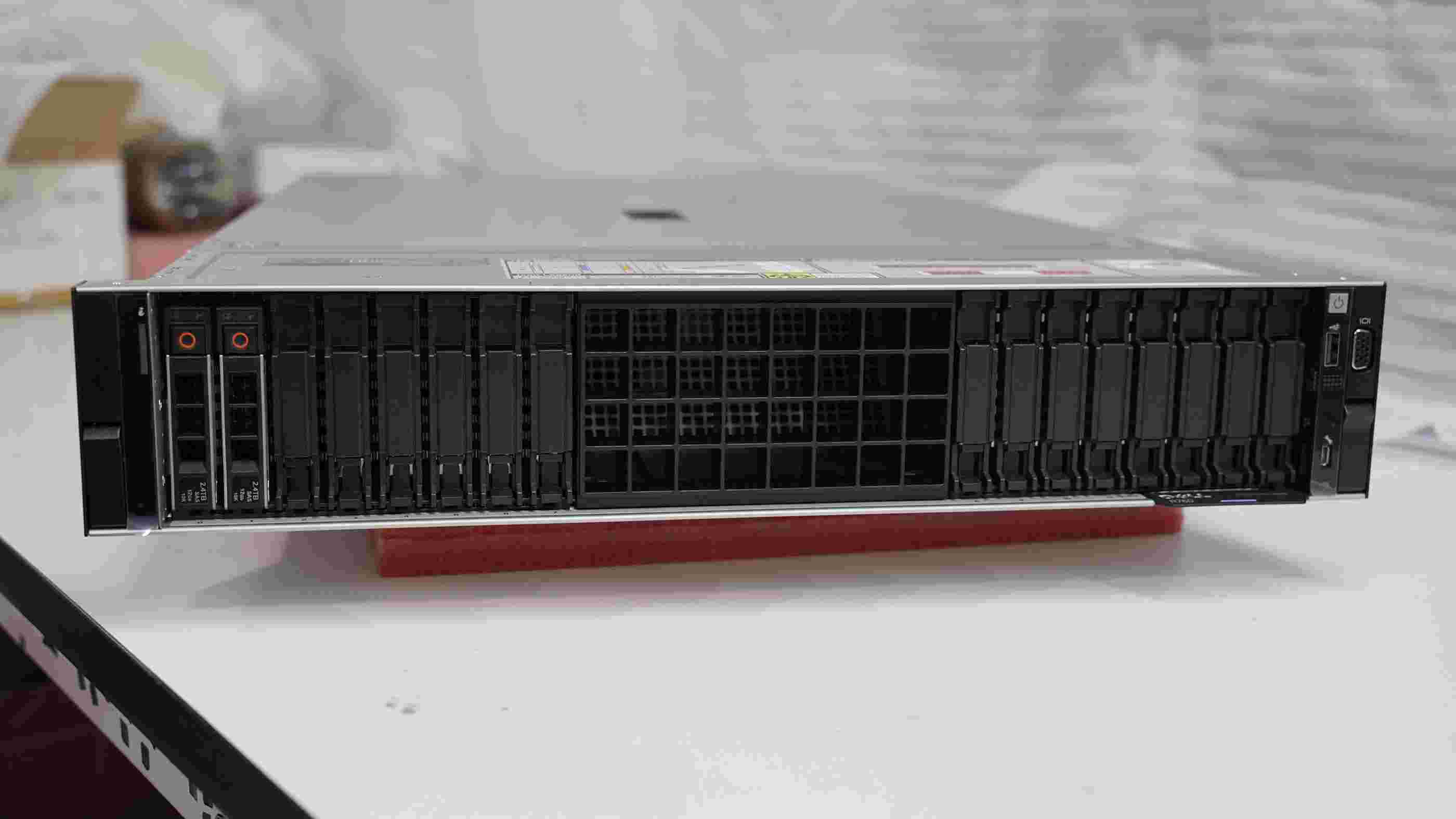

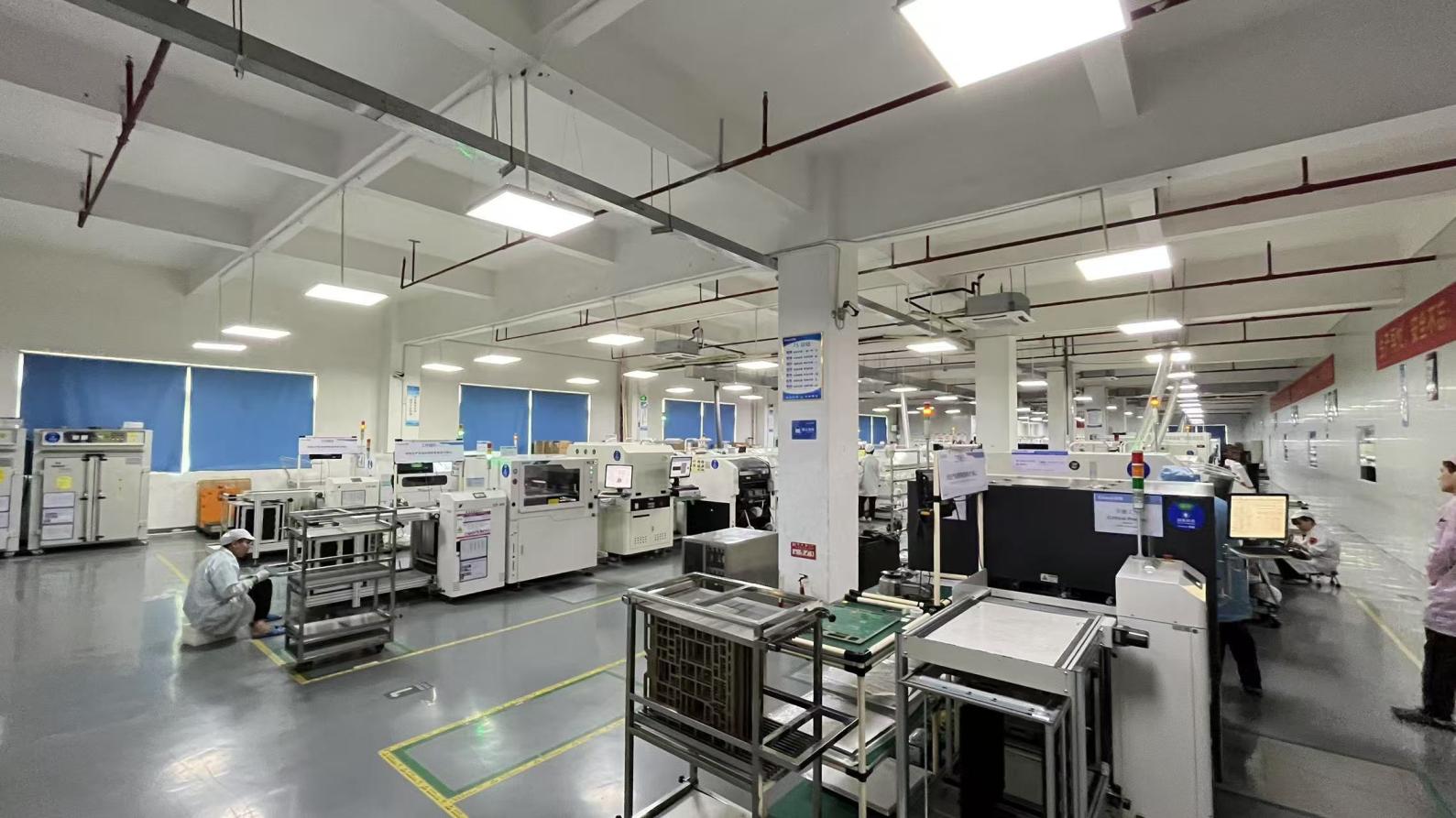
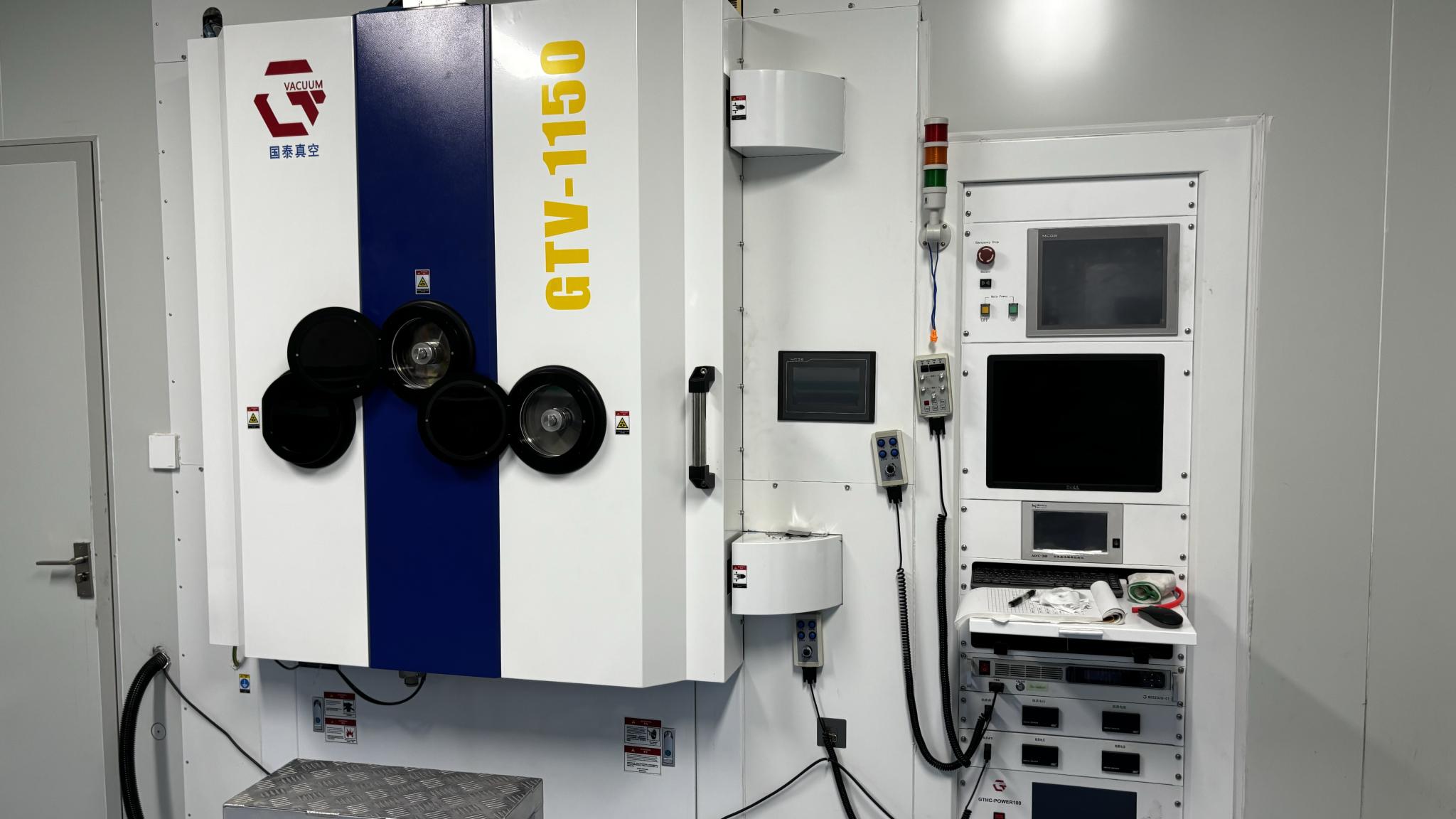
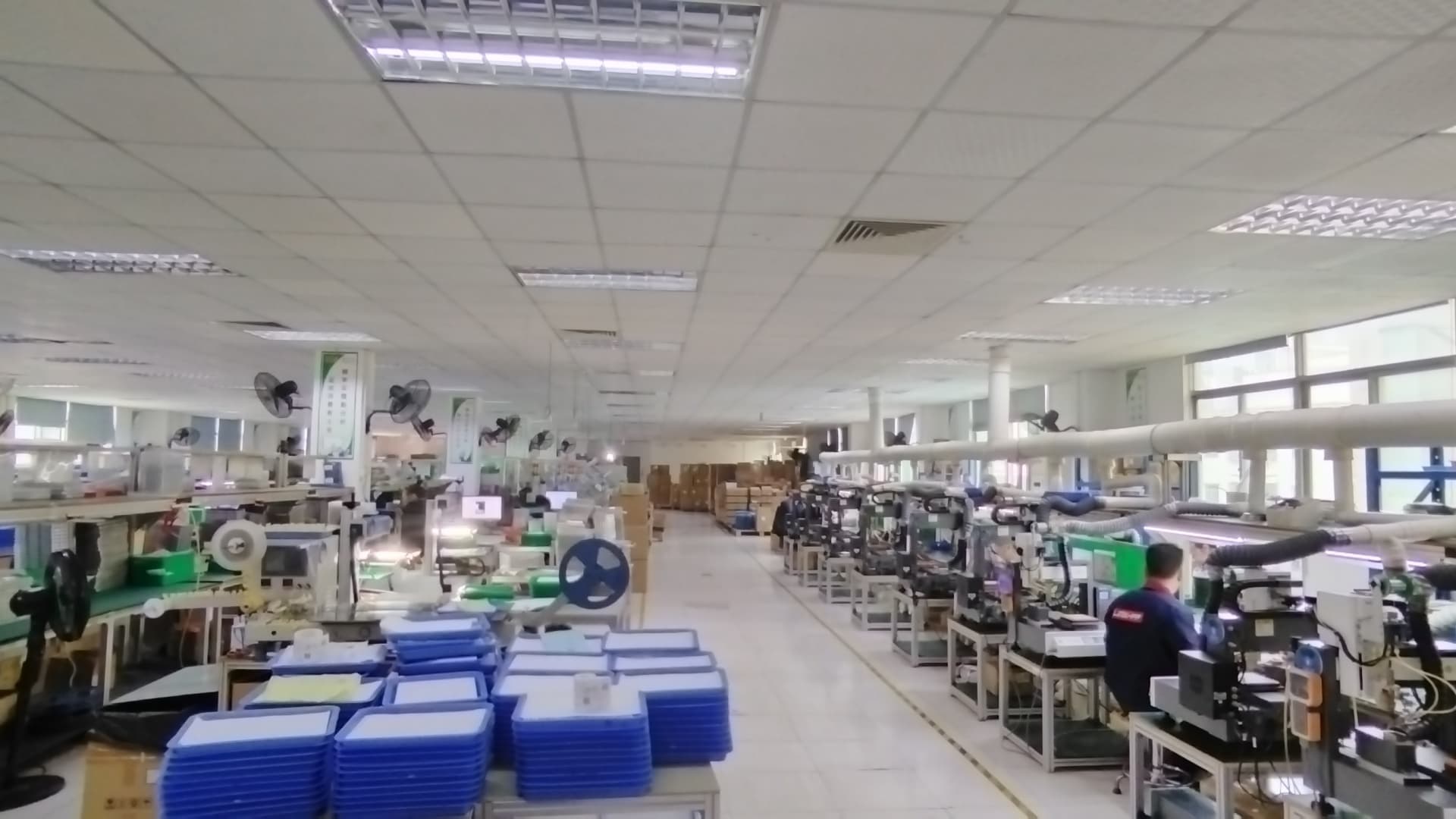
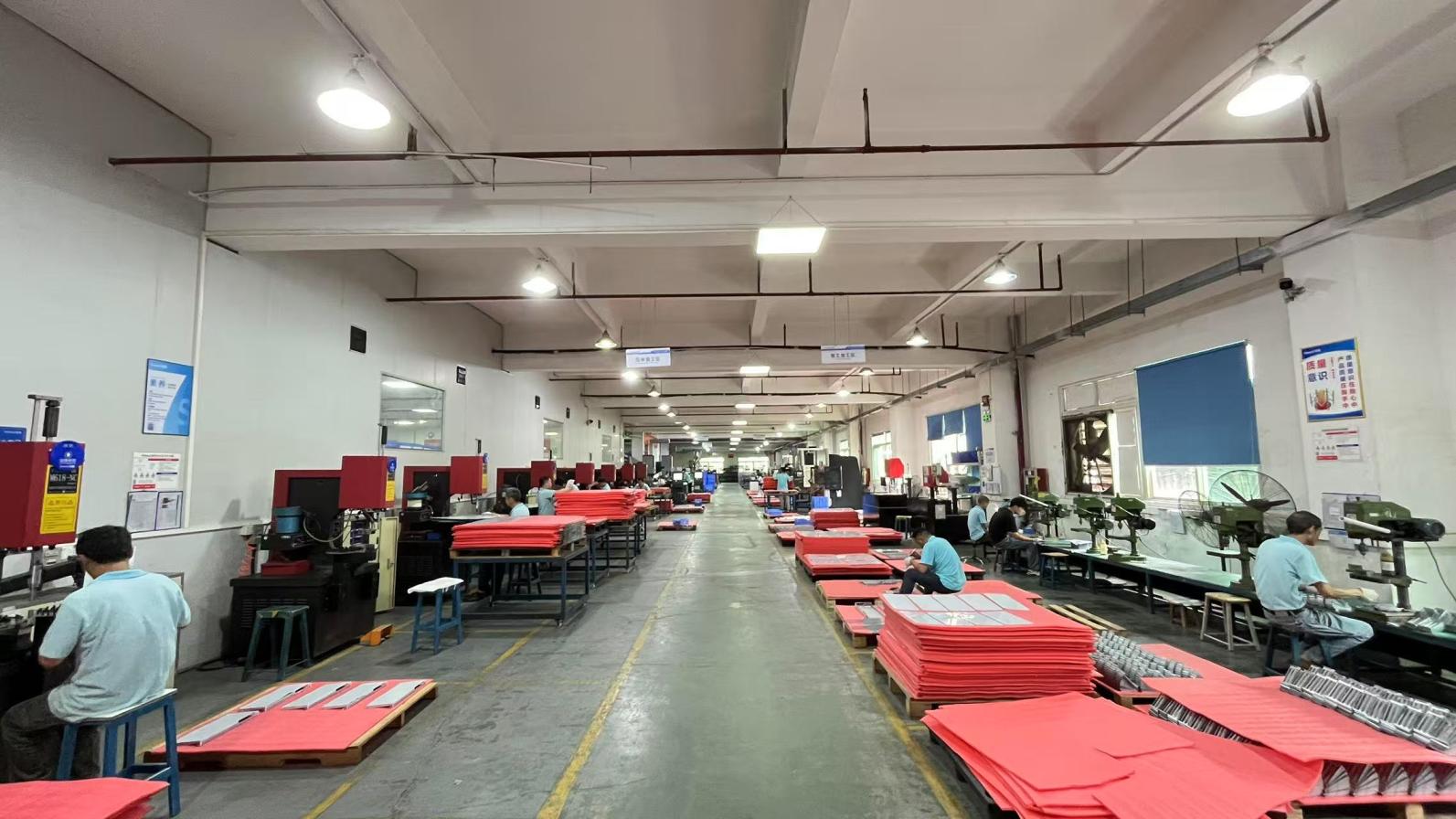
In high-speed communication systems, even a minor variance in SFP cage dimensions can disrupt connection continuity, increase contact resistance, or create EMI leaks. To ensure every exported cage and optical module meets global requirements, FiberNova applies a rigorous quality control program:
1. Dimensional Verification: Every batch is measured using 3D optical coordinate systems to verify press-fit pin layouts, clip positions, and outer shield dimensions within ±0.05mm tolerances. This ensures 100% compatibility with host equipment from major brands like TE Connectivity, Molex, Amphenol, and Cisco.
2. Salt Spray Testing (ASTM B117): Essential for marine or coastal applications, our cages undergo salt spray testing to verify that their gold plating and nickel barrier layers resist corrosion over extended deployments.
3. Insertion & Extraction Durability: Mechanical wear can loosen contact pressure and degrade ground performance. Our SFP cages are tested to withstand over 250 mating cycles without physical fatigue or loss of grounding integrity.
4. 100% Signal Integrity & Optical Analysis: We inspect every module on high-speed network analyzers to guarantee minimal insertion loss and return loss up to the system's maximum rated frequency.
Find expert answers to common queries regarding SFP cage designs, material choices, compatibility, and ordering options.
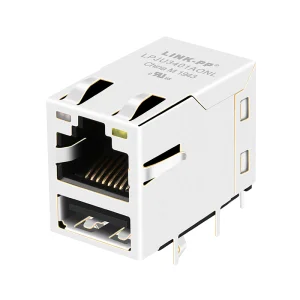
Discover our comprehensive lineup of SFP optical transceivers, RJ45 modular jacks, and high-performance connector housings.
 FiberNova