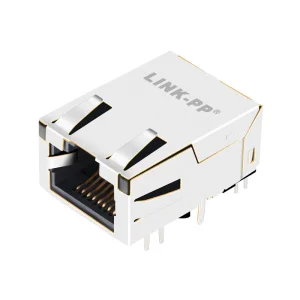
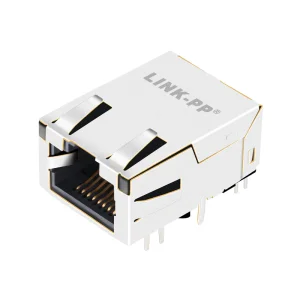
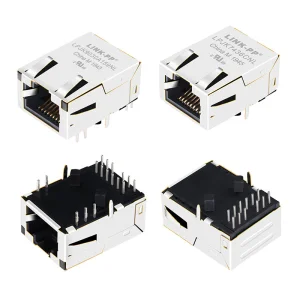
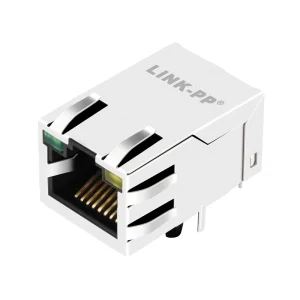
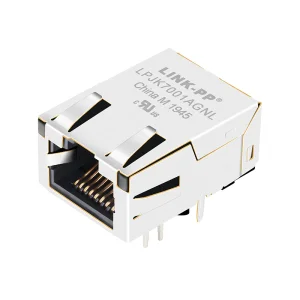
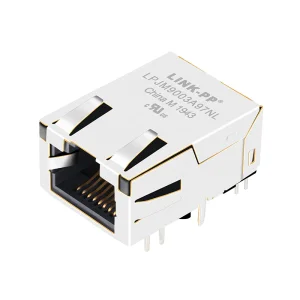
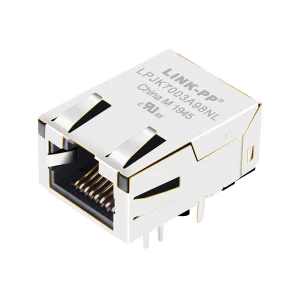
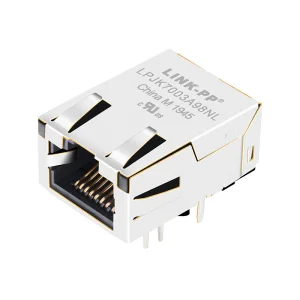
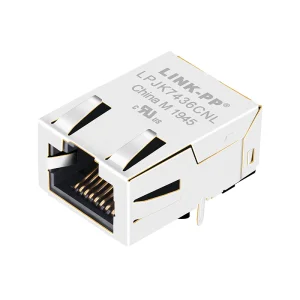
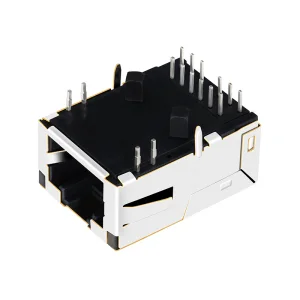
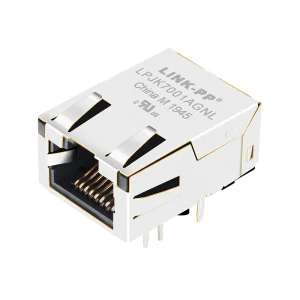
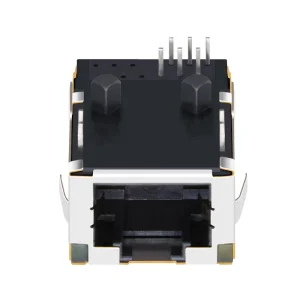
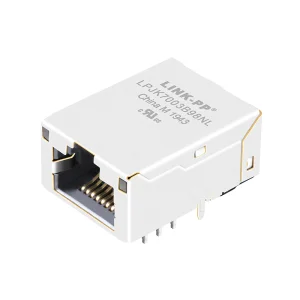
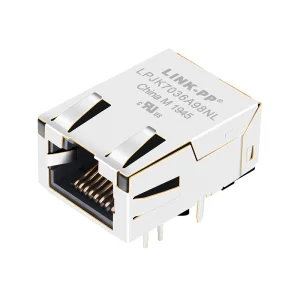
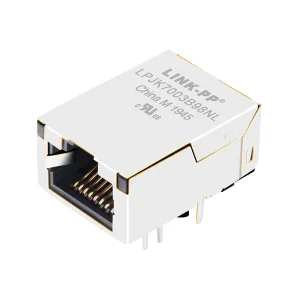
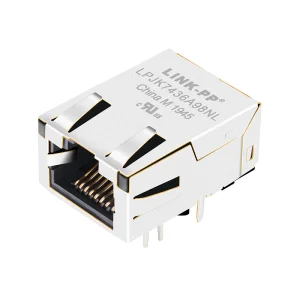
In high-density printed circuit board (PCB) layouts, mechanical space constraints have emerged as a primary bottleneck for hardware engineers. Standard-profile RJ45 jacks typically stand between 13.5mm and 16.5mm off the board surface, rendering them incompatible with low-profile chassis formats like 1U rackmount blade servers, ultra-thin industrial PCs, sub-1U IoT gateways, and small-form-factor pluggable optical transceivers. Low-Profile RJ45 Female Connectors address this exact bottleneck by reducing vertical seating heights to less than 11.5mm (and in micro designs, down to 8.5mm), making them essential components in next-generation high-bandwidth applications.
By embedding passive filter modules, isolation transformers, and common-mode chokes inside the connector shell, integrated low-profile magnetic jacks safeguard differential lines against electromagnetic interference (EMI) and radio-frequency interference (RFI) without requiring auxiliary discrete filter arrays on the motherboards.
Utilizing high-grade copper alloys plated with nickel, the external metallic shielding includes strategically designed grounding tabs. These tabs make contact with the metal bezel of the system enclosure, routing high-frequency noise directly to ground, thereby eliminating signal corruption in close-proximity channels.
Connectors employ gold-plated phosphor bronze alloy pins (typically ranging from 15u" to 50u" gold over nickel). This prevents oxidation, guarantees continuous contact pressure, and allows for at least 750 mechanical mating cycles under diverse industrial operating conditions.
Global procurement teams face challenges related to supply chain bottlenecks, rising material costs, and stringent compliance audits. China has become the global center for high-precision connector manufacturing due to several key advantages:
Chinese factories specialize in micro-precision injection molding and high-speed progressive stamping. Form-factor parts require highly precise wall thicknesses using liquid crystal polymers (LCP) to withstand reflow soldering temperatures up to 260°C. Maintaining plastic injection molds in-house reduces tooling lead times from months to weeks.
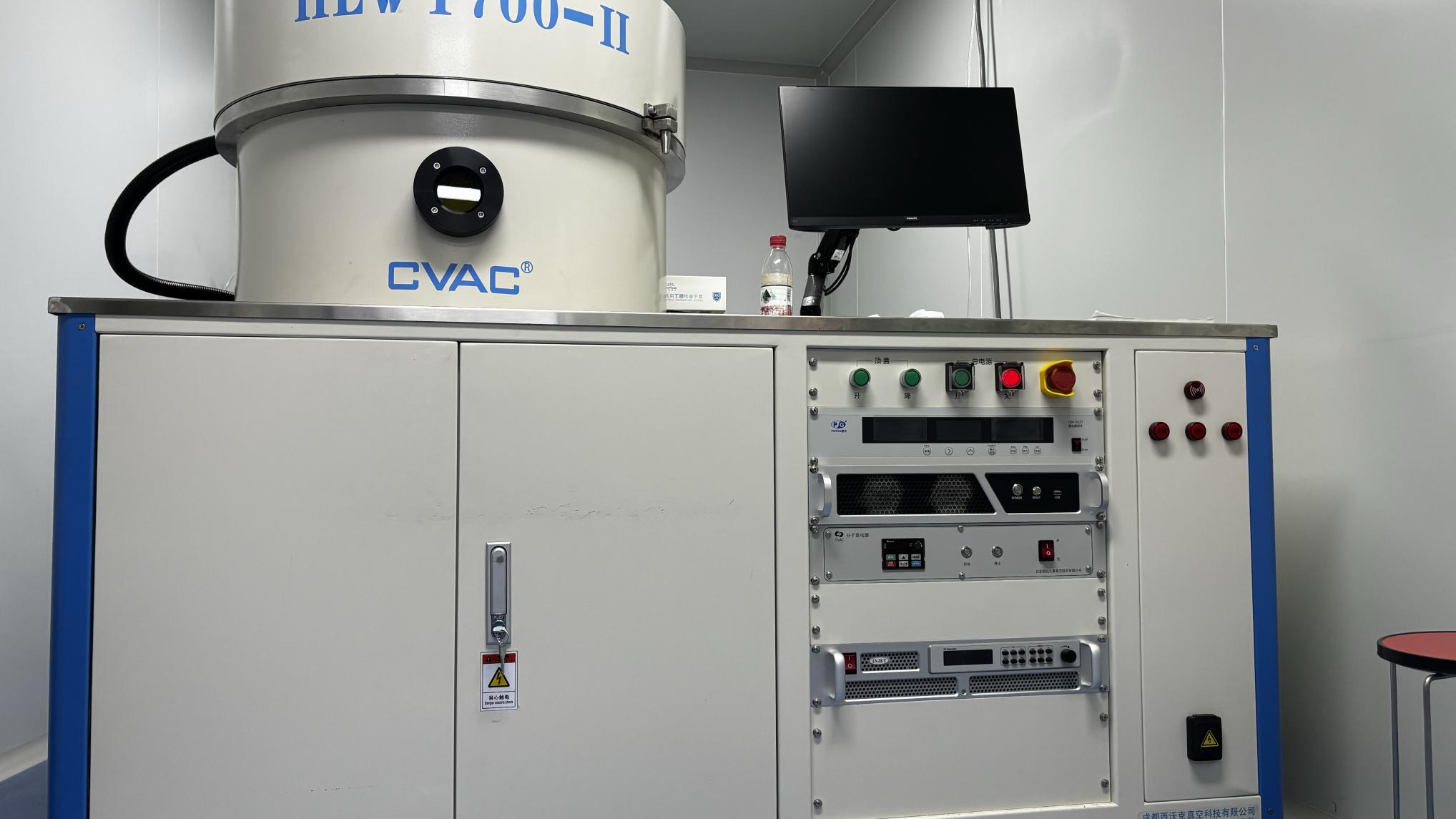
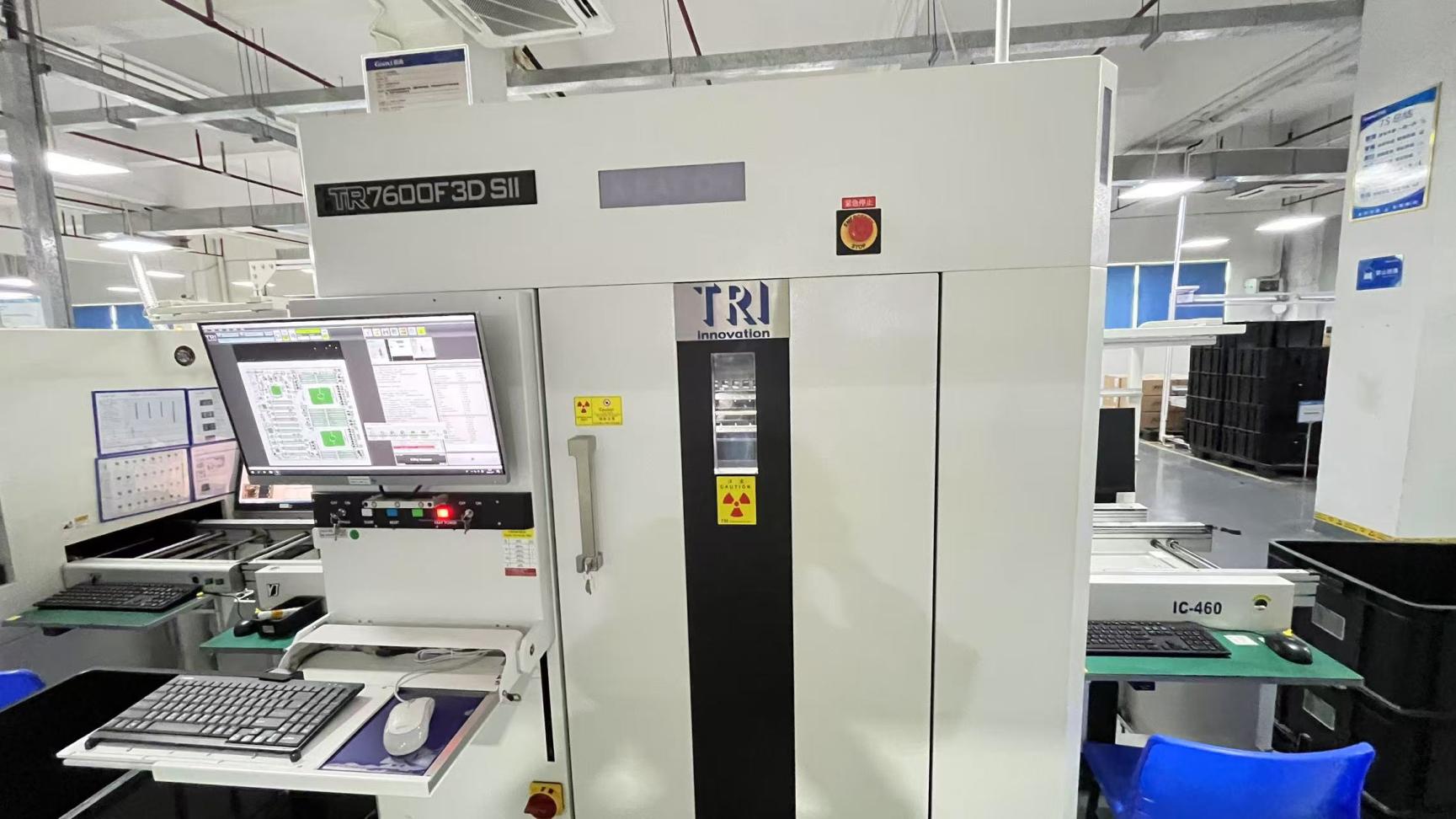
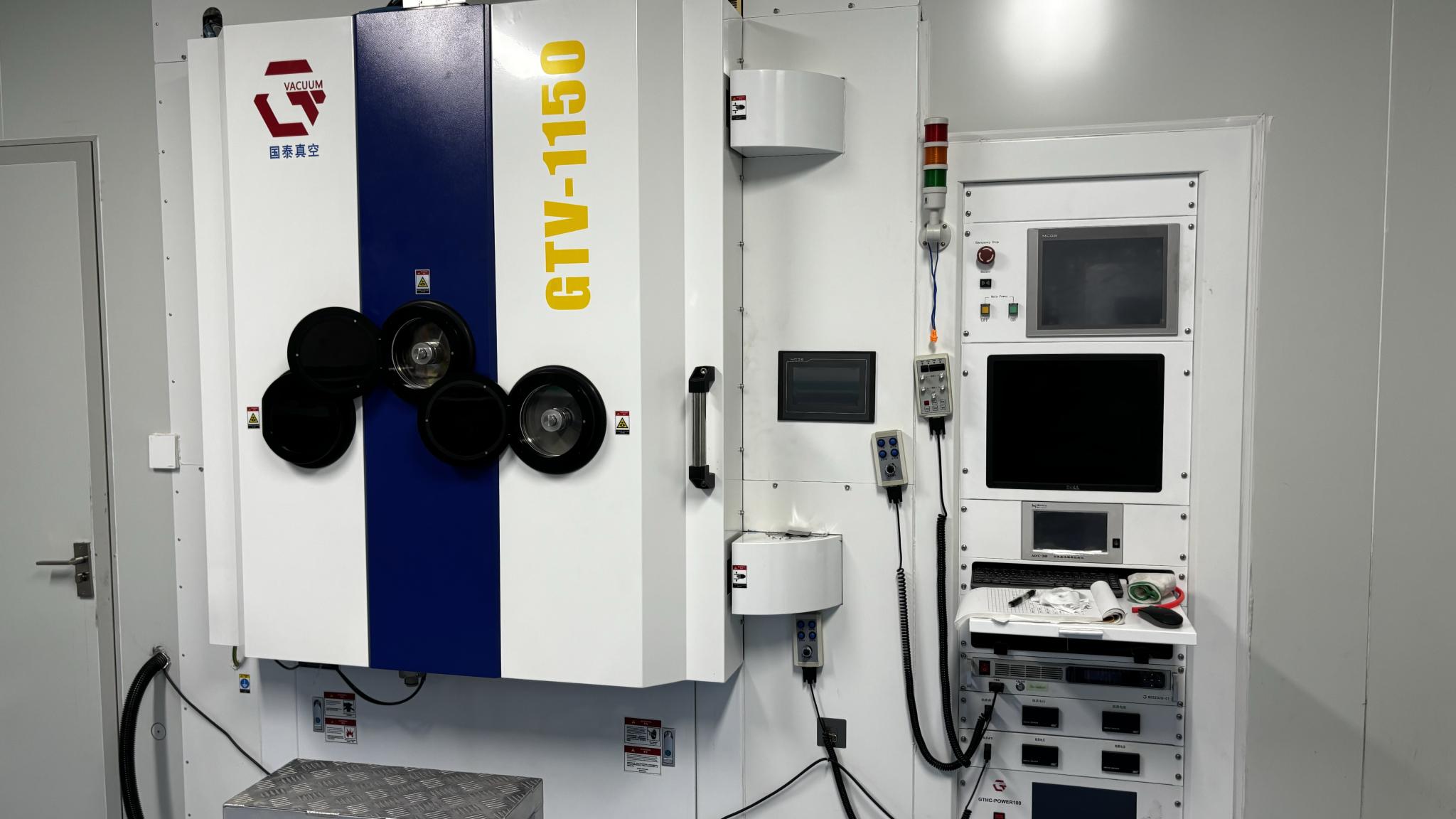
Reliability requires modern test benches. Leading Chinese manufacturers perform automated optical inspections (AOI), 100% vector network analyzer testing for return/insertion loss, temperature cycling tests, and salt spray exposure tests. This ensures compliance with international standards such as IEEE 802.3 and RoHS/REACH directives.
For custom engineering requirements (such as modified PCB pins, varying LED indicators, or alternative tab directions), production teams adapt tooling designs quickly. This agility allows for rapid prototyping, enabling development processes from initial 3D models to prototype samples in short cycles.
Proximity to component ecosystems (copper suppliers, raw plastics, and packaging plants) keeps operational overhead low, allowing manufacturers to pass these savings down to global OEMs, system integrators, and distributors.
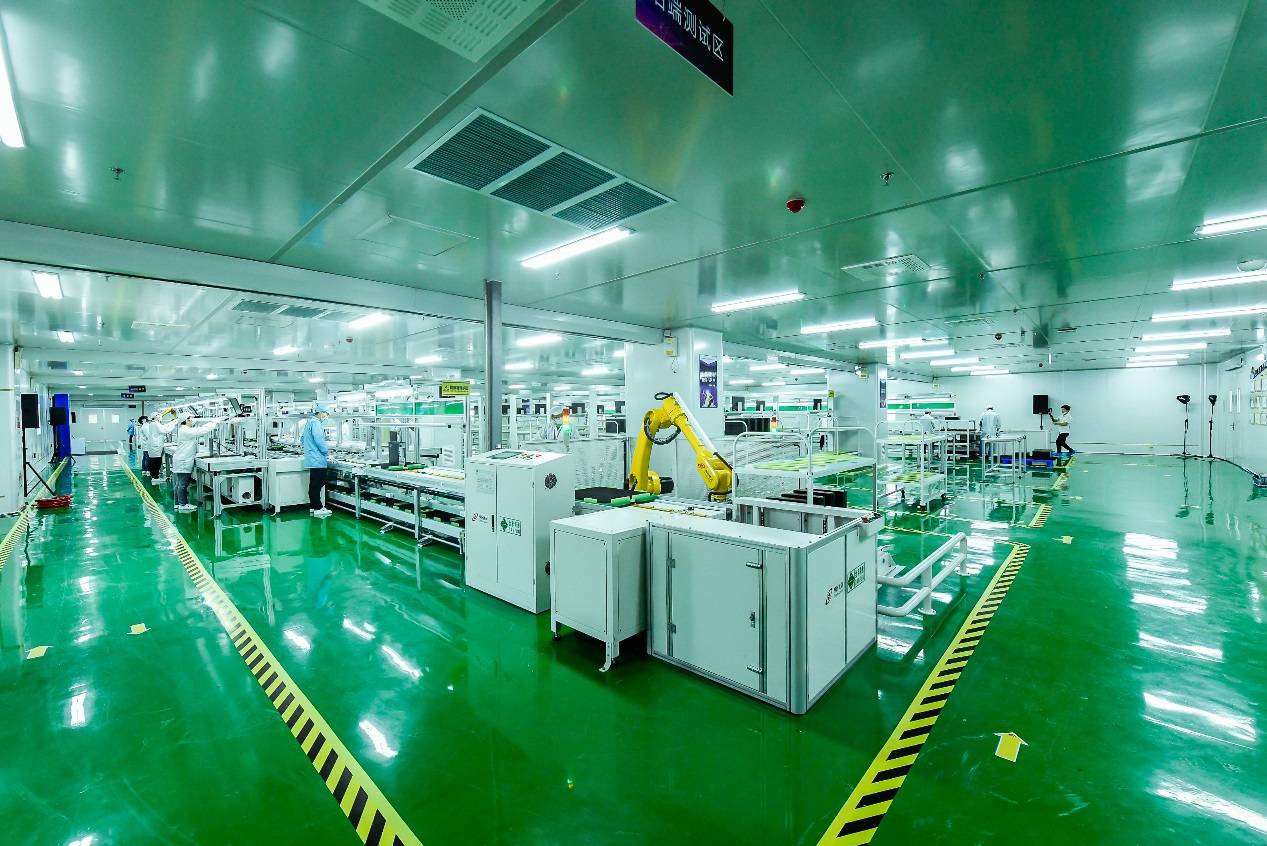
FiberNova Optical Communication Tech Co., Ltd. (FiberNovaTransceivers.com) is a professional optical transceiver and connectivity manufacturer established in 2016. Over the years, the enterprise has expanded its presence, now running a modern production facility covering approximately 380㎡. The company focuses on high-speed optical and copper communication solutions, serving global data centers, enterprise server farms, and telecom networks with stable, high-performance products.
With over 6 years of export experience and 12 years of industry expertise, FiberNova has developed strong capabilities in R&D, manufacturing, and international trade. The company achieves an annual export revenue of approximately USD 8–15 million, supplying customers across North America, Europe, Southeast Asia, and the Middle East.
FiberNova operates with a strict quality control system, including 100% optical performance testing, temperature cycling tests, and signal integrity inspection before shipment. The quality assurance team consists of around 45 professional QC staff, ensuring every connector and transceiver meets international standards such as IEEE and MSA compatibility requirements.
The company maintains a solid trade background with experienced export teams handling OEM and ODM projects worldwide. Its main markets include the United States, Germany, Japan, South Korea, and the United Arab Emirates. FiberNova has established long-term partnerships with more than 1,200 supply chain partners, enabling stable procurement of chips, lasers, optical components, and raw connector materials.
FiberNova serves a wide range of clients, including telecom operators, cloud service providers, data center integrators, and network equipment distributors. The company has strong R&D capabilities, supported by 65 engineers, focusing on high-speed transmission technologies such as 10G, 25G, 100G, 400G, and 800G optical modules, alongside high-frequency physical layer interface parts.
Customization is fully supported, including wavelength tuning, protocol compatibility, housing design, and labeling services. In the past year, FiberNova launched approximately 120 new products, continuously expanding its portfolio to meet fast-changing market demands.
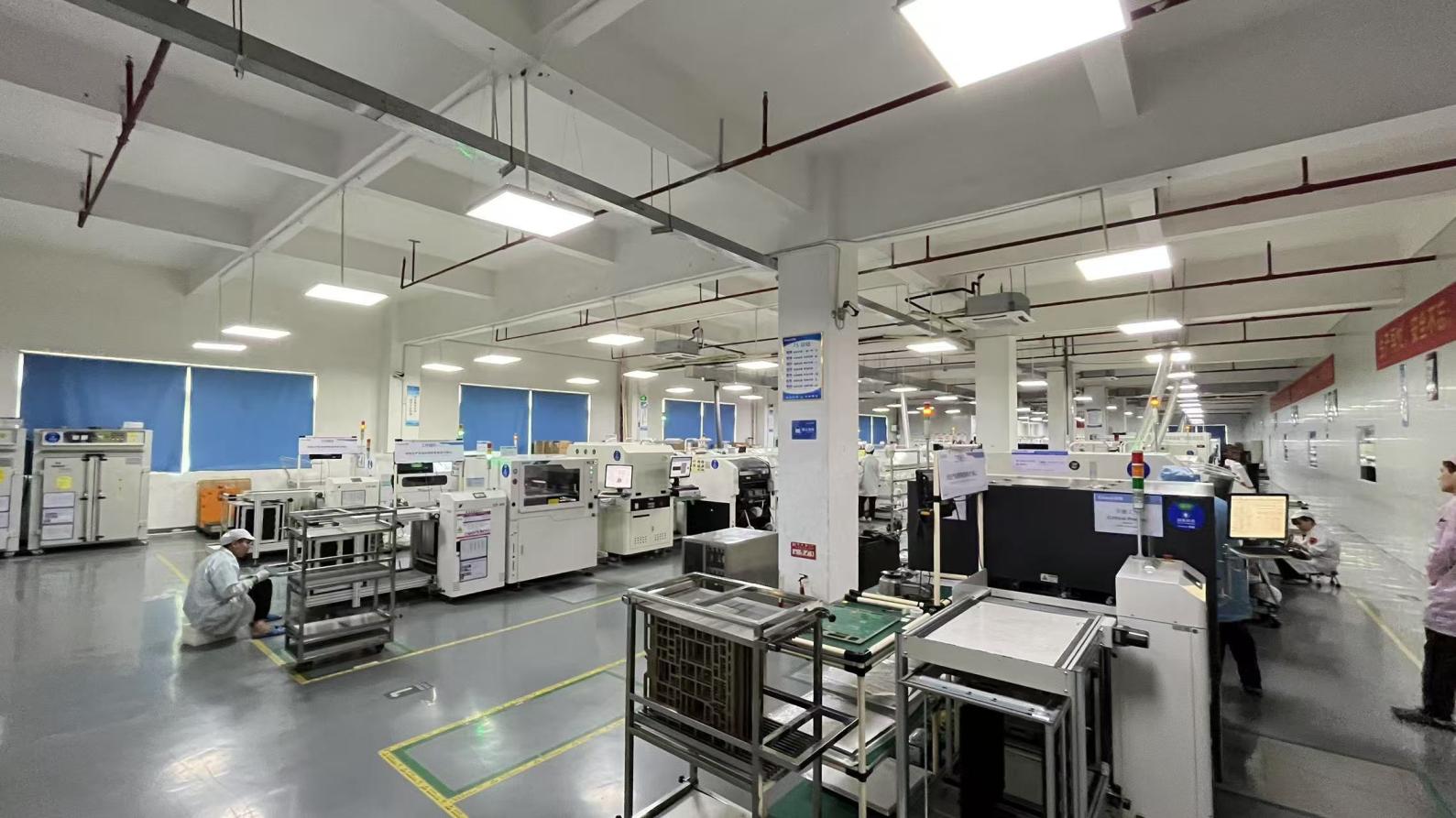
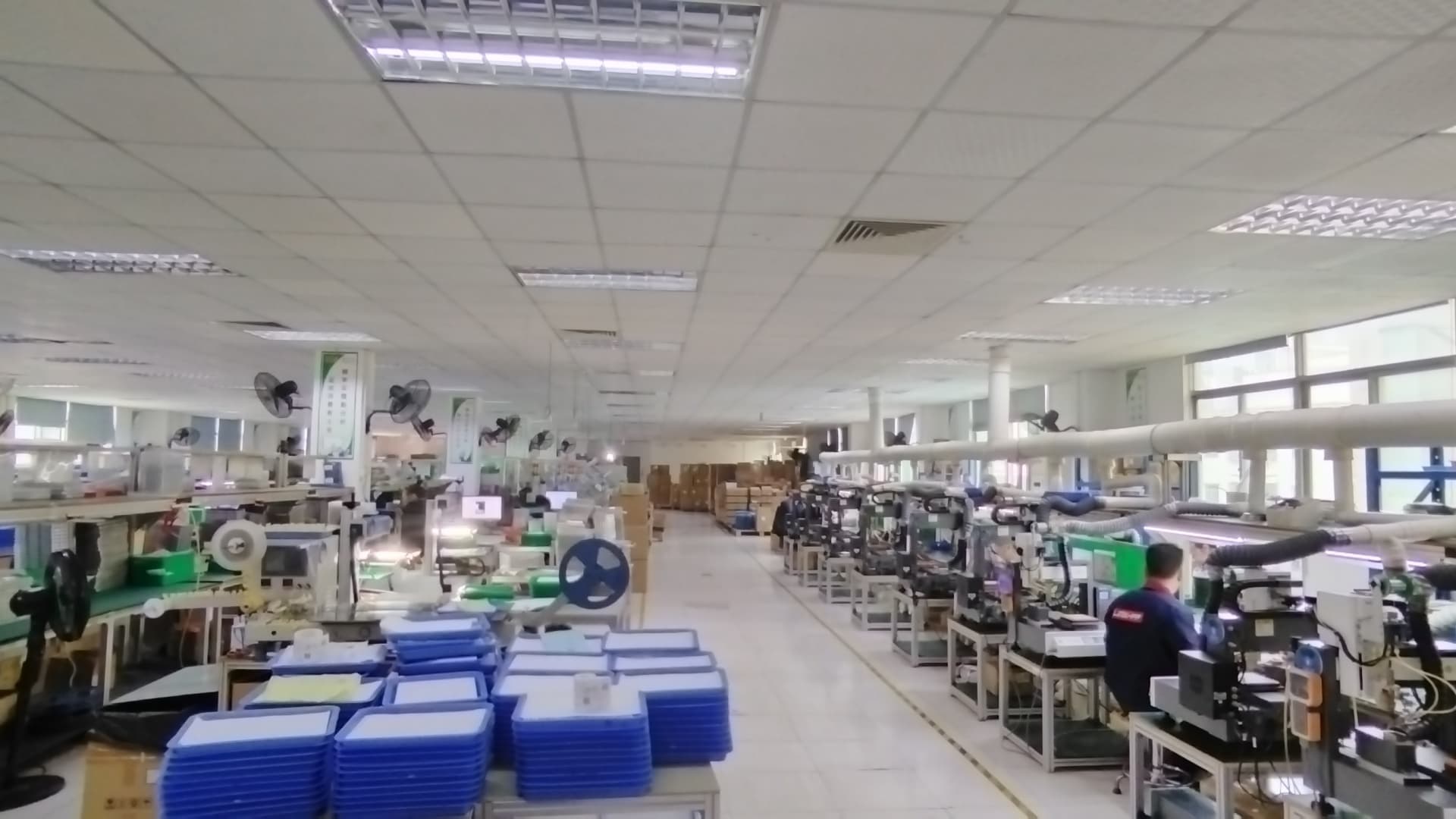
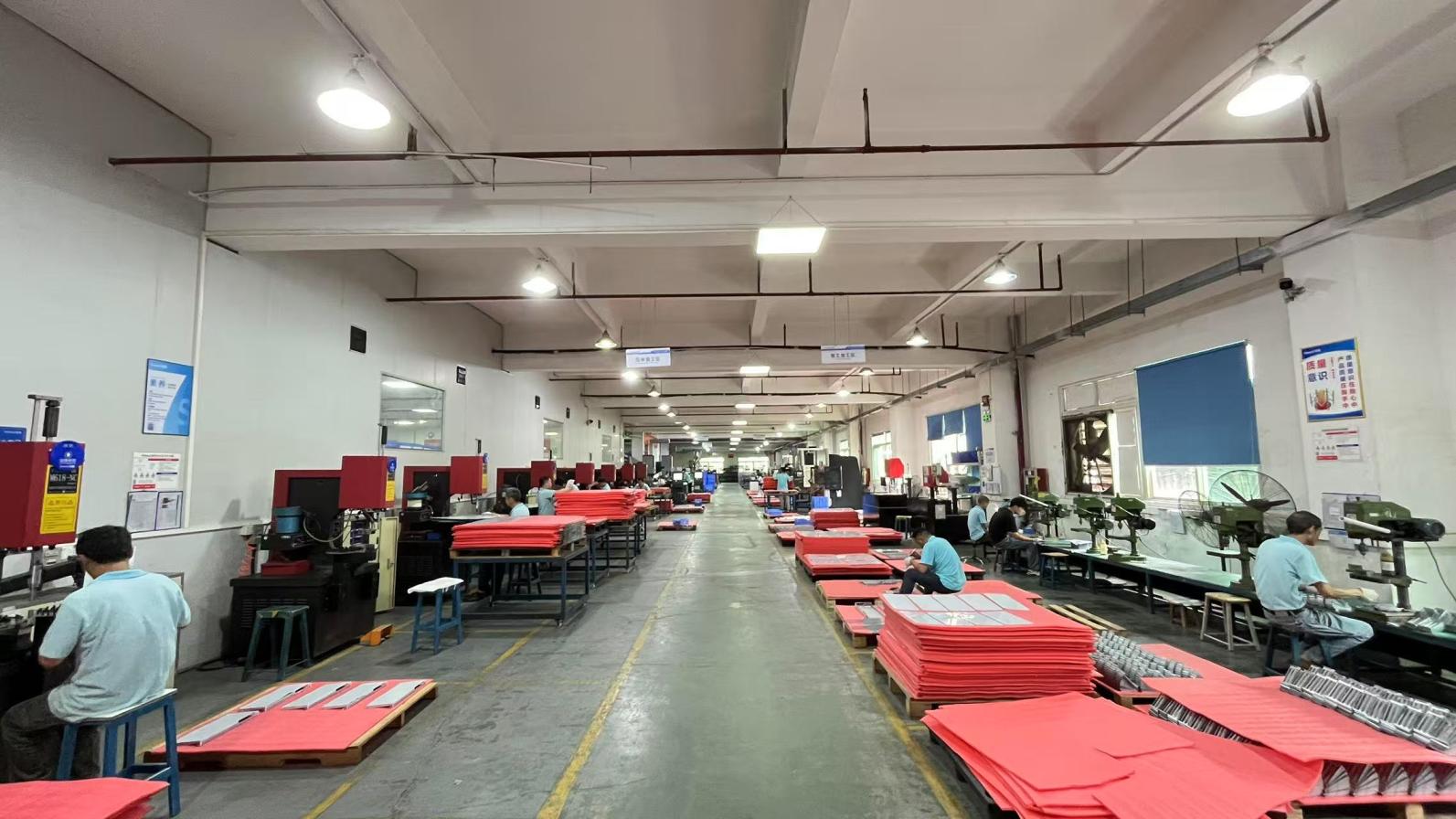
Low-Profile RJ45 connectors are not just standalone parts; they are critical links in complex industrial and telecommunication frameworks. High-density designs require optimized signal routing. Here is how low-profile jacks fit into modern system integration:
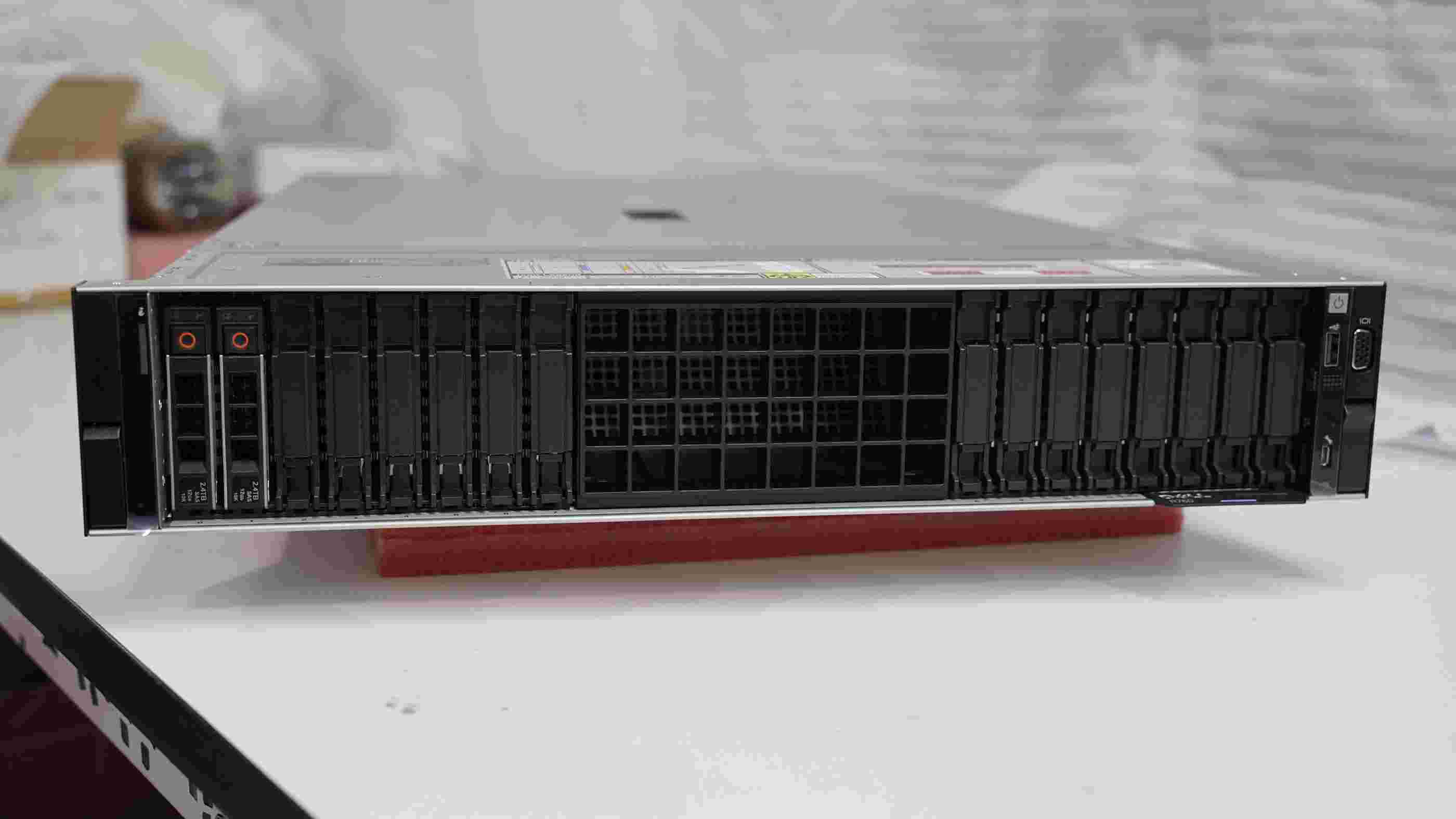
Edge nodes deployed in remote environments require compact chassis profiles. Multi-port low-profile RJ45 arrays with integrated magnetics enable 1U server boards to maximize space for processing units and RAM while providing copper Ethernet connections up to 10G.
In automated factories, vibration and environmental interference are common. Right-angle, shielded low-profile jacks provide secure connections on DIN-rail controllers, operating reliably within temperature ranges from -40°C to +85°C.
Multi-port switches require dense port configurations. Low-profile connectors facilitate dual-layer configurations while allowing space for thermal exhaust channels, maintaining signal stability across thousands of connections.
A standard RJ45 female connector stands between 13.5mm and 16.5mm off the PCB surface. A low-profile RJ45 connector reduces this vertical profile to between 8.5mm and 11.5mm. This design saves vertical space, allowing PCBs to be stacked closely or fit into tight enclosures while maintaining standard plug compatibility.
Integrating the magnetics directly within the low-profile connector housing saves PCB space by eliminating the need for discrete magnetics on the board. This configuration reduces trace lengths between the PHY chip and the connector, minimizing EMI emissions and protecting signals from external noise.
Tab-Up/Tab-Down orientation determines which side the RJ45 plug's retention latch sits upon insertion. In low-profile applications, Tab-Up designs are common to avoid interference with the PCB, while Tab-Down designs are often preferred when the latch needs to be accessed from the top edge of the product panel.
Gold plating prevents oxidation on the mating contact interfaces. Industrial environments typically require 30u" to 50u" gold plating to ensure long-term connectivity over repeated mating cycles and to protect against atmospheric moisture and corrosive gases.
Yes, many low-profile connectors support PoE, PoE+, and PoE++ (IEEE 802.3af/at/bt). In these designs, the internal wire gauges and magnetic components are engineered to carry currents up to 600mA or 1000mA per pair without excessive heat generation.
Through-hole pins are typically preferred for RJ45 connectors because they offer greater mechanical strength, helping the jack withstand the force of cable insertions and extractions over time. However, SMT designs are also used when the opposite side of the PCB must remain clear for other components.
 FiberNova