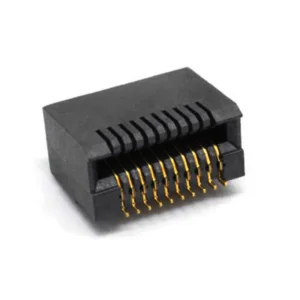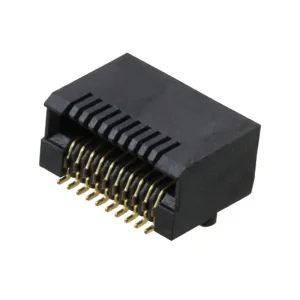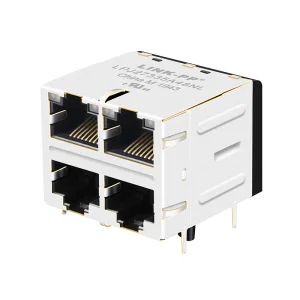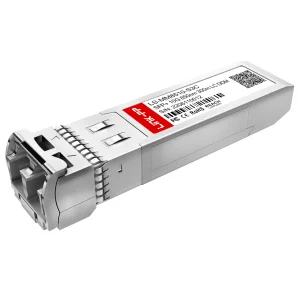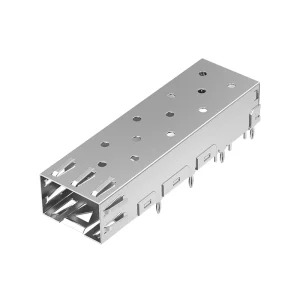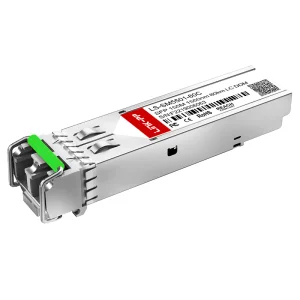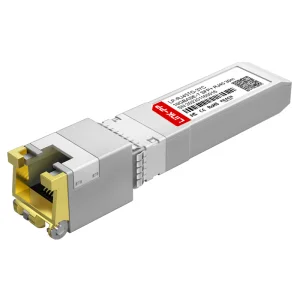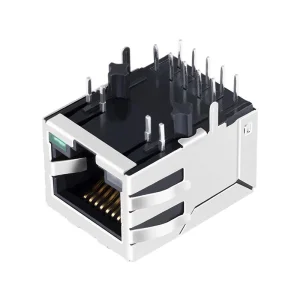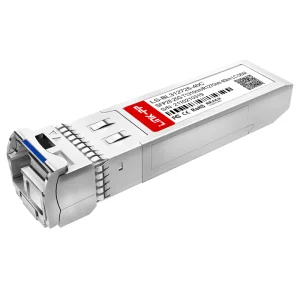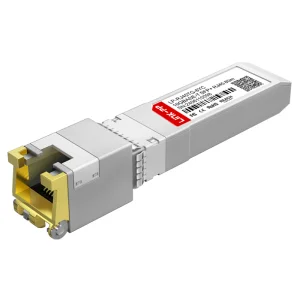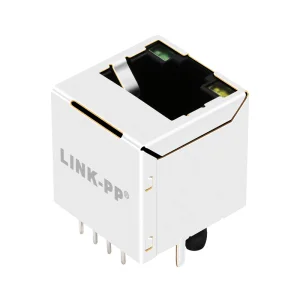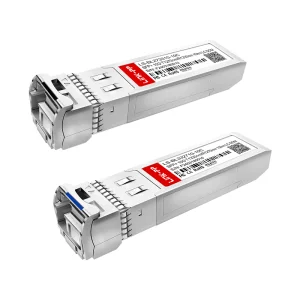
In modern data networking architectures, the transition to high-speed communication interfaces demands hardware components designed with exceptional electrical integrity and mechanical resilience. As global networks scale, the integrity of physical Layer 1 connections becomes the ultimate bottleneck. Small Form-Factor Pluggable (SFP) interfaces, incorporating high-precision SFP Cages and SFP Connectors, represent the standard for hot-swappable transceivers.
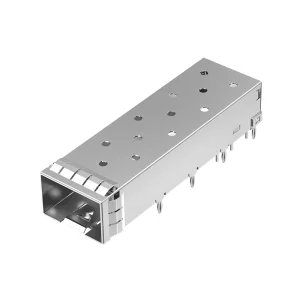
A high-quality SFP cage acts not only as a mechanical guide for transceivers but also as an indispensable shield protecting high-speed pathways from Electromagnetic Interference (EMI) and crosstalk. At speeds exceeding 10Gb/s, 25Gb/s, and up to the frontier of 56Gb/s and 112Gb/s per lane, standard connector pin geometries must undergo significant optimization. Advanced EMI spring fingers and robust elastomeric gaskets on our SFP cages ensure 360-degree shielding to prevent radiation leakage and maintain optimal system signal margins.
FiberNova Optical Communication Tech Co., Ltd. has established itself at the forefront of this manufacturing paradigm since 2016. Incorporating over 12 years of industry experience, our design engineering teams develop and manufacture high-density SFP interconnect systems that exceed IEEE, MSA (Multi-Source Agreement), and mechanical compliance guidelines. Through state-of-the-art materials engineering, we ensure that insertion losses are minimized and structural stability is preserved even under high temperature cycling conditions.
Proven design authority, precise engineering quality control, and robust global scale enabling seamless international deployments.
The rapid adoption of Artificial Intelligence (AI), Machine Learning (ML), and Edge computing infrastructures has pushed the demand for higher bandwidth per port. To understand the transition of SFP interfaces, it is essential to map the historical trajectory and the roadmap leading towards 800Gbps and beyond. What began as a standard SFP interface operating at 1.25Gb/s has evolved through SFP+ (10Gb/s), SFP28 (25Gb/s), and SFP56 (50Gb/s), reaching SFP112 (112Gb/s per channel).
The transition from NRZ (Non-Return-to-Zero) encoding to PAM4 (Pulse Amplitude Modulation 4-Level) has redefined the tolerances expected from SFP connectors. Because PAM4 crams double the bits in the same UI, the Signal-to-Noise Ratio (SNR) drops by 9.6dB. This demands connectors with near-zero return loss and enhanced coplanarity to prevent jitter.
To preserve signal integrity under rigorous thermal conditions, FiberNova employs advanced Surface Mount Technology (SMT) with gold plating thickness options of 15u" and 30u". This protects the high-speed contacts against oxidation and mechanical wear, guaranteeing reliable signal mapping across thousands of cycles.
Higher throughput scales heat dissipation requirements. Our newest generation of SFP cages features integrated thermal riding heatsinks and perforated patterns that maximize passive airflow. This guarantees that modules operate within their normal operating windows, preventing thermal runaway and latency spikes.
Interconnect reliability is a systemic requirement across diverse physical networking environments. SFP cages, connectors, and active transceivers designed by FiberNova serve critical functions across key vertical applications globally:
Supporting massive Leaf-Spine topologies, top-of-rack switches, and SAN environments. Our 200G/400G and press-fit SFP cages ensure minimal insertion forces during hot-swap mainframes upgrade cycles, while maintaining ultra-low bit error rates (BER).
Telecom architectures operate in demanding environments from remote radio units (RRU) to baseband processing units (BBU). FiberNova SFP cages feature custom ruggedized designs, ensuring water resistance, anti-vibration performance, and long operational life under extreme outdoor temperatures.
Decentralized node layouts demand hardware that requires virtually zero maintenance. Our SMT SFP connectors, built with tight coplanarity and premium alloys, are standard components in rugged IoT gateways, industrial switches, and power distribution terminals.

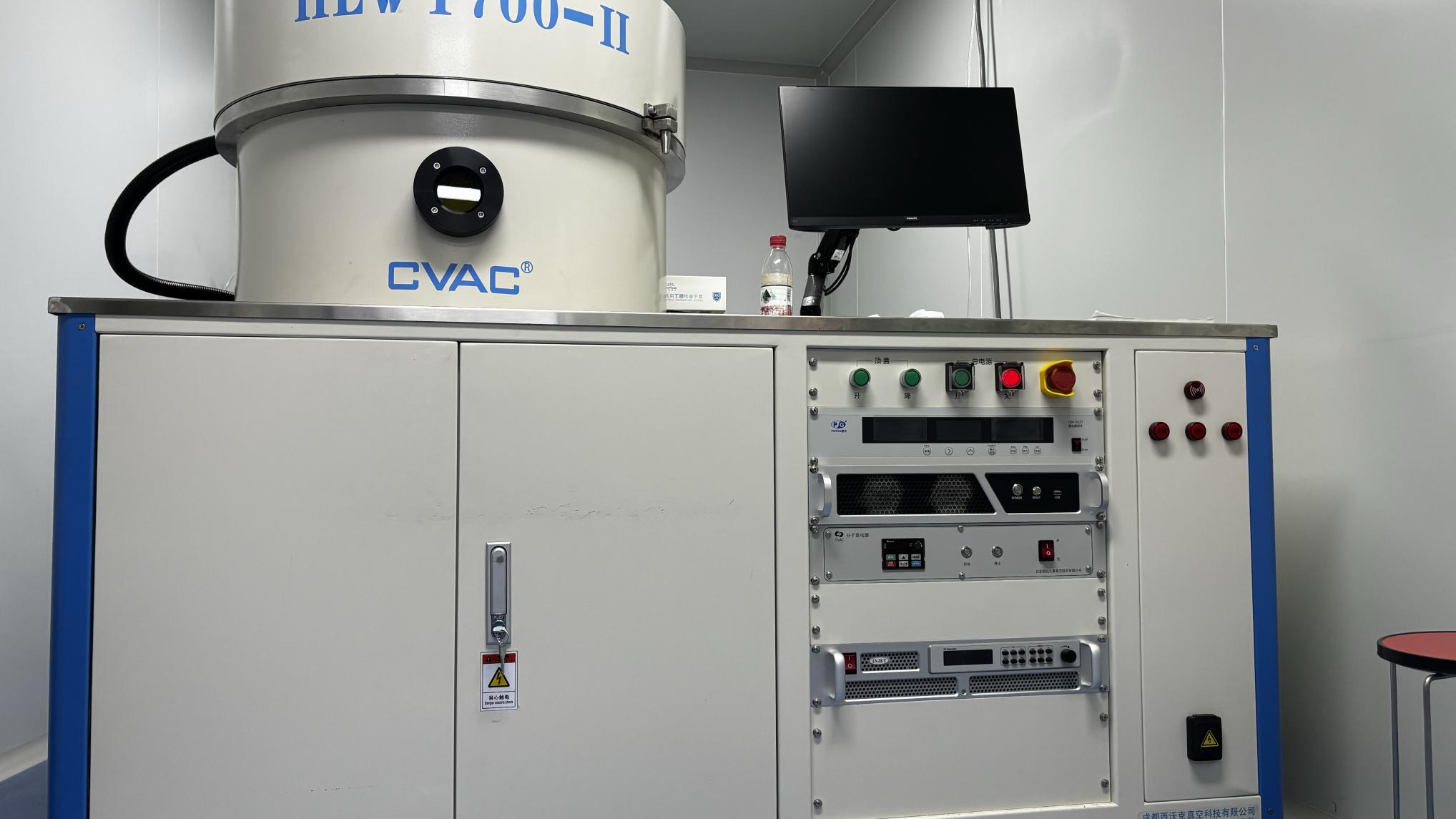
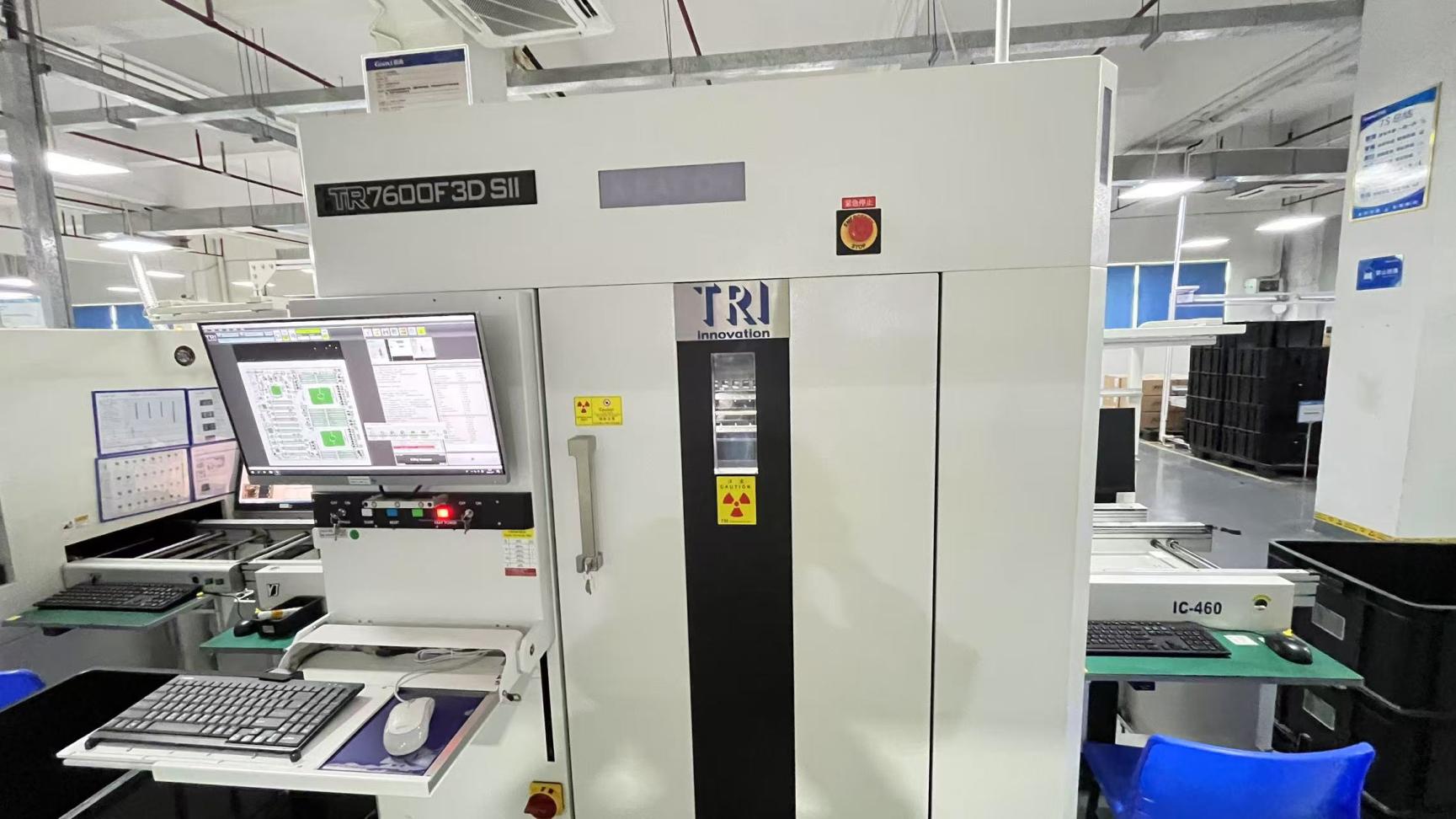
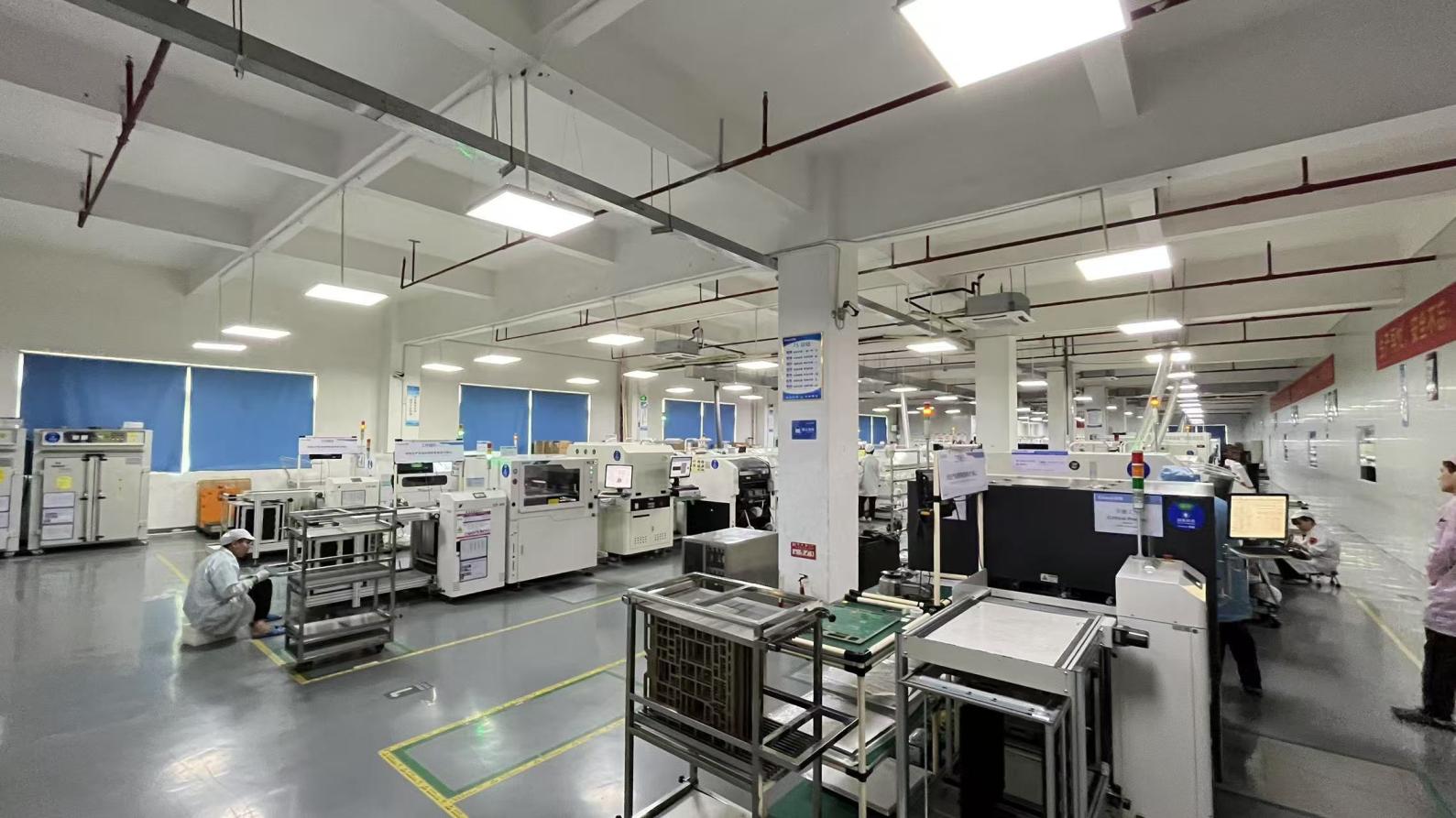
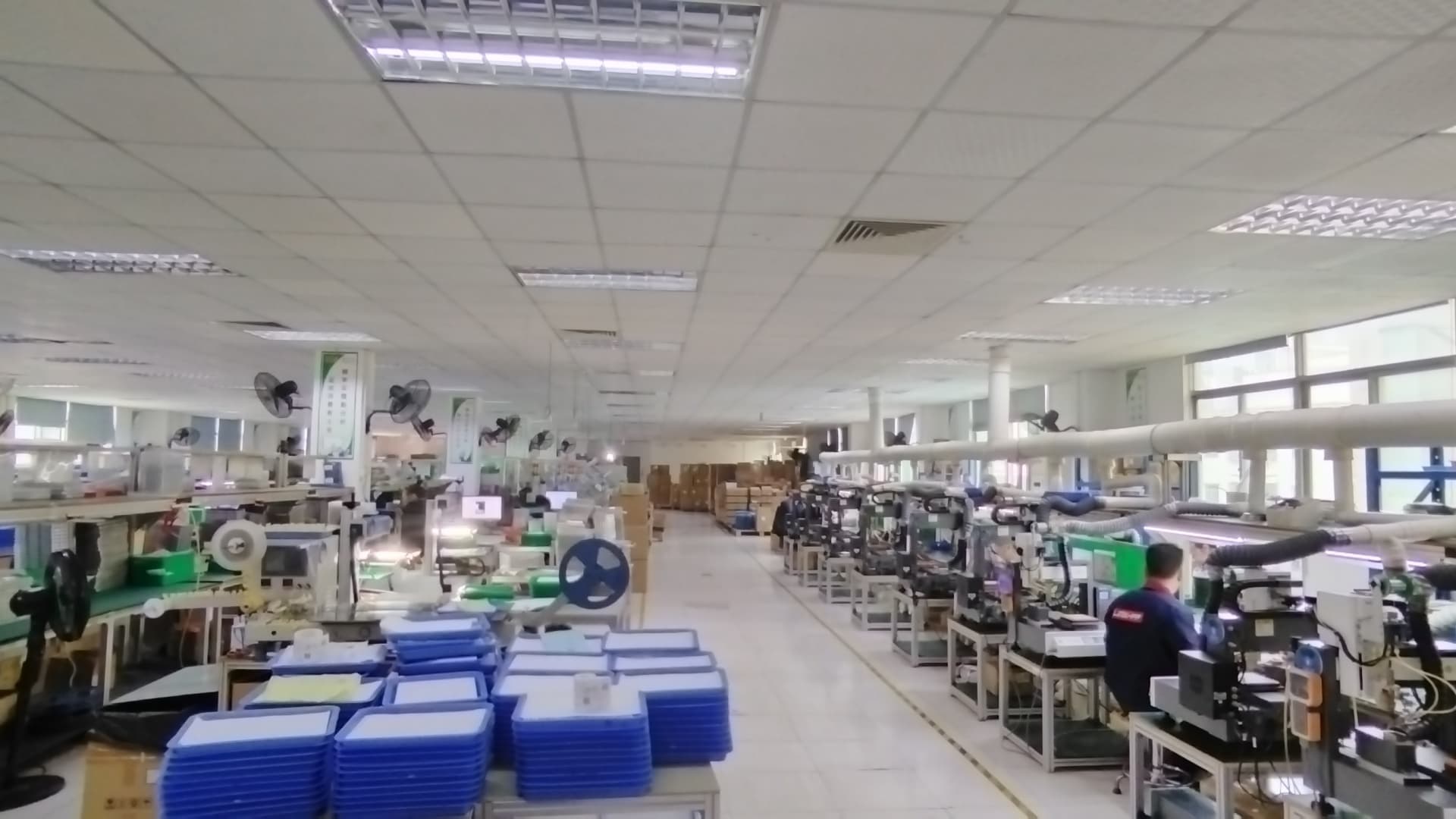
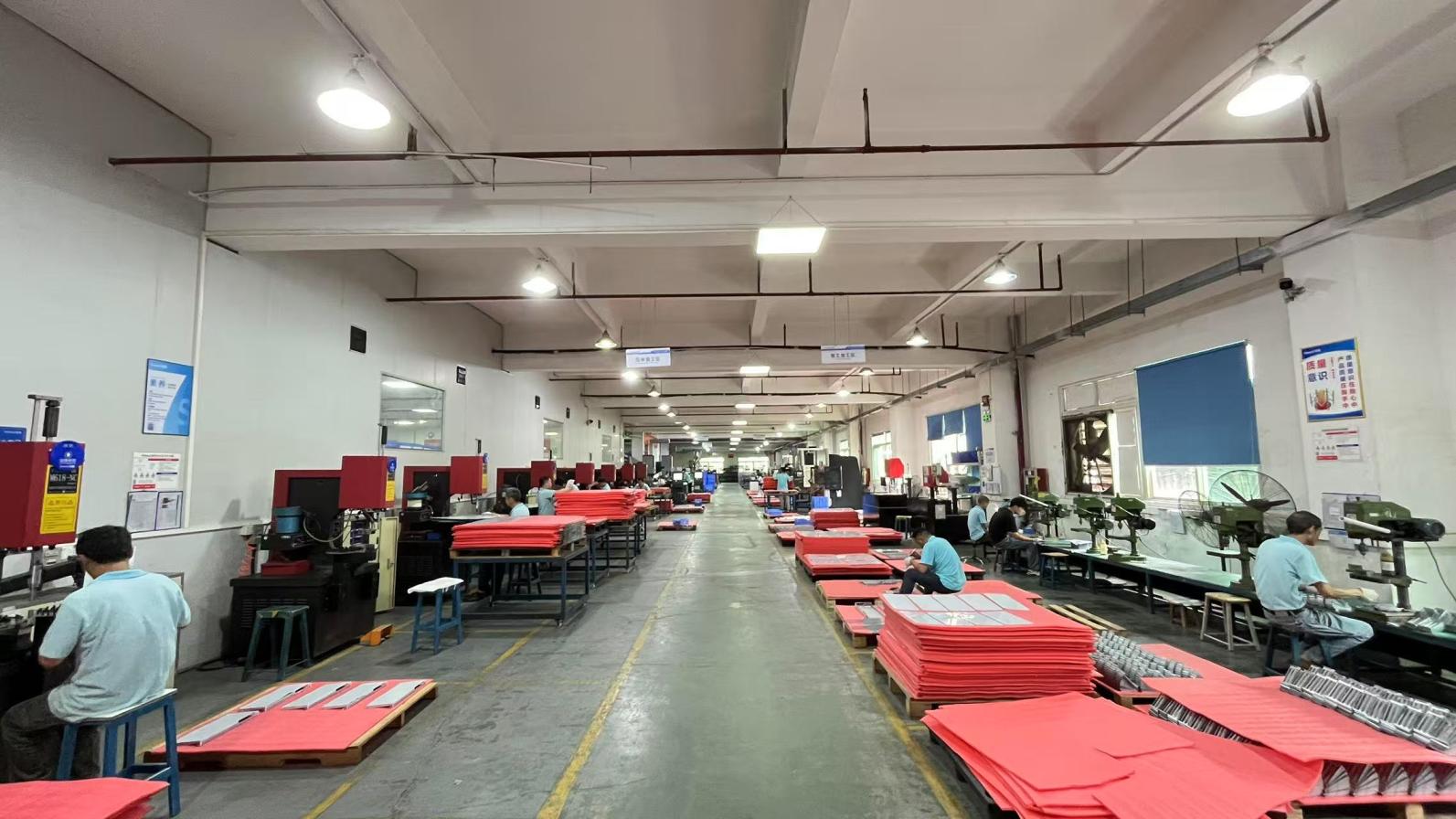
Operational agility and manufacturing efficiency are the cornerstones of FiberNova's global growth. Operating from a highly specialized, cleanroom-equipped 380㎡ precision facility, we employ state-of-the-art automated assembly lines, high-frequency signal mapping terminals, and automated optical inspection systems (AOI).
By collaborating with more than 1,200 trusted supply chain partners, we maintain a robust inventory of critical materials—including premium Japanese phosphor bronze alloy, high-speed LCP plastics, high-reliability laser chips (DFB & EML), and PIN/APD detectors. This localized network eliminates bottlenecks, guaranteeing stable pricing, rapid engineering turnaround, and reliable delivery for orders of any scale.
Every product batch undergoes rigid statistical process control. In the past year alone, our active R&D pipeline yielded approximately 120 new products, reinforcing our ability to support client upgrades from legacy standard interfaces to future-proof 400G and 800G designs.
At FiberNova, reliability is verified, not assumed. Every SFP Cage and SFP Connector is built and certified to operate under strict conditions without performance degradation. We integrate rigorous verification testing at every step of our process:
Our QA team consists of approximately 45 professional QC staff. We perform 100% optical performance testing, temperature cycling, and high-frequency signal integrity inspection before shipment. This ensures that every interconnect system complies with global standards including IEEE 802.3, RoHS, CE, and FCC.
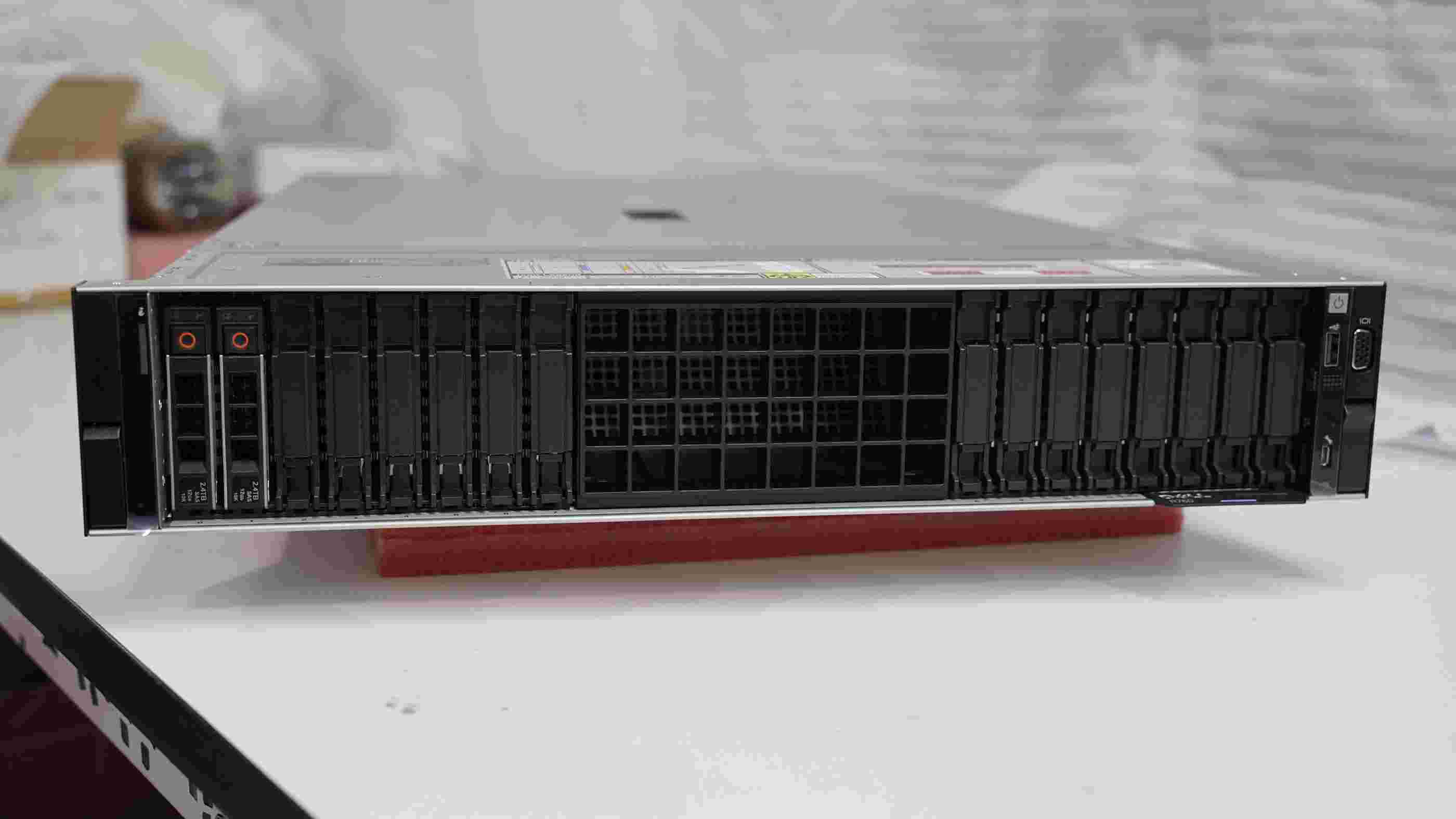
We maintain a dedicated testing lab housing over 100 host platforms from Tier-1 networking vendors. We support customized wavelength tuning, EEPROM coding, customized mechanical housing, and private labeling services. Our custom solutions ensure plug-and-play interoperability in any networking environment.
Operating in international markets requires local technical support and alignment with regional standards. Over 6 years of export history has enabled FiberNova to build a reliable logistical and support network serving our primary markets, including the United States, Germany, Japan, South Korea, and the United Arab Emirates.
Whether navigating CE certifications in Europe, FCC regulations in North America, or VCCI guidelines in Japan, FiberNova ensures all documentation is verified and complete. Our Field Application Engineers (FAE) provide prompt support, aligning technical parameters to resolve deployment hurdles quickly.
Through established partnerships with global logistics providers, we offer flexible shipping options, customs clearance assistance, and tariff-optimized routing to keep projects running on schedule.
Expert answers to technical queries regarding design, EMI integration, and signal performance optimization.
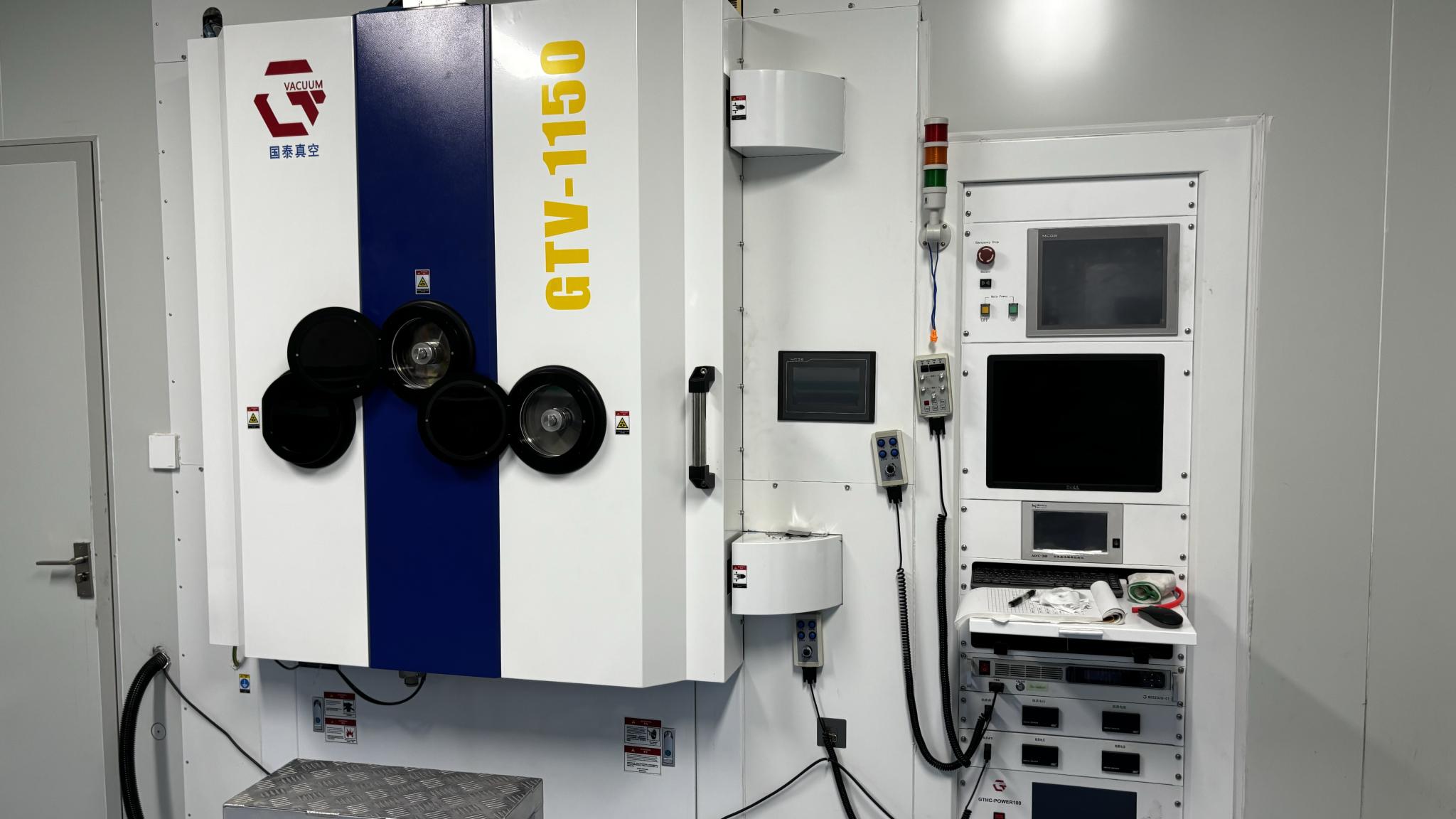
An inside look at our advanced manufacturing lines, quality verification labs, and component inventories.
 FiberNova