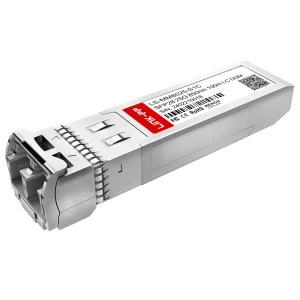
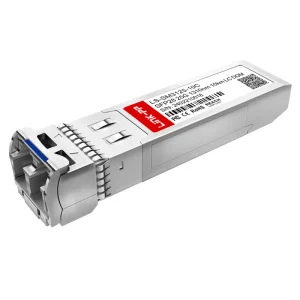
Maximize bandwidth density and ensure multi-vendor compatibility. Browse our high-performance 25G SFP28 transceivers optimized for low latency and high signal integrity.
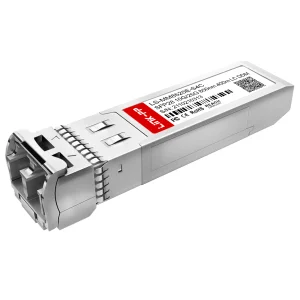
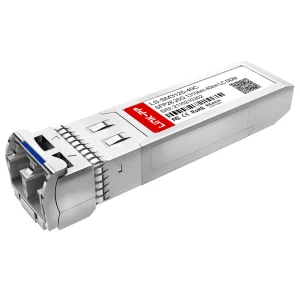
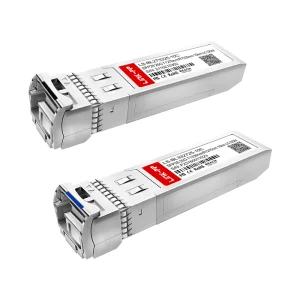
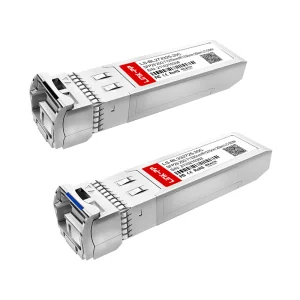
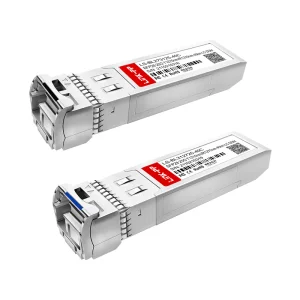
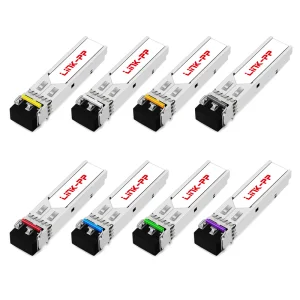
In modern data-intensive ecosystems, the transition from legacy 10Gbps interfaces to 25Gbps (SFP28) and 32Gbps (Fibre Channel) represents a monumental paradigm shift in physical layer networking. The demand is fueled by the rapid expansion of edge computing, high-frequency trading networks, and the scaling of high-density artificial intelligence compute clusters.
Historically, enterprise architectures scaled up from 10G by aggregating multiple channels, which added considerable complexity, increased physical footprint, and expanded thermal output. However, the introduction of the SFP28 (Small Form-Factor Pluggable 28) module solved these limitations. Built on the electrical interface standards specified by IEEE 802.3by and the SFF-8402 multi-source agreements (MSA), the 25G/32G SFP28 transceiver operates on a single electrical lane. This allows networking equipment to deliver 2.5 times the bandwidth of traditional SFP+ interfaces while maintaining a footprint with identical physical dimensions.
From a transmission perspective, the 25G and 32G SFP28 systems are highly efficient because they eliminate the processing overhead of multi-lane alignment. By running on a single lane using Non-Return-to-Zero (NRZ) modulation, these modules bypass the complex Forward Error Correction (FEC) overhead and higher thermal footprints typically associated with 50G/100G multi-lane PAM4 (Pulse Amplitude Modulation) architectures. Consequently, for networks scaling from 10G to 100G (specifically using 4x25G architectures in leaf-spine layouts), SFP28 is the most cost-effective and energy-efficient building block.
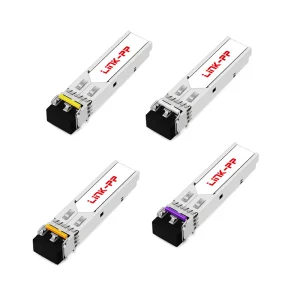
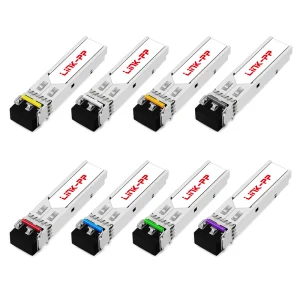
Our solutions span SR, LR, ER, BiDi, CWDM, DWDM, and LWDM. These multiplexing protocols allow network operators to maximize bandwidth capacity over single-mode fibers without having to pull new cabling.
Equipped with DOM/DDM interfaces conforming to SFF-8472. This provides network administrators with real-time telemetry, including laser bias current, transmitter power, receiver power, and internal temperature.
Our modules feature custom-coded EEPROMs designed to bypass multi-vendor lockout protocols, ensuring seamless compatibility with legacy hardware from Cisco, Arista, Juniper, and other major OEMs.
Enterprise procurement divisions look beyond unit pricing when sourcing network infrastructure. They prioritize supply chain reliability, compliance with international standards, and long-term hardware validation. Specifically, for 25G SFP28 and 32G Fibre Channel SAN applications, optical transceivers are critical to avoiding network downtime. A single transceiver failure can disrupt large compute clusters, leading to costly service level agreement (SLA) penalties.
As a result, leading global buyers prioritize suppliers who can demonstrate comprehensive production testing, multi-vendor compatibility verification, and stable material sourcing. The transition of telecom towers to Open RAN (O-RAN) architectures and 5G front-haul networks requires massive quantities of 25G BiDi (Bidirectional) and CWDM/DWDM optical modules. These modules must operate reliably in harsh outdoor environments, maintaining performance across a wide industrial temperature range (-40°C to +85°C).
Industry Expertise
100% Quality Assurance
Advanced R&D Team
Supply Chain Partners
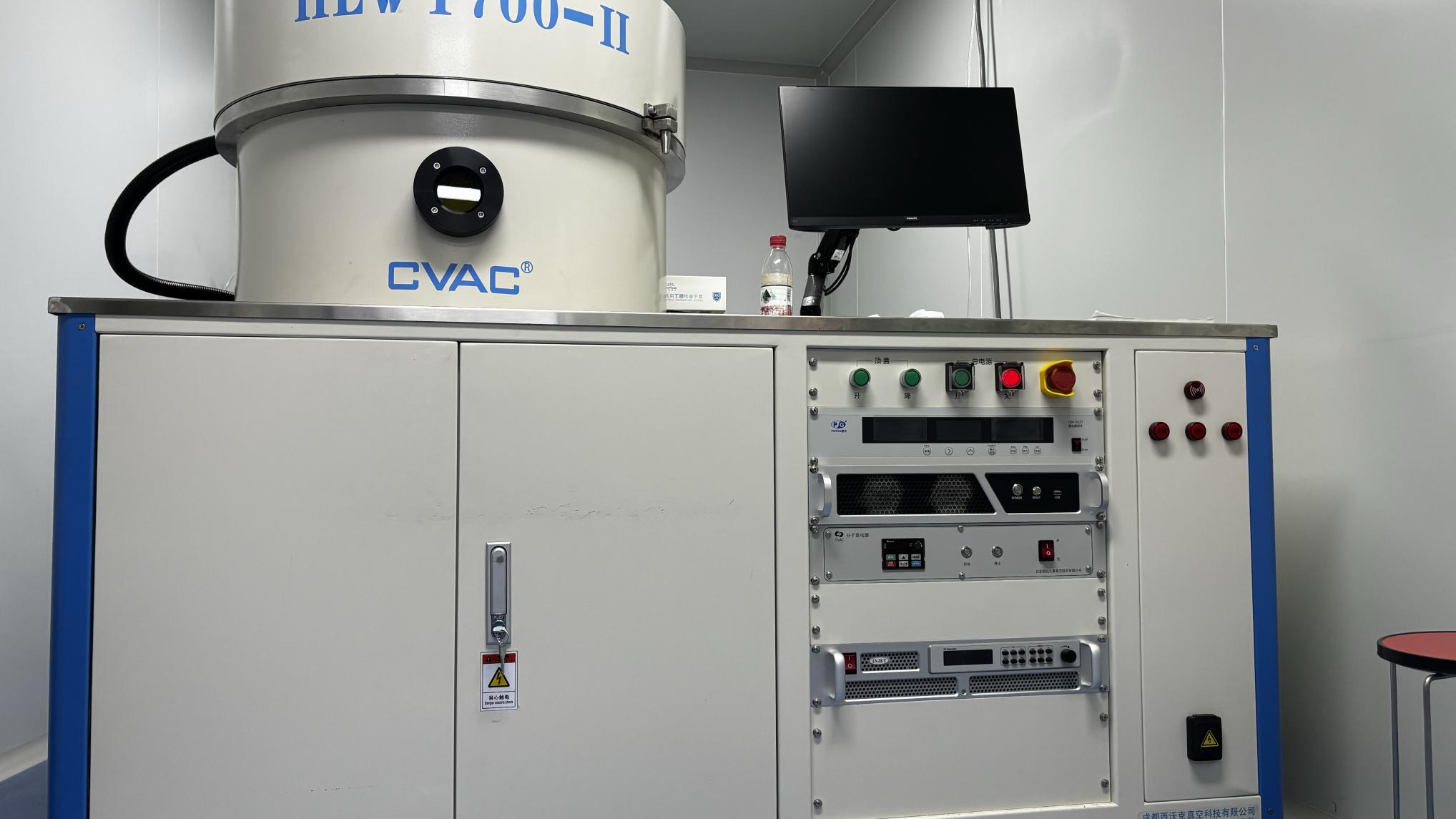
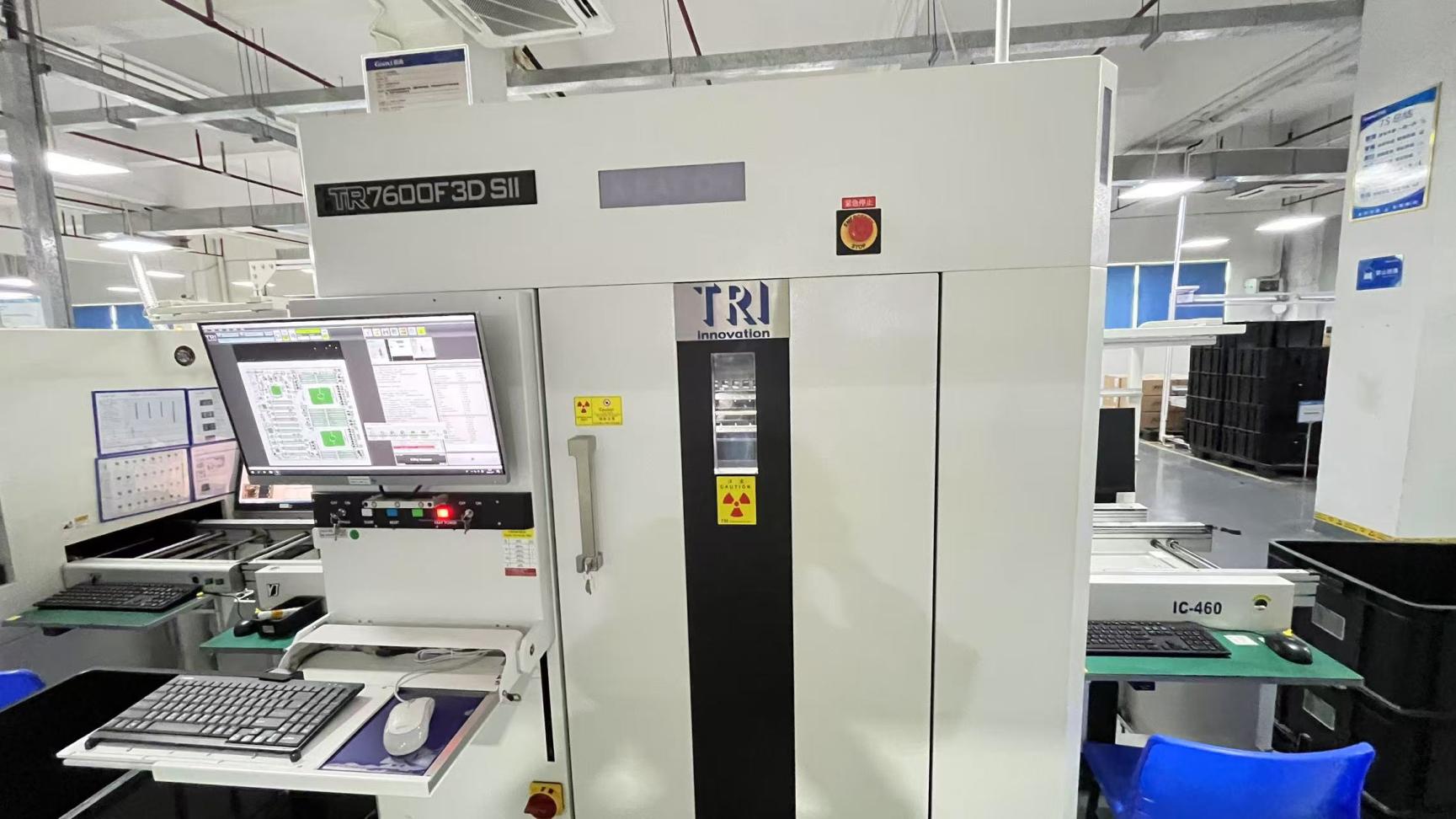
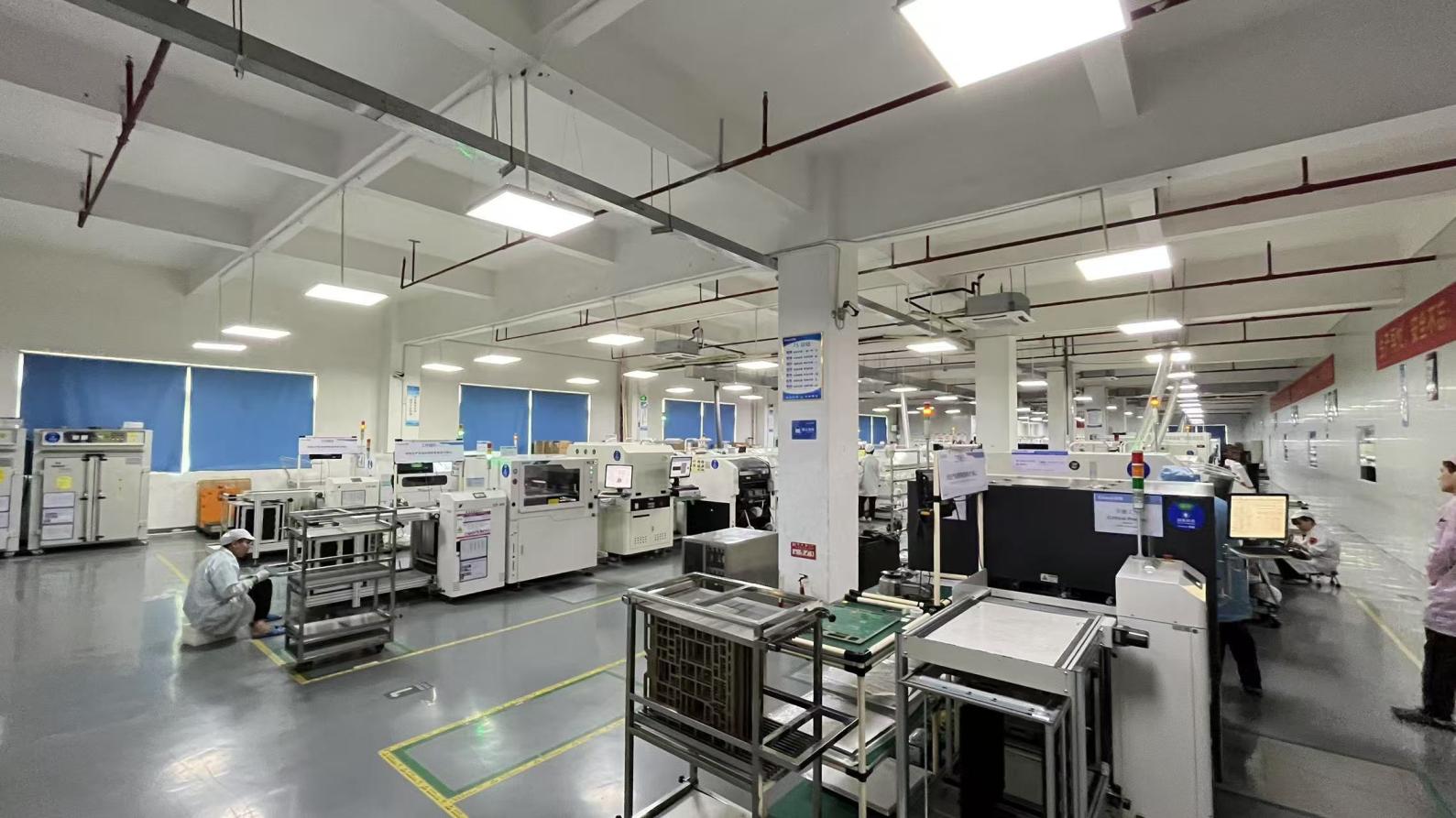
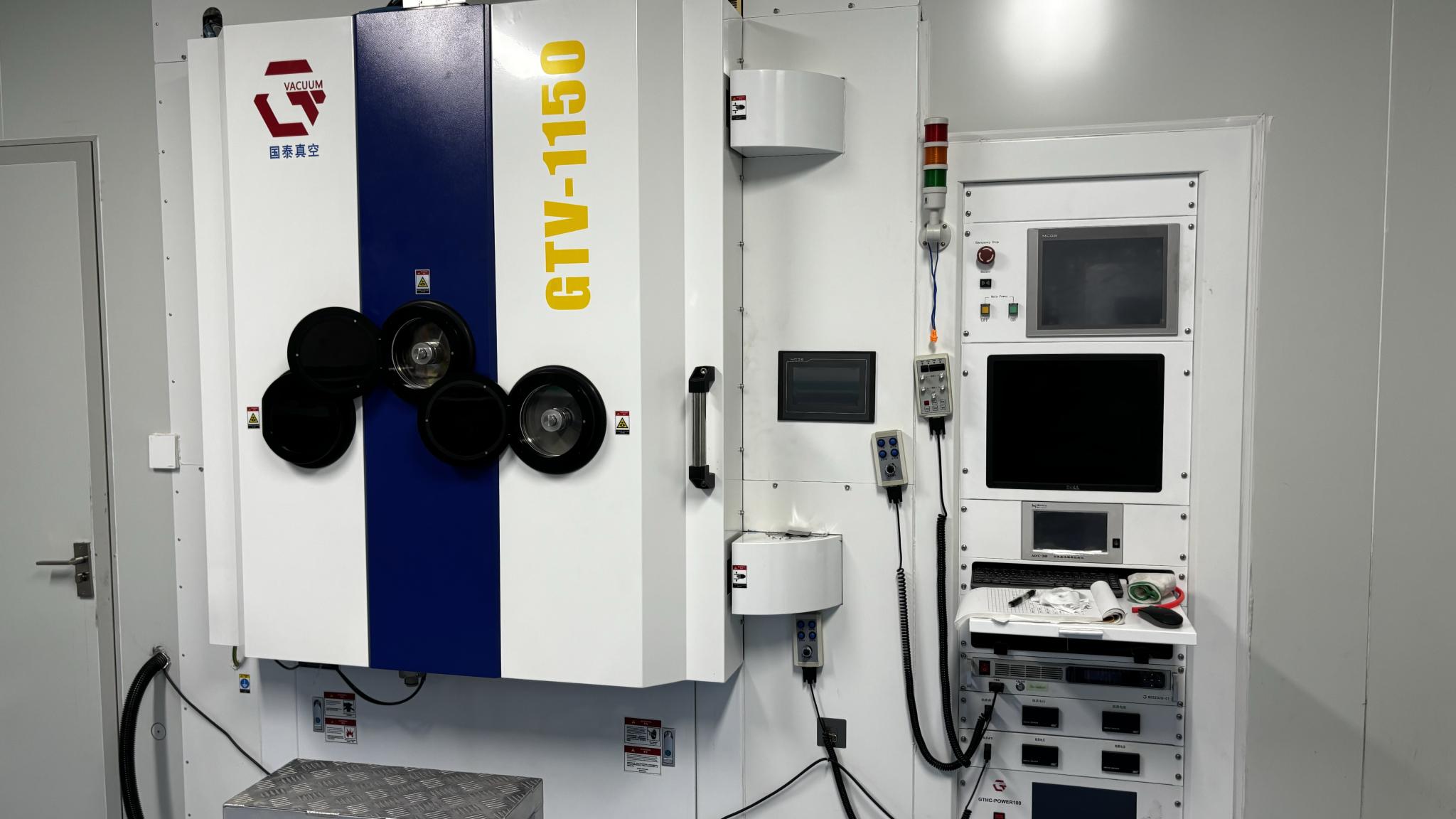
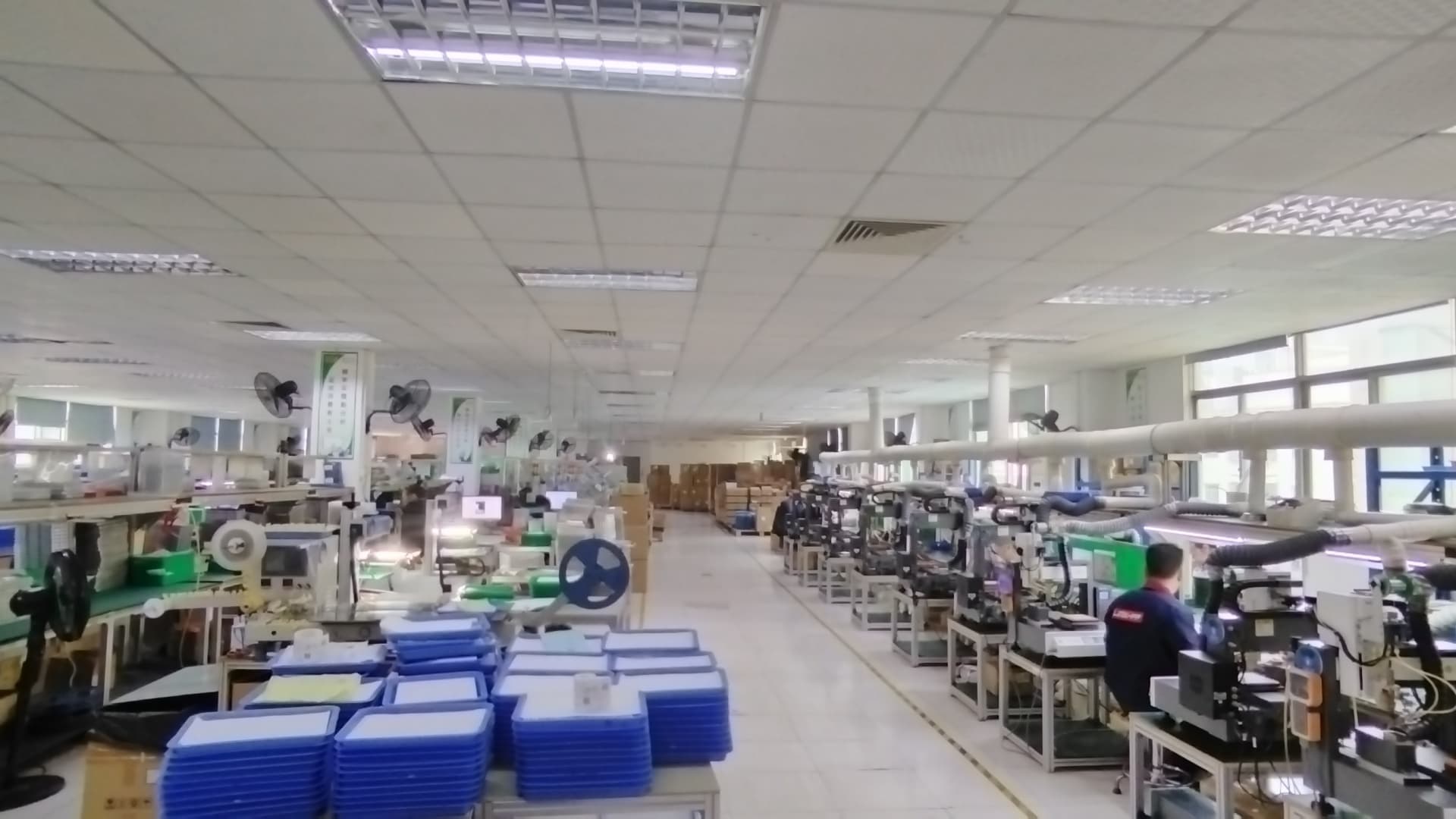
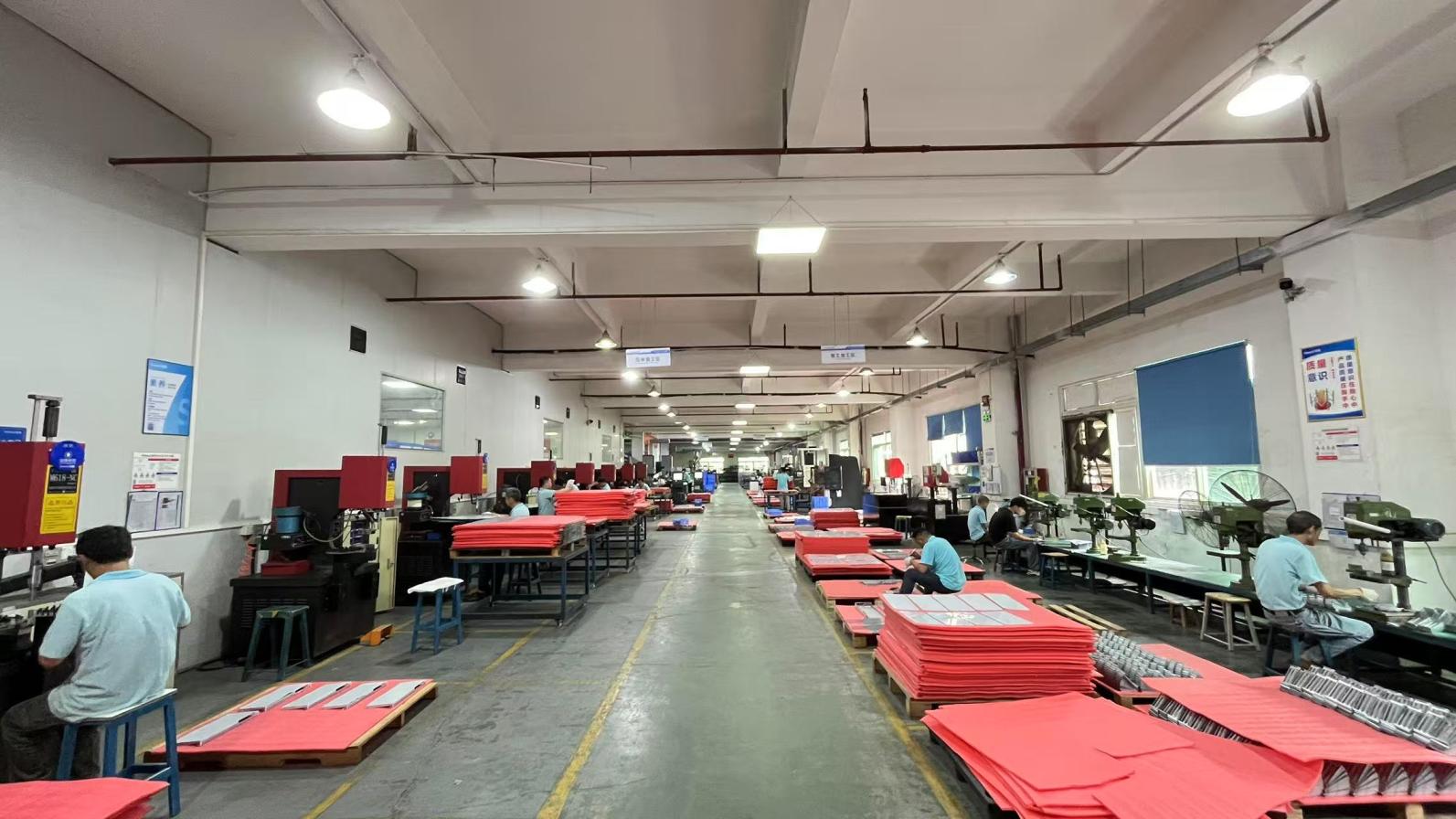
Established in 2016, FiberNova Optical Communication Tech Co., Ltd. (FiberNovaTransceivers.com) operates a state-of-the-art production facility spanning approximately 380㎡. Designed to meet Factory 4.0 efficiency guidelines, our production line combines advanced manufacturing with rigorous testing procedures. This setup allows us to reliably meet the high-speed optical communication needs of global data centers and telecom operators.
With over 6 years of export experience and 12 years of industry expertise, FiberNova has developed deep strengths in R&D, manufacturing, and international trade. Today, we generate an annual export revenue of USD 8–15 million, supplying tier-1 networks across North America, Europe, Southeast Asia, and the Middle East (specifically the United States, Germany, Japan, South Korea, and the United Arab Emirates).
Quality control is central to our manufacturing process. We perform 100% optical performance testing, temperature cycling tests, and signal integrity inspection before every shipment. Our quality assurance team of 45 professional QC staff ensures that every transceiver meets IEEE standards, MSA compatibility, and RoHS requirements. In addition, our robust partner network of over 1,200 supply chain partners guarantees a stable, uninterrupted supply of high-grade optical chips, lasers, and components.
Innovation keeps FiberNova competitive. Backed by 65 engineers, our R&D team continuously refines high-speed transmission technologies across 10G, 25G, 100G, 400G, and 800G optical modules. We offer complete OEM and ODM customization, supporting custom wavelength tuning, protocol compatibility, specialized housing design, and private labeling. Demonstrating our rapid development capabilities, we launched approximately 120 new products last year to help clients adapt to evolving market demands.
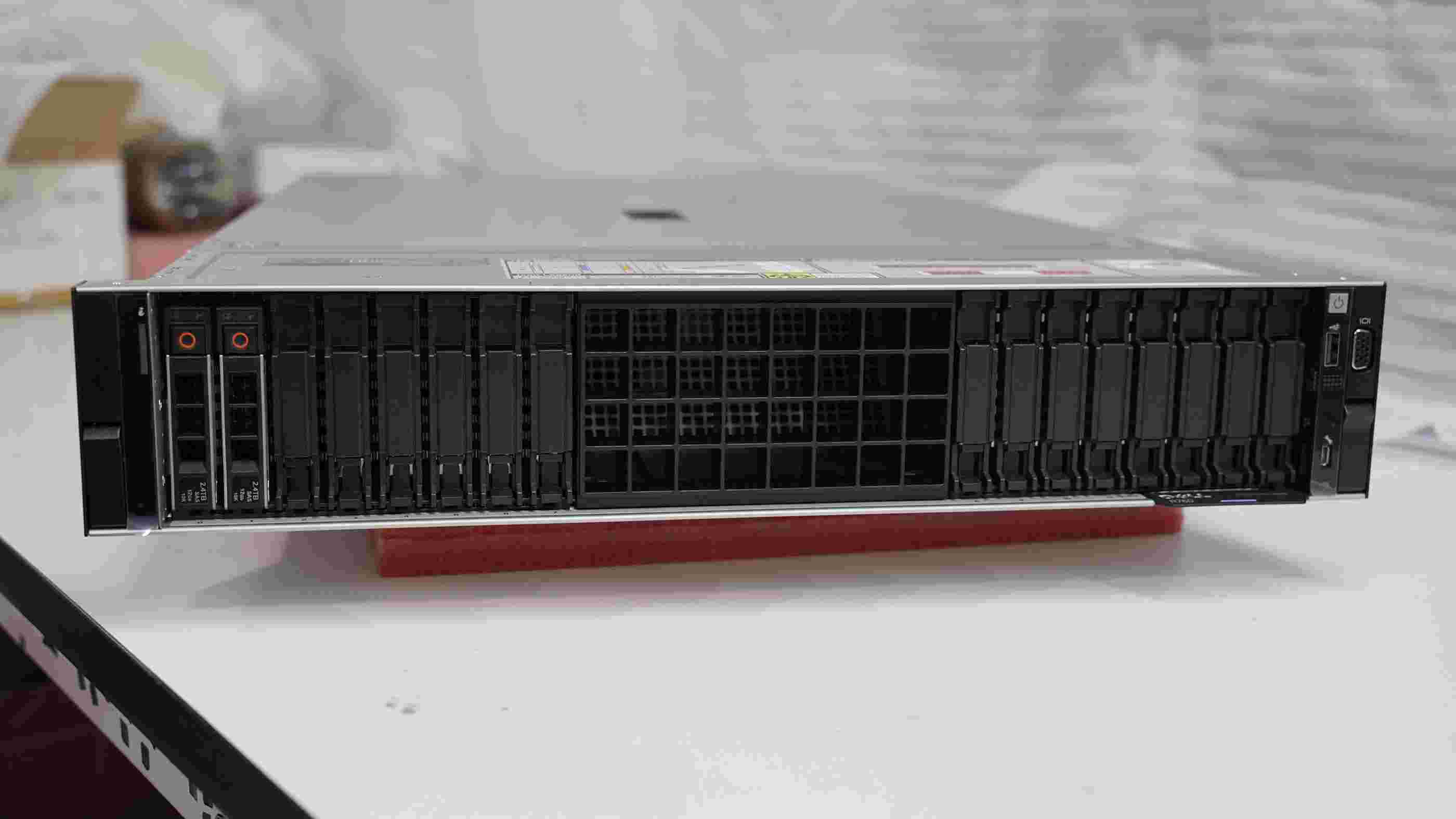

Where high performance, low latency, and environmental resilience are critical to daily operations.
Within spine-leaf networking topologies, 25G SFP28 links connect servers to top-of-rack (ToR) switches, providing a cost-effective path to aggregate into 100G/400G uplinks.
Connecting Baseband Units (BBUs) to Remote Radio Heads (RRHs) via optical CPRI/eCPRI interfaces. Industrial temperature modules ensure reliable performance through seasonal weather extremes.
Enabling high-throughput storage transport using 32G Fibre Channel modules. This setup prevents data bottlenecks in mission-critical banking, database, and transaction processing environments.
Technical answers from our engineering team regarding 25G/32G SFP28 hardware integration.
SFP28 modules share the same physical form factor as SFP+ transceivers. Dual-rate SFP28 transceivers (such as our Cisco SFP-10/25G-CSR-S compatible modules) can auto-negotiate down to 10Gbps. However, matching ports must be configured to host the specific data rate via the switch operating system (NOS) command-line interface.
Standard transceivers use two fibers (one to transmit, one to receive). BiDi (Bidirectional) modules use Wavelength Division Multiplexing (WDM) to transmit and receive over a single fiber, cutting cabling requirements in half. CWDM and DWDM modules use specific wavelengths to multiplex multiple independent channels onto one fiber, with DWDM featuring tighter channel spacing for higher capacity over long distances.
Digital Diagnostics Monitoring (DDM/DOM) tracks real-time operating metrics like optical input/output power, temperature, and supply voltage. Monitoring these values helps engineers detect fiber degradation or temperature changes early, allowing them to troubleshoot issues before they cause network outages.
Our standard 25G SFP28 SR and LR transceivers operate efficiently, consuming less than 1.0W to 1.2W. This low power consumption helps reduce overall thermal load and cooling costs in high-density data centers.
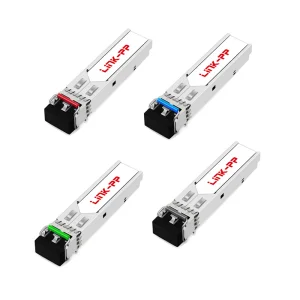
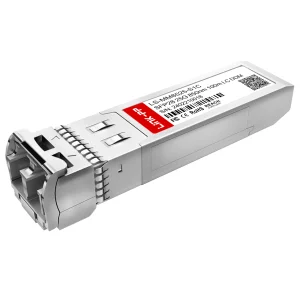
Select from our specialized long-reach, wavelength-tunable, and multi-rate transceiver options to fit your specific network design.
 FiberNova