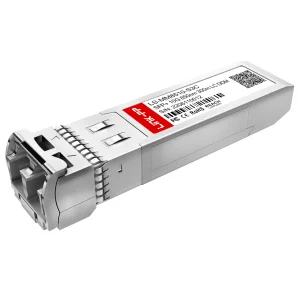
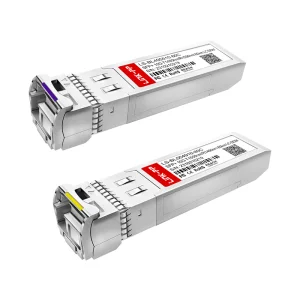
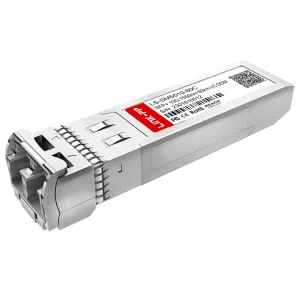
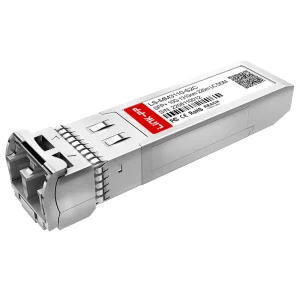
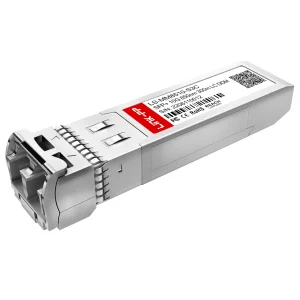
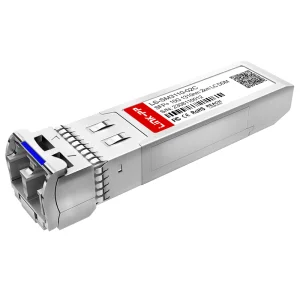
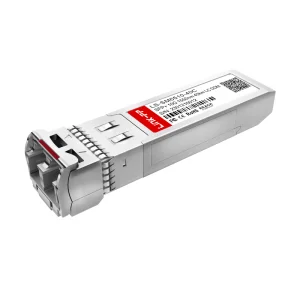
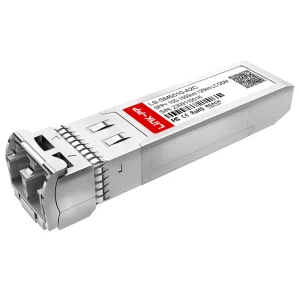
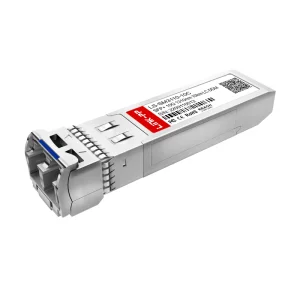
Deploy high-performance, vendor-compatible optical transceivers for data centers, telecommunications, and corporate enterprise backbones.
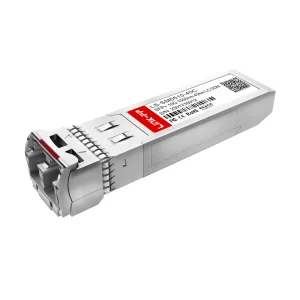
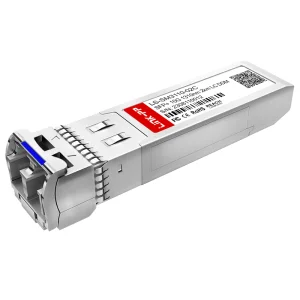
In the rapid evolution of global telecommunications and enterprise networking, the 10G SFP+ (Small Form-factor Pluggable Plus) and 16G SFP+ transceiver formats remain critical foundations for high-speed data transmission. Governed by the Multi-Source Agreement (MSA) standards, including SFF-8431 for electrical interfaces and SFF-8472 for Digital Diagnostic Monitoring (DDM/DOM), these modules offer physical miniaturization, hot-pluggability, and exceptional spectral efficiency.
While next-generation data center architectures are shifting cores toward 400G and 800G platforms, the enterprise edge, SAN (Storage Area Network) fabrics, metropolitan access rings, and cellular base stations maintain an insatiable demand for highly reliable 10G and 16G links. This long-tail volume demand is driven by the unparalleled cost-to-performance ratio of SFP+ architectures, their low power dissipation, and the immense installed base of legacy optical infrastructures.
The optical engine of a 10G/16G SFP+ module determines its transmission capabilities. Manufacturers employ three primary transmitter types depending on target distances and fiber media:
Procurement teams at hyperscalers, telecommunication service providers (telcos), and major system integrators face complex technical requirements when purchasing optical transceivers. The primary driver of value shifting in the aftermarket transceiver sector is no longer just unit price; it centers on **System Interoperability (Compatibility)**, **Supply Chain Resilience**, and **Customization Capabilities**.
Modern high-capacity switches from vendors like Cisco, Juniper, Arista, and Dell utilize proprietary software locks that read the transceiver's internal EEPROM. An incorrectly coded module can cause port shutdowns, link negotiation failures, or intermittent packet drops. Consequently, tier-one manufacturers must deploy advanced firmware programming tools to emulate host-vendor environments, ensuring 100% plug-and-play compatibility across a diverse multi-vendor switch fabric.
| Transceiver Standard | Wavelength | Fiber Type | Max Reach | Key Application |
|---|---|---|---|---|
| 10GBASE-SR | 850nm | MMF (OM3/OM4) | 300m / 400m | Data Center Leaf-Spine Links |
| 10GBASE-LRM | 1310nm | MMF / SMF | 220m / 2km | Legacy FDDI-grade Multimode Fiber Upgrades |
| 10GBASE-LR | 1310nm | SMF | 10km | Enterprise Campus Backbone Connects |
| 10GBASE-ER | 1550nm | SMF | 40km | Metropolitan Area Networks (MAN) |
| 10GBASE-ZR | 1550nm | SMF | 80km | Long-haul Telco Backhaul & Utility Networks |
| 16G Fibre Channel | 850nm / 1310nm | MMF / SMF | 100m to 10km | Storage Area Networks (SAN) & SSD Arrays |
1. Telco Backhaul & 5G Fronthaul Expansion: Modern cellular base stations (gNodeB) require high-capacity, low-latency fronthaul links between the Baseband Unit (BBU) and the Remote Radio Head (RRH). 10G SFP+ BiDi (Bidirectional) modules are standard solutions here, utilizing a single optical strand for simultaneous transmit (Tx) and receive (Rx) wavelengths (e.g., 1270nm/1330nm), cutting fiber leasing costs in half.
2. Enterprise Cloud Data Centers: As database transactions scale, data centers deploy 10G links down to individual rack servers and 16G links directly into high-throughput storage arrays. FiberNova’s transceivers offer sub-nanosecond latency profiles, preventing buffer congestion at the switch interface.
3. Industrial & Substation Automation: Standard commercial transceivers operate within a 0°C to 70°C window. In contrast, industrial environments (e.g., outdoor smart grid systems, railway monitoring) require **Industrial Temperature (-40°C to 85°C)** grade transceivers. These components utilize specialized laser diodes and hermetically sealed housings to resist thermal shock and mechanical vibration.
The roadmap for optical communications points toward higher data rates (25G, 100G, 400G, and 800G), yet the 10G/16G tier remains essential for local distribution, edge computing, and cost-sensitive campus nodes. Over the next decade, manufacturers are focused on enhancing SFP+ efficiency through:
Inside FiberNova's manufacturing center: where precision engineering, rigorous calibration, and quality control systems converge.
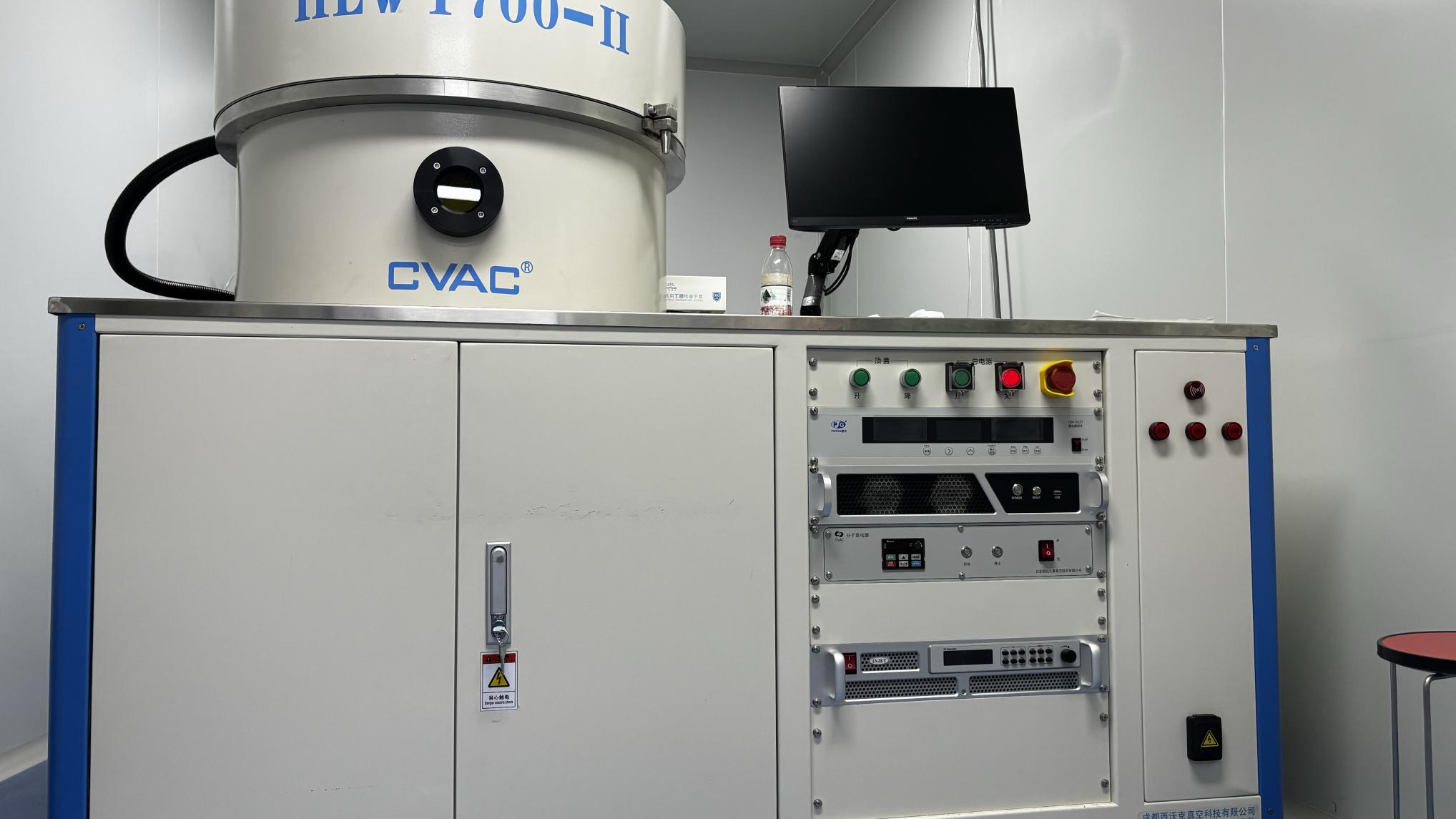
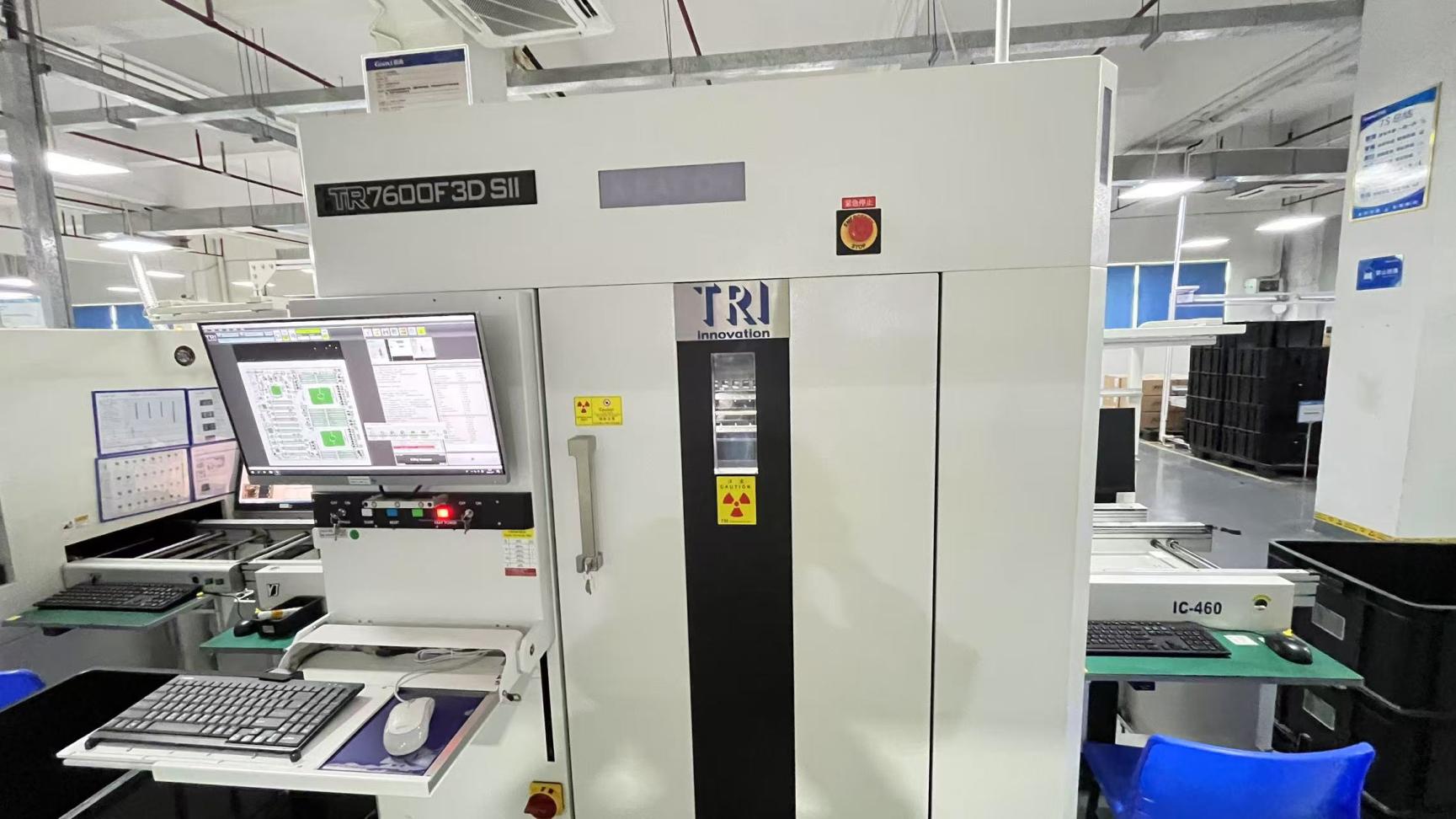
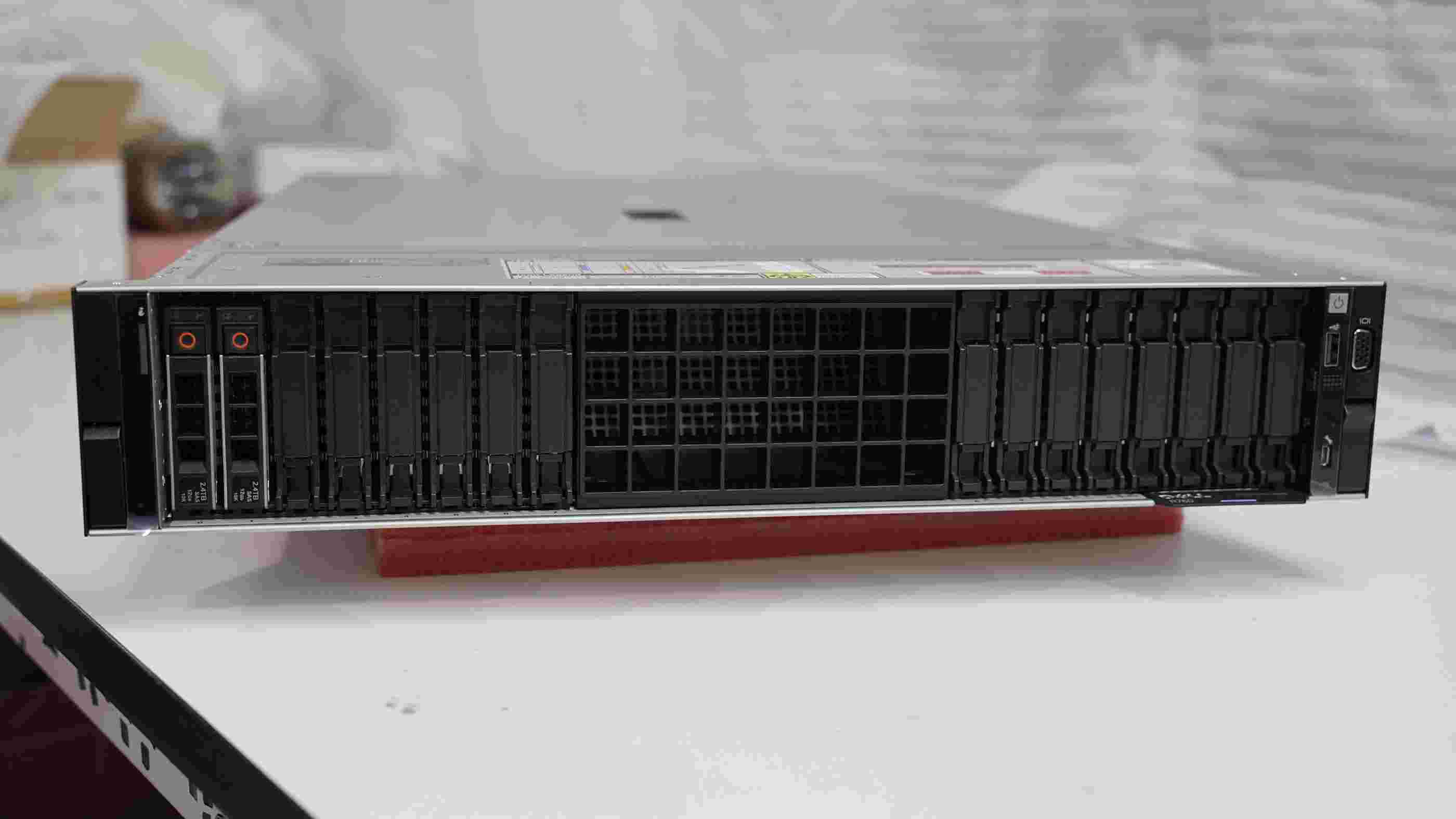

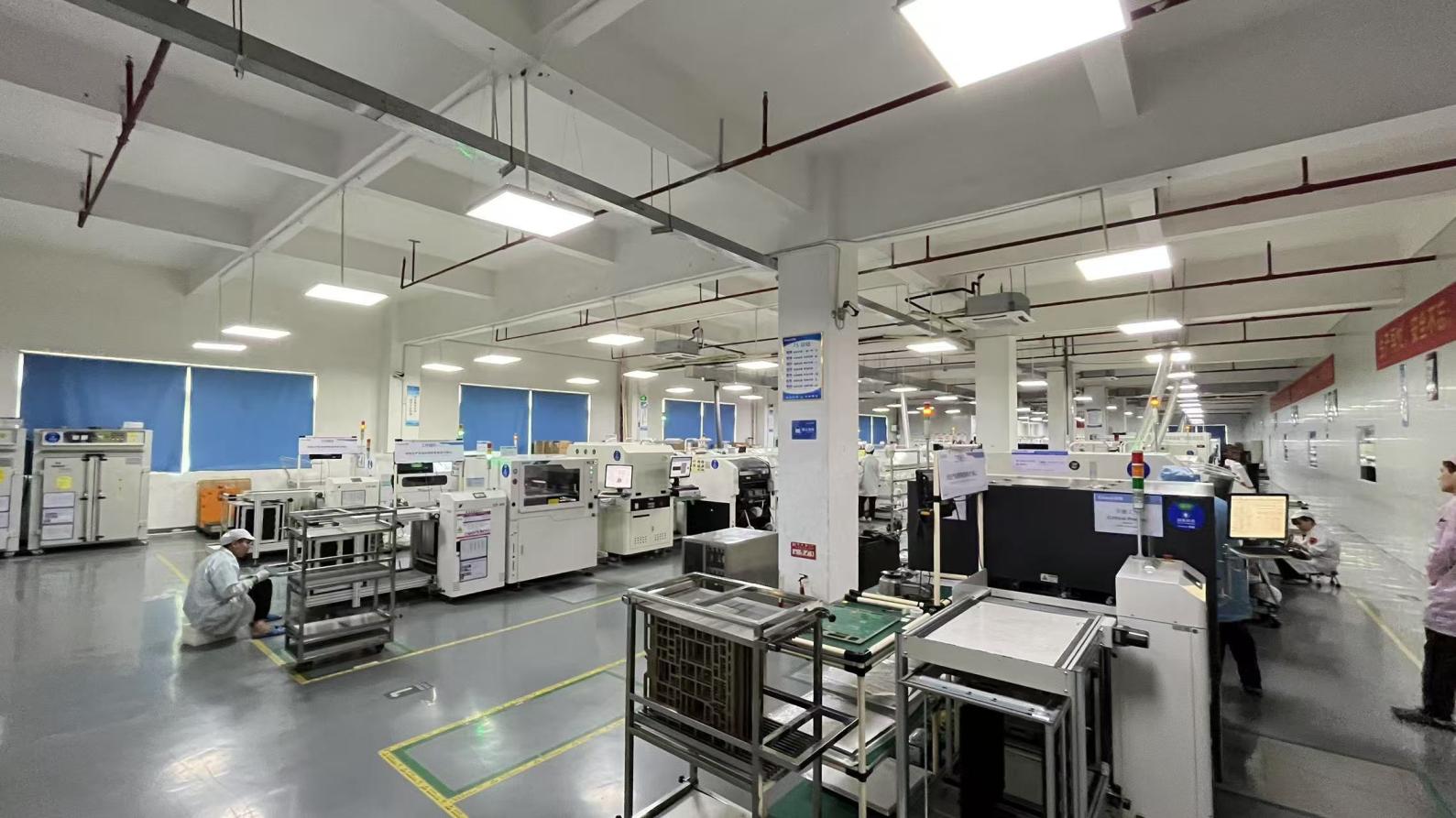
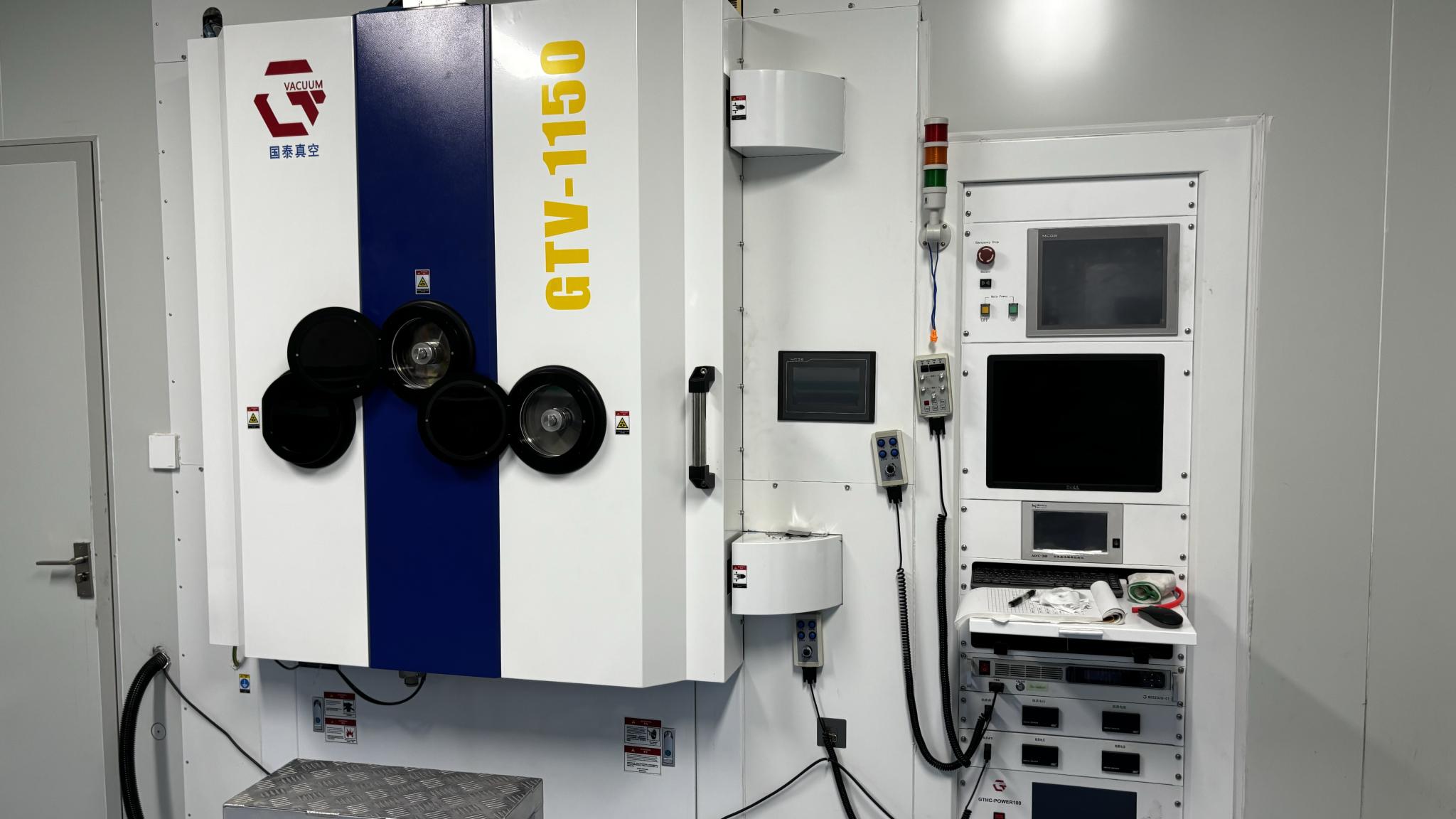

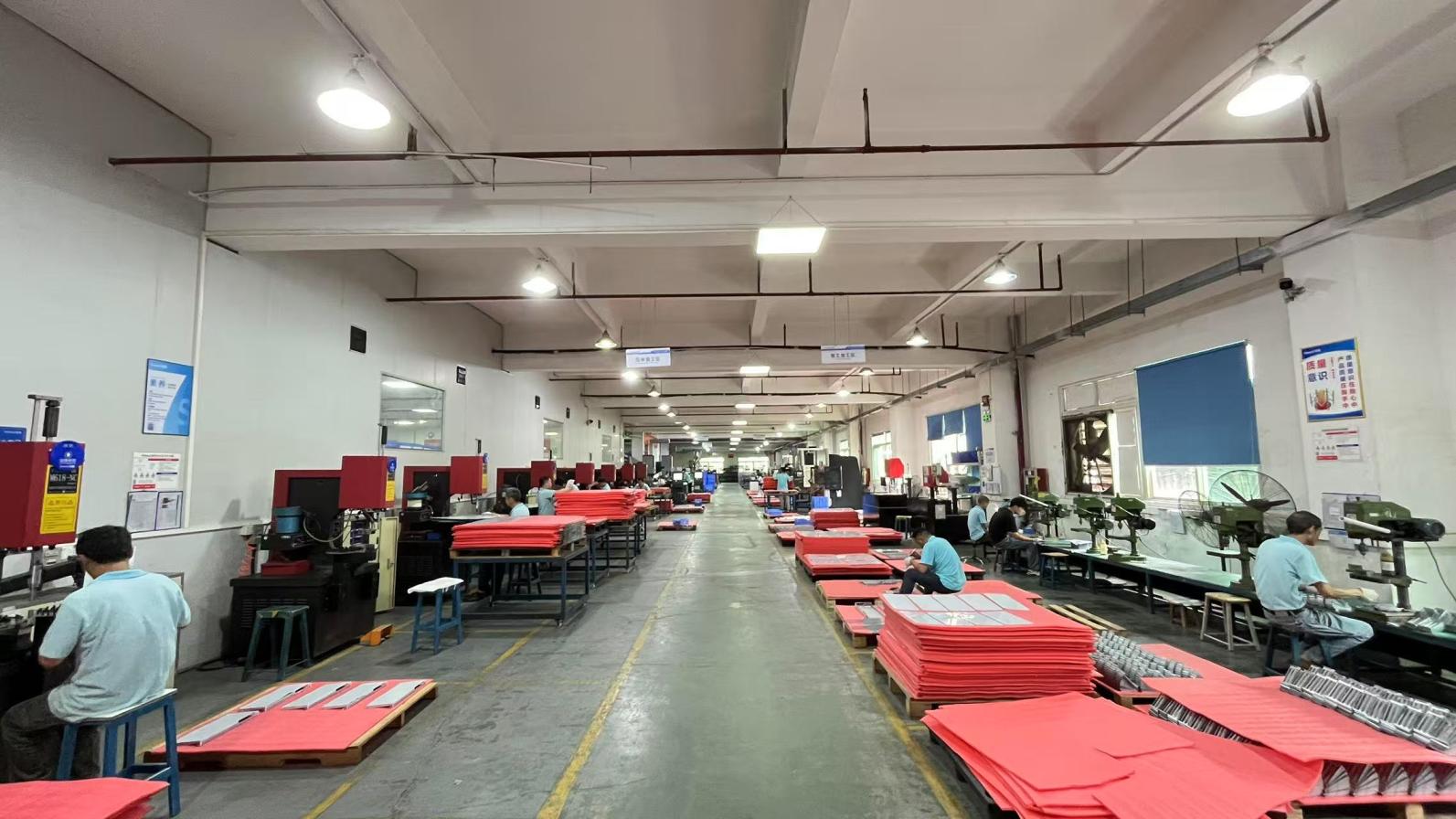
Every optical transceiver manufactured by FiberNova is built to comply with international regulations governing optical safety, electromagnetic emission, and hazardous materials. Our production facilities maintain compliance with **ISO 9001:2015** quality management systems and are certified to meet:
Our verification process involves testing the physical interface, monitoring optical power levels, checking for jitter, and confirming compatible firmware programming for Cisco, Juniper, Arista, and other vendor systems.
Essential answers to technical and compatibility questions regarding 10G and 16G SFP+ transceivers.
The main difference is the targeted communication protocol and data transfer rate. 10G SFP+ modules are typically used in Ethernet architectures (10.3125 Gbps) and OTN systems (11.1 Gbps). 16G SFP+ modules are specifically designed for high-performance Storage Area Networks (SANs) using the Fibre Channel protocol (14.025 Gbps). They are backwards compatible with 8G and 4G Fibre Channel systems, but cannot be easily repurposed for standard 10G Ethernet ports unless the switch supports multi-rate configurations.
DDM (Digital Diagnostic Monitoring), defined under the SFF-8472 standard, provides real-time access to key transceiver operating parameters. Network administrators can monitor optical output power, received optical power, internal temperature, laser bias current, and transceiver supply voltage. This telemetry data enables predictive failure analysis, helping teams address degrading fiber connections before they lead to unexpected network downtime.
The Multi-Source Agreement (MSA) outlines the physical shape, electrical connector pin-out, and software interface for optical modules. This standardization ensures that third-party transceivers function properly across different equipment manufacturers. As long as a transceiver manufacturer complies with MSA standards and writes the correct EEPROM coding for target platforms, third-party modules can offer identical performance to original equipment manufacturer (OEM) modules at a significantly lower cost.
In most cases, an SFP (1G) module will work in a 10G SFP+ port by manually configuring the port speed to 1G (1000Mbps). However, a 10G SFP+ module cannot operate in a legacy 1G SFP port because the hardware components on the host switch port cannot support the higher signaling rate of 10G. It is always best to check the host switch's official documentation for port compatibility guidelines.
We operate a dedicated compatibility testing facility equipped with switches, routers, and host systems from brands like Cisco, Arista, Juniper, Dell, and HPE. Each module undergoes real-time configuration checks and link-state verification. Our engineers code the EEPROM signature to match the host hardware's requirements, ensuring it passes system checks without triggering warnings or port lockouts.
This refers to the thermal conditions a transceiver can operate in. Commercial-grade transceivers are rated for 0°C to 70°C, typical for indoor data centers. Extended temperature ranges span -20°C to 85°C. Industrial-grade transceivers (I-Temp) operate from -40°C to 85°C, making them suitable for outdoor enclosures, industrial automation plants, and telecommunications towers.
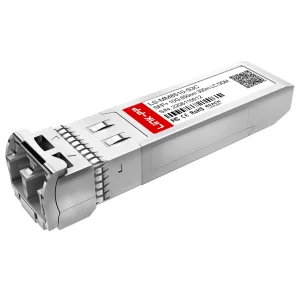
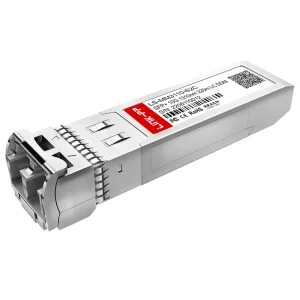
Explore our line of compatible and long-distance transceivers, designed to fit high-speed configurations and multi-vendor networks.
 FiberNova