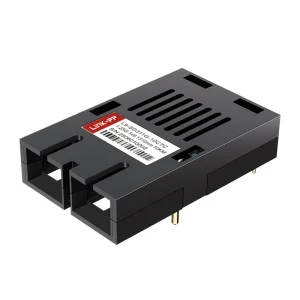
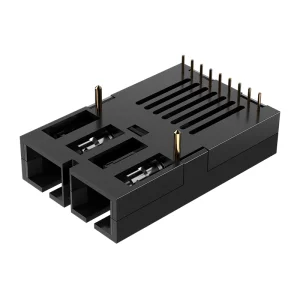
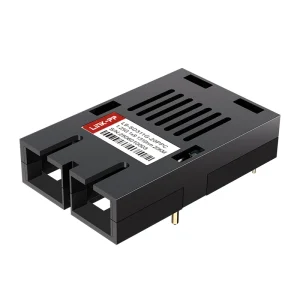
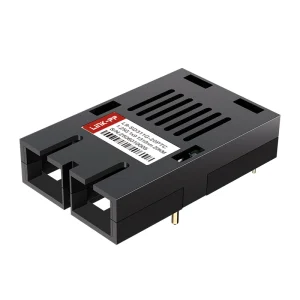
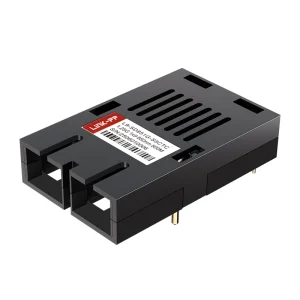
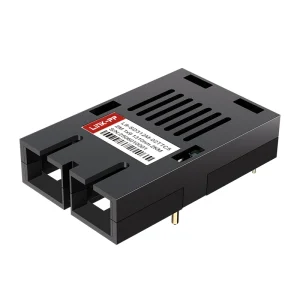
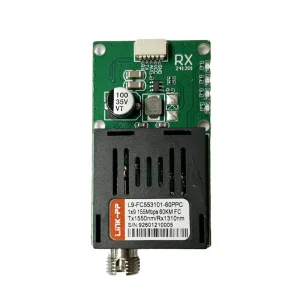
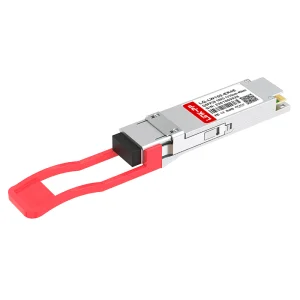
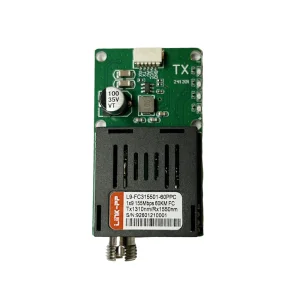
Explore our range of high-performance, single-mode and multi-mode 1x9 transceivers featuring duplex SC, duplex FC, and bi-directional configurations.
Understanding why legacy form-factors remain the rock-solid foundation for industrial data links.
In an era dominated by hot-pluggable interfaces such as SFP+, QSFP28, and OSFP pushing speeds up to 800Gbps, the 1x9 optical transceiver remains a mission-critical component in global industrial automation, telecommunications, and military networks. The unique value of the 1x9 form factor lies not in ultra-high bandwidth, but in its unparalleled mechanical stability. Unlike hot-swappable transceivers that rely on delicate gold-finger slide connections, a 1x9 transceiver is soldered directly onto the printed circuit board (PCB). This pins-through-hole architecture provides a mechanical connection that is highly resistant to heavy vibrations, shock, and thermal expansions.
For systems operating in high-interference environments, such as electric substations, railway signaling, and industrial control cabinets, the 1x9 module is the industry's default choice. Its electrical pins are physically robust, ensuring zero contact degradation over decades of continuous operation. Furthermore, the simplicity of the 1x9 interface translates to a lower failure rate compared to complex digital diagnostic monitoring (DDM) systems found in newer modules. When system uptime is measured in decades, the simplicity of the 1x9 architecture becomes its greatest engineering asset.
"Information Gain: Modern ruggedized platforms do not just require speed; they require absolute link integrity under stress. The 1x9 standard represents a physical safeguard against mechanical decoupling in industrial and aerospace applications."
Decoupling wavelengths, signal interfaces, and distance thresholds for optimal link performance.
Combining specialized R&D, structural cost advantages, and uncompromising E-E-A-T testing frameworks.
FiberNova Optical Communication Tech Co., Ltd. (FiberNovaTransceivers.com) has been a cornerstone manufacturer in the optical communications landscape since 2016. Operating from our specialized 380㎡ modern production facility, we cater to demanding global telecom operators, data center integrators, and industrial network distributors. Our manufacturing ethos combines high-precision automation with rigorous quality control, resulting in an annual export volume valued between USD 8 million to 15 million.
The manufacturing of 1x9 transceivers requires highly specialized active optical alignment (OSA/TOSA/ROSA) equipment. FiberNova leverages China's advanced industrial supply chain ecosystems to source high-grade optical subassemblies, lasers (DFB, FP, VCSEL), and detector chips from over 1,200 trusted supply chain partners. This strong logistics framework allows us to maintain a consistent component pipeline, protecting our clients from global chip shortages and shipping delays.
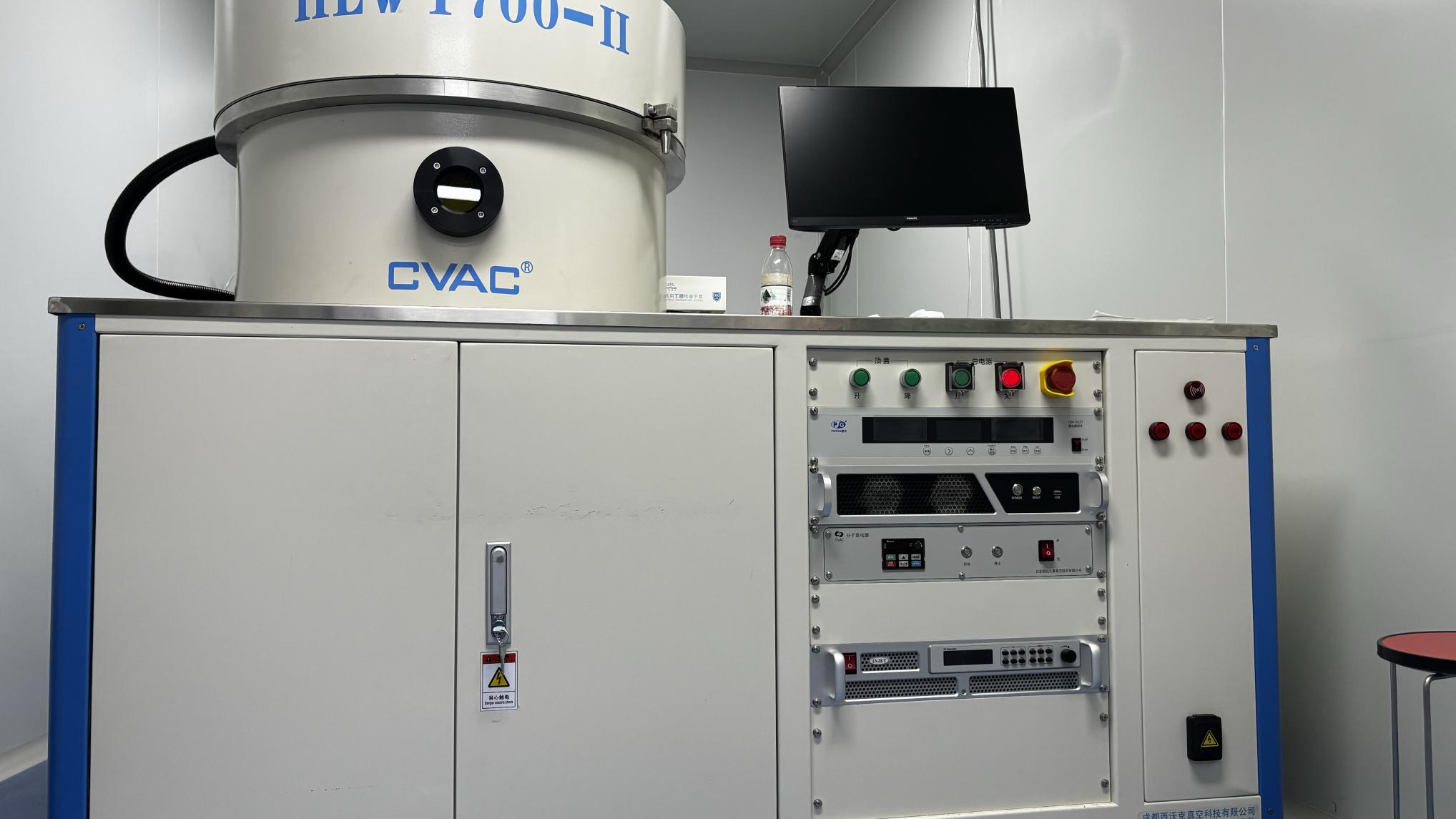
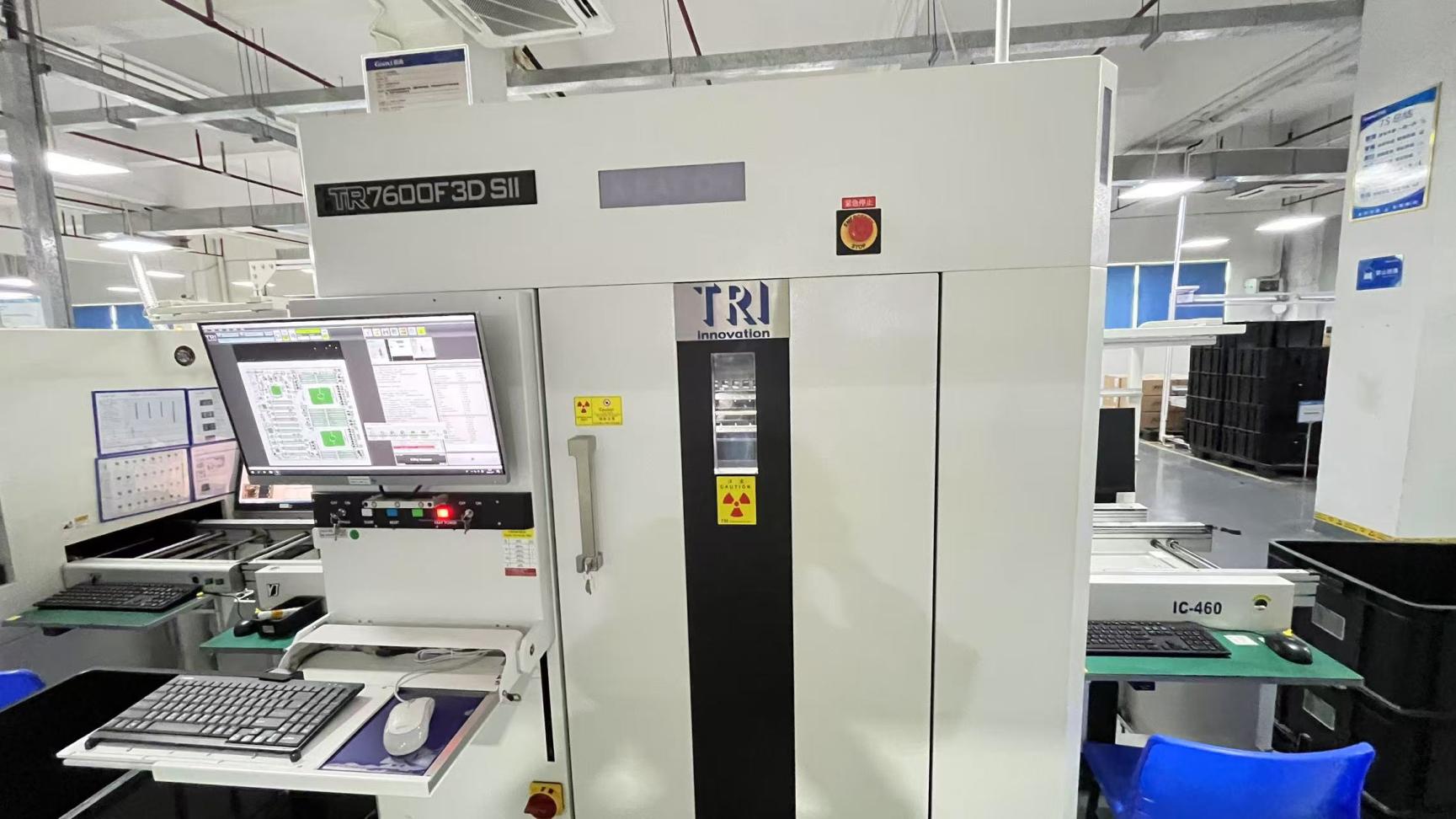
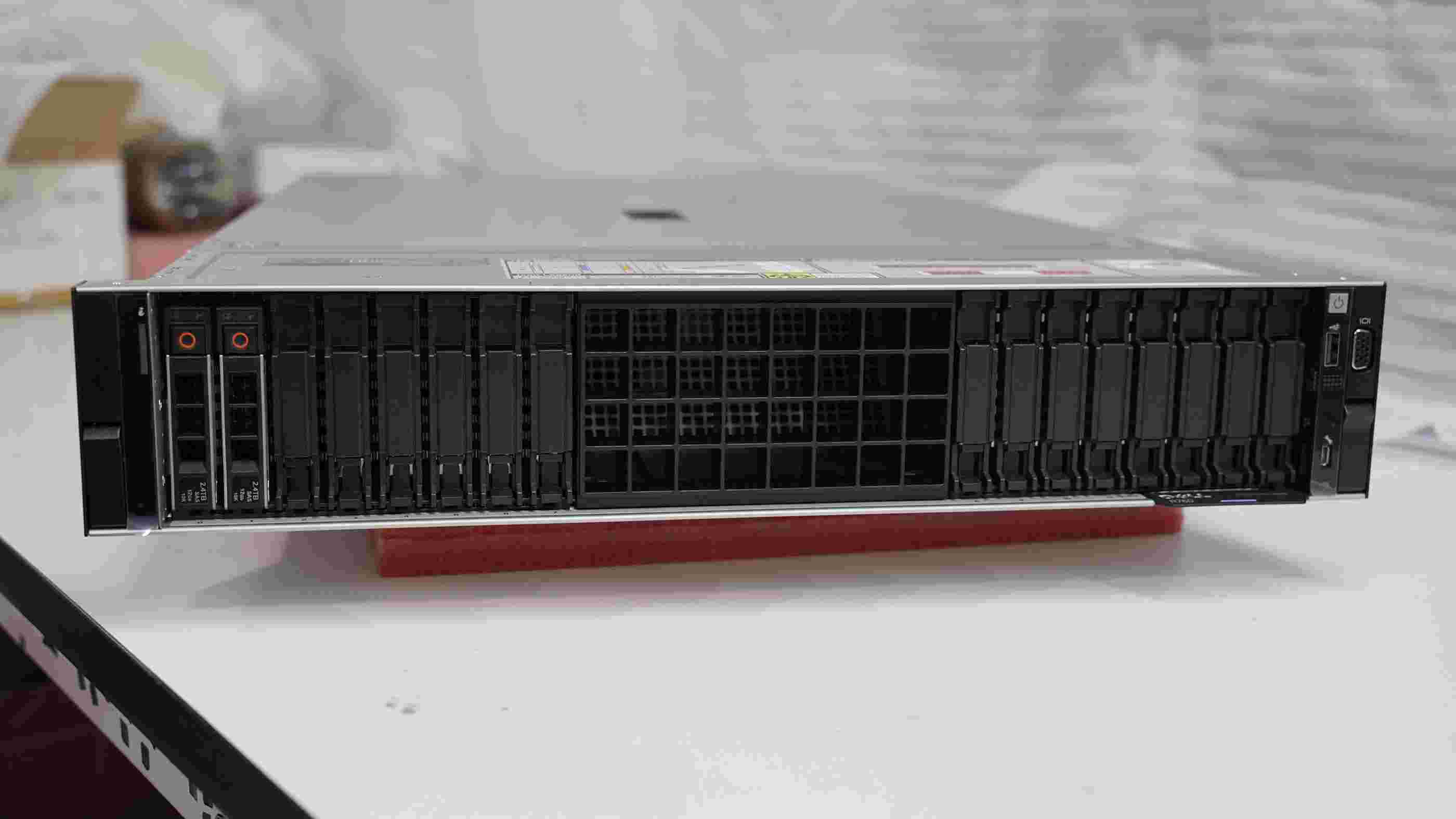
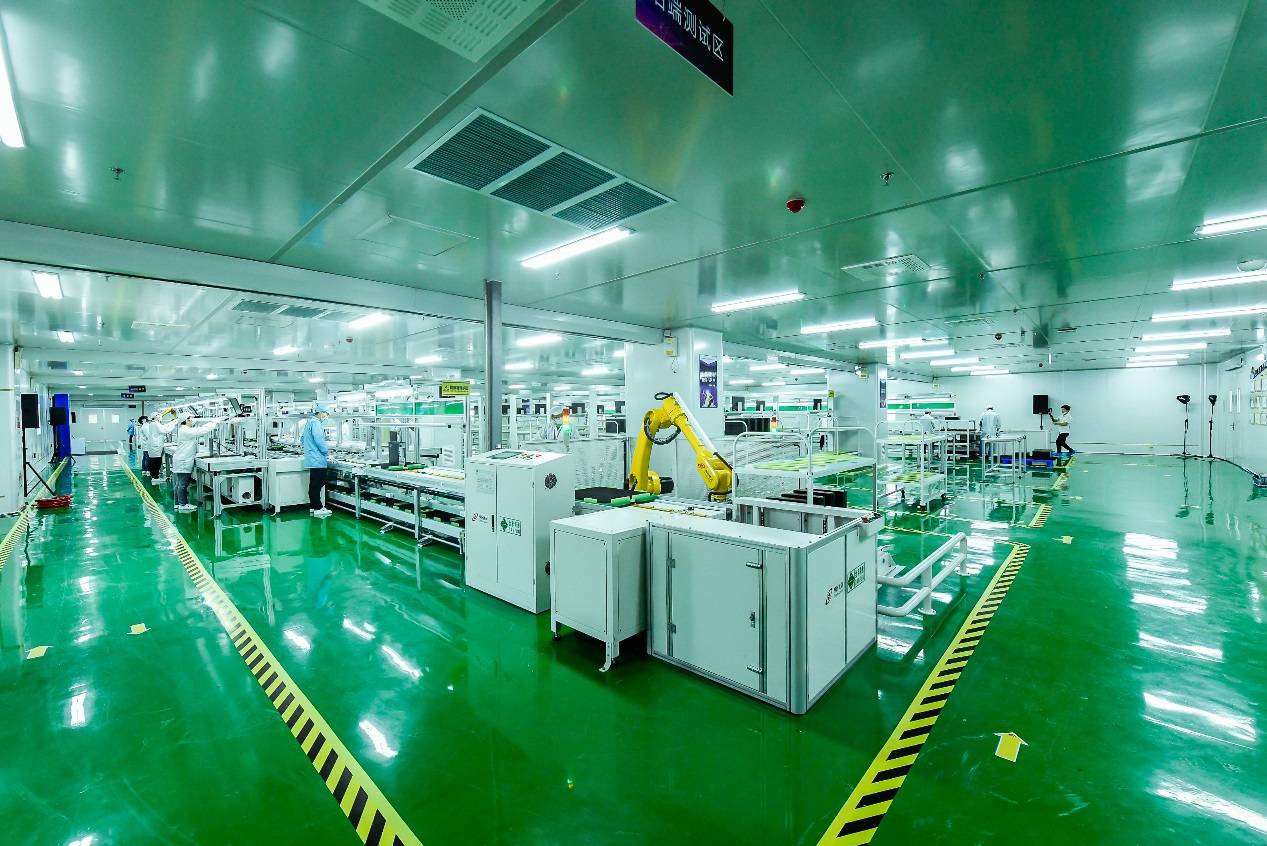
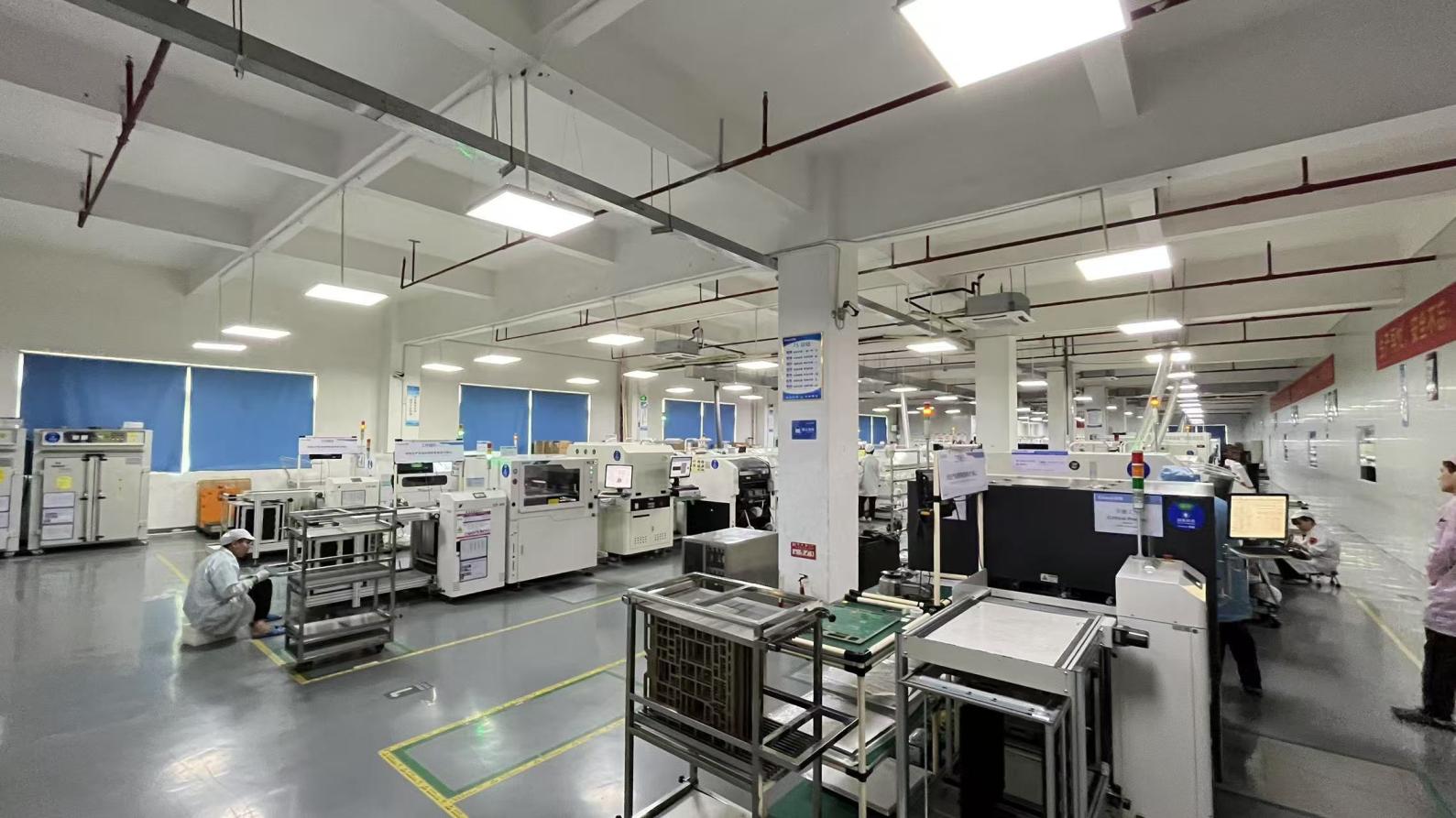
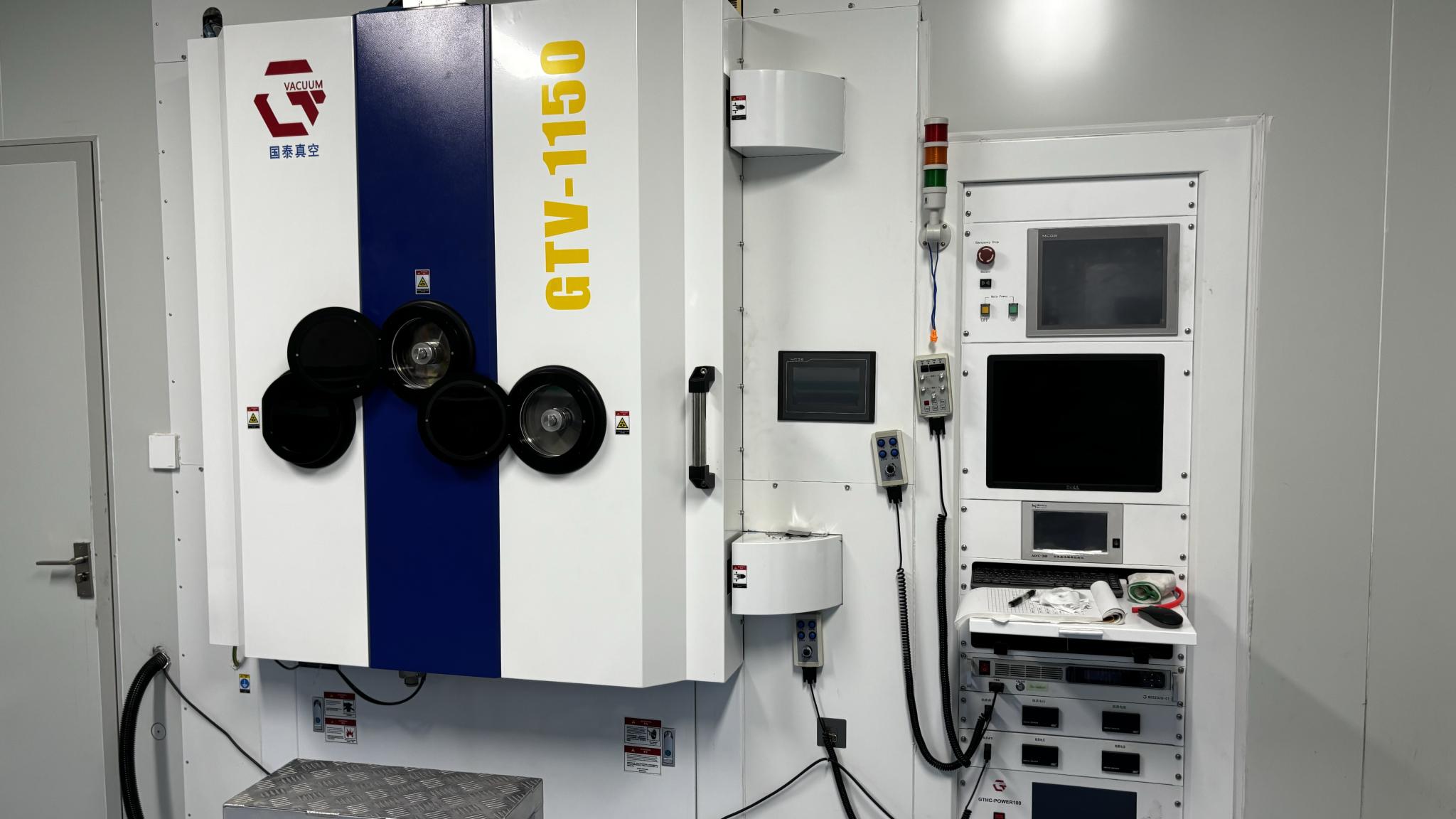
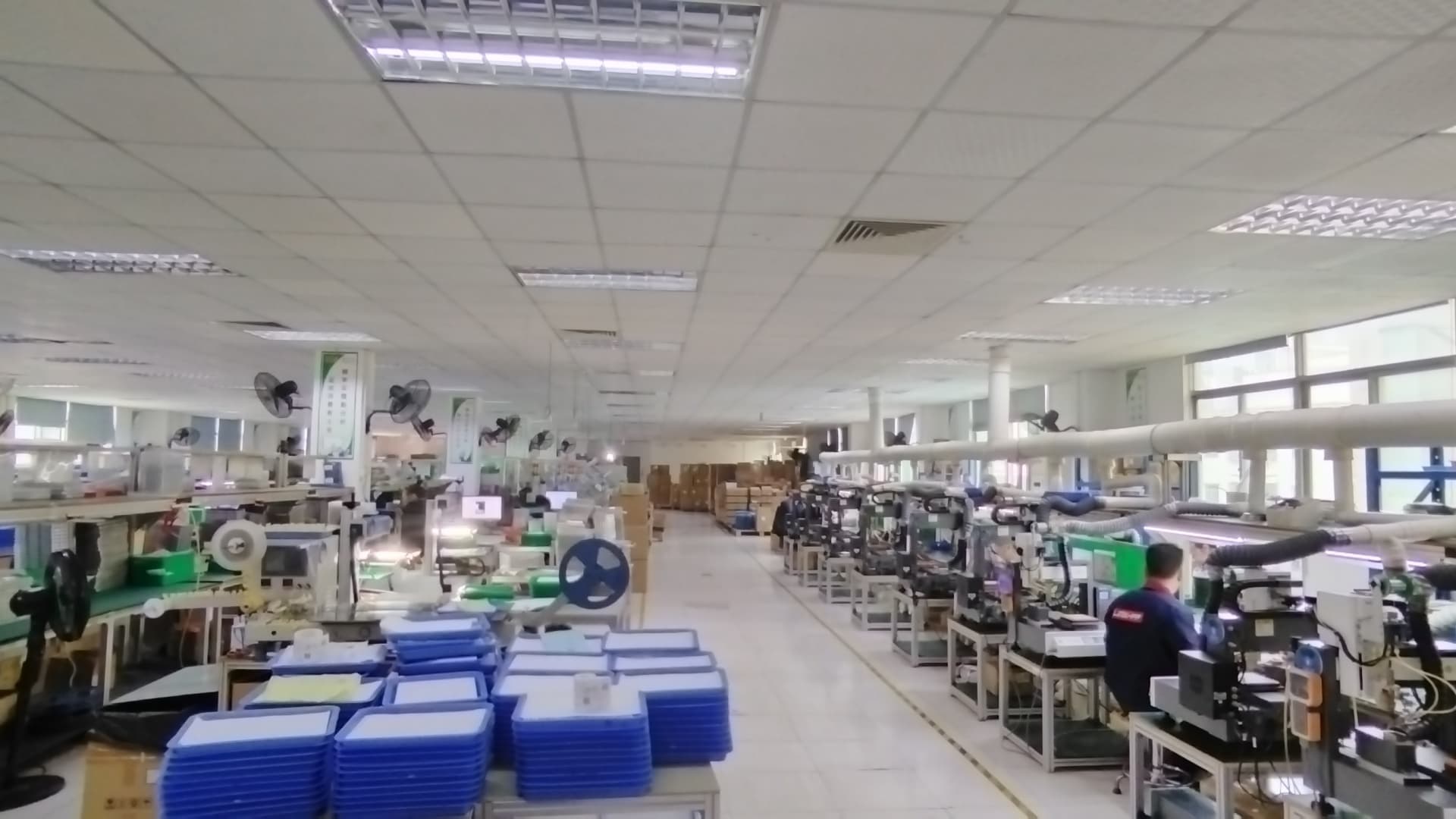
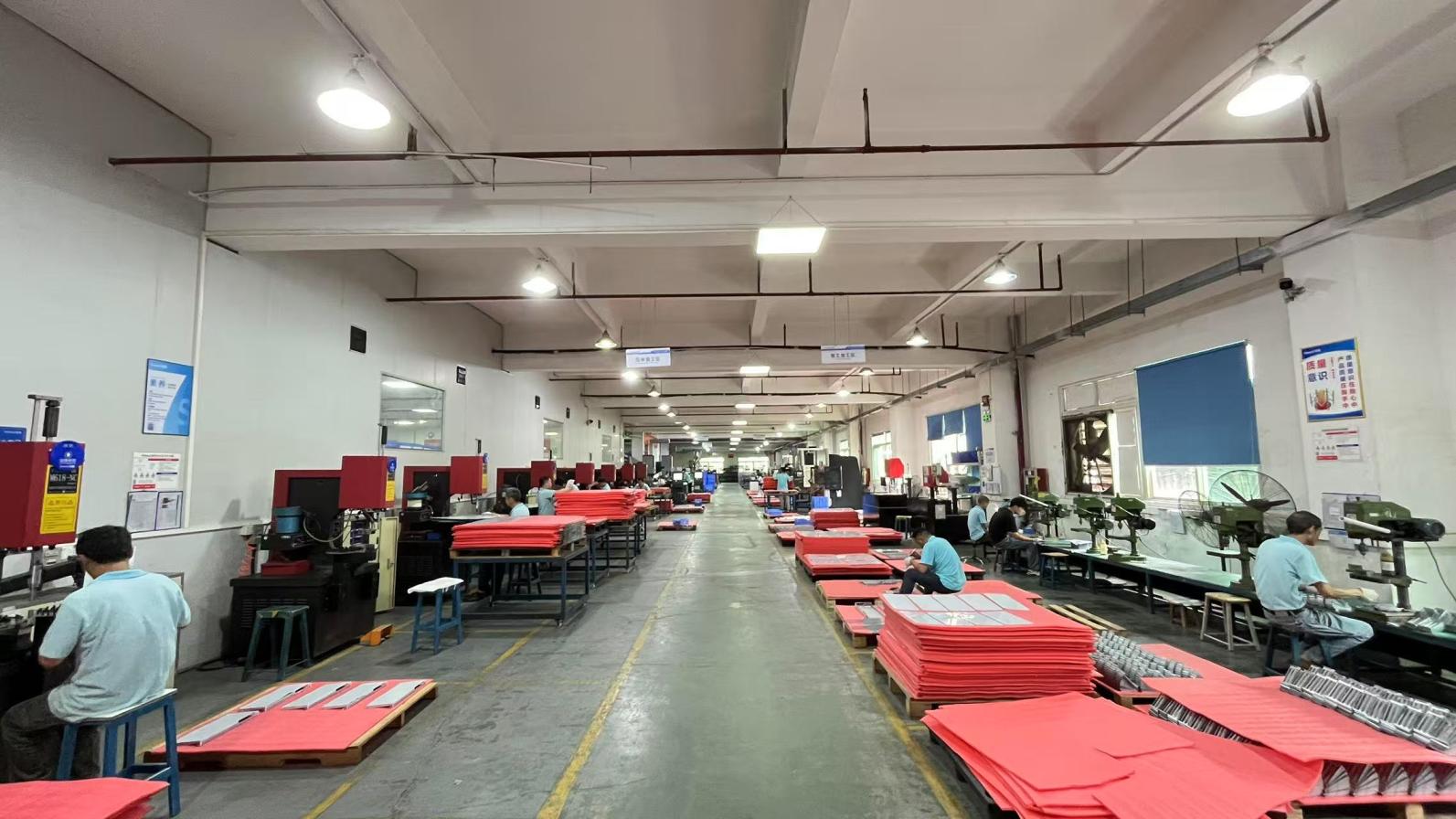
Quality at FiberNova is not a buzzword; it is a system of absolute verification. Our quality department is staffed by over 45 specialized QC technicians who oversee our multi-tiered testing protocols. Every single 1x9 optical transceiver shipped from our facility undergoes 100% optical performance testing, signal eye diagram verification, bit error rate (BER) checks, and thermal shock chamber cycling. This ensures that when a client in the United States, Germany, Japan, South Korea, or the UAE solders our module onto their PCB, it performs flawlessly within specifications.
With an engineering division containing over 65 R&D engineers, we continuously adapt to new requirements. While we support standard data rates like 155M and 1.25G, we also develop custom solutions for unique voltages (e.g., +3.3V or +5.0V), custom wavelengths, specialized pin configurations, and specialized housing coatings to protect against corrosive environments. Over the past year, we have introduced over 120 new products to meet the shifting demands of modern hybrid networks.
Analyzing how ruggedized 1x9 transceivers secure communication links across diverse global sectors.
Modern Ethernet networks in industrial plants require media transition from copper (RJ45) to fiber optics to span longer distances and block electrical interference. Below are primary use-cases where 1x9 modules are critical:
Strategic parameters procurement teams must evaluate before selecting a 1x9 transceiver supplier.
When sourcing optical modules globally, evaluating technical compatibility, certification compliance, and supply continuity is paramount. Use the following criteria to evaluate prospective manufacturing partners:
1. Pin-to-Pin Compatibility & Mechanical Form Factor: Standard 1x9 form factors must strictly conform to original multi-source agreements (MSA). Ensure the pin pitch and length match your PCB layout to avoid hand-soldering problems. Specify if you require duplex SC, FC, or ST connectors, as physical housing dimensions vary slightly.
2. Signaling Level Validation: Confirm if your host board requires PECL or TTL signal levels. Mismatches will cause signal degradation, logic errors, or prevent the transceiver from initializing. FiberNova supports both options, facilitating direct drop-in replacement designs.
3. Thermal Profile & Environment: Industrial deployments require a temperature tolerance of -40°C to +85°C. Selecting commercial-grade components (0°C to 70°C) for outdoor cabinets will lead to premature laser degradation and wavelength drift, causing link failures. Our 45-person QC team screens laser diodes through strict thermal-stress tests to guarantee reliable lifespan.
4. Laser Lifetime and Laser Class: Confirm that the manufacturer uses high-quality laser diodes (TOSA) with predictable lifespans. Lower-grade lasers degrade fast, reducing optical output power over 2-3 years. All FiberNova modules are certified Class 1 laser safe and built to exceed 100,000 hours MTBF.
Answers to common engineering and sourcing questions regarding 1x9 optical modules.
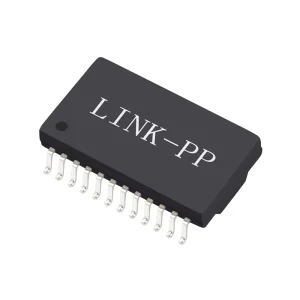
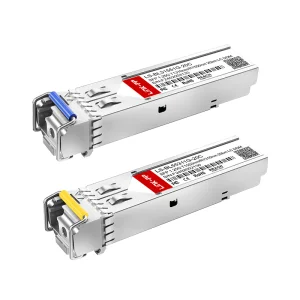
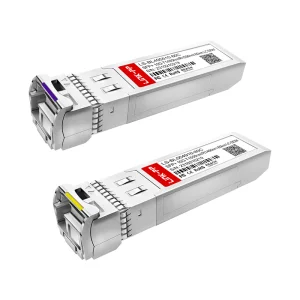
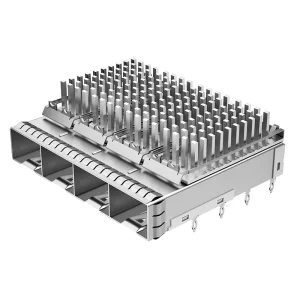
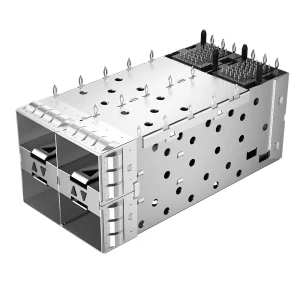
Complementary products including high-distance BiDi modules, cages, and network magnetics.
 FiberNova