Empowering Industrial Automation, Railway Transit, and Enterprise Networking with Carrier-Grade Sub-Gigabit Optical Solutions across Thailand and the EEC.
Optimized compatibility with Moxa, Hirschmann, Cisco, and Allied Telesis switches running on local Thai metro-networks and industrial grids.
Under the national framework of the "Thailand 4.0" economic model, the country is undergoing an extensive digital transformation across industrial sectors. The expansion of the Eastern Economic Corridor (EEC)—comprising Rayong, Chonburi, and Chachoengsao provinces—has accelerated the adoption of automated manufacturing, smart warehouses, and advanced process control.
For decades, fiber backbone networks in Thailand have relied on legacy Synchronous Digital Hierarchy (SDH) and Asynchronous Transfer Mode (ATM) protocols. Today, modern industrial facilities and metro transport networks (such as Bangkok's BTS Skytrain and MRT lines) require continuous operations at sub-gigabit speeds—specifically 155 Mbps (STM-1/OC-3) and 622 Mbps (STM-4/OC-12). Our optical modules are designed to bridge these legacy physical communication infrastructures with modern IP-based fiber Ethernet routing.
Globally, while multi-gigabit and terabit networks (100G, 400G, and 800G) dominate hyperscale cloud datacenters, the global industrial and critical infrastructure sectors continue to heavily rely on 155M and 622M Small Form-factor Pluggable (SFP) modules.
Sub-gigabit optical links offer unparalleled advantages in long-distance signal integrity, lower heat dissipation, and reduced power budgets. In SCADA systems, oil & gas pipeline telemetry, and municipal water management, maintaining high receiver sensitivity over single-mode fiber (SMF) spanning up to 80km without repeaters is vital. Global equipment manufacturers (such as Cisco, Moxa, Allied Telesis, and Hirschmann) continue to deploy Fast Ethernet interfaces to manage critical industrial communications safely.
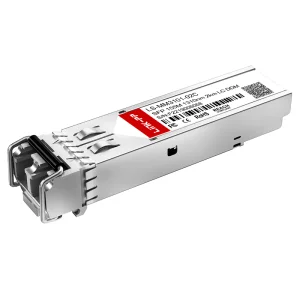
Understanding the exact hardware configurations of 155M and 622M SFP transceivers for industrial deployments.
| Standard / Wavelength | Fiber Type | Laser Type | Max Distance | Typical Application in Thailand |
|---|---|---|---|---|
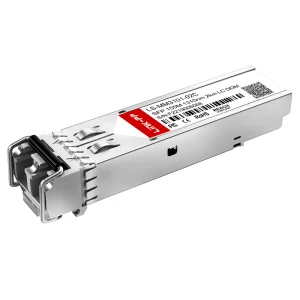
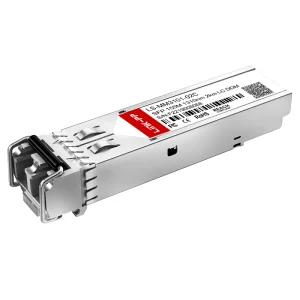
| 100BASE-FX / 1310nm | Multimode (MMF) | FP Laser | 2 km | Factory Floor LAN, Moxa Industrial Switches in EEC |
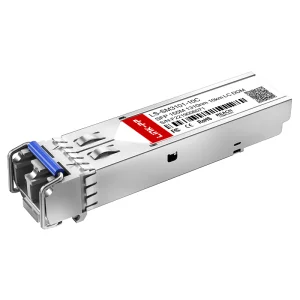
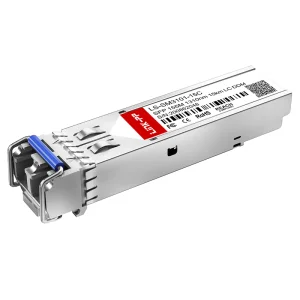
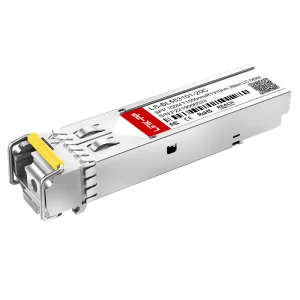
| 100BASE-LX10 / 1310nm | Single Mode (SMF) | FP/DFB Laser | 10 km - 15 km | Bangkok Metro MRT Signaling, Substation Ring Networks |
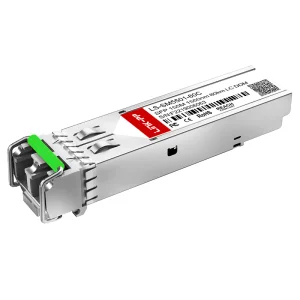
| 100BASE-ZX / 1550nm | Single Mode (SMF) | DFB Laser | 80 km | Rural Telemetry Links, EGAT Grid Monitoring Inter-substation |
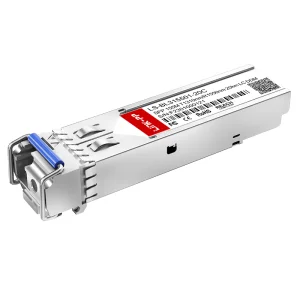
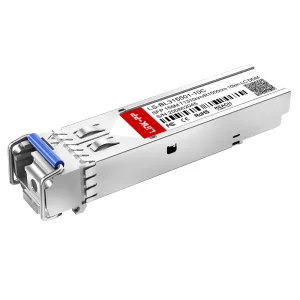
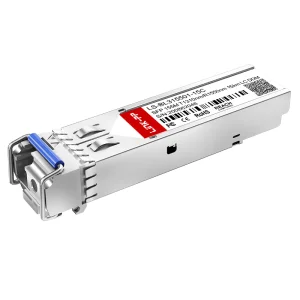
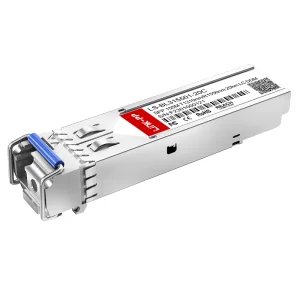
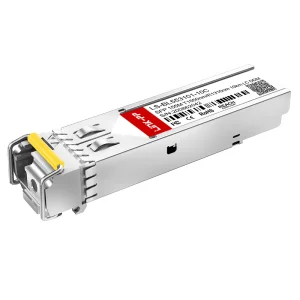
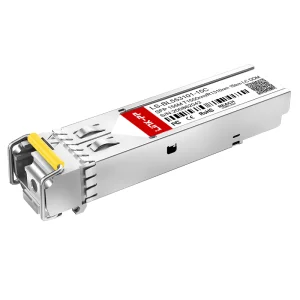
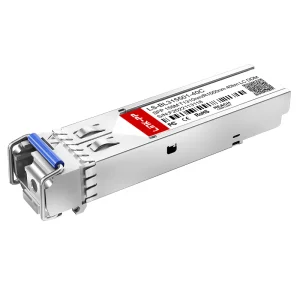
| 155M BiDi (1310Tx/1550Rx) | Simplex SMF | FP / DFB | 10 km - 40 km | Single-fiber FTTH networks and roadside traffic cabinets |
| STM-4 / 622M (1310nm) | Single Mode (SMF) | DFB Laser | 15 km - 40 km | Legacy SDH Access Rings, Telecom carrier backhaul integration |
Doing business in Thailand requires a deep understanding of local trade regulations and safety standards. Our transceivers comply with global and local certifications, including CE, FCC, RoHS, and MSA guidelines. When importing network components into Thailand, we assist system integrators with clearance documents, certificate generation, and compliance with the National Broadcasting and Telecommunications Commission (NBTC) guidelines for telecommunications equipment.
Furthermore, Thailand's sub-tropical climate poses extreme challenges for electronics. The standard commercial operating temperature range (0°C to 70°C) is often insufficient for roadside cabinets or outdoor substations. FiberNova provides Industrial-Grade Wide Temperature (-40°C to 85°C) SFP modules designed to withstand heat, humidity, and voltage fluctuations.
A leading global transceiver manufacturer established in 2016, delivering reliable optical components to clients worldwide.
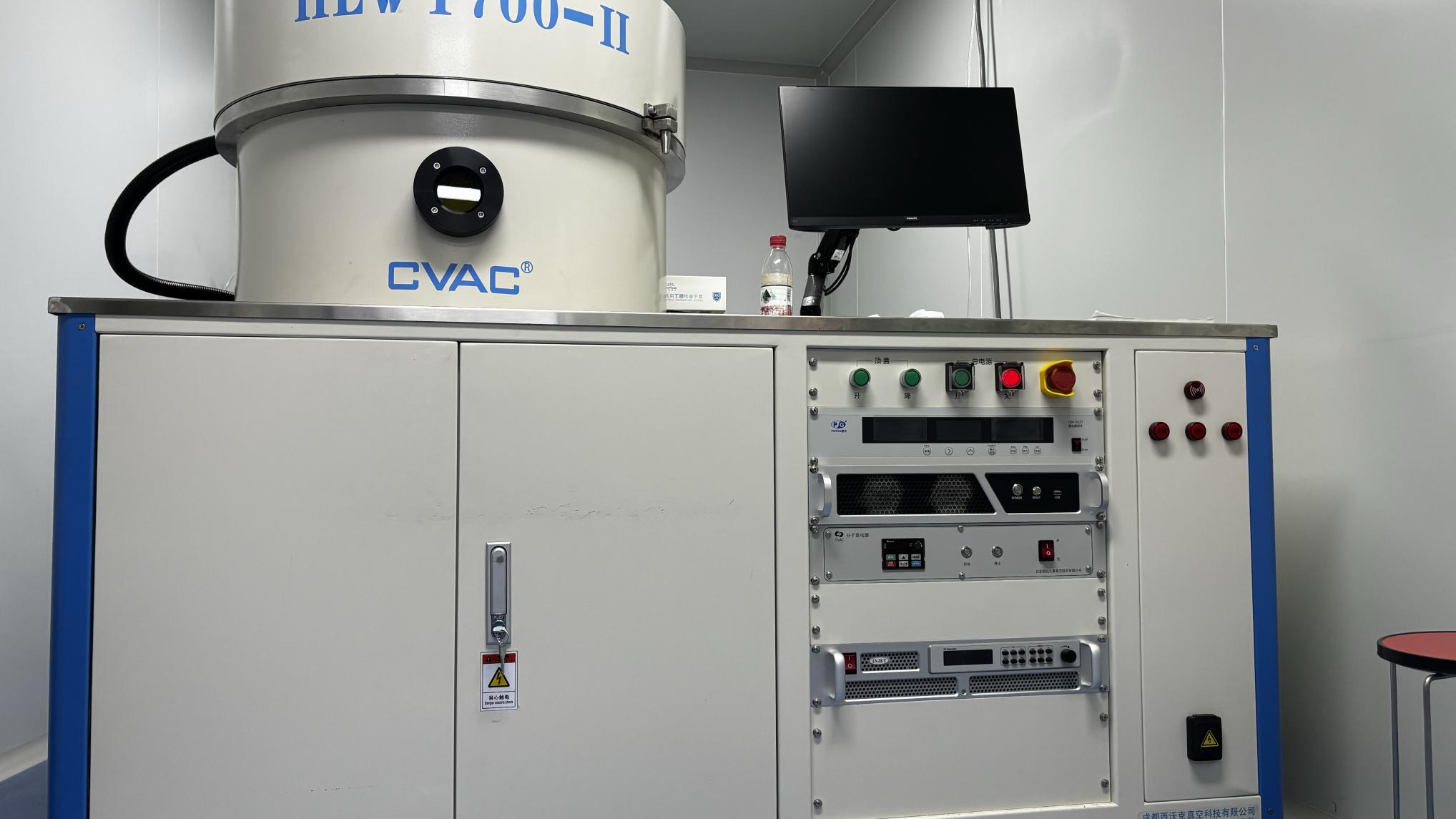
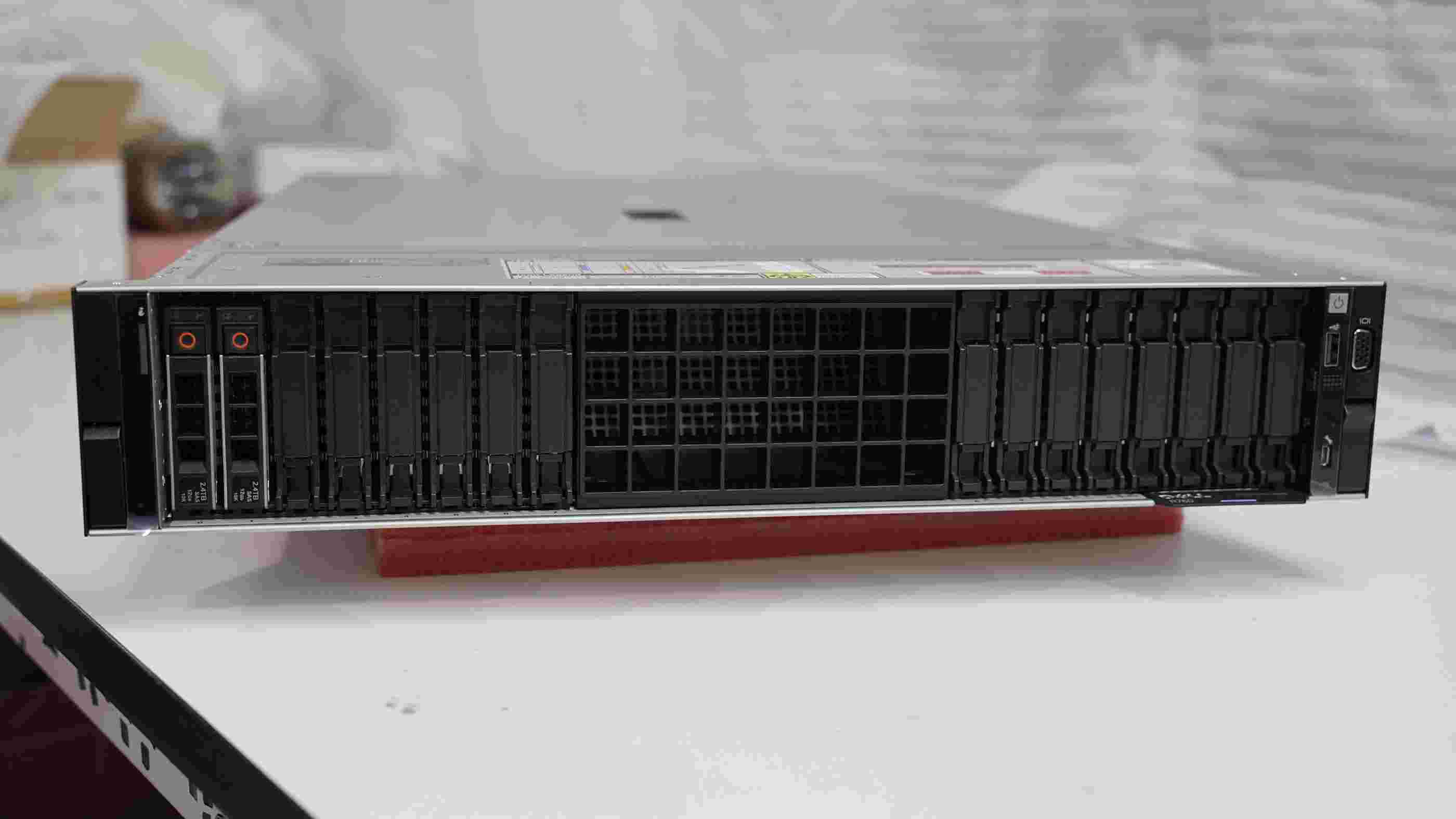
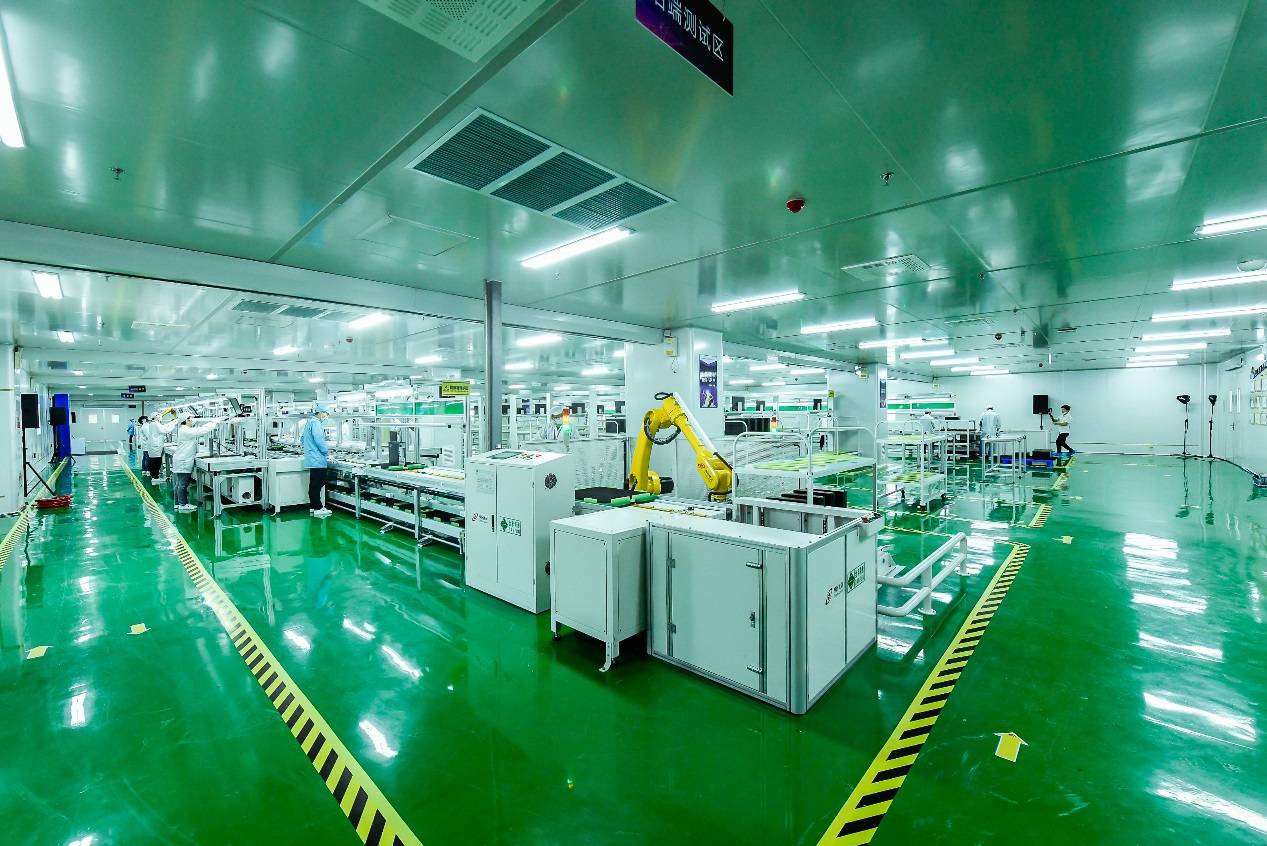
FiberNova Optical Communication Tech Co., Ltd. (FiberNovaTransceivers.com) is a professional optical transceiver manufacturer focused on high-speed and legacy optical communication solutions. With over 6 years of direct export experience and 12 years of industry expertise, FiberNova has developed robust capabilities in R&D, manufacturing, and international trade. The company operates a modern facility and employs 65 specialized R&D engineers targeting next-generation modules alongside legacy 155M/622M transceivers.
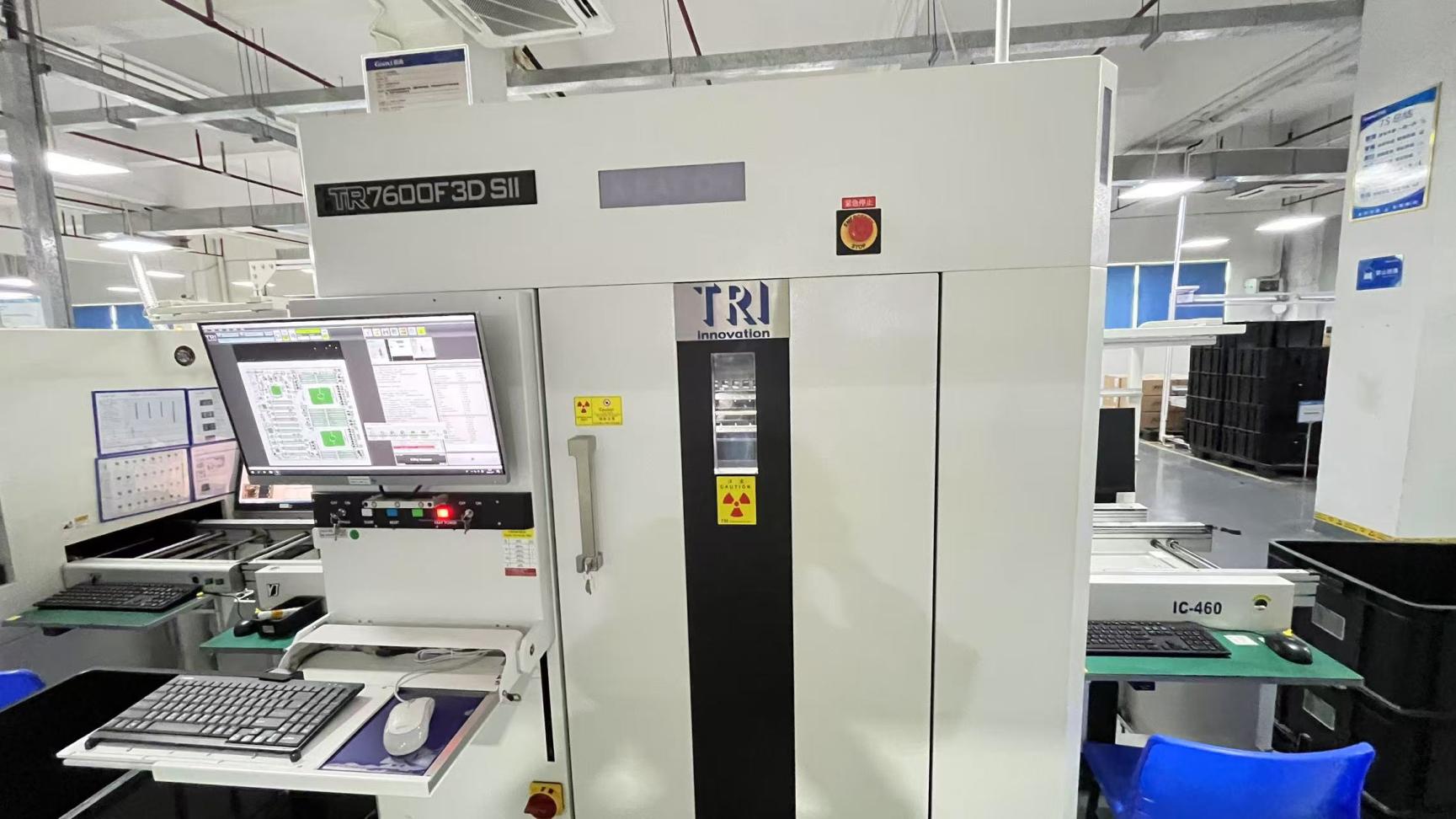
Every single optical transceiver manufactured by FiberNova undergoes a strict quality control workflow. This includes 100% optical performance testing, temperature cycling tests, and signal integrity inspection before shipment. With a QC department comprising 45 professional quality technicians, we guarantee full compatibility with Cisco, Moxa, Hirschmann, Allied Telesis, and other major networking brands.
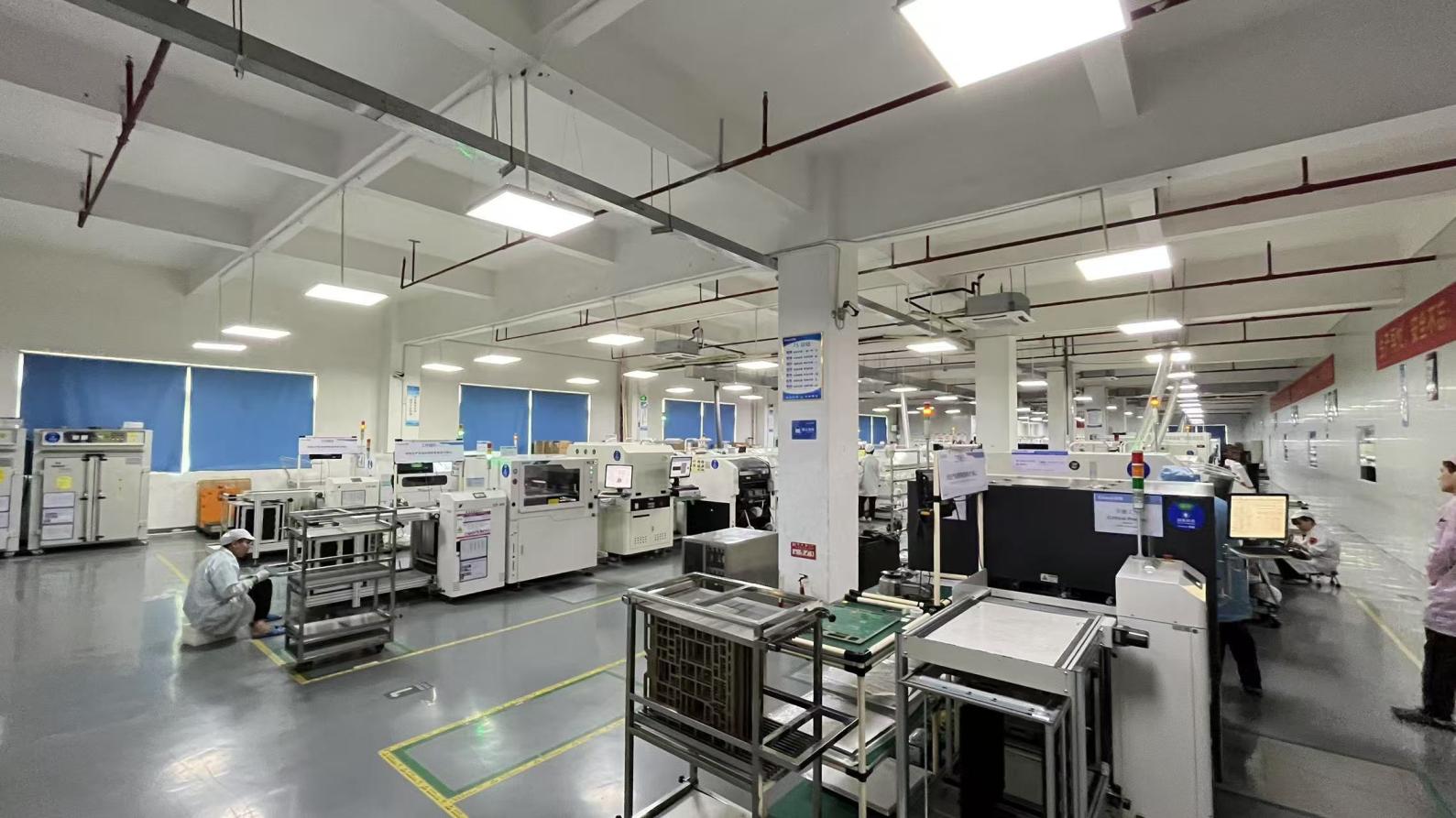

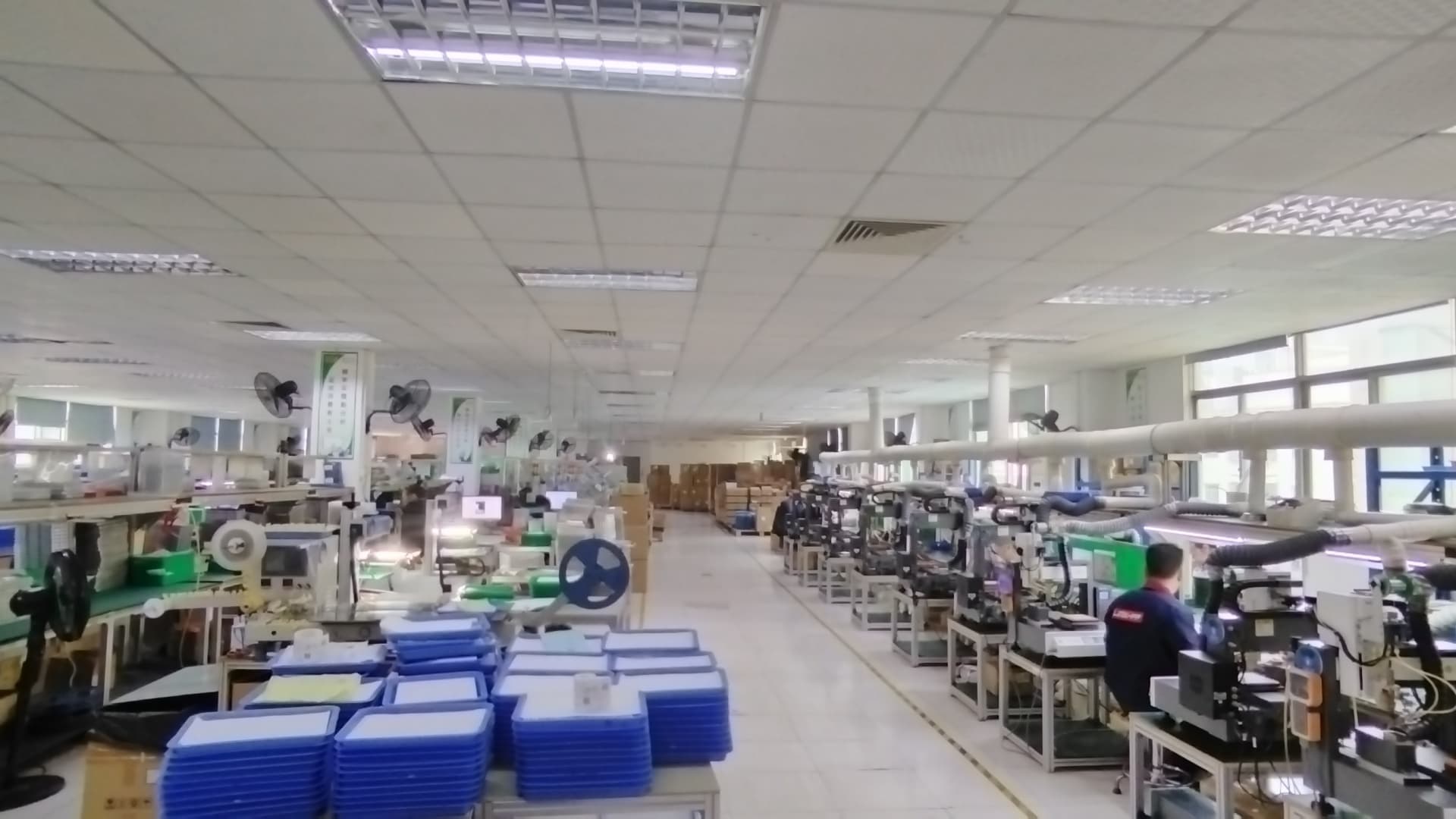
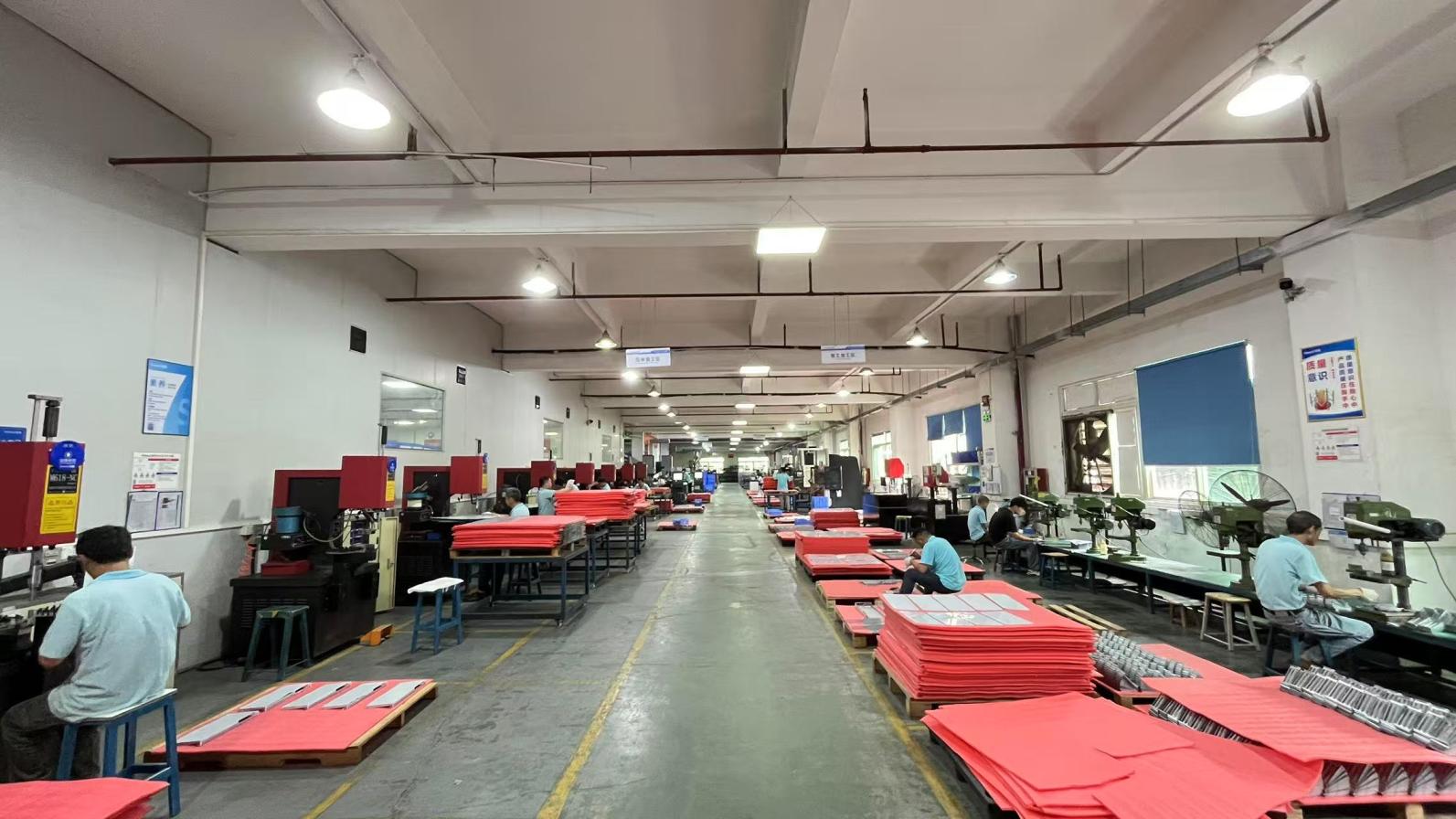
Whether you require customized wavelengths, custom protocol compatibility (Cisco, Moxa, Hirschmann, Juniper), or large-volume industrial grade optical modules, FiberNova delivers.
Send Inquiry NowAs networks evolve, the co-existence of legacy telecommunication standards and high-speed IP platforms remains a primary focus. Over the next decade, industrial systems will progressively migrate towards Single-Pair Ethernet (SPE) and higher data rates, but the reliability and cost-effectiveness of 155M/622M optical modules will keep them relevant in long-lifecycle projects. FiberNova is actively developing hybrid transceivers that support flexible rates from 100Mbps up to 1.25Gbps, allowing networks to be upgraded progressively without immediate hardware swaps.
Our research also focuses on minimizing power consumption. Modern "Green Telecom" standards in Thailand demand lower carbon footprints across metropolitan network nodes. FiberNova's next-generation 155M transceivers are optimized to consume less than 0.8W, significantly reducing electricity costs for operators managing thousands of distributed fiber nodes.
Answering common questions for network engineers and procurement teams in Thailand.
Explore our complete range of high-performance optical transceiver modules, fully compatible with local Thai telecom infrastructure.
Get in touch with our network engineering team today. We provide free compatibility tests, customized labeling, high-temperature chamber reports, and direct volume pricing.
Send Inquiry Now FiberNova