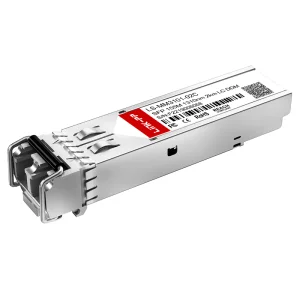
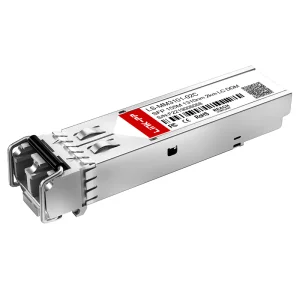
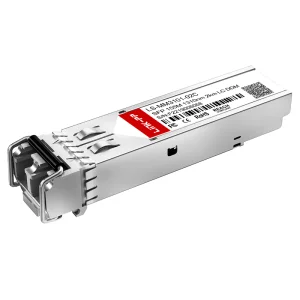
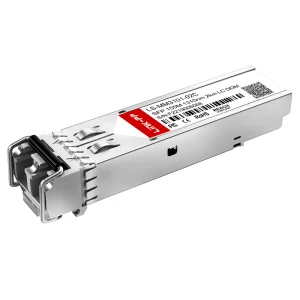
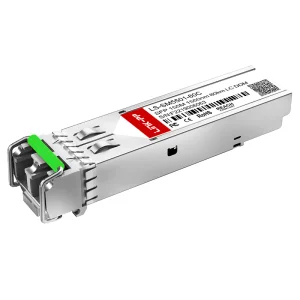
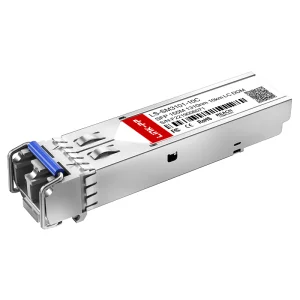
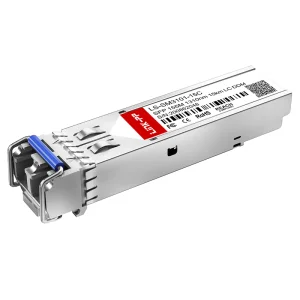
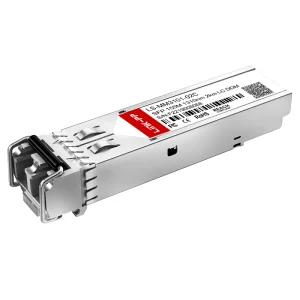
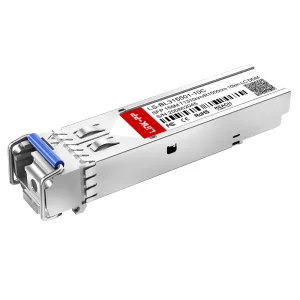
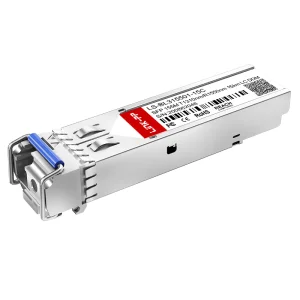
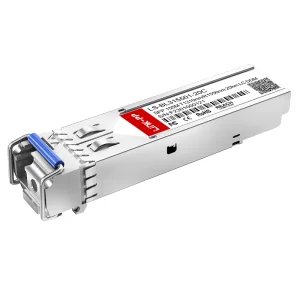
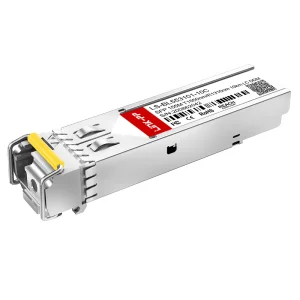
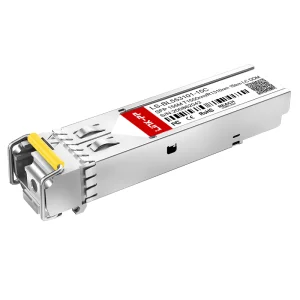
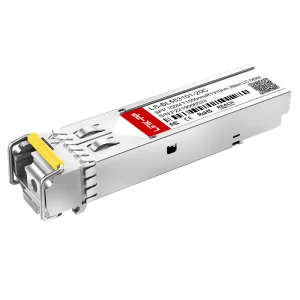
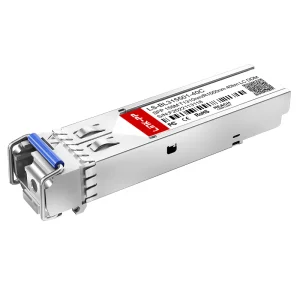
Specifically pre-configured and tested for compatibility with Czech railway (SŽ), power grid (ČEZ Group), and metropolitan optical architectures.
In an era dominated by Terabit-scale cloud data centers and high-speed 5G infrastructures, legacy low-speed optical transceivers—specifically 155M (Fast Ethernet / STM-1 / OC-3) and 622M (STM-4 / OC-12) SFP modules—remain the absolute backbone of critical infrastructure networks. In highly industrialized Central European countries like the Czech Republic, the reliance on these deterministic, ultra-reliable speeds is a conscious engineering choice driven by legacy compatibility, safety requirements, and the physics of industrial optical networks.
The Czech Republic ranks among the most industrialized nations in the European Union, with heavy industry, metallurgy, automotive manufacturing (led by Škoda Auto), and transportation systems constituting a massive share of its gross domestic product. Operating these infrastructures requires continuous data communication across electrical substations, railway signaling booths, and smart production facilities. The optical transport systems powering these networks rely on synchronous optical networking technologies (SDH/SONET) and legacy Fast Ethernet, which mandate the continuous availability of compatible, industrial-grade 155M and 622M SFP transceivers.
Globally, while optical transceiver manufacturers focus their research and development on 400G, 800G, and even 1.6T systems, the production of lower-speed modules has become highly consolidated. Major component manufacturers have phase-out plans (EOL) for low-speed legacy lasers (such as older FP and DFB lasers in TO-cans). This has created a critical supply gap for municipal grids, defense networks, and utility distributors that require long-term operational support.
FiberNova Optical Communication Tech Co., Ltd. addresses this gap by securing a resilient supply chain of reliable optical chips, lasers, and optical sub-assemblies. By manufacturing legacy-speed transceivers with modern, high-efficiency silicon and components, we ensure that operators in the Czech Republic and globally do not face premature equipment obsolescence.
The standard SFP (Small Form-factor Pluggable) form factor operates according to the SFF-8472 multi-source agreement (MSA), which defines optical parameters, electrical interfaces, and Digital Diagnostic Monitoring (DDM / DOM). For 155M and 622M transceivers, compliance with these standards ensures seamless interoperability with third-party network devices.
| Specification Parameter | 155M (Fast Ethernet / STM-1) | 622M (STM-4 / OC-12) | Czech Industrial Applicability |
|---|---|---|---|
| Supported Protocols | Fast Ethernet, STM-1, OC-3, FDDI | STM-4, OC-12, Multi-rate networks | Critical for legacy SDH multiplexers & PLCs |
| Wavelength Profiles | 1310nm / 1550nm / BiDi WDM (1310/1550) | 1310nm / 1550nm / BiDi WDM | Simplex BiDi modules maximize single-fiber capacity |
| Typical Distance Reach | 2km (MMF), 10km - 80km (SMF) | 2km (MMF), 15km - 80km (SMF) | 80km ZX modules bypass regional routing nodes |
| Laser Source Types | FP (Fabry-Perot) / DFB (Distributed Feedback) | DFB Laser / VCSEL (for short-reach MMF) | DFB lasers utilized for long distances (40km+) |
| Receiver Technology | PIN Photodiode / APD (Avalanche Photodiode) | PIN Photodiode / APD | APD receivers deployed for high-attenuation links |
| Operating Temperature | Commercial (0~70°C) / Industrial (-40~85°C) | Commercial (0~70°C) / Industrial (-40~85°C) | Industrial temp essential for Czech roadside enclosures |
DDM capability allows Czech network engineers to remotely monitor real-time operating parameters of the SFP modules. This includes tracking key metrics such as:
Our optical transceivers are optimized to meet the high standards of global industrial automation and telemetry.
Designed with high-stability internal component configurations to support continuous, fail-safe operation in critical municipal utility systems.
Custom EEPROM coding provides seamless compatibility with leading brands including Hirschmann, Moxa, Cisco, HP, and Allied Telesis.
Features an enhanced thermal dissipation design that extends the module lifecycle to over 100,000 hours under continuous load.
Established in 2016, FiberNova Optical Communication Tech Co., Ltd. (FiberNovaTransceivers.com) is a professional manufacturer specializing in high-reliability optical communication solutions. With over 12 years of industry expertise and a modern 380㎡ production facility, we serve global data centers, telecommunications providers, and industrial integrators.
Our strict quality control system includes 100% optical performance testing, temperature cycling tests, and signal integrity inspection before shipment. Driven by an experienced team of 45 professional QC staff and 65 R&D engineers, we ensure every transceiver meets international standards such as IEEE and MSA requirements.
From customized wavelength tuning to vendor-specific EEPROM compatibility coding, we support full customization for OEM and ODM projects worldwide, generating an annual export revenue of USD 8–15 million.
Our complete product range of 100M, 155M, and 622M SFP transceivers, pre-programmed for quick deployment in European networks.
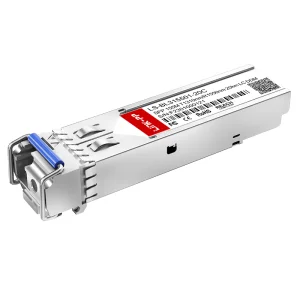
Single-fiber bidirectional (BiDi) modules designed for cost-efficient link extensions in high-noise manufacturing hubs.
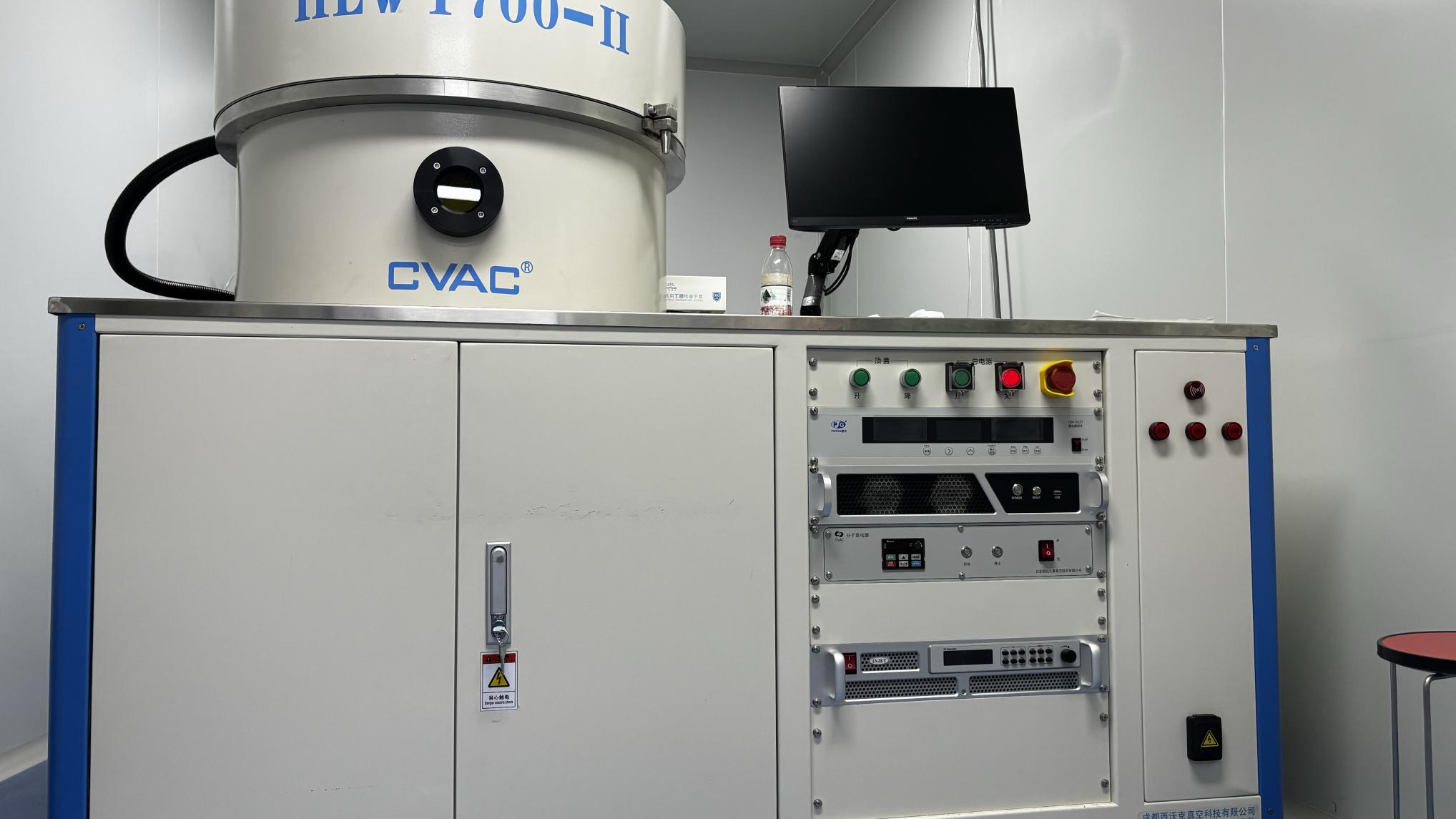
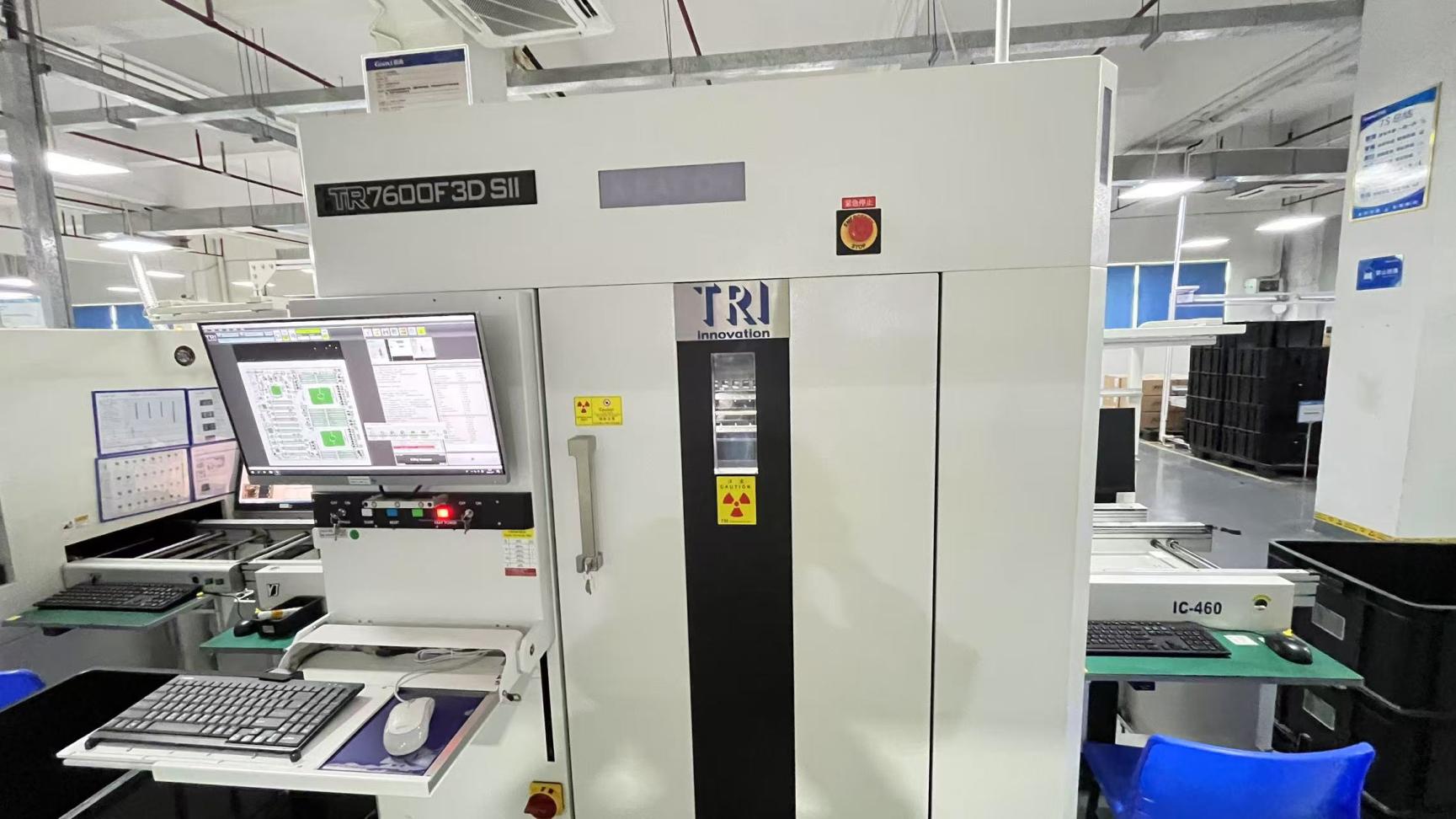
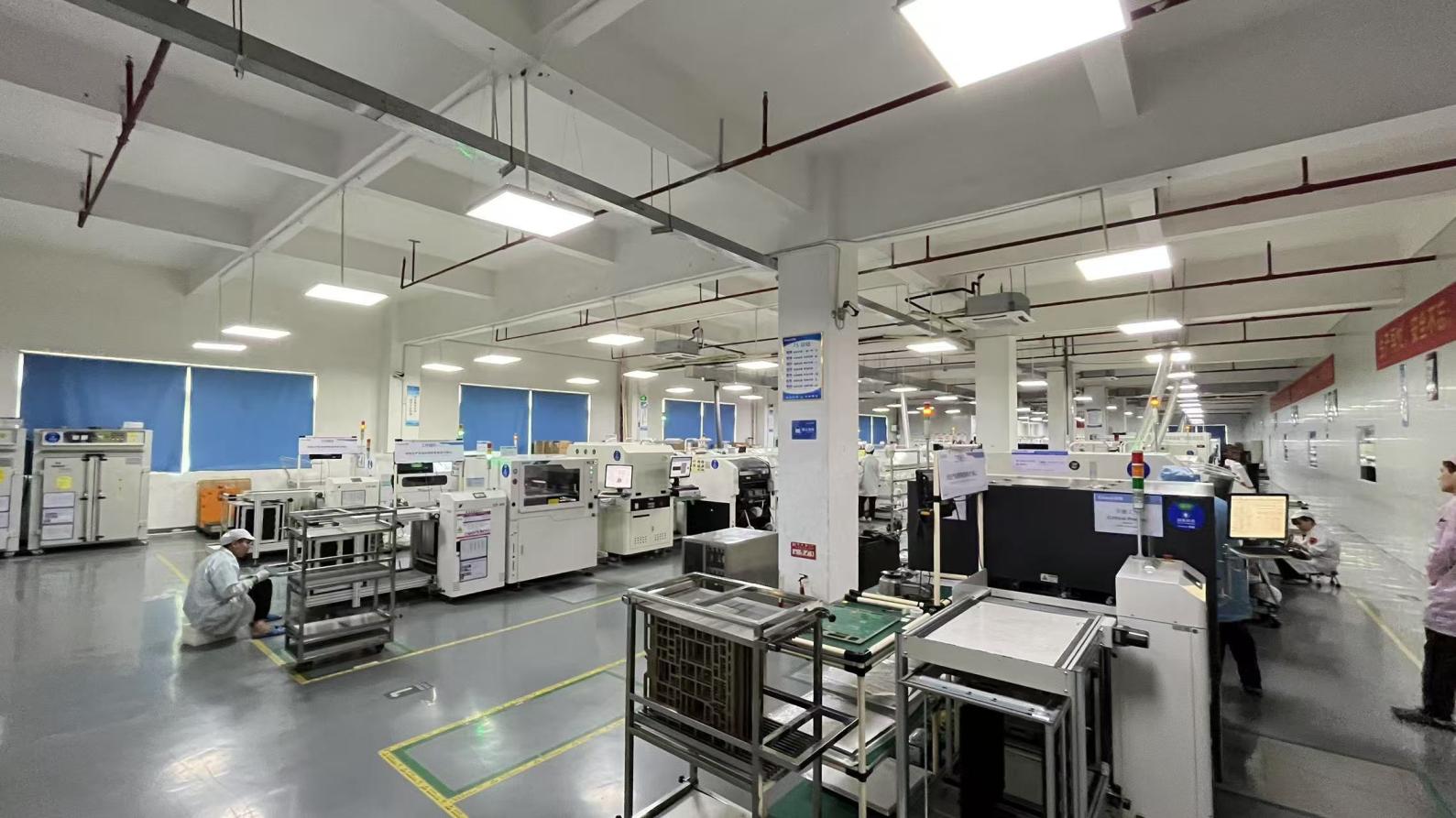
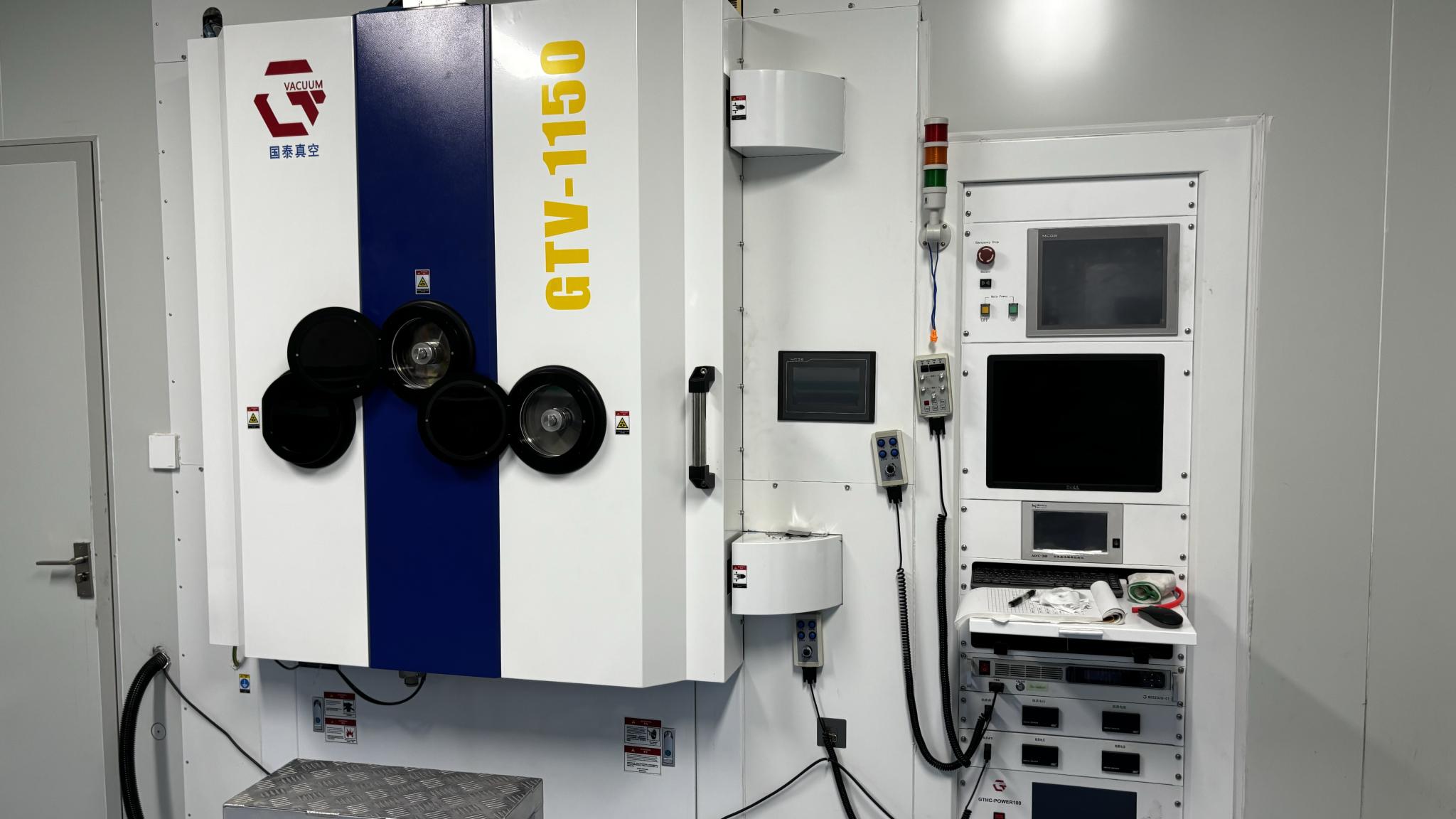
Take a virtual tour of our 380㎡ state-of-the-art production cleanroom and specialized optoelectronic testing lab.


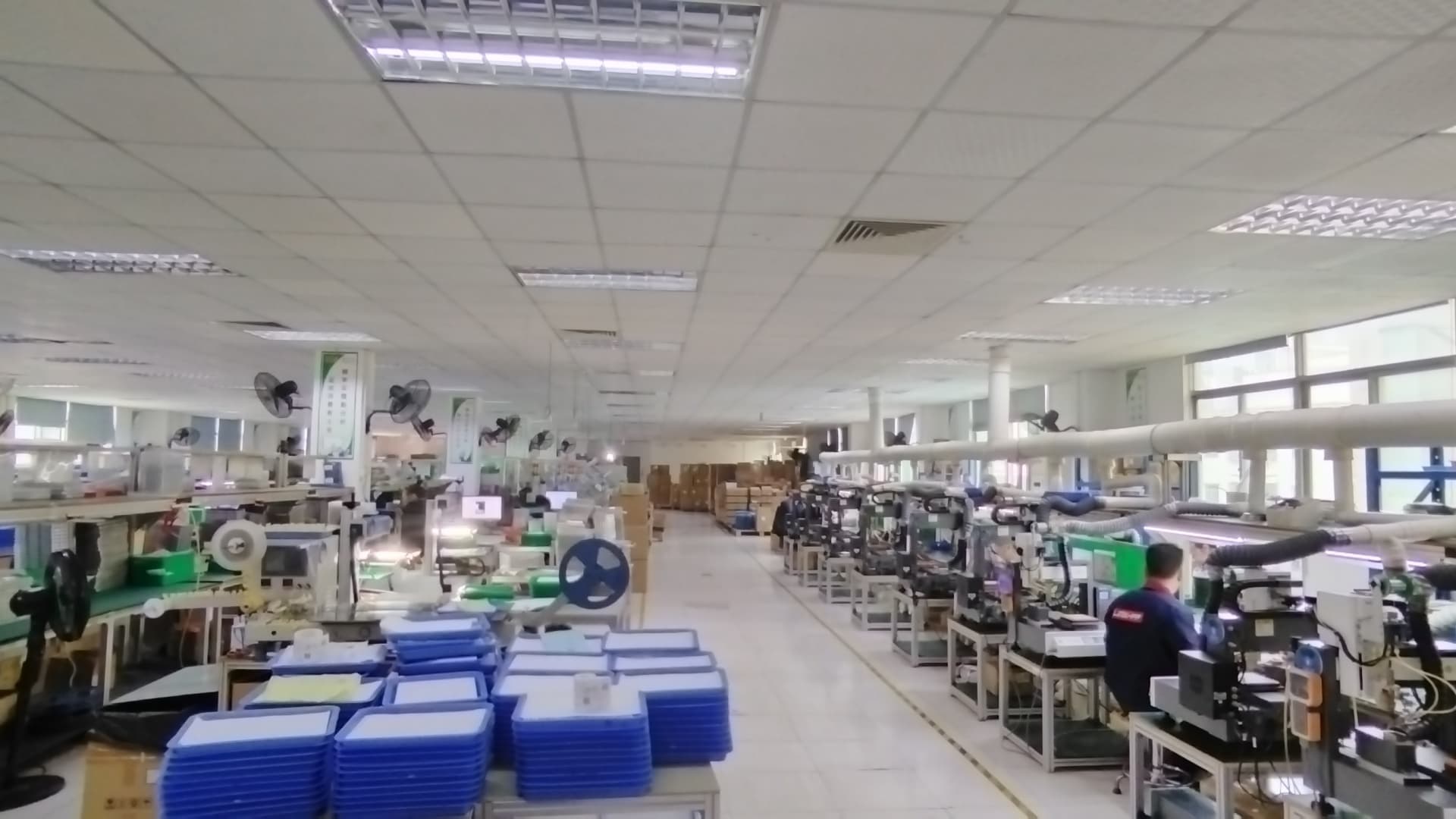
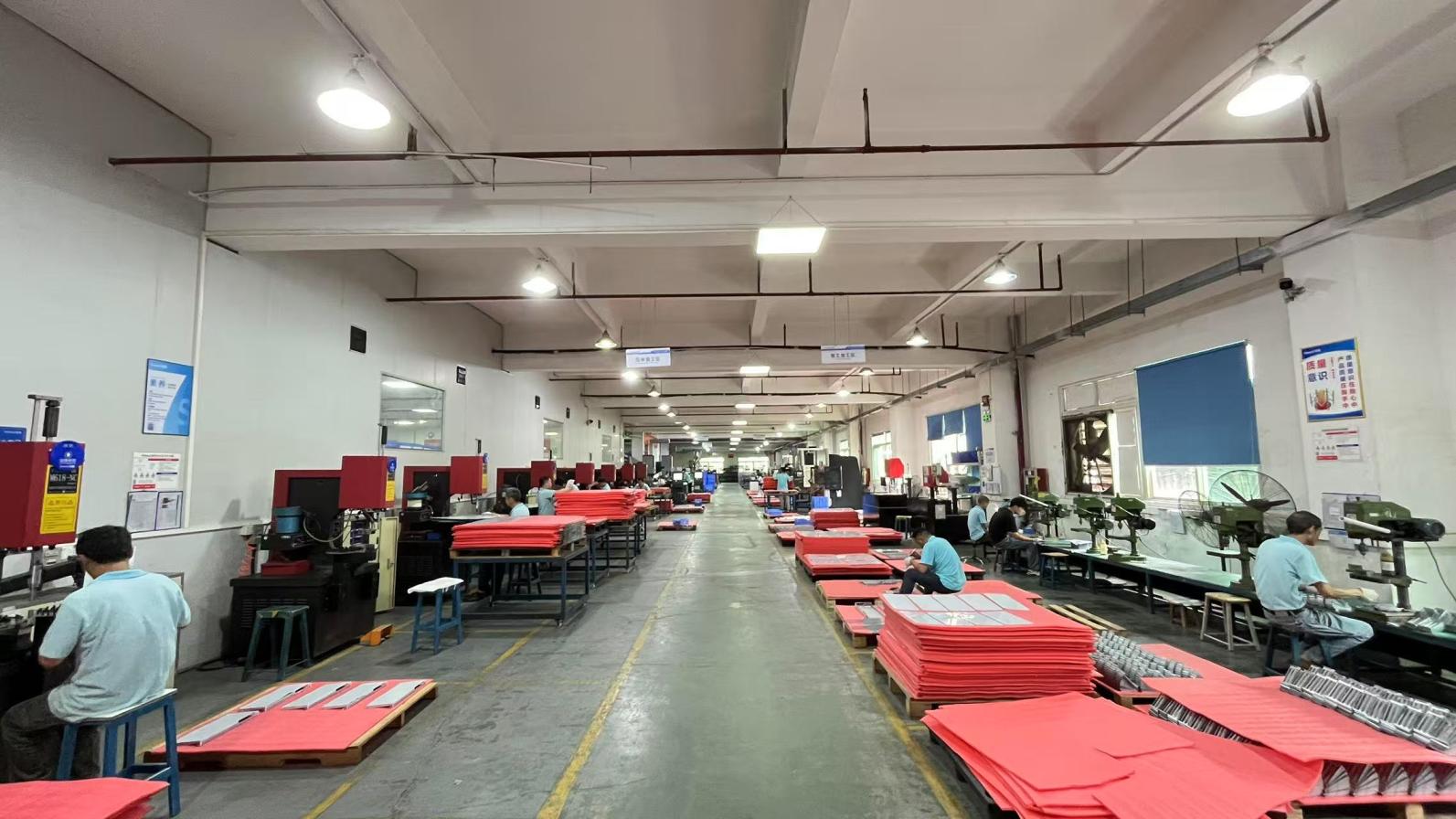
Answering key technical integration queries for industrial and network engineers.
 FiberNova