High-performance transceiver modules calibrated for London's dense fiber rings, industrial switches, and railway telemetry networks.
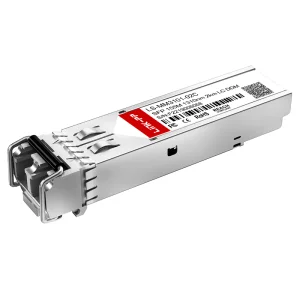
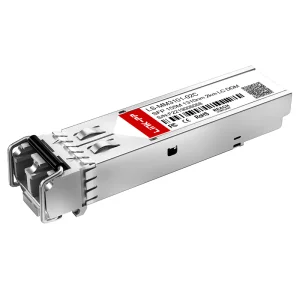
London remains one of the world's most significant financial and communication capitals. Beneath the modern exterior of the City of London and Canary Wharf lies a complex network of legacy copper and fiber infrastructure that supports vital services. Among these, Synchronous Digital Hierarchy (SDH) networks operating at 155 Mbps (STM-1) and 622 Mbps (STM-4), along with Fast Ethernet backbones, continue to provide the reliable transport foundation for municipal telemetry, traffic signaling, and utility distribution networks.
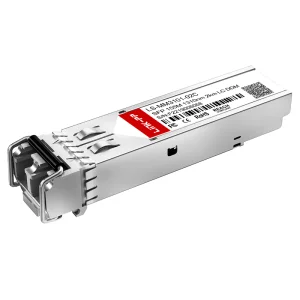
While newer hyper-scale data centers rely heavily on 100G, 400G, or 800G, municipal infrastructure such as the London Underground transport lines, water treatment facilities managed by Thames Water, and regional power substations operated by UK Power Networks require stable, highly resilient 155M and 622M optical transceiver modules. These modules interface with legacy industrial switches, multiplexers, and remote terminal units (RTUs) that cannot be migrated to higher speeds due to physics, cost constraints, or safety-critical software compliance requirements.
As a specialized manufacturer, FiberNova bridges this technological gap. We supply high-grade legacy transceivers configured to meet the environmental and compliance requirements of the United Kingdom and continental Europe. Our legacy SFP line supports extended temperature ranges (EEC), ensuring continuous operation in harsh industrial environments like subway shafts, utility cabinets, and roadside traffic control stations across Greater London.
High-speed upgrades are often cost-prohibitive or physically unnecessary for simple telemetry. 155M (STM-1) and 622M (STM-4) protocols offer unparalleled latency characteristics and lower power consumption profiles, making them ideal for long-distance, low-bandwidth optical telemetry links.
Our modules feature universal multi-source agreement (MSA) compatibility, pre-coded to work seamlessly within switch and routing hardware from manufacturers like Moxa, Hirschmann, Cisco, Juniper, and Huawei without triggering software lockouts.
We provide full documentation and compliance checks, aligning our manufacturing with British Standards and EU directives (RoHS, WEEE) for low-emission, safe network components.
How system integrators and procurement departments in the UK navigate legacy hardware shortages and lead-time constraints.
Many tier-one network equipment manufacturers have declared End-of-Life (EOL) status on their legacy 155M and 622M optical transceiver lines. Consequently, procurement agents struggle to find direct OEM replacements, driving up network downtime risks.
The Solution: FiberNova offers continuous manufacturing of high-quality legacy transceiver models, ensuring long-term hardware availability for another 10+ years.
Legacy industrial systems (especially in power distribution and water monitoring) require strict compliance with optical specifications like specific launch power margins, link loss calculations, and receiver sensitivity tolerances.
The Solution: Our engineering team designs custom SFP modules calibrated to exact optical parameters, including custom DDM (Digital Diagnostics Monitoring) implementation to monitor system health.
Leasing or installing new fiber optic cables in highly congested metropolitan areas like London is incredibly expensive. Minimizing fiber utilization is a priority for system integrators.
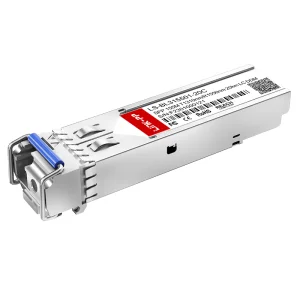
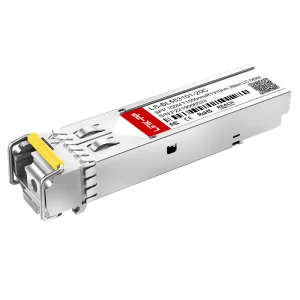
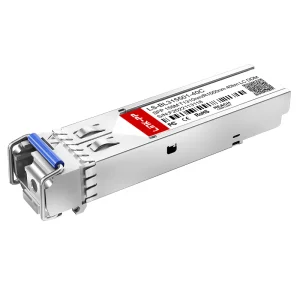
The Solution: BiDi (Bidirectional) SFP modules. By using different wavelengths for transmit (TX) and receive (RX) on a single strand of fiber, network capacity is doubled instantly without physical fiber installations.
Established industry credentials, advanced production engineering, and strict quality assurance methodologies.
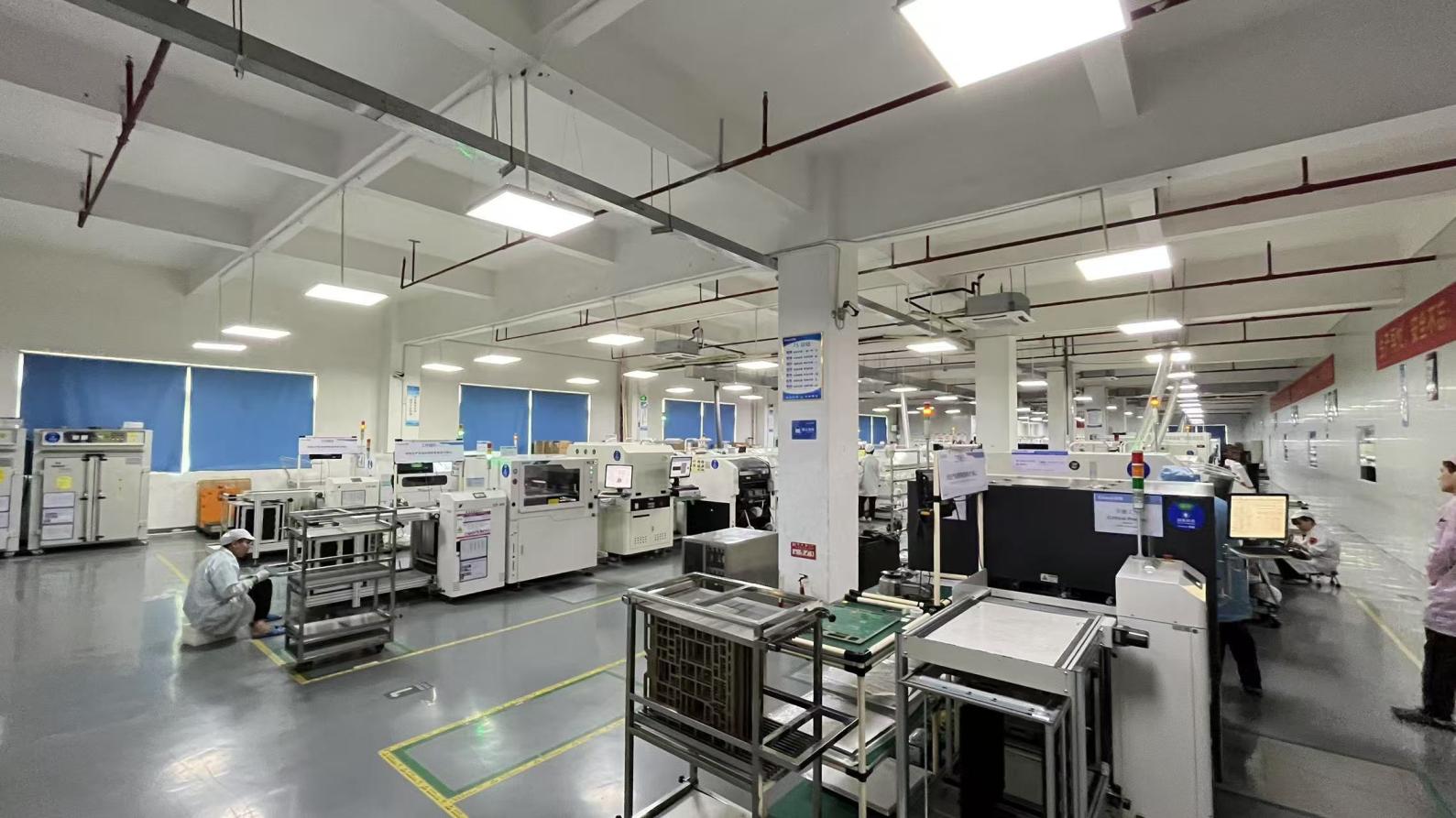
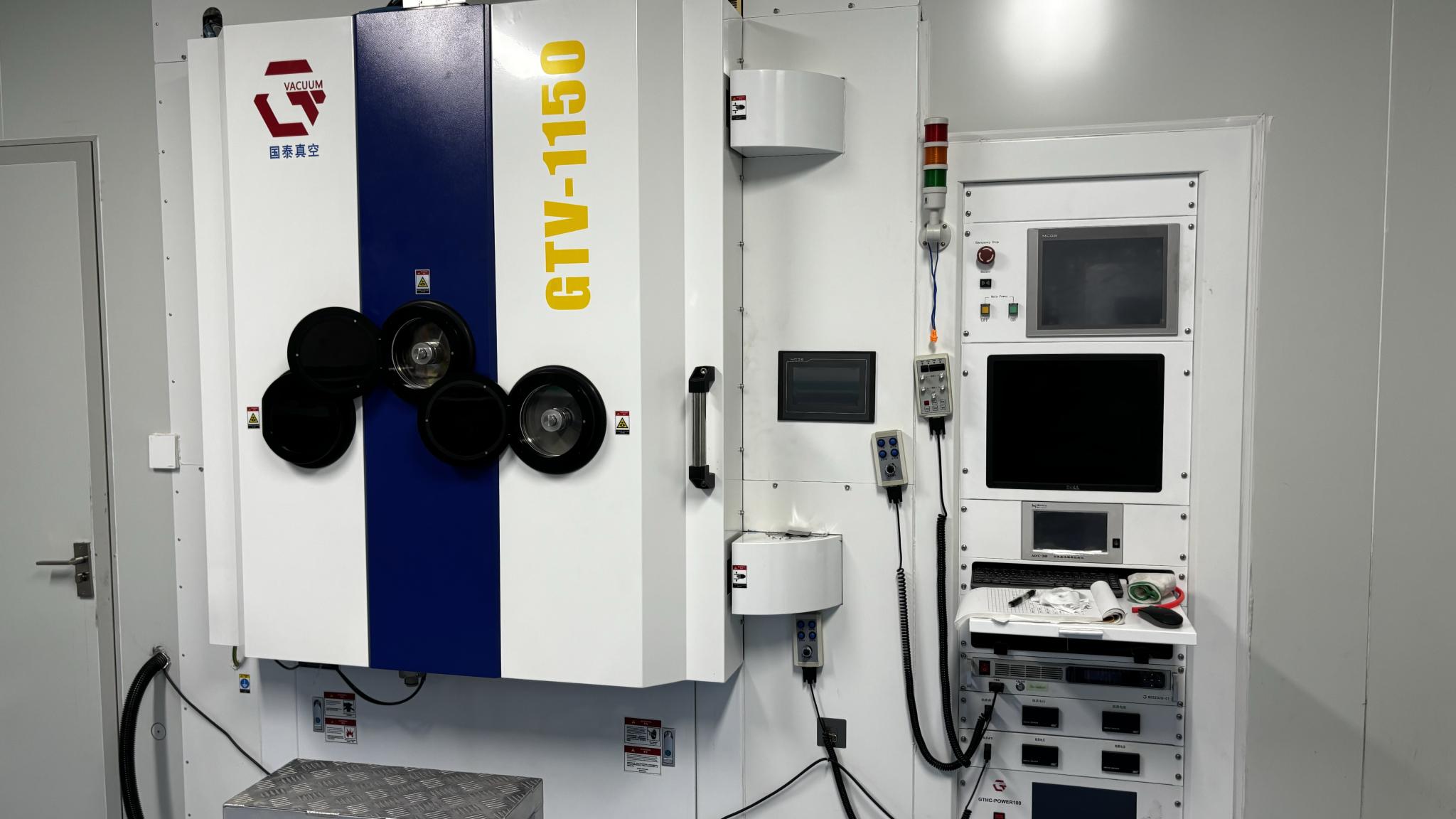
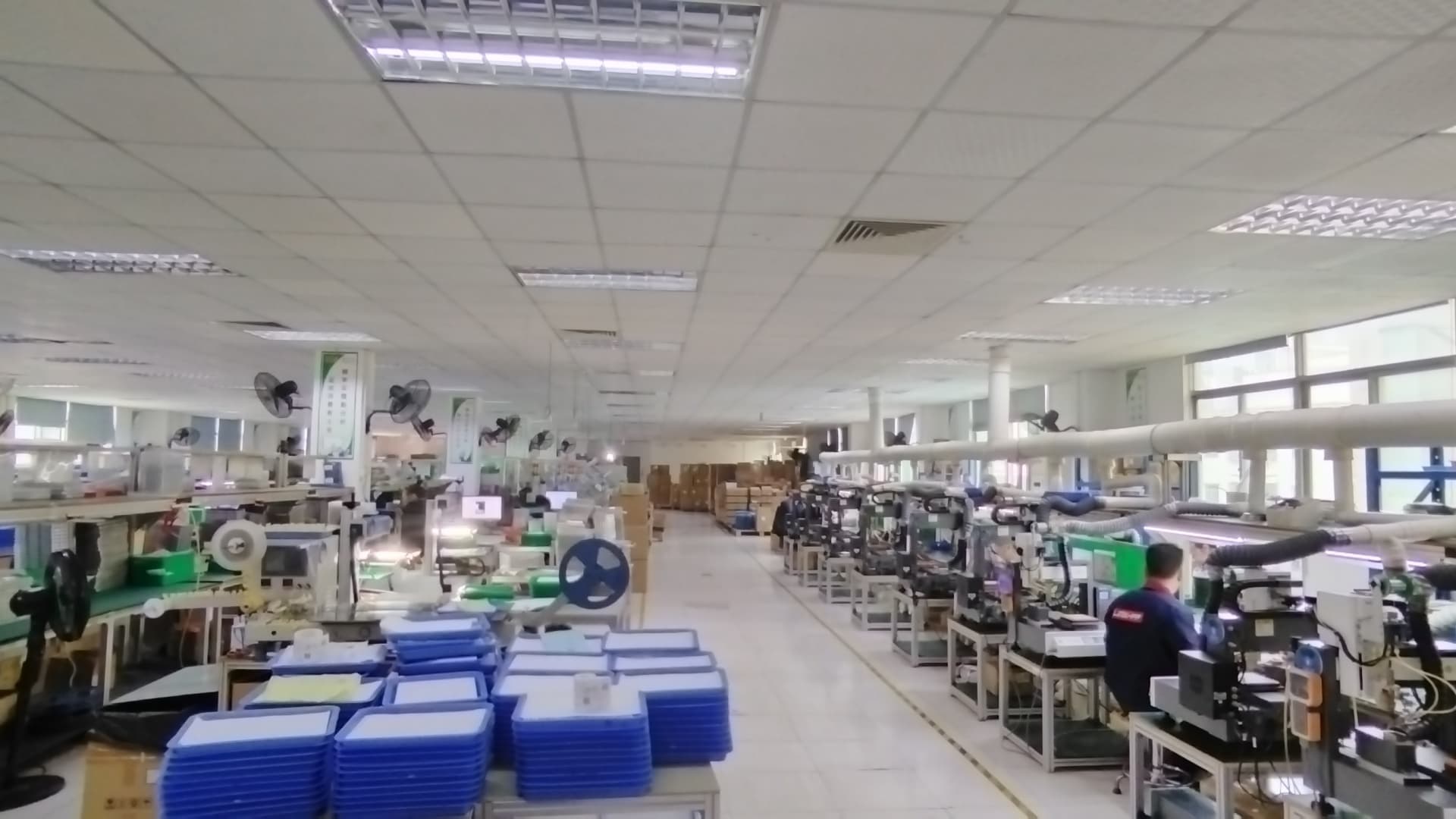
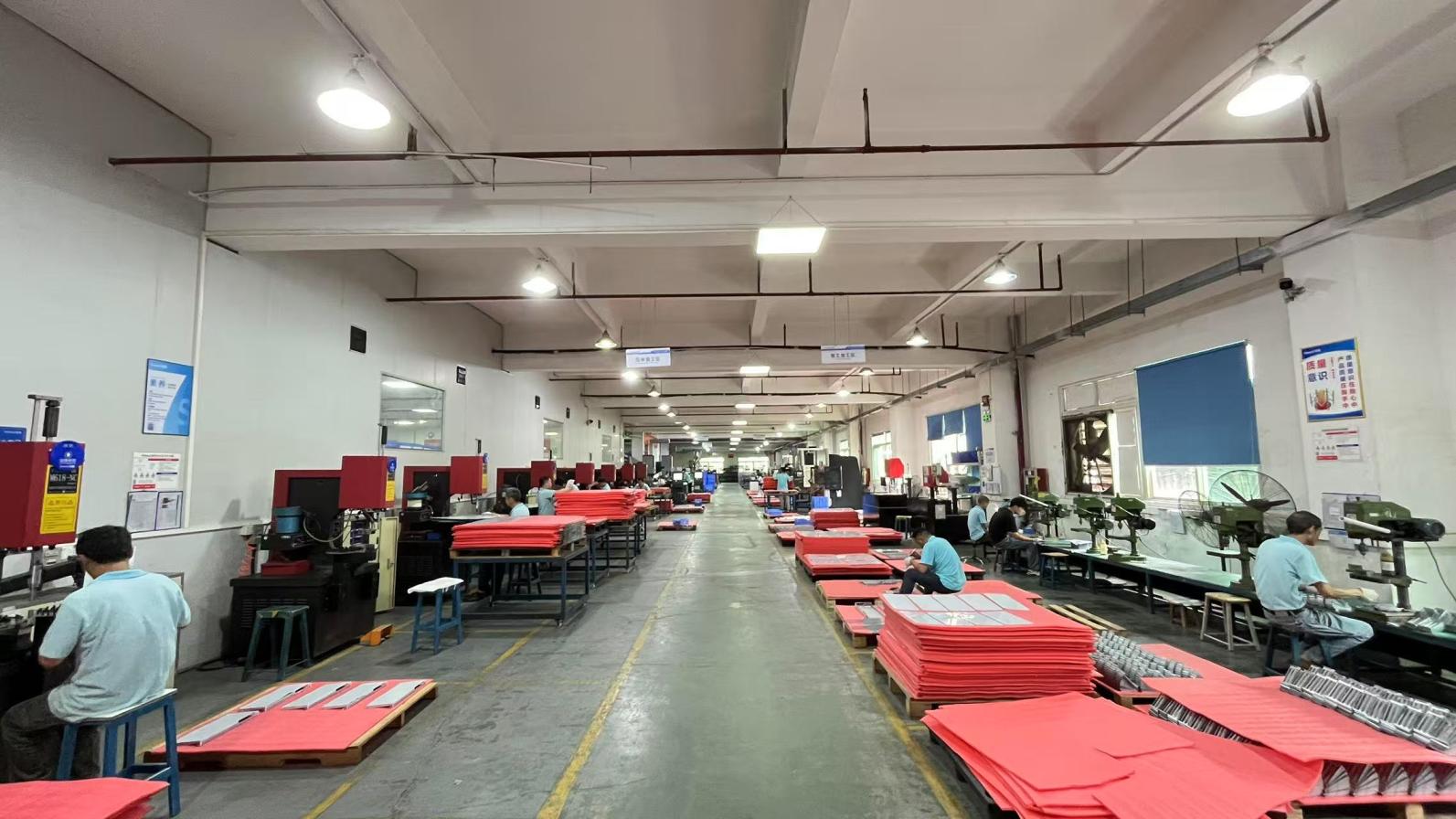
FiberNova Optical Communication Tech Co., Ltd. (FiberNovaTransceivers.com) is an industry-leading optical transceiver manufacturer established in 2016. We operate from our state-of-the-art production facility spanning approximately 380㎡. Our focus remains centered on designing, testing, and shipping high-performance optical communication interfaces to telecom providers, infrastructure operators, and enterprise customers globally.
Backed by over 6 years of export experience and 12 years of core industry expertise, our engineering and commercial teams generate an annual export volume of USD 8–15 million. FiberNova serves key strategic markets including the United Kingdom, the United States, Germany, Japan, South Korea, and the United Arab Emirates.
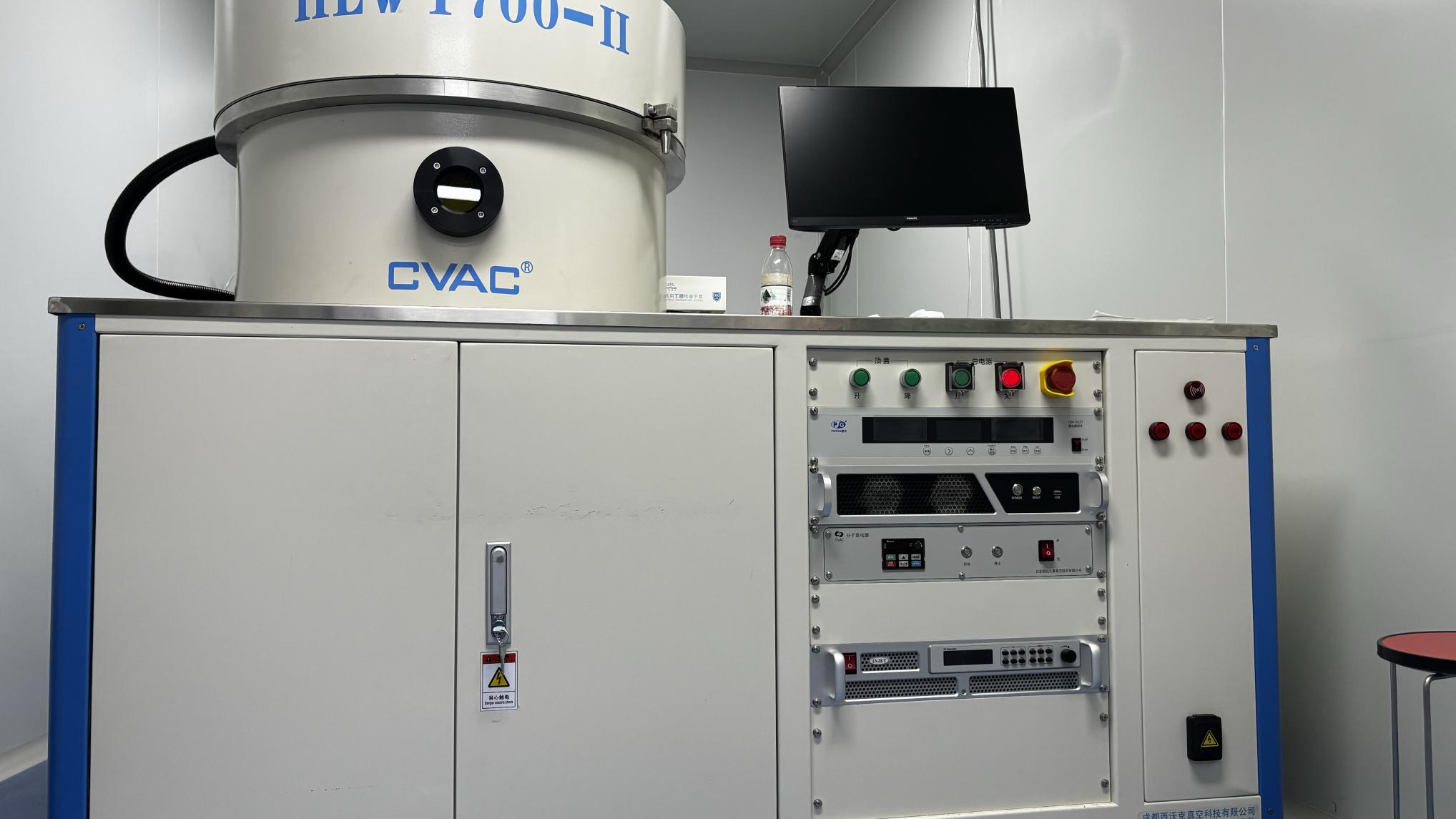
We implement strict quality assurance systems, including 100% optical performance validation, thermal cycling testing in environmental chambers, and signal integrity diagnostic evaluations. Our dedicated quality control division consists of 45 professional QC staff, ensuring that every transceiver meets or exceeds the industry MSA requirements.
With 65 R&D engineers, FiberNova stays at the forefront of both legacy and modern high-speed transceivers (10G, 25G, 100G, 400G, and 800G). Last year alone, we launched 120 new products, demonstrating our commitment to innovation and responsive customer support.


Designed to operate under extreme electrical noise and harsh environmental conditions.
London’s underground railway systems rely on serial-to-fiber modems and media converters operating over Fast Ethernet links to route signal telemetry back to traffic control centers. These installations require transceivers that withstand vibration, temperature fluctuations, and electromagnetic interference (EMI).
Our Hirschmann and Moxa compatible 155M SFPs are specifically designed for railway infrastructure deployments. Equipped with extended operating temperature ratings (-40°C to +85°C) and robust optical power budgets, they prevent frame loss and data dropouts.
Utility management depends on Supervisory Control and Data Acquisition (SCADA) systems. Remote terminals at water storage nodes, pumps, and power substations require reliable connectivity to central SCADA engines.
FiberNova’s singlemode dual LC and BiDi modules offer transmission distances up to 80km. They provide the necessary range to bridge rural utility substations back into London's main fiber trunks, without the need for expensive inline repeaters.
Crucial details for network engineers and procurement managers deploying 155M/622M SFPs.
Our complete range of legacy and bidirectional SFP transceivers for industrial, telecom, and enterprise hardware architectures.
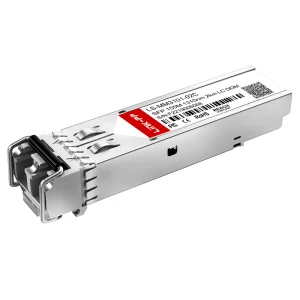
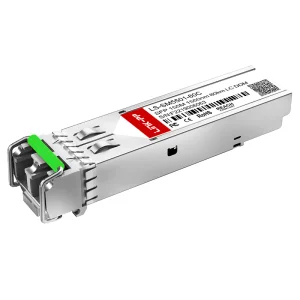
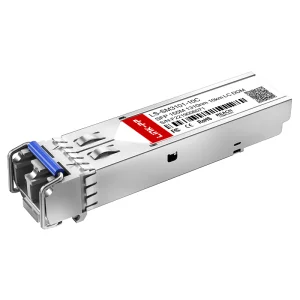
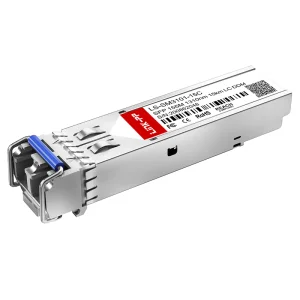
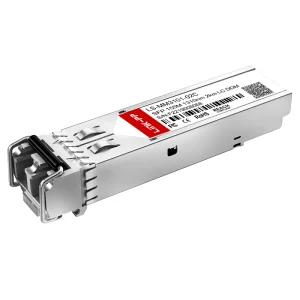
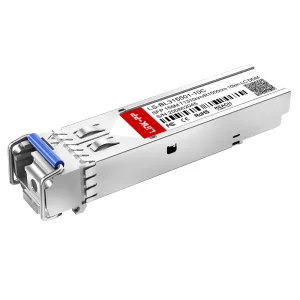
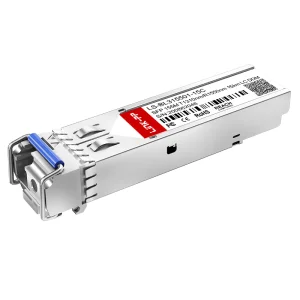
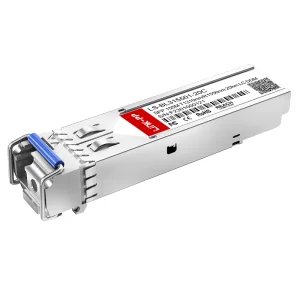
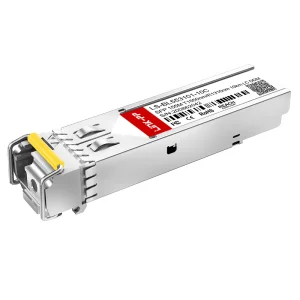
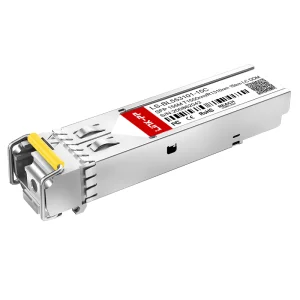
Our engineering team supports customized wavelength tuning, protocol compatibility profiles, enclosure designs, and serialization. Request a technical quote or feasibility assessment today.
 FiberNova