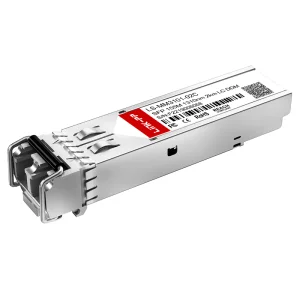
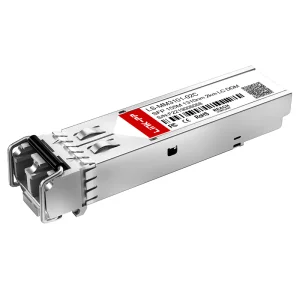
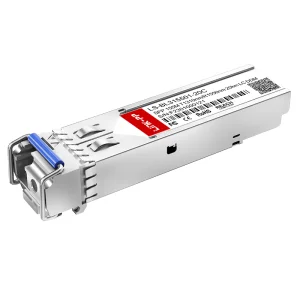
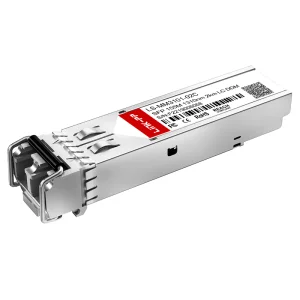
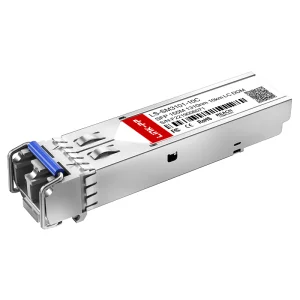
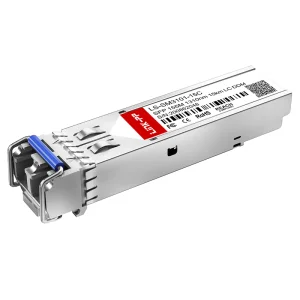
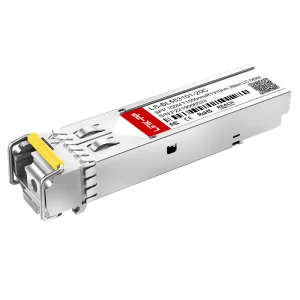
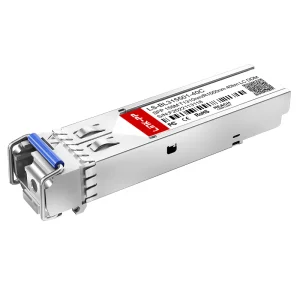
High-reliability 155M optical transceivers engineered for harsh industrial environments, optimized for New York utilities, transit grids, and corporate intranets.
The New York metropolitan area represents one of the most complex, dense, and technologically demanding telecommunication markets globally. While modern hyperscale data centers in northern New Jersey and upstate New York continue their migration toward 400G and 800G connectivity, the region's operational backbone remains fundamentally anchored by robust, legacy architectures. Transit agencies like the Metropolitan Transportation Authority (MTA), critical public utility companies, financial banking networks, and municipal emergency response networks rely heavily on Fast Ethernet (100Base-FX) and SONET OC-3/SDH STM-1 protocols.
Industrial control platforms require deterministic, low-latency communication. Standard TCP/IP protocol overhead associated with high-throughput networks often fails to meet the rigid timing requirements of industrial SCADA and legacy SONET rings. Thus, SFP (Small Form-factor Pluggable) optical transceivers rated for 155 Mbps and 622 Mbps remain essential elements. They serve as bridging technologies that maintain structural integrity across decades-old fiber routes while interfacing with updated hardware platforms.
Many underground signaling networks, power substation relays, and utility grid controls use legacy protocols like RS-232, RS-485, and legacy Ethernet converters. Over-provisioning these lines with high-speed transceivers (like 10G or 25G) is not only cost-prohibitive but technically incompatible due to dispersion limitations over older G.652 fibers and hardware interfaces designed specifically for sub-gigabit signaling. High-performance 155M and 622M SFP modules offer the ideal bandwidth profile while mitigating thermal management challenges in unconditioned enclosures.
Whether it is automation systems in Upstate New York factories or financial data feeds looping through Lower Manhattan, network reliability is paramount. These networks require industrial-range operating temperature transceivers (often rated at -40°C to +85°C) to withstand the environmental challenges of subterranean fiber boxes and outdoor control cabinets. Consequently, procuring high-quality compatible modules from trusted factories is vital to avoid unexpected outages that could halt city-wide systems.
Multi-vendor compatible optical components offering seamless interoperability with Moxa, Hirschmann, Cisco, and generic MSA host switches.
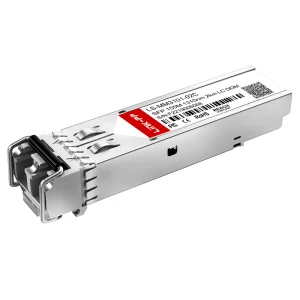
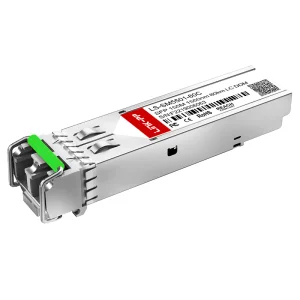
SFP modules operating at 155 Mbps (designed for Fast Ethernet or STM-1/OC-3) and 622 Mbps (designed for STM-4/OC-12) follow the standards outlined in the Multi-Source Agreement (MSA). These optical modules operate over single-mode fiber (SMF) or multi-mode fiber (MMF). Depending on deployment requirements, they utilize Fabry-Perot (FP) lasers, Distributed Feedback (DFB) lasers, or PIN/APD photodetectors.
| Parameters | 155M Fast Ethernet / OC-3 | 622M SDH STM-4 / OC-12 |
|---|---|---|
| Standard Data Rate | 155.52 Mbps | 622.08 Mbps |
| Wavelength Profiles | 1310nm / 1550nm / BiDi (1310/1550nm) | 1310nm / 1550nm / BiDi (1310/1490/1550nm) |
| Laser Types (TX) | FP (short/mid haul), DFB (long haul) | FP, DFB (advanced narrow linewidth) |
| Receiver Types (RX) | PIN Photodiode / APD (ultra-long range) | PIN Photodiode / APD (high sensitivity) |
| Reach Capabilities | MMF: up to 2km | SMF: 10km, 15km, 20km, 40km, 80km+ | SMF: up to 80km |
| Primary Connectors | Duplex LC / Simplex LC (BiDi) | Duplex LC / Simplex LC (BiDi) |
For shorter link requirements typical of intra-substation or inter-cabinet cabling (within 2km), 1310nm multi-mode fiber transceivers are generally deployed. When communication distances extend past 10km, single-mode fiber variants become mandatory. To achieve optical transport distances up to 80km (such as connecting remote utility substations in Upstate NY), manufacturers must implement 1550nm DFB lasers paired with Avalanche Photodiodes (APD). APD detectors offer superior sensitivity compared to standard PIN photodiodes, allowing the receiver to decode weak, attenuated optical signals.
Furthermore, Bidirectional (BiDi) SFP modules are increasingly utilized to optimize fiber usage. BiDi transceivers employ wavelength division multiplexing (WDM) to transmit and receive data on different wavelengths (e.g., 1310nm-TX and 1550nm-RX) over a single fiber strand, effectively doubling the physical link capacity without laying new cables.
Provides real-time access to operating parameters such as optical transceiver temperature, laser bias current, transmitted optical power, received optical power, and supply voltage.
Ensures seamless host compatibility. Firmware is customized at the factory level to match vendor keys for Hirschmann, Moxa, Cisco, Juniper, Allied Telesis, and more.
Designed for industrial-grade operations. Sustains uninterrupted optical link performance from freezing temperatures (-40°C) up to high-heat conditions (+85°C).
Browse our factory-tested products, certified for telecom transport networks, industrial control panels, and municipal operations.
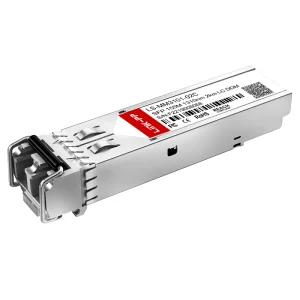
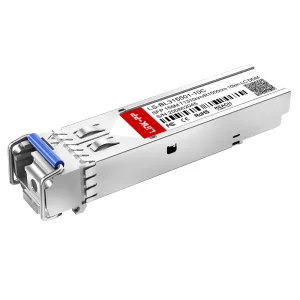
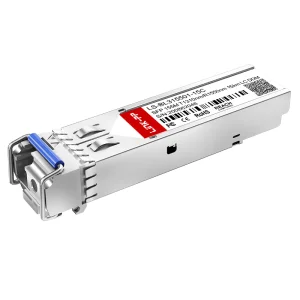
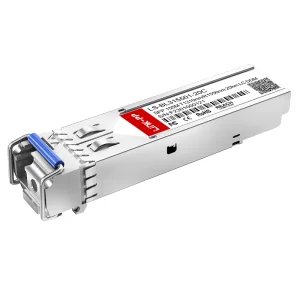
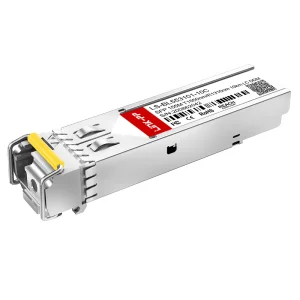
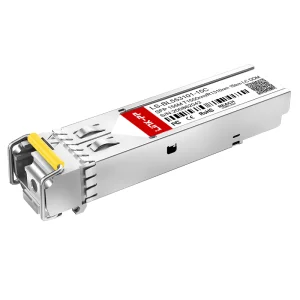
FiberNova Optical Communication Tech Co., Ltd. (FiberNovaTransceivers.com) is an optical transceiver manufacturer established in 2016, operating a modern production facility designed to deliver high-performance optical communication solutions. Since our founding, we have focused on serving global telecommunications operators, cloud service providers, and data center integrators with a comprehensive product line spanning legacy 155M modules to modern high-speed transceivers.
With 12 years of industry expertise and 6 years of export experience, FiberNova has developed robust capabilities in research, development, and international trade. We achieve an annual export revenue of approximately USD 8–15 million, supplying customers across North America (specifically the New York and East Coast industrial zones), Europe, Southeast Asia, and the Middle East.
To ensure consistent operation in critical infrastructure, FiberNova implements a multi-stage testing protocol. We perform 100% optical performance testing, temperature cycling tests, and signal integrity inspection before shipment. The QC department, staffed by 45 professional inspectors, maintains validation records for every module. This process includes testing eye-pattern parameters and bit error rates (BER) to ensure all modules comply with IEEE standards and MSA requirements.
Additionally, we maintain a robust supply chain built on partnerships with over 1,200 component suppliers. This network ensures a stable supply of key parts, including laser diodes, receivers, and optical sub-assemblies (TOSA/ROSA), protecting our manufacturing pipelines against global chip and hardware shortages.
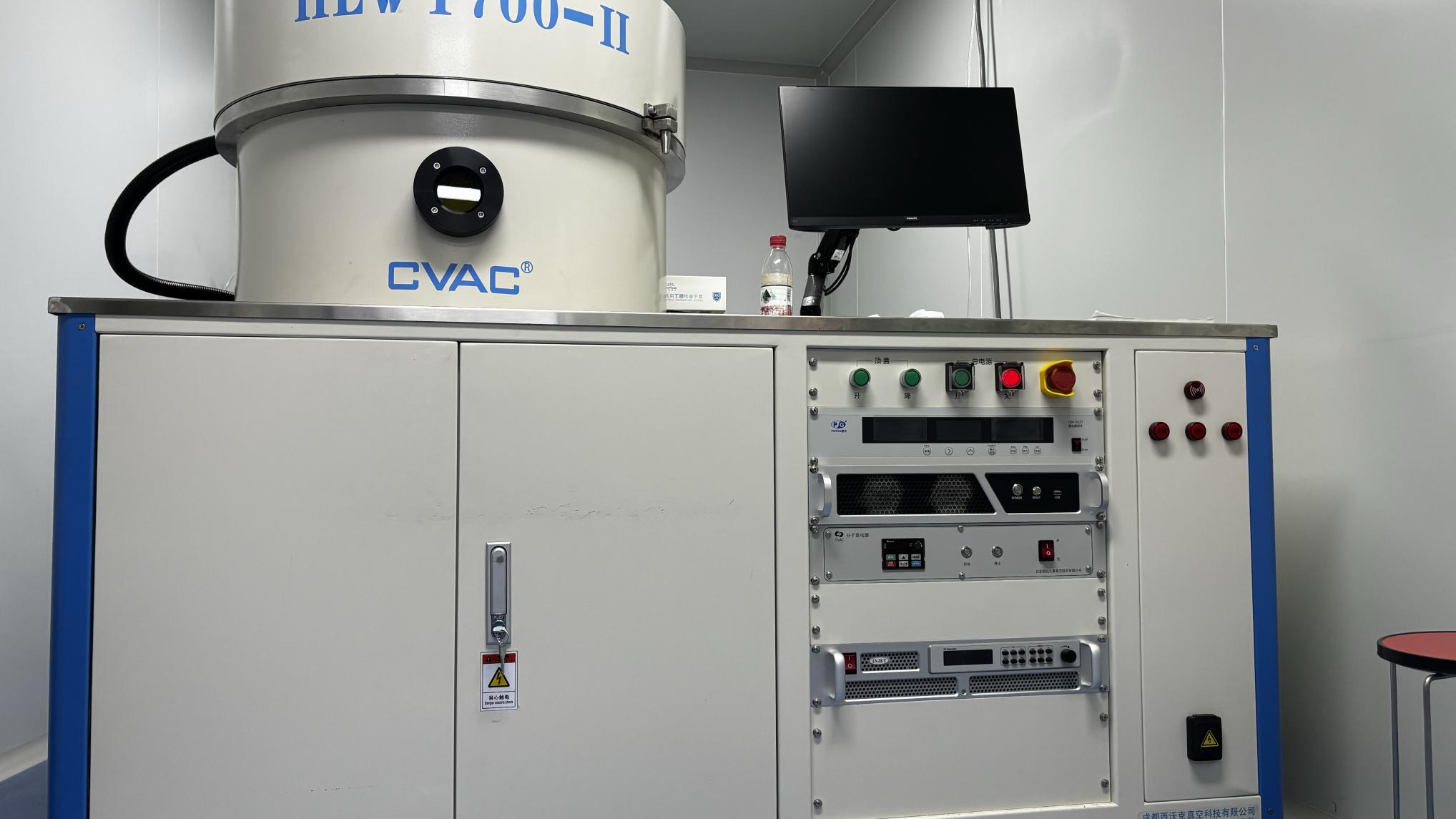
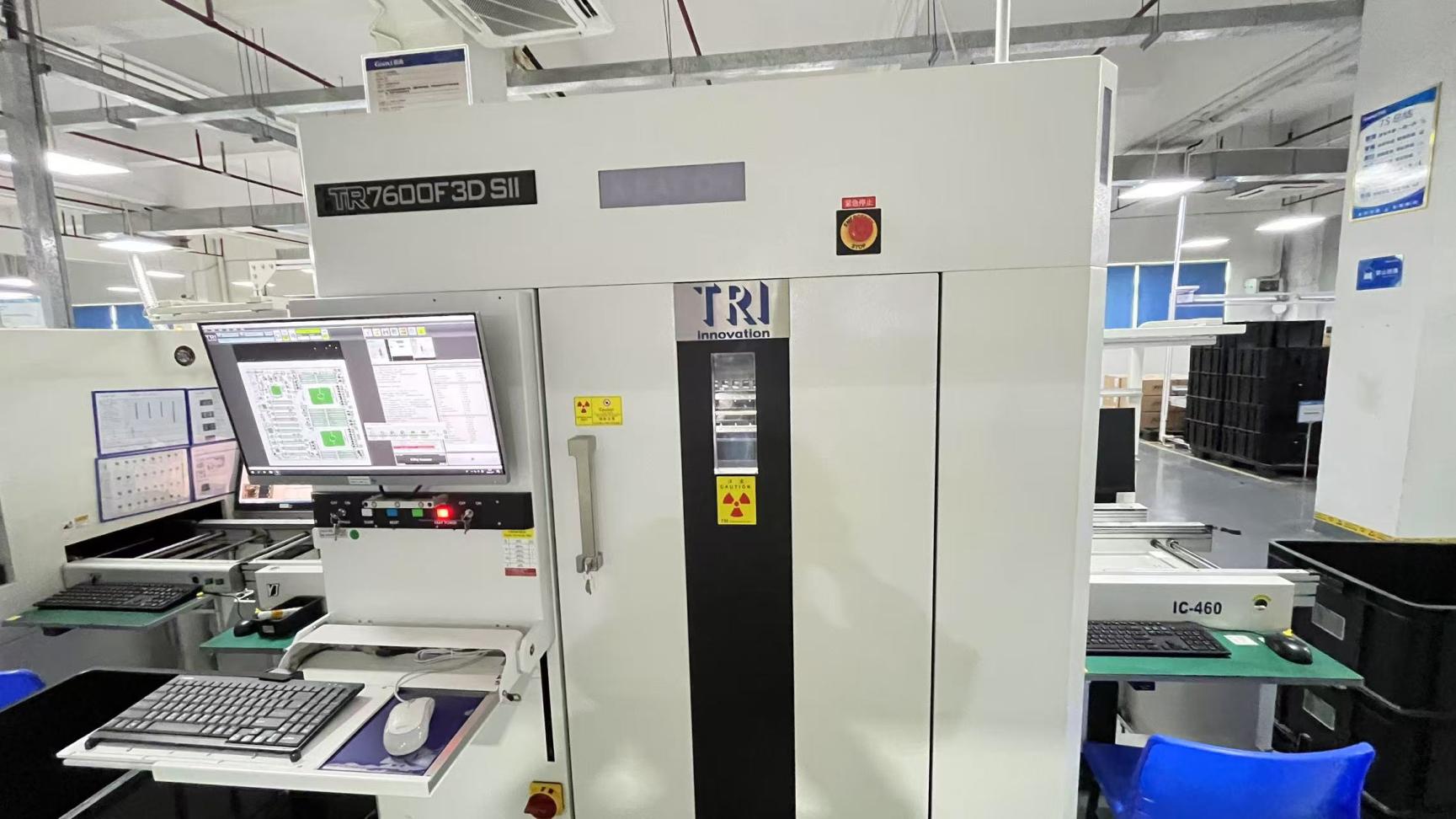


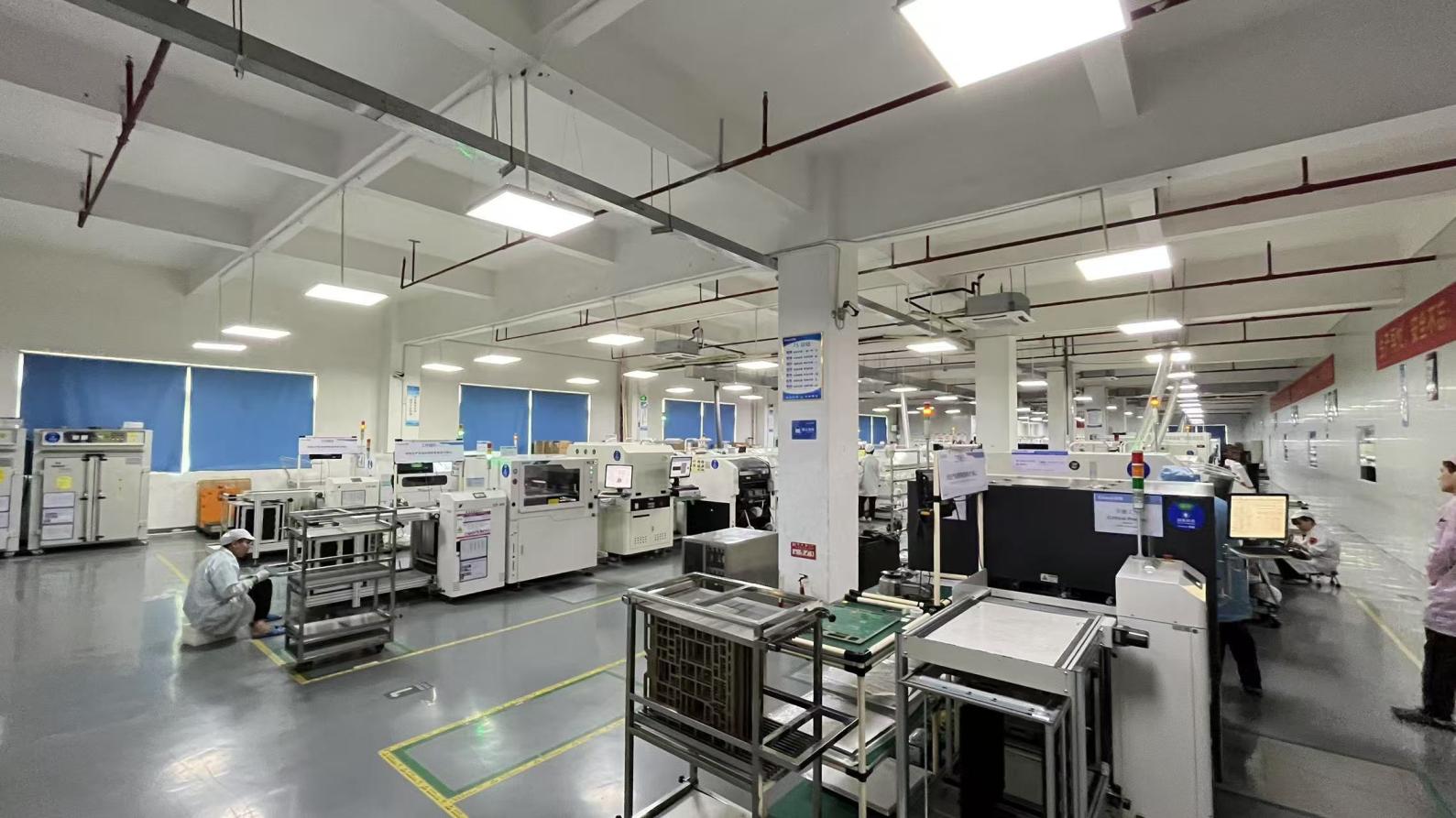
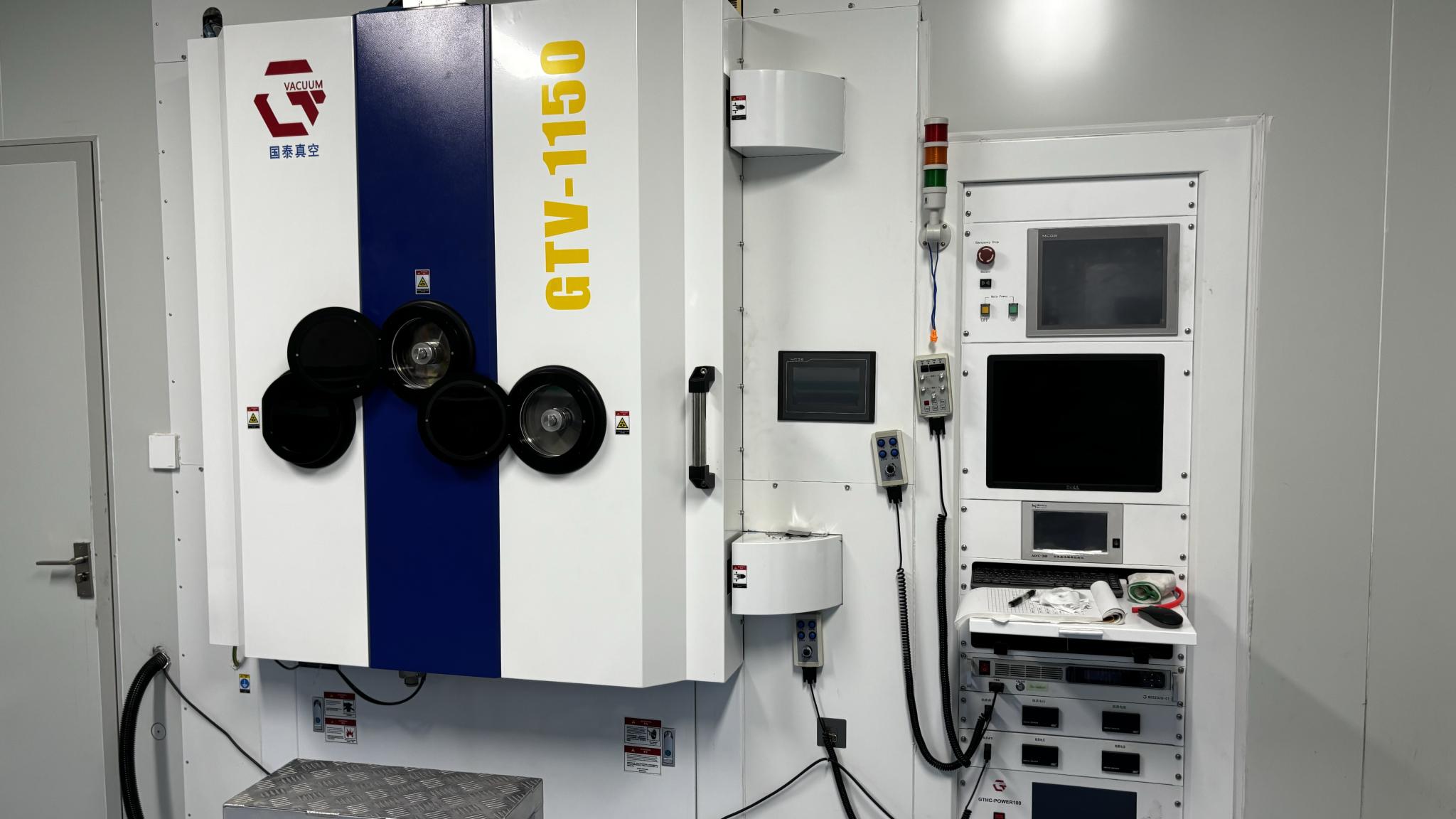
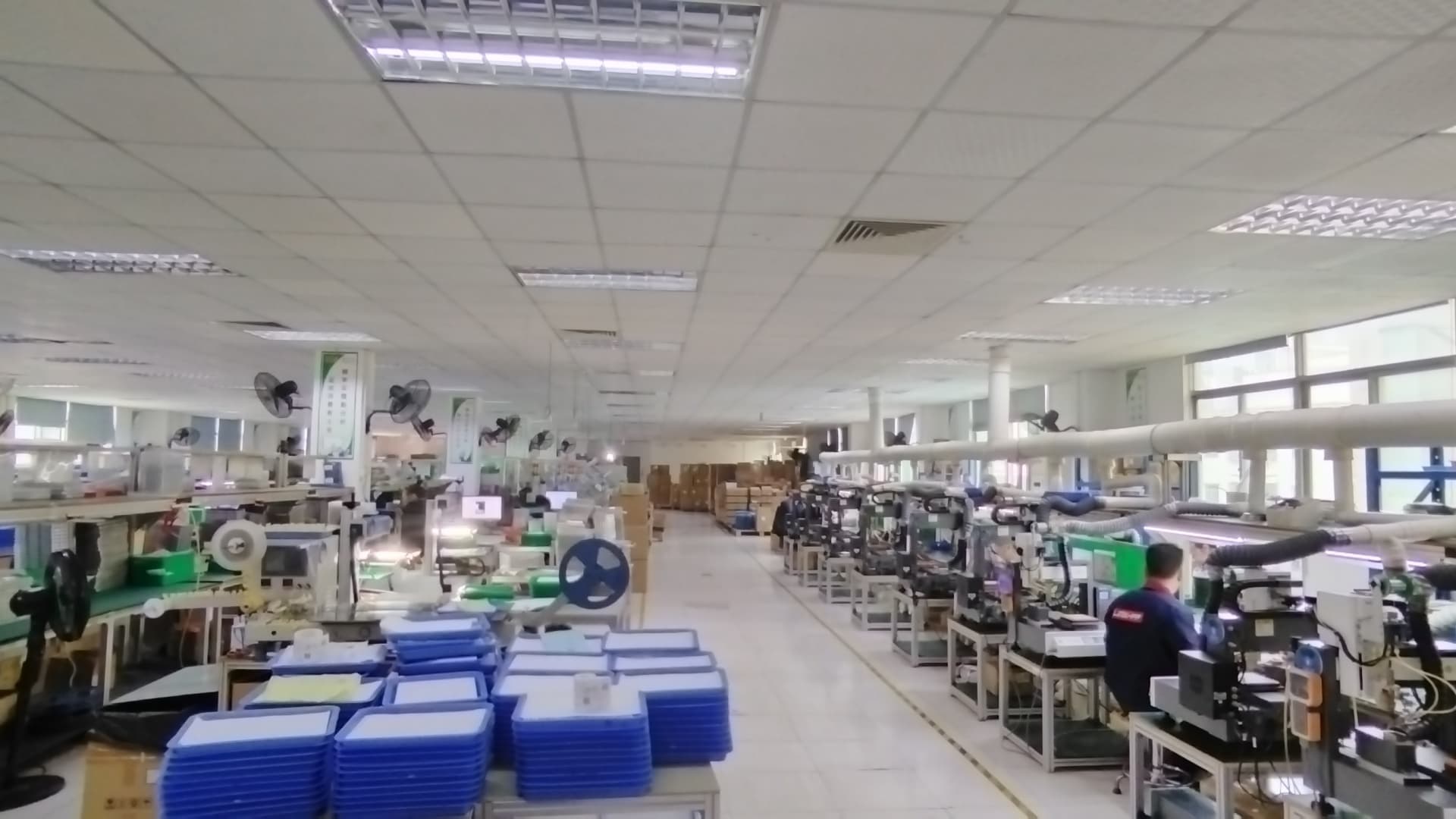
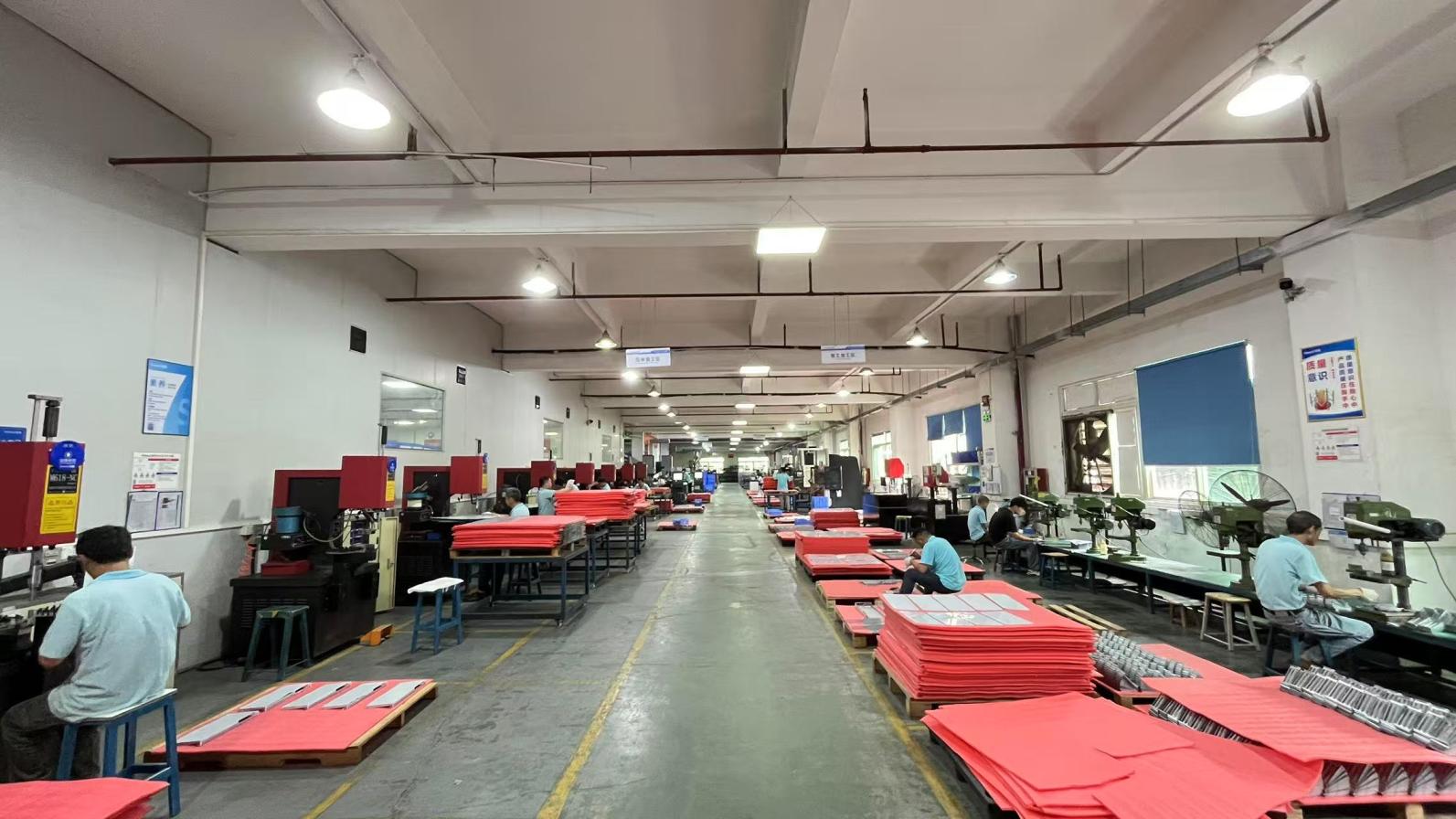
Inside the FiberNova manufacturing center: cleanroom production, laser calibration, and thermal cycling chambers.
Supported by our team of 65 engineers, FiberNova offers customization services including wavelength tuning, protocol modification, custom EEPROM coding for proprietary hardware, housing designs, and private labeling. We developed approximately 120 new products last year alone, helping customers adapt to changing system designs and resolve physical network connectivity issues.
Ensuring compliance with local standards, technical specifications, and delivery logistics for metropolitan enterprise networks.
Procuring networking equipment for critical infrastructure in the US—especially for projects tied to public utilities, government offices, or financial institutions—requires strict adherence to industry regulations. Our optical modules are manufactured to comply with RoHS, CE, and FCC standards, ensuring they meet the safety and environmental criteria required by municipal codes in New York.
To support systems integrators on tight deadlines, FiberNova maintains close relationships with reliable express logistics carriers, enabling direct shipping to New York hubs (JFK/Newark) for prompt customs processing and delivery.
One of the primary challenges when deploying 155M/622M transceivers in legacy networks is host switch compatibility. Host devices from vendors such as Moxa, Hirschmann, or Cisco require specific EEPROM coding to accept non-proprietary modules. FiberNova solves this issue by maintaining a compatibility laboratory. We test our transceivers on the original host systems to verify proper detection and DDM feedback, reducing the risk of port-blocking errors upon installation.
Expert technical insights on deploying, compatibility matching, and troubleshooting 155M/622M SFP modules.
It depends on the configuration of the host switch. Many modern Gigabit SFP ports can support Fast Ethernet (155M) modules if the port is manually configured to run at 100 Mbps. However, if the switch port is locked to auto-negotiate or strictly 1000 Mbps, a 155M SFP module will not establish a link. Always verify the host platform specifications or contact our engineering team to ensure the proper EEPROM configuration for your switches.
Our compatibility testing laboratory is equipped with network devices from major brands, including Moxa, Hirschmann, Cisco, and Juniper. During manufacturing, we write specific vendor code into the module's EEPROM and verify the transceiver's performance on the corresponding host system. This verification process ensures that features like Digital Diagnostic Monitoring (DDM/DOM) report accurate data without triggering system warnings.
PIN photodiodes are standard, cost-effective receivers suitable for short to medium distances (typically up to 20km or 40km). Avalanche Photodiodes (APD) feature higher internal gain and sensitivity, making them suitable for long-distance applications (such as 80km to 120km runs) where the optical signal has experienced high attenuation.
BiDi transceivers use Wavelength Division Multiplexing (WDM) to transmit and receive data over a single fiber strand (using two different wavelengths, like 1310nm and 1550nm). This allows operators to build optical links using only one fiber, saving on cabling costs or maximizing bandwidth in environments where laying new physical fiber is difficult or expensive.
Our modules are manufactured in compliance with international standards, carrying RoHS, CE, and FCC certifications. Additionally, our testing processes comply with ISO 9001 standards, helping ensure that each batch meets safety and performance requirements for deployment in industrial environments.
Partner with FiberNova. We provide custom configurations, compatibility verification, and direct factory pricing for your networking projects.
 FiberNova