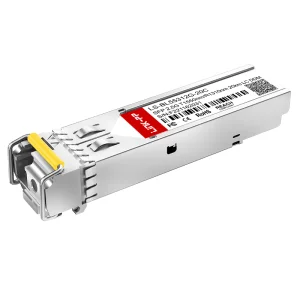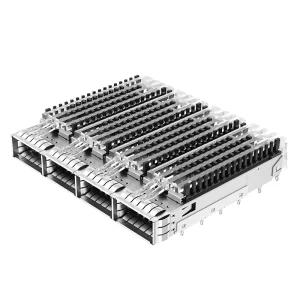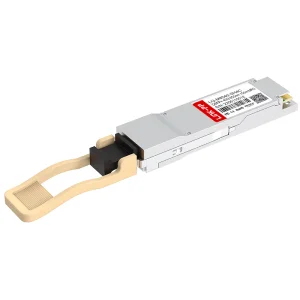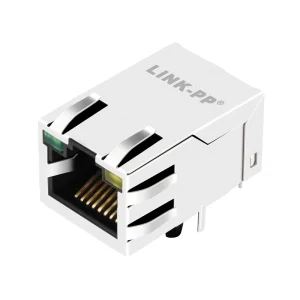
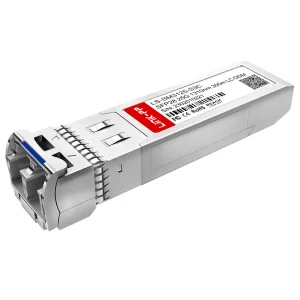
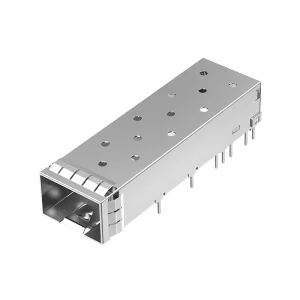
As Germany undergoes its profound structural transition toward Industrie 4.0, the demand for high-reliability, low-latency communication networks has surged exponentially. The hardware foundation of this transition rests on optical interconnect components. Among these, the Small Form-factor Pluggable (SFP) Cage is a vital mechanical and electromagnetic shield. SFP cages hold, guide, and shield transceiver modules that translate raw electrical current into light pulses for high-speed fiber-optic rings. For German system integrators, embedded hardware engineers, and equipment distributors, selecting the appropriate SFP cage manufacturer is a decision that impacts long-term signal integrity, thermal dissipation compliance, and electromagnetic compatibility (EMC).
Information Gain Perspective: Standard SFP cages fail to address the specific micro-vibration environments of German automotive test beds or the strict VDE-approved EMC thresholds of European factory floors. This whitepaper analyzes the engineering tolerances, localized industrial requirements, and material sciences necessary to sustain 10G to 800G transmission systems in Germany's leading industrial sectors.
The industrial framework of Germany is characterized by decentralized manufacturing clusters. Automakers in Stuttgart and Munich, chemical plants in the Ludwigshafen basin, and heavy industrial automation hubs in North Rhine-Westphalia all require real-time processing capability. This demand is further accelerated by the rapid roll-out of private 5G Standalone (SA) campus networks operating on localized bands (3.7 GHz to 3.8 GHz). These networks demand edge data centers built with components that can withstand demanding physical environments.
In addition to industrial automation, Frankfurt houses DE-CIX, one of the world's largest internet exchange points. The concentration of high-density hyperscale data centers in the Rhine-Main metropolitan area requires transceivers and connector assemblies that minimize thermal loading. Standard SFP cages can degrade signal-to-noise ratios (SNR) if their shielding and layout are not optimized. German engineering requires components designed to address three primary stresses: Electromagnetic Interference (EMI), Thermal Density, and Mechanical Durability.
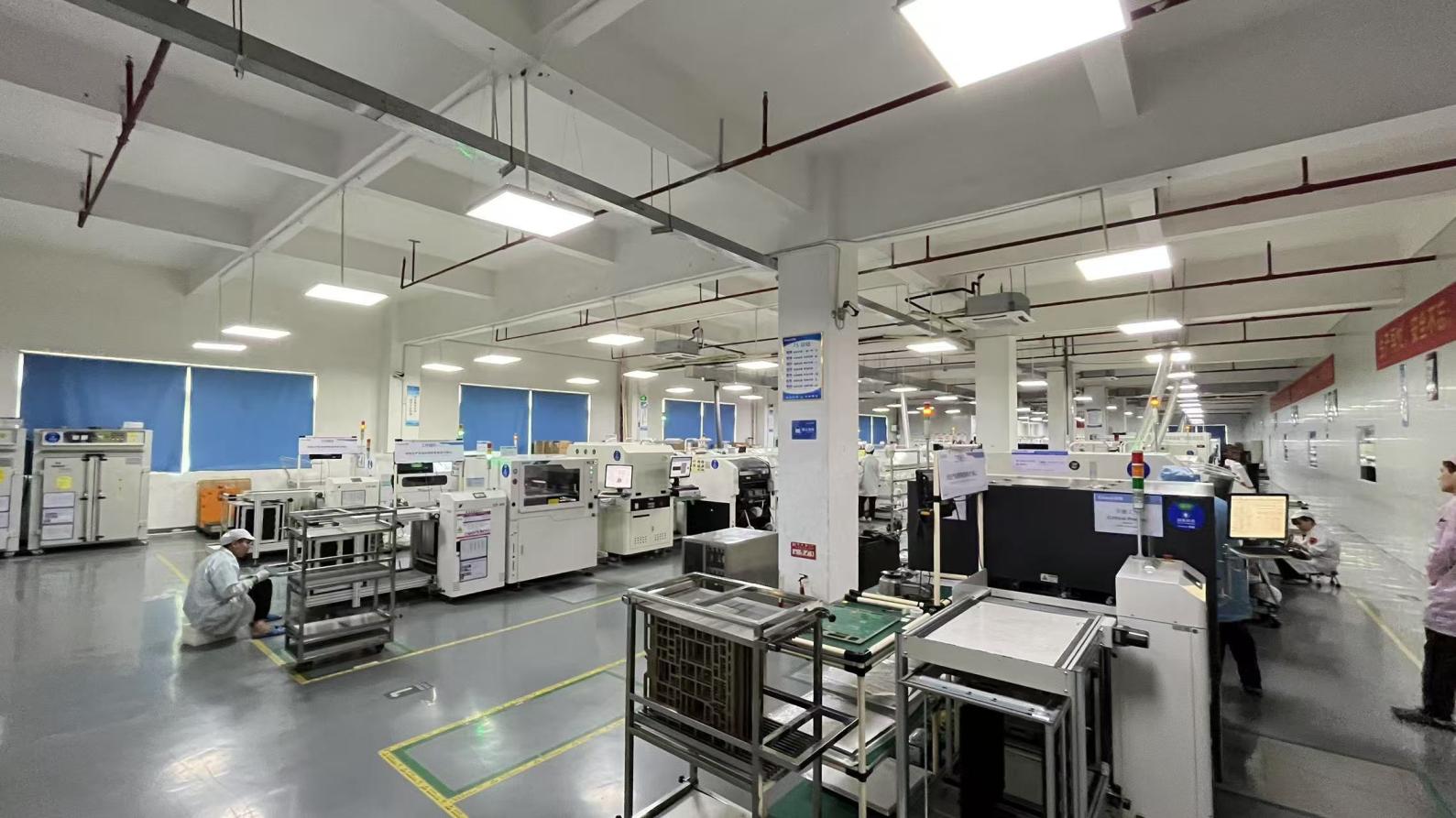
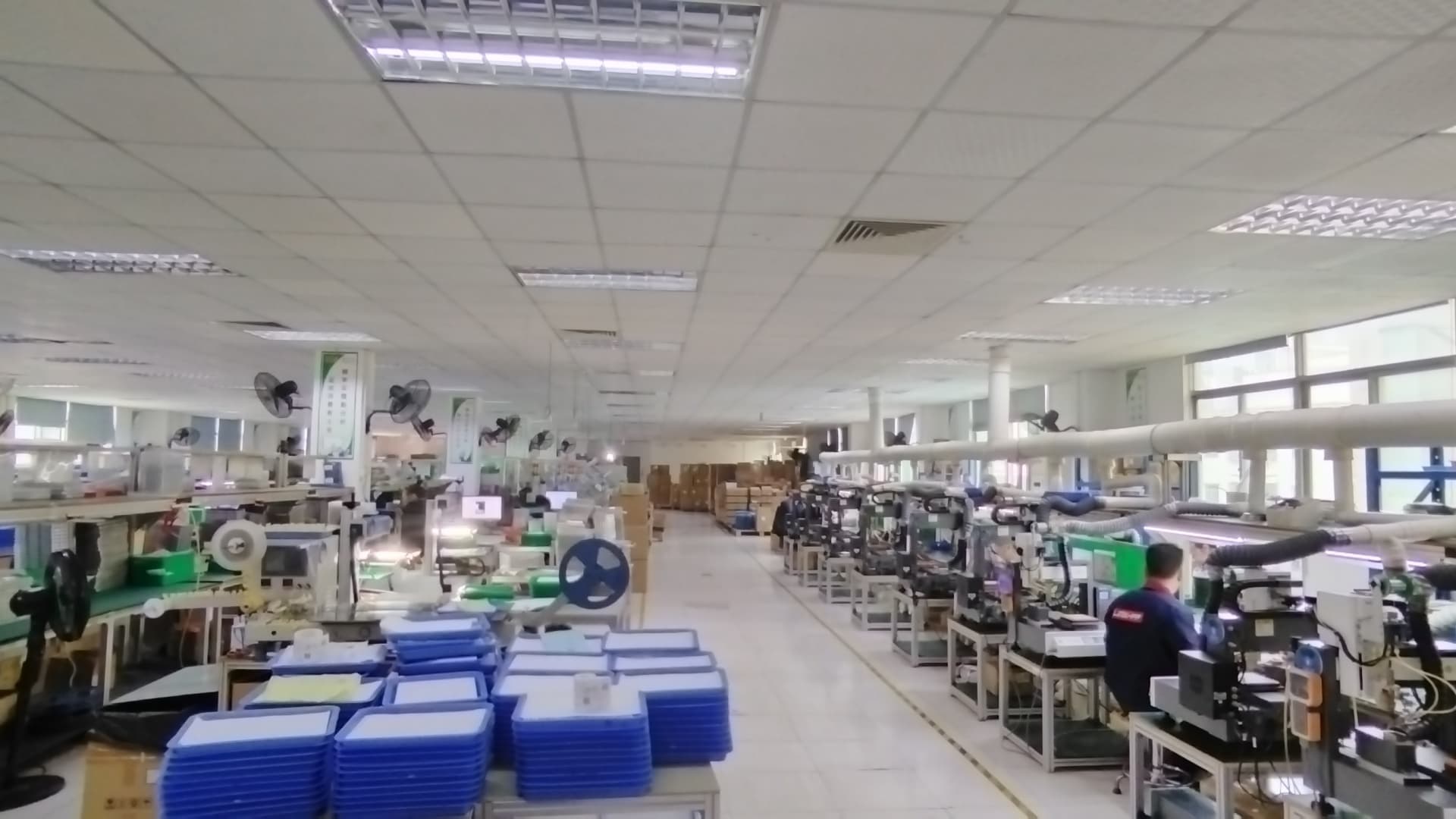
FiberNova Optical Communication Tech Co., Ltd. (FiberNovaTransceivers.com) is an optical transceiver and interconnect hardware manufacturer established in 2016. Operating a modern, high-precision facility covering approximately 380㎡, FiberNova focuses on high-speed optical communication solutions, serving global data center, telecom, and industrial networking customers with high-performance products.
Backed by over 6 years of export experience and 12 years of industry expertise, FiberNova has developed deep capabilities in R&D, manufacturing, and international trade. The company achieves an annual export revenue of approximately USD 8–15 million, supplying custom and compatible components to customers across North America, Europe (specifically Germany), Southeast Asia, and the Middle East.
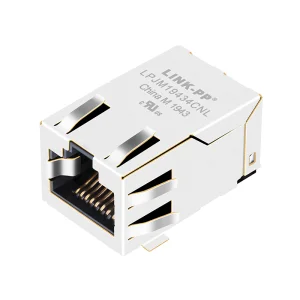
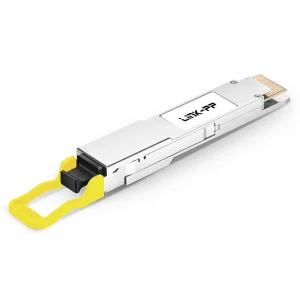
In high-speed communication systems, copper and optical links are susceptible to electromagnetic leakage. To counter this, FiberNova SFP cages are engineered utilizing high-grade copper alloys (such as phosphor bronze and nickel-silver) which demonstrate electrical conductivity and corrosion resistance. Our EMI shielded SFP cages feature elastomeric gaskets or metal spring fingers that compress against the bezel of the housing. This mechanism forms an unbroken Faraday cage, reducing radiation leakage in high-frequency ranges up to 40 GHz.
Moreover, mechanical stress is a constant issue in industrial settings. Vibrations from heavy machinery or locomotives can cause micro-fretting wear on gold-plated contact pads. FiberNova has engineered SFP cages that incorporate localized press-fit solder pins with high retention forces. This prevents trace cracking and ensures continuous data transfer under physical vibration.
Features grounding fingers that span the cage perimeter, providing low-impedance connection to the chassis. This keeps emissions below the strict limits set by European standards.
Equipped with thermal heat sinks and airflow passages designed to dissipate heat from transceivers, reducing internal temperatures by up to 12°C.
Complies with RoHS, REACH, Conflict Minerals declarations, and MSA standards. This ensures smooth customs clearance and regulatory compliance for European installations.
As the market transitions toward 800G and 1.6T systems, the conventional SFP envelope is evolving. Next-generation designs focus on QSFP-DD, OSFP, and Co-Packaged Optics (CPO) architectures. FiberNova's R&D department, consisting of 65 engineers, is currently prototyping cages optimized for dual-latch systems and high-density copper twinax bypass cables. These designs aim to bypass PCB routing losses by transmitting data directly from the optical engine to the ASIC board connector. Our product roadmap outlines that these prototypes will be ready for testing in Germany's leading technological testing parks by next year.
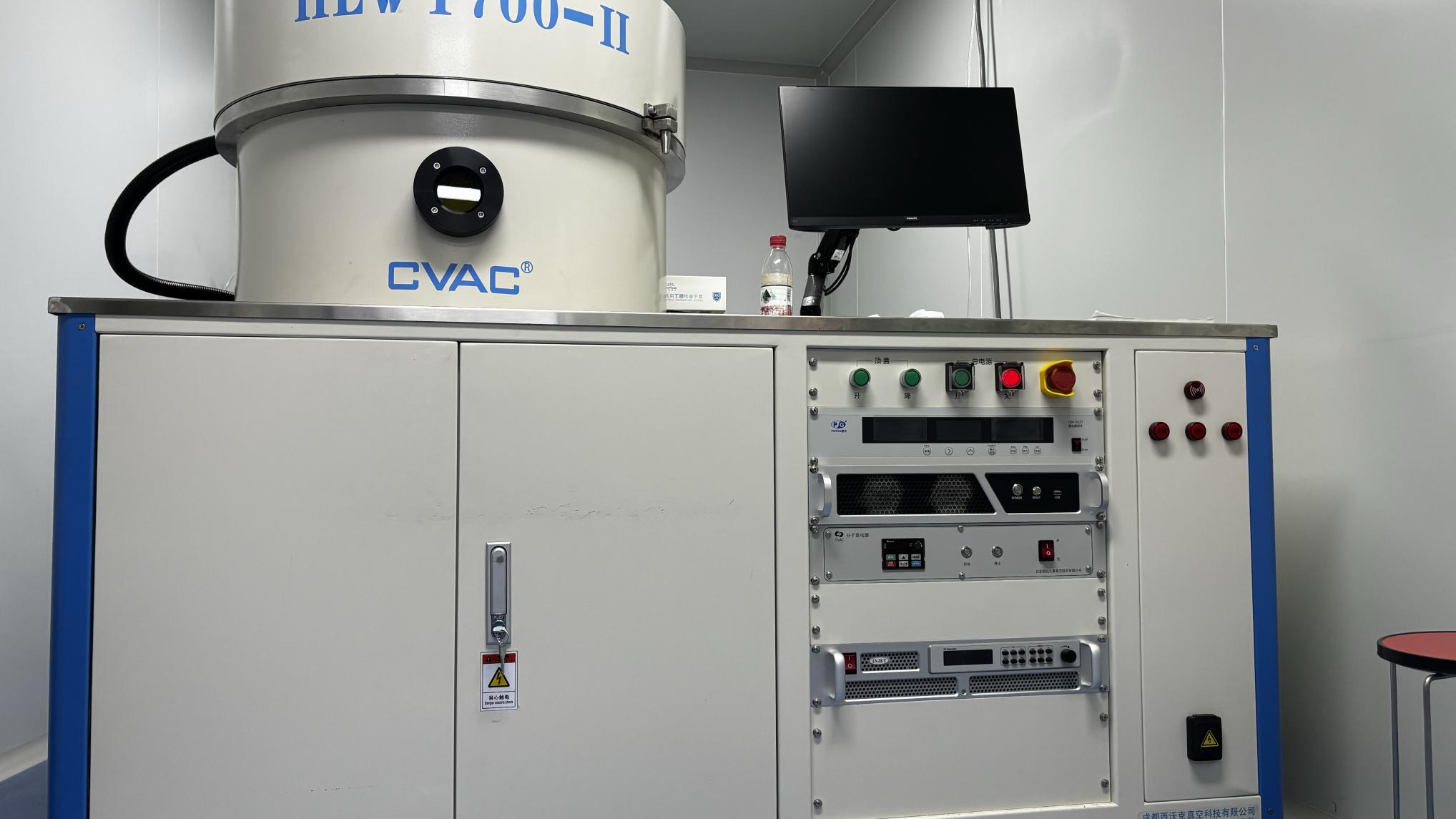
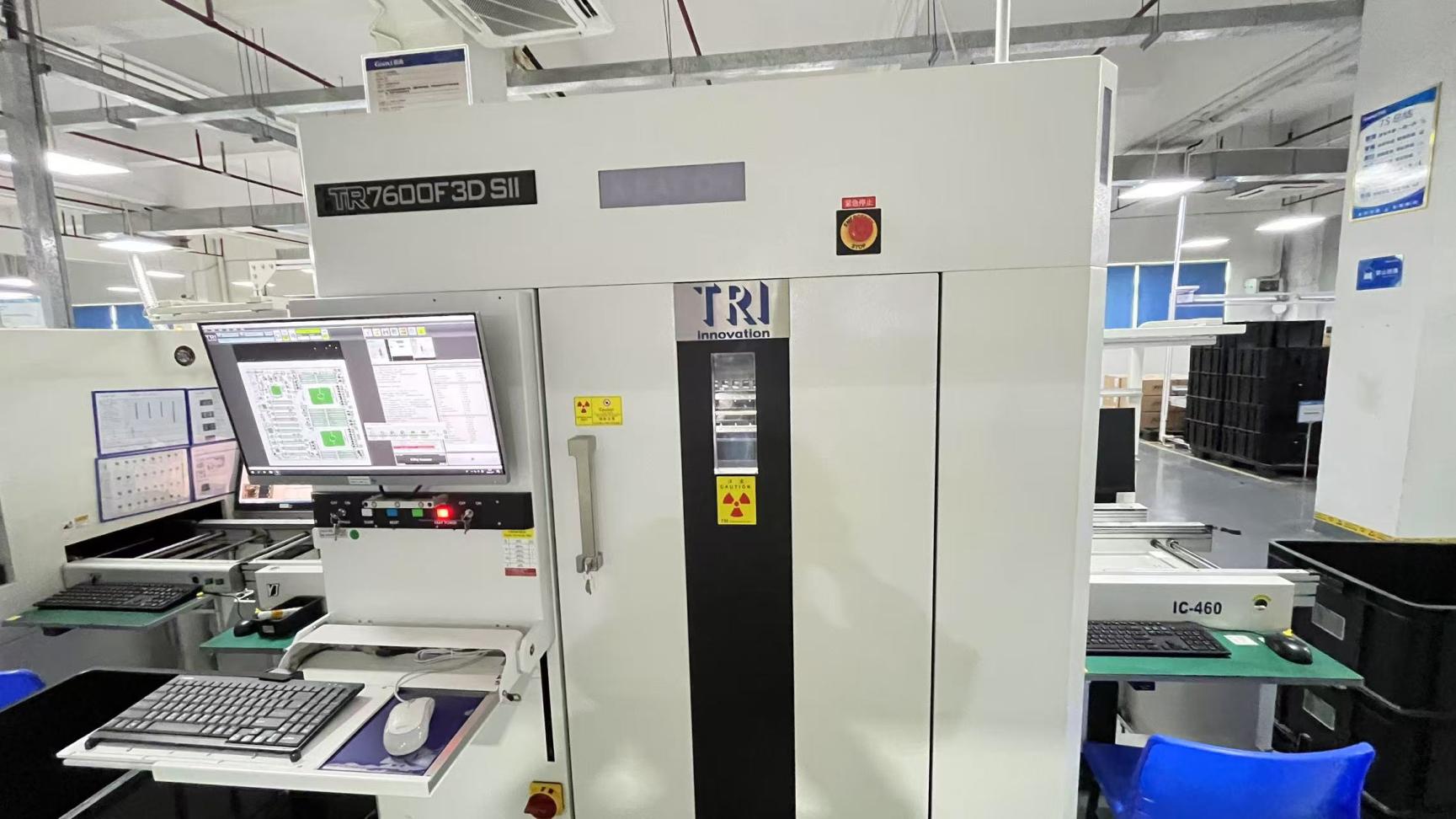
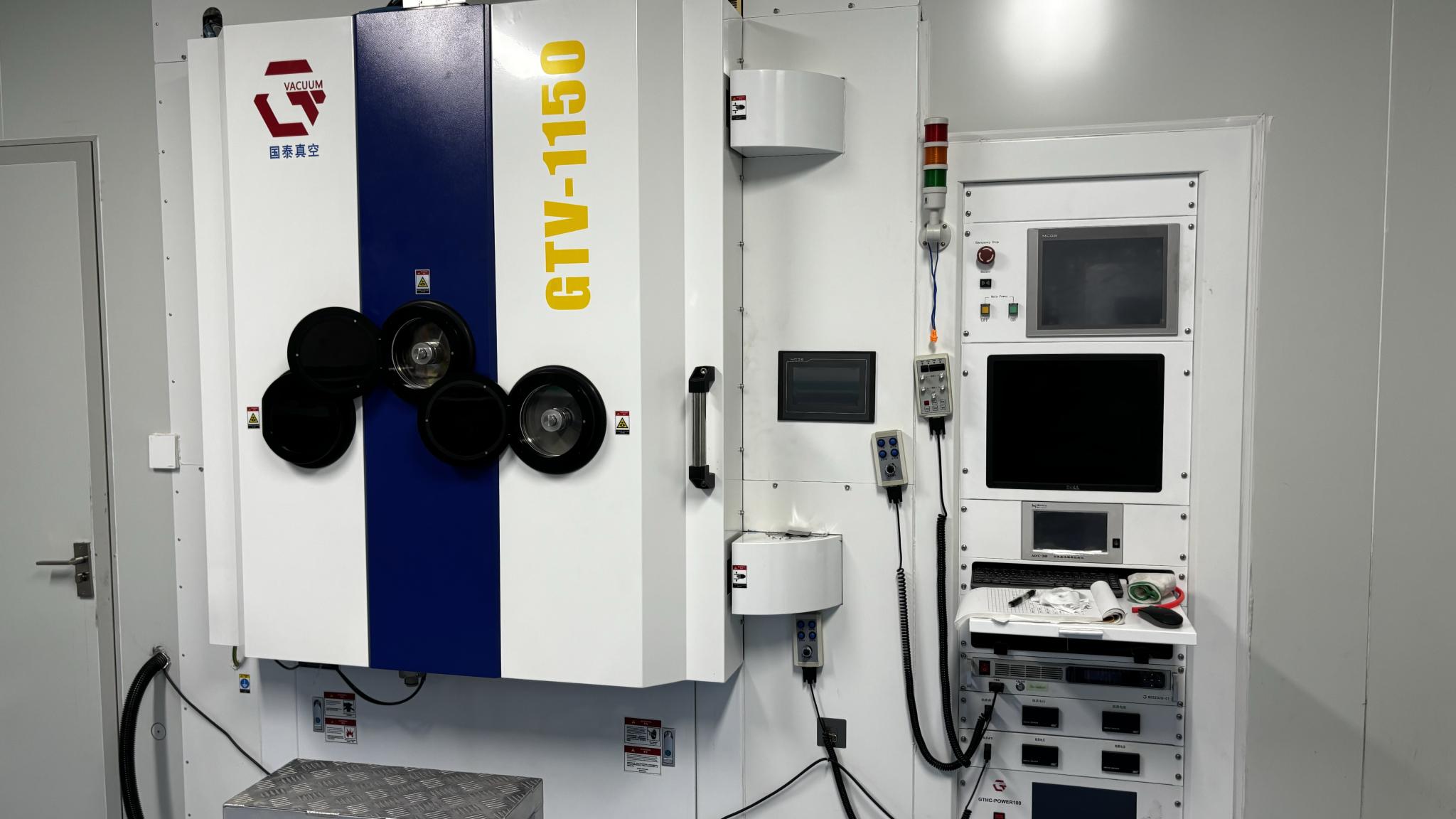
FiberNova enforces strict control processes at every phase of manufacturing. Our 45 professional QC specialists conduct 100% optical performance testing, high-and-low temperature cycling tests, and signal integrity inspection before shipment. We ensure that all components match the specifications required by German industrial equipment manufacturers, ensuring interoperability with major switch vendors globally.

 FiberNova