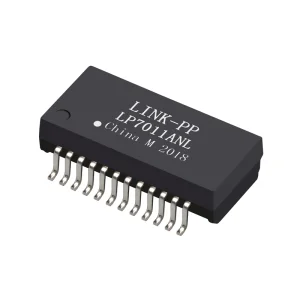
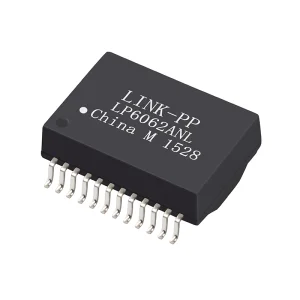
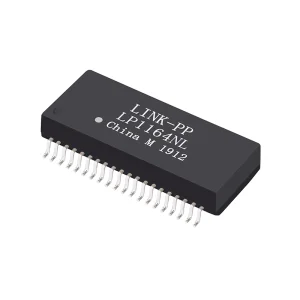
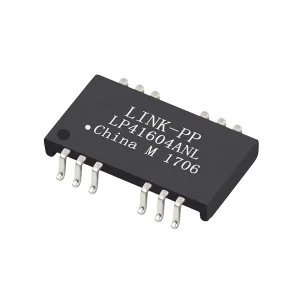
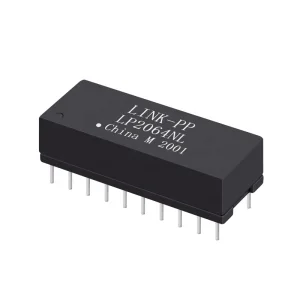
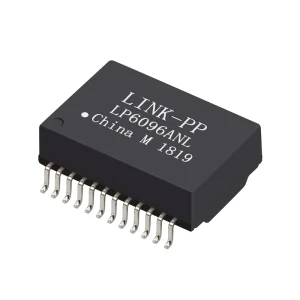
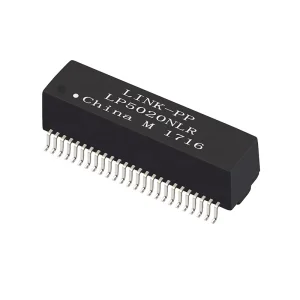
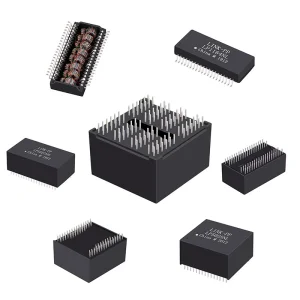
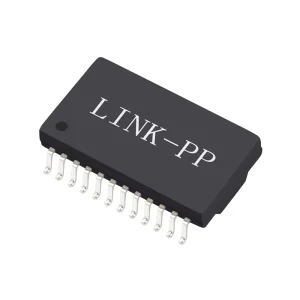
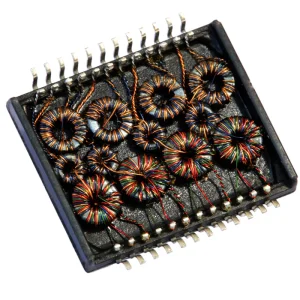
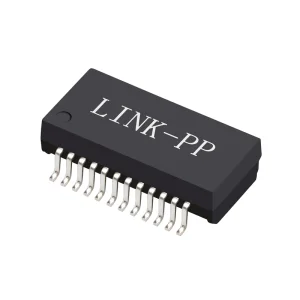
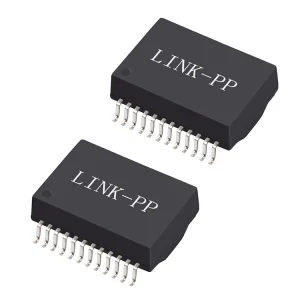
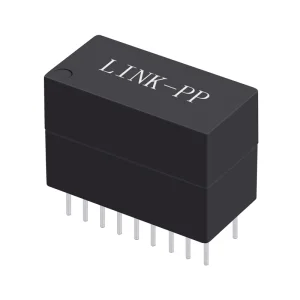
High-reliability SMT and Through-Hole discrete magnetic transformers optimized for gigabit networks, PoE systems, and server backplanes.
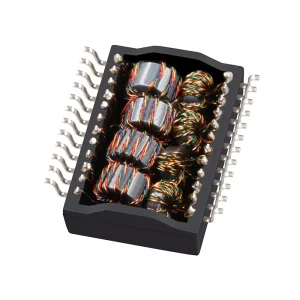
The United States network infrastructure market is undergoing a rapid transition toward high-density, multi-gigabit ethernet connections. Driven by the expansion of hyperscale data centers, industrial IoT integration, and medical instrumentation compliance requirements, the demand for stable, high-performance LAN magnetic components (LAN transformers) has surged. From Silicon Valley startups to the automation corridors of the Midwest, American network equipment manufacturers require localized design flexibility coupled with resilient global manufacturing pipelines.
In critical applications, Ethernet LAN transformers perform three key roles: galvanic isolation (protecting equipment from electrical spikes), impedance matching (optimizing high-frequency signal propagation), and common-mode noise filtering. Under the strict requirements of IEEE 802.3 specifications, magnetic design must prevent signal attenuation, reduce return loss, and withstand the extreme DC bias generated by modern Power over Ethernet (PoE/PoE+/PoE++) systems without entering core saturation.
Under the National Electrical Code (NEC) guidelines in the United States, galvanic isolation of at least 1500 VAC is mandated for all copper Ethernet links to prevent destructive ground loops and protect personnel from potential voltage leakage.
Current networks require up to 90W of power injected through network cables. Magnetic components must feature thicker windings and specialized core architectures to handle currents up to 1A per pair without performance degradation.
For American network architects and quality assurance directors, purchasing high-frequency magnetic components involves strict adherence to national safety and communications regulations.
All LAN transformers utilized in ICT (Information and Communication Technology) applications must comply with UL 62368-1 (superseding UL 60950-1) to ensure safety against electric shocks, fire hazards, and overvoltages.
Unshielded twisted pairs (UTP) act as antennas. Our LAN magnetic modules integrate common-mode chokes that eliminate EMI, enabling compliance with FCC Part 15 Class B radiation limits.
We guarantee lead-free solder processes and use component materials certified to meet strict European RoHS and American TSCA/REACH regulations for hazardous substances.
To provide reliable, long-term support for our North American clients, we offer customized design services including specific footprint matching, electrical parameter adjustments (inductance, insertion loss, return loss), and comprehensive laboratory validation. This reduces project timelines and eliminates typical communication bottlenecks when sourcing magnetics globally.
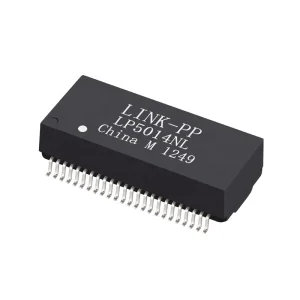
High-density dual-port and quad-port magnetic components designed for high-density switches, telecommunication mainframes, and base stations.
Established in 2016, FiberNova Optical Communication Tech Co., Ltd. (FiberNovaTransceivers.com) has built an expansive presence as a leading optical communication and magnetics integration specialist. Operating out of modern R&D facilities encompassing approximately 380㎡, we combine high-speed optical module technologies with precise network filter engineering to serve critical telecommunications customers around the globe.
With over 6 years of export experience and 12 years of core industry expertise, FiberNova maintains an annual export revenue of USD 8–15 million. Through our robust manufacturing capabilities, we support a diverse supply chain spanning North America, Europe, East Asia, and the Middle East. To guarantee component reliability and raw material access, we have built trusted relationships with more than 1,200 supply chain partners, enabling stable, uninterrupted procurement of magnetic cores, specialized copper wires, transceivers, and silicon chips.
Our quality verification process incorporates advanced mechanical and thermal stress checking. A dedicated team of 45 professional QC staff conducts 100% optical and electrical performance testing, temperature cycling tests, and high-frequency signal integrity inspection on all outgoing batches. Backed by 65 skilled engineers, our engineering department launched approximately 120 new products in the past year alone, expanding options for networks operating at 10G, 25G, 100G, and up to 400G/800G rates.
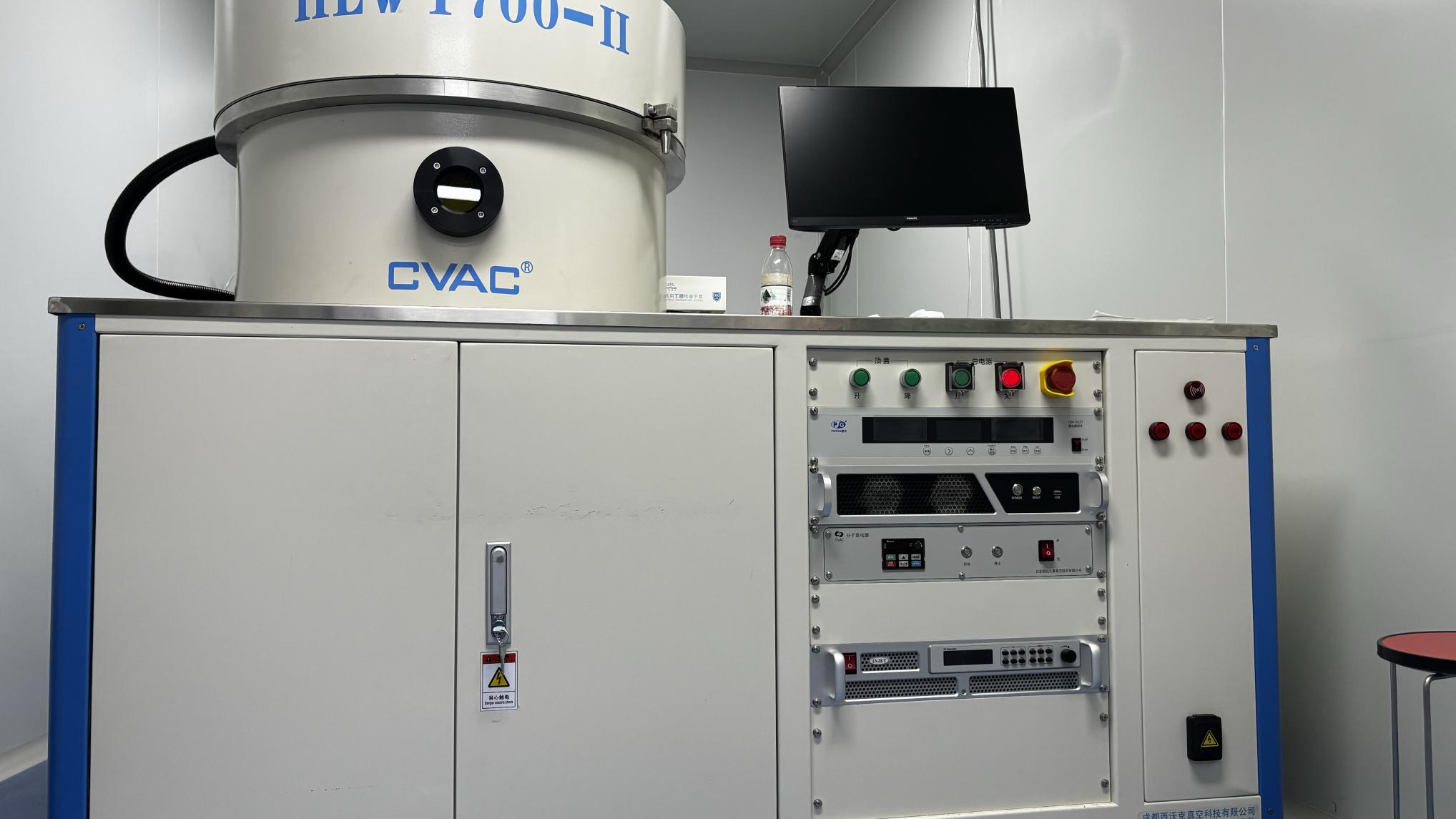
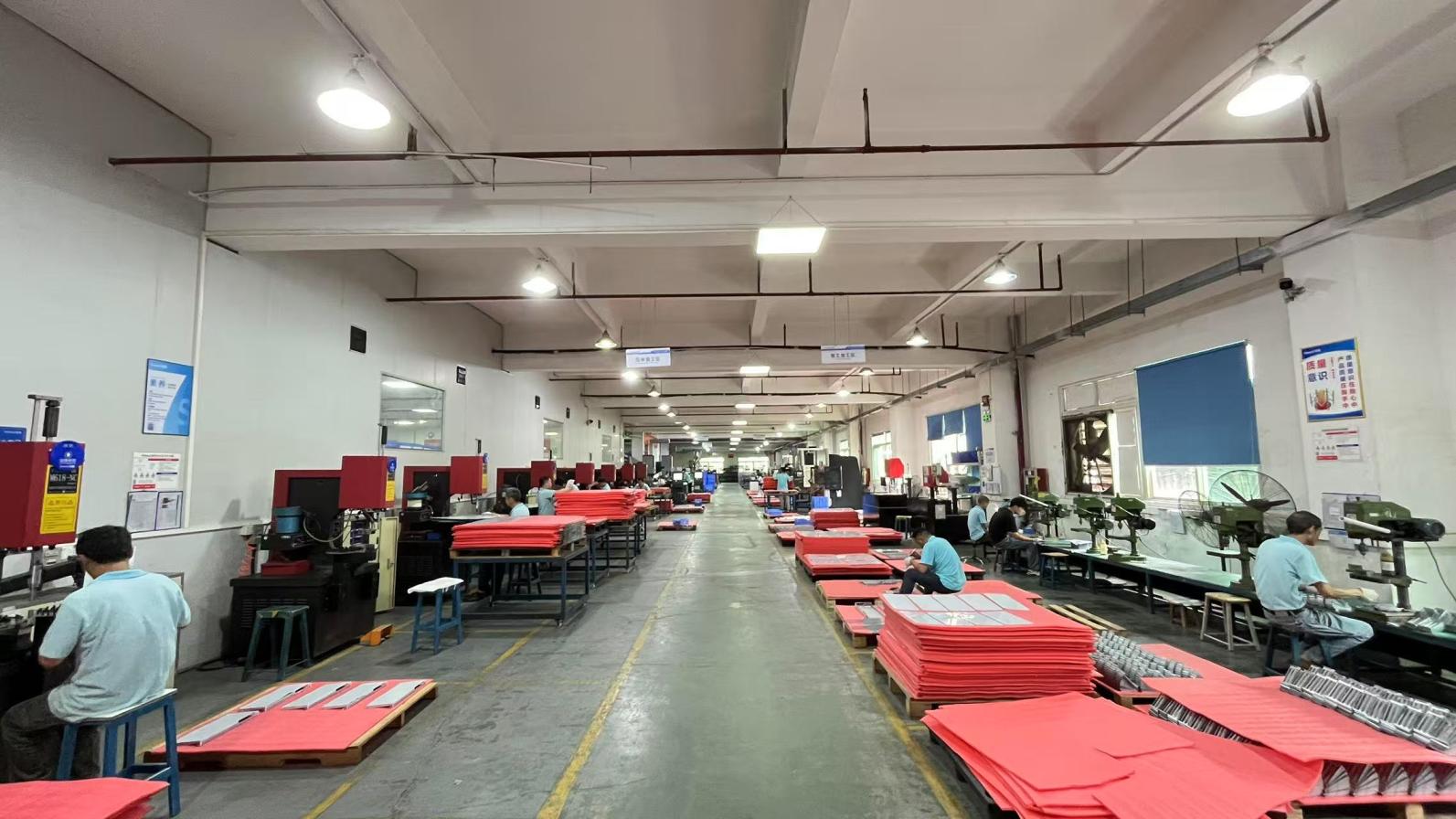
Our production processes follow state-of-the-art cleanroom standards, employing precise wire-winding machinery, automated optical inspection (AOI), and multi-port network analyzers to deliver repeatable electrical tolerances.

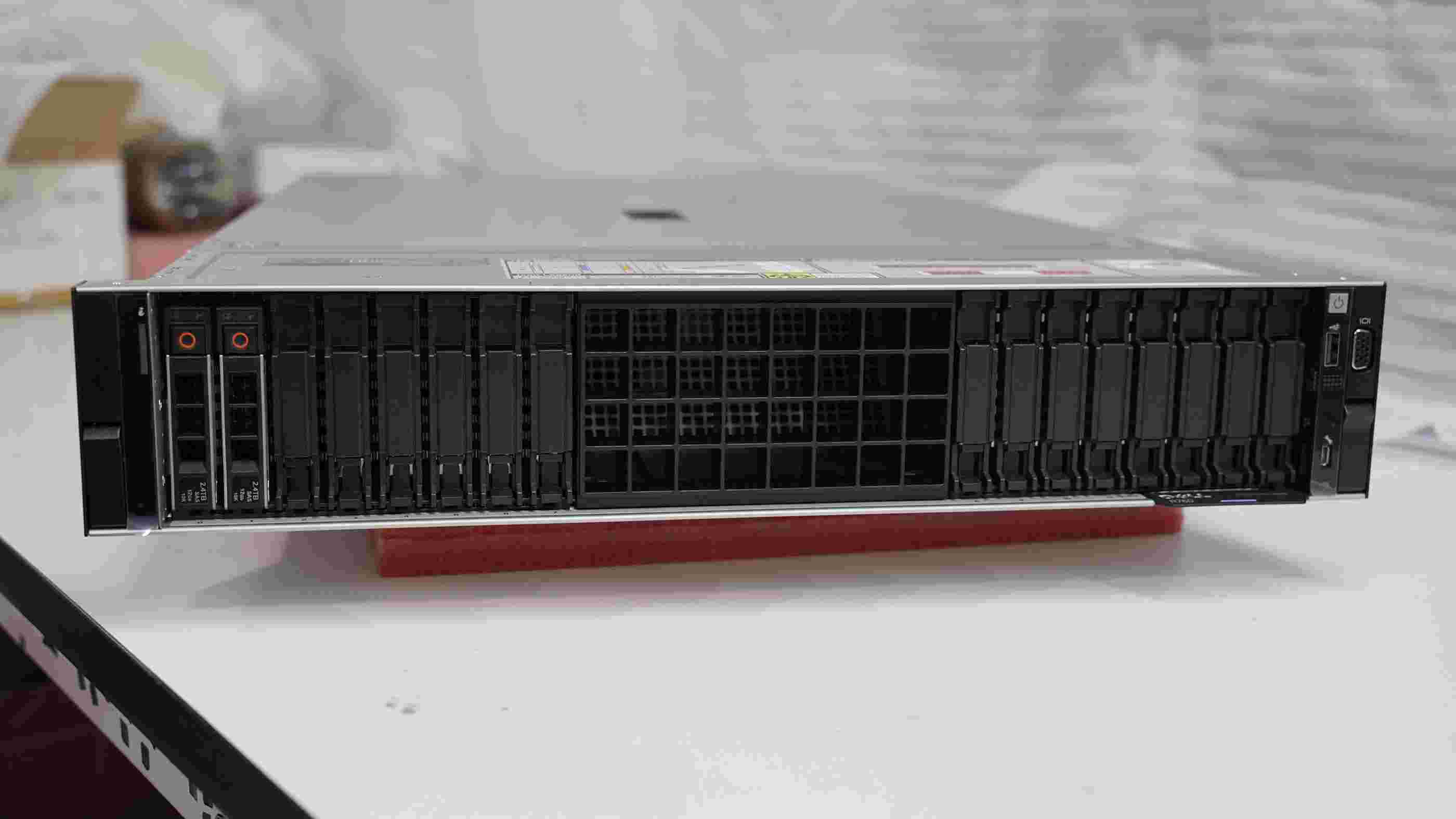

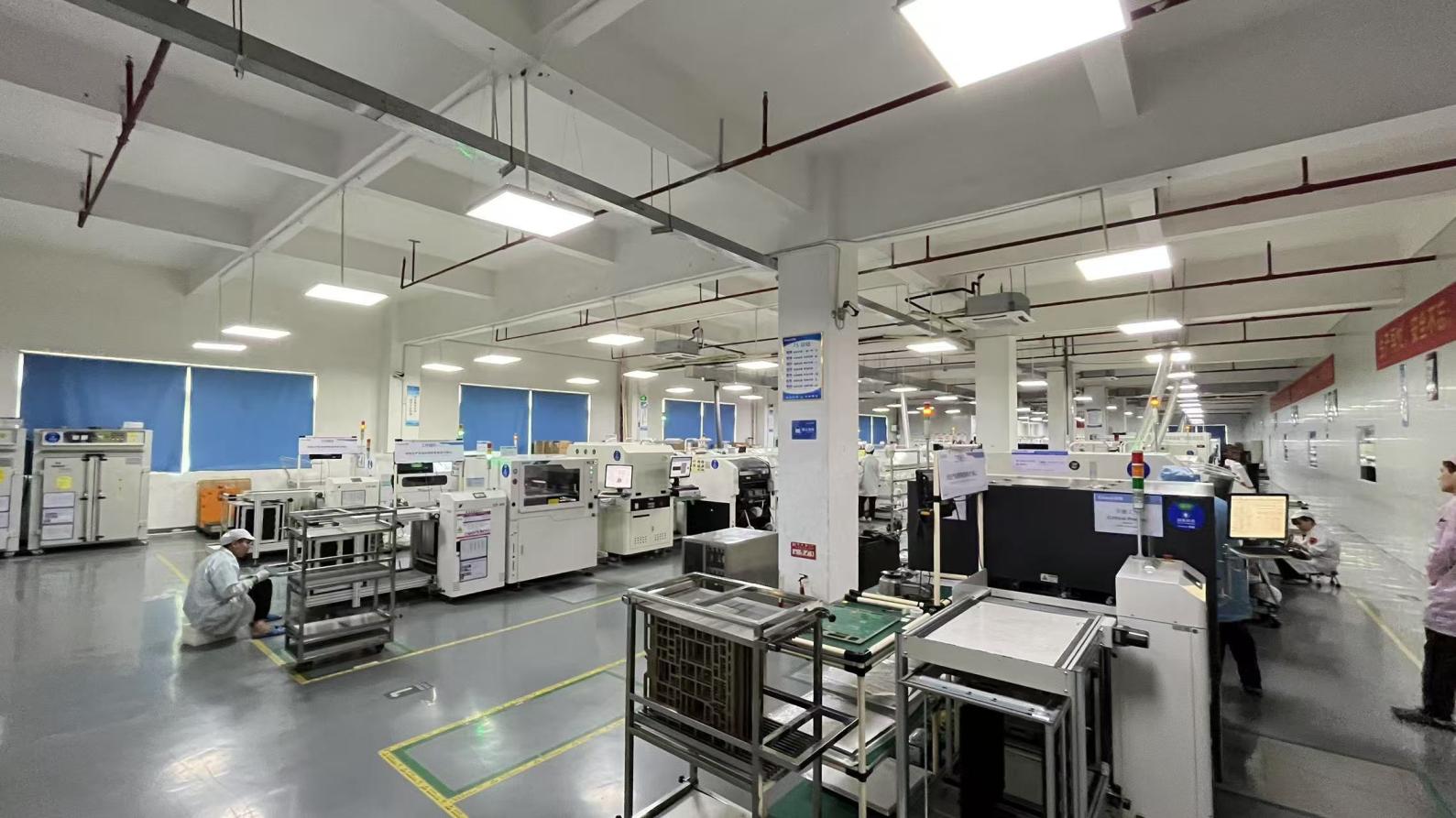
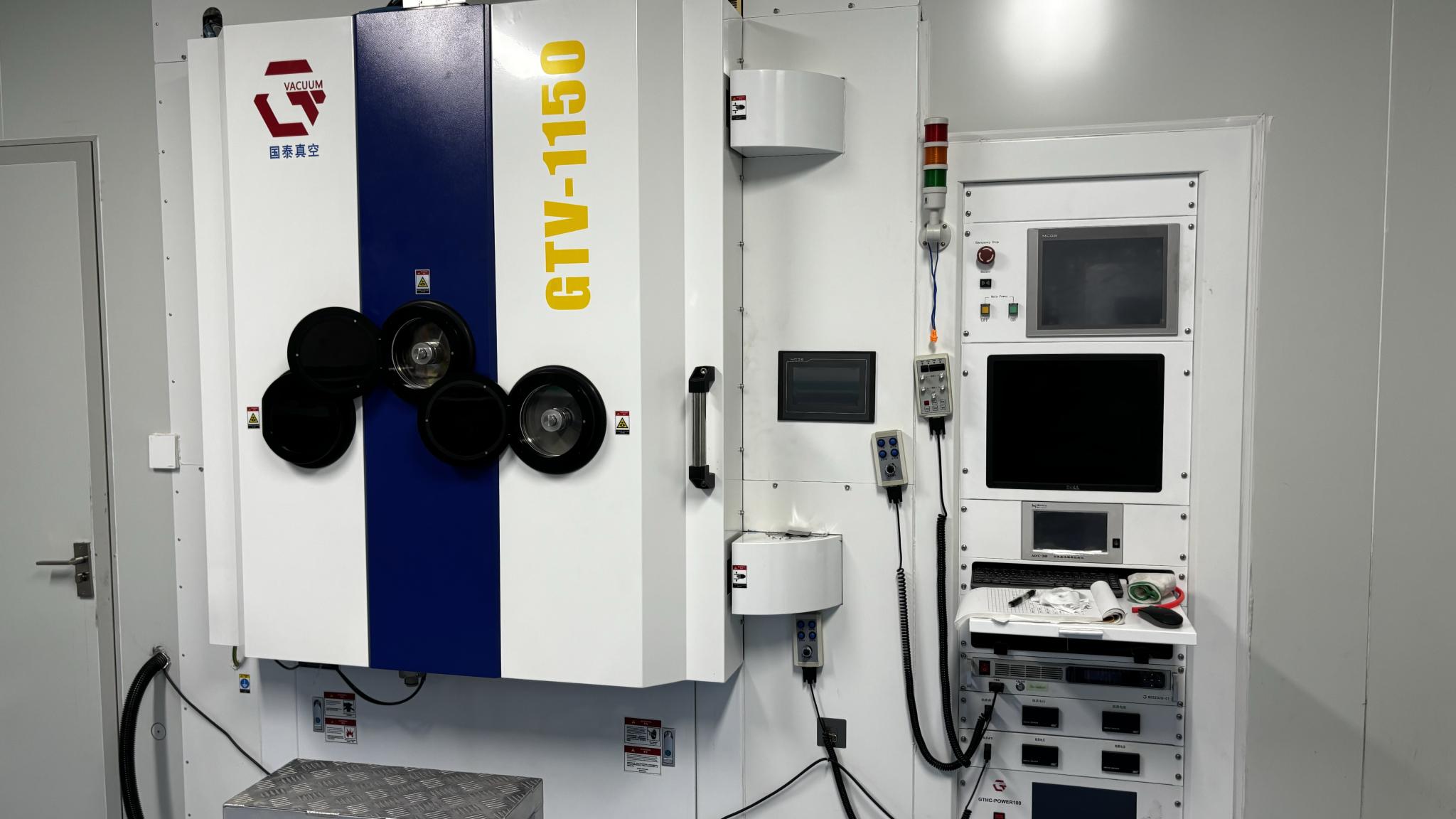
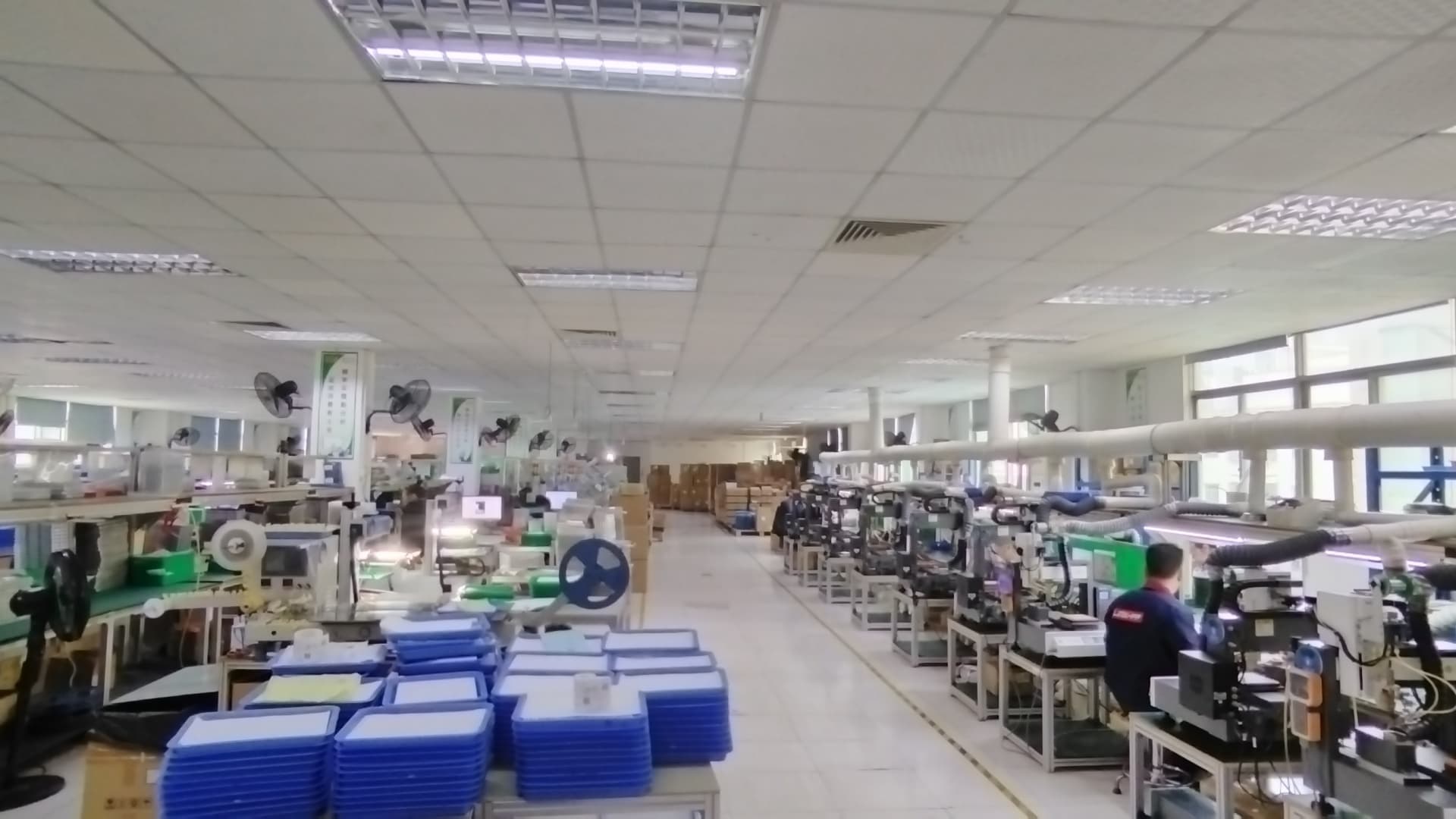
As telecommunication architectures evolve, procurement managers in the US require components that accommodate multiple frequency bands and space-saving topologies.
1. Transition to 10G Base-T and Beyond: While Fast Ethernet (100Base-T) and Gigabit Ethernet (1000Base-T) remain industry standards for micro-controllers and legacy systems, 2.5G/5G and 10G systems have moved from high-performance servers to mainstream enterprise switches. Multi-gigabit transmission requires tighter control over parasitics, requiring specialized transformer architectures with integrated shielding.
2. High-Density Multi-Port Configurations: Space constraints on PCB boards have pushed hardware designers to shift from single-port discrete components to multi-port modules (dual-port and quad-port) or integrated connector modules (ICMs/RJ45 with magnetics). This trend demands high uniformity in winding parameters to prevent cross-talk between adjacent channels.
3. Automotive Ethernet (OPEN Alliance): Autonomous driving and ADAS systems in the US automotive industry utilize single-pair unshielded twisted pair cables. LAN magnetics designed for automotive ethernet require automotive-grade qualification (AEC-Q200) to resist constant vibration and broad thermal swings.
Selecting the correct magnetic components based on data rate and electrical requirements:
| Standard | Common Part Numbers | Port Config | Isolation Voltage | PoE Support | Key US Applications |
|---|---|---|---|---|---|
| 10G Base-T | XF-GH-002 | Single Port SMT | 1500 Vrms | PoE / PoE+ Capable | Cloud Storage, Optical-Electrical Converters |
| 1000 Base-T | TG1G-S012NZRL, H6062NL | Single SMT | 1500 Vrms | PoE+ (30W) | VoIP Hubs, Industrial Cameras |
| 10/100/1000 Base-T | S558-5999-Q2-F, HN24018G | Dual Port / Single Port | 1500 Vrms | Standard Data Only | Managed Ethernet Switches, Edge Gateways |
| 10/100 Base-T | H81621S, NS0013BLF, LP2064NL | Single / Dual THT | 1500 Vrms | Non-PoE / Standard | Smart Sensors, Process Controls, Medical Equipment |
Technical insights regarding Ethernet magnetics, regulatory standards, and system design integrations.
Standard and high-reliability SMT/THT magnetic components serving telecommunications and embedded systems across the United States.
 FiberNova