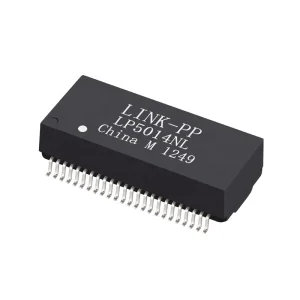
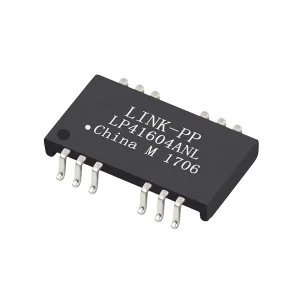
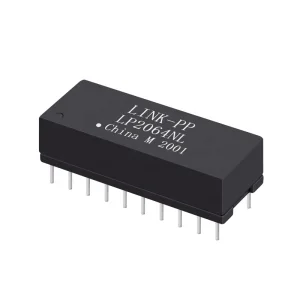
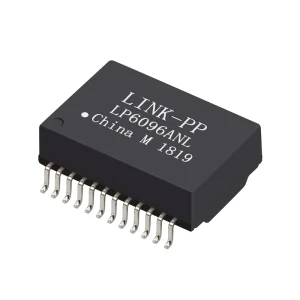
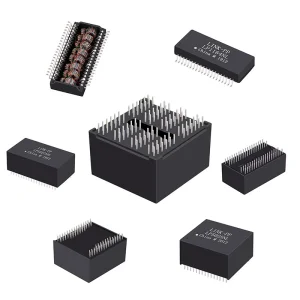
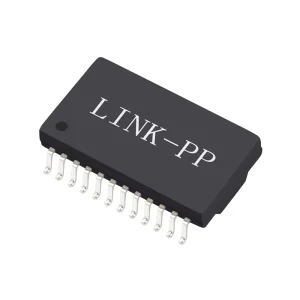
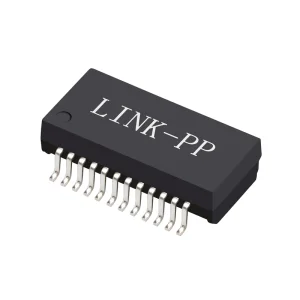
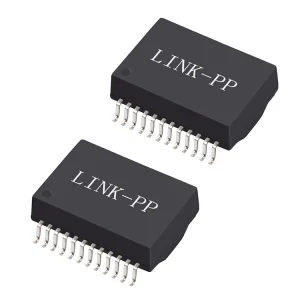
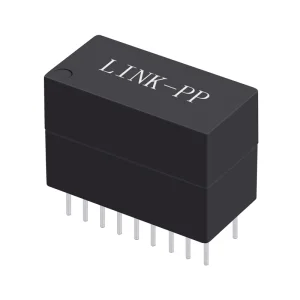
Explore our leading LAN transformer configurations optimized for Boston's next-generation hardware designs, featuring industry-standard SMT and through-hole models with PoE+ support.
The Greater Boston area—extending from the technology corridors of Route 128 and Interstate 95 to the academic research hubs of Cambridge—is globally recognized as a center of deep-tech innovation. Industries such as biomedical engineering, robotics, defense, ocean science, and high-performance cloud computing generate massive demands for robust hardware designs. At the core of these technological systems lies the need for physical-layer Ethernet reliability, mediated by high-quality LAN Transformers and Electromagnetic Interference (EMI) filters.
Hardware developers at MIT, Harvard, and private research institutes constantly face the challenges of signal attenuation, ground loop currents, and high-frequency noise in complex laboratory configurations. For instance, in clinical DNA sequencing machines located in Kendall Square, high-throughput imaging files require multi-gigabit copper Ethernet networks where zero packet loss is a non-negotiable metric. Our LAN transformers are designed specifically to provide the standard 1500Vrms isolation, meeting IEEE 802.3 specifications while preserving signal purity across long cable lengths.
Medical diagnostic devices require strict compliance with IEC 60601-1 for patient safety, demanding enhanced insulation and high creepage distances in the magnetic modules.
Boston’s booming autonomous systems cluster relies on EtherCAT and industrial Ethernet protocols, where components must withstand severe vibration and wide temperatures (-40°C to +85°C).
Smart municipal grids and higher education campus networks demand reliable Power over Ethernet (PoE+ / PoE++) to drive smart cameras, sensors, and remote transceivers.
On a global scale, the market for LAN transformers is evolving rapidly. Traditional 10/100 Mbps systems are fast phasing out, giving way to 2.5G, 5G, and 10G Base-T technologies. This growth is accelerated by the deployment of Wi-Fi 6E/7 access points, 5G small cells, and high-performance server farms. In these topologies, standard discrete LAN transformers are essential to decouple the physical layer (PHY) transceiver silicon from the copper physical medium.
Furthermore, the growth of Power over Ethernet (PoE) has revolutionized how devices are powered. Standard LAN transformers must now handle DC currents ranging from 350mA (PoE, IEEE 802.3af) up to 1A (PoE++, IEEE 802.3bt) per pair without undergoing magnetic saturation. When saturation occurs, the transformer's inductance drops drastically, leading to high bit-error rates and eventual link dropouts. Modern manufacturing processes must therefore incorporate precise toroidal core designs, high-flux density ferrite materials, and advanced automated winding systems to guarantee stability under persistent DC bias currents.
| Ethernet Protocol | Data Rate per Pair | Standard Isolation | Common Application in Boston Labs | Primary Component Choice |
|---|---|---|---|---|
| 100 Base-TX | 100 Mbps | 1500 Vrms | Legacy Industrial Automation, Sensors | H81621S, NS0013BLF |
| 1000 Base-T (Gigabit) | 250 Mbps | 1500 Vrms | Security Cameras, Campus Access Points, IoT | TG1G-S012NZRL, H6062NL |
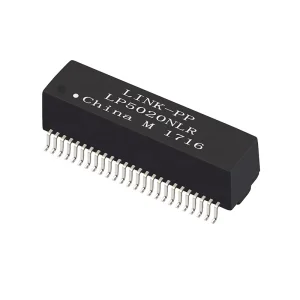
| 2.5G / 5G Base-T | 625 / 1250 Mbps | 1500 Vrms | High-End Workstations, NAS, Lab Routers | LP5020NLR, LP6096ANL |
| 10G Base-T | 2500 Mbps | 1500 Vrms | Genomics Compute Clusters, Server Uplinks | XF-GH-002, HN24018G |
While design engineers in Boston lead the conceptual architecture of high-speed systems, local procurement teams require reliable manufacturing partners that can scale production from prototype to high-volume output. This is where the synergy between FiberNova Optical Communication Tech Co., Ltd. (FiberNovaTransceivers.com) and New England’s technology hardware firms becomes invaluable.
Established in 2016, FiberNova operates a modern, high-efficiency production facility. Over the past 12 years of industry expertise and 6 years of global export experience, the company has integrated a resilient supply chain containing over 1,200 verified partners. This network allows FiberNova to procure high-grade magnetic cores, copper wiring, and structural casing at stabilized costs, translating directly into reliable lead times and competitive pricing for global customers.
Quality assurance is the hallmark of FiberNova’s manufacturing ethos. Every batch of LAN transformers undergoes a comprehensive, multi-step testing regime, including 100% optical performance testing, signal integrity inspections, and high-low temperature cycling tests. Led by an experienced QA squad of 45 dedicated quality controllers, the products comply with global standards, ensuring drop-in compatibility and cross-reference suitability for legacy industry brands like Pulse, Halo, and Würth Elektronik.
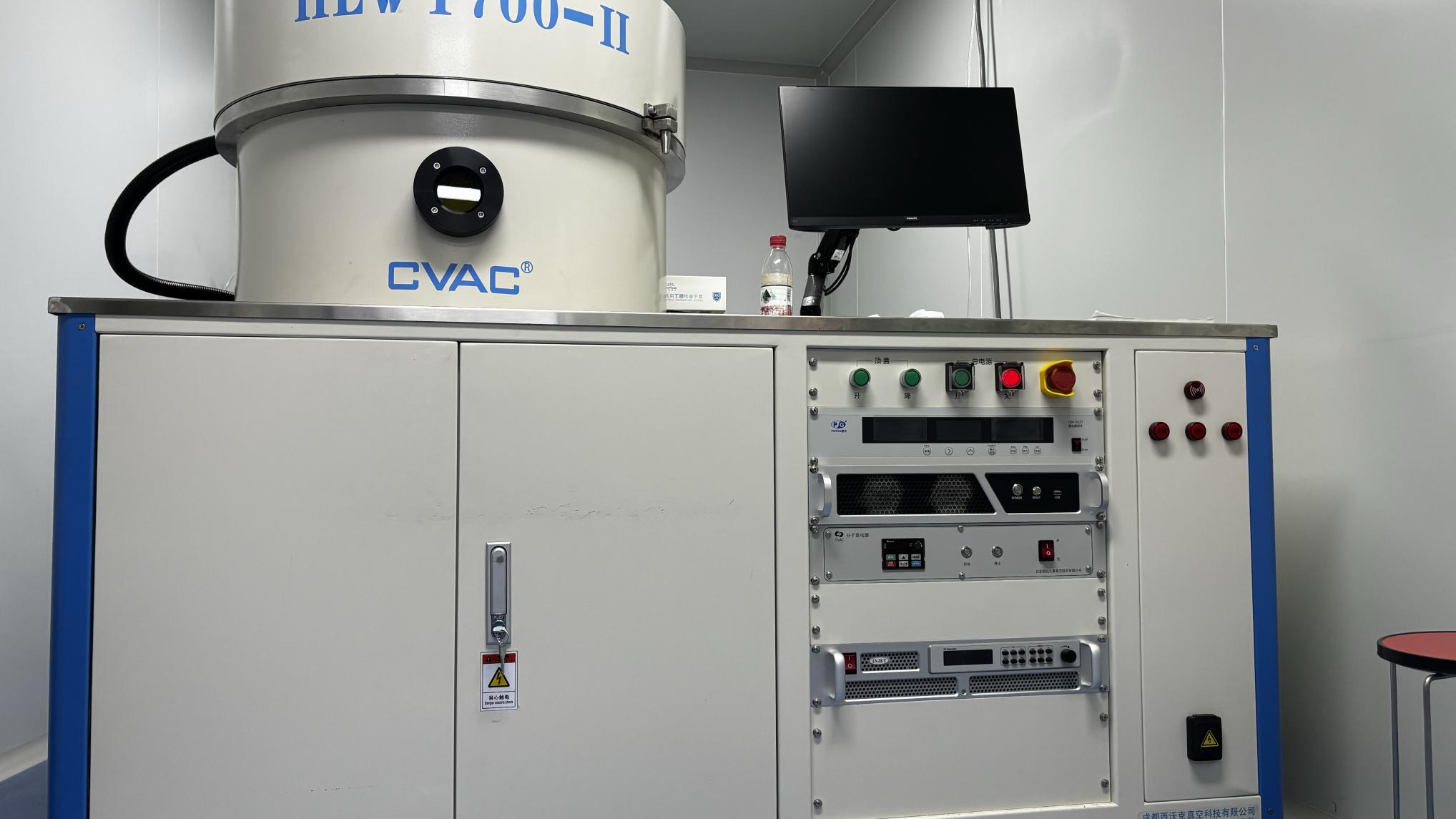
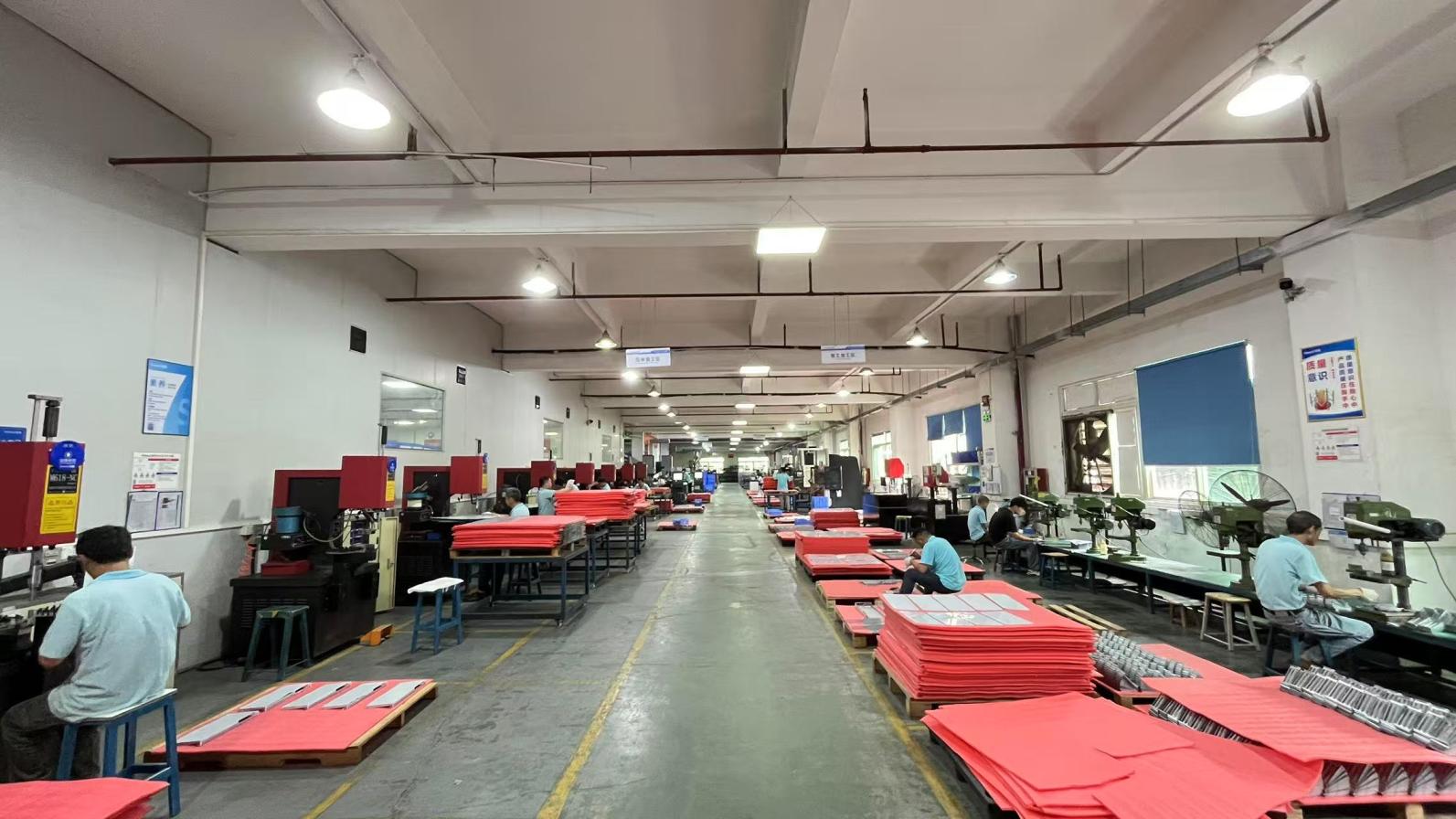
A visual overview of our manufacturing processes, environmental testing chambers, and precision automatic toroidal winding machines that ensure stable performance for critical Boston networks.
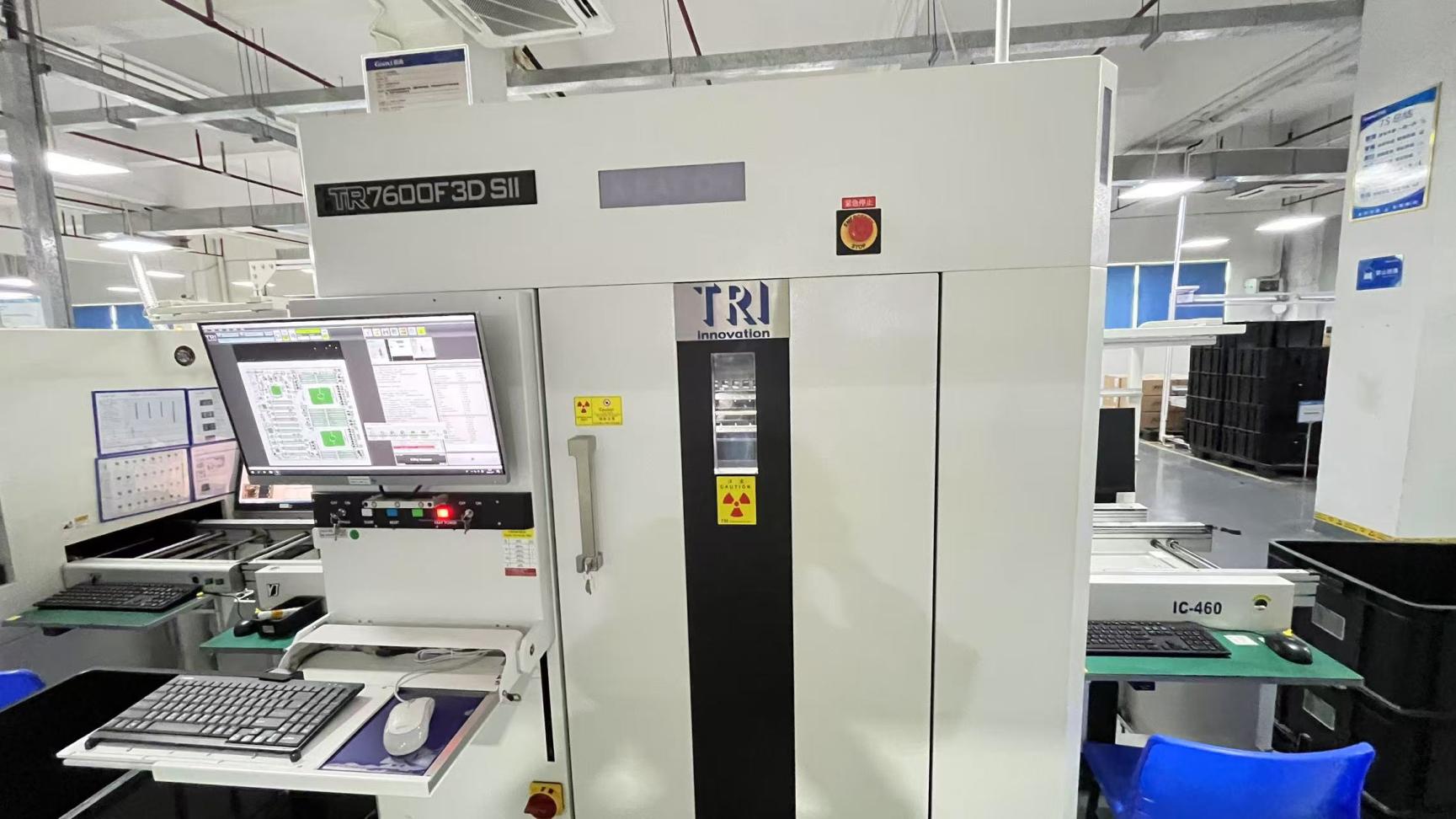


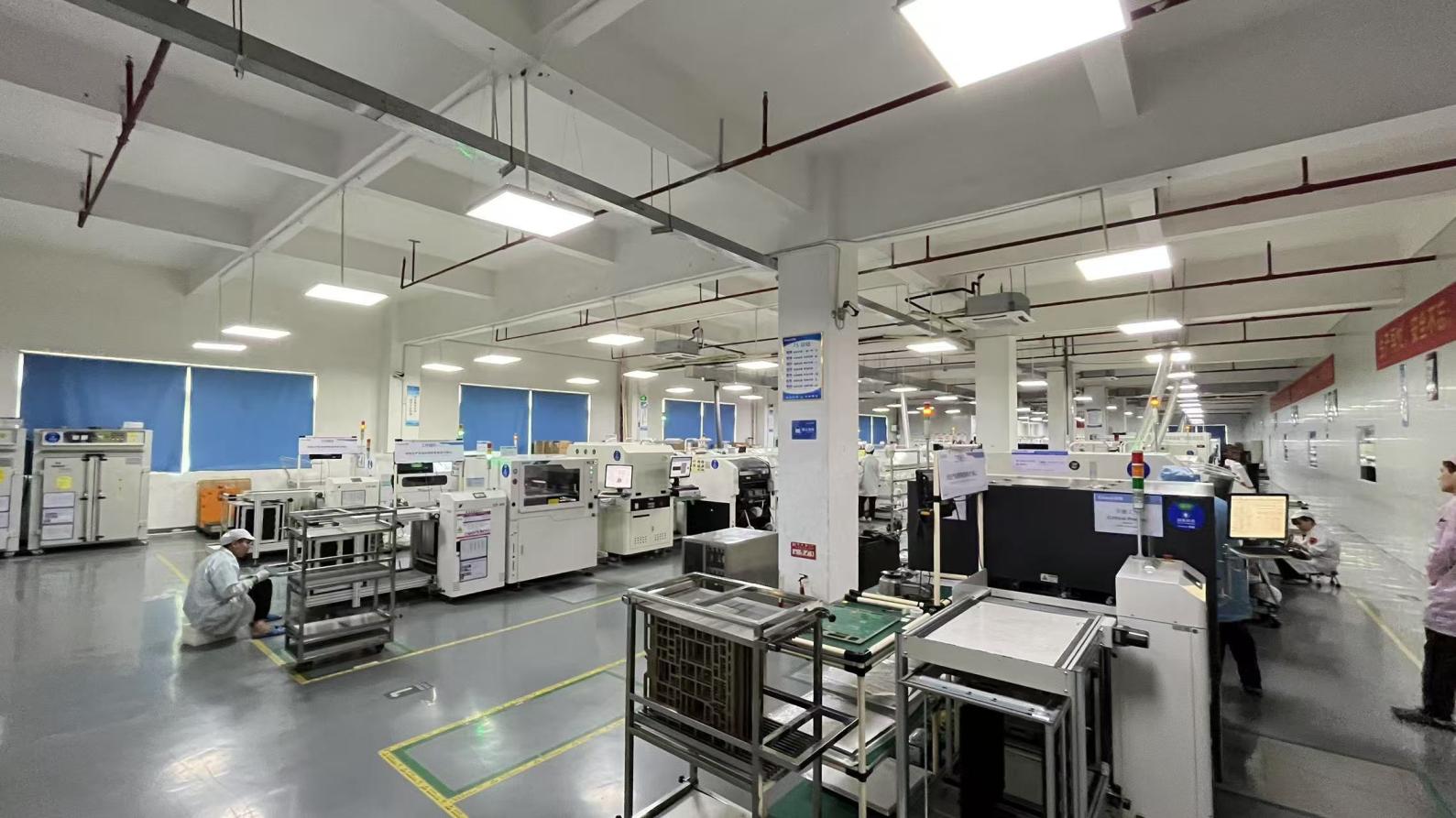
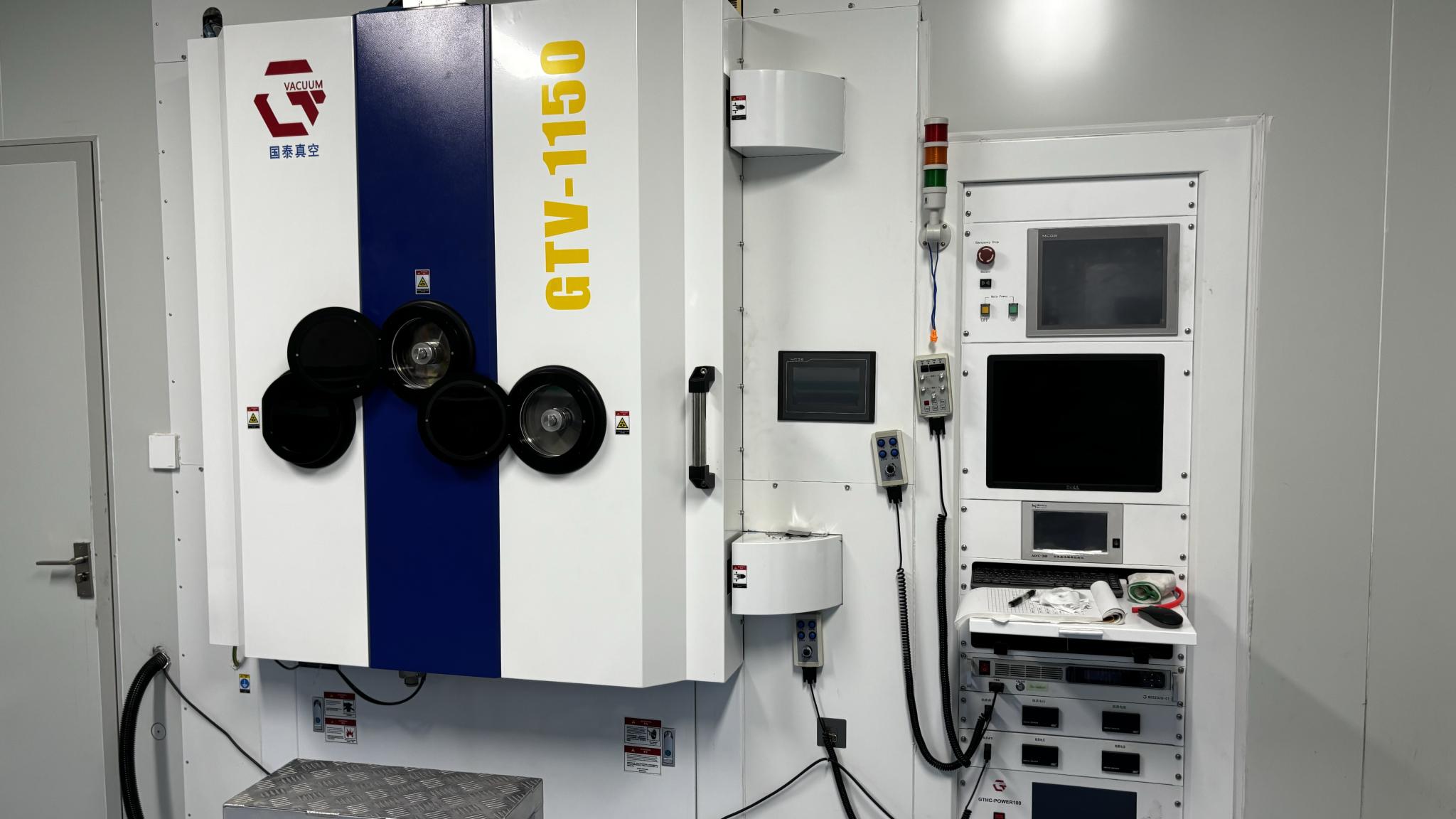
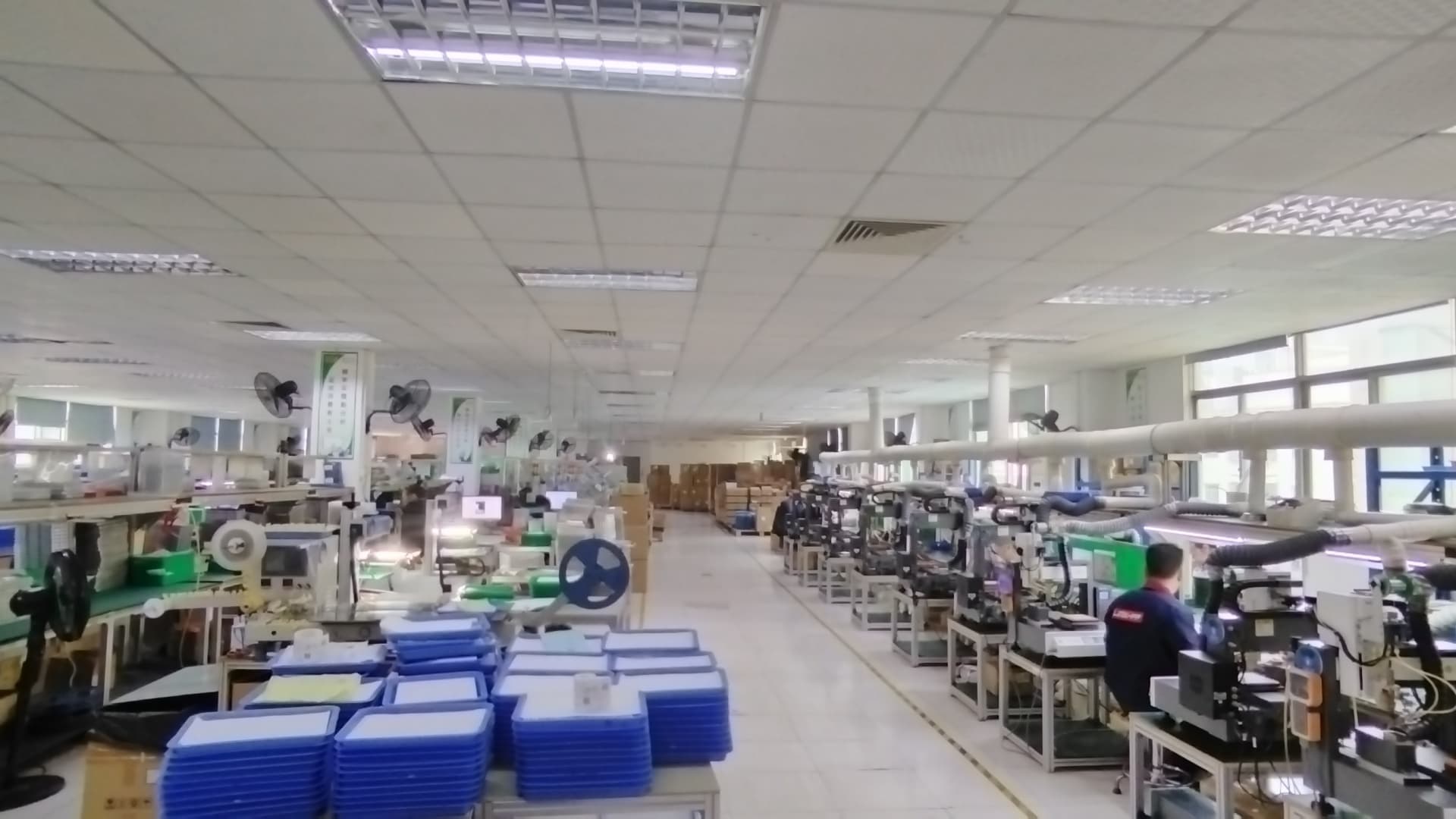
To understand the impact of high-reliability magnetics, we examine three local engineering environments in Boston where our LAN transformers operate as critical links in physical hardware architectures.
For marine exploration technology developed off the coast of Massachusetts, autonomous underwater vehicles (AUVs) rely on high-definition camera feeds and sensor arrays communicated over tethered gigabit copper Ethernet. Due to the damp, salt-rich environment and constant acceleration forces, the hardware must utilize robust through-hole technology (THT) like the QD18A11. Its robust pin architecture resists mechanical stress better than traditional surface-mount variants, ensuring that deep-sea telemetry remains uninterrupted.
Cryo-Electron Microscopy (Cryo-EM) setups generate terabytes of raw data that must be transferred immediately to processing nodes. This demands high-performance 10G Base-T links. Operating at high frequencies (up to 500 MHz), these copper paths require magnetics like the XF-GH-002, which features strict common-mode rejection profiles to filter out ambient electromagnetic noise generated by nearby laboratory chillers and high-voltage supply lines.
Boston’s municipal energy grids are continually modernizing using smart controllers. These devices are mounted in outdoor cabinets exposed to extreme New England winters and humid summers. SMT Lan Filter modules, such as the NS0013BLF, provide critical transient voltage protection (complying with IEEE 802.3 rules) to protect sensitive microcontroller units (MCUs) from high-voltage surges induced by lightning strikes or grid switching events.
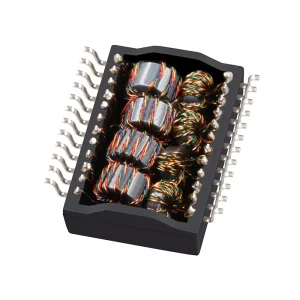
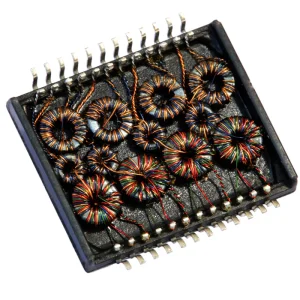
A standard LAN transformer module is not merely a copper coil wrapped around an iron ring. It is an optimized network of high-frequency components designed to optimize signal transfer while maintaining safety isolation. The typical internal circuit consists of three core components:
As data rates increase to 10G Base-T, parasitic capacitances (inter-winding capacitance) and leakage inductances must be minimized. This requires precise control over the number of wire turns and the twisting tension of the magnet wire. FiberNova’s automated winding systems keep tolerances within ±2%, ensuring that return loss (S11) remains below -10dB up to 500 MHz, and insertion loss (S21) is kept under 1.0dB.
The networking hardware landscape is shifting toward smaller, faster, and more integrated modules. Below are the key structural trends shaping the design of LAN magnetics:
For automated assembly lines, standard 4-pair Ethernet cables are often too bulky. Single Pair Ethernet (SPE, 100BASE-T1 / 1000BASE-T1) is emerging as a lighter alternative, requiring specialized 1-pair magnetic units. This allows automotive and factory robotics architectures to drop weight and reduce connector footprints significantly.
Designers increasingly choose integrated RJ45 jacks (magjacks) where the LAN transformer, common-mode choke, and Bob Smith termination resistors are housed directly inside the metal shielding of the connector. However, discrete LAN transformers (like our SMD series) remain the preferred choice for hardware developers who require customized placement on complex multilayer PCBs to optimize thermal layouts and maximize EMI isolation.
With the expansion of PTZ cameras, digital signage, and thin-client terminals, delivering up to 90W/100W over standard Category cables is now common. Future LAN transformers must implement thicker magnet wire (AWG 30-32) and larger toroidal cores to handle the increased current load without overheating or generating localized magnetic saturation.
Select from our extensive inventory of high-performance telecom and industrial magnetics, engineered to meet international IEEE compatibility specs and drop-in replacements for standard global layouts.
In the current electronic component marketplace, procurement security is highly valued. Component shortages and long lead times can delay critical hardware development. FiberNova provides seamless drop-in replacements for standard industry models, helping procurement engineers in Boston secure their supply chains.
Our products feature PCB footprints and electrical properties compatible with major magnetic manufacturers. If your bill of materials (BOM) specifies parts from Pulse Electronics, Halo Electronics, or Würth Elektronik, we can assist in identifying the equivalent FiberNova product. Contact our support team for a detailed cross-reference report and to request engineering evaluation samples.
Answering the most common inquiries from design engineers and component buyers regarding high-frequency networking magnetics.
LAN transformers provide galvanic isolation, typically rated at 1500Vrms. They use toroidal isolation windings to prevent direct electrical contact between the physical cable and the transceiver IC (PHY). High-voltage transients (such as ESD or nearby lightning) are blocked by this barrier, preventing them from reaching and damaging sensitive low-voltage silicon chips.
Power over Ethernet (PoE) injects DC current into the signal wire pairs. If this DC current is unbalanced between the two halves of a center-tapped winding, it generates a net DC magnetic flux in the core. If this flux is too high, it can saturate the ferrite material, leading to a drop in primary inductance (OCL). To prevent this, we design cores with higher saturation flux density material and employ precision winding to ensure impedance and resistance balance between the paths.
Yes, but they must meet specific environmental and electrical requirements. Standard automotive networks use Single Pair Ethernet (SPE / 100BASE-T1 / 1000BASE-T1) instead of 4-pair systems. Components must also be qualified to wider operating temperature ranges (-40°C to +125°C) and exhibit higher vibration resistance than standard commercial office-grade network magnetics.
10G Base-T operates at frequencies up to 500 MHz, compared to 125 MHz for standard Gigabit Ethernet. At these high frequencies, parasitic elements like inter-winding capacitance and leakage inductance become significant sources of signal degradation. Managing return loss, insertion loss, and inter-pair crosstalk (NEXT/FEXT) requires precise control over the transformer's geometry and internal layout.
Discrete LAN transformers offer board layout flexibility, allowing engineers to place the magnetics closer to the PHY chip to optimize high-speed trace routing. They also allow for customized shielding and thermal management designs on the PCB, and are generally easier to replace or repair during prototyping compared to single-piece metal-shielded RJ45 modules.
Our LAN transformers are designed and tested to comply with IEEE 802.3 specifications, including 1500Vrms isolation limits. We use RoHS and REACH-compliant materials, and our manufacturing processes conform to ISO 9001 and ISO 14001 standards, ensuring high quality and environmental responsibility.
 FiberNova