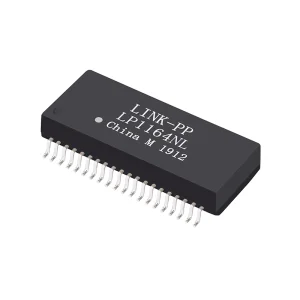
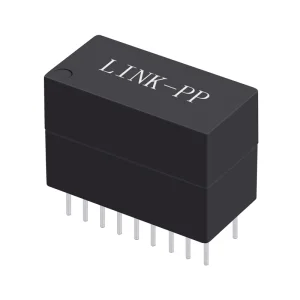
High-performance LAN magnetics designed for zero packet loss, critical isolation barriers, and robust signal integrity.
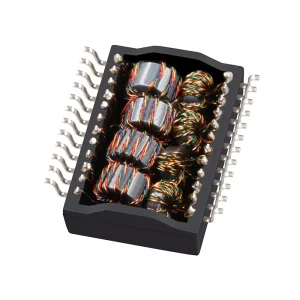
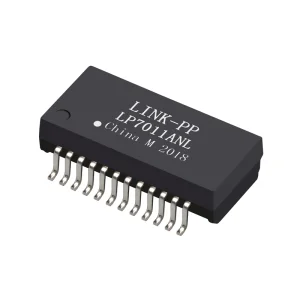
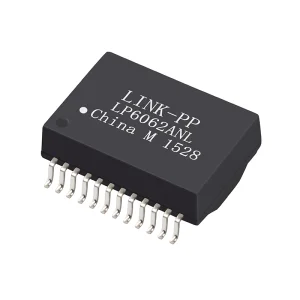
In the contemporary digital era, the reliability of physical-layer interfaces stands as the foundation of network communication. LAN transformers, acting as galvanic isolation barriers and noise suppression components, play an indispensable role in Ethernet lines. For Milan and the wider Lombardy region—the industrial powerhouse of Italy and a leading hub of European smart manufacturing (Industria 4.0)—securing high-performance LAN magnetic modules is critical to sustaining industrial output and infrastructure resilience.
Milan is witnessing a rapid convergence of physical industrial production and digital intelligence. The region’s electronics manufacturers, energy network integrators, and automotive designers require LAN magnetics that go far beyond standard office networking requirements. Key local demand drivers include:
Industrial IoT & Automation (EtherCAT & Profinet): High-precision manufacturing plants in Sesto San Giovanni and Monza depend on deterministic real-time communication protocols. These systems require LAN magnetics with ultra-low insertion losses and exceptional Common Mode Rejection Ratio (CMRR) to operate reliably adjacent to high-voltage heavy machinery.
Smart Energy & Smart Grids: Lombardy's transition to a localized smart grid network demands communication modules integrated into substations and power distribution units. These modules must feature isolation ratings up to 2.25kV DC to satisfy stringent European IEC standards.
Automotive Ethernet: Milan-based R&D centers focusing on next-generation electric vehicles (EVs) are designing high-speed internal networks based on 100BASE-T1 and 1000BASE-T1 standards. They demand AEC-Q200 qualified magnetic components capable of operating across an extended temperature range of -40°C to +125°C.
"To satisfy the rigorous expectations of Milan's tier-1 industrial integrators, LAN transformers must achieve an optical-grade build quality that ensures a Mean Time Between Failures (MTBF) exceeding 10 million hours, with strict adherence to IEEE 802.3 Ethernet physical layer rules."
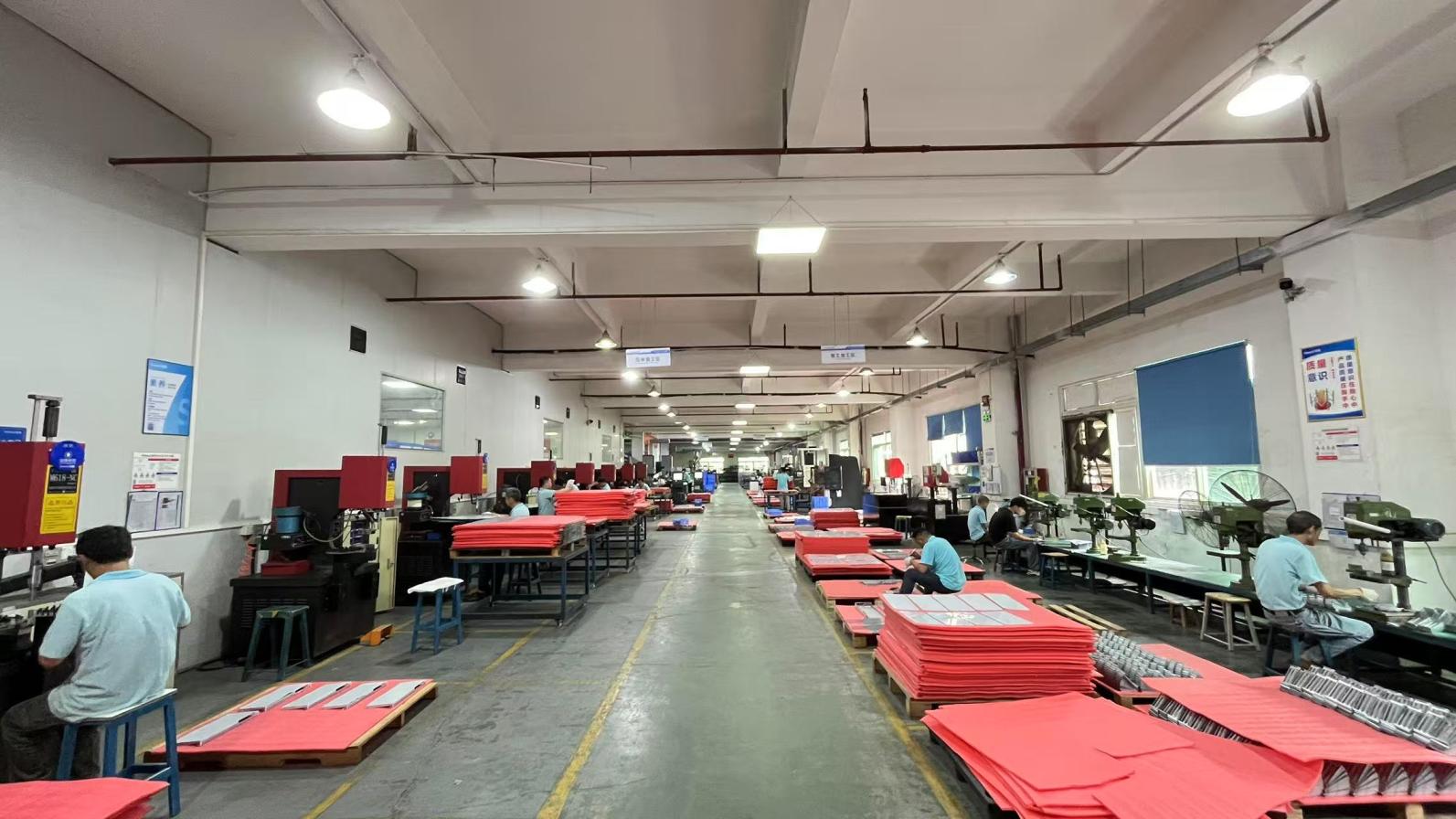
At the global level, LAN transformer manufacturing is characterized by highly automated coil-winding technology and rigid quality verification procedures. Leading manufacturers, like FiberNova Optical Communication Tech Co., Ltd., have established direct engineering-to-production channels to support high-growth urban hubs like Milan. By bridging state-of-the-art winding machines, rigorous electromagnetic interference (EMI) simulation processes, and localized distribution networks, global factories prevent local bottlenecks and guarantee a secure supply chain.
Underpinned by 12 years of industry-leading expertise and strict IEEE conformity testing.
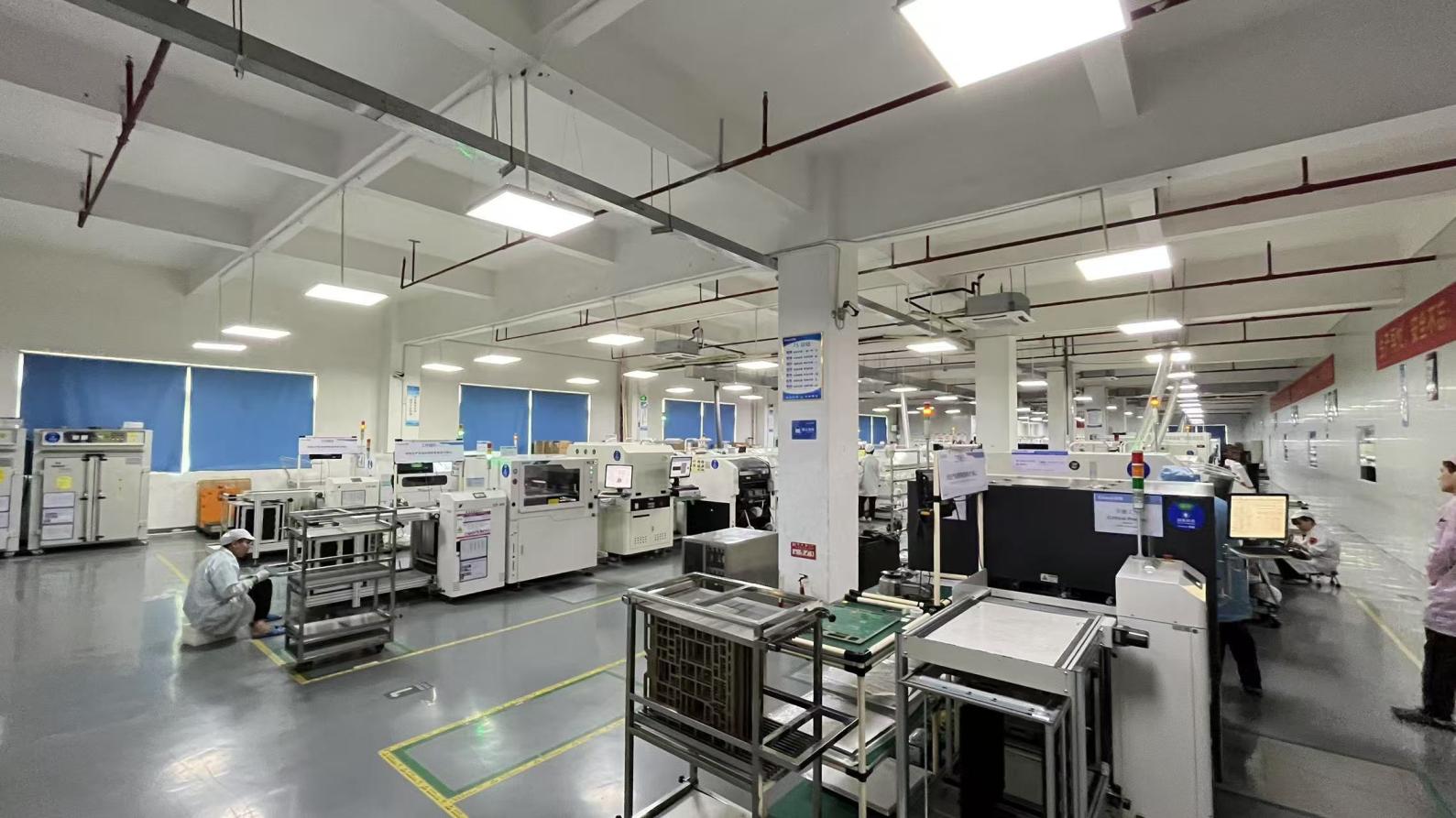
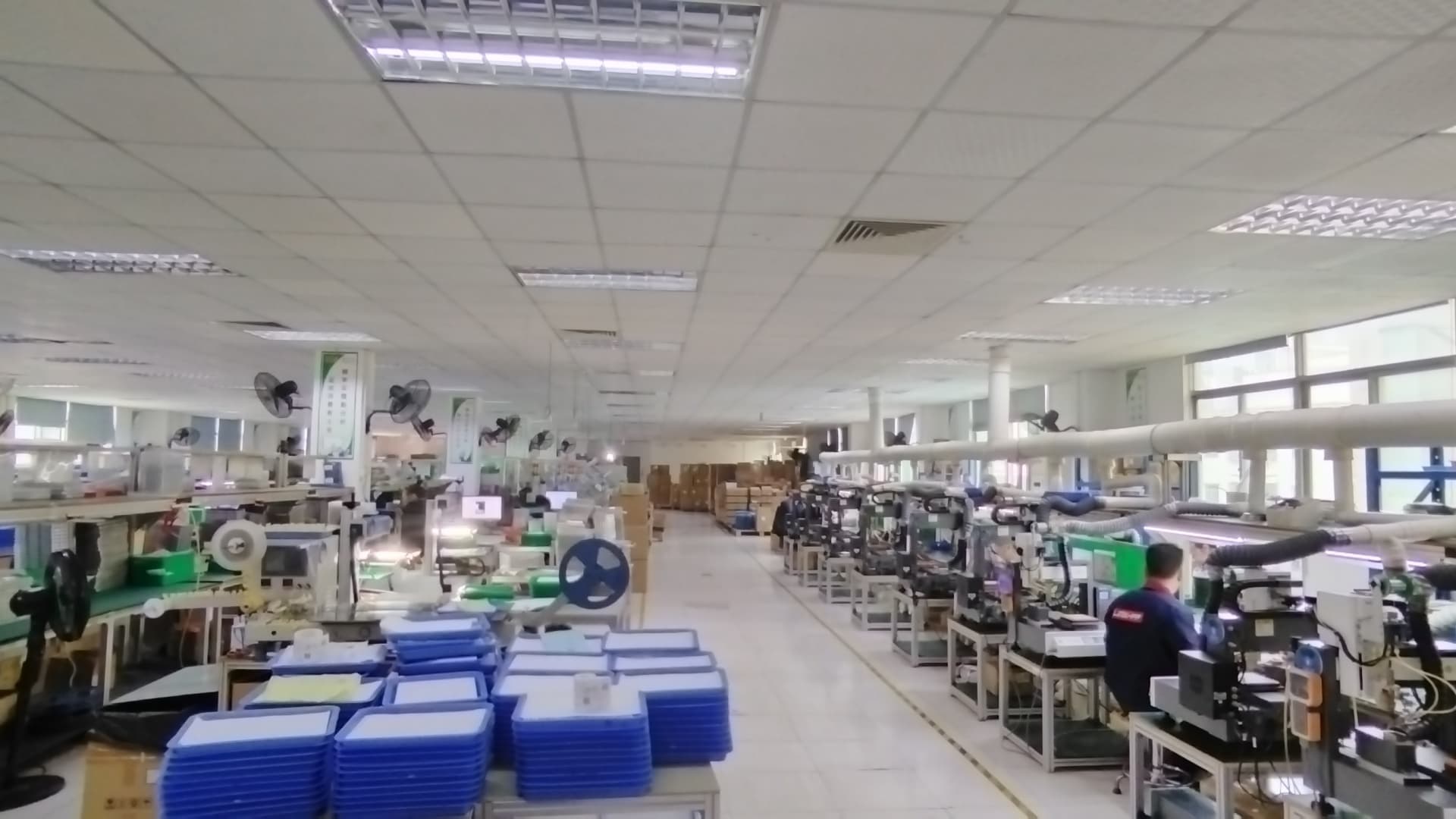
Established in 2016, FiberNova Optical Communication Tech Co., Ltd. (FiberNovaTransceivers.com) has built a robust reputation as a professional manufacturer. Operating from a modern production facility of 380㎡, we specialize in high-reliability communications infrastructure. Supported by 6 years of export experience, we supply key telecommunications, networking, and industrial companies in the United States, Germany, Japan, South Korea, and the United Arab Emirates, generating an annual export revenue of USD 8–15 million.
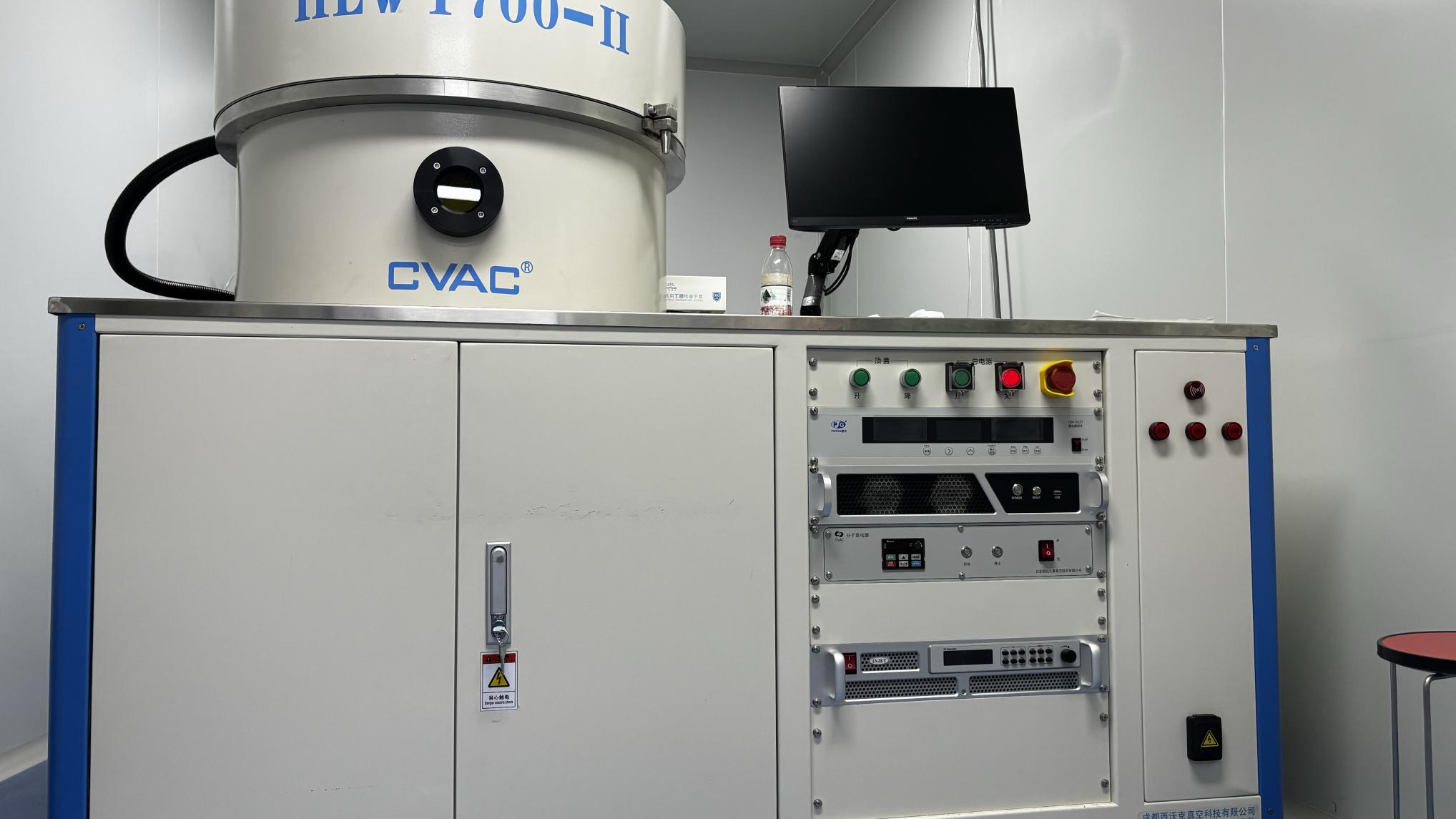
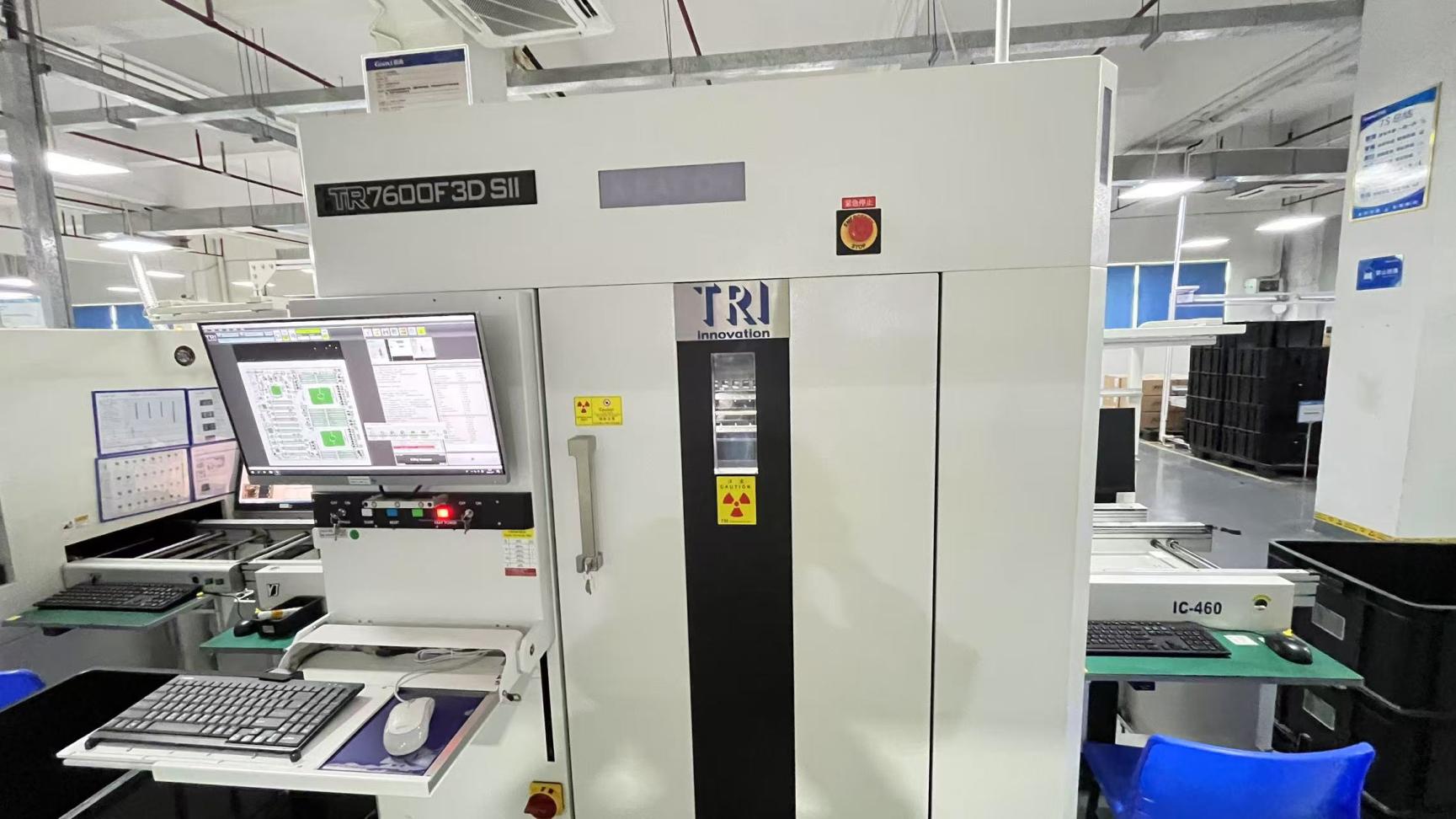
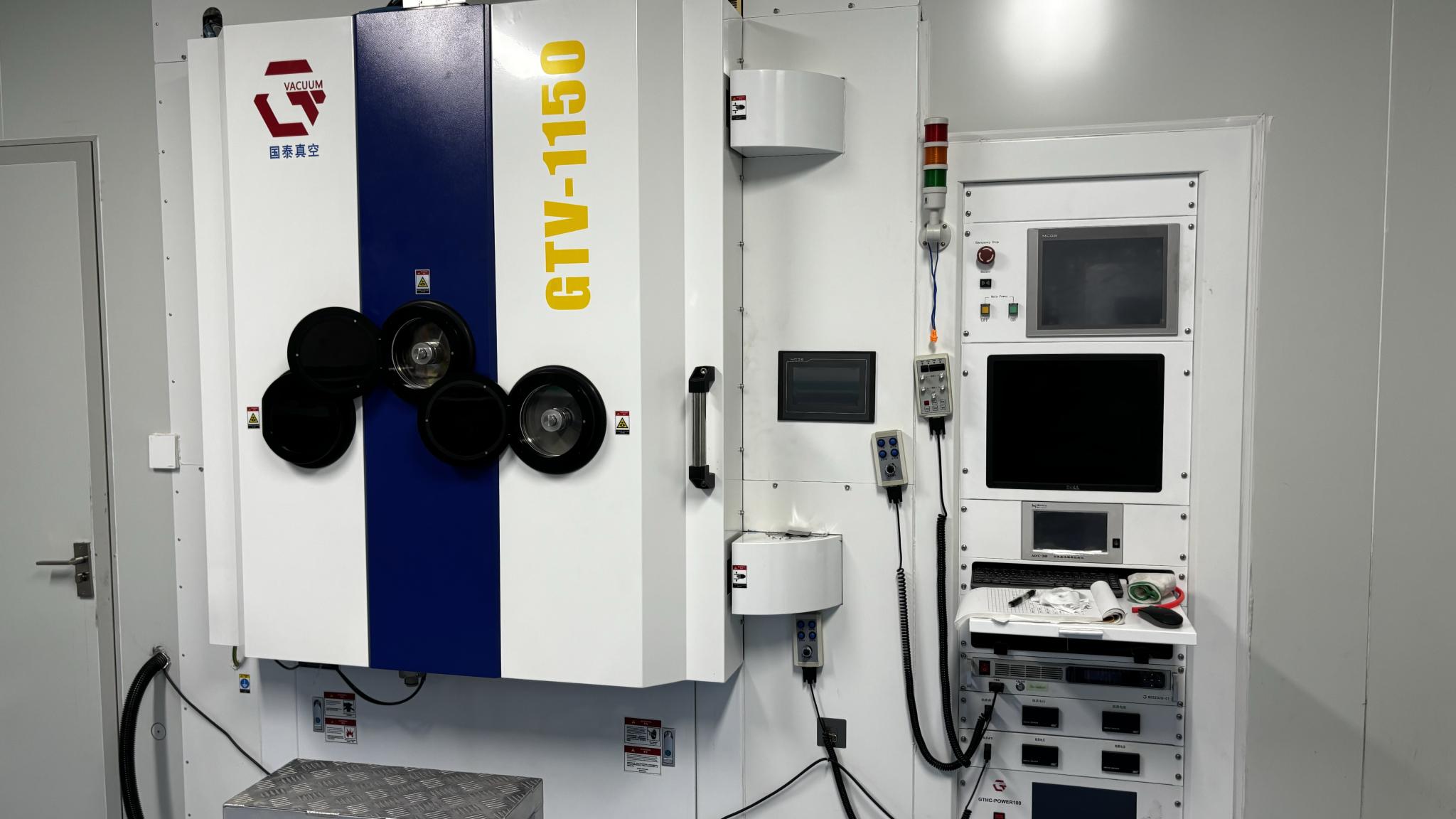
Our quality assurance program is built around 100% optical performance testing, temperature cycling tests, and signal integrity inspection. With 45 professional QC staff, we verify that every unit aligns with IEEE 802.3 and MSA specifications. We sustain collaborative relationships with over 1,200 supply chain partners, ensuring steady sourcing of high-grade toroidal cores, copper wires, and SMT carriers.

In high-density industrial and automotive networks, magnetic components face severe spatial and environmental constraints. Selecting the right LAN transformer architecture requires assessing critical electromagnetic traits:
International safety standards, including IEC 62368-1, define isolation thresholds for network interfaces. Modern LAN transformers rely on toroidal magnetic cores insulated by high-temperature polymers, providing standard isolation of 1500V AC. In medical or high-voltage energy systems, reinforced isolation units achieve up to 3000V AC or 4500V AC.
Common Mode Chokes (CMC) integrated into LAN transformers are essential for filtering out common mode EMI. This noise is typically generated by nearby high-speed bus interfaces, switches, or converters. Proper design ensures high impedance at noise frequencies while leaving the differential mode Ethernet signal unaffected.
Standard telecom components operate between 0°C and 70°C. However, industrial environments require designs that tolerate temperatures ranging from -40°C to +85°C. For automotive integration, components undergo AEC-Q200 testing to verify their resistance to vibration, thermal cycling, and physical shock.
| Ethernet Standard | Transmission Rate | Isolation Voltage (Vrms) | Common Mode Rejection Ratio | Typical Applications |
|---|---|---|---|---|
| 100BASE-TX | 100 Mbps | 1500 Vrms | -35 dB (Min) @ 30MHz | Automation Controllers, Legacy Telecom |
| 1000BASE-T (PoE+) | 1 Gbps | 1500 Vrms | -40 dB (Min) @ 100MHz | Industrial IoT, High-Definition Surveillance |
| 10GBASE-T | 10 Gbps | 1500 Vrms | -45 dB (Min) @ 250MHz | Data Centers, Server Farms, Core Routers |
Select from our array of single, dual, and quad-port magnetic solutions, featuring various mounting layouts.
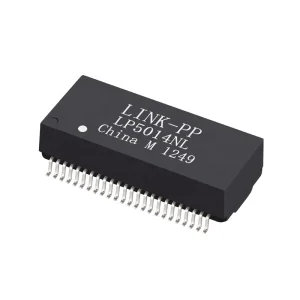
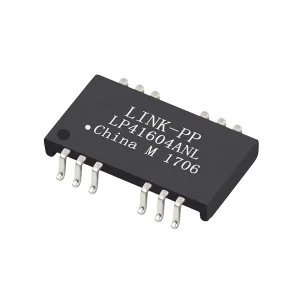
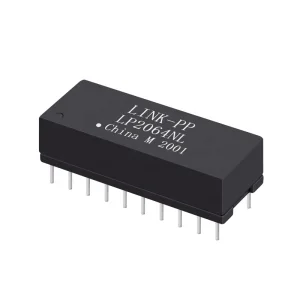
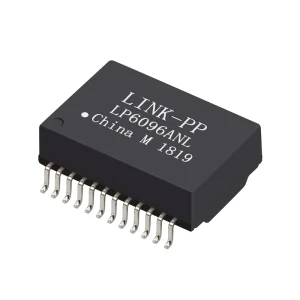
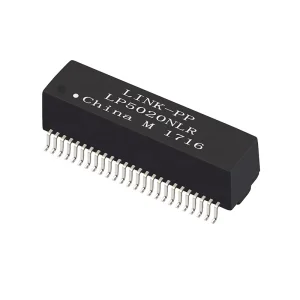
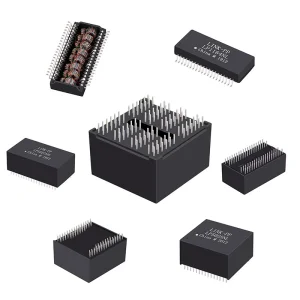
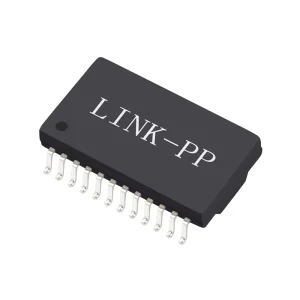
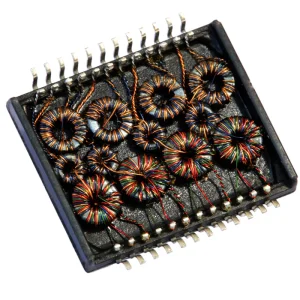
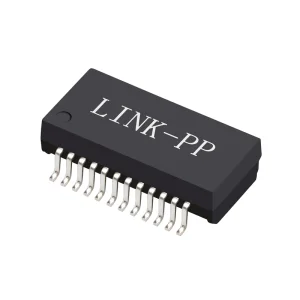
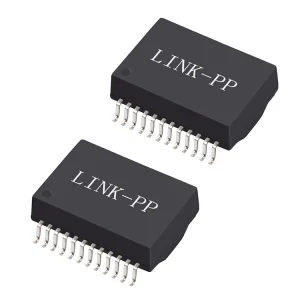
Key considerations for hardware design, regulatory standards, and sourcing for the European market.
 FiberNova