Premium hardware built to strict MSA and IEEE standards. Direct sourcing from FiberNova's precision lab facility.
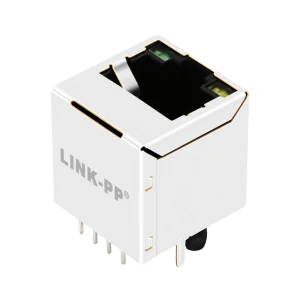
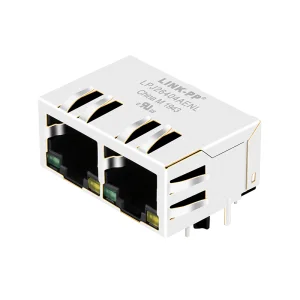
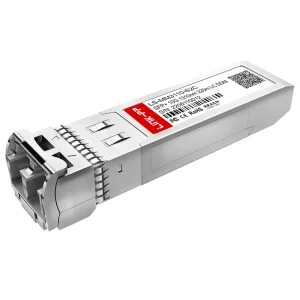
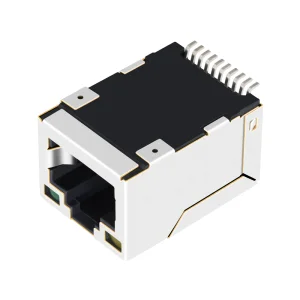
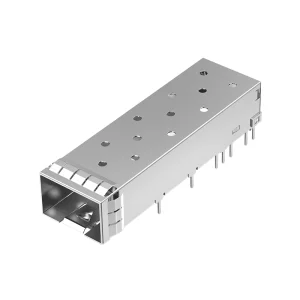
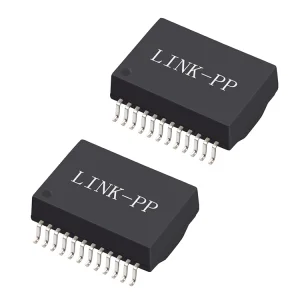
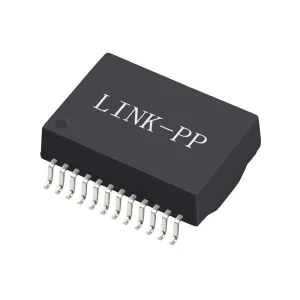
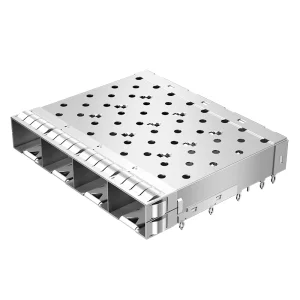
Expert engineering and high-quality optical components designed for maximum performance, minimal insertion loss, and ultimate reliable interconnectivity.
Established in 2016, FiberNova Optical Communication Tech Co., Ltd. (FiberNovaTransceivers.com) represents the pinnacle of Chinese precision manufacturing in high-speed optical communications. Managing a specialized cleanroom facility covering approximately 380㎡, we deploy cutting-edge engineering methodologies to develop components serving hyperscale data centers, telecommunication carriers, and system integrators globally.
Supported by a comprehensive network of over 1,200 supply chain partners, our operations achieve an annual export revenue of USD 8–15 million. FiberNova products are widely deployed in the United States, Germany, Japan, South Korea, and the United Arab Emirates. Over 6 years of export history ensures our capabilities in executing demanding OEM/ODM projects, aligning precisely with international compatibility frameworks.
Optical fiber adapters (also referred to as mating sleeves or couplers) serve as critical components in modern telecommunications infrastructure. They allow optical connectors to align precisely at sub-micron tolerances, ensuring uninterrupted lightwave propagation. Across North America, Europe, and Asia-Pacific, the roll-out of 5G, massive cloud computing clusters, and fiber-to-the-home (FTTH) networks has driven massive demand for highly reliable, low-insertion-loss coupling products.
According to industrial database reports, the global optical fiber connector and adapter market is projected to reach over USD 7.8 Billion by 2028, growing at a CAGR of 8.5%. This growth is accelerated by data centers expanding their port densities using MPO/MTP and LC duplex adapters.
China has solidified its position as the global hub for wholesale optical component manufacturing. Chinese exporters supply over 60% of the world's passive fiber optics. This industrial capacity is concentrated in technical clusters where raw material sourcing (such as high-purity zirconia ceramic dust and precision plastics), tooling development, and optical testing labs are co-located, reducing production cycles and cost.
Strict alignment with Telcordia GR-326-CORE and IEC 61754 standards ensures reliable, universal integration into existing infrastructure networks.
Engineered using ultra-high-density Zirconia Ceramic Sleeves, achieving concentricity tolerances below 0.5μm for minimal insertion loss.
Engineered to withstand broad operating temperatures (-40°C to +85°C), essential for outdoor FTTx cabinets and industrial field connections.
In high-speed physical networks, signal degradation is a critical concern. At the physical layer, the mating quality between two fiber ceramic ferrules determines the performance of the channel. FiberNova components are engineered according to strict physical parameters, minimizing Insertion Loss (IL) and maximizing Return Loss (RL).
The core component of any premium optical adapter is the alignment sleeve. While phosphor bronze sleeves are common in multi-mode applications due to cost-efficiency, single-mode configurations demand zirconia (ZrO2) ceramic sleeves. Zirconia provides the elastic limits, wear resistance, and structural memory needed to ensure that even after 1,000 matings, the coaxial alignment remains consistent.
| Adapter Parameter | Single-Mode (SM) Specifications | Multi-Mode (MM) Specifications | Testing Conditions / Standards |
|---|---|---|---|
| Insertion Loss (Typical) | ≤ 0.15 dB (Max 0.20 dB) | ≤ 0.20 dB | IEC 61300-3-4 (1310nm / 1550nm) |
| Return Loss | ≥ 50 dB (UPC) / ≥ 65 dB (APC) | ≥ 35 dB (PC) | IEC 61300-3-6 |
| Durability (Matings) | 1,000 Cycles (Change < 0.2 dB) | 1,000 Cycles (Change < 0.2 dB) | Telcordia GR-326-CORE |
| Operating Temperature | -40°C to +85°C | -40°C to +75°C | MIL-STD-202 Method 107G |
| Sleeve Material | Zirconia Ceramic (ZrO2) | Phosphor Bronze / Zirconia | High-precision injection extrusion |
Modern data networks require tailored solutions for different environments. As a professional exporter, FiberNova designs components suitable for diverse local installations:
AI clusters and cloud data centers demand high port density. Legacy LC duplex systems are evolving towards MPO/MTP interfaces and ultra-high-density VSFF (Very Small Form Factor) solutions. In these applications, multi-fiber adapters with key-up/key-down profiles are deployed within high-density patch panels to facilitate clean optical pathways. These designs are highly compatible with transceivers, network transformers, and EMI shielded cages, preventing signal crosstalk and electromagnetic interference.
Outdoor FTTH networks expose components to fluctuating humidity, UV light, and mechanical stress. Standard adapters are housed in hardened, weatherproof enclosures using APC (Angled Physical Contact) green adapters. The 8-degree angled geometry forces reflected light back into the fiber cladding rather than the core, preventing degradation of upstream transmitter lasers.
In manufacturing plants and railway networks, standard RJ45 connections and fiber nodes face severe electromagnetic noise. Standard fiber links, coupled with ruggedized, IP67-rated adapters, provide high noise immunity. This helps protect copper/fiber transceivers, network transformers, and SFP interfaces against high voltage spikes and EMI loops.
As networks scale to 800G and 1.6T, physical interface requirements are becoming more stringent. The industry is moving from traditional point-to-point fiber runs towards Co-Packaged Optics (CPO) and Silicon Photonics. FiberNova's engineering team focuses on developing products that support these advancements:
By investing in automated visual inspections and high-speed multi-mode testing equipment, we ensure our adapters are ready for the high tolerances of future optical architectures.
Direct view inside our ISO-compliant cleanrooms, high-capacity testing labs, and state-of-the-art optical assembly facilities.
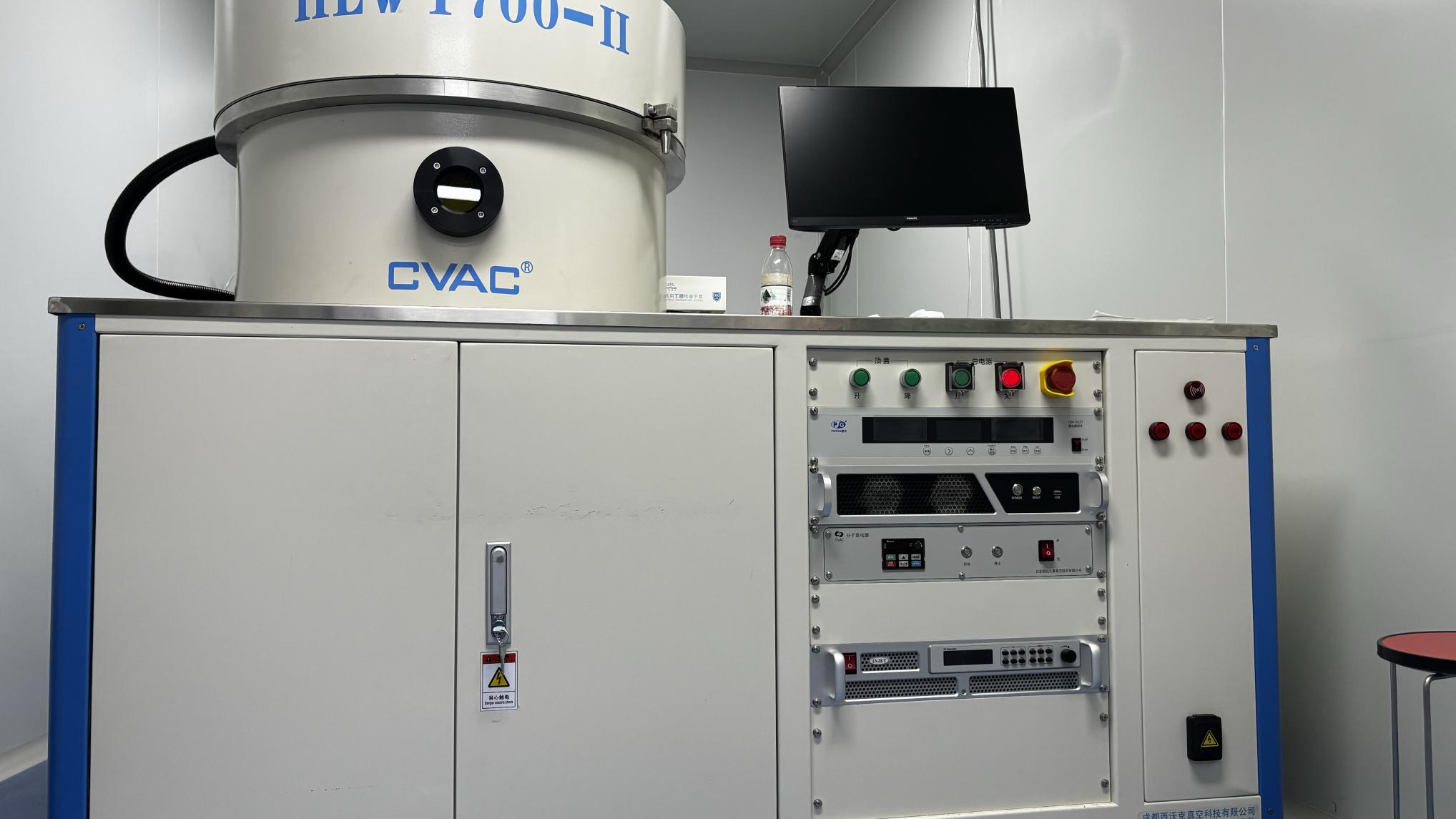
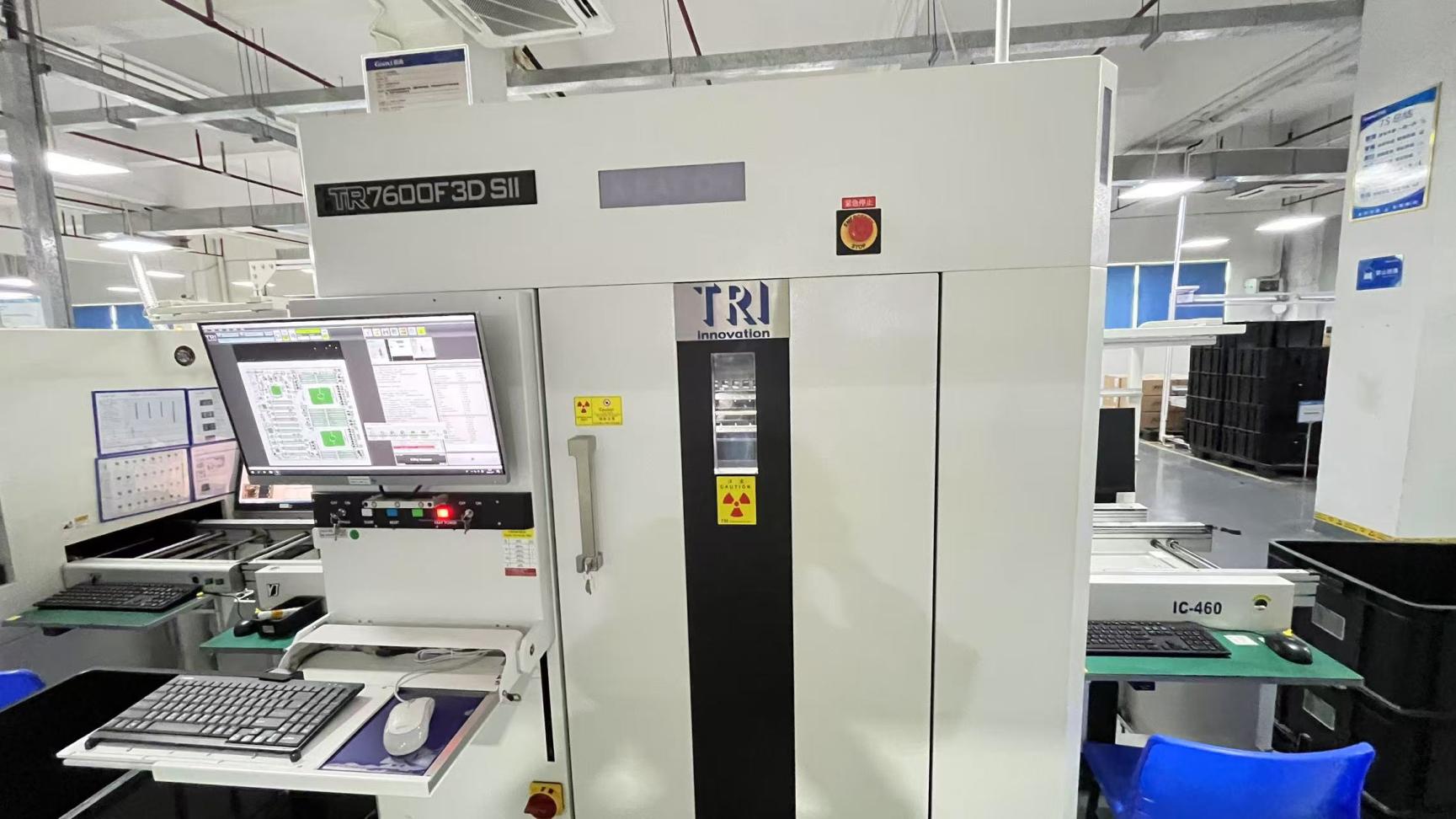
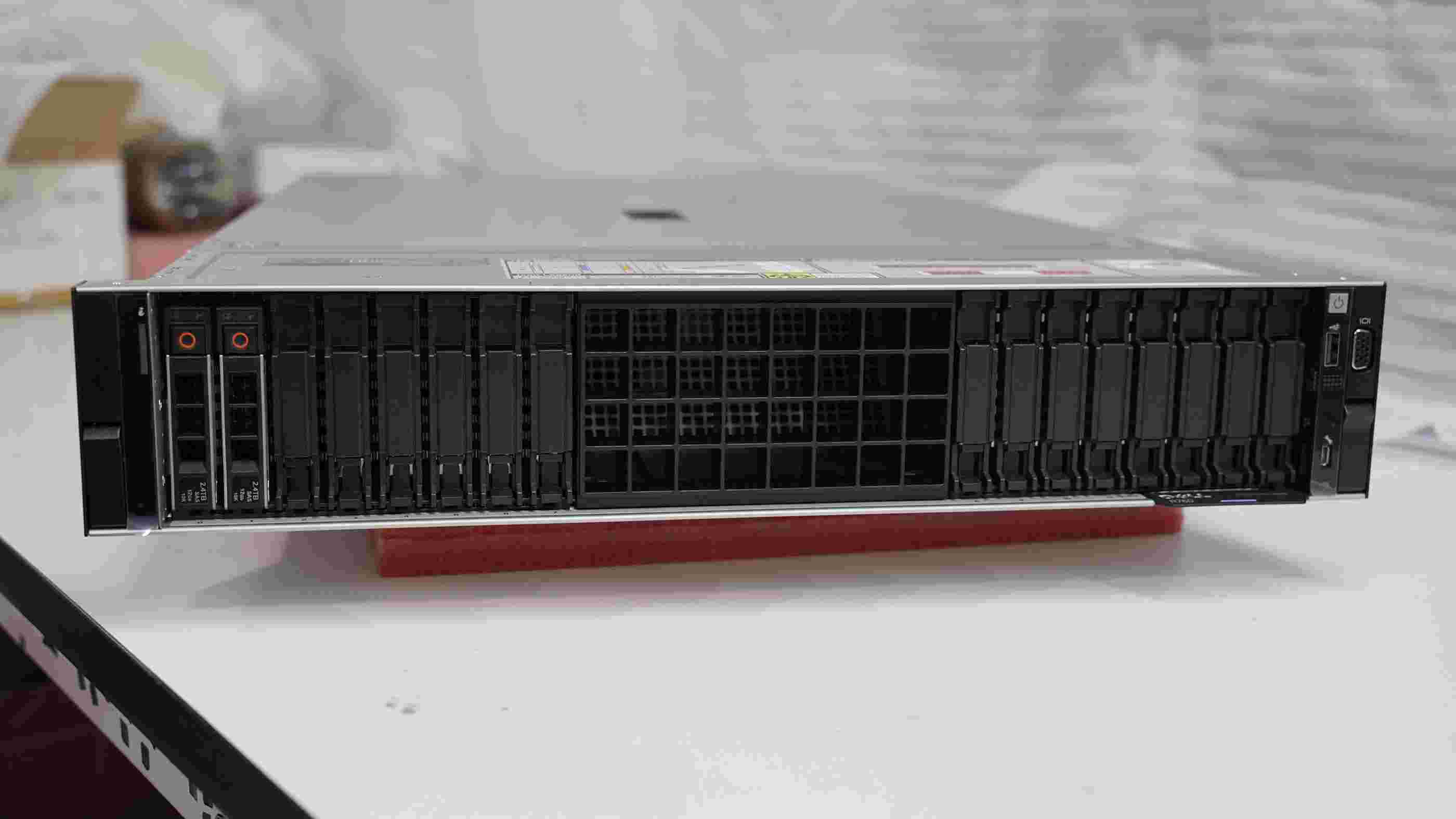

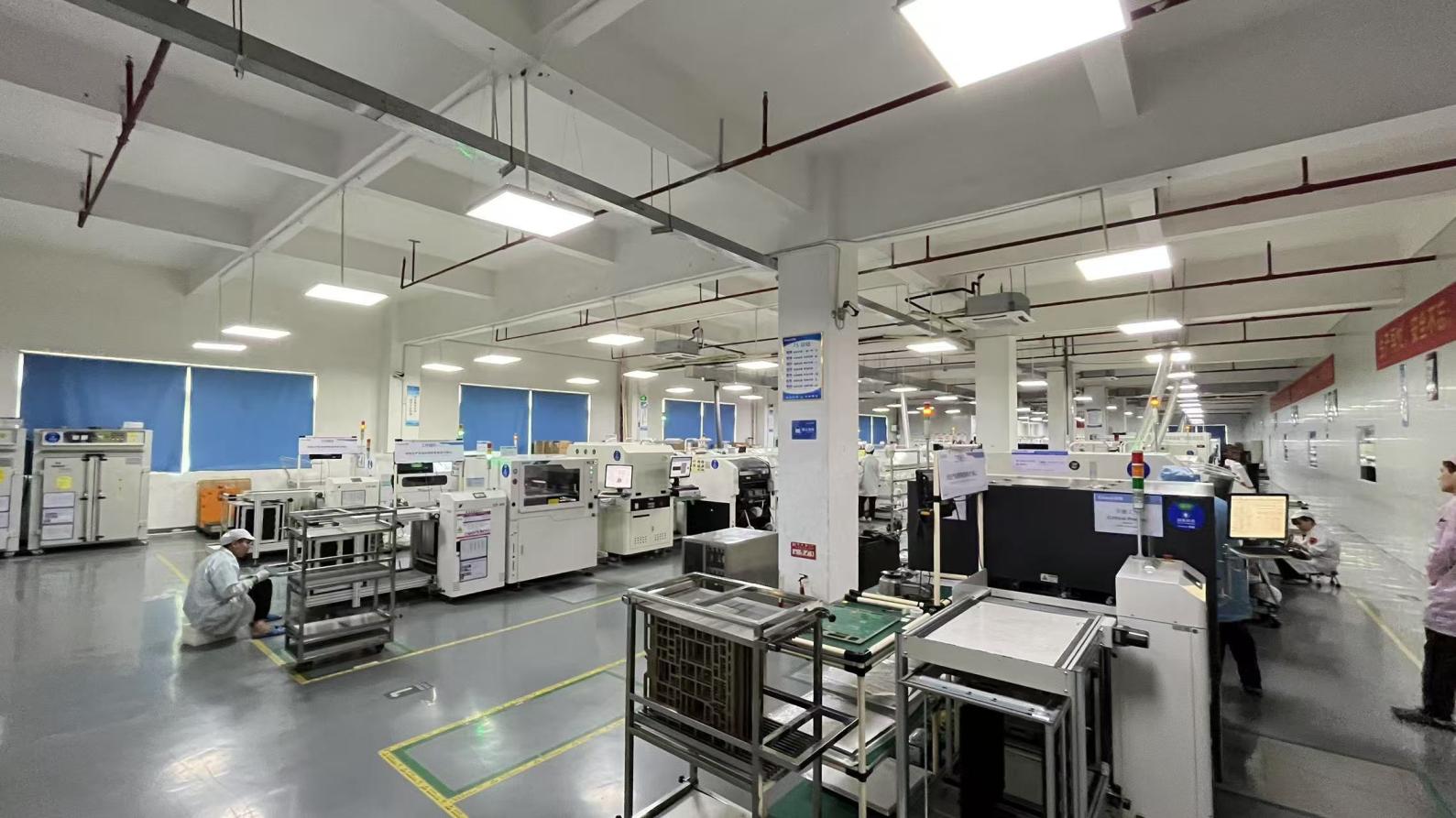
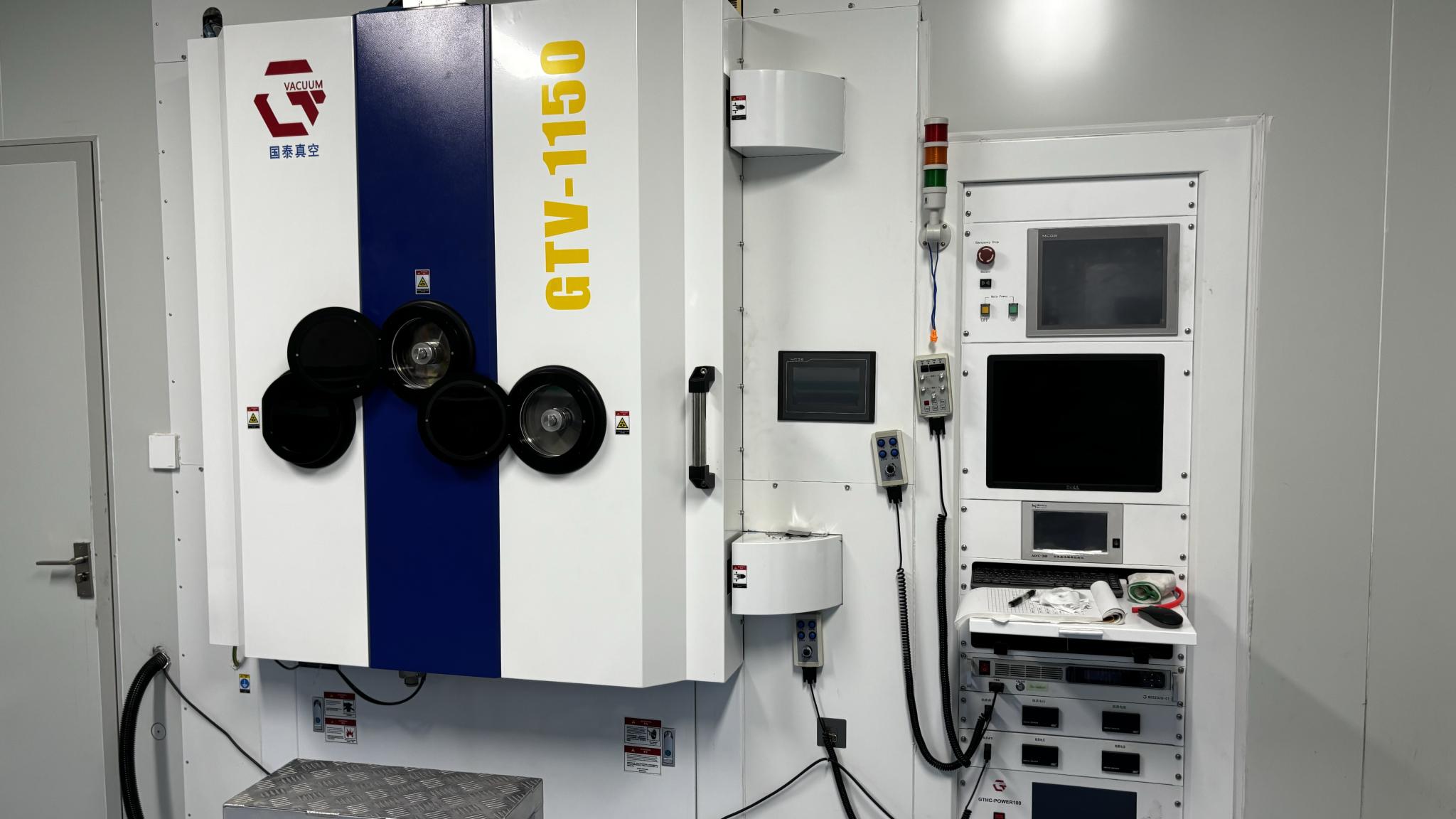
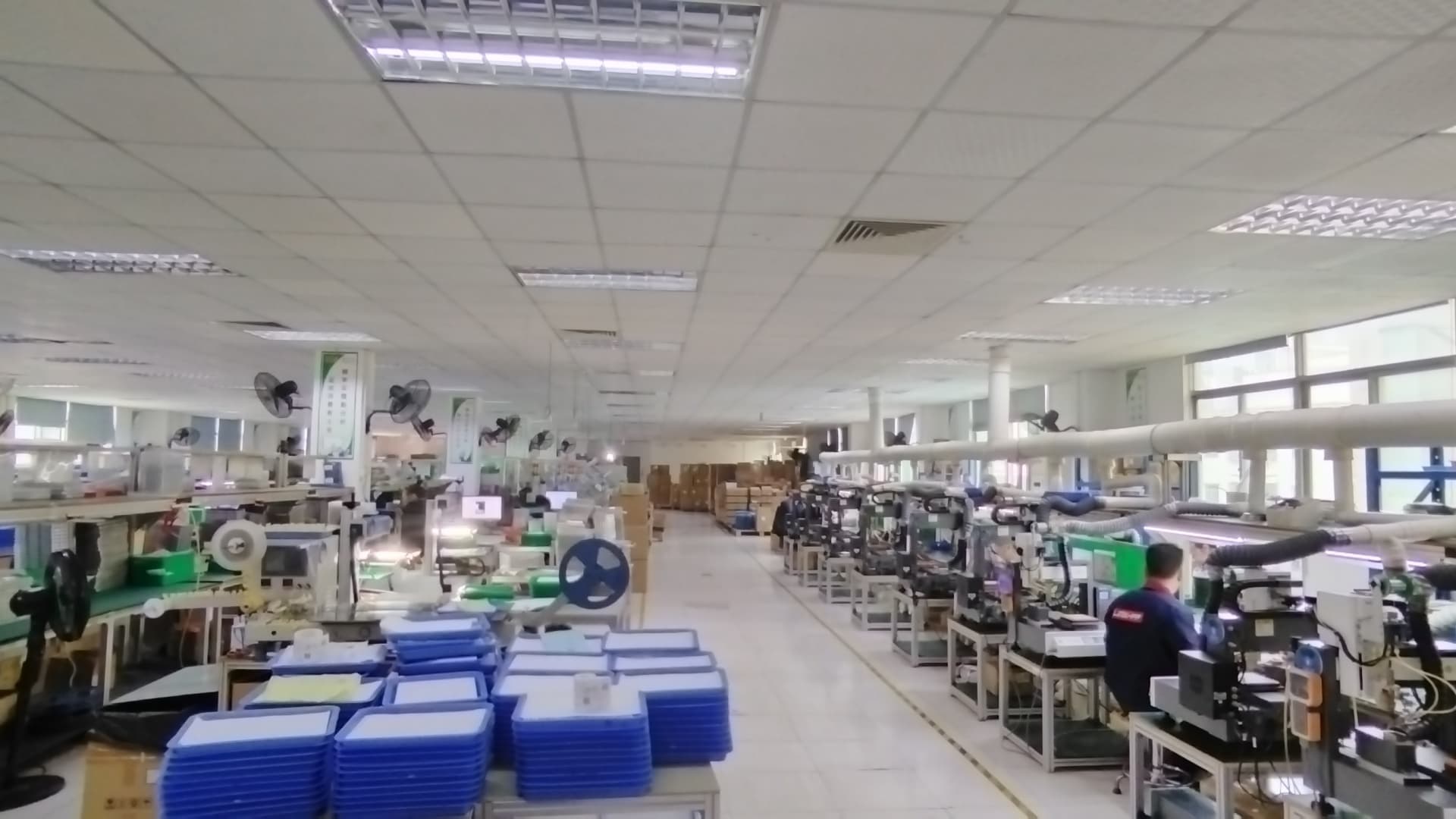
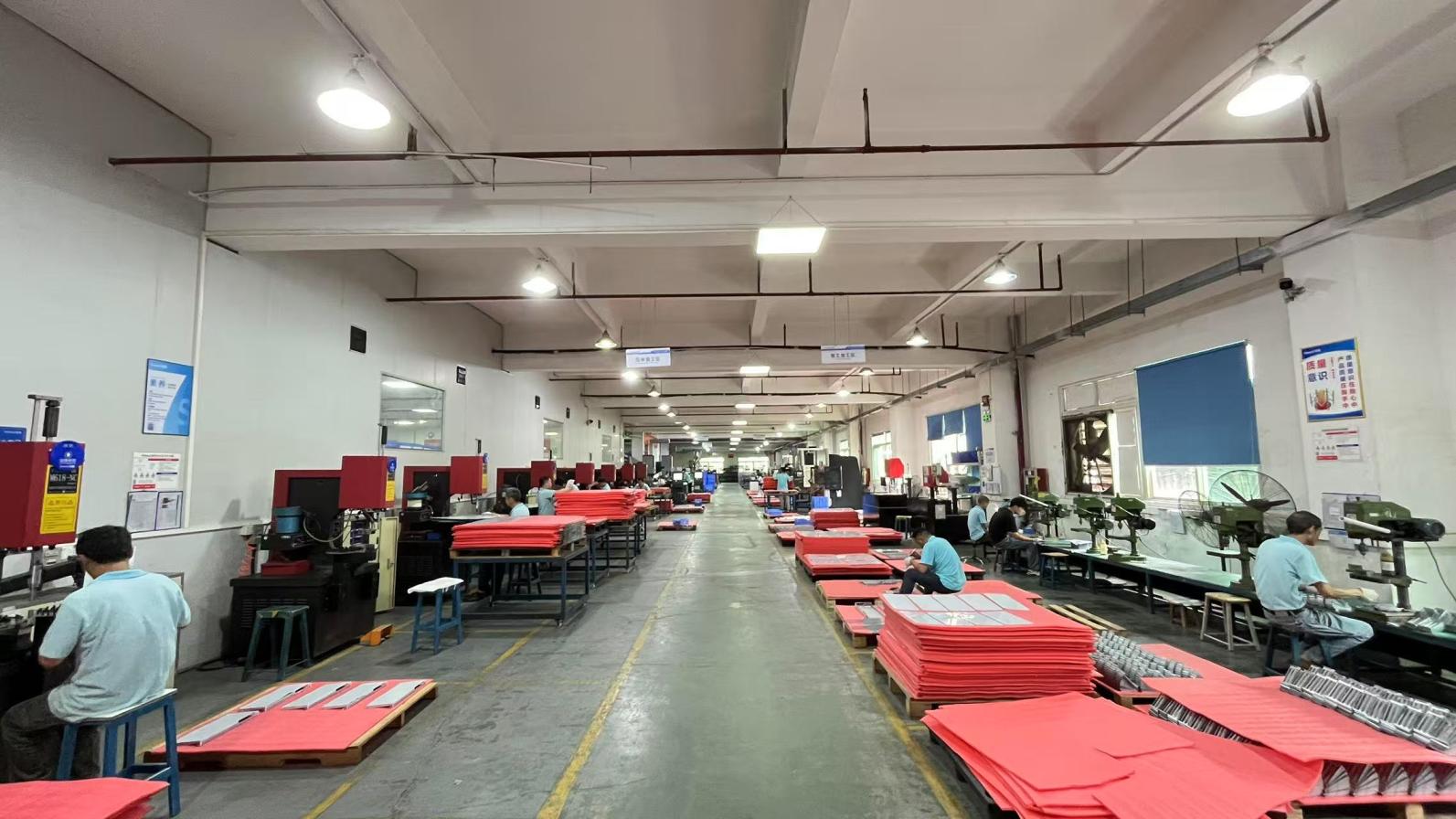
Answering high-intent technical questions asked by network engineers, optical systems architects, and wholesale buyers.
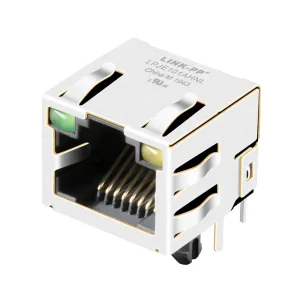
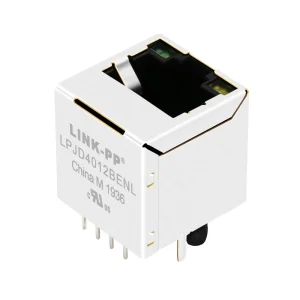
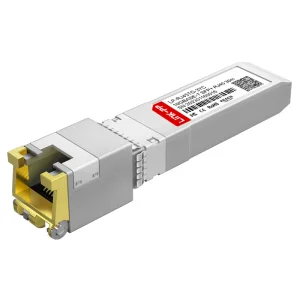
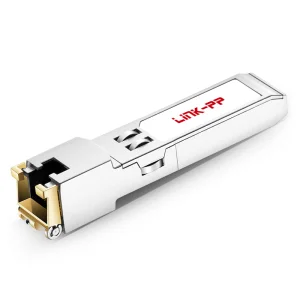
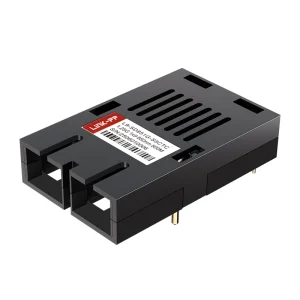
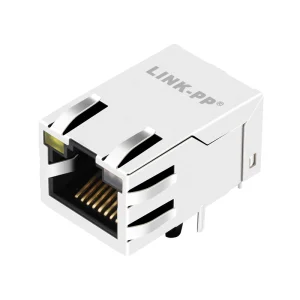
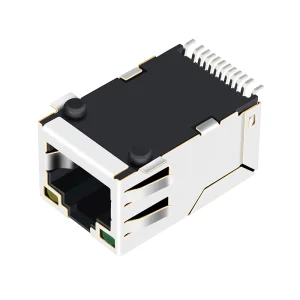
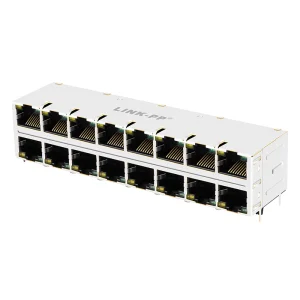
Premium RJ45 interfaces, SFP cages, and optical transceivers. Sourced directly from FiberNova.
 FiberNova