Premium Ethernet connectors optimized for data link integrity, high vibration tolerances, and extended mechanical service life.
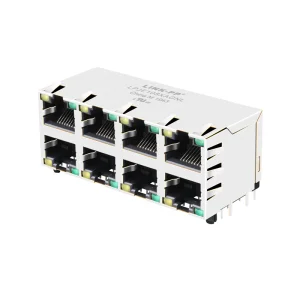
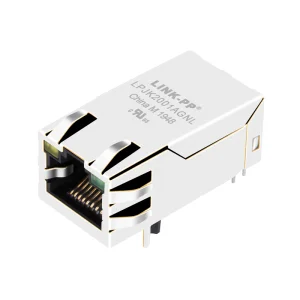
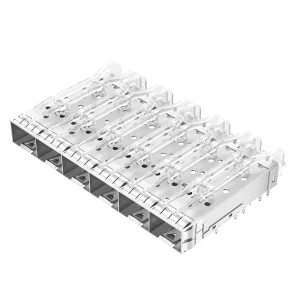
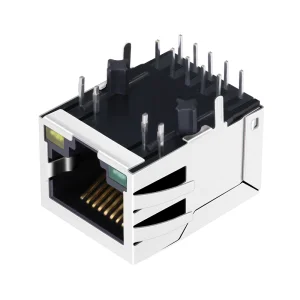
France's industrial framework has transitioned significantly into smart digitization, spearheaded by initiatives such as Alliance Industrie du Futur (AIF). This structural modernization drive demands highly standardized, robust networking interfaces. In factories throughout regions like Auvergne-Rhône-Alpes and Hauts-de-France, manufacturing networks require high-performance **RJ45 female connectors** that can survive harsh environments while delivering continuous Ethernet transmission.
Industrial automation is not the only sector calling for high-reliability connectors. The French rail infrastructure (SNCF network), aerospace leaders (headquartered in Toulouse's Aerospace Valley), and localized smart-grid electrical installations managed by system integrators like Schneider Electric and Legrand, all require network interface components that conform to stringent European standards. Electrical noise from high-frequency variable speed drives, pneumatic switchgear, and traction systems makes electromagnetic compatibility (EMC) a critical parameter for French systems design.
Moreover, any networking component integrated into French enterprise networks or public infrastructure must strictly comply with **EU REACH (Registration, Evaluation, Authorisation and Restriction of Chemicals)** regulations and the **RoHS (Restriction of Hazardous Substances)** directive. In response to these criteria, localized procurement channels in France have faced supply chain stress, leading manufacturing engineers to seek reliable global partners capable of supplying high-spec modular components directly from source.
When sourcing components for deployment in French factories, design engineers prioritize specific functional classifications:
How selection of raw materials, contact structures, and integrated circuits directly impacts localized deployment efficiency in France.
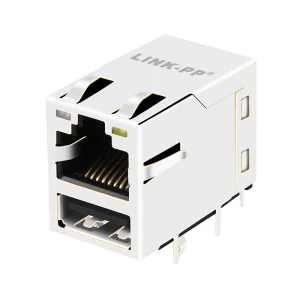
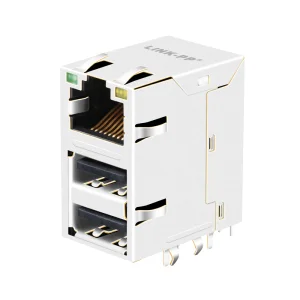
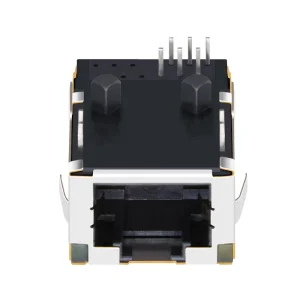
Integrated RJ45 female connectors (MagJacks) contain transformers and common-mode chokes directly within the connector housing. This reduces the PCB area, enhances electromagnetic isolation, and mitigates common-mode noise issues between the PHY chip and the line cable. Non-magnetic variants are ideal for simple, low-cost routing configurations where discrete isolation components are already present.
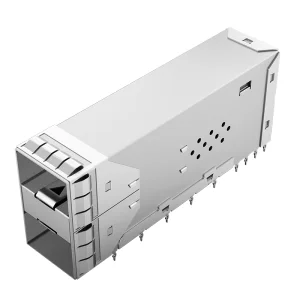
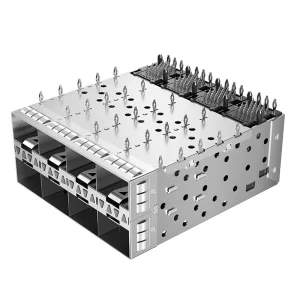
Electromagnetic interference (EMI) degrades network speed and increases packet drop rates in complex plant floors. Sourcing connectors with comprehensive external metal wraps and grounding tabs (shield boots) ensures stable, reliable transmission. Press-fit SFP cages and multi-port RJ45 modular jacks feature grounding fingers that interface directly with metal enclosures.
For critical industrial infrastructure, gold plating thickness is specified in microinches (e.g., 3μ", 15μ", 30μ", 50μ"). Thick gold contact surfaces protect against oxidation in corrosive or damp environments, ensuring more than 750 insertion cycles without loss of signal stability or physical contact degradation.
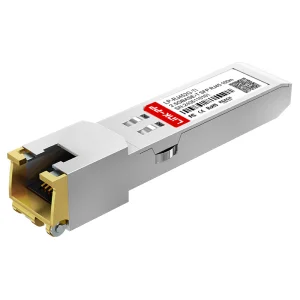
In high-bandwidth applications, such as enterprise data hubs in Paris and metropolitan telecom rings, there is a distinct co-existence of copper-based RJ45 lines and fiber-optic media. Modern hardware designs utilize hybrid physical interfaces where **SFP+ cages** (such as the 1x6 ports press-fit cage or the 2x1 ports through-hole shielded cages) host optical modules, while traditional copper lines use stacked 2x4 or low-profile vertical RJ45 female connectors.
This hybrid approach guarantees that networks can scale from standard Gigabit Ethernet (10/100/1000Base-T) up to high-speed fiber backbones (10G/25G SFP28 networks) without requiring completely new hardware architectures. Understanding the physical integration limits, PCB trace routing parameters, and thermal behavior of these components is crucial for developers seeking long-term operational resilience.
Why French OEMs are diversifying beyond local distribution centers to establish direct connections with advanced factories:
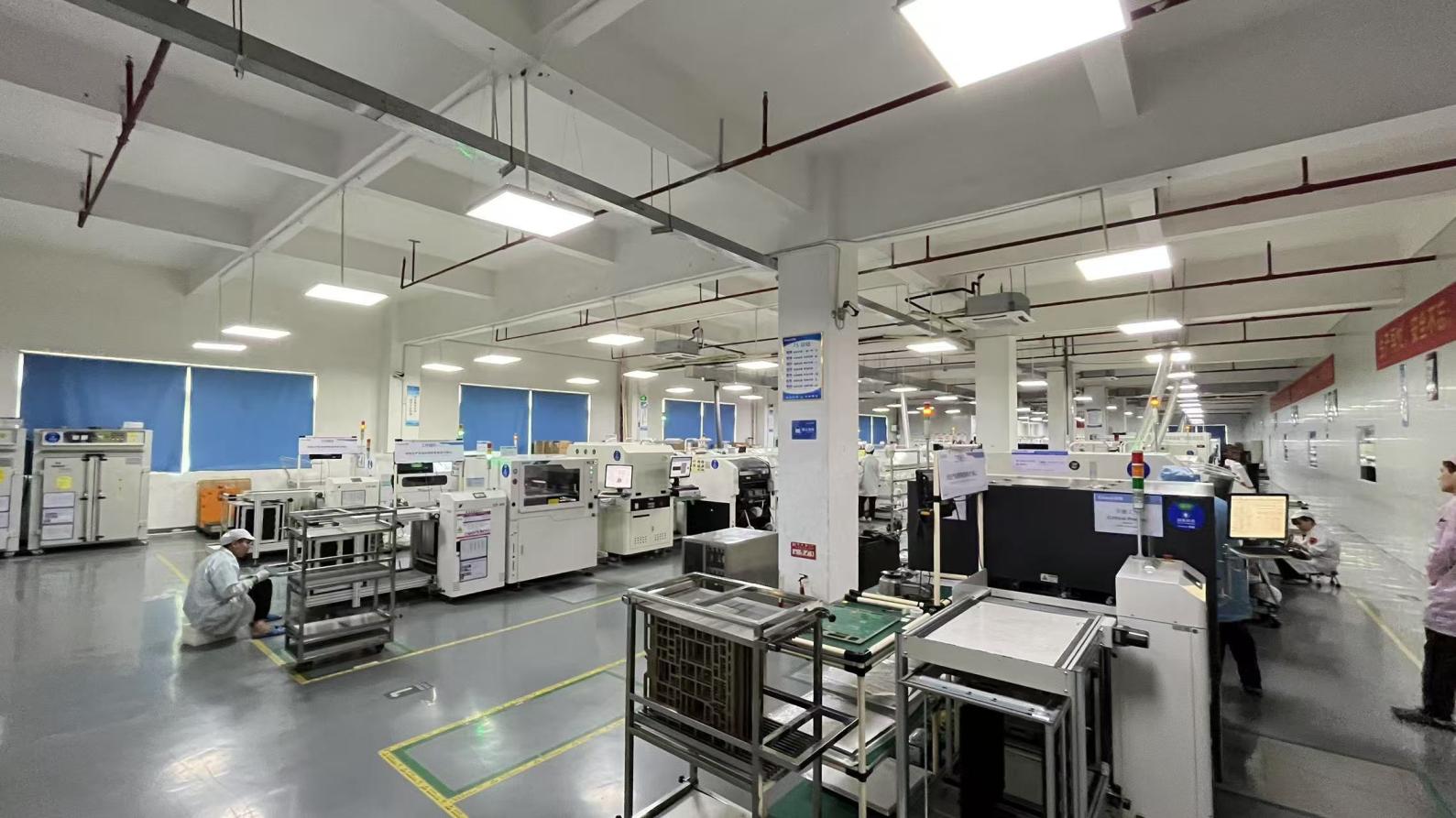
Global electronics assembly demands a balance between precision manufacturing and cost efficiency. Direct sourcing from modern electronics factories in China provides French companies with a robust supply chain solution. This infrastructure combines automated production lines with highly structured, end-to-end quality assurance frameworks.
Chinese smart factories utilize advanced precision tooling, computerized contact insertion systems, and automated laser soldering to maintain manufacturing tolerances within microns. High-volume output is matched with comprehensive testing, including high-frequency signal analysis, automated optical inspection (AOI), and environmental test simulations.
By integrating advanced engineering workflows with extensive raw material supply chains, Chinese manufacturers can supply high-performance parts at competitive prices. This capability enables French industrial systems to stay competitive globally while meeting the technical demands of European infrastructure projects.
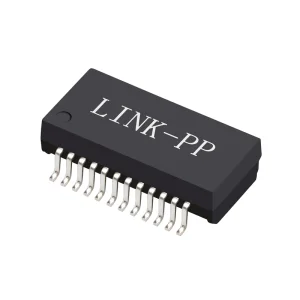
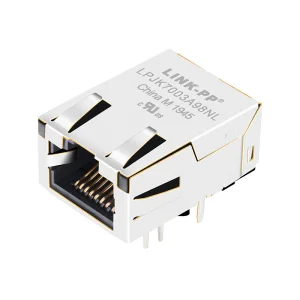
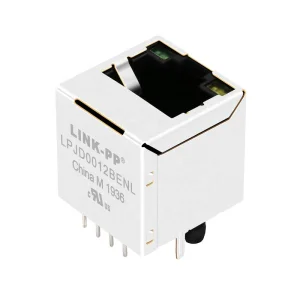
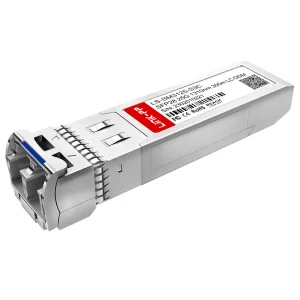
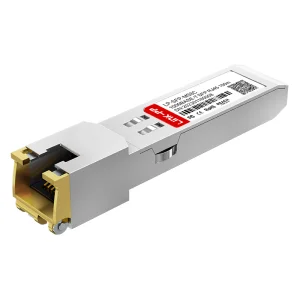
Explore our selection of specialized SFP transceivers, low-profile RJ45 jacks, and isolated transformer modules for high-density layouts.
Established in 2016, FiberNova operates a modern manufacturing facility covering approximately 380㎡. We specialize in high-speed optical and copper transmission solutions, serving enterprise networks, cloud service hubs, and telecom providers worldwide.
With over 6 years of export experience and 12 years of industry expertise, our engineering and commercial teams deliver custom solutions for demanding layouts. FiberNova achieves an annual export revenue of **USD 8 to 15 million**, supplying key international hubs across Europe, North America, and the Middle East.
Quality assurance underpins our manufacturing operations. We utilize a dedicated team of **45 professional QC inspectors** and carry out 100% optical verification, temperature cycling, and signal integrity testing prior to dispatch. Backed by **65 R&D engineers**, we continuously innovate to meet evolving networking requirements, launching approximately **120 new products** annually.
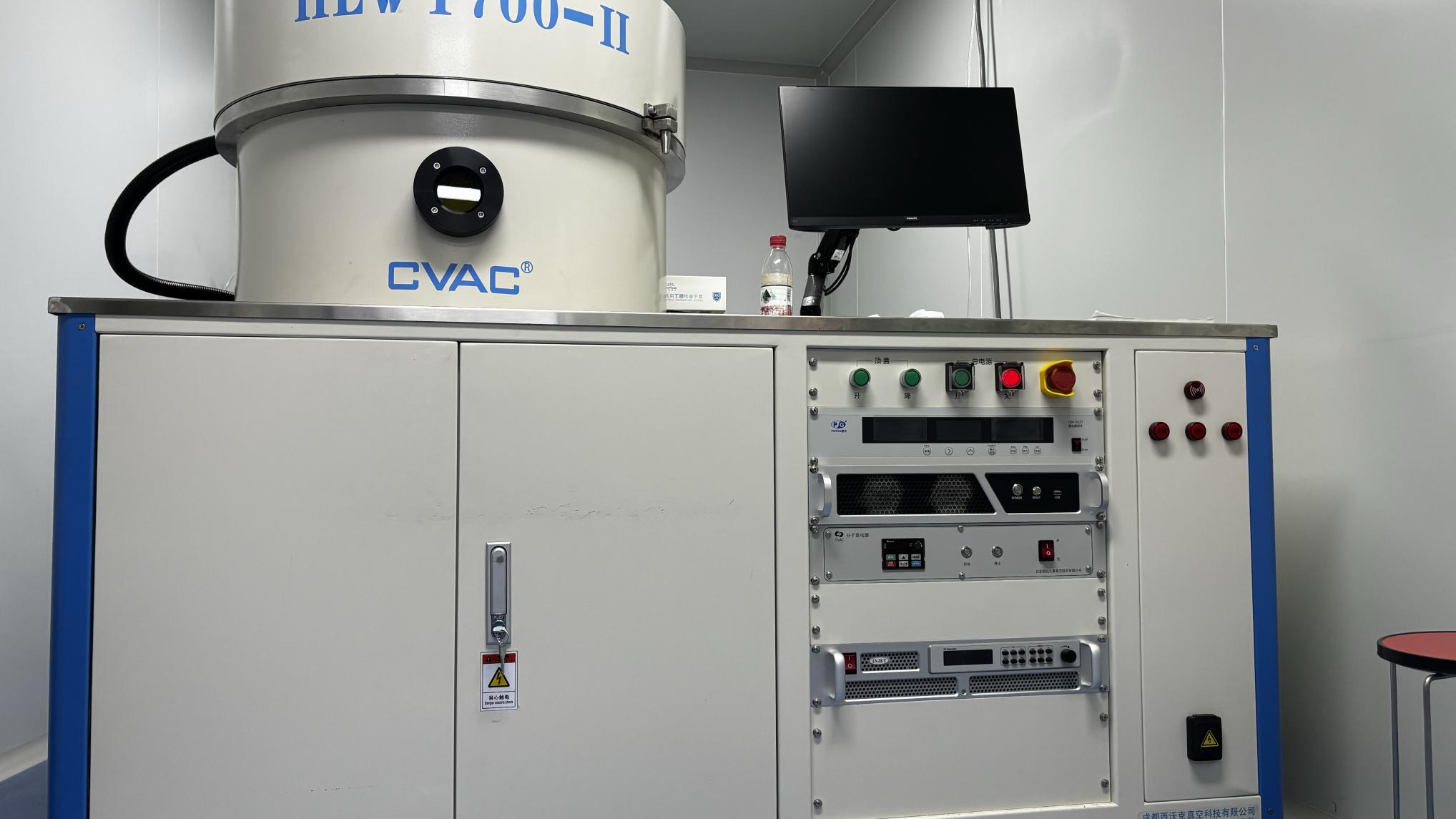
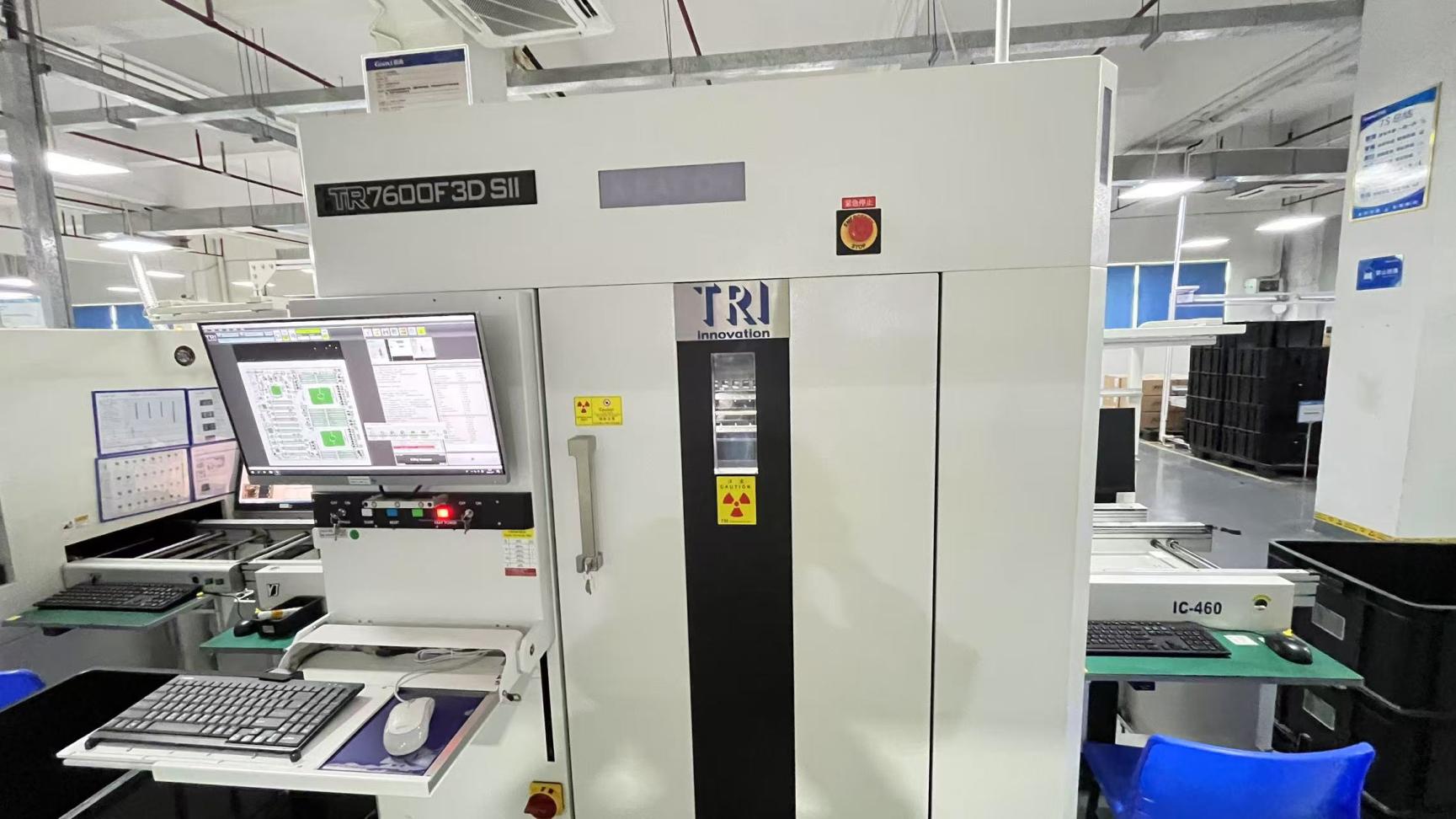
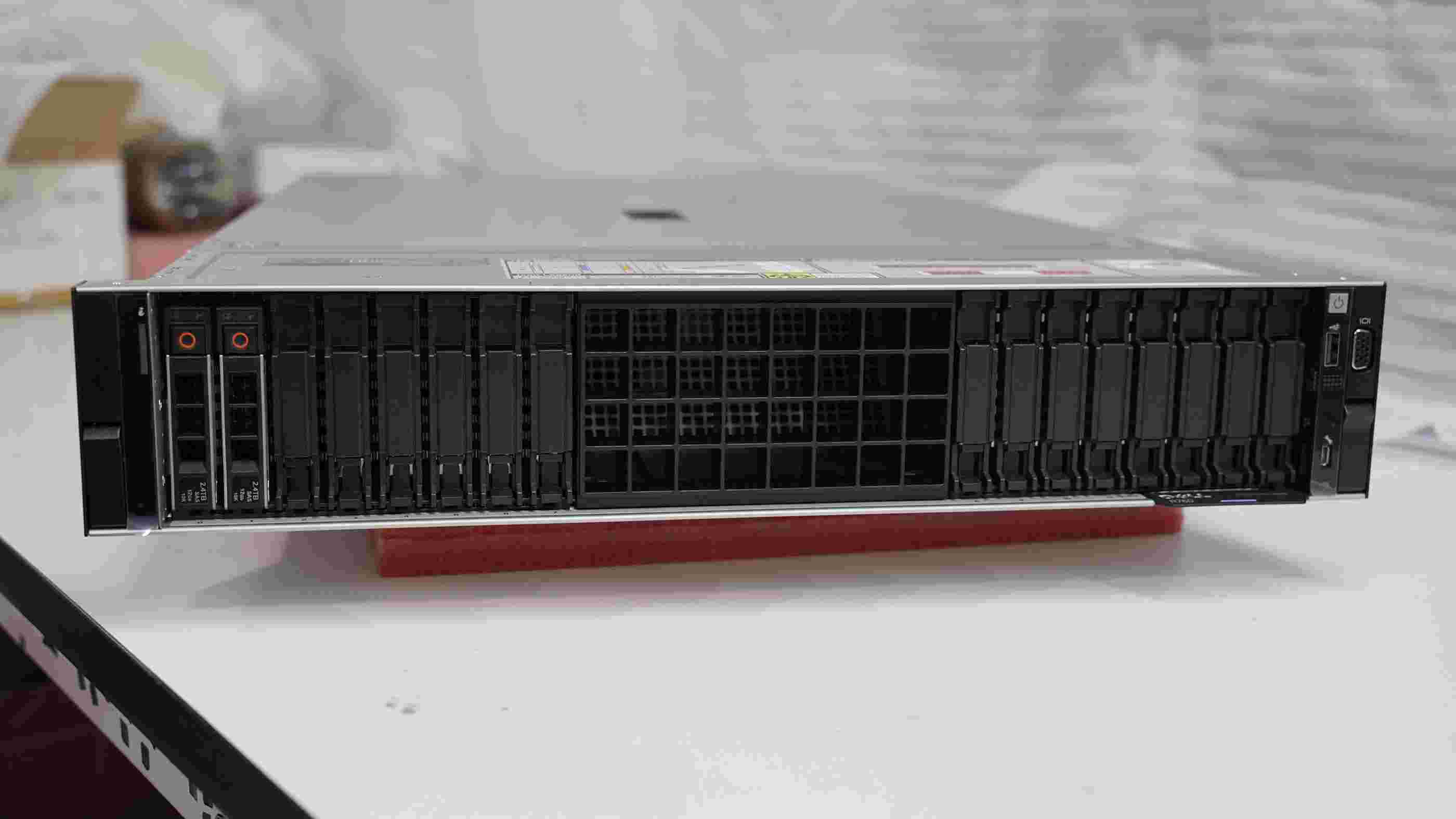
A visual overview of our manufacturing facilities, assembly zones, and QA departments:

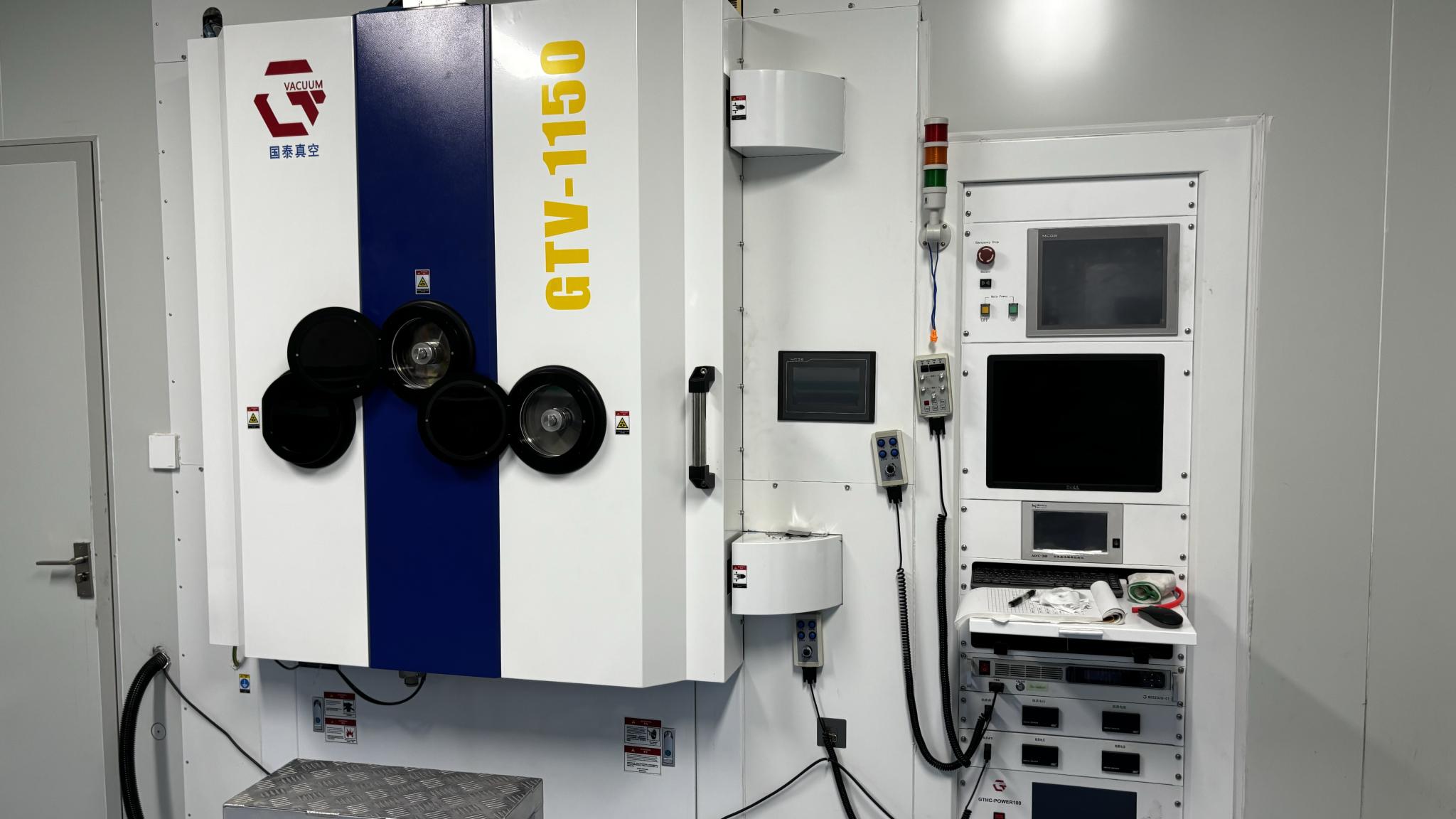
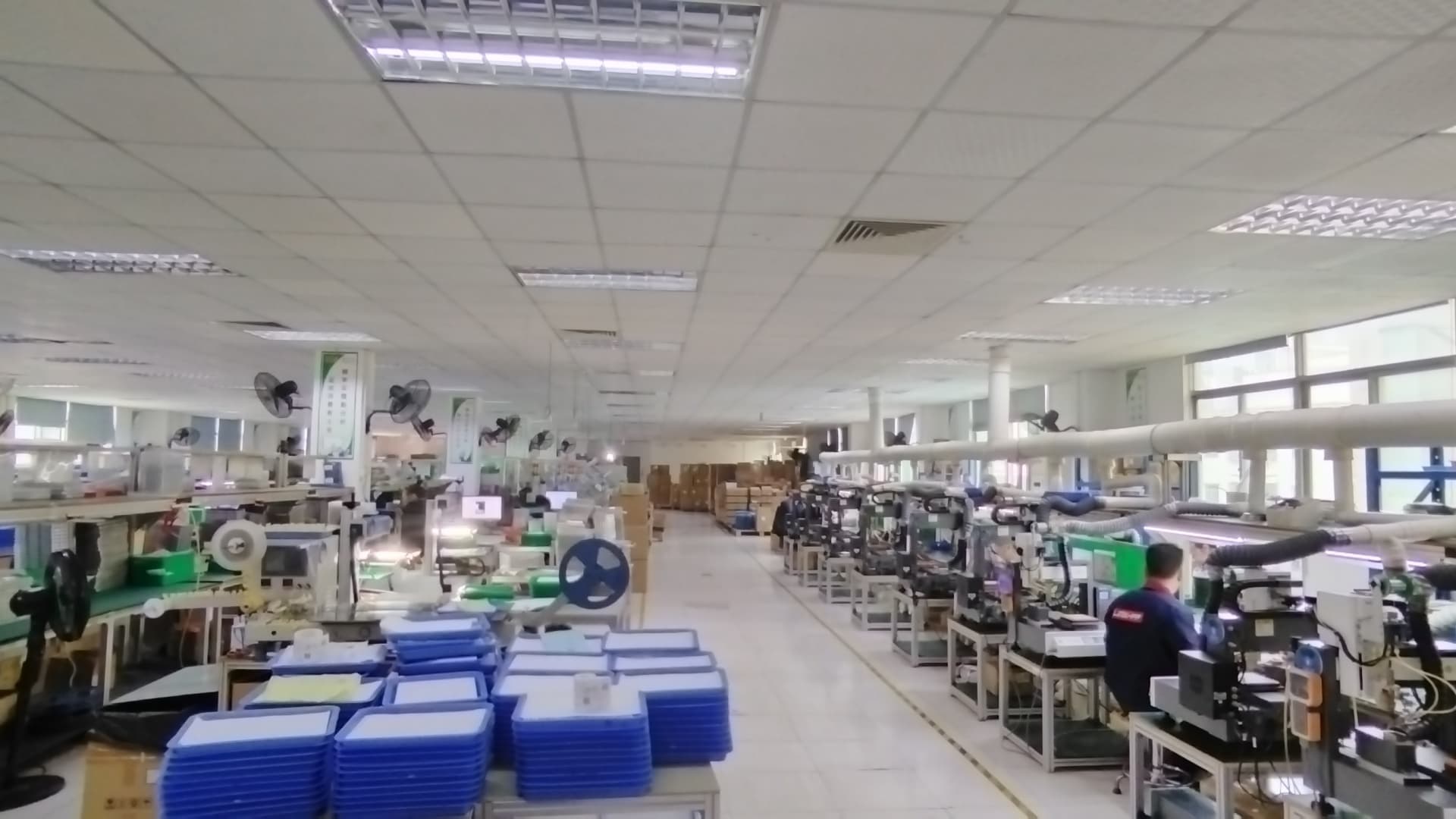
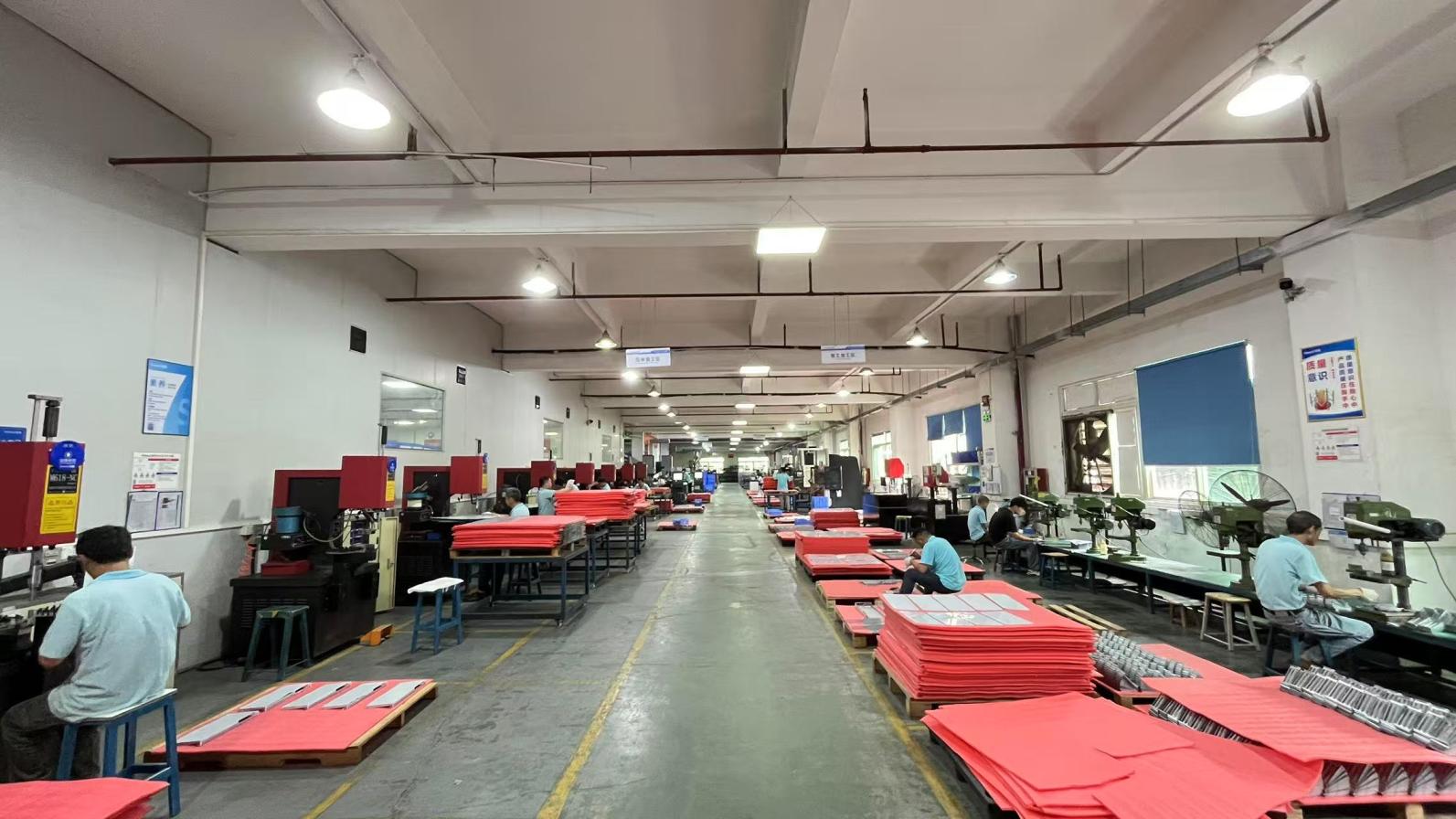
Analyzing the performance of copper interfaces across core infrastructure systems in France.
French automotive assembly plants rely on Ethernet control networks to manage robotic cells. Using IP67-rated waterproof RJ45 modular jacks prevents ingress from ambient condensation, hydraulic fluid mist, and particulate matter, ensuring uninterrupted production flow.
Railway tracking systems must withstand extreme vibrations and thermal cycling. Heavy-duty shielded RJ45 female connectors with robust housing boots lock connections securely, preserving signal integrity across trackside control cabinets and switches.
Paris hosts critical high-speed data exchanges. High-density 2x4 and 2x1 port SFP+ cages and multi-port modular jacks support structured patching, minimizing crosstalk and return loss within space-constrained rack systems.
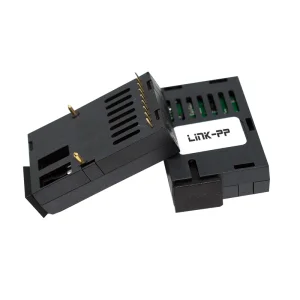
Industry-standard interfaces and high-speed cages built to support global network infrastructure requirements.
Answers to common technical, regulatory, and mechanical questions asked by European procurement teams.
Partner with our engineering team to design, test, and manufacture connectivity solutions that meet your specific mechanical, electrical, and regulatory requirements.
 FiberNova