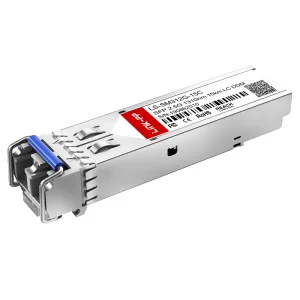
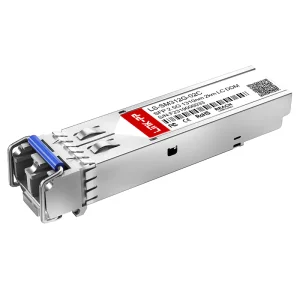
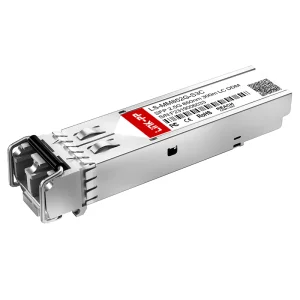
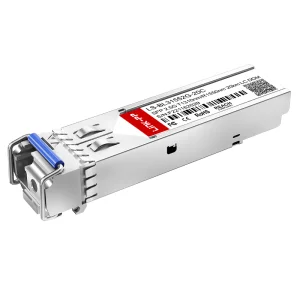
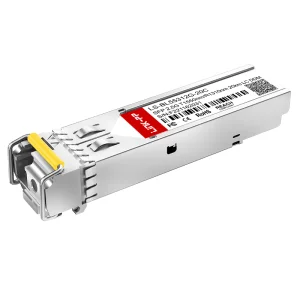
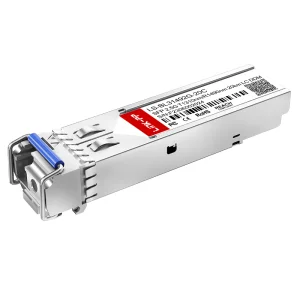
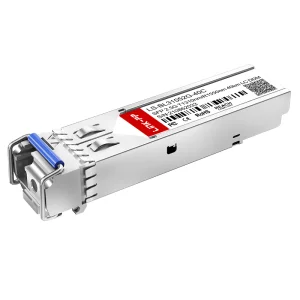
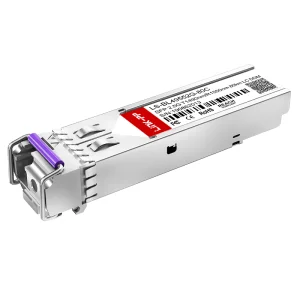
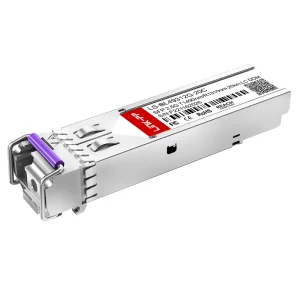
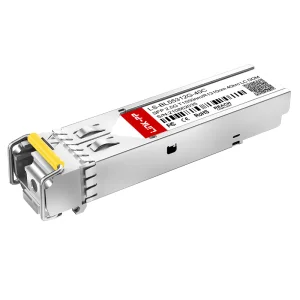
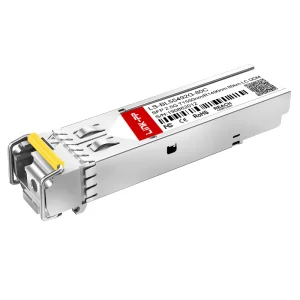
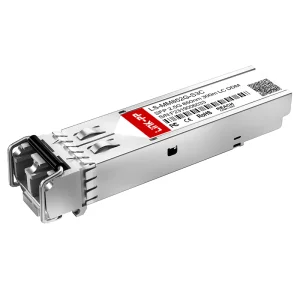
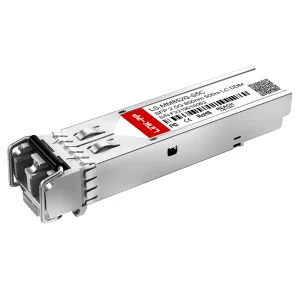
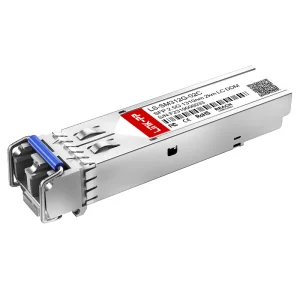
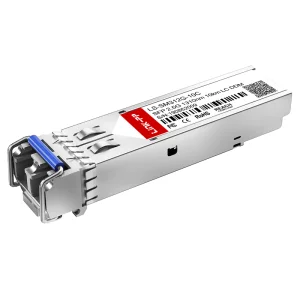
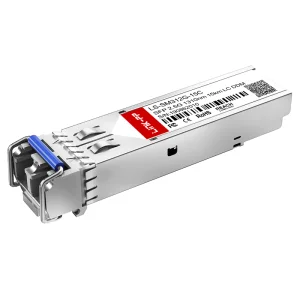
Engineered for extreme reliability, our high-density SFP transceivers fulfill Switzerland's rigorous criteria for regional fiber upgrades.
Switzerland stands as an epicenter of advanced telecommunications, smart municipal infrastructure, and high-frequency banking backbones. Cities like Zurich, Geneva, Bern, and Lugano require unmatched data stability, and the country's geographical landscape presents unique network deployment challenges. High-alpine data centers, deep-mountain research stations (such as CERN in Geneva), and remote industrial sectors demand optical hardware that operates flawlessly under extreme temperatures and varying pressure differentials.
The transition to 2.5G through 6G network capabilities is driven by the growing footprint of 5G cellular systems, industrial IoT (IIoT), and fiber-to-the-home/building (FTTH/FTTB) upgrades. While 10G networks continue to dominate global backbones, 2.5G to 6G optical transceivers provide an essential, energy-efficient middle ground. They enable utility firms and telecom operators to cost-effectively scale transmission rates without retrofitting active terminal hardware or increasing thermal management costs.
Swiss system integrators and IT procurement managers are actively transitioning away from legacy gigabit copper loops. Their core search intent targets reliable low-power, MSA-compliant fiber optic hardware. This includes single-mode and multi-mode SFP modules rated for industrial temperature ranges (-40°C to +85°C) to withstand the environmental challenges of Swiss alpine tunnels, sub-stations, and high-altitude wireless masts.
Combining Swiss quality benchmarks with the massive scaling capacity and efficiency of Chinese production lines.
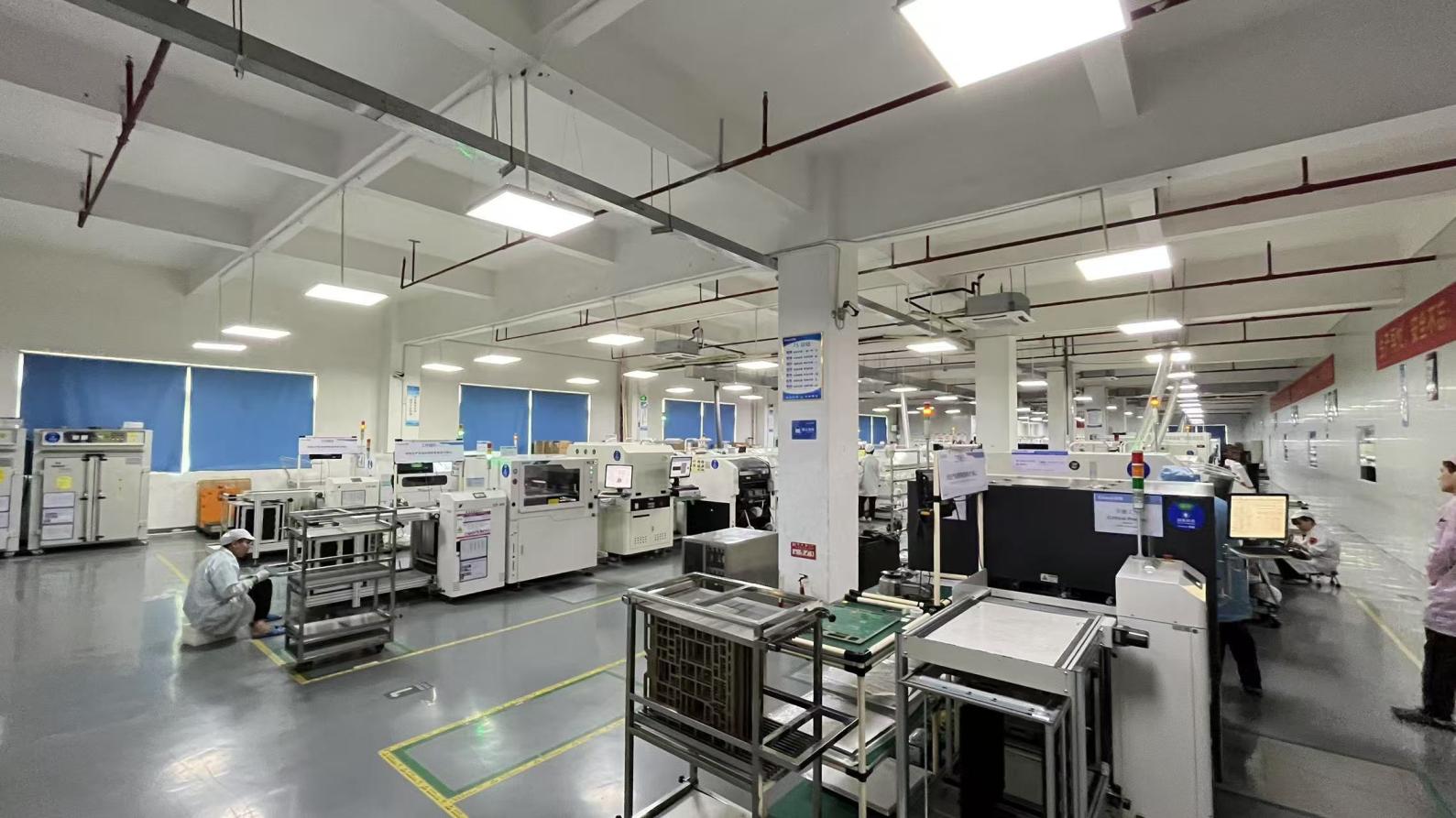
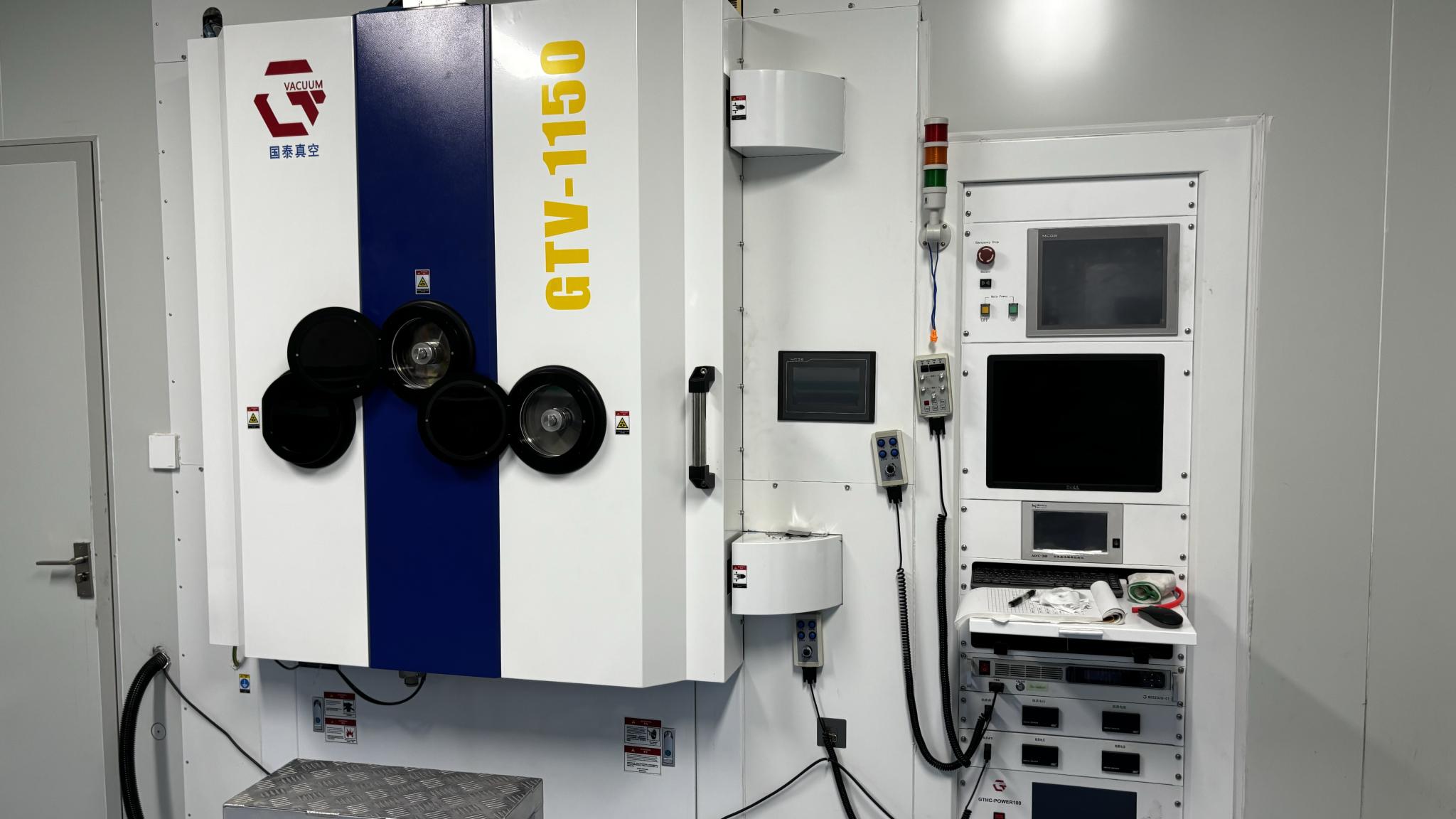
China's optical clusters provide access to an integrated component ecosystem. FiberNova's facility optimizes supply chain pathways to source high-grade lasers and photodiode chips at lower lead times, ensuring large project volume stability for Swiss network distributors.
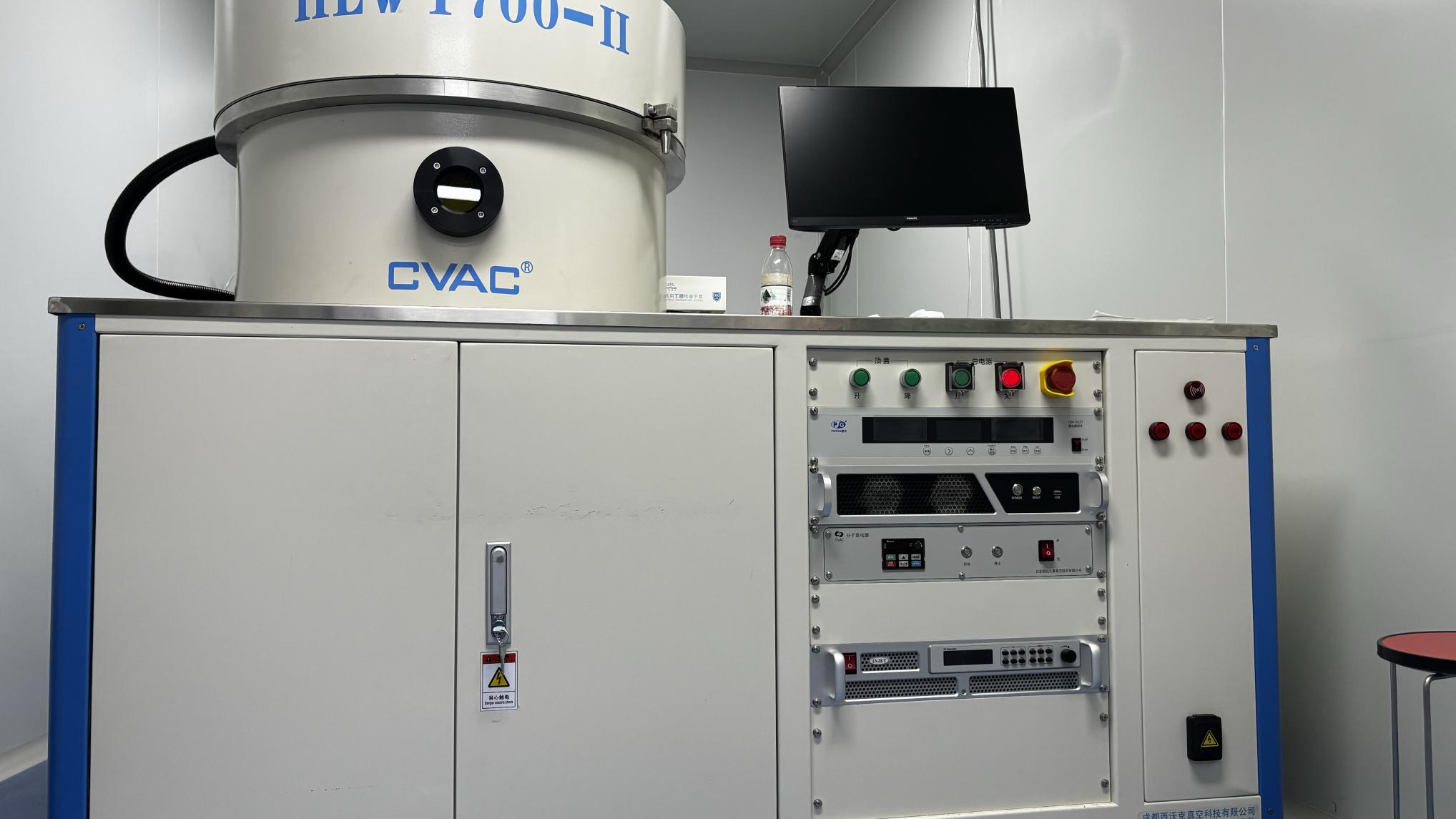
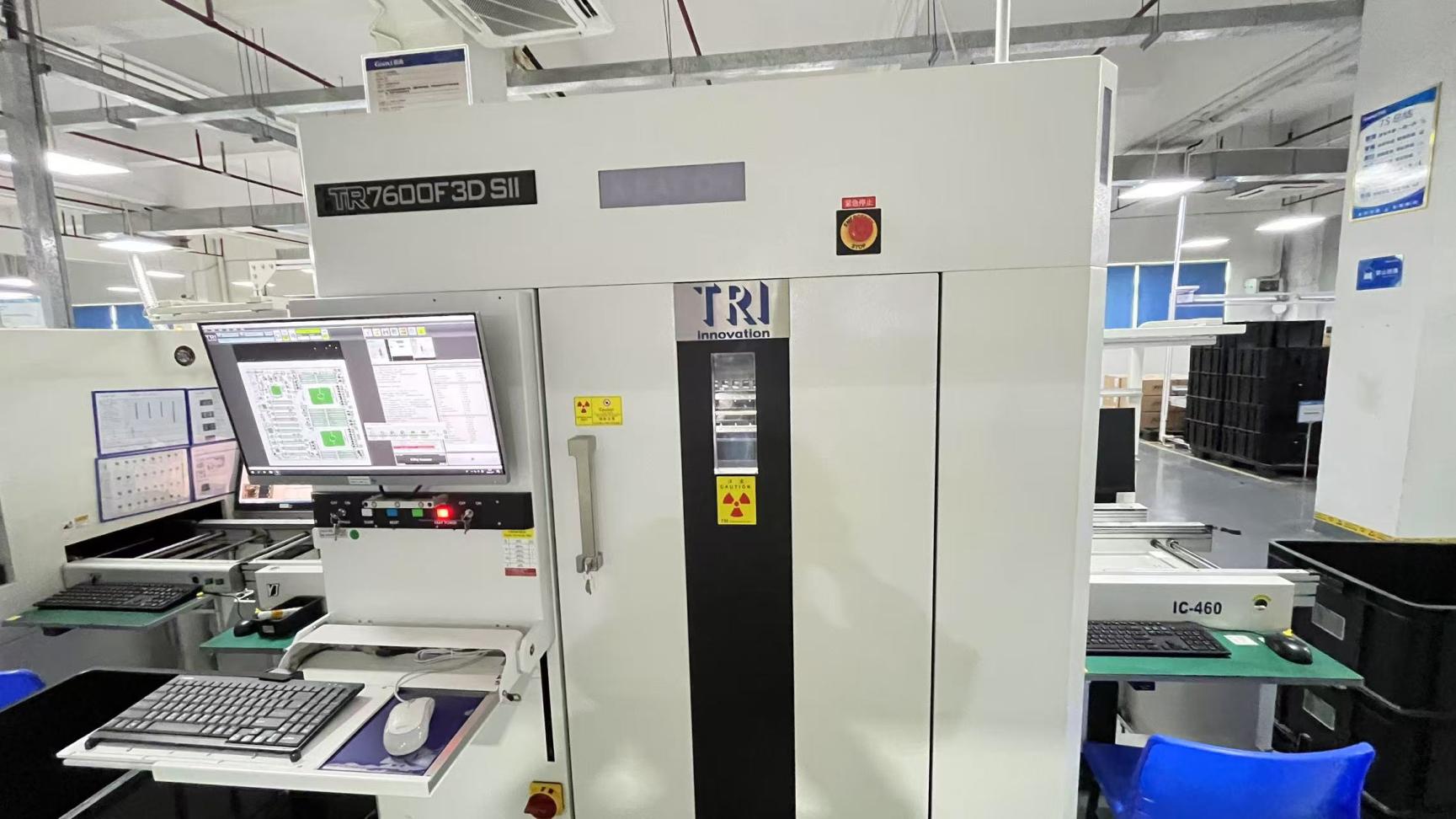
We execute 100% optical performance testing, signal integrity validation, and temperature cycling in our state-of-the-art facilities. 45 dedicated QC specialists ensure every SFP module matches MSA criteria and functions seamlessly in Swisscom-equivalent switches.
We provide tailor-made options including custom wavelength tuning, DDM protocol programming, private labeling, and casing design. This flexibility allows Swiss engineering agencies to address exact field layout specifications.
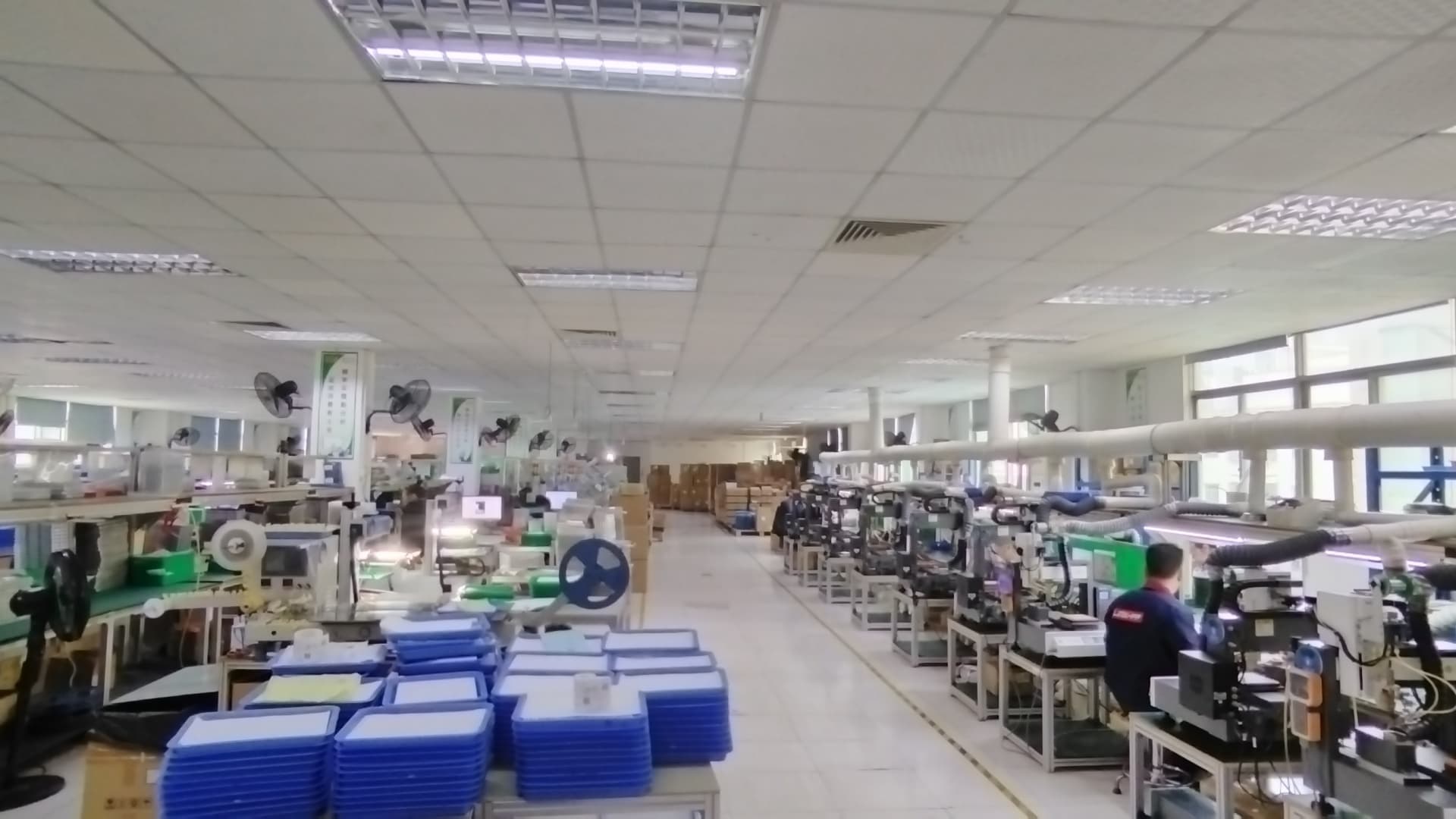
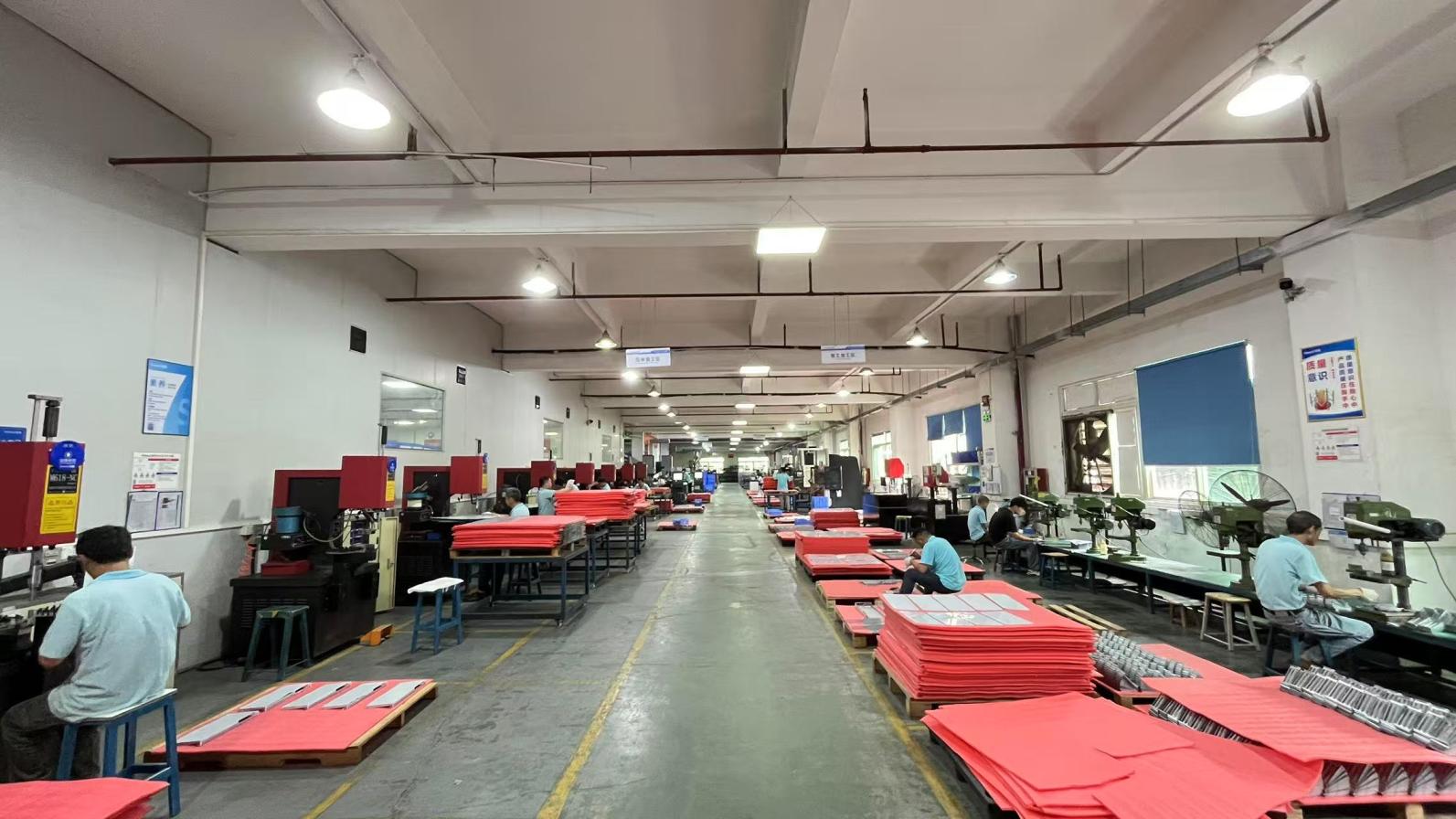
Established in 2016, FiberNova Optical Communication Tech Co., Ltd. (FiberNovaTransceivers.com) has grown to become a premium international manufacturer of optical transceiver modules. Operating from our modern 380㎡ plant, we combine 12 years of industry expertise with over 6 years of export competence. We design, manufacture, and test high-bandwidth solutions that keep global service providers connected.
With an annual export turnover ranging from USD 8 million to USD 15 million, our team manages high-performance OEM and ODM implementations for corporate clients in the United States, Germany, Japan, South Korea, Switzerland, and the UAE. Supported by 65 skilled R&D engineers, we continuously iterate on next-generation network standards. Our catalog includes 2.5G/6G options as well as high-speed 10G, 25G, 100G, 400G, and 800G optical engines.
Our quality system remains the bedrock of our business. FiberNova maintains a team of 45 specialized Quality Control professionals who carry out comprehensive optical validation, spectral measurements, DDM accuracy checking, and rigorous temperature-controlled testing on our entire product line prior to international shipping.
Years Industry Exp
Dedicated QC Staff
Supply Chain Partners
Max Annual Export

How our 2.5G to 6G SFP line addresses specific network configurations in Swiss industrial contexts.
Optical hardware situated in remote mountain stations, weather shelters, and cellular base stations across the Swiss Alps experiences extreme thermal fluctuations and low atmospheric density. Standard transceivers often experience premature laser degradation. FiberNova’s industrial-grade SFP line utilizes robust distributed feedback (DFB) lasers and thermoelectric coolers (TEC). This ensures steady operational performance from -40°C to +85°C, reducing maintenance dispatches to remote sites.
Zurich and Geneva are global financial centers where transaction latency must be kept to a minimum. FiberNova SFP modules use specialized internal controller layouts to process optical-to-electrical conversions with minimal latency. High-density CWDM and DWDM configurations allow Swiss enterprise clients to maximize their current dark fiber networks without routing additional physical cables.
Swiss precision engineering companies rely heavily on high-speed industrial Ethernet networks. The 2.5G and 6G SFP transceivers support multi-rate Ethernet, CPRI, and OBSAI protocols. This versatility makes them highly suited for connecting high-resolution smart camera arrays, real-time logic controllers, and automated sorting centers on factory floors.
Long rail and road tunnels require robust fiber optic loops to transmit safety telemetry, environmental data, and emergency communications. Our Bidirectional (BiDi) SFP transceivers enable single-fiber, bidirectional communication up to 80km. This allows transport departments to double their active data capacity over existing fiber, reducing system complexity and infrastructure costs.
Explore our complete range of high-efficiency optical modules, fully compatible with major router and switch architectures.
Detailed physical layer architectures designed to meet international IEEE and MSA standards.
Operating a network in Switzerland's remote alpine environments or high-security data centers requires continuous, real-time diagnostic feedback. FiberNova transceivers feature built-in Digital Diagnostic Monitoring (DDM) compliant with SFF-8472. This technology allows engineers to remotely track critical parameters including optical output power, receiver sensitivity, internal temperature, operating voltage, and laser bias current. Real-time access to these metrics helps teams detect degradation early and coordinate maintenance before a fiber failure disrupts services.
Compatibility remains a top priority for Swiss hardware procurement teams. FiberNova SFP modules are developed in strict compliance with the Multi-Source Agreement (MSA) standard. Our hardware features EEPROM registers programmed to match specific system requirements, ensuring compatibility with platforms from Cisco, Huawei, Juniper, Arista, and Hewlett Packard Enterprise. This plug-and-play capability allows network operators to integrate our SFP modules directly into existing hardware configurations.
| Parameter | Specification Details |
|---|---|
| Data Rates | 2.5 Gbps to 6.25 Gbps (multirate support) |
| Wavelengths | 850nm, 1310nm, 1550nm, CWDM & DWDM Grid |
| Connector Types | Duplex LC, Simplex LC (Bidirectional) |
| Fiber Types | Single-mode (SMF) & Multi-mode (MMF) |
| Link Distances | 300m, 2km, 10km, 20km, 40km, up to 80km |
| Compliance | MSA Compliant, RoHS, CE, FCC Class B |
Supporting international networks with stable manufacturing pipelines and reliable global distribution.
Modern telecommunication operations depend heavily on supply chain stability. Component shortages, customs delays, and quality inconsistencies can disrupt critical infrastructure rollouts. FiberNova maintains a supply network of more than 1,200 verified partners, securing our access to laser chips, PIN diodes, and gold-plated PCB components. This supply chain foundation allows us to maintain consistent production capacity and stable lead times, even during periods of high market demand.
For Swiss and European distributors, FiberNova provides streamlined shipping pathways, customs-compliant documentation, and complete CE, FCC, and RoHS certifications. We accommodate diverse logistics requirements, supporting standard air freight, express transport, or specialized shipping terms to ensure your hardware arrives on schedule.
Our OEM and ODM divisions collaborate closely with engineering teams to customize transceivers for unique system layouts. Whether you require custom firmware codes for older optical routers, specific latch designs, or unique packaging configurations, our 65 engineers can tailor our transceivers to integrate cleanly into your operating environment.
Common inquiries from Swiss and European system engineers regarding 2.5G~6G SFP transceivers.
Contact our sales team to discuss custom pricing, OEM opportunities, and technical compatibility parameters for your Swiss projects.
Send Inquiry Now FiberNova