100G / 200G / 400G Module Manufacturers & Localized Supply Partner for the Japan Market

Pioneering High-Precision Optical Transceivers with E-E-A-T Compliant Manufacturing, Rigorous Compatibility Standards, and Direct Engineering Support for Japanese Telecom and AI Hyperscalers

Flagship 100G Optical Modules for Japan's Enterprise Core

Optimized for high-density Tokyo & Osaka metro infrastructures requiring strict JATE/TELEC compatibility and zero-latency packet delivery.

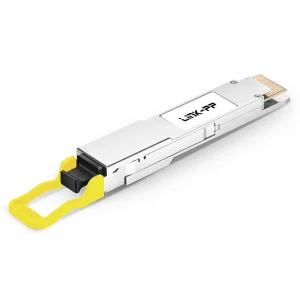
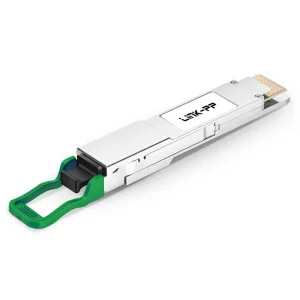
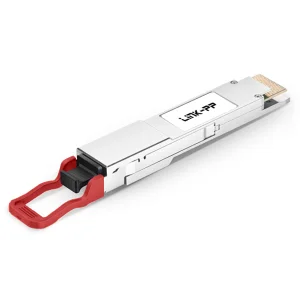
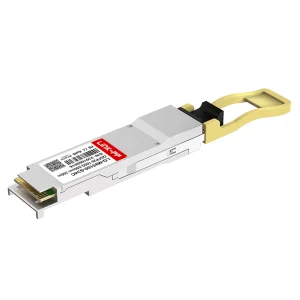
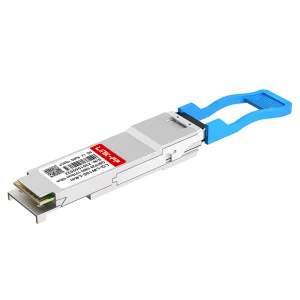
100G Base-t QSFP28
100G MPO SR4

100G Base-t Ethernet Module 850nm 100m MPO QSFP28 Optical Transceiver - Japan Telemetry Grade

Explore Technical Specs
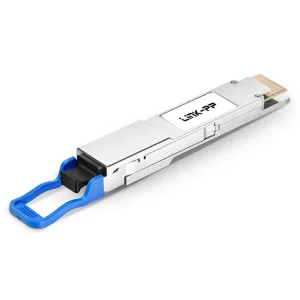
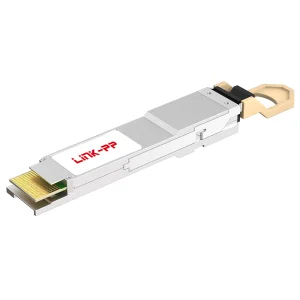
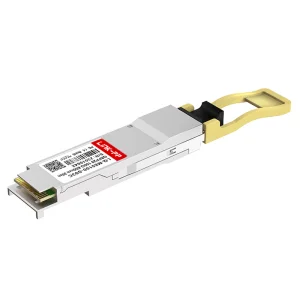
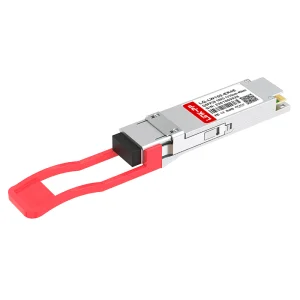
QSFP28 100G Transceiver
100G MMF MPO

QSFP28 100G Base-t 850nm 100m MPO MMF Fiber Optical Transceiver Module - Tokyo Cloud Interconnect Edition

Explore Technical Specs
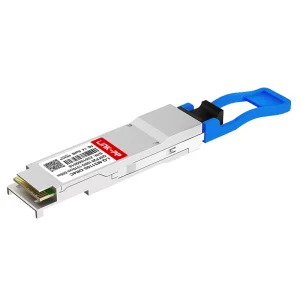
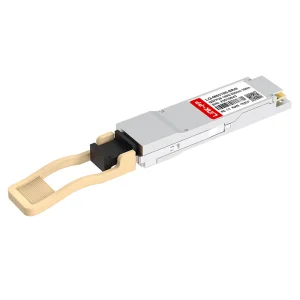
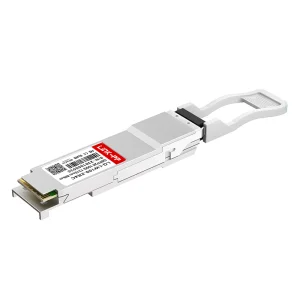
100GBASE-LR4 QSFP28
100G LR4 SMF

100GBASE-LR4 Duplex LC SMF Optical Transceiver Module Single Mode 1310nm 100G QSFP28 10km - Kansai Ring Deployment

Explore Technical Specs
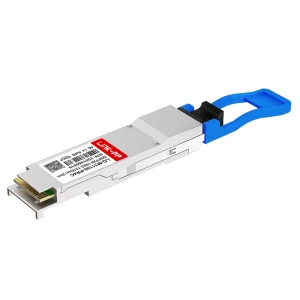
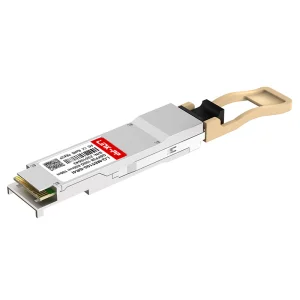
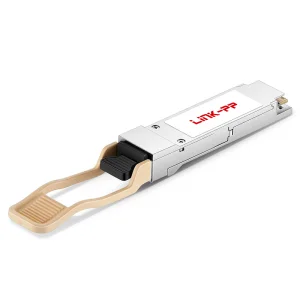
100GBASE-ER4 QSFP28
100G ER4 SMF

100GBASE-ER4 SMF QSFP28 Transceiver Duplex LC Single Mode 1310nm 100G Optical Module 40km - Hokkaido ISP Backbone

Explore Technical Specs

The Commercial & Industrial Realities of Japan’s Optical Networks

Japan is currently undergoing a structural transformation in its computing and communications landscapes. Driven by the government's "Society 5.0" paradigm and the rapid integration of Generative AI platforms, Japanese telecommunication carriers, tier-1 internet service providers (ISPs), and enterprise networks are facing an unprecedented challenge: data volume is growing exponentially, while physical footprint and energy resources remain strictly finite.

Tokyo (particularly the Inzai cluster in Chiba Prefecture) and Osaka have emerged as the leading hyperscale data center hubs for the entire Asia-Pacific region. This concentration of compute capacity has escalated the transition from legacy 10G and 25G channels to 100G, 200G, and 400G optical interconnections. Furthermore, because of Japan's high electricity tariffs and commitments to carbon neutrality by 2050, local network operators require transceivers that offer more than high speed—they demand optimal thermal dissipation, low power-consumption margins (typically less than 8W for a 400G QSFP-DD module), and robust heat tolerance.

Modern industrial automation in Japan, including smart manufacturing complexes in Aichi and Hiroshima, relies on low-latency Edge Computing nodes. High-capacity links using 100G and 200G transceivers are critical to support real-time sensor processing and robotics coordination. In these demanding environments, modules must perform flawlessly under variable temperature profiles, making industrial-temperature grade (I-temp) support a standard requirement rather than an optional feature.

Information Gain Insight: Japanese hyperscalers and cloud service providers are increasingly implementing optical networks that feature dual-rate compatibility (such as 100G Ethernet / OTU4) to support legacy OTN nodes while running next-generation cloud traffic. FiberNova’s hardware architecture natively supports multiple protocols on a single, standardized chip configuration, lowering total operational costs for Japanese system integrators.
Strict Compliance Protocols & Localized Support for Japan

JATE, TELEC, and VCCI Alignment

Unlike global markets that rely solely on general FCC or CE markings, Japan requires rigorous electromagnetic compatibility (EMC) testing and radio-law compliance. High-speed transceivers operating in public telecommunications lines must conform to the **Japan Approvals Institute for Telecommunications Equipment (JATE)** and **TELEC** standards.

FiberNova ensures all optical transceivers undergo stringent electromagnetic interference (EMI) shielding evaluation to pass VCCI Class B standards. This guarantees that our 400G and 100G modules do not interfere with adjacent high-frequency compute components or sensitive local telecom architectures, facilitating smooth regulatory approvals for deployments across Japan.

Zero-Failure Verification (Kaizen Quality Control)

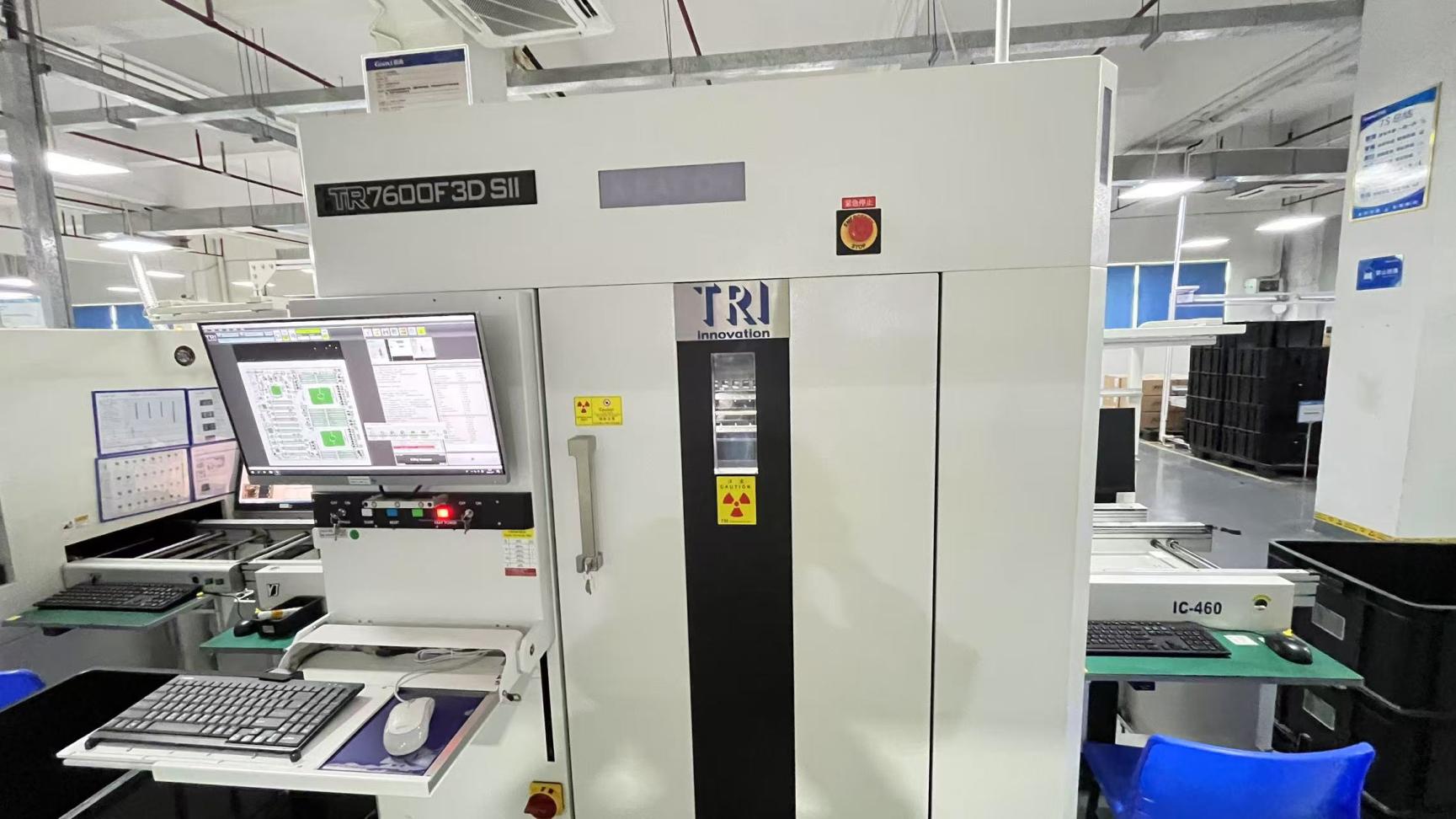
Japanese system integrators demand near-zero Failure In Time (FIT) metrics. To address this, FiberNova implements a localized quality inspection framework based on the Kaizen methodology. Every shipment designated for Japan undergoes 100% optical performance testing, real-time Bit Error Rate (BER) analysis under local system configurations (such as NEC and Fujitsu switch profiles), and thermal cycling test profiles.

Our QC team, comprising 45 dedicated specialists, maintains detailed traceability reports for every optical sub-assembly (OSA), ensuring components are tracked from cleanroom assembly to final validation.

Custom Packaging & Technical Support: FiberNova offers Japanese-language technical datasheets, labeling configurations tailored to local numbering systems, and direct coordination with local testing laboratories. We provide responsive customer service with custom design and engineering support to resolve compatibility issues quickly and efficiently.

High-Capacity Long-Haul & 200G/400G Intermediate Modules

Designed for high-performance interconnects across Japan's metro and metropolitan data networks.

100GBASE-ZR4 QSFP28
100G ZR4 SMF 80km

100GBASE-ZR4 Duplex LC SMF Optical Module 1310nm Single Mode 100G QSFP28 Transceiver 80km - Tokaido Inter-City Link

Explore Technical Specs
200GBASE-SR4 QSFP56
200G SR4 MMF

200GBASE-SR4 Optical Transceiver Module MTP/MPO-12 MMF Multimode 850nm 200G QSFP56 100m - Osaka Supercomputing node

Explore Technical Specs
400G DR4 QSFP-DD
400G DR4 PAM4

400G DR4 QSFP-DD PAM4 1310nm 500m MTP/MPO-12 APC SMF Optical Transceiver Module - Nagoya AI Cluster Interconnect

Explore Technical Specs
400G CWDM QSFP-DD
400G CWDM LR4 10km

Single Mode 400G CWDM QSFP-DD LR4 10km Duplex LC SMF Optical Transceiver Module - Kyushu Telecom Ring

Explore Technical Specs

Leveraging China's Optical Supply Chain for Global Procurement Needs

The manufacturing ecosystem for high-speed optical components requires extreme integration across multiple tiers of suppliers. China produces a significant share of the world’s optical components, leveraging mature industrial clusters in Shenzhen and Wuhan. This concentrated supply chain enables FiberNova to secure cost-competitive access to critical raw materials, laser sub-assemblies (such as EML and DML lasers), and optical sub-assemblies (TOSA/ROSA).

FiberNova leverages this robust manufacturing base to deliver significant competitive advantages to global and Japanese buyers:

1. Secure Component Access

By partnering with over 1,200 verified supply chain partners, FiberNova secures continuous access to semiconductor wafers, advanced DSP chips, and optical lenses. This robust vendor network minimizes production delays, ensuring reliable delivery even during global semiconductor shortages.

2. High-Precision Micro-Assembly

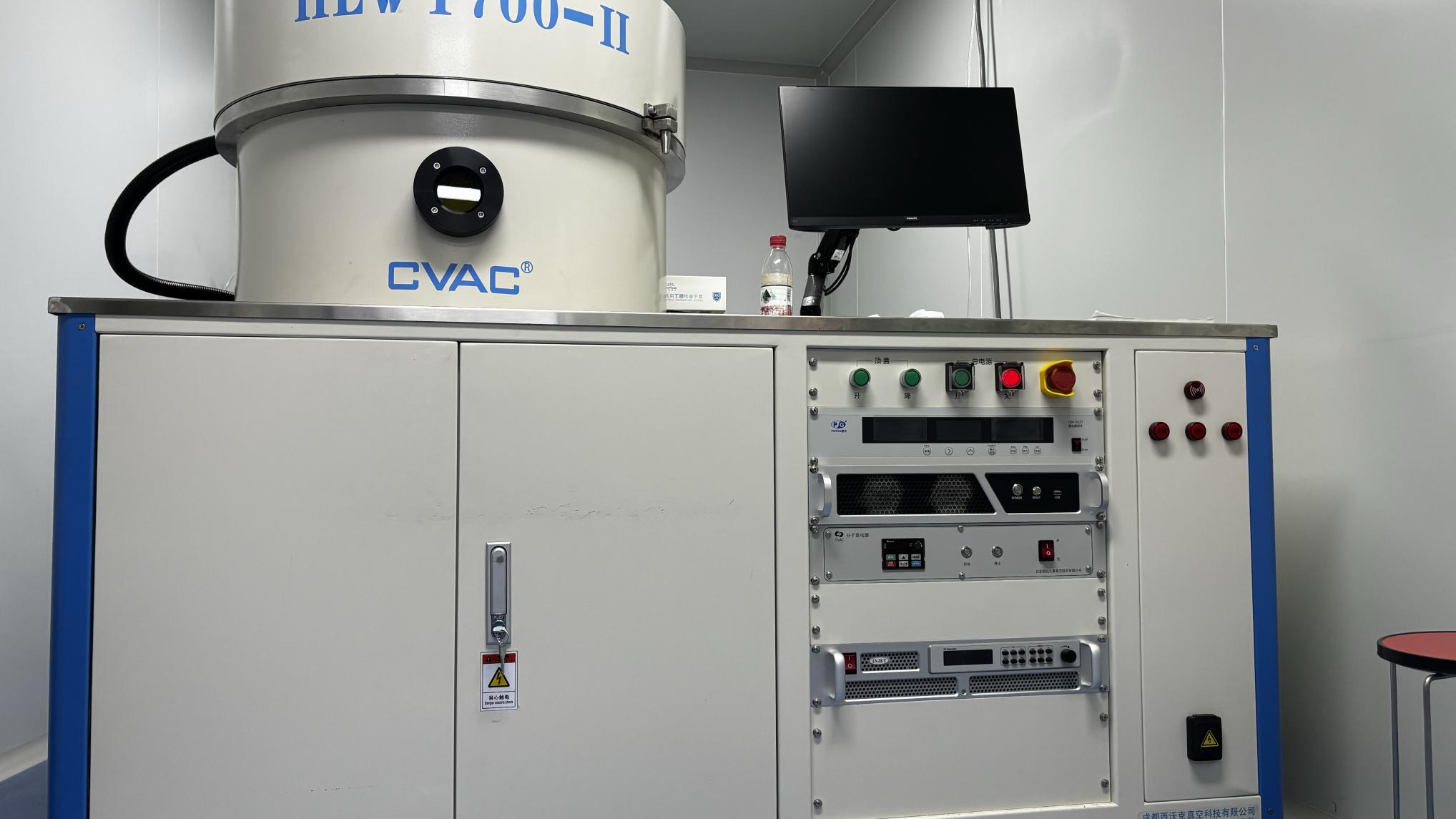
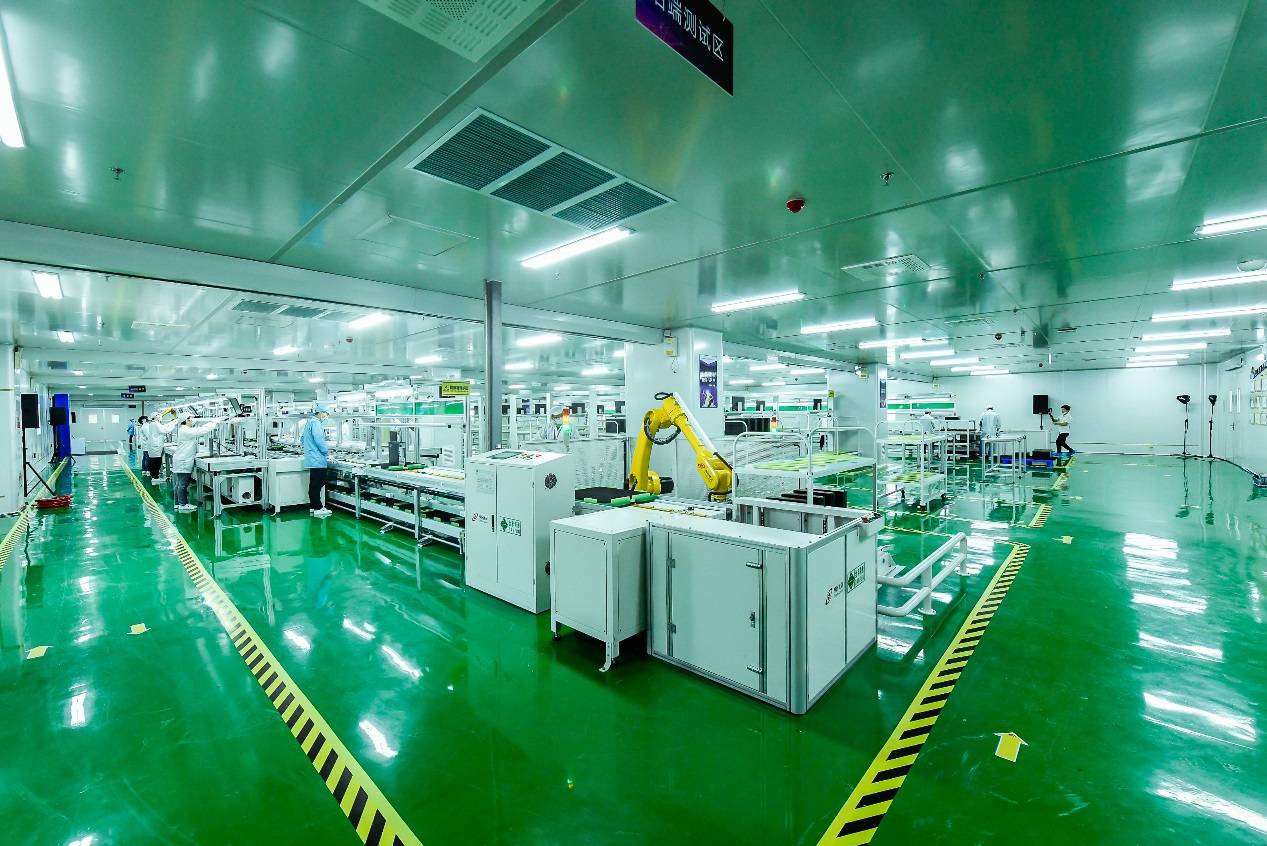
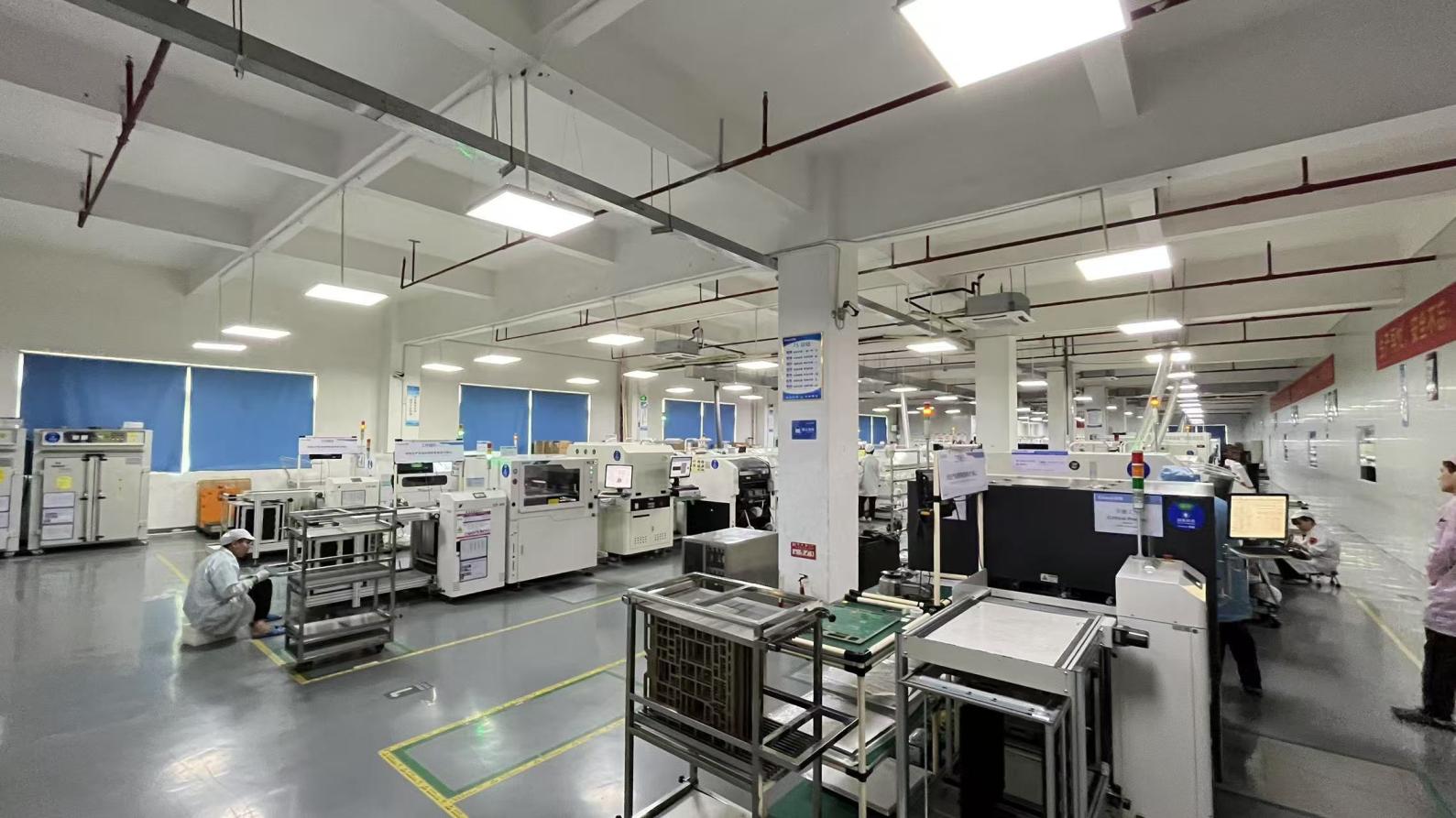
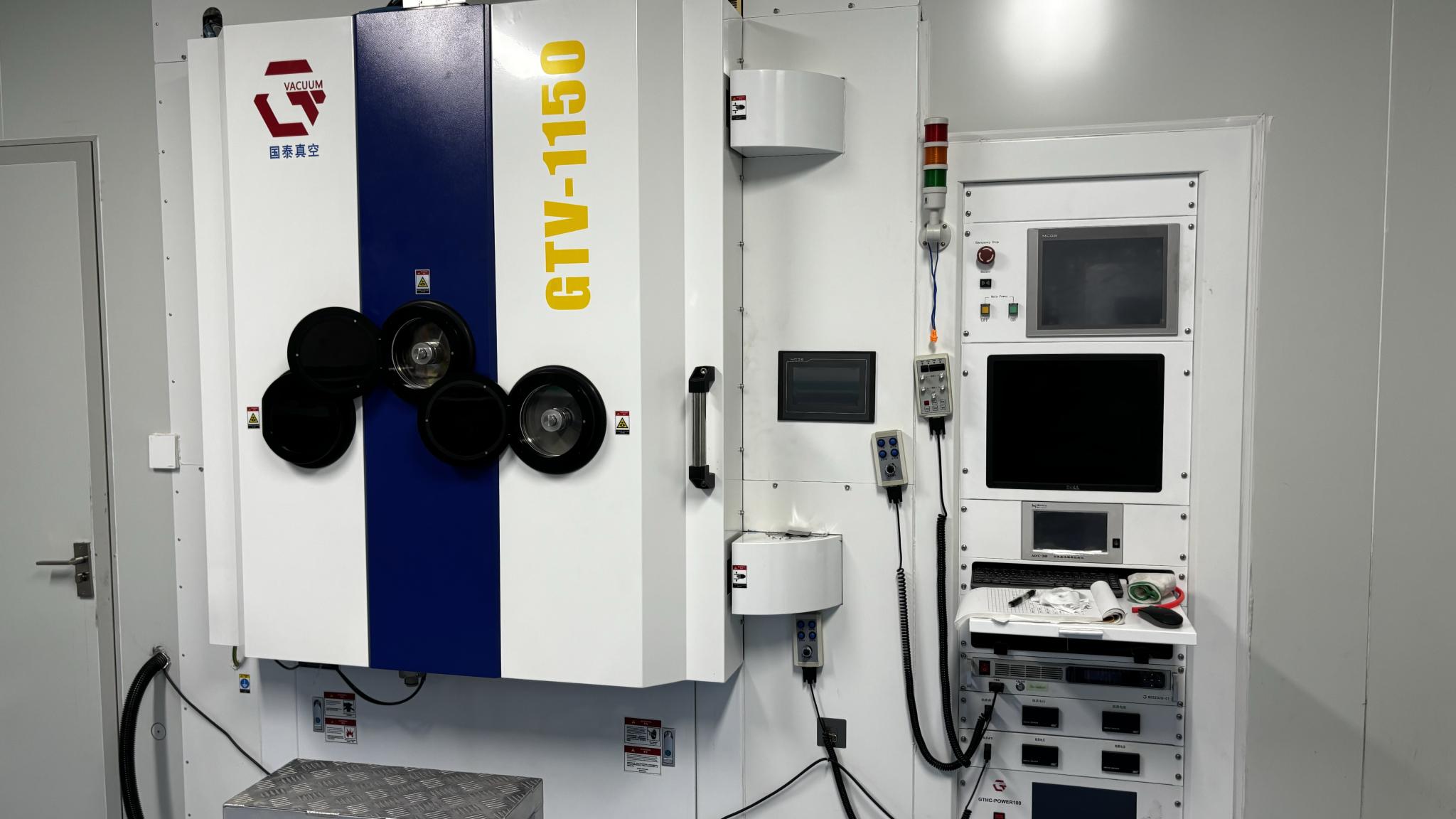
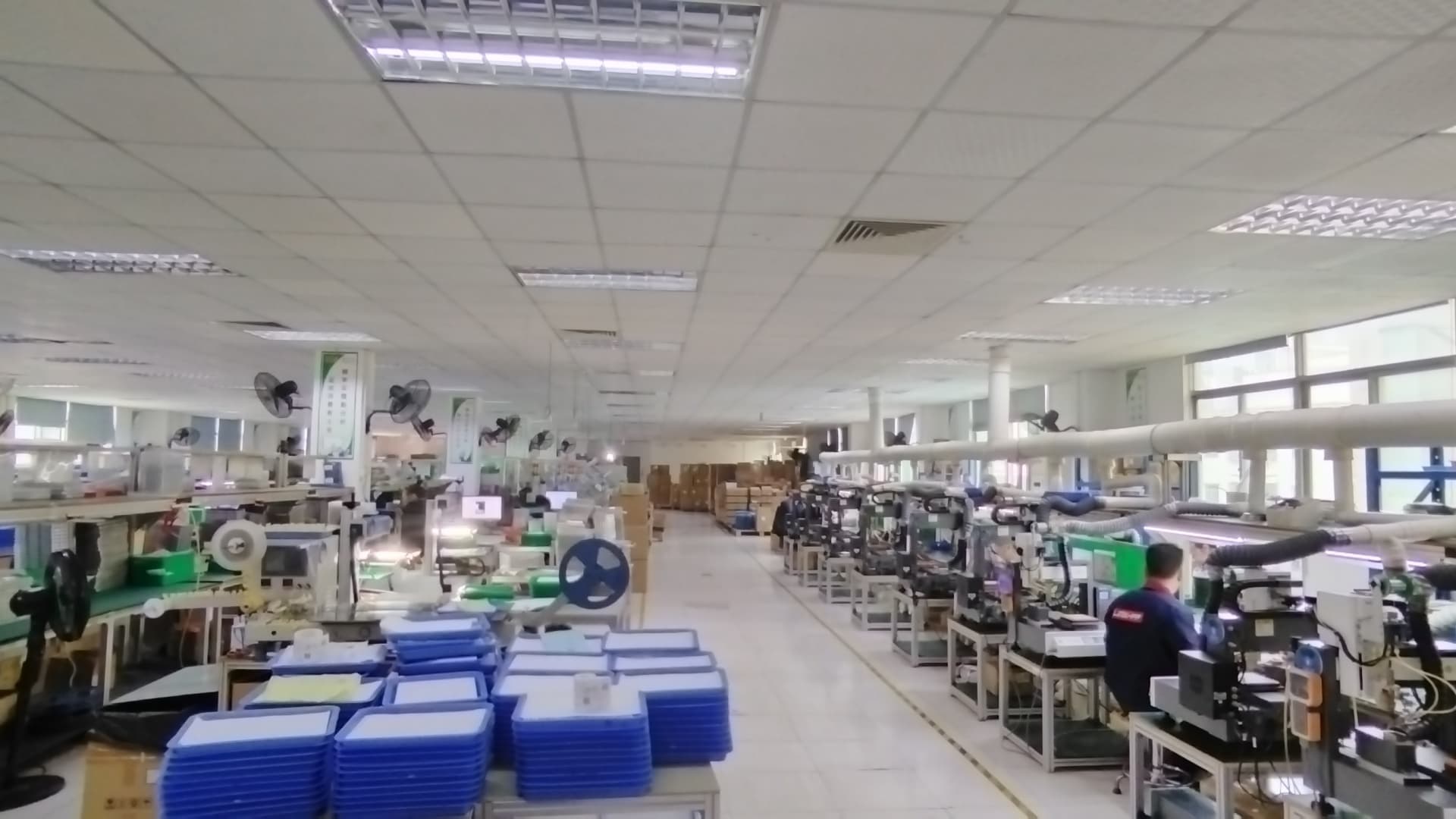
High-speed transceivers (particularly 400G and 800G modules using PAM4 modulation) require precise sub-micron alignment. FiberNova’s automated assembly lines utilize advanced die bonding, wire bonding, and active optical alignment to achieve consistent, high-yield manufacturing.

3. Cost and Engineering Optimization

By combining localized engineering expertise with large-scale production, FiberNova offers competitive pricing without compromising reliability. This enables Japanese system integrators and global enterprises to optimize their hardware budgets for large-scale deployments.

Global procurement teams face complex challenges, including supply chain bottlenecks and localized interoperability issues. FiberNova addresses these challenges by offering flexible customization options—such as custom EEPROM coding for vendor compatibility (Cisco, Juniper, Arista, NEC, Fujitsu), custom labeling, and tailored wavelength plans—ensuring seamless integration into existing networks.

Localized Application Scenarios & Case Studies in Japan

Scenario A: Accelerated AI Compute Clusters (Osaka Data Center District)

A prominent Japanese research institution in Kansai required high-density GPU cluster interconnects to support generative AI modeling. The architectural requirement demanded 400G optical links with strict power limits to control thermal buildup in high-density server racks. FiberNova supplied customized 400G DR4 QSFP-DD modules featuring silicon photonics technology. These modules reduced per-port power consumption by 12% compared to standard alternatives, enabling stable operation under sustained high workloads.

Scenario B: Metro-Ethernet Ring Expansion (Greater Tokyo Area)

A regional telecommunications operator in Tokyo needed to expand its fiber backhaul network. The project required high-sensitivity transceivers capable of bridging distances of up to 40km without mid-span amplification. FiberNova provided 100GBASE-ER4 QSFP28 modules, featuring high-performance APD receivers and EML transmitters. These modules delivered the optical link budget required to ensure reliable, low-BER transmission across legacy dark fiber infrastructure.

Scenario C: Low-Power Edge Nodes (Tohoku Smart Factory Initiative)

An automotive component manufacturing plant in Tohoku deployed edge computing nodes on its automated shop floor. The environment required high tolerance to vibration and EMI, as well as reliable operation under variable temperatures. FiberNova delivered industrial-temperature grade 100G MPO QSFP28 transceivers. These modules feature ruggedized hermetic seals and custom firmware, ensuring stable, low-latency performance in challenging factory environments.

FiberNova Corporate Profile & Manufacturing Capability

Establishing Authoritative Standards in High-Speed Optical Transceiver Production Since 2016

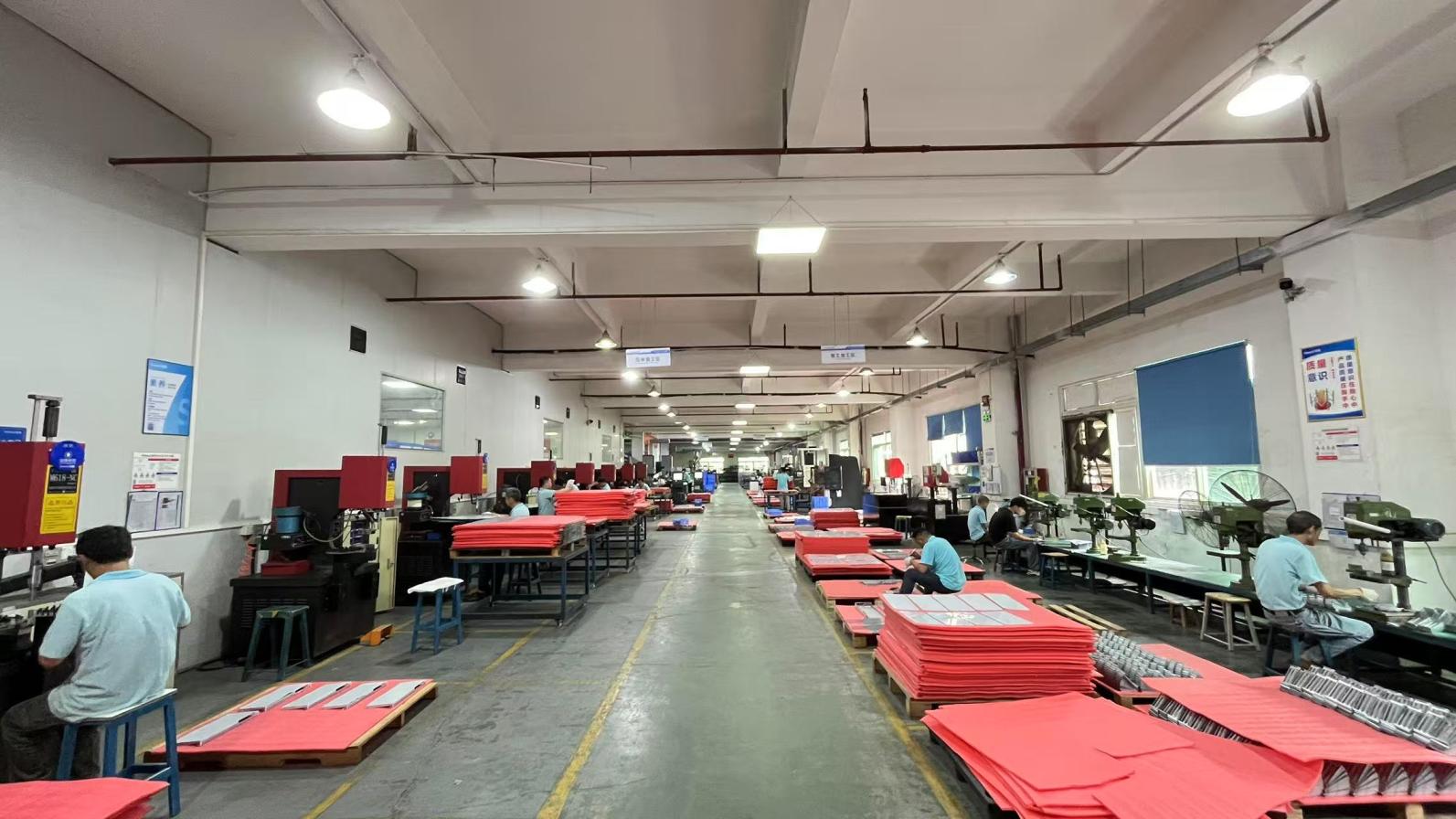
FiberNova Optical Communication Tech Co., Ltd. (FiberNovaTransceivers.com) is a professional optical transceiver manufacturer established in 2016. The company operates a modern, high-precision production facility covering approximately 380㎡, optimized for micro-assembly and high-reliability optical alignment. FiberNova focuses on developing high-speed optical communication solutions, supplying reliable, high-performance products to global data centers, telecom operators, and enterprise customers.

2016
Established Year
12+ Yrs
Industry Expertise
65
R&D Engineers
45
QC Specialists

With over 6 years of export experience and 12 years of industry expertise, FiberNova has developed strong capabilities in R&D, manufacturing, and international trade. The company achieves an annual export revenue of approximately USD 8–15 million, supplying customers across North America, Europe, Japan, South Korea, Southeast Asia, and the Middle East.

FiberNova operates a rigorous quality control system, including 100% optical performance testing, temperature cycling tests, and signal integrity inspection before shipment. The quality assurance team consists of approximately 45 professional QC staff, ensuring every transceiver meets international standards and MSA compatibility requirements.

We maintain a solid trade background with experienced export teams handling OEM and ODM projects worldwide. FiberNova has established long-term partnerships with more than 1,200 supply chain partners, enabling stable procurement of high-quality chips, lasers, and optical components. Our 65 engineers focus on high-speed transmission technologies, including 10G, 25G, 100G, 200G, 400G, and 800G optical modules.

Customization is fully supported, including wavelength tuning, protocol compatibility, housing design, and labeling services. To meet fast-changing market demands, FiberNova continuously expands its portfolio, launching approximately 120 new products in the past year.

Complete High-Speed Optical Module Catalog

Fully tested and compliant transceivers designed for seamless deployment in Japanese data centers and telecom networks.

400GBASE-FR4 QSFP-DD
400G FR4 2km

400GBASE-FR4 Duplex LC Optical Module 400G CWDM QSFP-DD PAM4 2km DDM SMF Optical Transceiver - Japan Grid Compliant

Explore Technical Specs
400GBASE-LR8 QSFP-DD
400G LR8 10km

400GBASE-LR8 Duplex LC Optical Transceiver Module SMF 1310nm 400G QSFP-DD 10km - Tokyo Metro Core

Explore Technical Specs
400GBASE-ER8 QSFP-DD
400G ER8 40km

400GBASE-ER8 Single Mode 1310nm 400G QSFP-DD 40km Duplex LC SMF Optical Transceiver Module - Tohoku Route Link

Explore Technical Specs
400G QSFP-DD SR8
400G SR8 MMF

Multiple Mode 850nm 400G QSFP-DD SR8 100m MTP/MPO-16 APC MMF Optical Transceiver Module - Nagoya AI Cluster

Explore Technical Specs
100GBASE-PSM4 QSFP28
100G PSM4 500m

100GBASE-PSM4 QSFP28 1310nm 500m SMF 100G MPO-12 Optical Transceiver Module - Yokohama Edge Datacenter

Explore Technical Specs
QSFP28 100GBASE-PLR4L
100G PLR4L 2km

QSFP28 100GBASE-PLR4L 1310nm 2km 100G MPO-12 SMF Optical Transceiver Module - Inzai Node Deployment

Explore Technical Specs
100GBASE-ESR4 QSFP28
100G ESR4 300m

100GBASE-ESR4 QSFP28 100G 850nm 300m MPO-12 MMF Optical Transceiver Module - Chiba Hyperscale Link

Explore Technical Specs
100GBASE-SL4 QSFP28
100G SL4 30m

100GBASE-SL4 Multimode 100G QSFP28 850nm 30m MPO-12 MMF Optical Transceiver Module - Kyobashi Edge Point

Explore Technical Specs

Technical FAQ: 100G/200G/400G Module Deployments in Japan

Key engineering considerations, standard compliance details, and integration advice for network operators.

How does FiberNova ensure multi-vendor compatibility with local Japanese systems like NEC, Fujitsu, and Hitachi?

FiberNova utilizes advanced EEPROM coding stations to write vendor-specific firmware profiles (including checksums and vendor keys) directly onto the transceiver memory. We maintain a database of diagnostic codes and compatibility signatures for major Japanese and global networking brands, including NEC, Fujitsu, Cisco, Juniper, and Arista. This ensures that features like Digital Optical Monitoring (DOM) function correctly without triggering software warnings in the host system.

What testing procedures are used to guarantee high reliability for 400G QSFP-DD modules?

Every 400G module undergoes a multi-phase validation process, including optical eye diagram testing to evaluate signal shape, margin testing under variable voltage ranges, and bit error rate (BER) measurements before and after thermal stress. We utilize professional Keysight and Anritsu optical communication analyzers to verify compliance with IEEE 802.3bs standards and MSA specifications, ensuring stable performance under continuous workloads.

What options are available for projects requiring low power consumption?

FiberNova offers energy-efficient transceiver designs, incorporating low-power DSPs and optimized silicon photonics architectures. For instance, our 400G DR4 modules operate at typical power consumption levels below 8W, helping operators manage thermal loads and reduce energy costs in high-density data center environments.

What are the standard lead times for custom or bulk orders shipped to Japan?

For standard 100G and 400G transceivers, we maintain consistent stock levels, allowing for shipment within 3–5 business days. Custom orders (such as specific wavelength tuning or custom compatibility configurations) typically require 1–2 weeks for production and testing. Our established partnerships with major international courier services ensure reliable delivery to destinations in Japan, including Tokyo, Osaka, and Nagoya, within 2–4 days of shipment.

How does FiberNova assist Japanese engineering teams during deployment?

We provide remote technical support, including assistance with configuration and troubleshooting. Our R&D team can analyze system logs, compatibility files, and optical diagnostic telemetry to resolve integration challenges. If compatibility issues arise during deployment, our engineers work to update module configurations and provide replacement firmware to ensure network uptime.