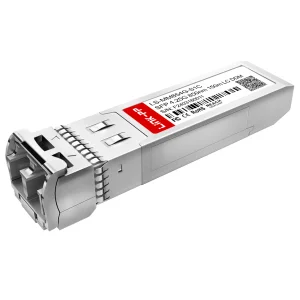
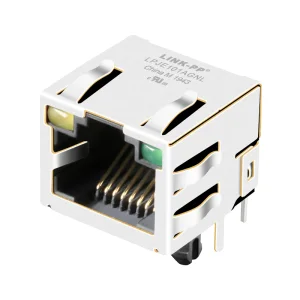
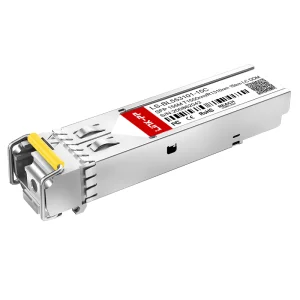
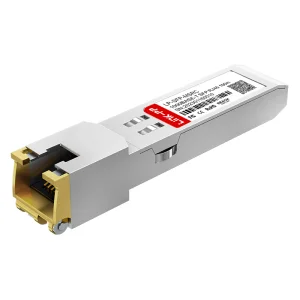
Advanced structural components engineered for extreme durability, compatibility, and speed.
An authoritative industry report on optical communication architectures and extreme operational environments.
In the contemporary industrial ecosystem, data transmission is no longer confined to climate-controlled IT server racks. The integration of Industry 4.0, intelligent transportation systems (ITS), high-speed rail, smart energy grids, and deep-sea oil exploration platforms has forced network transceivers into environments where temperature ranges swing wildly, dust contamination is standard, and high electromagnetic interference (EMI) is a continuous hazard.
The global market for industrial-grade optical transceivers is witnessing a significant paradigm shift. Historically, standard commercial transceivers (designed for 0°C to 70°C operating temperatures) dominated the market due to lower development and material costs. However, mission-critical infrastructure deployments require rugged, hardened industrial transceivers capable of performing reliably from -40°C to +85°C. A failure of a single link in a smart grid substation, for example, can result in millions of dollars in damages and physical safety hazards. As a result, global enterprise procurement is aggressively prioritizing certified industrial factories that can ensure compliance with stringent standards such as Bellcore/Telcordia GR-468, MIL-STD, and Multi-Source Agreements (MSA).
As China solidifies its footprint as a high-technology manufacturing superpower, Chinese factories are leading this transition. They are no longer simply contract manufacturers of baseline optical sub-assemblies; they are now innovation hubs designing proprietary transceivers with built-in advanced digital diagnostic monitoring (DDM), integrated optical isolation, and automated thermal throttling capabilities.
At the center of China's high-tech optical cluster, FiberNova Optical Communication Tech Co., Ltd. (FiberNovaTransceivers.com) represents the pinnacle of modern transceiver design and manufacturing. Established in 2016, FiberNova operates a state-of-the-art facility covering approximately 380㎡ dedicated specifically to the packaging, alignment, testing, and customization of high-speed optical modules.
With more than 6 years of specialized export experience and a leadership team possessing over 12 years of industry-specific engineering expertise, FiberNova has scaled its annual export revenue to between USD 8 million and USD 15 million. Their products are deployed across highly demanding network ecosystems in the United States, Germany, Japan, South Korea, and the United Arab Emirates. This global footprint is supported by a robust upstream and downstream network of over 1,200 supply chain partners, guaranteeing a steady supply of premium tier-1 silicon, high-speed lasers (VCSEL, DFB, EML), and photodetectors.
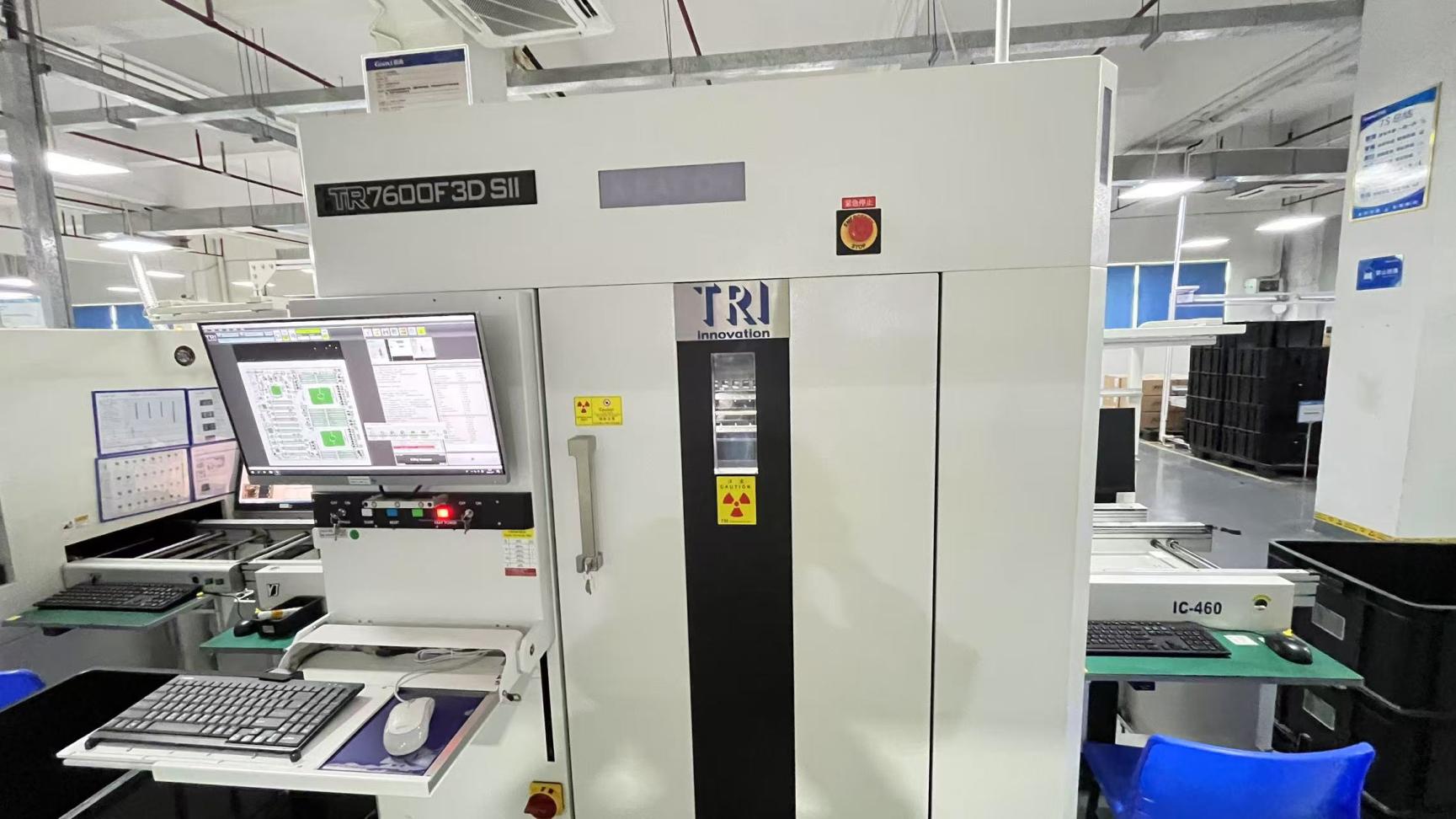
What differentiates FiberNova in an crowded marketplace is their adherence to strict quality control protocols. They operate on a zero-defect philosophy: 100% of manufactured units undergo optical performance testing, dynamic temperature cycling tests (-40°C to +85°C), and rigorous signal integrity inspections using high-bandwidth sampling oscilloscopes and bit error rate testers (BERT). Their QC division comprises 45 professional QC staff, ensuring that all components fully satisfy IEEE requirements, RoHS compliance, and MSA compatibility standards across switches from Cisco, Juniper, HPE, Aruba, and other major network equipment OEMs.
Explore the engineering features that make FiberNova transceivers the top choice for industrial and telecom deployments.
Designed and verified to operate in extreme environments ranging from -40°C to +85°C. Features internal thermal stabilization and real-time monitoring via advanced DDM/DOM architectures.
Constructed with specialized zinc-alloy die-cast housings and multi-finger EMI spring gaskets. Minimizes electromagnetic interference to meet international FCC Part 15 and EN 55022 specifications.
Optimized electrical PCB trace designs, utilizing high-frequency dielectric materials to prevent signal degradation and maintain extremely low Jitter and Bit Error Rate (BER < 10^-12).
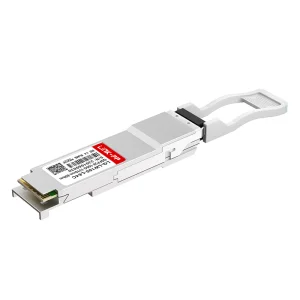
The roadmap for industrial module transceivers is closely tied to the scaling demands of edge computing and localized AI inference. While 10G and 25G architectures remain the workhorses of industrial networks due to their low power draw and thermal reliability, there is a clear trend toward migrating high-capacity edge nodes to 100G (QSFP28) and even 400G / 800G form factors.
To support this, manufacturers are developing novel approaches to laser design and packaging:
FiberNova's R&D department, which consists of 65 design engineers, is currently pioneering these technological pathways. Over the past year alone, FiberNova launched approximately 120 new products, catering to the evolving requirements of edge data centers and high-reliability automation systems.
Industrial module transceivers are critical components across diverse, localized industrial scenarios:
A. Electrical Utility Substation Automation (IEC 61850)
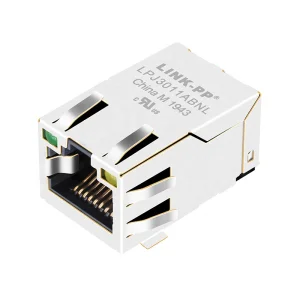
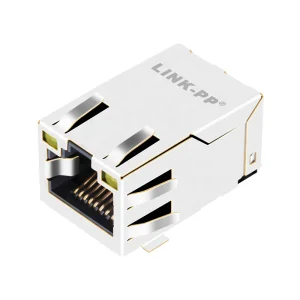
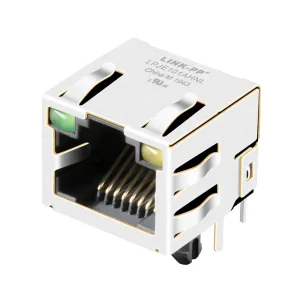
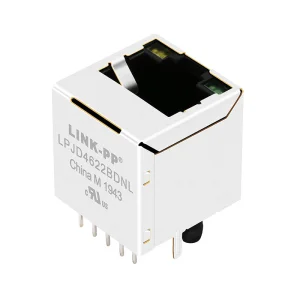
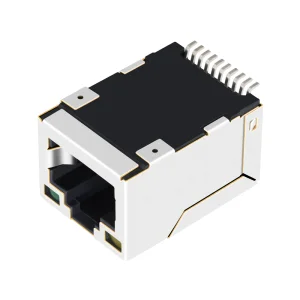
Power grids require communication networks that can survive high-voltage surges and intense electromagnetic radiation. Standard copper Ethernet cables are susceptible to induced electrical currents. Optical fibers, terminated with rugged, EMI-shielded SFP or RJ45 Magjack connectors (featuring integrated isolation magnetics), ensure galvanic isolation and noise-free data delivery across automated switchgear and control relays.
B. Intelligent Rail Transit & Rolling Stock
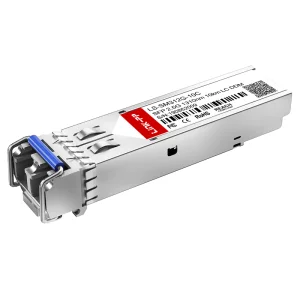
Rail systems deploy transceivers in trackside signaling boxes and onboard trains. These locations experience continuous shock, high mechanical vibration, and extreme temperature variations. Standard transceivers will suffer from laser misalignments or solder joint fractures under these conditions. FiberNova's industrial-grade SFP modules feature reinforced locking latches and solder configurations engineered to withstand continuous physical vibrations.
C. Marine and Offshore Operations
Offshore oil platforms, marine vessels, and coastal infrastructure are exposed to high humidity and corrosive salt spray. In these environments, optical transceivers must be paired with hermetically sealed enclosures, gold-plated contacts, and anti-corrosive housing alloys (such as nickel-plated zinc) to prevent chemical degradation and ensure long-term performance (MTBF > 1,000,000 hours).
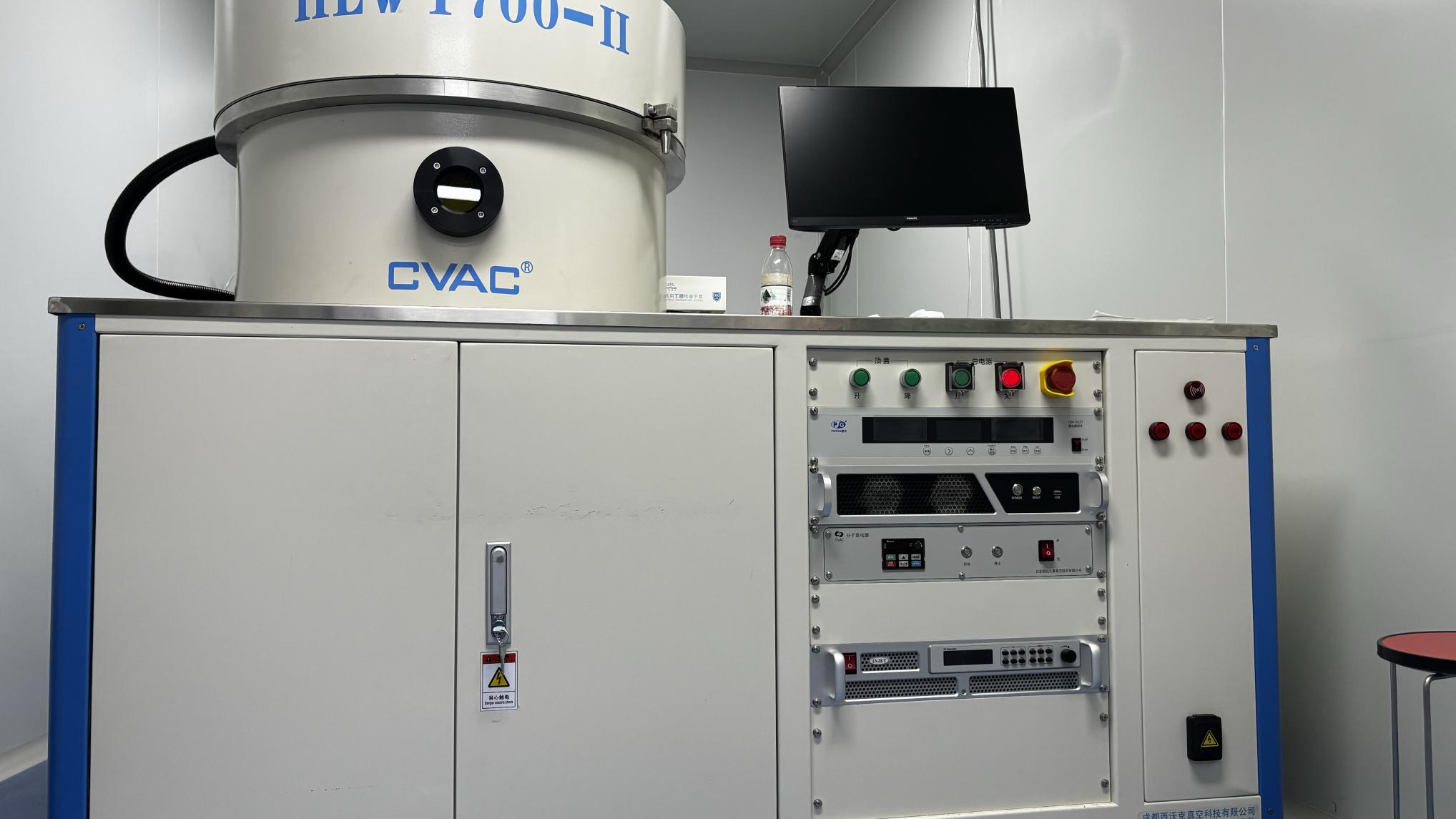
Take a closer look at FiberNova's advanced manufacturing floor, assembly lines, and testing laboratories.
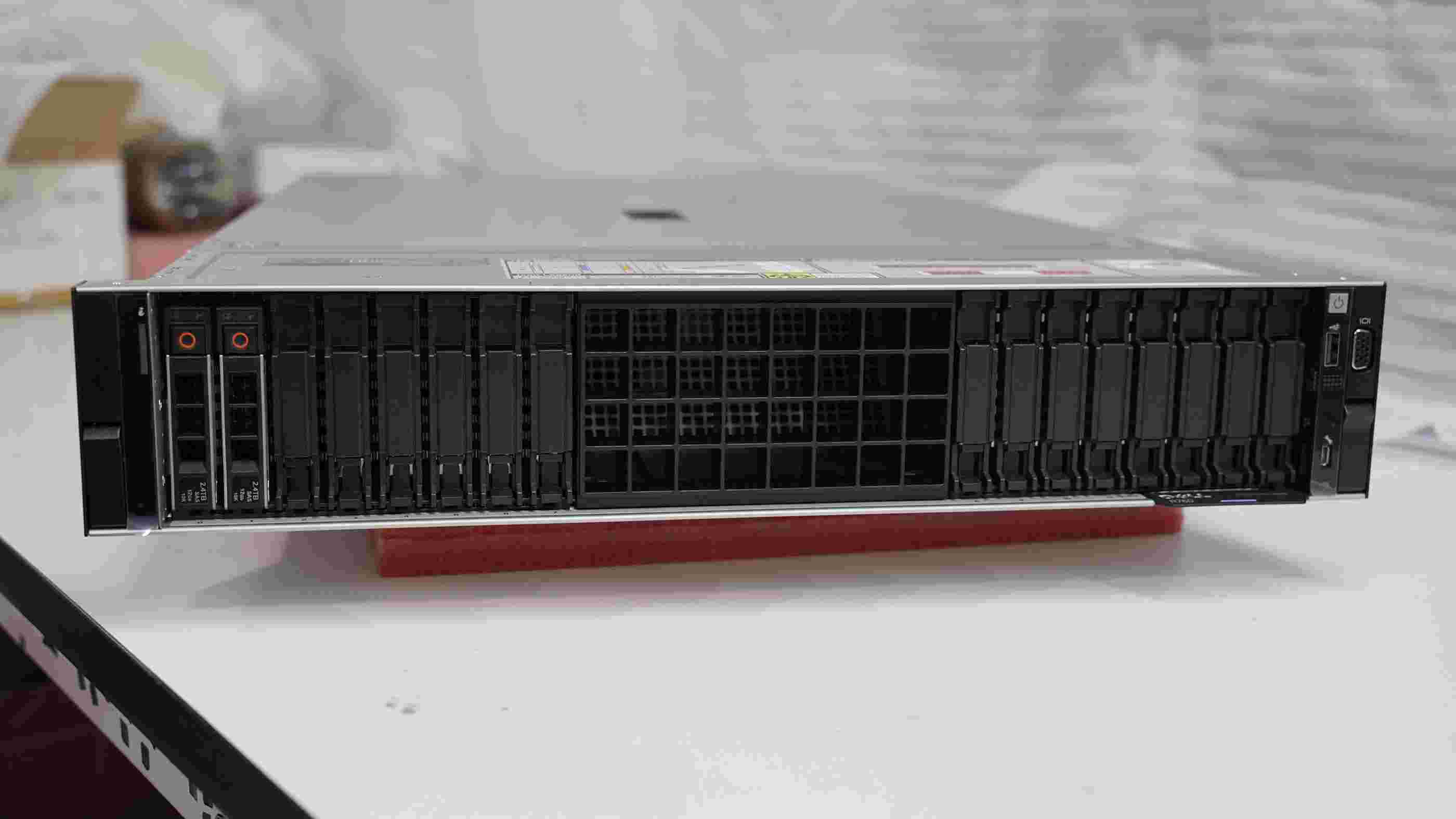
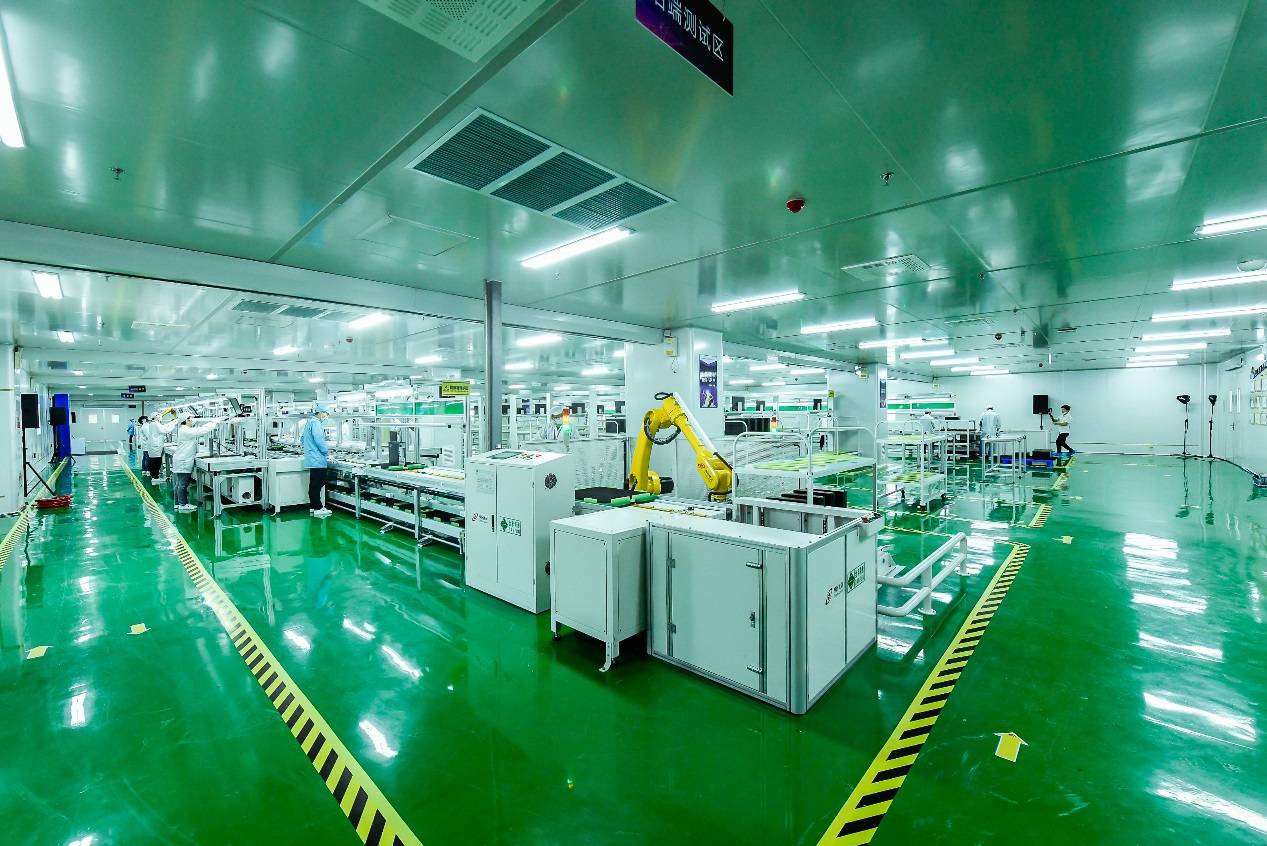
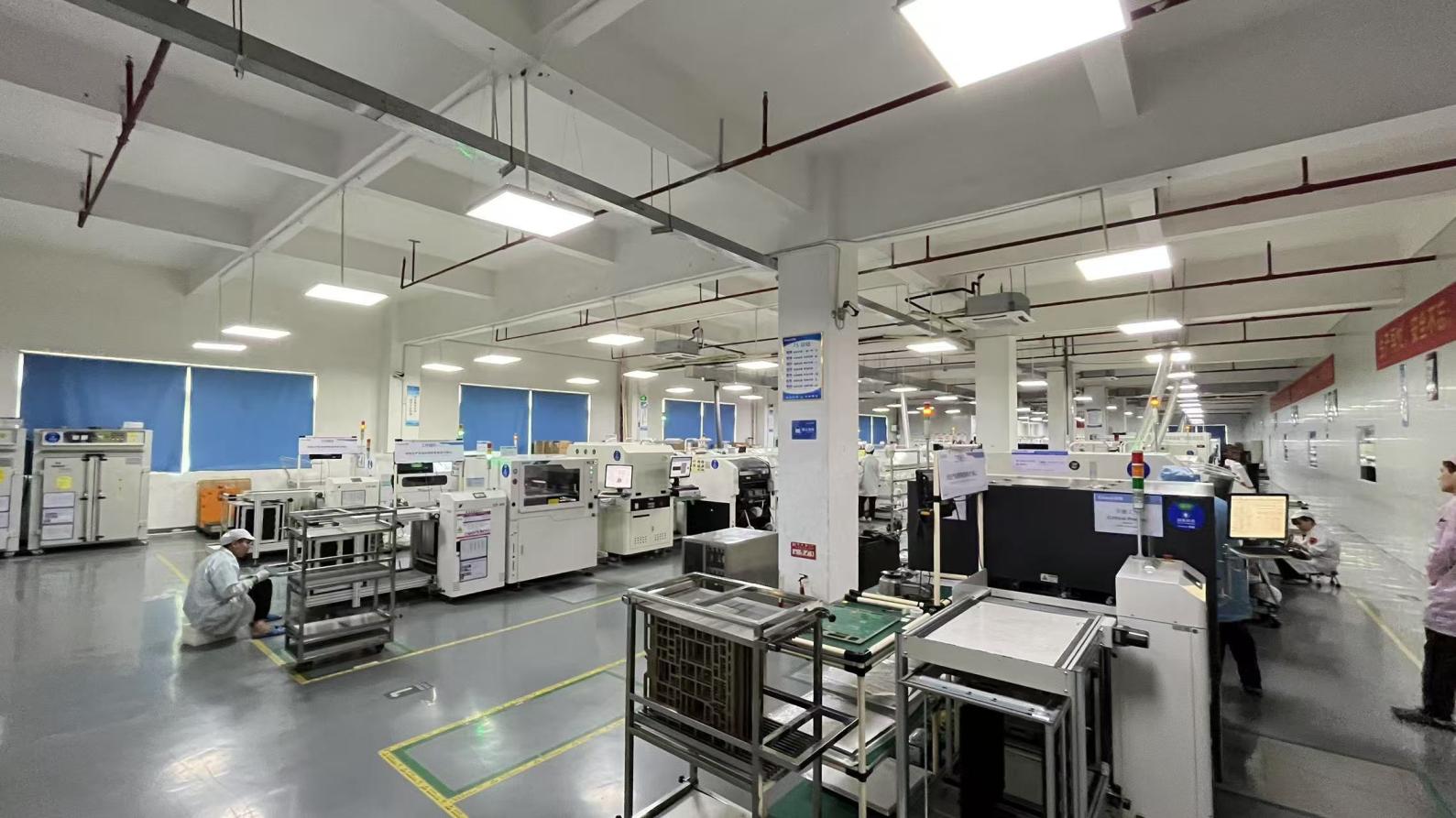
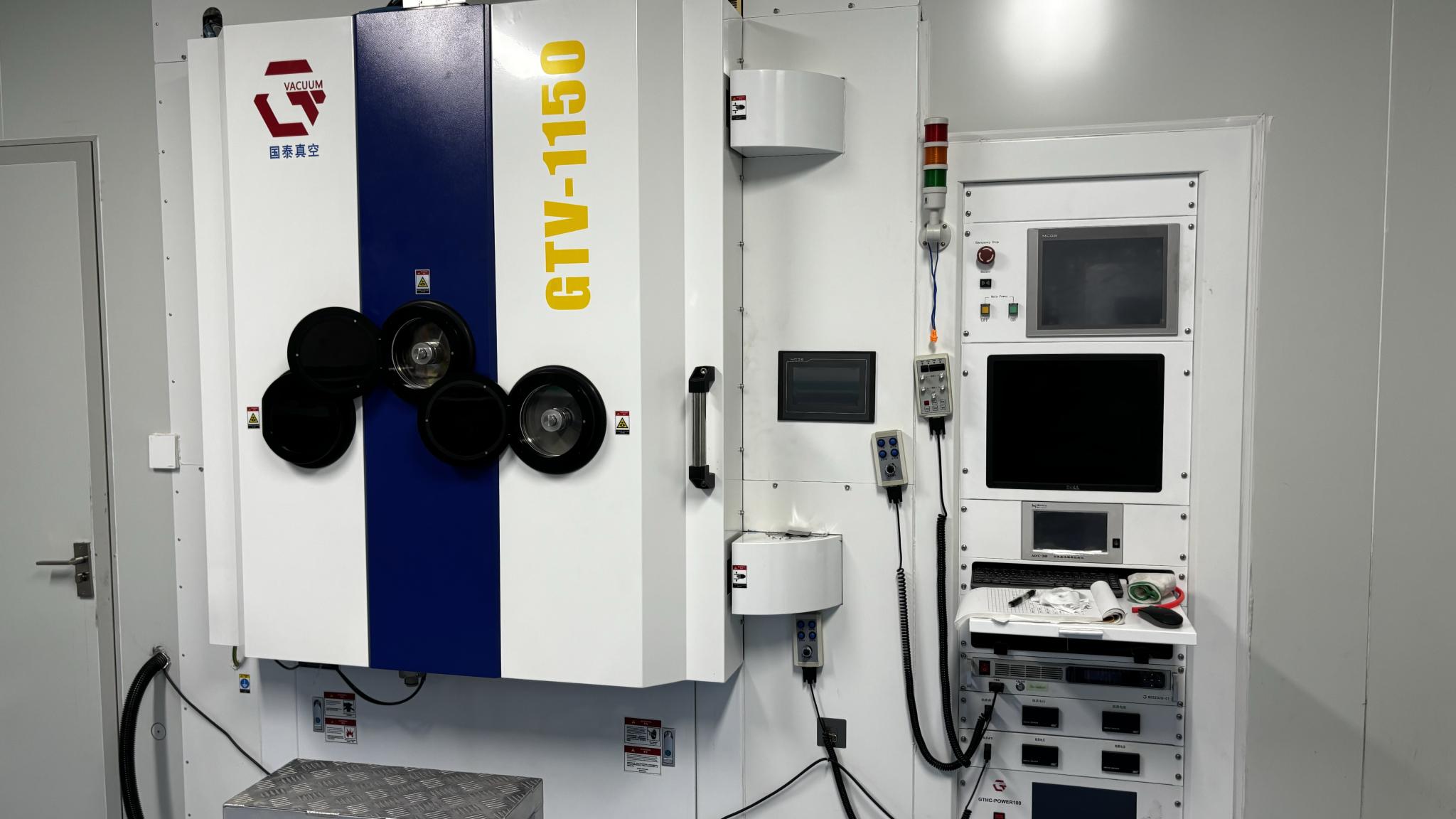
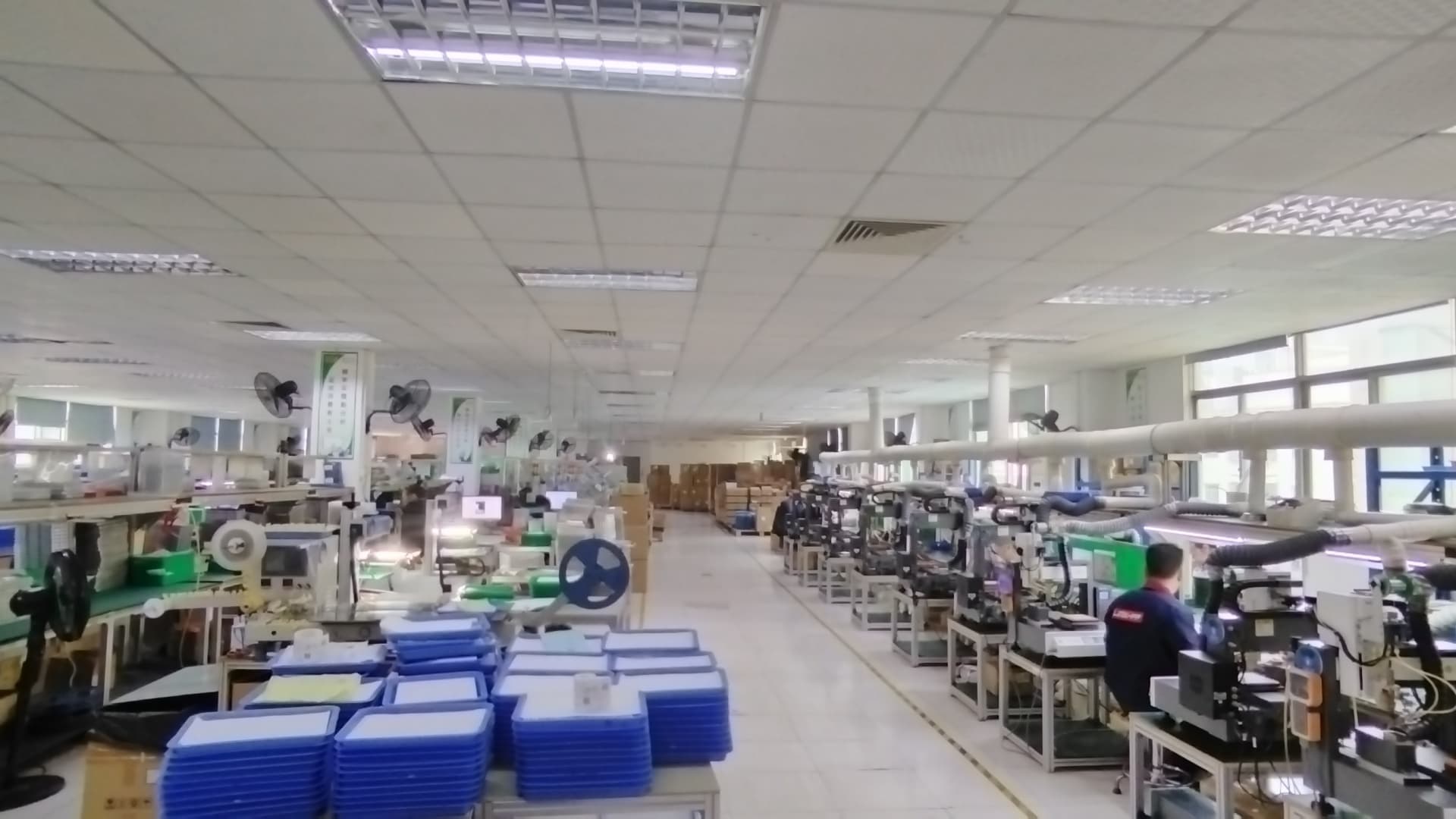
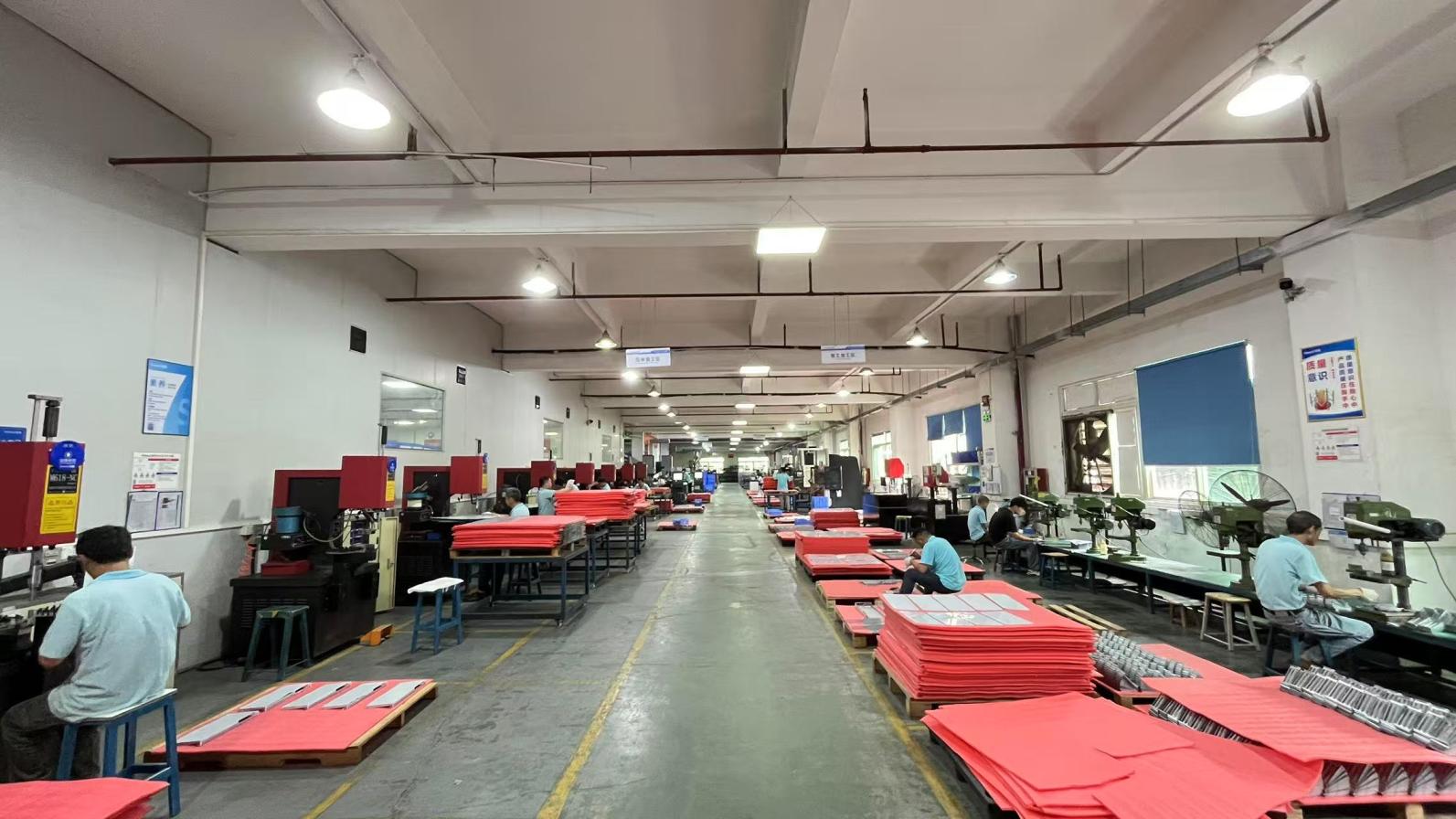
A primary challenge for system integrators is the high cost and complexity of sourcing custom components for specialized configurations. FiberNova offers end-to-end macro industry solutions designed to streamline procurement and engineering workflows:
Comprehensive Compatibility Programming: FiberNova modules feature multi-coded EEPROMs, allowing them to support multiple hardware systems simultaneously. A single stock-keeping unit (SKU) can be programmed to work with Cisco, Juniper, HPE, and Aruba hardware platforms. This compatibility reduces inventory overhead for distributors and maintenance organizations.
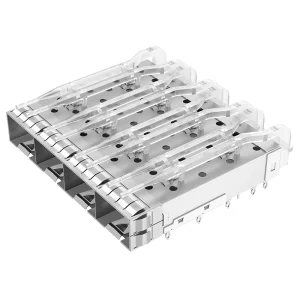
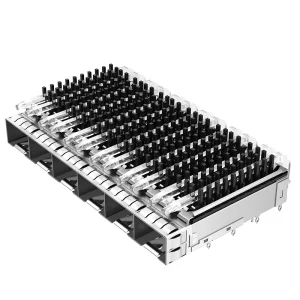
Custom Form Factors and Heat Dissipation Options: In compact environments, cooling is a major challenge. FiberNova designs custom heatsinks, thermal interface materials, and SFP cages (such as the 1x4 and 1x6 ports press-fit cages with light pipes) to maximize passive cooling. These features help keep transceivers within safe thermal limits even in unventilated outdoor enclosures.
Tailored Wavelength and Optical Power Budgets: FiberNova offers customization options for unique optical link budgets, including specific DWDM, CWDM, and Bidi wavelengths. This flexibility allows engineers to optimize bandwidth over existing fiber paths without having to install costly new optical cabling.
Get answers to common technical and procurement questions about industrial optical modules.
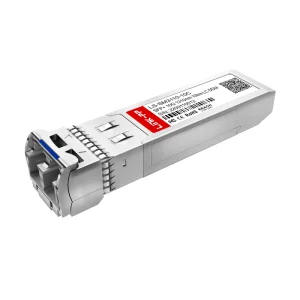
Explore our selections for high-speed network routing, local switching, and optical backplanes.
 FiberNova