OEM/ODM Compact RJ45 Connector Suppliers & Exporters

Providing custom, high-integrity connectivity solutions, high-speed optical modules, and customized magnetic jacks engineered for Next-Gen Ethernet & Industrial Network Infrastructures.

FiberNova: Built On Engineering Authority & Scale

Empowering global telecom platforms, enterprise data centers, and industrial automation networks since 2016.

12+
Years of Industry Expertise
65+
R&D Engineers & Tech Experts
1,200+
Supply Chain Partners
100%
Signal & Optical Performance Tested

Strategic Insights into Compact RJ45 Connectors: Advancements, Global Trade & Manufacturing Resilience

As transmission infrastructure evolves to support unprecedented data throughput, the hardware layers connecting these systems face stringent demands. Among these, the compact RJ45 connector remains the bedrock of Ethernet communication in environments where physical space is at a premium and electrical noise is high. This paper explores the industrial trends, purchasing behaviors, and localized application parameters governing these essential hardware elements, providing a comprehensive assessment for global procurement directors and network hardware architects.

Executive Summary: Why the Physical Layer Matters

The transition to 5G, distributed edge computing, and high-frequency factory floor automation (such as EtherCAT and Profinet) has forced design engineers to compress system architectures. Standard interfaces are no longer sufficient. Modern systems demand compact, EMI-shielded, and magnetics-integrated connectors capable of operating at 2.5G, 5G, and 10G speeds without introducing crosstalk or signal attenuation.

1. Key Industry Trends Shaping Compact RJ45 Design

Modern connectivity is marked by two opposing vectors: the reduction in physical footprint and the exponential rise in frequency requirements. These forces have given rise to the following technical innovations:

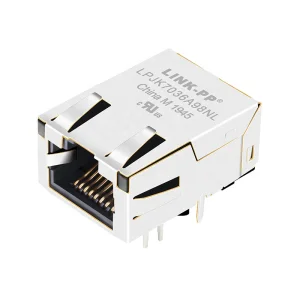
  • Integrated Magnetic Jacks (MagJacks): Standard RJ45 configurations require separate filter circuits on the host PCB. Compact designs integrate the chokes, capacitors, and isolation transformers directly within the RJ45 metal shielding shell. This layout minimizes PCB footprint by up to 50% while offering superior EMI/RFI suppression.
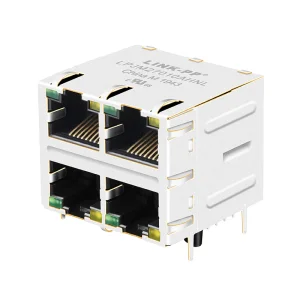
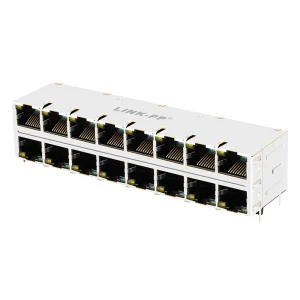
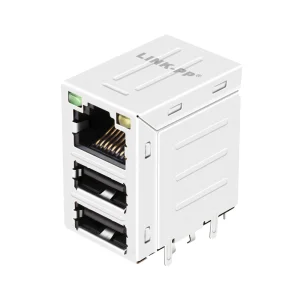
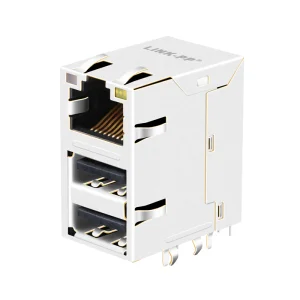
  • Migration to 2.5G/5G/10G Base-T: Legacy RJ45 designs were optimized for Fast Ethernet (100 Base-T) or Gigabit Ethernet (1000 Base-T). High-density architectures, such as our Shielded 2x2 Ports Ethernet 2.5G Base-T Female RJ45 Magnetic Jack, feature redesigned internal lead frames and shielding plates to mitigate Near-End Crosstalk (NEXT) and Far-End Crosstalk (FEXT) at frequencies up to 250 MHz and beyond.
  • PoE, PoE+, and PoE++ Thermal Management: The Power-over-Ethernet (IEEE 802.3bt) standard allows up to 90W of power to be delivered alongside data. In compact configurations, heat dissipation is a critical failure point. Advanced OEM/ODM suppliers now utilize heat-resistant liquid crystal polymer (LCP) plastics and custom-engineered pinouts to withstand localized temperature increases without causing contact deformation.
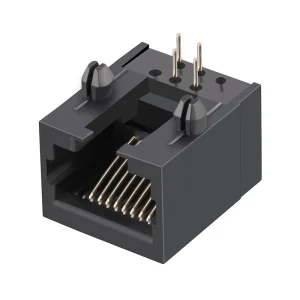
  • Low-Profile and Right-Angle Mechanical Adaptations: In modern 1U rack-mount servers or thin IoT edge devices, standard vertical connectors are too tall. Low-profile, right-angle, and tab-up/tab-down configurations are specifically built to fit slim enclosures, ensuring that signal routes are optimized without compromising structural rigidity.

2. Global Sourcing Trends: The Procurement Paradigm

For international buyers in the United States, Germany, Japan, South Korea, and the United Arab Emirates, procuring RJ45 connectors and high-speed optical transceivers involves navigating complex cost-to-performance trade-offs. The key procurement criteria have shifted from unit cost to systemic compliance and operational lifespan:

  • PHY Chip Compatibility: RJ45 connectors with integrated magnetics must be electrically matched to the PHY (Physical Layer) chipsets utilized on the main board (e.g., Broadcom, Marvell, Realtek). Failure to match inductance, turns ratios, and auto-transformer profiles leads to packet drops. Leading OEM/ODM suppliers provide custom winding layouts to achieve 100% chip compatibility.
  • Compliance and Certifications: Suppliers must offer components complying with UL94V-0 (flammability), RoHS, REACH, and IEEE standards. In critical fields like telecommunications and aerospace, traceability of the gold plating thickness on the contact pins (varying from gold flash up to 50 micro-inches) is mandatory to prevent oxidation and contact wear over thousands of insertion cycles.
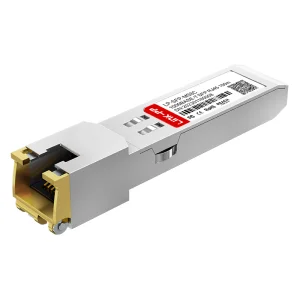
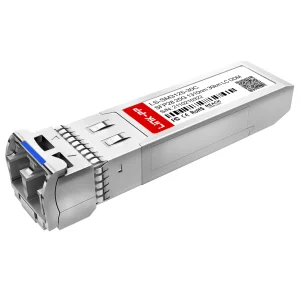
  • Dual-Interface Integration (SFP & RJ45): Data centers and enterprise networks frequently rely on hybrid copper-to-fiber conversions. A resilient procurement strategy secures components that function harmoniously across physical mediums, such as SFP+ cages, high-speed SFP modules, and RJ45 interfaces operating under unified protocols.

3. China Factory 4.0: Supply Chain Resilience & Precision at Scale

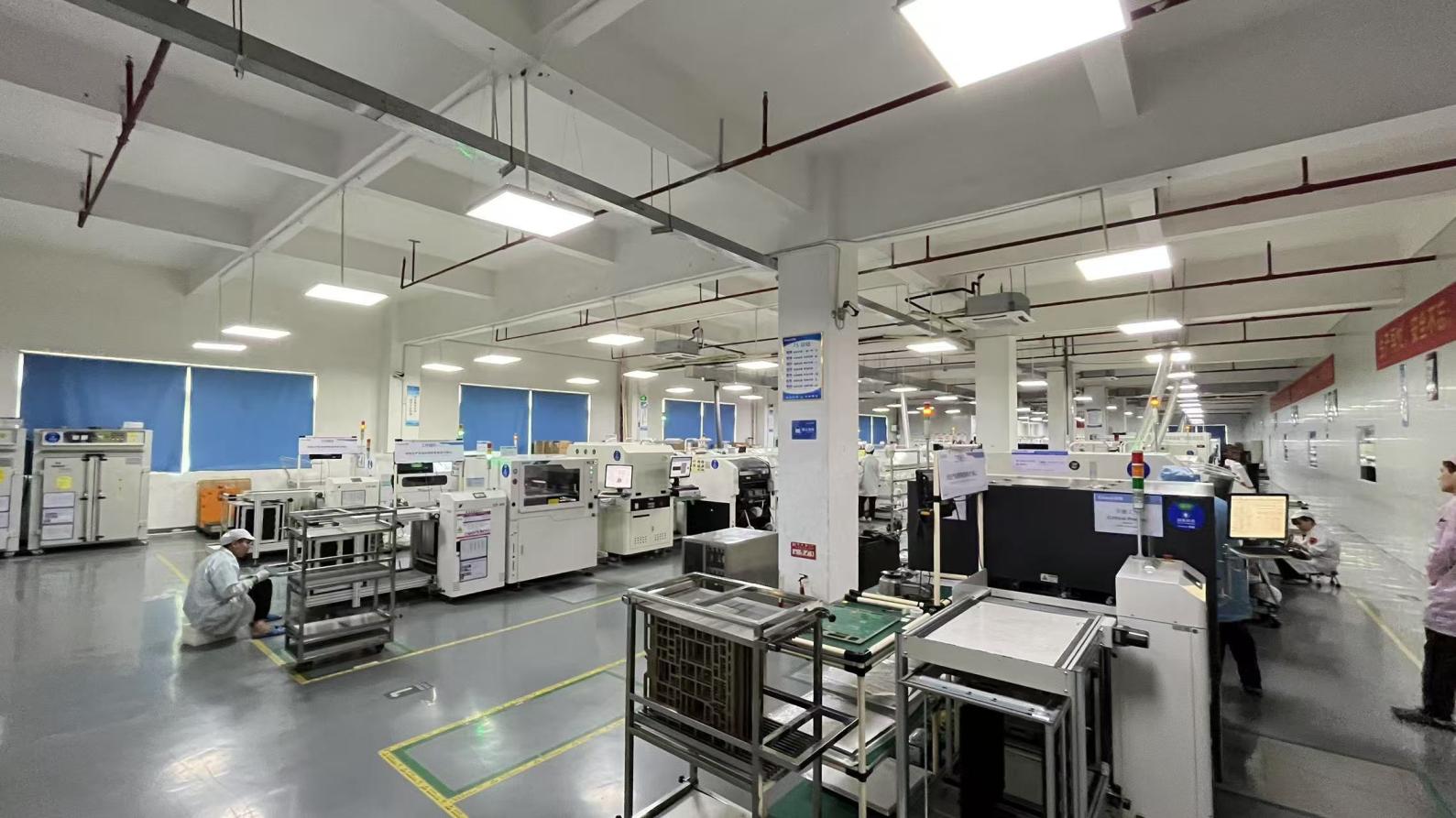
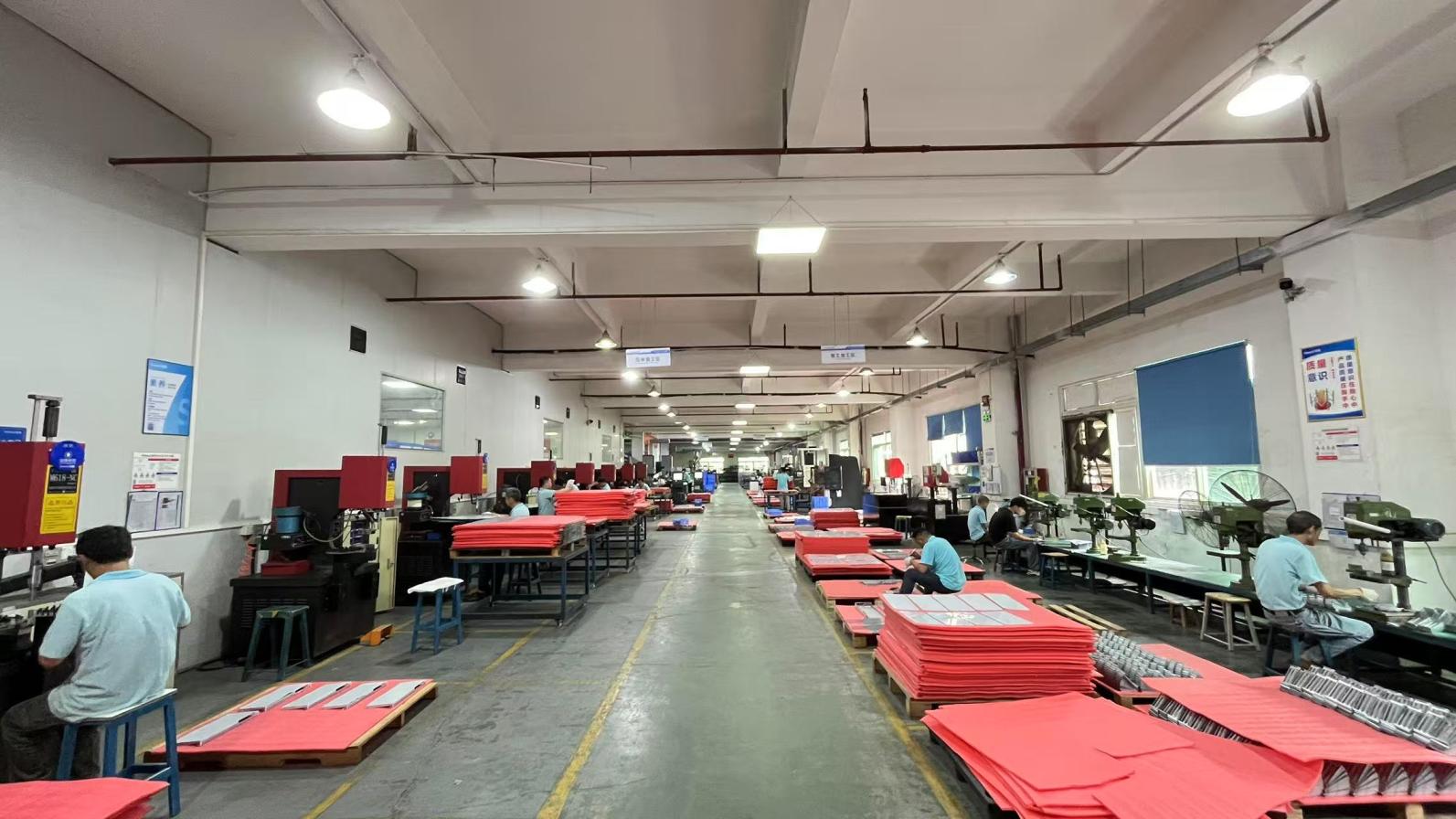
The capability of a supplier to deliver million-unit orders with consistent quality depends on their factory automation, supply chain depth, and quality control systems. China's manufacturing sector has transitioned from simple assembly to High-Precision Factory 4.0 paradigms, typified by operations like FiberNova:

  • Unparalleled Supply Chain Integrations: Operating with an established ecosystem of over 1,200 supply chain partners, FiberNova secures reliable access to essential components: high-grade copper alloys, specialized optical lasers, advanced silicon chips, and high-frequency PCB boards. This network buffer mitigates global supply constraints and stabilizes raw material costs.
  • Advanced R&D Capacity: Backed by a team of 65 dedicated engineers, the product design cycle is highly responsive. In the past year alone, approximately 120 new products were engineered to meet rapid market changes, demonstrating a fast transition from custom design to high-volume manufacturing.
  • Robust Quality Control Systems: Maintaining a QA crew of 45 specialized QC staff, every transceiver and connector undergoes a rigorous battery of tests, including 100% optical performance testing, signal integrity inspections, and temperature cycling tests before dispatch. This ensures conformity with international standards and minimizes field failures.

4. Global Business & Industrial Application Scenarios

Compact RJ45 connectors and accompanying transceivers are critical nodes across multiple sectors:

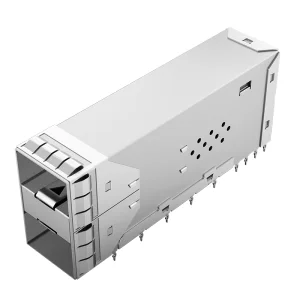
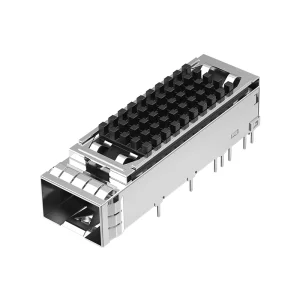
  • Enterprise Data Centers: Used on high-density switches, routers, and patch panels where hundreds of connections must fit within a single rack unit. SFP+ cages (e.g., TE Replacement 2x1 Press-Fit Cages) and multi-port RJ45 jacks work in tandem to route internal data buses to optical trunks.
  • Industrial Smart Automation: Employed in programmable logic controllers (PLCs), industrial PCs, and robotic arms. These applications require shielded RJ45 jacks that can resist harsh vibration, electromagnetic interference from nearby motors, and extreme temperature ranges.
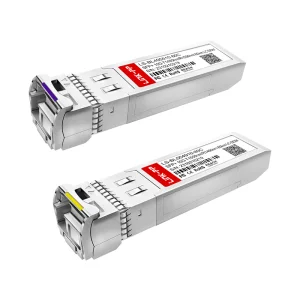
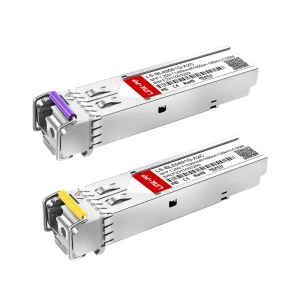
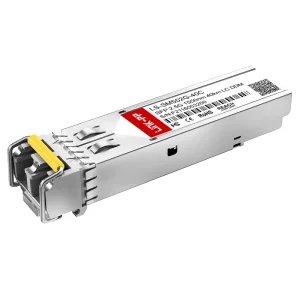
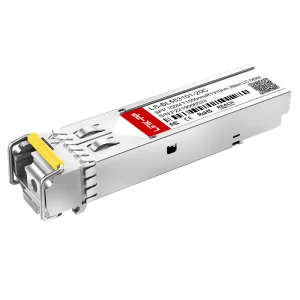
  • Telecommunications & Fiber-to-the-Home (FTTH): Network interfaces rely on robust transceivers (like BiDi SFP modules and HPE Aruba compatible SFPs) linking back to local distribution networks that deploy multi-port RJ45 hubs to distribute high-speed local connections.

Custom ODM/OEM Capabilities

Tailoring physical configurations and electrical profiles to match your precise engineering requirements.

Electrical Optimization

Tailored transformer winding designs to match specific PHY chips, optimizing return loss and common-mode rejection ratio (CMRR) performance.

Mechanical Design

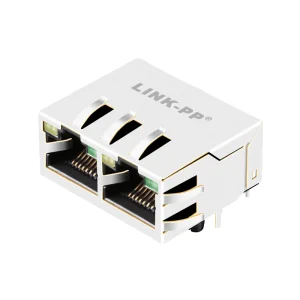
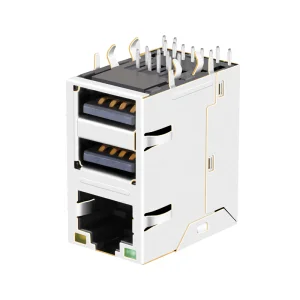
Offering vertical, right-angle, tab-up, and tab-down configurations, along with low-profile single-port or stacked multi-port layouts.

EMI & Environmental Protection

Specialized shield plating, integrated ESD grounding fingers, and gold contact options up to 50u" to resist vibration and harsh atmospheres.

About FiberNova Optical Communication Tech Co., Ltd.

A professional partner in custom transceivers and high-integrity connectivity components.

Established 2016

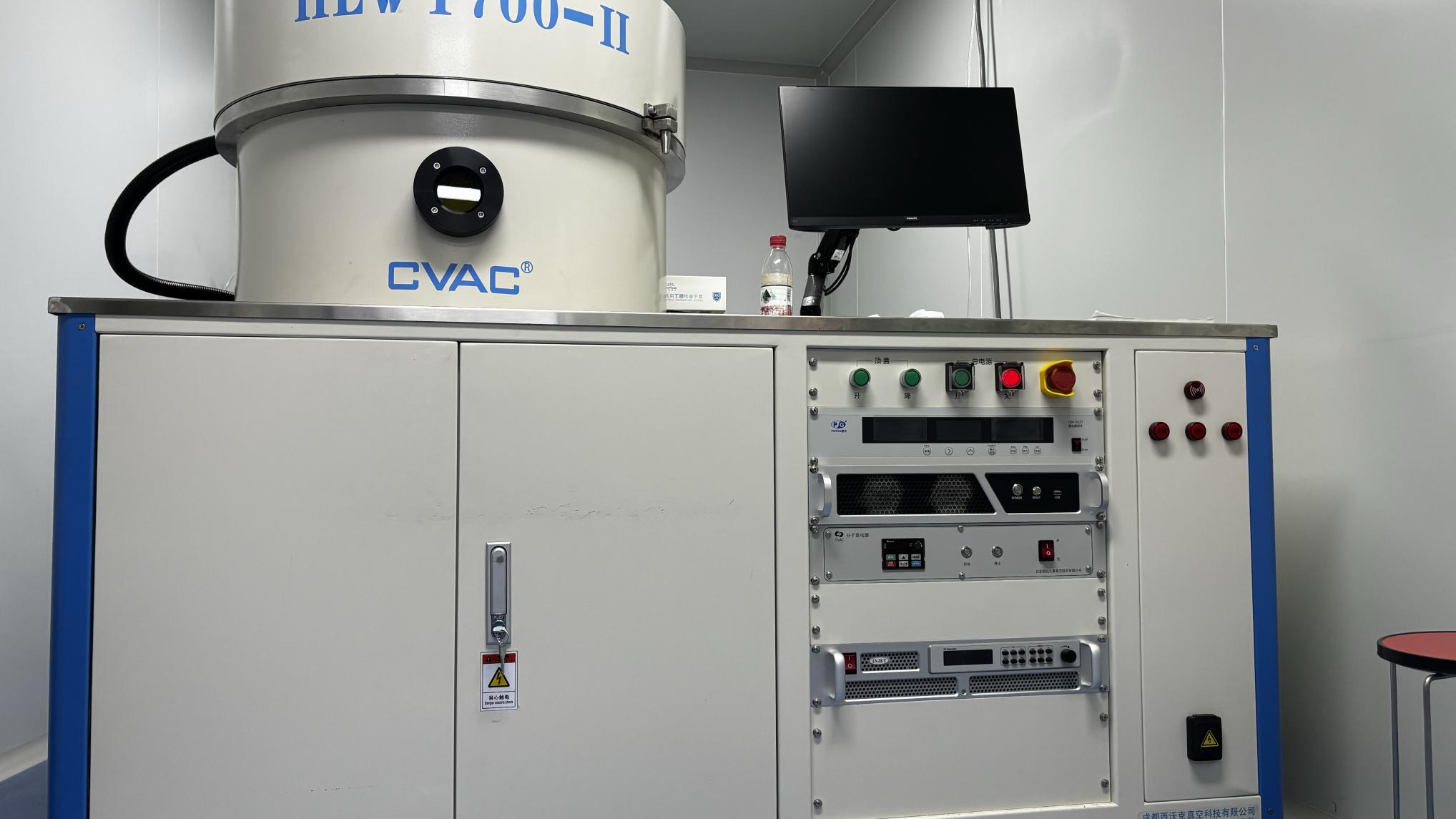
FiberNova Optical Communication Tech Co., Ltd. (FiberNovaTransceivers.com) is a professional manufacturer focused on high-speed optical communications and premium connectivity interfaces. Operating a modern manufacturing and test facility covering approximately 380㎡, we cater to Tier-1 telecom operators, cloud platform providers, data center integrators, and industrial network distributors worldwide.

With 12 years of industry expertise and 6 years of export history, we have developed robust procedures in R&D, mass manufacturing, and international trade compliance. Our annual export revenue spans USD 8–15 million, supplying mission-critical hardware to businesses throughout the United States, Germany, Japan, South Korea, and the United Arab Emirates.

Our commitment to reliable connectivity is supported by strict, multi-stage testing processes. Before any batch is packed, our 45 professional QC personnel run each component through 100% optical performance testing, thermal shock chambers, and signal integrity inspections. This protocol ensures complete alignment with MSA, IEEE, and environmental directives.

We pride ourselves on dynamic OEM/ODM services, maintaining a dedicated research team of 65 engineers capable of executing custom casing design, winding tuning, and protocol configurations. Our operational model is geared to turn designs into production-ready physical components rapidly, ensuring a secure and reliable supply line.

Production Facility & QC Testing Lab

Technical FAQ & Procurement Advice

Answers to common engineering and sourcing questions regarding compact RJ45 and high-speed network modules.

How does an Integrated Magnetic Jack (MagJack) differ from a standard RJ45 connector?
A standard RJ45 connector is a passive plastic-and-metal housing that merely links cable conductors to PCB pads. An Integrated Magnetic Jack contains electrical components—including common-mode chokes, isolation transformers, and capacitors—molded inside the shield. This provides vital high-voltage isolation (often up to 1500V AC), suppresses electromagnetic interference (EMI), and preserves signal integrity directly at the physical entry point, saving valuable space on the host board.
What is the advantage of using a 2.5G Base-T RJ45 connector over standard Gigabit models?
2.5G Base-T connectors are optimized to carry higher frequency signals (up to 100 MHz or 125 MHz) required for IEEE 802.3bz networks. Standard 1000 Base-T connectors can exhibit signal attenuation or crosstalk when forced to carry 2.5G speeds. Our 2.5G connectors, such as the Shielded 2x2 Ports RJ45 Jack, are constructed with internal shielding panels separating individual differential pairs to minimize signal distortion.
Can you customize the internal transformer schematics to match a specific PHY chip?
Yes. Under our OEM/ODM services, our engineering department works with your system schematic to customize the turns ratio, common-mode choke inductance, and pin assignments of the magnetics to align with PHY chips from major vendors like Marvell, Broadcom, and Realtek, ensuring compliance and minimizing bit-error rates (BER).
How does FiberNova guarantee compatibility for SFP and RJ45 Transceiver modules?
All our transceiver modules undergo a multi-stage programming and validation process. We maintain testing beds running original switches from major brands (such as Cisco, HPE Aruba, Juniper, and Huawei). Every module's EEPROM is coded with the correct vendor ID and checksum data, and tested for performance before packaging to guarantee plug-and-play operation.
What lead times and MOQ targets should global buyers anticipate?
For standard configurations, sample orders are processed within 3-5 working days, with mass production scaling in 2-3 weeks depending on material access. Standard MOQ is 1,000 units for customized RJ45 housings, but lower trial thresholds are available for qualified engineering evaluations.