Premium RJ45 interface modules, high-frequency connectors, and optical fiber interfaces engineered for mission-critical networks.
In the modern telecommunications landscape, the coexistence of structural ethernet cabling (RJ45, 8P8C) and legacy public switched telephone networks (PSTN/POTS using RJ11, 6P4C or 6P2C) presents a significant engineering challenge. As global corporations phase out ancient PBX systems or bridge legacy analog devices (faxes, modems, analog phones) into structural digital backbones, the RJ45 to RJ11 adapter serves as the critical transition vector.
Historically, the physical form factors and signal properties of RJ45 and RJ11 connectors have restricted seamless direct interoperability. RJ45 utilizes an 8-position, 8-contact module carrying high-speed differential digital signals. Conversely, RJ11 operates on a smaller 6-position, 2-to-4-contact footprint, transmitting lower-frequency, high-voltage analog signals. Resolving this delta requires rigorous mechanical impedance matching, precise wire mapping, and high-integrity housing insulation to prevent crosstalk, return loss, and interface degradation.
A functional RJ45 to RJ11 adapter requires mapping the central pins of the RJ45 jack directly to the corresponding active pins in the RJ11 connector. Below is the standard conversion matrix commonly utilized in our industrial manufacturing procedures:
| RJ45 (8P8C) Pin Number | Signal Assignment (T568B Standard) | Mapped RJ11 (6P4C) Pin | RJ11 Signal Functionality |
|---|---|---|---|
| Pin 3 | TX_D1+ (Transmit Data Plus) | Pin 1 | TX2 / Auxiliary Loop (T2) |
| Pin 4 | Blue (Voice Tip / Ring) | Pin 2 | Ring 1 (Primary Line - R1) |
| Pin 5 | Blue/White (Voice Ring / Tip) | Pin 3 | Tip 1 (Primary Line - T1) |
| Pin 6 | RX_D1- (Receive Data Minus) | Pin 4 | RX2 / Auxiliary Loop (R2) |
This layout ensures that the primary analog line (Tip/Ring on pins 4 and 5 of the RJ45 jack) aligns with pins 2 and 3 of the RJ11 plug, mitigating potential line shorts and electrical overload while safeguarding internal telecom circuitry from transient voltage spikes.
Exploring the shift toward high-density structured cabling systems and VoIP-analog legacy systems.
Modern Smart Factories still rely heavily on RS-232, RS-485, and legacy telephone lines for telemetry. Our adapters bridge these modbus interfaces into high-grade Cat6/Cat7 structure runs without compromising signal integrity.
Industrial installations demand high-density footprints. FiberNova's modular RJ45-RJ11 interfaces are engineered with low-profile housings and gold plating thicknesses up to 50u" to ensure mechanical durability exceeding 750 mating cycles.
Electro-magnetic interference (EMI) degrades low-voltage analog signals. Our shielded adapters block external RF noise, assuring clear voice and data transmission in environments with high motor-driven noise.
B2B network engineers, telecom operators, and system integrators face strict requirements during sourcing cycles. They look for solutions that address three critical vulnerabilities:
A trusted global B2B manufacturer delivering high-grade interconnects, optical modules, and telecom components since 2016.
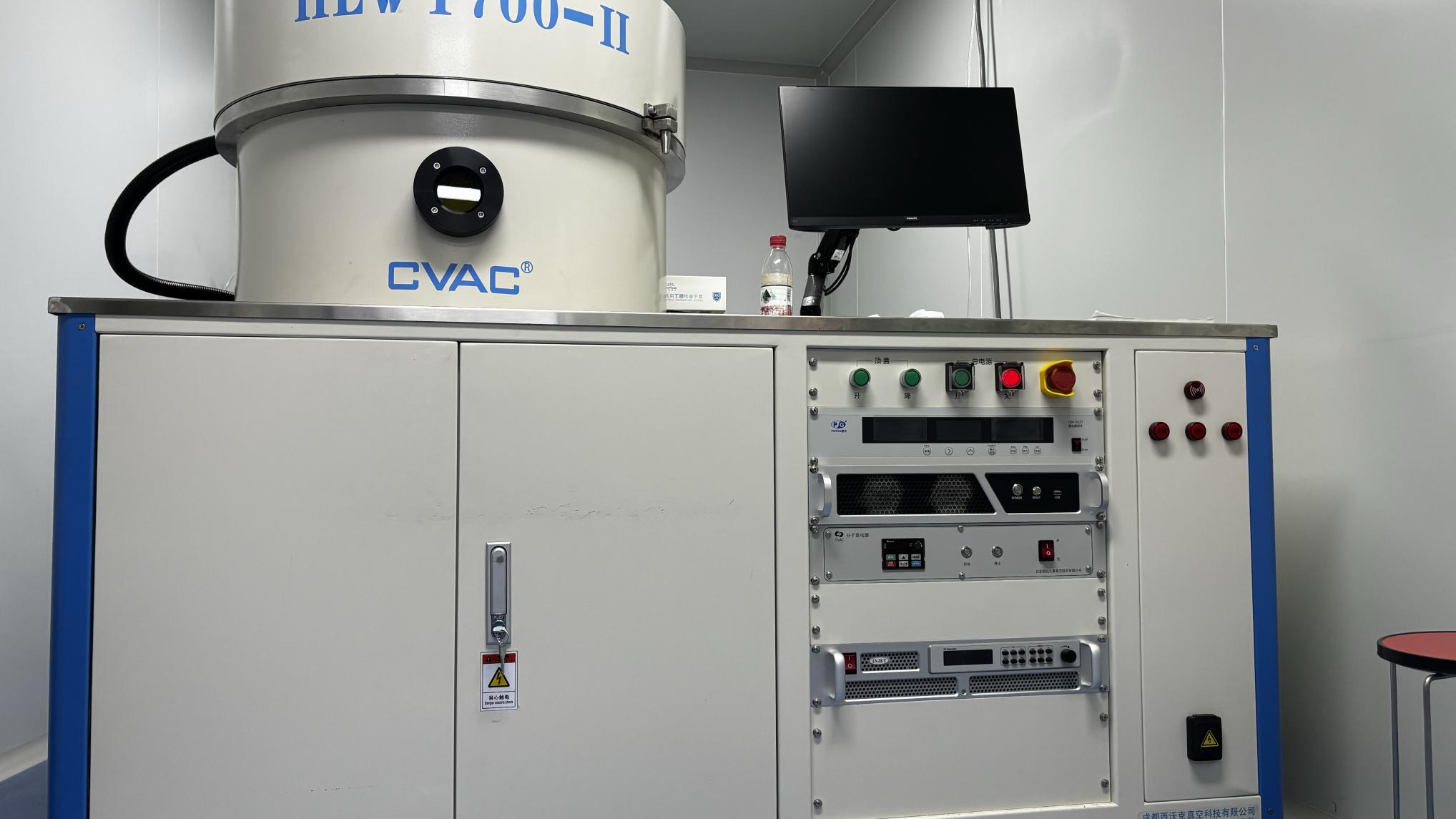
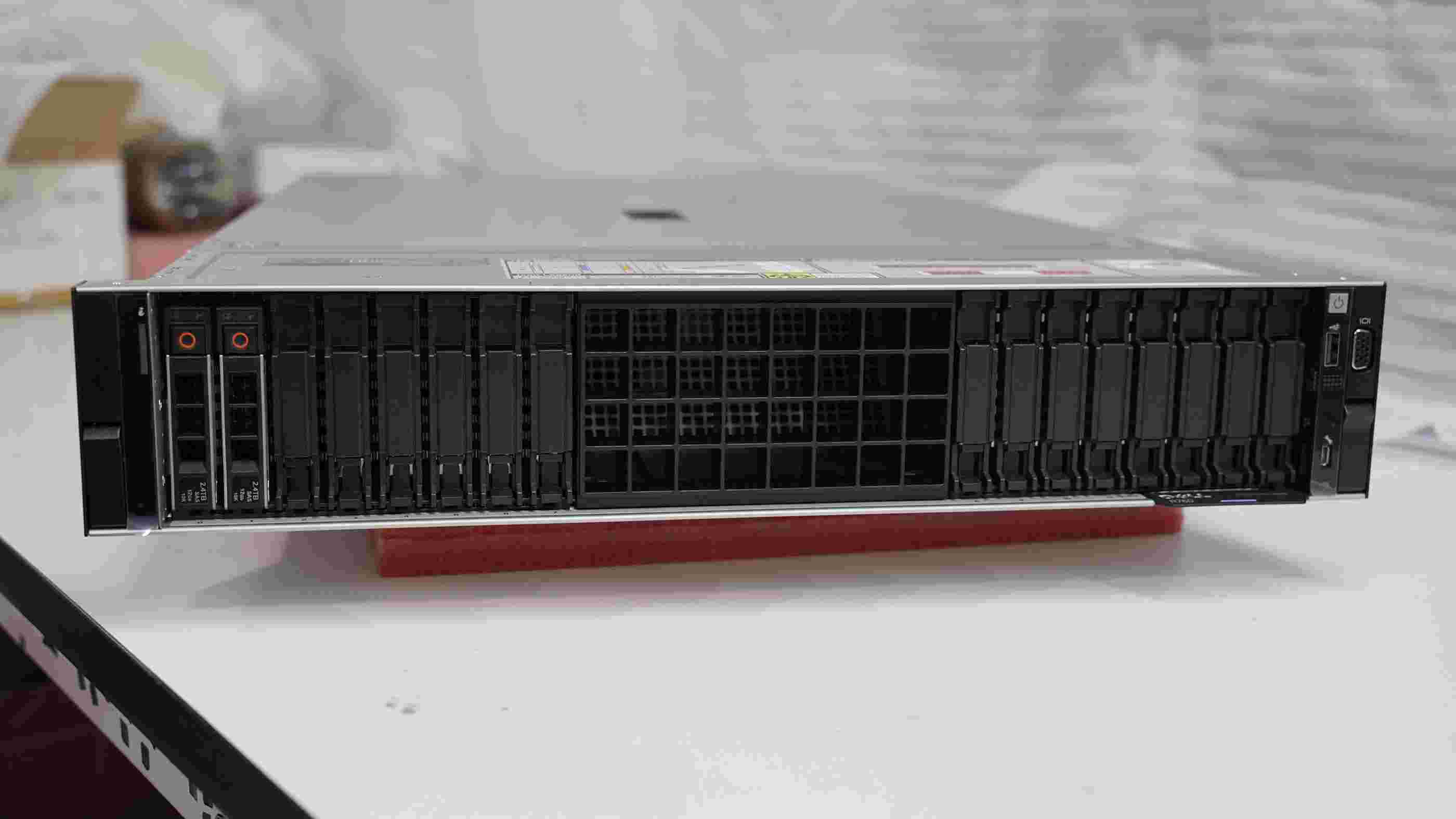
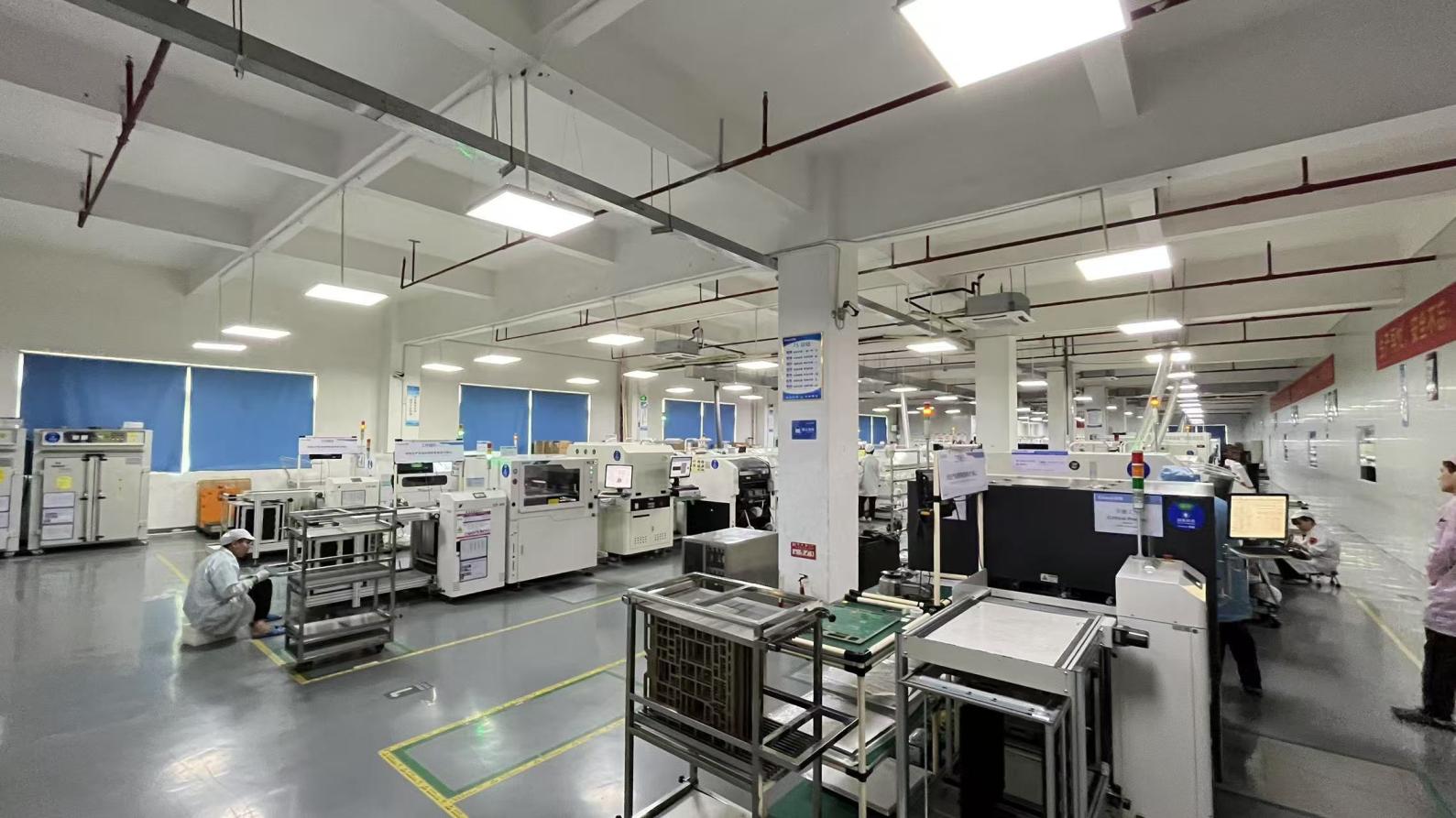
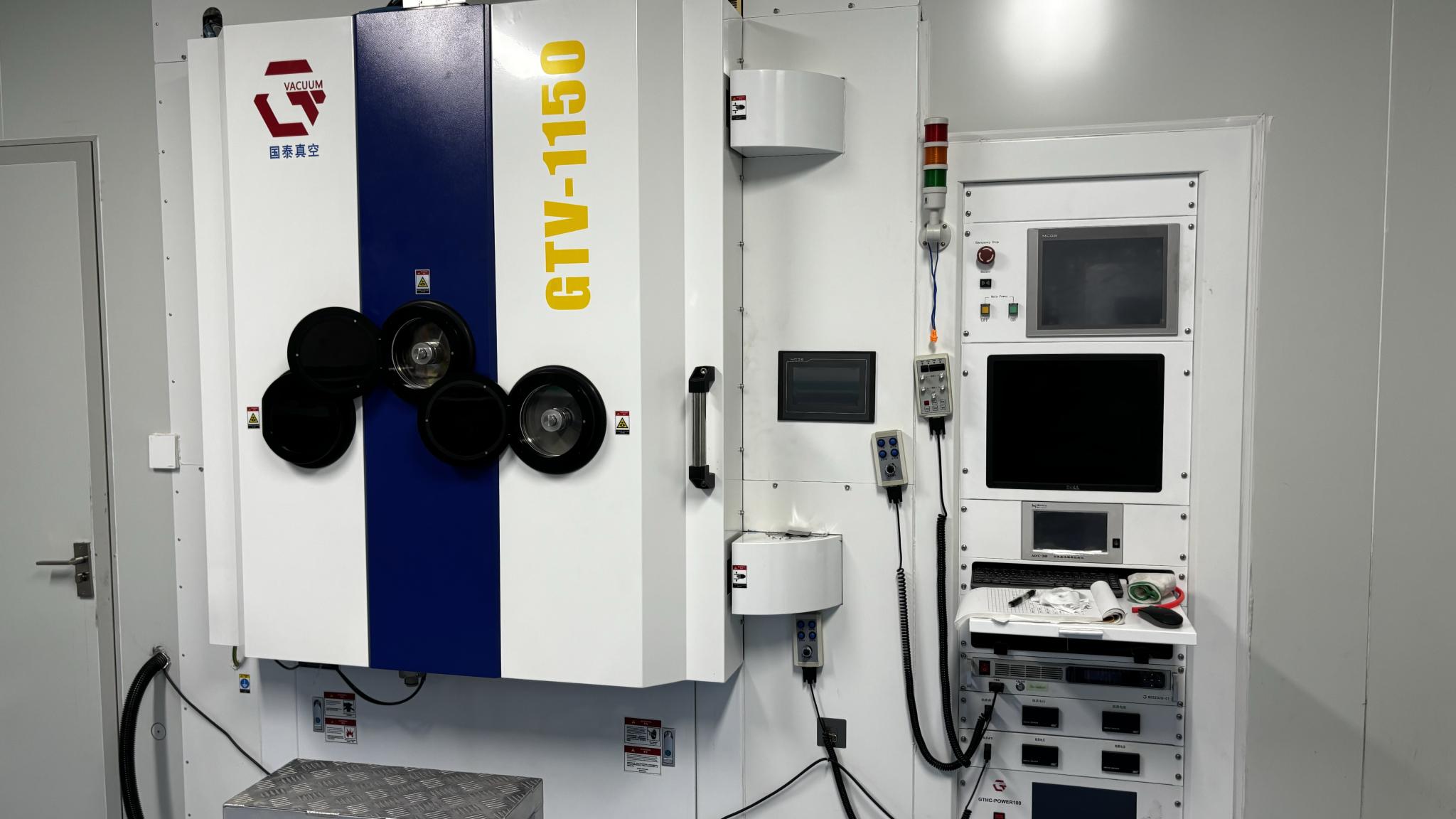
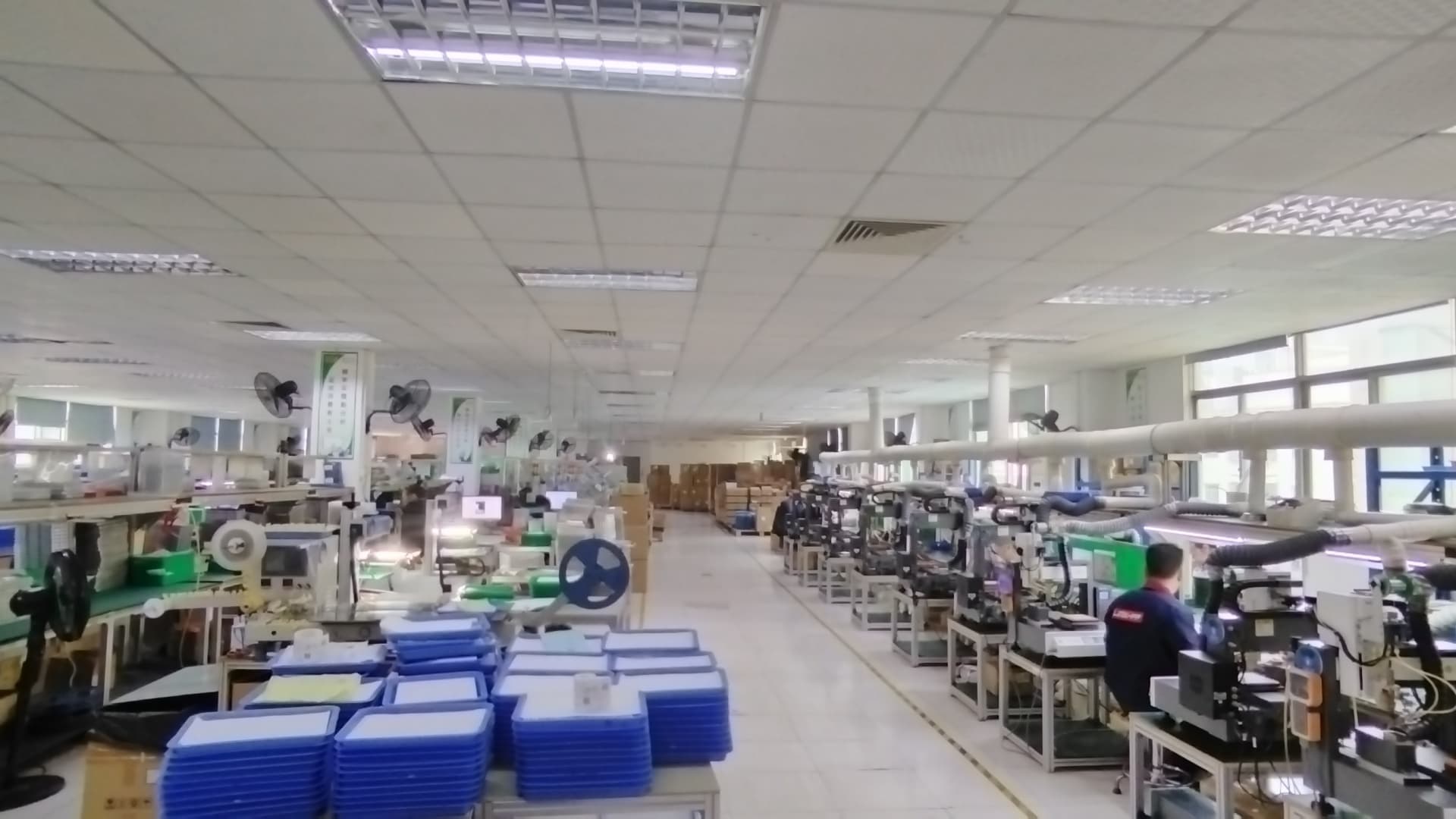
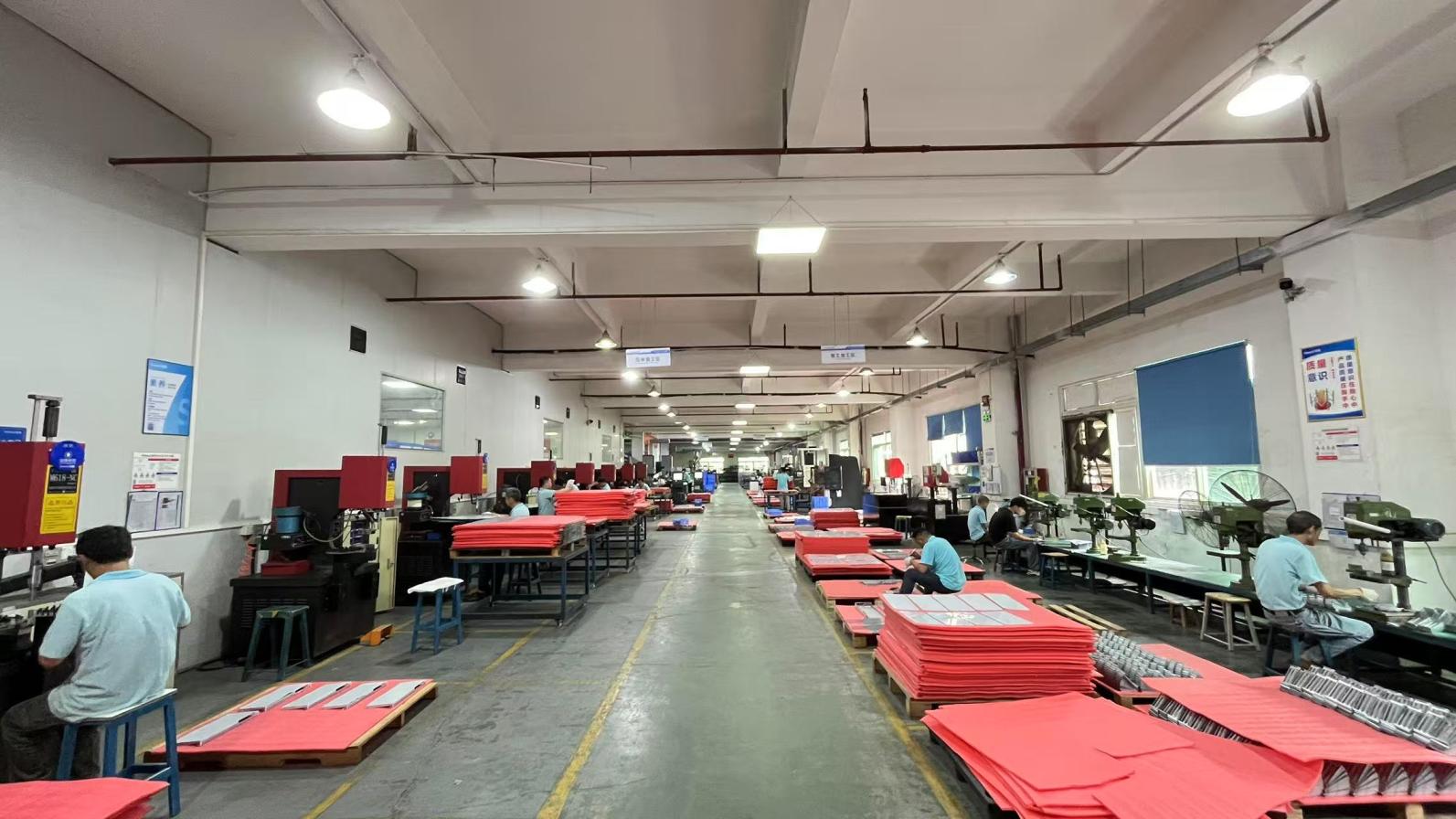
FiberNova Optical Communication Tech Co., Ltd. (FiberNovaTransceivers.com) is an industry-leading optical transceiver and interconnect hardware manufacturer. Based out of our modern 380㎡ production facility, our focus spans high-speed optical communication systems, premium patch cords, modular jacks, and interface adapters for global telecom and data center infrastructures.
Under the supervision of our 65 professional R&D engineers, FiberNova designs high-density solutions targeting 10G, 25G, 100G, 400G, and 800G optical frameworks alongside fundamental physical layer connection ports. Our strict QA pipeline is managed by a team of 45 professional QC staff, running 100% optical performance testing, signal integrity scans, mechanical stress trials, and environmental aging verification tests before shipping.
We pride ourselves on solid export logistics, generating USD 8–15 million annually. Our major sales markets comprise the United States, Germany, Japan, South Korea, and the United Arab Emirates. Over our 6 years of export history, we have maintained a versatile catalog, launching approximately 120 new products annually to align with evolving customer standards.


Addressing real-world deployment challenges in corporate networking, legacy migrations, and system upgrades.
In mid-to-large-scale offices, transitioning entirely from legacy PSTN connections to Voice over IP (VoIP) endpoints is often cost-prohibitive due to existing hardware infrastructure. Our RJ45 to RJ11 adapters allow telecom engineers to feed analog voice channels into structured Cat5e/Cat6 patch panel lines. By mapping voice pins to dedicated runs, businesses avoid the cost of installing redundant analog lines alongside standard Cat6 cabling, cutting overall installation costs by up to 45%.
In high-security server rooms and automation stations, out-of-band management through console ports (RJ45 form factor) linked to dial-up analog modems (RJ11) is essential for recovery during core system downtime. We supply shielded, interference-proof adapters that ensure reliable remote connections during emergencies, even in high EMI environments.
Modern retail spaces utilize structured cabling runs to link POS terminals, credit card terminals, and analog cash drawers. Standardizing cash drawers on RJ11 interfaces requires adapters to route signals through local RJ45 wall plates. Our custom wire configurations prevent power feedback loops, protecting POS controller cards from damage.
To operate smoothly in international markets, our components comply with strict standards and safety policies:
As networks evolve toward Cat8 standards and optical setups reach the edge (FTTD - Fiber to the Desk), copper connections must become more resilient. Our current research focus centers on:
Integrated Smart Adapters: Incorporating passive low-pass filters inside the connector head to remove high-frequency digital noise from voice lines.
Advanced Composite Plating: Researching alternative platings like palladium-nickel alloys to enhance wear resistance and extend component life beyond standard gold layers.
Expert answers addressing compatibility, performance limits, and structural deployment queries.
No. These adapters are designed to carry telephone voice signals over standard Ethernet cabling, or route analog connections through patch panels. Telephone lines (Cat3) do not have the bandwidth, twist rates, or shielding required to support high-speed Ethernet (100Mbps+). For that setup, active media converters or VDSL extenders are needed.
Directly inserting a standard RJ11 plug into a standard RJ45 port without an adapter can bend the outermost pins (pins 1 and 8) of the RJ45 jack. The smaller RJ11 housing can press those outer pins too far up, damaging the jack. Using a proper adapter prevents pin misalignment and protects the socket.
Because the active pins for voice signaling (pins 4 and 5 in RJ45, representing the blue pair) are in the center, they remain identical in both T568A and T568B pin schemes. However, auxiliary line pairs (Orange/Green) swap positions. Custom wiring configurations are available to suit specific hardware needs.
Gold resists corrosion and oxidation, preserving clean connections over time. Standard consumer connectors use thin gold flash coatings that wear away quickly. Our 50u" industrial gold plating prevents connection dropouts and signal degradation, ensuring long-term reliability in challenging environments.
Our standard RJ45-RJ11 adapters are configured for analog voice line conversion. If PoE passthrough is required for specific devices, custom wiring maps must be used. Attempting to run standard PoE (typically 48V) over a non-compatible analog phone device can damage internal circuitry.
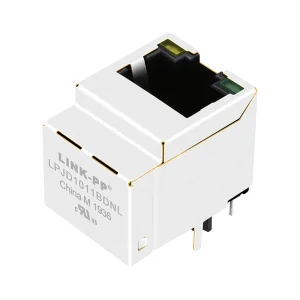
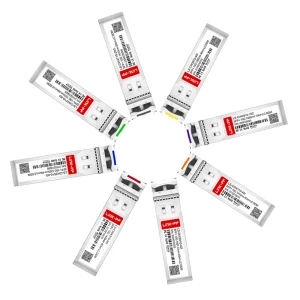
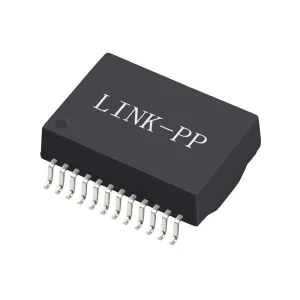
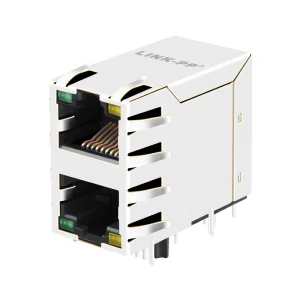
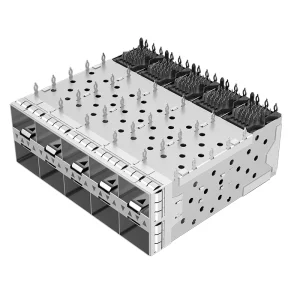
A broad selection of low-profile modular jacks, SFP modules, and high-performance LAN magnetic transformers.
 FiberNova