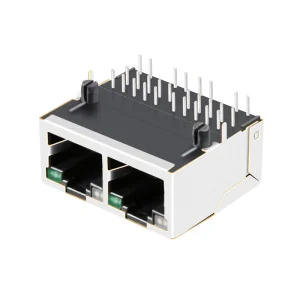
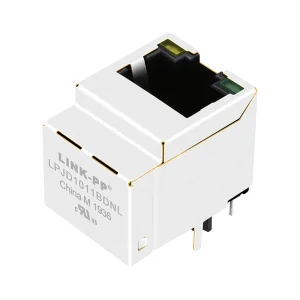
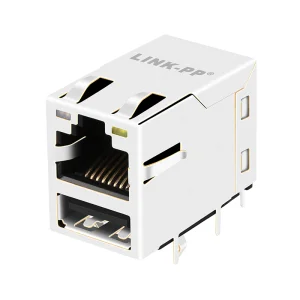
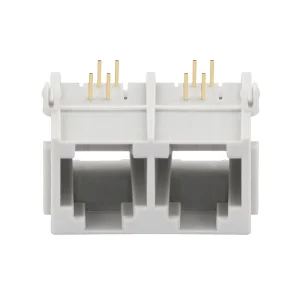
Direct from compatible manufacturing plants in China. High performance configurations engineered to international standards.
Analyzing technical transitions from standard legacy copper to high-frequency Multi-Gigabit networks.
The global interconnect industry is experiencing a profound transition driven by the relentless demand for higher bandwidth, reduced latency, and reliable power distribution. The standard RJ45 connector, once limited to basic telephone and 10/100 Mbps Ethernet loops, has evolved into a highly complex, magnetically isolated component capable of handling up to 10 Gbps and beyond (Cat6A, Cat7, and Cat8). In parallel, the compatibility requirement has shifted from simple mechanical matching to advanced signal integrity matching, shielding designs, and Multi-Source Agreement (MSA) conformity for integrated transceiver modules.
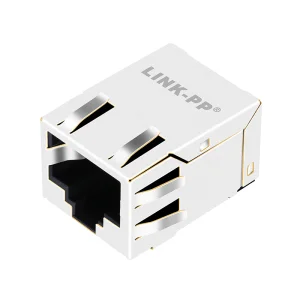
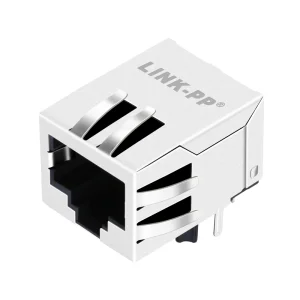
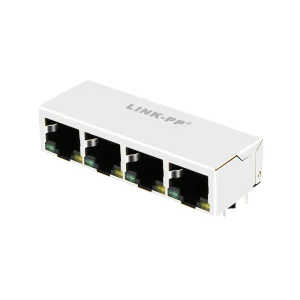
Modern telecommunication channels require embedded electromagnetic suppression. China's top-tier manufacturers integrate internal magnetics (wound toroidal cores, common-mode chokes) directly into the RJ45 housing (MagJacks). This critical configuration isolates signals, reduces EMI, prevents return loss degradation, and safeguards network endpoints against high-voltage surges.
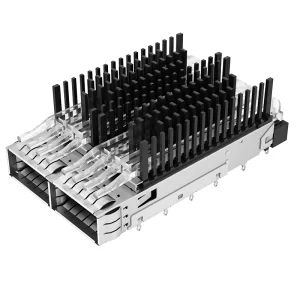
In high-density server configurations, standard patch ports are no longer isolated nodes. The industry standard utilizes consolidated designs where RJ45 copper interfaces and SFP cages exist in symbiotic networks. Multi-port cages with integrated light pipes, press-fit assemblies, and heat-sink mechanisms are dominating modern switches, ensuring optimal thermal management for continuous 24/7/365 data center operations.
As standard data speeds step up to 2.5G, 5G, and 10G over copper (802.3bz), maintaining strict crosstalk isolation (NEXT and FEXT) is paramount. Precision tooling ensures pin-to-pin alignment within tolerances of less than 0.02mm.
Power over Ethernet (up to 90W/100W under 802.3bt Type 4) causes internal heat build-up. Top manufacturers use thermoplastic materials with UL94V-0 ratings and custom phosphor bronze contacts with heavy gold plating to avoid thermal damage.
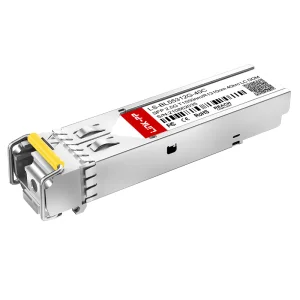
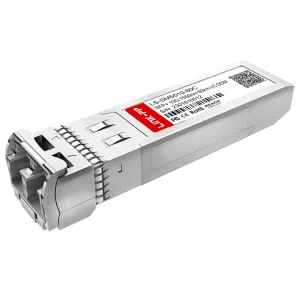
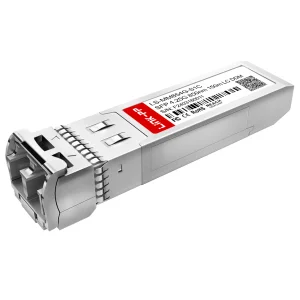
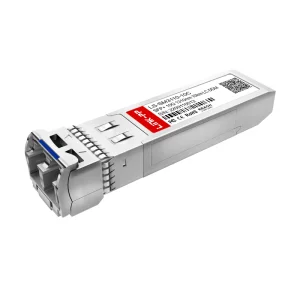
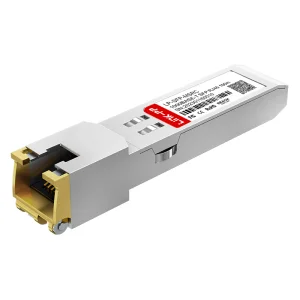
Interconnect interfaces must be universally cross-compatible. Using standard EEPROM map configurations, transceivers operate seamlessly across multi-vendor architectures without raising warning flags on host systems.
How system integrators and telecom distributors optimize bill-of-material costs with certified Chinese factories.
For procurement directors, sourcing RJ45 connectors and optical components from Chinese manufacturers is no longer merely a cost-saving tactic—it is a strategic decision for supply chain resilience. High-volume procurement requires factories to demonstrate rigorous process capabilities. Evaluating factories goes beyond the price per unit; it requires verification of raw materials, metal stamp precision, plating thickness (e.g., 50u" gold plating), and automated testing capacity.
A primary concern for international enterprise buyers is second-source reliability. If a critical network switch connector fails in the field, the downstream warranty and labor costs can be catastrophic. Thus, leading procurement standards require that wholesale RJ45 female connectors undergo rigorous mating cycle checks (typically minimum 750 matings) and salt spray corrosion testing before shipment.
A benchmark for global telecom infrastructure and high-speed transmission technology.
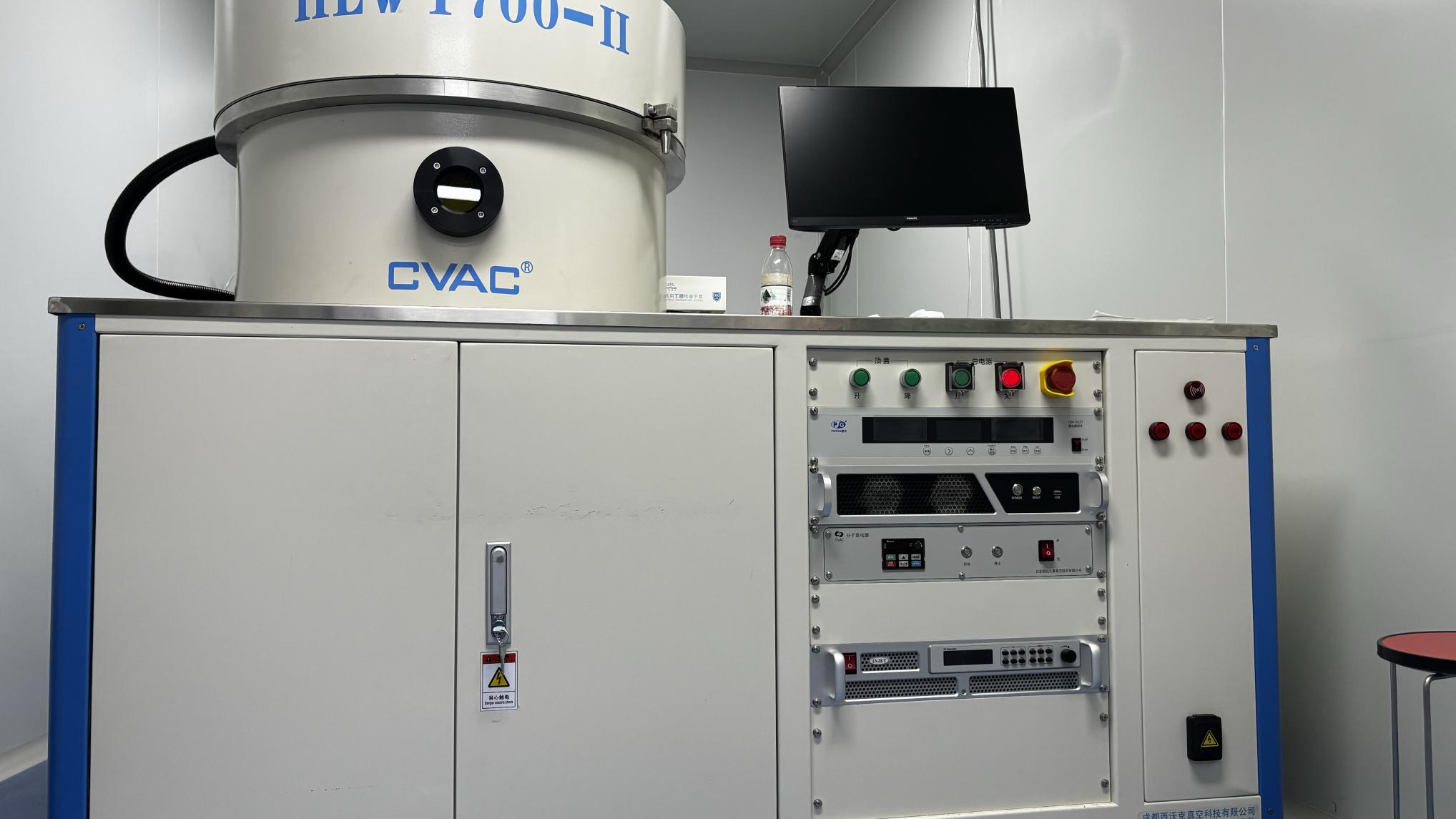
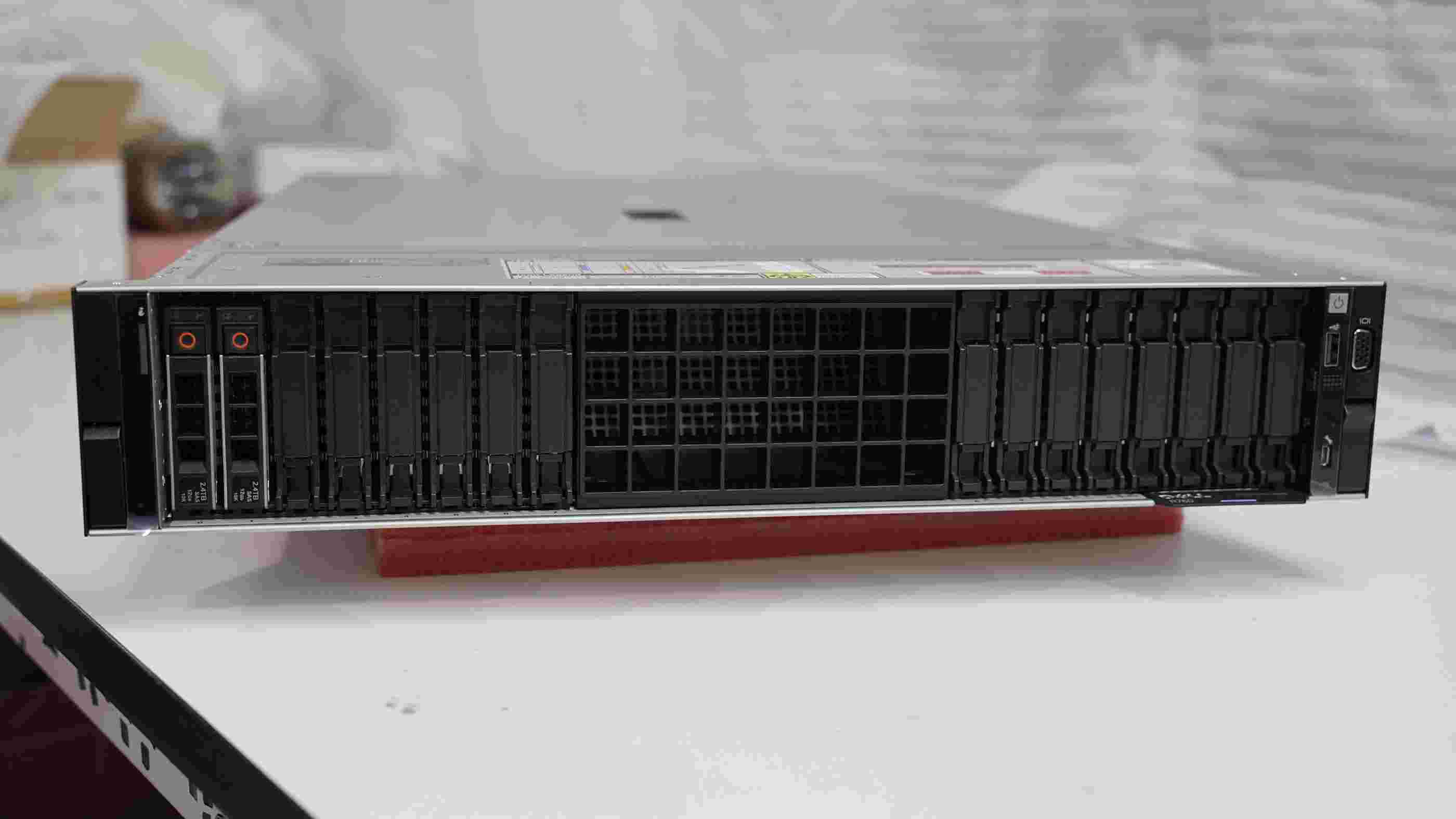
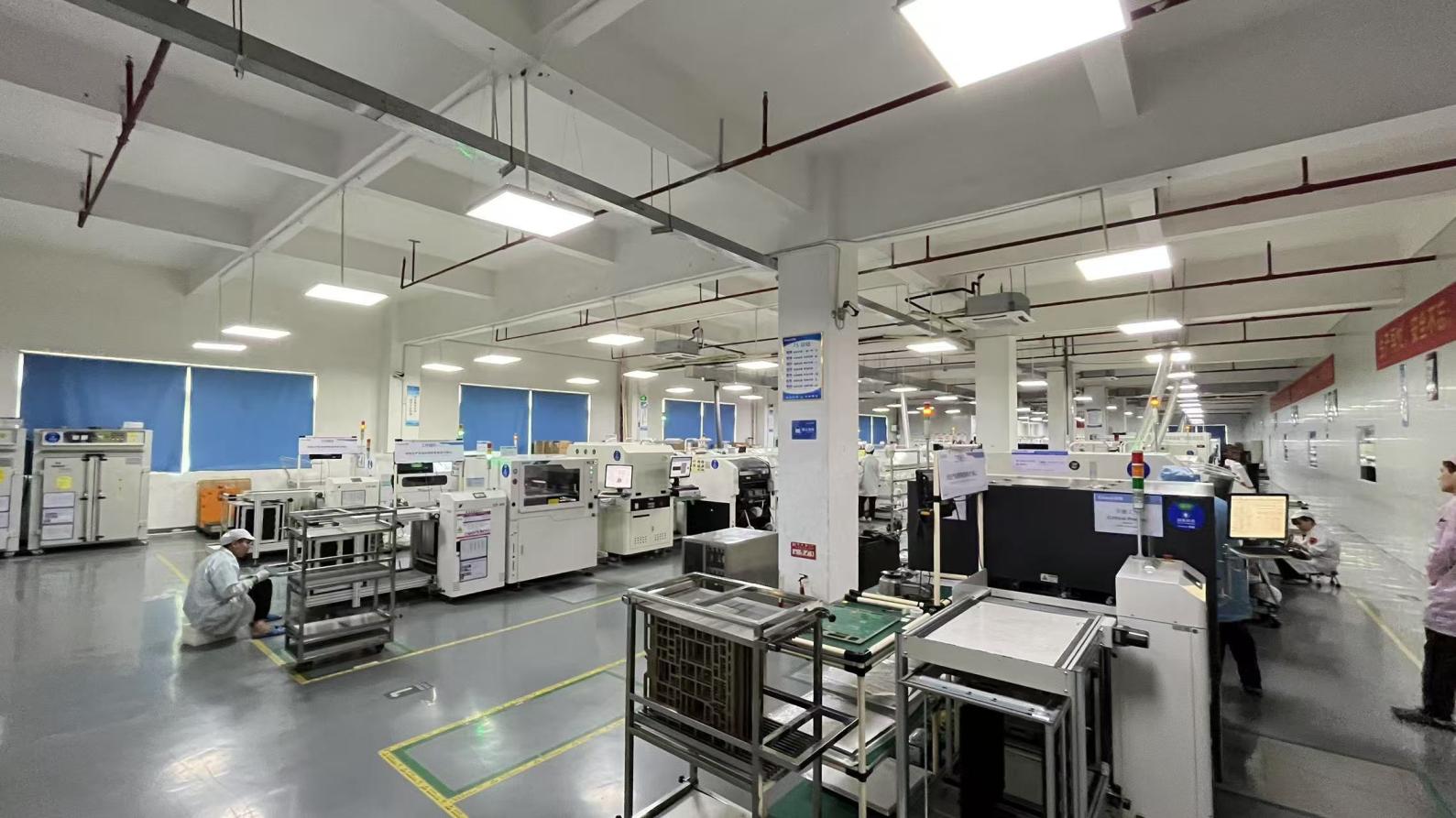
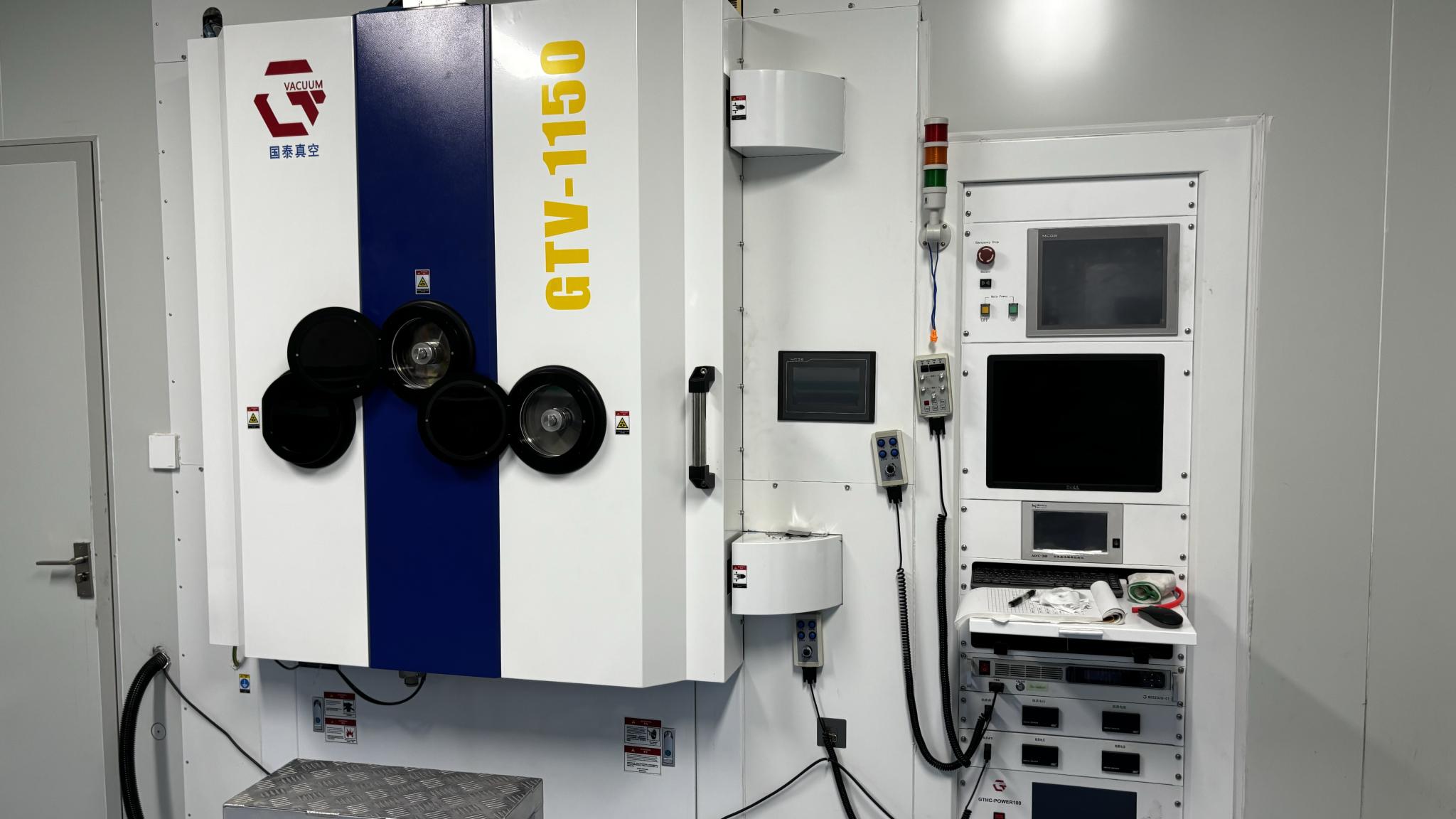
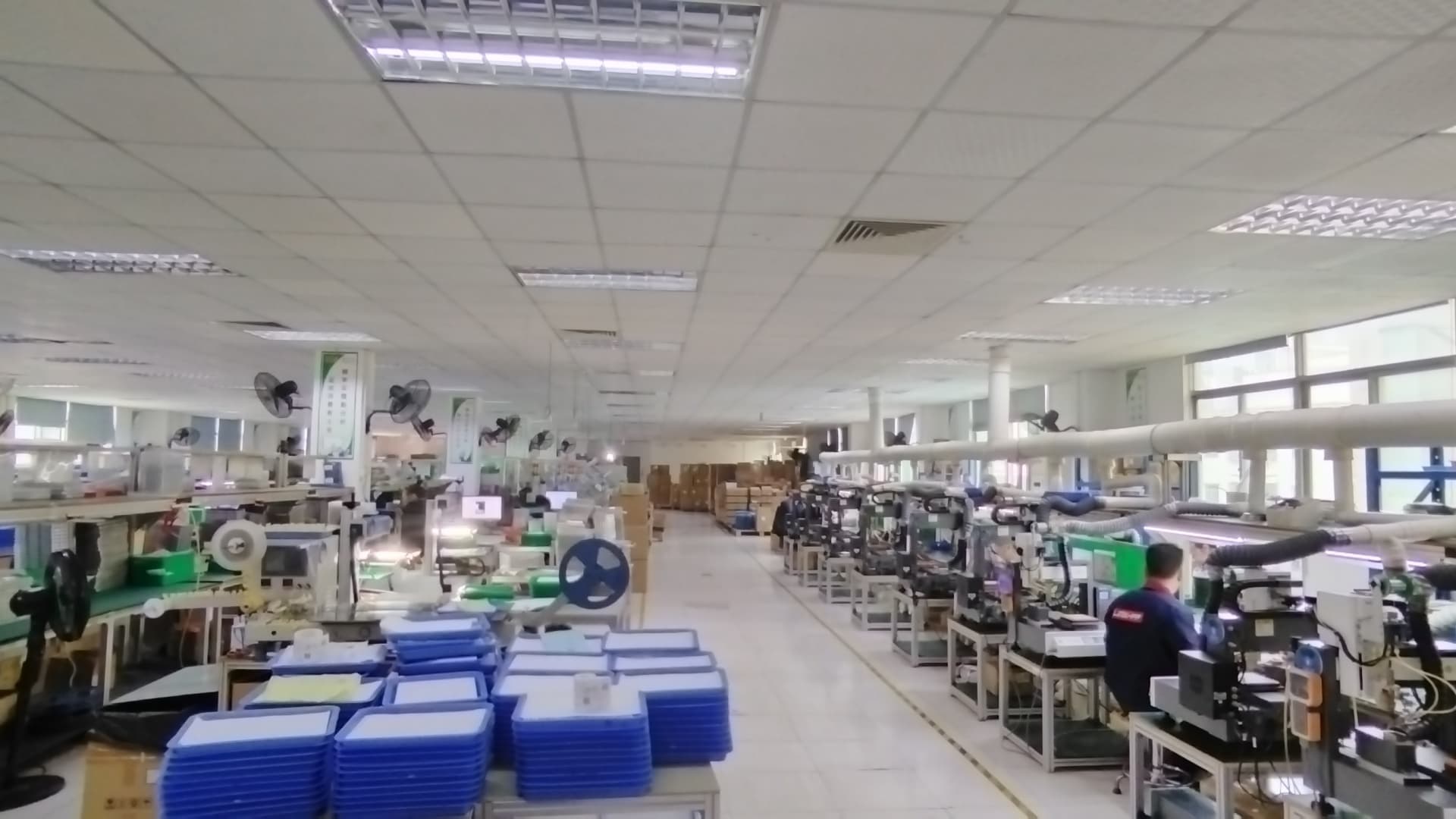
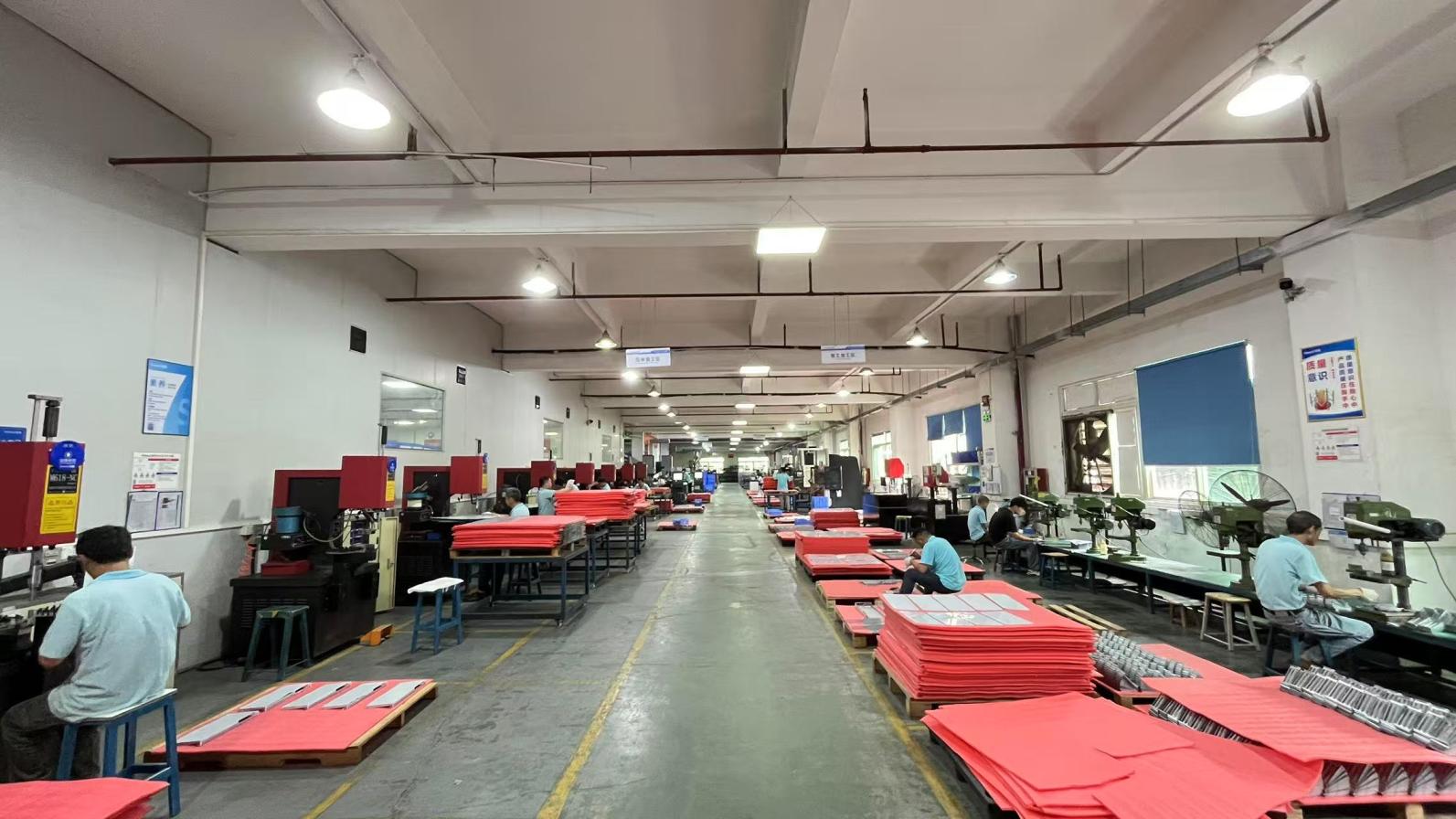
FiberNova Optical Communication Tech Co., Ltd. (FiberNovaTransceivers.com) is an industry-leading optical transceiver and high-speed interconnect manufacturer established in 2016. Operating a modern, state-of-the-art production facility covering approximately 380㎡, the company focuses on delivering high-performance, MSA-compatible optical communication solutions that serve global data centers, enterprise networks, and tier-1 telecom operators.
With more than 6 years of export experience and a deep repository of 12 years of industry expertise, FiberNova has integrated R&D, precision manufacturing, and international trade operations. The company registers an annual export revenue of approximately USD 8–15 million, supplying customers across highly demanding markets in North America, Europe, Southeast Asia, and the Middle East.
FiberNova implements a comprehensive zero-defect quality control system. Every unit undergoes 100% optical performance testing, temperature cycling tests, and signal integrity inspection before packaging. Backed by 45 professional QC staff, FiberNova ensures that all transceivers and connector components satisfy IEEE benchmarks and stringent multi-source compatibility frameworks.
The company maintains a resilient trade background with an agile team of export specialists handling advanced OEM and ODM configurations. Main operating markets include the United States, Germany, Japan, South Korea, and the United Arab Emirates. FiberNova has cultivated stable, long-term partnerships with more than 1,200 supply chain partners, guaranteeing secure access to high-grade semiconductor chips, lasers, and optical components even during global supply shortages.
Supported by a robust team of 65 R&D engineers, FiberNova focuses on high-speed transmission technologies including 10G, 25G, 100G, 400G, and 800G optical modules. Customization is fully integrated, covering wavelength tuning, multi-protocol compatibility, customized housing, and packaging services. Highlighting their continuous commitment to innovation, FiberNova launched approximately 120 new products in the past year, expanding its portfolio to address evolving technical standards.


Enterprise architectures utilizing hybrid fiber-to-copper media conversion and high-density connectivity.
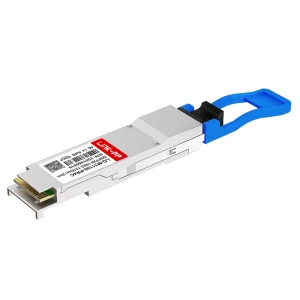
Deploying QSFP28 100G and 400G optical links across core routing nodes, transitioned down to top-of-rack (ToR) switches via robust, high-performance RJ45 patch frameworks for cost-effective out-of-band management loops.
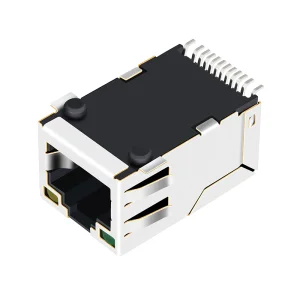
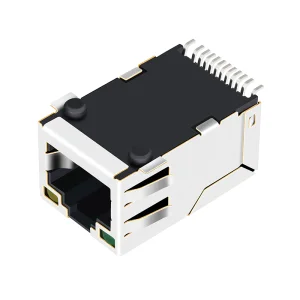
Harsh environments require electromagnetic interference (EMI) protection. SMT modular jacks with integrated shielding and advanced grounding tabs prevent signal dropouts caused by localized industrial machinery.
Integrating customized PoE vertical female jacks allows operators to power peripheral micro-cells and remote radio heads directly from the network switch, removing the need for separate electrical cabling.
Ensuring absolute compliance with regional environmental laws and network communication protocols.
Exporting communication hardware demands compliance with regional regulatory and environmental standards. For shipments going to Europe and the Americas, compliance with RoHS (Restriction of Hazardous Substances) and REACH is mandatory. This requires that all plastic components, solder points, and PCB coatings are free from restricted heavy metals like lead and cadmium.
From an interoperability standpoint, complying with the Federal Communications Commission (FCC) Part 68 standard is critical for RJ45 connectors, as it dictates the physical dimensions and structural tolerances needed to prevent damage to male plug terminals. Leading manufacturers from China coordinate closely with independent testing laboratories (like UL, SGS, and TÜV) to issue accredited test reports. This supports the seamless transit of goods through international customs and provides enterprise buyers with verified compliance documentation.
To assist global buyers, FiberNova provides dedicated field engineers, customized firmware adjustments for specific host systems (like Cisco, Arista, or Juniper), and rapid RMA (Return Merchandise Authorization) processing to minimize system downtime.
Navigating the next frontier of high-speed interconnect technology.
As networks scale to support high-performance computing (HPC) and artificial intelligence workloads, physical layer copper interfaces are approaching their theoretical limits. The development of Single Pair Ethernet (SPE) under IEEE 802.3cg is paving the way for compact, lightweight, long-reach Ethernet solutions designed for smart building automation and automotive networks. By utilizing a single copper pair, SPE reduces cost and physical footprint while maintaining robust data rates.
Concurrently, Co-Packaged Optics (CPO) and Silicon Photonics are transforming transceiver architecture. Rather than relying on pluggable transceivers at the front panel, optical engines are being placed directly onto the switch ASIC substrate. This transition significantly reduces signal attenuation between the host processor and the interface. Pluggable form-factors will continue to be a primary choice for enterprise networks, while high-density, low-power hybrid optical-copper architectures are expected to dominate the hyperscale space over the next decade.
Answering high-intent technical inquiries regarding RJ45 connector sourcing and optical module compatibility.
Gold plating thickness directly determines contact resistance and mechanical wear life. A 50μ" gold-plated contact area provides maximum protection against corrosion and mechanical friction, allowing connectors to meet a standard rating of at least 750 insertion cycles without signal degradation.
Tab-Up and Tab-Down refer to the orientation of the physical release latch on the mating RJ45 plug. Selecting the correct orientation depends on the PCB routing design. It ensures that the LED light pipes and pins align correctly with the trace paths of the host system.
Yes. Multi-Source Agreement (MSA) standards define the physical dimensions and electrical interfaces of optical transceivers. By uploading vendor-specific EEPROM configurations during factory programming, Chinese manufacturers ensure that MSA transceivers are fully compatible with proprietary equipment.
Essential quality tests include open/short circuit checks, Hi-Pot tests (typically testing isolation up to 1500V AC), Insertion/Return Loss testing using high-frequency network analyzers, and visual solder joint inspections via automated optical systems (AOI).
Premium transceivers and PCB-mount copper ports for enterprise network architectures.
 FiberNova