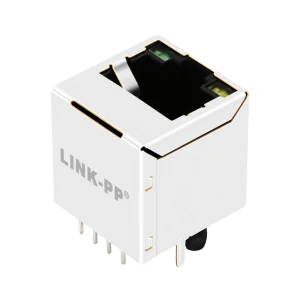
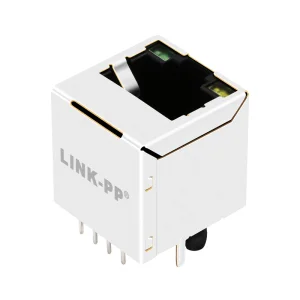
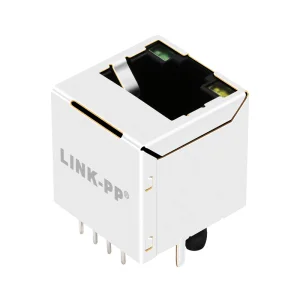
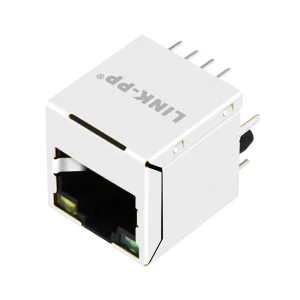
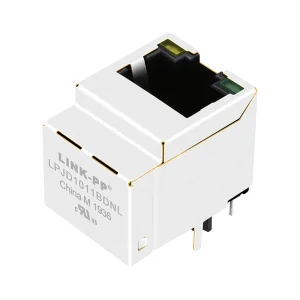
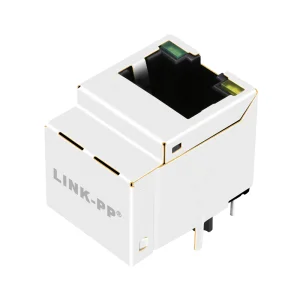
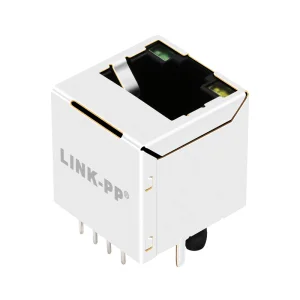
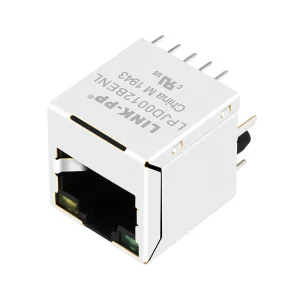
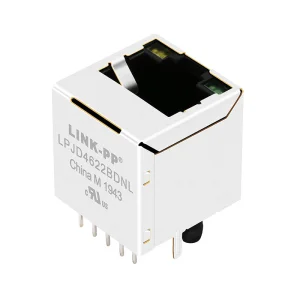
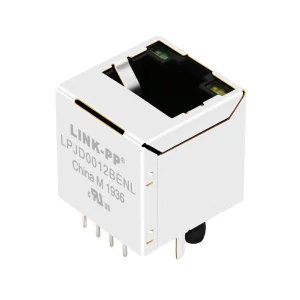
Premium RJ45 vertical configuration modules engineered to maximize real estate on printed circuit board assemblies while maintaining reliable signal integrity.
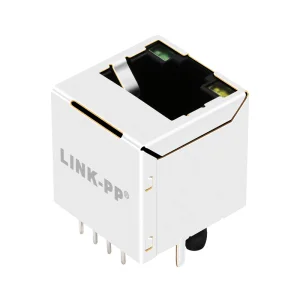
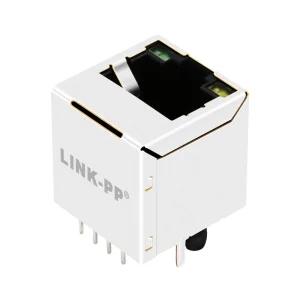
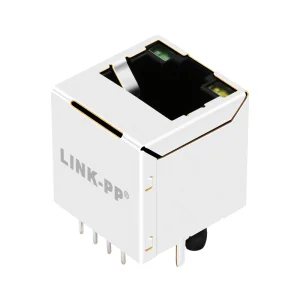
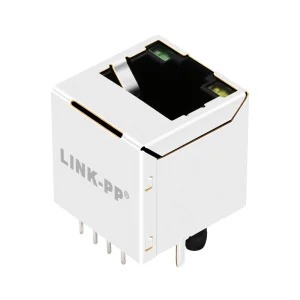
Istanbul sits at the geographic and economic crossroads of Europe and Asia. As the economic heart of Turkey, the Marmara region accounts for the majority of the nation's industrial output. Through modern industrial parks such as the Tuzla Organized Industrial Zone (TOSB), the Dudullu OSB, and Ikitelli OSB, Istanbul has transitioned into a high-technology manufacturing powerhouse. This shift requires robust electronic components capable of handling high bandwidth, massive data rates, and severe environmental stresses. Among these critical hardware enablers is the vertical RJ45 connector.
With Turkey's national initiatives focusing on advanced manufacturing technologies, smart grids, and localized telecommunications upgrades, local design engineers and system integrators face unique board-level engineering constraints. Unlike horizontal connectors that protrude parallel to the board, vertical (top-entry) RJ45 connectors route signals perpendicular to the PCB. This configuration saves up to 60% of board footprint, permitting denser sensor arrays, highly compact network switches, and ultra-miniaturized programmable logic controllers (PLCs) suited for compact machinery lines in Tuzla's automotive assemblies.
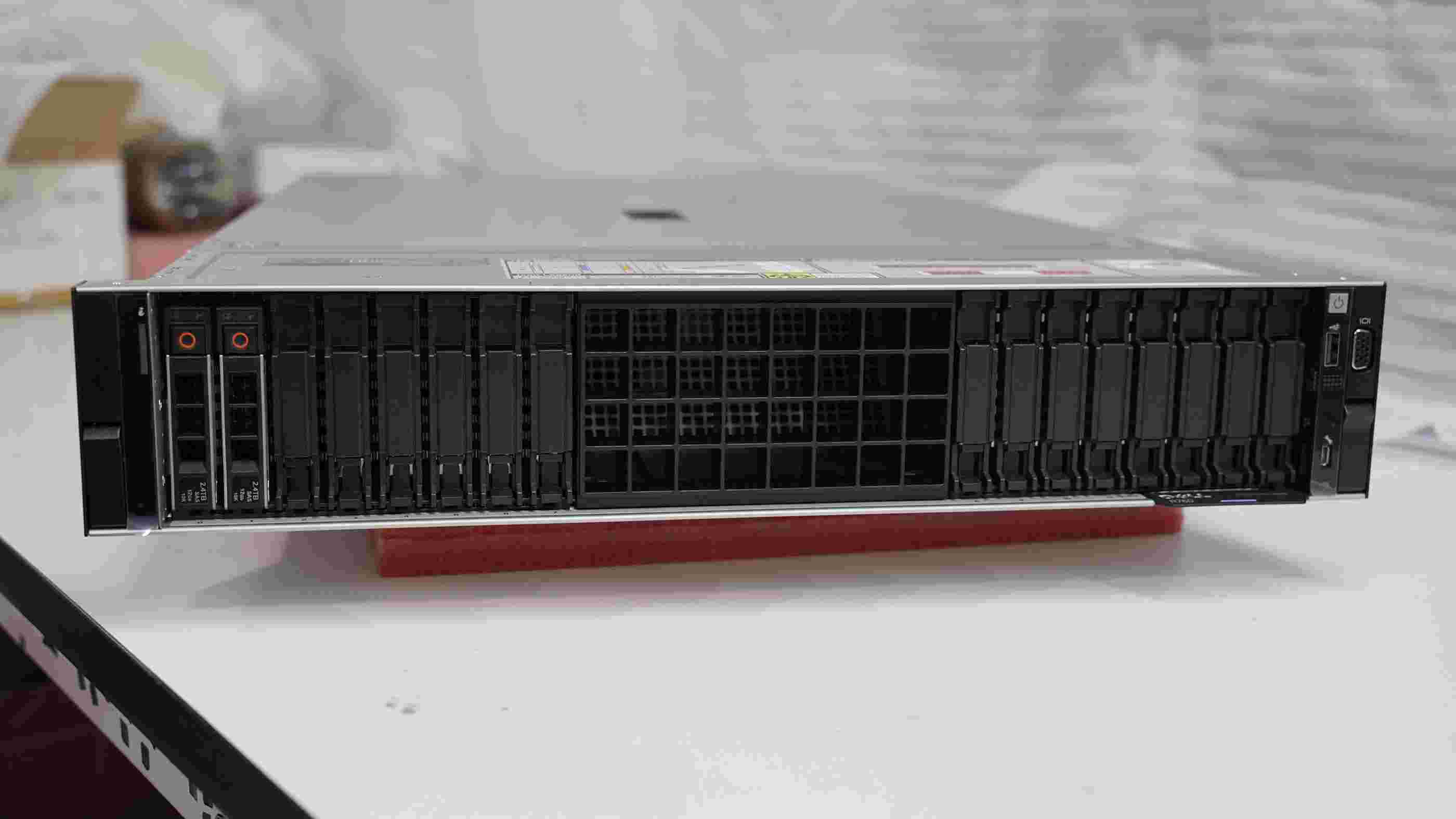
From a telecommunications perspective, Istanbul is a vital landing point for submarine fiber-optic cables and a regional cloud hub. Companies investing in localized data center infrastructures demand hardware that guarantees continuous uptime. FiberNova’s vertical RJ45 modules provide the mechanical robustness and EMI mitigation needed inside advanced rack units. By incorporating integrated magnetics and transient voltage suppression (TVS) diodes directly inside the vertical RJ45 footprint, engineers can shield delicate downstream processors from high-voltage spikes commonly encountered in industrial grid networks.
Explore specialty vertical designs with integrated magnetics for noise filtering and low-profile right-angle adaptations for shallow chassis requirements.
Understanding the physics of vertical signal orientation is key to achieving optimal performance. When routing signals at 90 degrees relative to standard horizontal connectors, structural capacitance and crosstalk characteristics change. FiberNova's vertical connectors are constructed utilizing high-performance thermoplastic polymers (UL 94V-0 rated LCP or Nylon 46) to survive wave-soldering temperatures up to 260°C. Below is a detailed look at the electromechanical considerations that make our vertical jacks the preferred choice for industrial networks:
In high-noise environments like factory floors or telecom terminals, Ethernet signal lines act as long antennas for electromagnetic interference (EMI). Integrating isolation transformers, common-mode chokes, and decoupling capacitors directly into the RJ45 housing (as seen in our LJ-H17S4I-00-F and SI-46004-F models) eliminates the need for separate discrete magnetic components on the motherboard. This saves up to 50% of the surface layout area and provides a direct path to ground for common-mode noise, enhancing overall signal integrity.
Power over Ethernet (PoE, IEEE 802.3af/at/bt) delivers DC power alongside high-speed data. A key challenge in vertical configurations is internal heat generation. With currents reaching up to 1A per pair, contact resistance can lead to thermal build-up. FiberNova uses premium phosphor bronze contacts plated with 3u" to 50u" gold over nickel. This minimizes contact resistance, maintains mechanical spring tension under temperature cycles, and prevents carbon scoring during connector insertion and removal under load.
Our vertical RJ45 line supports frequencies from 16 MHz (Cat3 legacy applications) up to 500 MHz (Cat6A and Cat7 high-speed links). For industrial environments, we offer sealed vertical waterproof assemblies. These provide reliable IP67/IP68 protection, making them ideal for coastal monitoring setups along the Bosphorus or outdoor telecommunications hubs in Istanbul's historic districts.
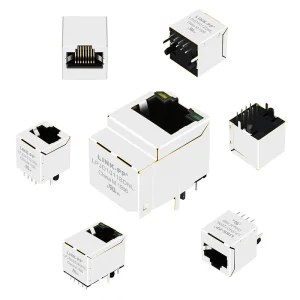
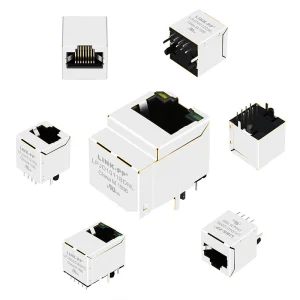
The complete range of Gigabit, PoE, and waterproof vertical connectors engineered to withstand the demanding conditions of Istanbul's commercial networks.
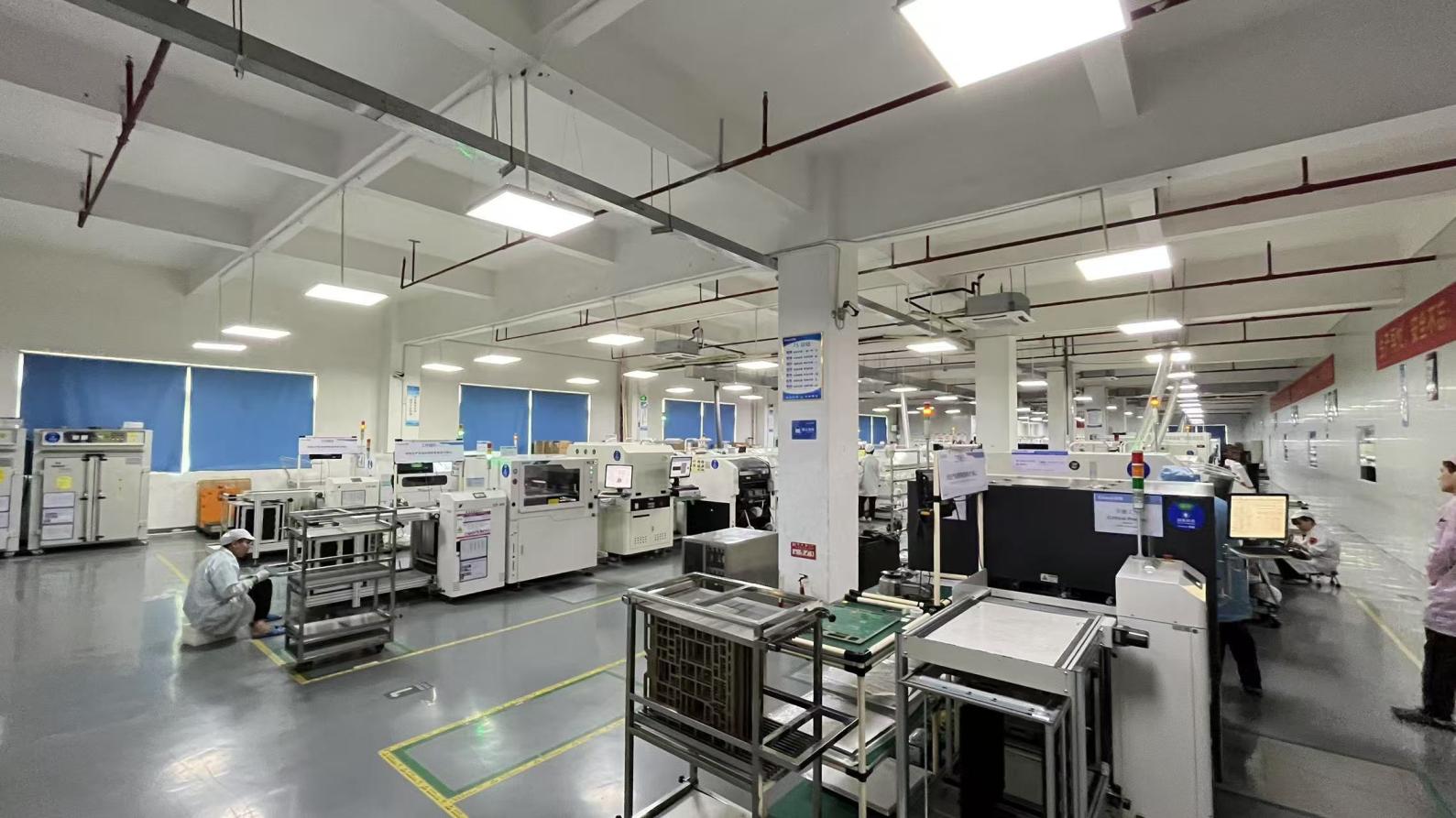
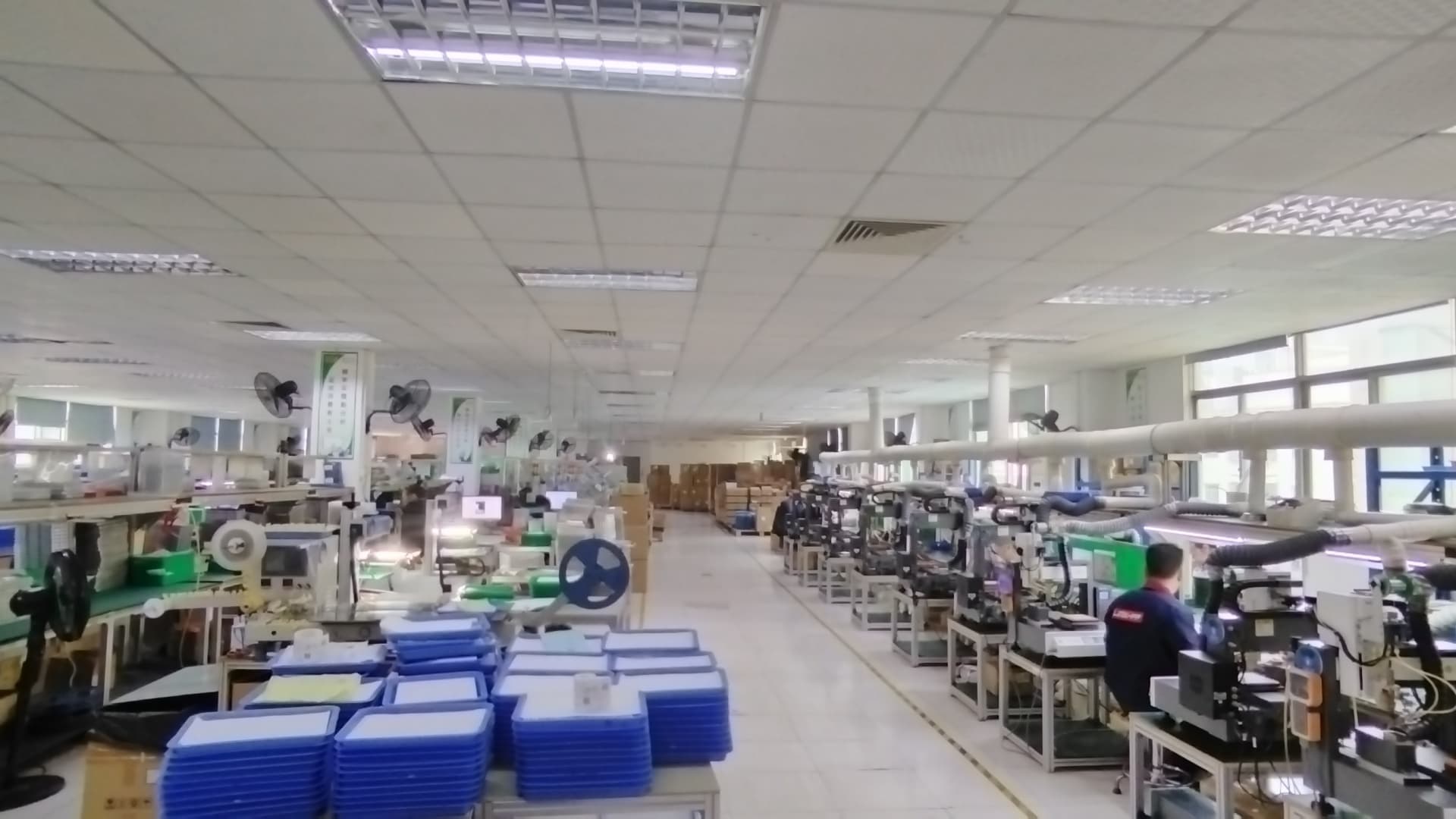
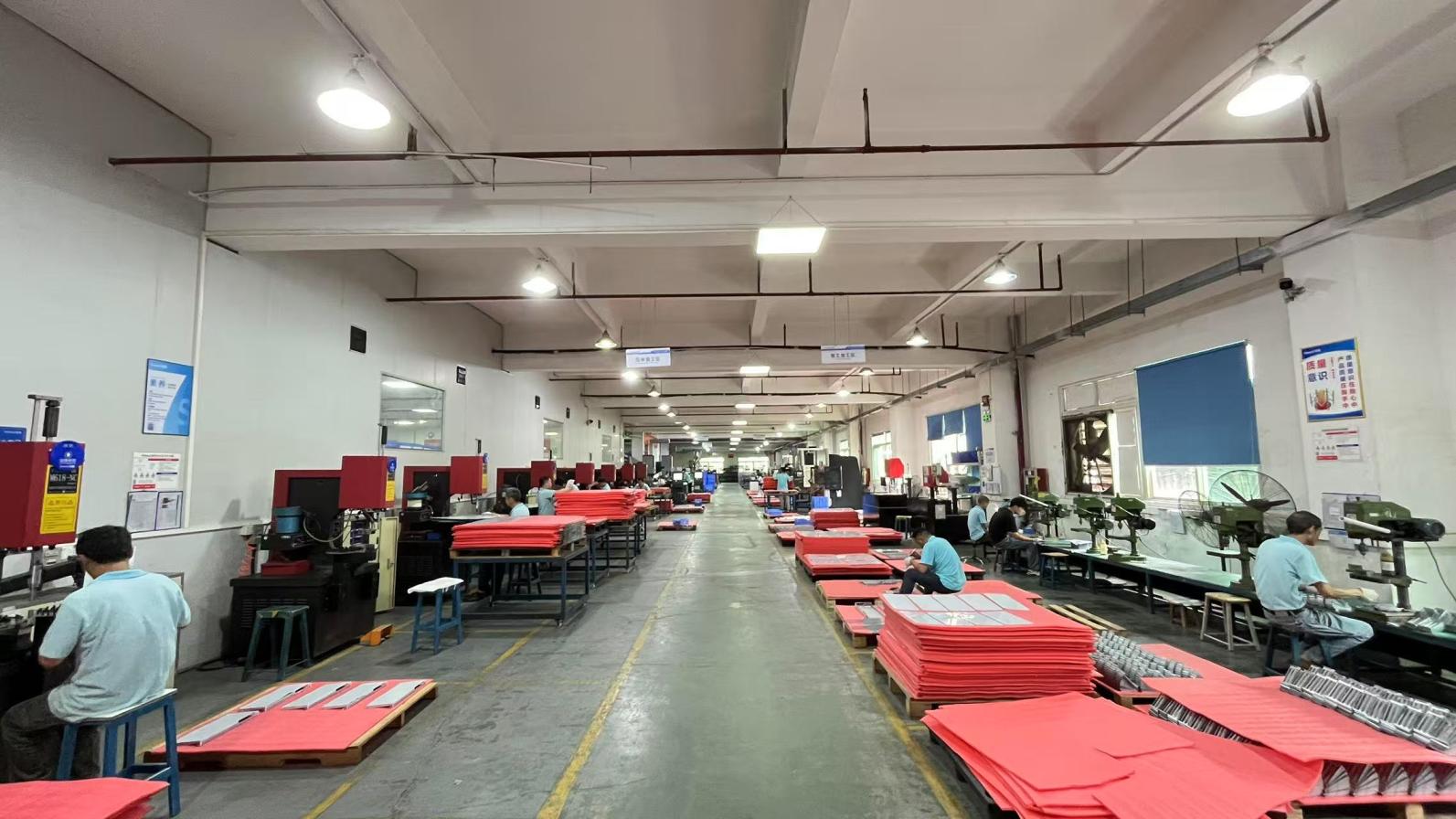
As a leading brand established in 2016, FiberNova Optical Communication Tech Co., Ltd. (FiberNovaTransceivers.com) maintains a state-of-the-art production facility covering approximately 380㎡. We integrate our extensive experience in optical and copper communication technology to deliver rugged connectivity products. With over 12 years of industry experience and 6 years of export expertise, our engineering and procurement teams are well-positioned to support both global enterprises and localized projects in Turkey.
Our manufacturing model utilizes Shenzhen's extensive electronics supply chain, which includes long-term partnerships with over 1,200 raw material and component suppliers. This ecosystem enables us to secure high-quality phosphor bronze, precision plastics, and premium magnetic cores at stable prices. For buyers in Istanbul, this translates to competitive pricing, reliable delivery times, and consistent product quality that local suppliers may struggle to match during market fluctuations.
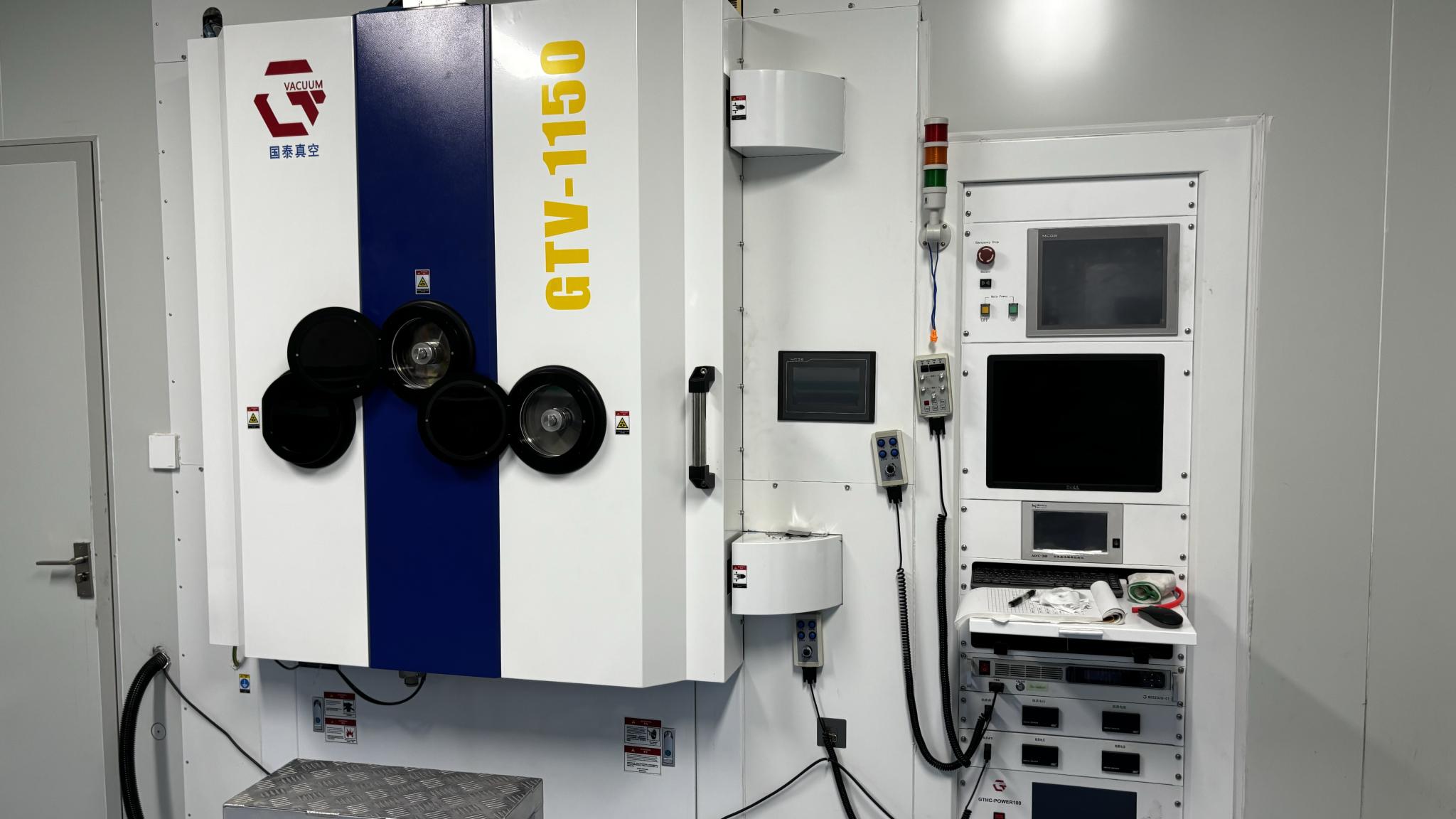
Quality control is a core pillar of our operations. FiberNova employs a dedicated QC team of approximately 45 professional inspectors. Every vertical RJ45 connector and high-speed communication module undergoes a rigorous testing program, including:
This strict testing regime ensures our components meet international standards such as IEEE 802.3, RoHS, and REACH. Consequently, FiberNova generates annual export revenues between USD 8 million and 15 million, serving critical infrastructure markets in the United States, Germany, Japan, South Korea, and the United Arab Emirates.


The global connector market is experiencing a transition driven by the requirements of Industry 4.0, 5G rollouts, and smart city initiatives. As industrial networks demand higher speeds, vertical RJ45 jacks are adapting to meet new engineering challenges. Below are the key trends shaping this field and their applications in Turkey's industrial hubs:
Traditional industrial networks operated on 10/100 Mbps channels. Modern smart factories require Gigabit Ethernet (1000Base-T) and higher bandwidths to support real-time machine vision, multi-axis motion control, and high-frequency sensor loops. FiberNova's vertical Gigabit connectors (such as the 1840472-1 and 1840453-2) support reliable 1 Gbps transmission speeds, helping local factories transition to automated, high-speed production lines.
In Istanbul's financial districts, smart building systems rely on compact, vertical-mount components. From environmental sensors to IP surveillance networks and centralized access systems, space on controller boards is highly restricted. Vertical RJ45 connectors allow for clean routing configurations in narrow enclosures, facilitating compact smart hub and controller designs.
With an active R&D department consisting of 65 engineers, FiberNova launched approximately 120 new products last year alone to meet evolving industry needs. We offer customizable options to suit specific project requirements, including:
Detailed answers to key technical, logistical, and customization questions asked by system designers and procurement officers in Turkey.
 FiberNova