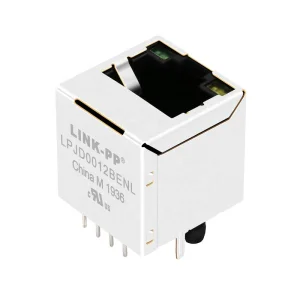
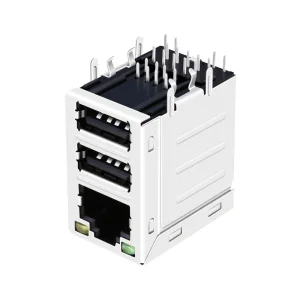
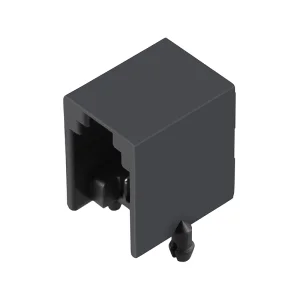
High-density, low-latency, and custom-shielded SFP solutions optimized for Tier 1 local networking clusters.
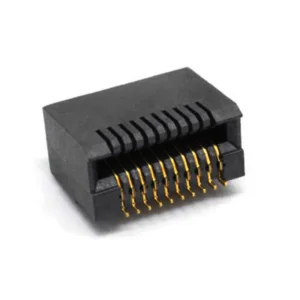
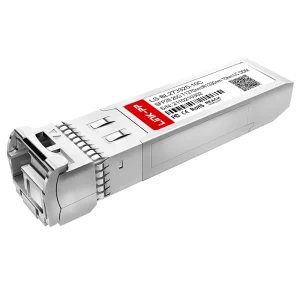
Sydney has solidified its position as the premier cloud and data center hub of the Asia-Pacific (APAC) region. Spurred by massive investments from global hyperscalers and local telecom providers—including Equinix, NextDC, AirTrunk, Macquarie Data Centres, and Telstra—the demand for high-performance networking components has skyrocketed. The New South Wales digital economy relies on high-speed, reliable physical-layer connections to prevent packet loss, optimize bandwidth, and minimize latency.
At the heart of this infrastructure are SFP (Small Form-factor Pluggable) connectors, cages, and optical transceivers. These components form the critical interface between optical fibers and copper networks inside servers, routers, and switches. As data rates migrate from 10G and 25G up to 100G, 400G, and 800G, the engineering constraints on these connectors have shifted dramatically toward advanced EMI shielding, thermal dissipation, and gold-plated signal reliability.

Understanding gold plating thickness, electromagnetic interference (EMI) shielding, and surface mount technology (SMT) interfaces.
In electrical and optical signal routing, the contact point interface is the most vulnerable path for signal attenuation and oxidation. In industrial settings and high-density datacenters across Sydney, environmental humidity and thermal variations require premium gold plating.
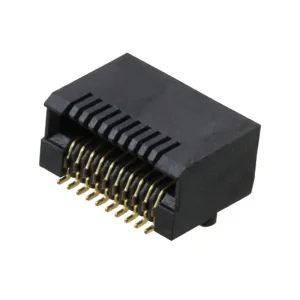
Our 30u" Gold Plating SFP Connectors provide superior mechanical durability, enabling up to 750 mating cycles without degradation of contact resistance. For general-purpose enterprise setups with lower insertion-extraction frequencies, 15u" Gold Plated SFP Connectors offer a cost-effective alternative while maintaining excellent conductivity and signal integrity.
High-speed signal lines operating above 5 GB/s (and up to 25G/56G PAM4) generate significant electromagnetic interference. Without robust EMI shielding, adjacent ports suffer from crosstalk, resulting in high Bit Error Rates (BER).
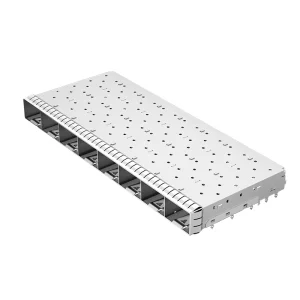
Using TE-compatible press-fit cages with integrated EMI elastomeric gaskets or metal spring fingers blocks radiation leakage. High-port density environments utilize 1x4 and 1x8 multiport cage assemblies to maximize faceplate density while providing grounded protection back to the system PCB.
Network architects in Sydney's central business district (CBD) require compliance with global standards including IEEE 802.3, SFF-8431, and MSA (Multi-Source Agreement). These specifications guarantee that FiberNova transceivers and connector cages fit seamlessly into Juniper, Cisco, Arista, and HP hardware stacks.
System Architect Recommendation:
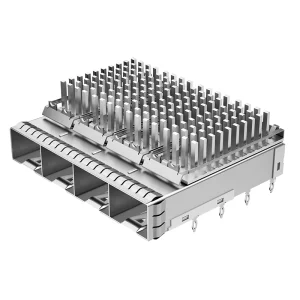
"For systems expecting upgrade pathways to 100G and beyond, we recommend deploying press-fit, through-hole EMI shielded cages with heat sinks from day one. This simplifies transition without re-spinning the system motherboards."
Bridging Chinese manufacturing scale with Australian technology integration capabilities.
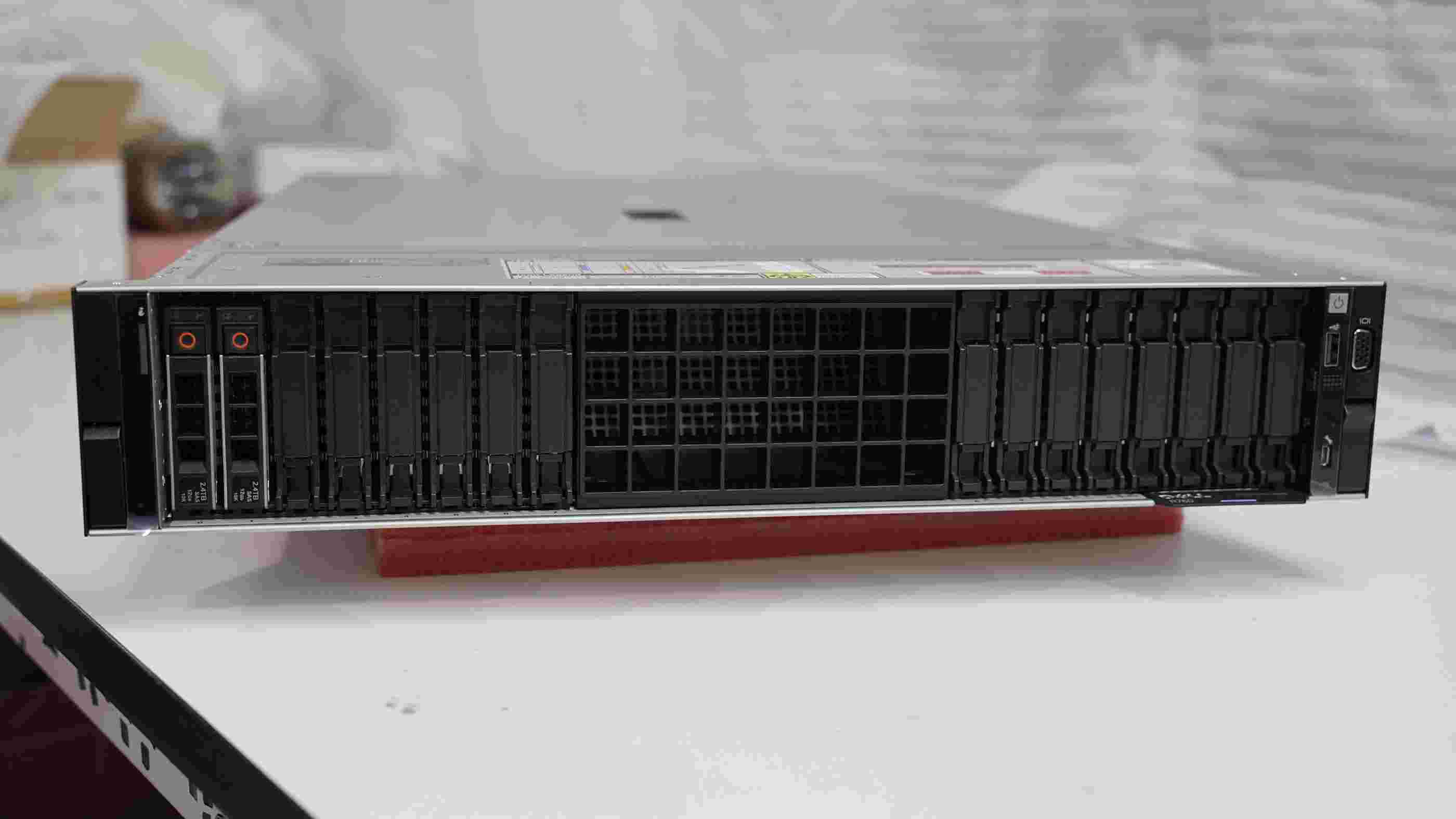
Australian telecommunication operators and data center builders face unique supply chain challenges. Distance, lead times, and import compliance rules mean local distributors must partner with reliable, direct-to-factory global manufacturers.
By partnering with FiberNova, Sydney-based clients gain access to a state-of-the-art manufacturing facility that bypasses multiple layers of distribution markups. Our agile production processes enable custom modifications (such as special wavelength programming, custom labeling, and thermal tweaks) that standard off-the-shelf components cannot match.
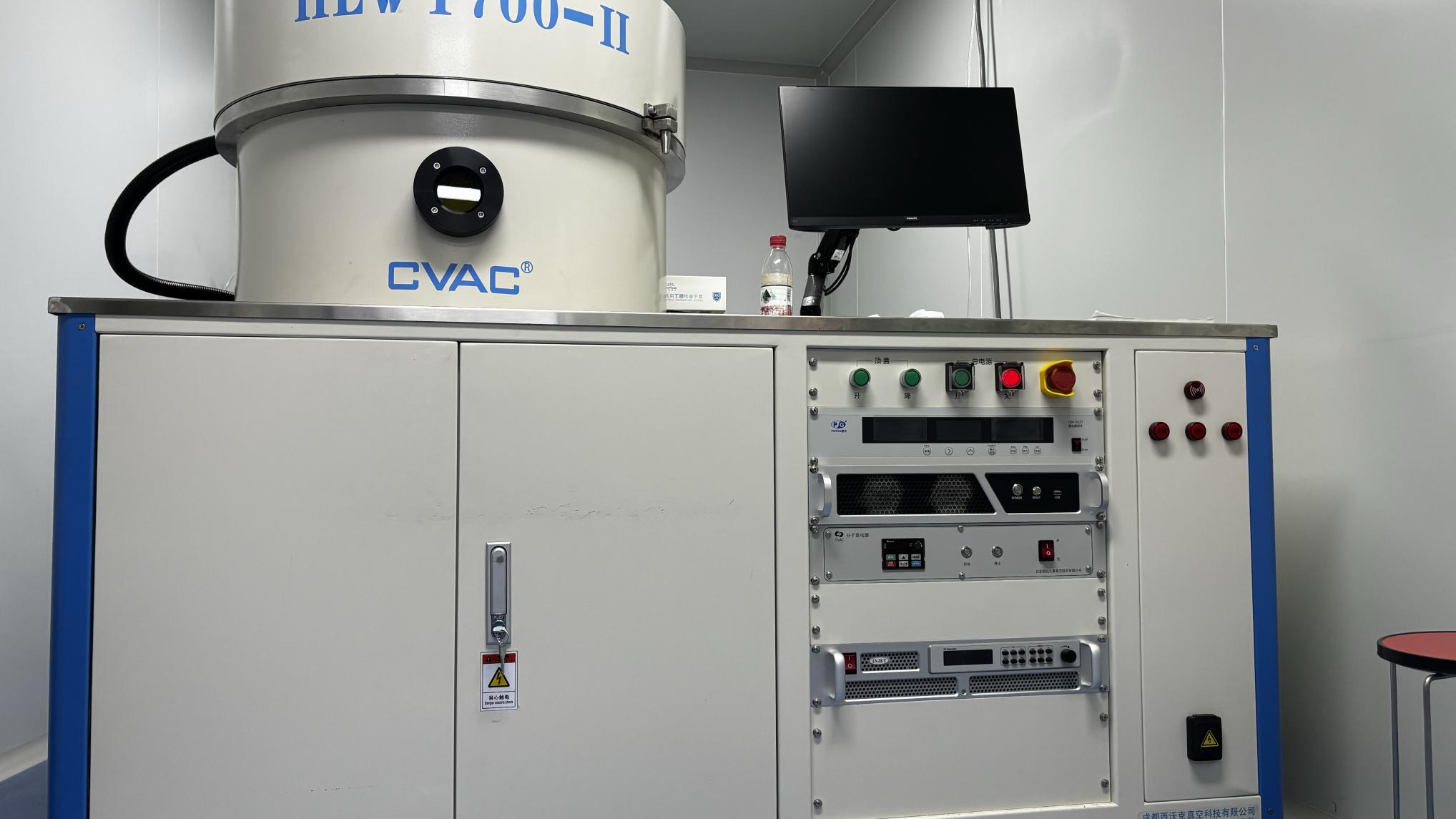
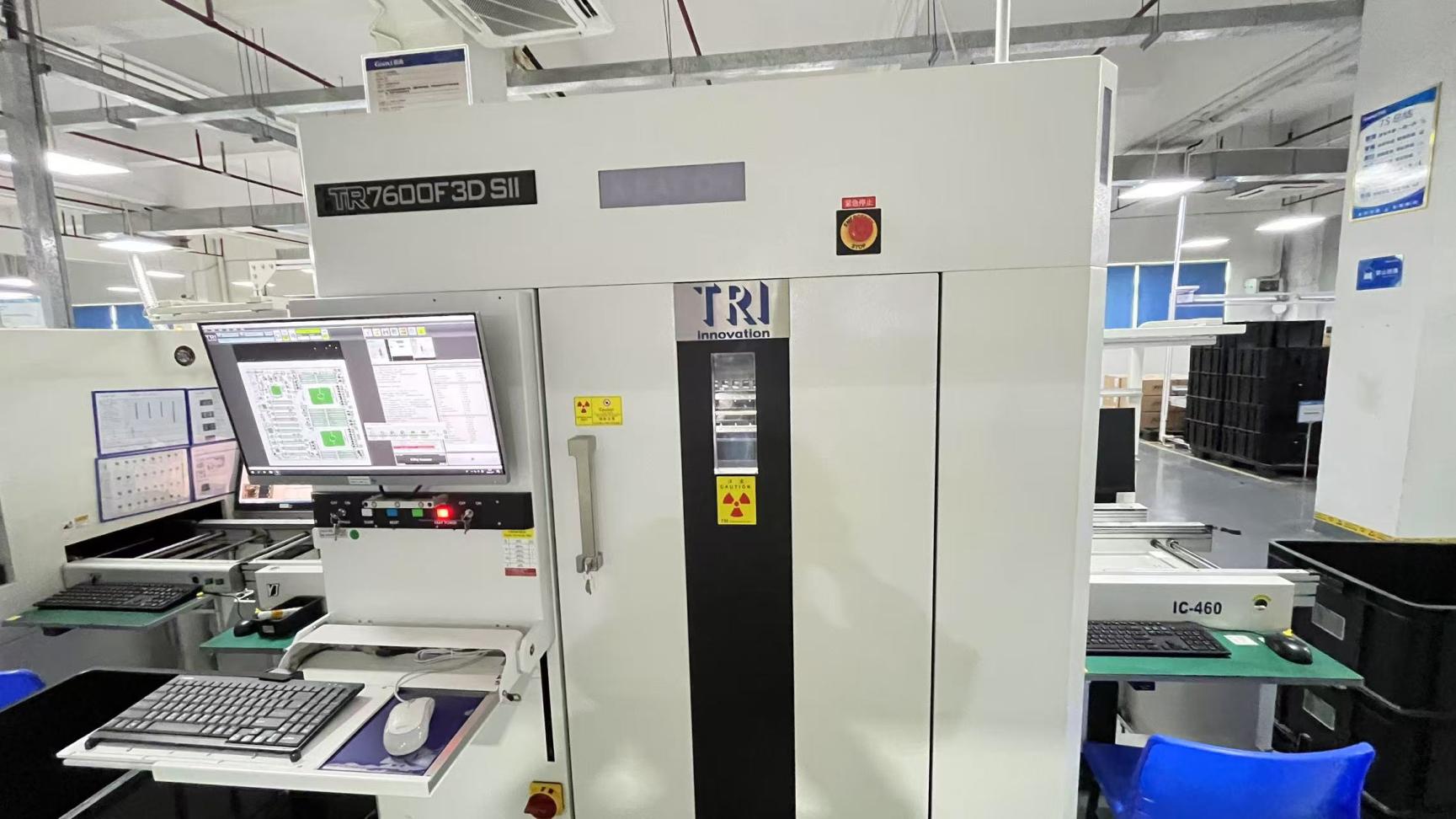
In Tier 1 facilities, a single optical failure can lead to severe service disruptions. FiberNova operates under a strict, multi-stage QA system:
The progression of interconnect technology as cloud architectures scaling demands rise.
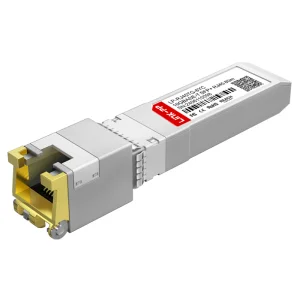
Widely deployed in current corporate networks and metro access layers. Focuses on cost-effective optical modules, standard 10G copper transceivers, and SMT SFP connectors with 15u" gold plating.
The backbone of current cloud datacenters. Utilizes multi-port shielded cages (like 1x4 and 1x8 configurations) to handle dense layout requirements while controlling thermal dissipation.
Driven by artificial intelligence workloads and high-performance computing (HPC) clusters. Relies on advanced signal modulation (PAM4), integrated thermal heatsinks on the connector cages, and co-packaged optics (CPO) architectures.
A trusted global manufacturer supplying high-speed optical transceivers and interconnect systems.
Established in 2016, FiberNova operates a highly specialized manufacturing facility focusing on advanced fiber optic transceivers, SFP connectors, and EMI shielding solutions. Backed by 12 years of industry experience and 6 years of direct global exporting, we serve system integrators, network equipment distributors, and cloud service providers worldwide.
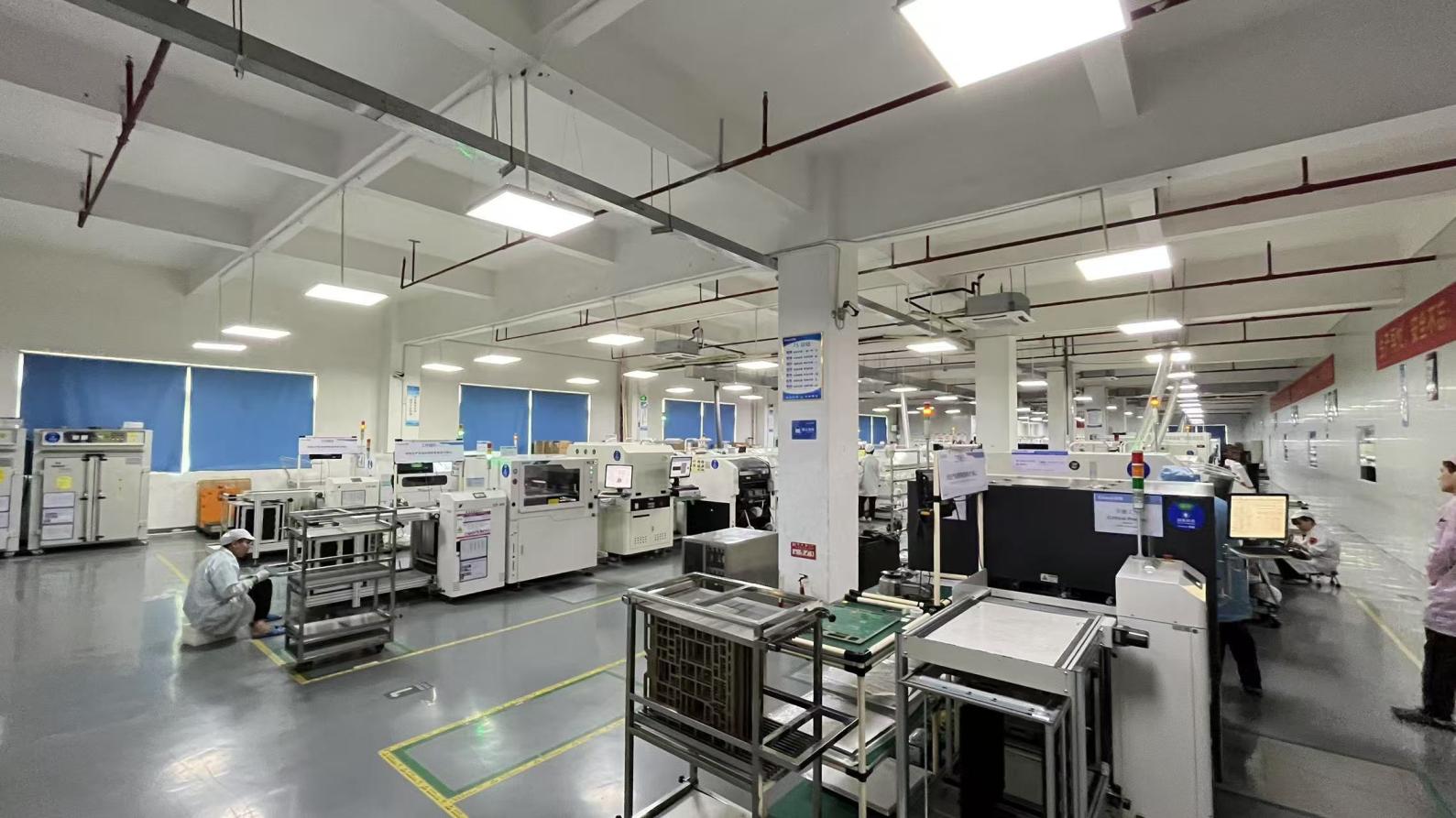
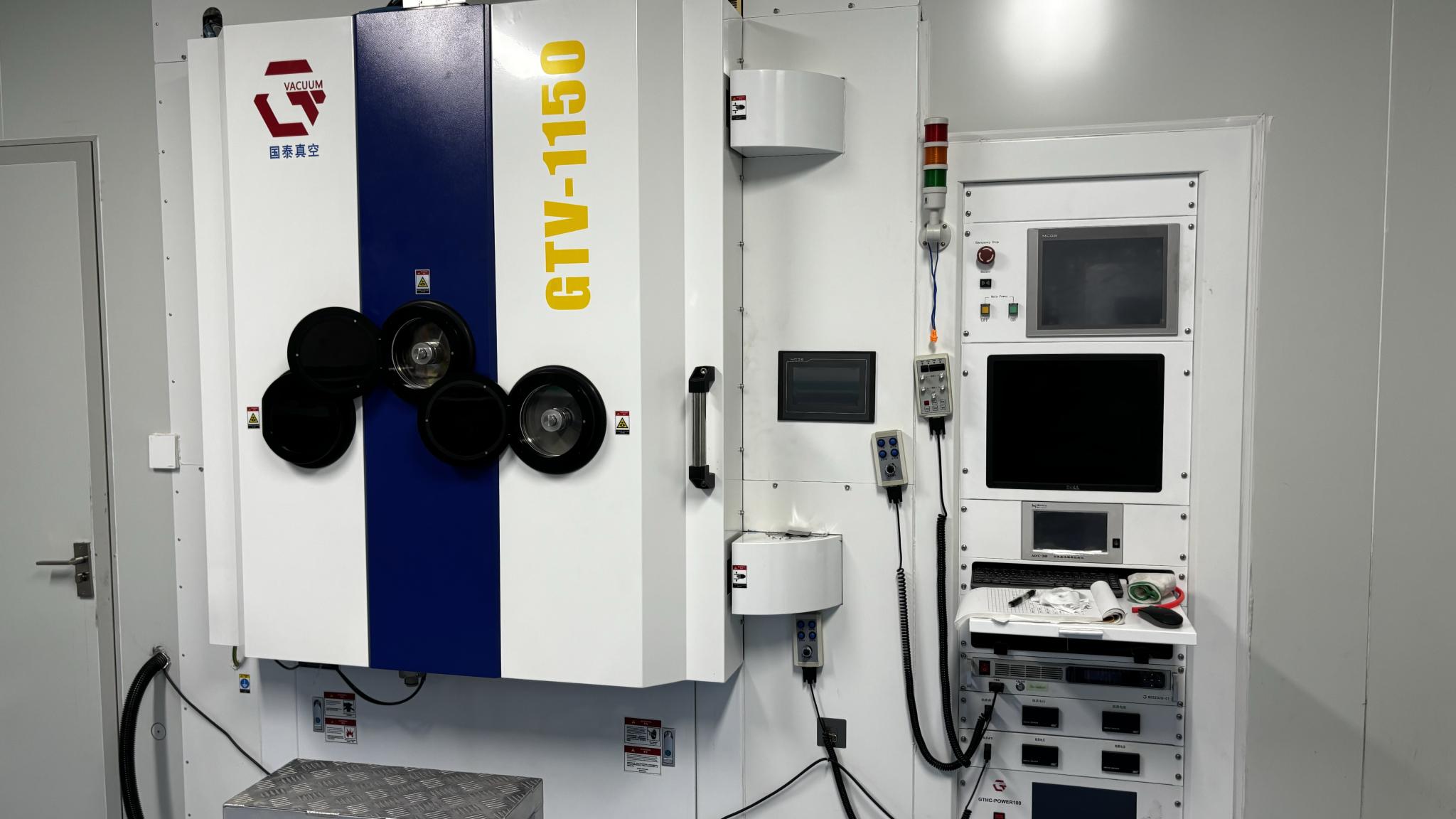
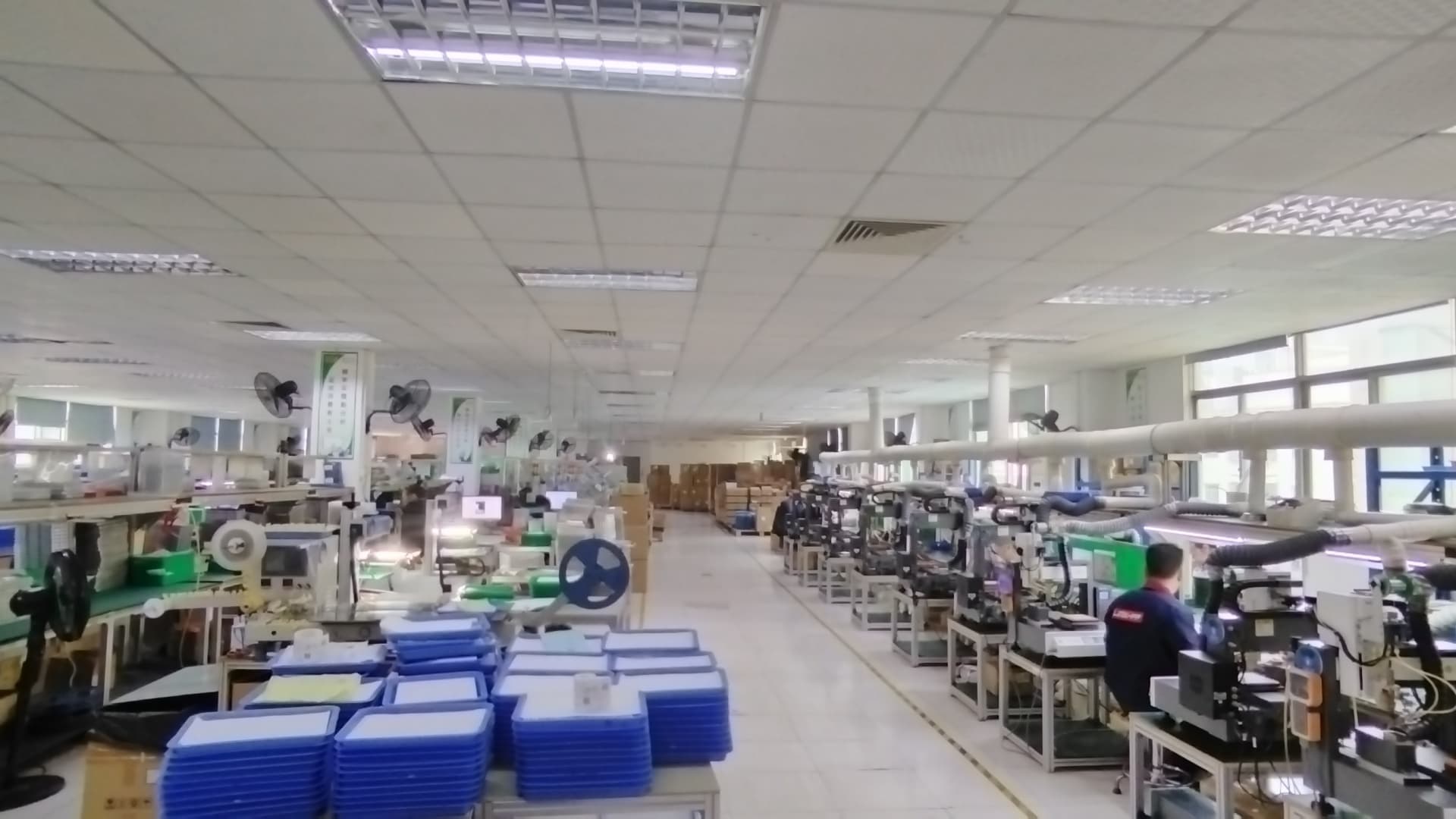
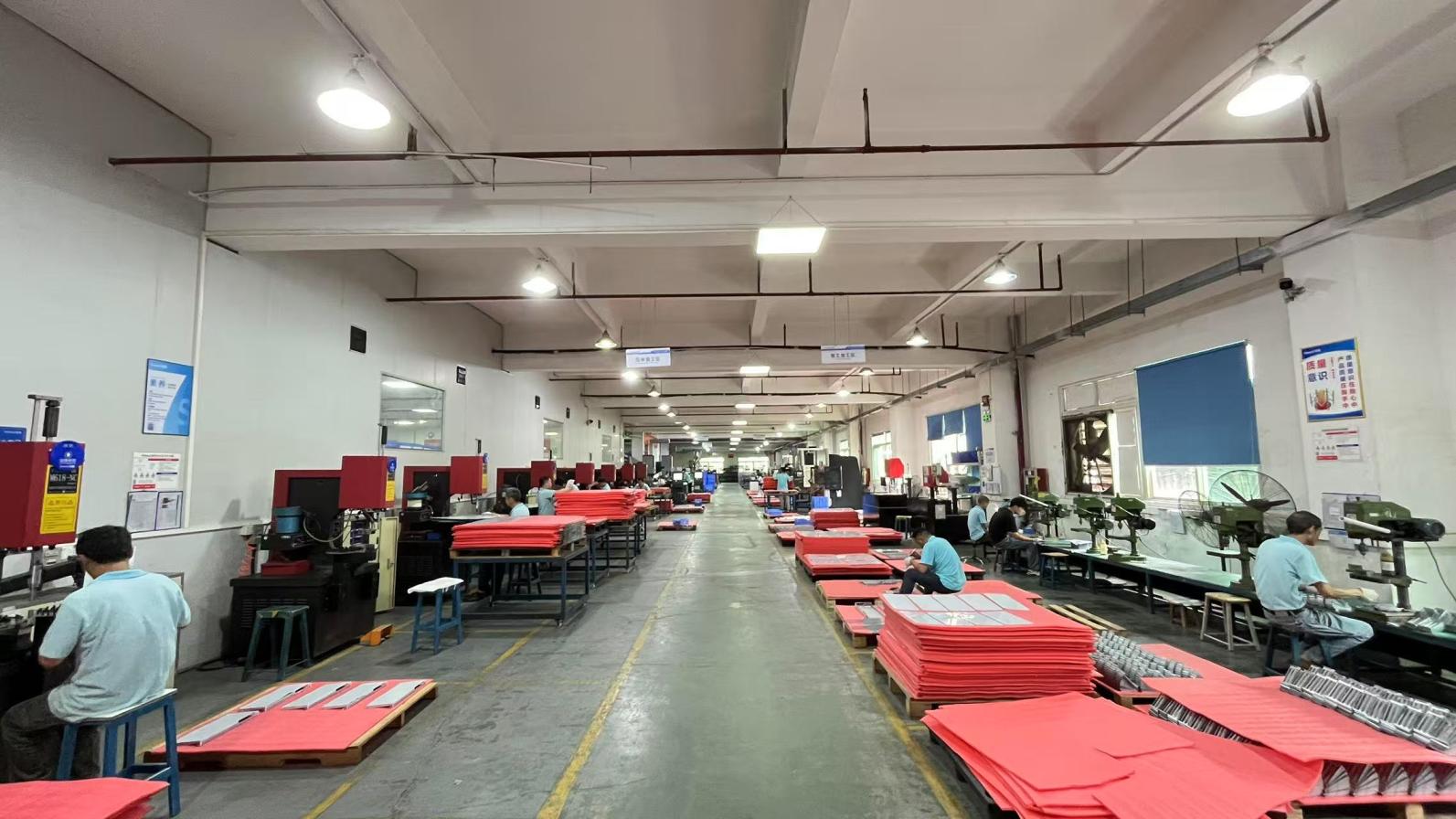
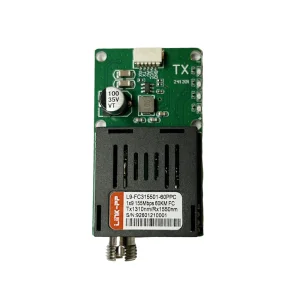
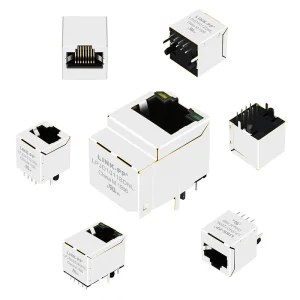
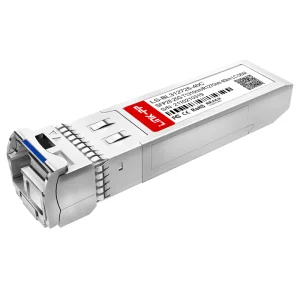
Complete product range supporting high-speed copper and optical interfaces for enterprise routing and cloud networking.
Expert answers addressing the practical selection, deployment, and testing of SFP components.
Gold plating thickness directly determines contact longevity and insertion/extraction performance. 30u" (micro-inch) gold plating offers superior resistance to micro-corrosion, humidity, and wear caused by vibration in rack servers. While 15u" is suitable for static office network panels, 30u" ensures stable signal integrity over hundreds of insertions in hyperscale facilities.
Yes. Our R&D department programs the EEPROM of each module to match MSA (Multi-Source Agreement) requirements, ensuring vendor-locked switches recognize our hardware without raising errors. We maintain compatibility configuration profiles for all major global brands.
Traditional optical modules require two separate fiber strands (one to transmit [TX] and one to receive [RX]). BiDi transceivers use Wavelength Division Multiplexing (WDM) to transmit and receive signals at different wavelengths (e.g., 1270nm and 1330nm) over a single single-mode fiber core. This effectively doubles existing fiber infrastructure capacity without laying additional cable.
We use heavy-duty copper-nickel alloys and stainless steel structures for our SFP cages. Additionally, our multi-port cage configurations (such as the 1x8 press-fit cage) feature integrated EMI spring fingers and conductive elastomeric gaskets that ground the cage assembly directly to the system PCB chassis, minimizing RF radiation leaks.
Typically, standard configurations ship within 5-10 business days directly from our facility. Customized designs—including specialized wavelengths, heat-sink assemblies, and OEM branding/labeling—take 15-20 business days depending on order size. We coordinate express air-freight logistics directly to Sydney (Kingsford Smith Airport) and Port Botany for sea cargo.
Get access to custom datasheets, factory-direct wholesale pricing, and dedicated engineering support for SFP connectors and high-speed optical assemblies.
 FiberNova