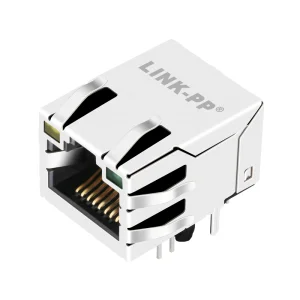
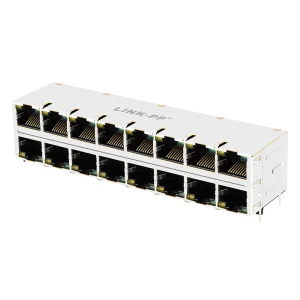
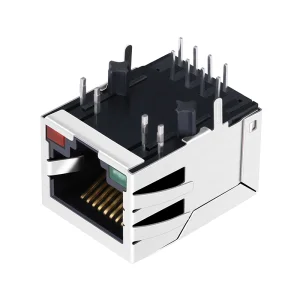
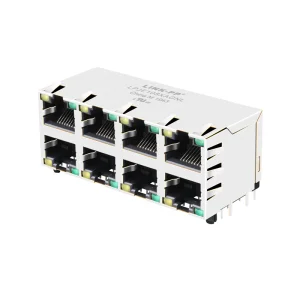
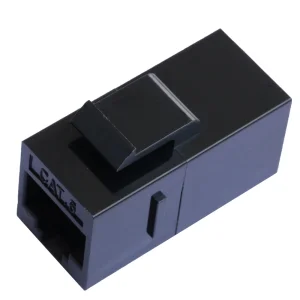
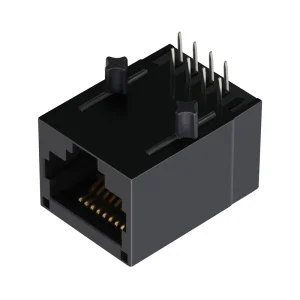
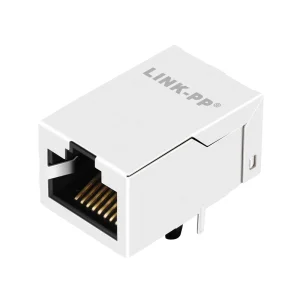
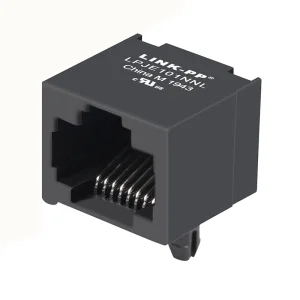
Engineered to meet the exact tolerances of physical board designs where magnetics are integrated directly on the PHY layer of the PCB.
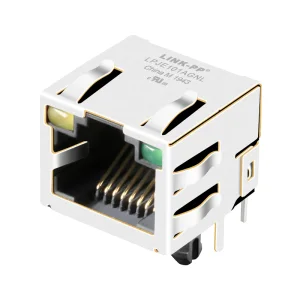
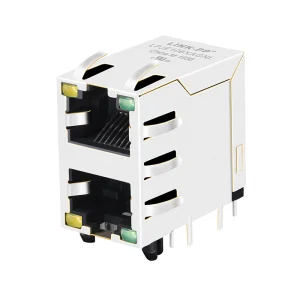
From subsea petroleum telemetry to deep fjords aquaculture IoT and hydro-cooled hyper-scale AI datacenters, Norway's demands for ruggedised electrical connectivity are uniquely strict.
Traditionally, standard integrated connector modules (ICMs) with internal magnetics were favored for simple commercial LAN setups due to their plug-and-play ease. However, Norway’s industrial environment demands more custom architecture. Engineers working on offshore wind arrays, marine vessel propulsion controls, and high-frequency communication rigs in Oslo and Stavanger frequently specify RJ45 without magnetics.
Why this shift? Standard integrated magnetics place the isolation transformer, common-mode chokes, and resistors inside the small plastic cavity of the connector housing. In extreme sub-zero temperatures, humid coastal environments, or vibration-heavy engine rooms, failure of these delicate internal windings results in replacing the entire connector. By utilizing RJ45 housings *without* magnetics, Norwegian hardware designers relocate the magnetic components (transformers) to the main PCB board. This provides unparalleled design flexibility, superior ESD protection, and optimized thermal management.
By isolating the RJ45 housing from the transformer circuitry, Norwegian marine designers achieve compliance with strict DNV-GL maritime standards. Placing discrete transformers further back on the PCB enables higher creepage and clearance distances, which is critical for subsea exploration devices that operate under high electrical pressures and complex grounding schemes.
Understanding high-frequency signal propagation, layout optimization, and EMI compliance strategies when using non-magnetic modular jacks.
Integrated connectors subject tiny wire-wound magnetic toroids to direct mechanical stress during RJ45 plug insertions. Furthermore, internal transformers have limited space. Designing without magnetics enables electrical engineers to select discrete components with higher current capabilities (essential for PoE++ up to 90W) and superior ESD protection profiles on the board layout.
High-speed data streams (Gigabit Ethernet, 2.5G/5G/10GBase-T) require continuous 100-ohm differential impedance. Eliminating magnetics from the jack minimizes capacitive coupling and pin-to-pin crosstalk inside the connector housing, transferring the critical impedance matching to optimized microstrip or stripline routing on multi-layer PCBs.
Norwegian sub-zero weather causes material expansion and contraction. Standard ICMs can suffer from micro-cracking of transformer potting compounds, causing sudden signal degradation. External discrete magnetics allow uniform heat distribution across the mainboard ground plane, significantly extending the operational lifespan of the system.
Founded in 2016, FiberNova Optical Communication Tech Co., Ltd. (FiberNovaTransceivers.com) maintains a highly sophisticated 380㎡ production facility focused on the development of physical layer networking components and high-speed transceivers. Our dual core competencies in high-speed optical module engineering (10G to 800G) and precision copper interfaces give us a massive edge: we understand the absolute limits of signal integrity, transmission margins, and electrical isolation.
By leveraging China's ultra-advanced precision injection molding, terminal metal stamping, and automated assembly ecosystems, we offer Norwegian customers custom RJ45 configurations that Western suppliers struggle to deliver cost-effectively. Whether you need custom LED colors, specific grounding tab positions (EMI shield springs), selective gold plating thicknesses (up to 50u" for marine applications), or high-temperature LCP materials compatible with modern lead-free reflow soldering profiles, FiberNova delivers.
Our logistics team provides seamless shipping routes to major Norwegian ports (Oslo, Bergen, Stavanger, Trondheim) via air and sea freight. We ensure fast customs clearance (Toll.no) compliance and full regulatory clearance with RoHS, REACH, and CE directives.

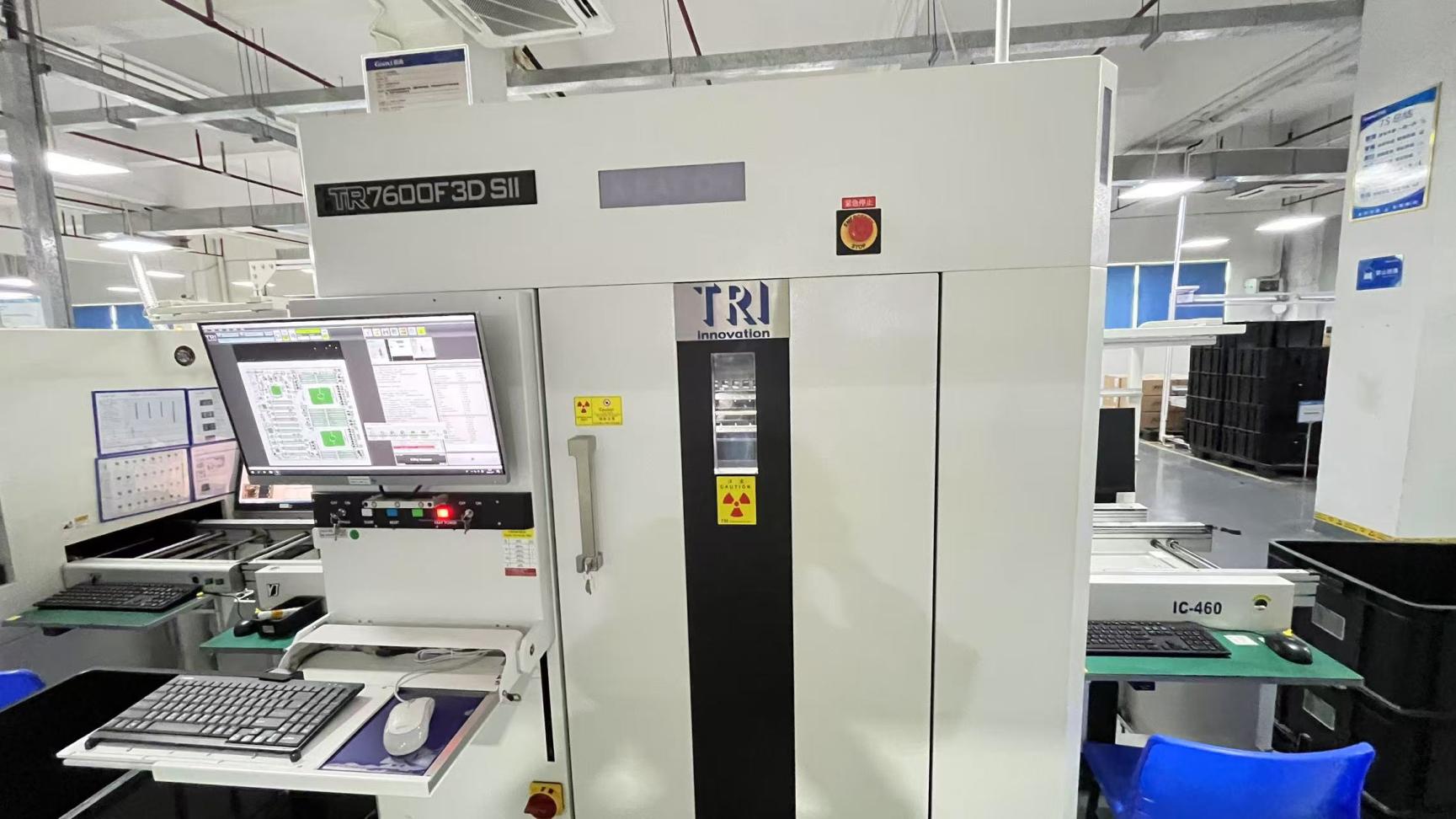
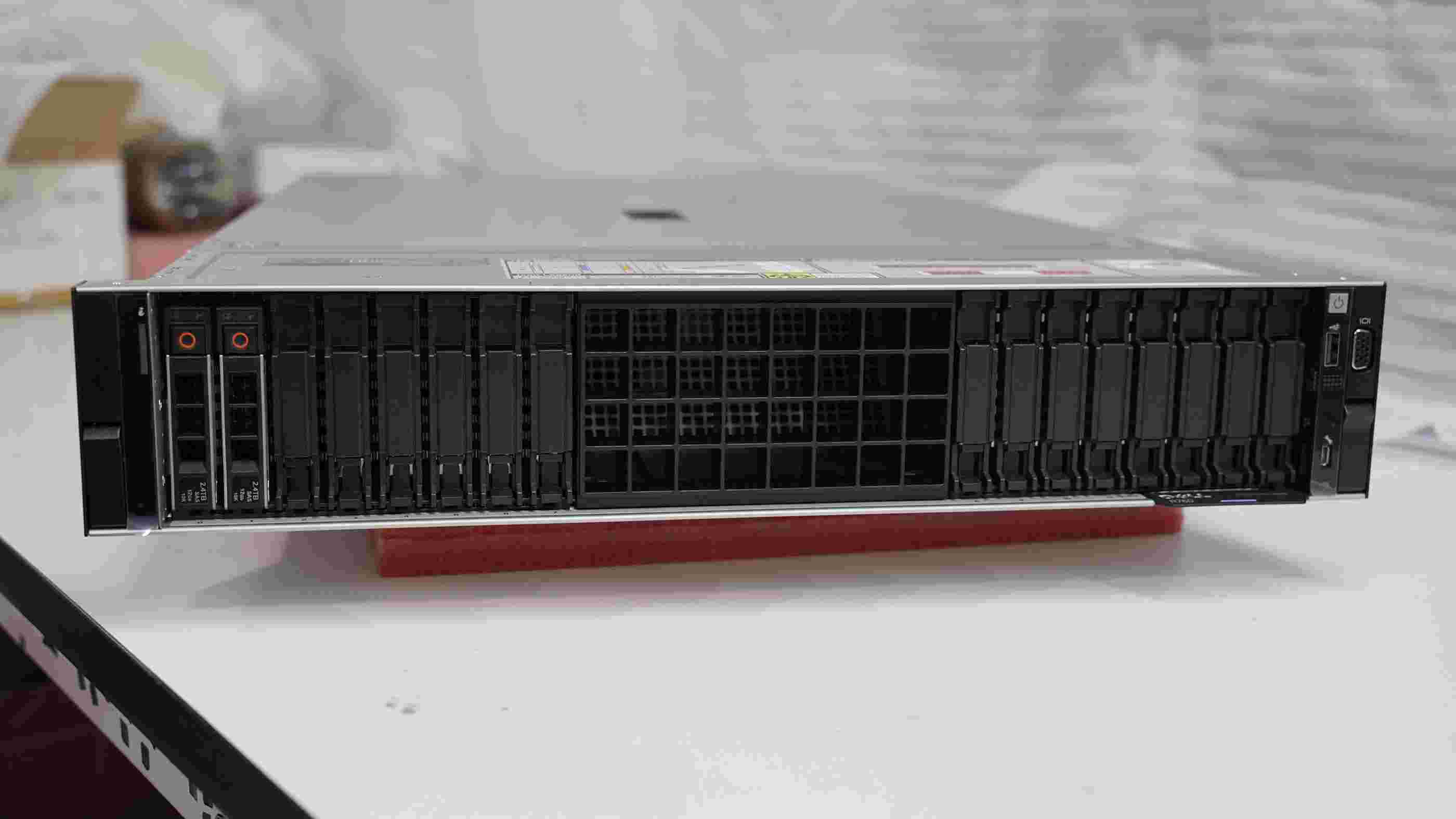

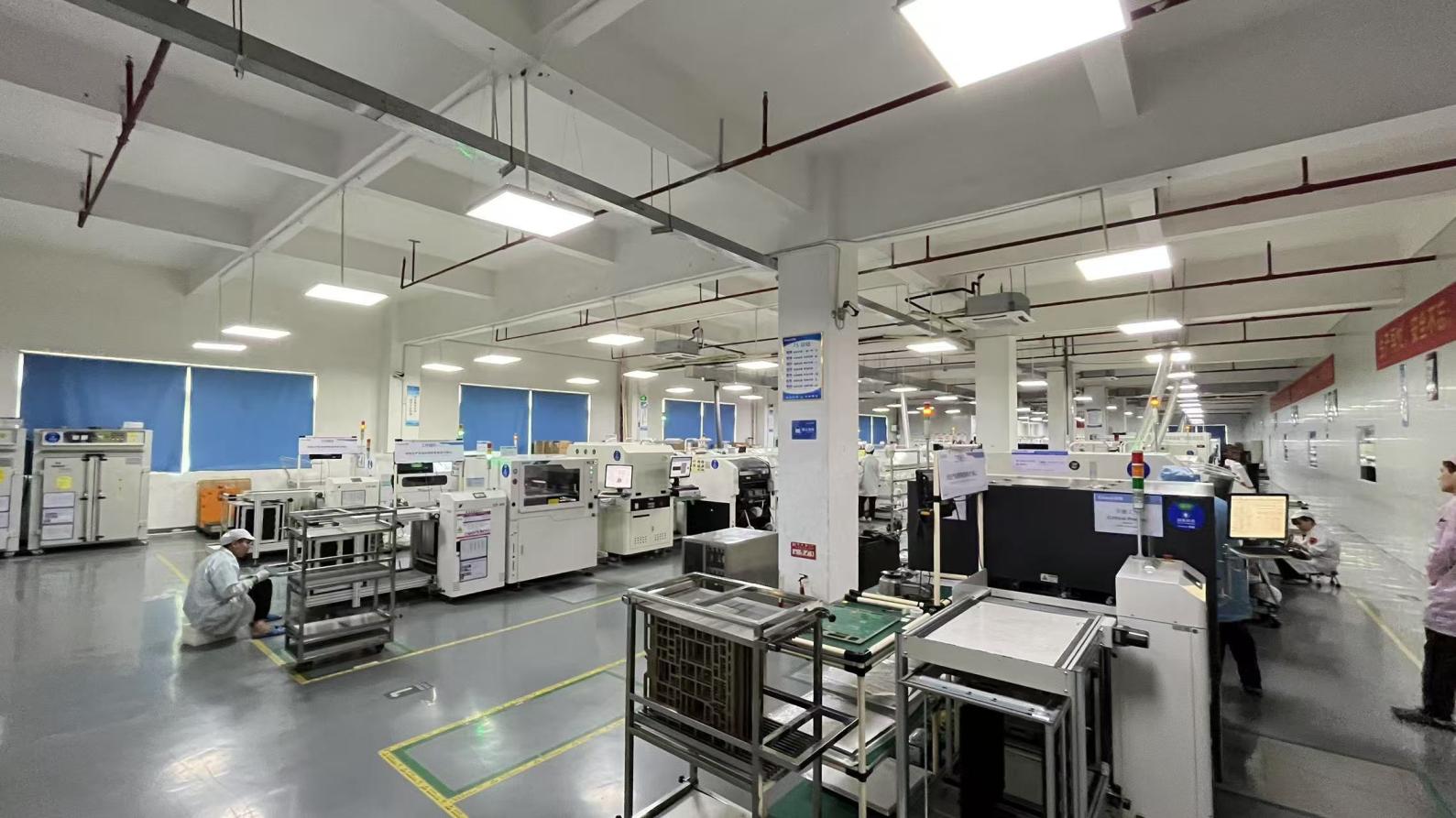

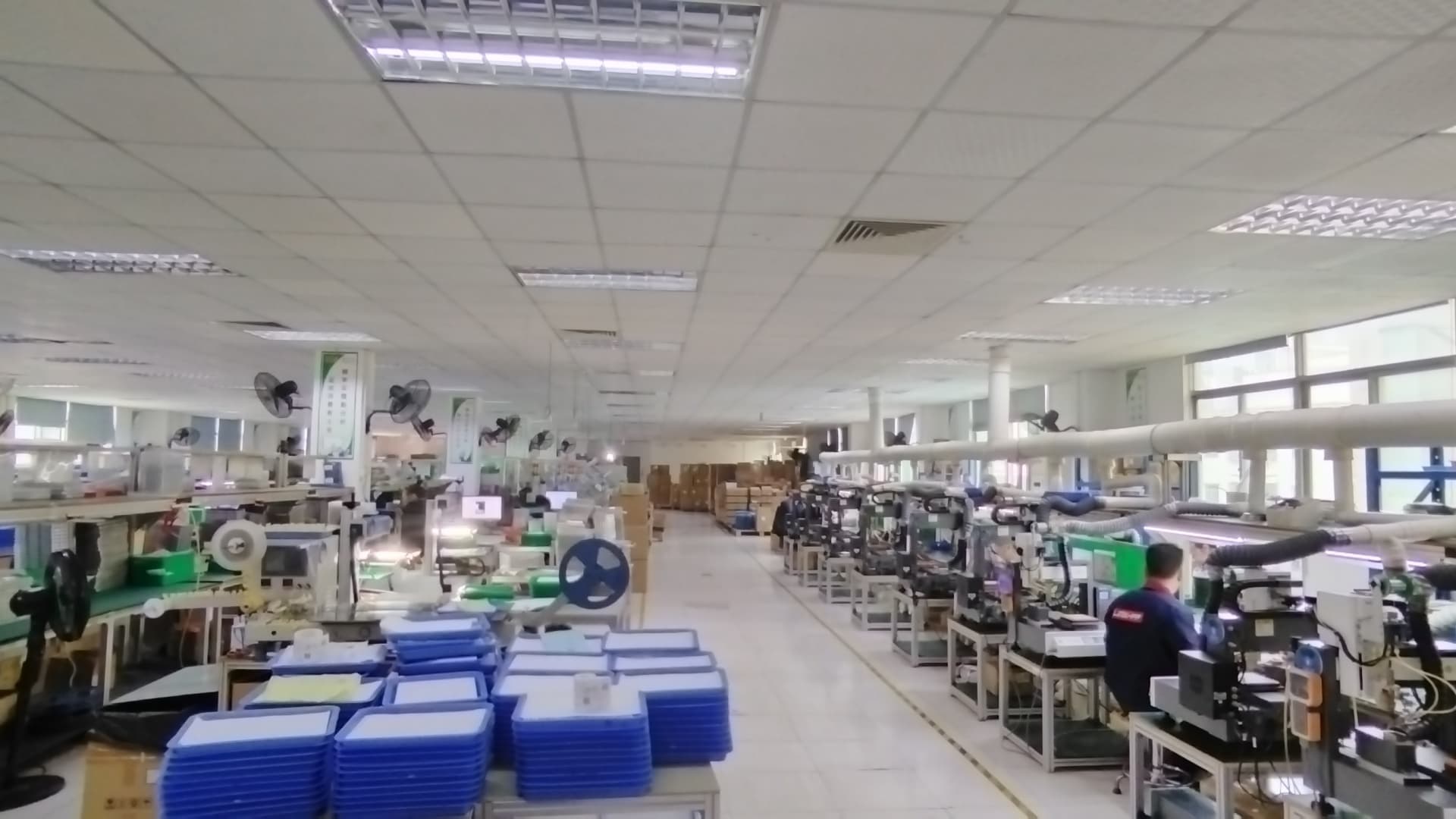
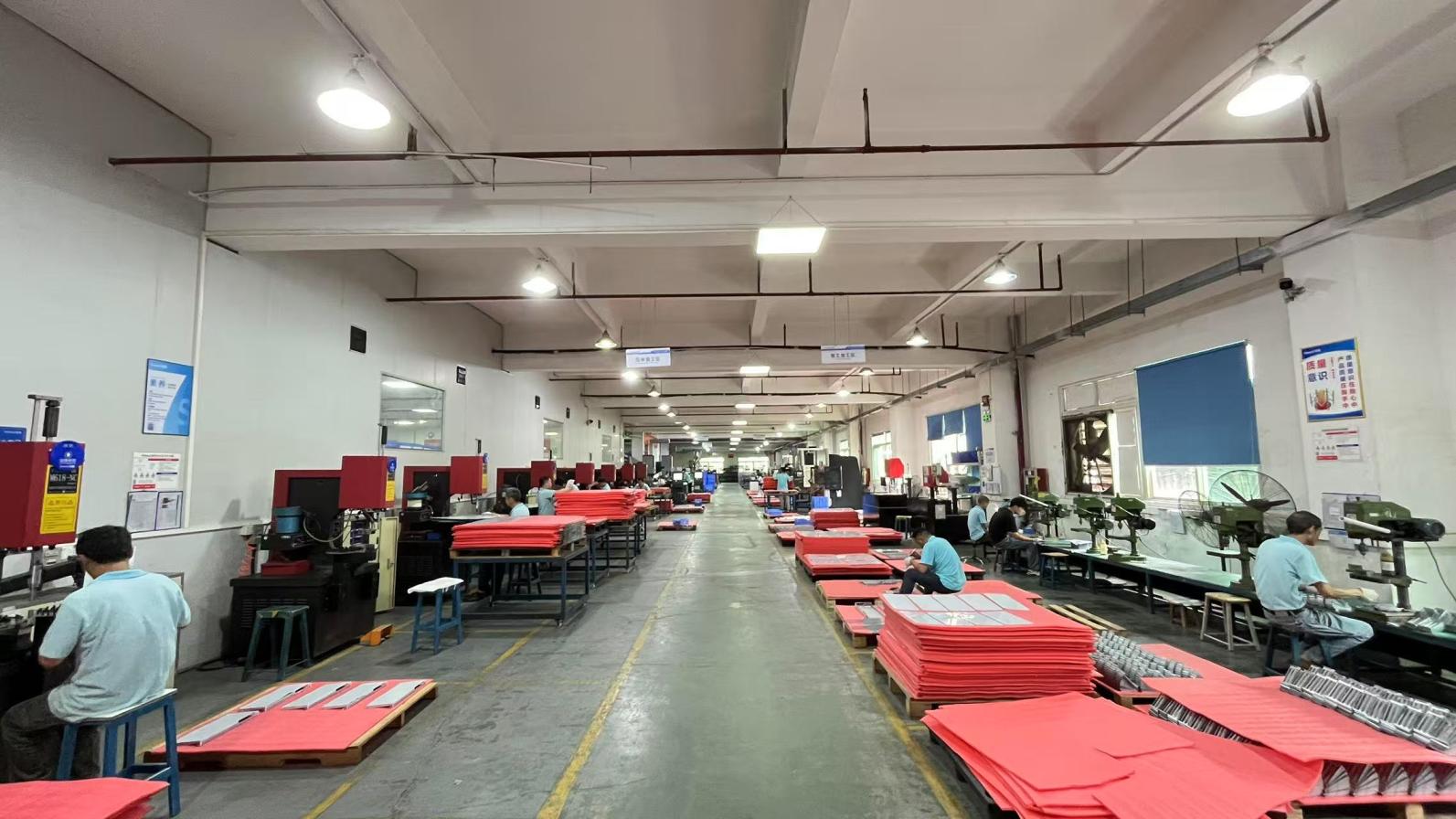
Our ISO9001-certified production base features advanced automation, backed by 45 dedicated QC staff and 65 R&D engineers.
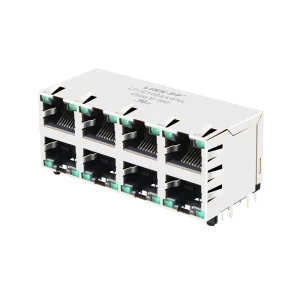
Specifically curated configurations to support varied motherboard layouts, customized EMI protection parameters, and dual LED signal indicator systems.
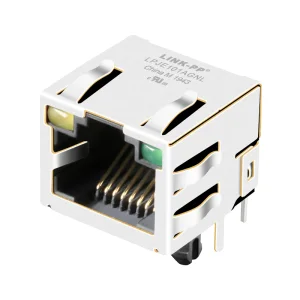
Real-world applications proving the long-term reliability and physical-layer stability of our products in the Scandinavian environment.
An offshore energy exploration firm needed a networking solution for hydrophone data collection boxes submerged at depths of 1000m. Integrated RJ45 modules failed under cyclical thermal testing down to 2°C due to magnetics micro-fractures. By swapping to FiberNova's RJSNE series non-magnetic jacks combined with rugged board-level discrete pulse transformers, the MTBF (Mean Time Between Failures) increased by 400%.
A green data center inside a former Norwegian mine utilizes cold fjord water for high-density AI rack cooling. The presence of non-conductive dielectric cooling fluids can degrade the internal adhesives used inside standard integrated magnetics connectors. Utilizing through-hole non-magnetic connectors (ARJ045) ensured absolute hermetic compatibility with immersion cooling fluids, showing zero signal loss over 3 years of 24/7 high-compute cycles.
Offshore wind turbines experience immense vibration and strong electromagnetic interference from the high-voltage generators. Relocating the magnetics away from the physical RJ45 port and utilizing heavy shielding (50u" gold plating + full copper shield tabs) resolved random packet dropouts caused by localized EMF fields, protecting the turbine control networks.
Exhaustive product list featuring multi-port, low-profile, single-port, and specialty plastic/shielded jacks designed to optimize physical hardware designs.
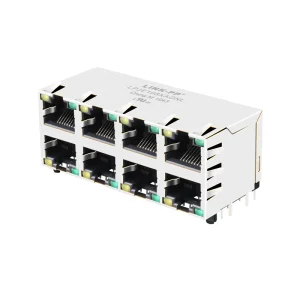
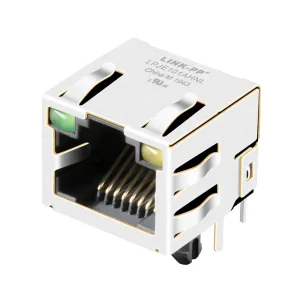
A global supplier of high-speed active and passive physical layer interfaces.
FiberNova Optical Communication Tech Co., Ltd. (FiberNovaTransceivers.com) is a professional optical transceiver manufacturer established in 2016, with a modern production facility covering approximately 380㎡. The company focuses on high-speed optical communication solutions, serving global data center and telecom customers with stable, high-performance products.
With over 6 years of export experience and 12 years of industry expertise, FiberNova has developed strong capabilities in R&D, manufacturing, and international trade. The company achieves an annual export revenue of approximately USD 8–15 million, supplying customers across North America, Europe, Southeast Asia, and the Middle East.
FiberNova operates with a strict quality control system, including 100% optical performance testing, temperature cycling tests, and signal integrity inspection before shipment. The quality assurance team consists of around 45 professional QC staff, ensuring every transceiver meets international standards such as IEEE and MSA compatibility requirements.
The company maintains a solid trade background with experienced export teams handling OEM and ODM projects worldwide. Its main markets include the United States, Germany, Japan, South Korea, and the United Arab Emirates. FiberNova has established long-term partnerships with more than 1,200 supply chain partners, enabling stable procurement of chips, lasers, and optical components.
FiberNova serves a wide range of clients, including telecom operators, cloud service providers, data center integrators, and network equipment distributors. The company has strong R&D capabilities, supported by 65 engineers, focusing on high-speed transmission technologies such as 10G, 25G, 100G, 400G, and 800G optical modules.
Customization is fully supported, including wavelength tuning, protocol compatibility, housing design, and labeling services. In the past year, FiberNova launched approximately 120 new products, continuously expanding its portfolio to meet fast-changing market demands.
Deep technical answers compiled by our hardware R&D department to assist Norwegian electrical engineers and procurement managers.
An RJ45 with magnetics (known as an Integrated Connector Module or ICM) contains the isolation transformer, common-mode chokes, and termination resistors directly within the connector housing. An RJ45 without magnetics is simply a physical plastic/metal housing with copper pins and shields. It requires all magnetic filtering and galvanic isolation to be designed onto the main PCB using discrete components. This allows for customized ESD routing, wider track clearance, and more robust high-voltage isolation designs.
Marine and subsea environments demand strict adherence to standards like DNV-GL, requiring high galvanic isolation levels (often 1.5kV to 5kV) and high vibration resilience. Placing delicate transformer coils inside a small RJ45 housing increases vulnerability to moisture ingress and temperature shocks. Relocating these transformers onto the motherboard allows engineers to select larger, automotive-grade or aerospace-grade discrete components that handle thermal expansion and mechanical vibration much better.
Yes. However, the compatibility depends on how you design your board-level circuitry. Because the RJ45 jack itself lacks magnetics, the DC power injection must be managed through the discrete center-tapped transformer on your PCB. Using non-magnetic connectors actually gives you more freedom to design high-power PoE setups (like 802.3bt Type 4 / PoE++ up to 90W) since you are not limited by the thermal dissipation constraints of a small connector housing.
For typical indoor/datacenter applications, we offer standard 15u" or 30u" gold plating. For industrial and coastal Norwegian applications (exposed to salty air and high humidity), we recommend 50u" gold plating. Gold does not oxidize or corrode. A thicker layer prevents the base copper alloy of the contact pins from diffusing through and reacting with atmospheric salts, ensuring low contact resistance and stable signals over a long service life.
Standard catalog parts can be shipped from our warehouse in China within 3 to 7 working days. For custom OEM/ODM designs (such as customized shielding configurations or custom LEDs), tooling and pre-production approval takes 3-4 weeks, followed by 2 weeks of manufacturing. We offer rapid express air freight (DHL, FedEx) with typical delivery times of 4-6 business days to Oslo, Bergen, or Stavanger, and economy sea freight for volume orders.
Our testing protocol includes 100% inspection of coplanarity, dielectric withstanding voltage (DWV), insulation resistance, and contact resistance. We utilize advanced network analyzers to test high-frequency signal integrity, verifying return loss, insertion loss, and near-end crosstalk (NEXT) across all channels. Because we develop high-speed optical transceivers up to 800Gbps, we apply the same rigorous high-frequency testing standards to our copper interconnect products.
Partner with a trusted, engineering-first manufacturer. Contact FiberNova's technical team in China for custom drawings, 3D CAD files, and free pre-production samples for your Norwegian industrial projects.
 FiberNova