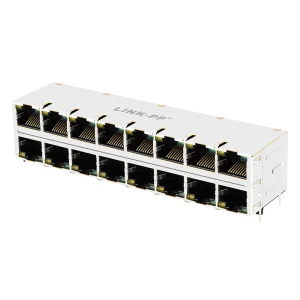
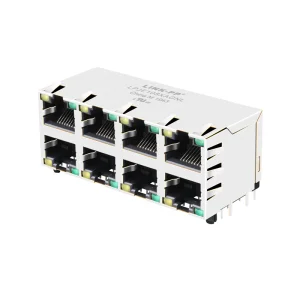
Engineered without integrated magnetics for high-temperature durability, strict space requirements, and custom circuit isolation designs on host PCBs in Hamburg's industrial networks.
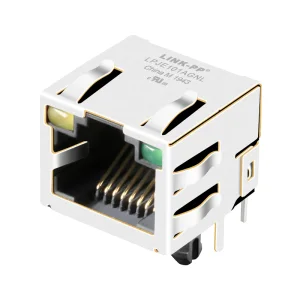
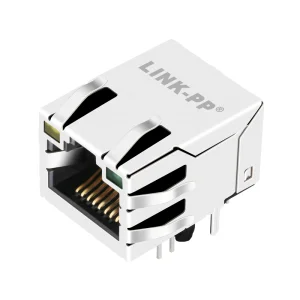
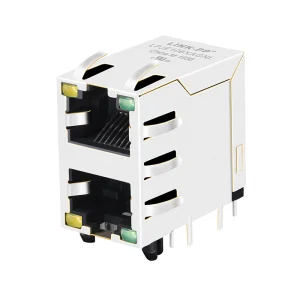
Hamburg, the economic powerhouse of Northern Germany, hosts some of Europe’s most advanced logistics, maritime, and aerospace hubs. From the vast automated terminals of the Port of Hamburg to the high-tech aircraft assembly lines of Airbus in Finkenwerder, the demand for robust Industrial Ethernet networks has never been more urgent. Modern container terminals rely heavily on Automated Guided Vehicles (AGVs), automated rail-mounted gantry cranes (ARMGs), and optical/copper network interfaces that coordinate telemetry data in real time.
Unlike standard office IT networks, industrial applications in the Hamburg metro area operate in environments characterized by high vibration, wide temperature variations, and aggressive electromagnetic interference (EMI). Under these conditions, the selection of physical-layer (PHY) connectivity hardware becomes critical. System integrators and electronic design engineers are increasingly adopting **RJ45 connectors without integrated magnetics**. By separating the mechanical physical connection (the RJ45 jack) from the magnetic isolation transformers on the host PCB, engineers gain greater control over signal shielding, electrical isolation configurations, and electromagnetic compatibility (EMC) testing protocols.
In maritime logistics, automated terminal machinery undergoes high mechanical stress. Standard RJ45 jacks with integrated magnetics can experience wire-bond failures under constant mechanical shocks. A discrete design—combining a durable non-magnetic RJ45 jack with rugged, PCB-mounted transformers—enhances physical resilience. Furthermore, aerospace engineering standards in Northern Germany demand precise component segregation. Standard integrated jacks combine plastic, ferrite, and copper windings inside a small cavity, which limits thermal performance. Using specialized non-magnetic connectors allows engineers to design robust heat mitigation strategies directly onto the host motherboard.
In offshore wind farms operating in the North Sea near Hamburg, control boxes are subjected to salt fog and moisture. Design engineers utilize gold-plated, fully shielded, non-magnetic RJ45 jacks coupled with heavy-duty external isolation modules. This setup prevents internal moisture buildup from shorting out delicate magnetic windings. Similarly, aviation applications demand strict electromagnetic emissions profiles. Removing the magnetic core from the connector jack allows for custom placement of high-speed EMI filters on the circuit board, meeting the strict requirements of RTCA DO-160 testing.
Analyzing signal attenuation, thermal dissipation, and PCB layout optimization strategies for physical-layer systems.
When selecting a physical layer connection strategy, hardware development teams face a fundamental choice: integrate the magnetics (transformers and common-mode chokes) inside the RJ45 housing (MagJack) or keep them external on the system board (using a non-magnetic RJ45 connector). The technical benefits of choosing a non-magnetic setup include:
Modern Gigabit and multi-gigabit (2.5G/5G/10G) Ethernet transceivers (PHY chips) generate significant heat. In an integrated MagJack, the magnetic windings are closely packed next to the RJ45 housing, which can create localized thermal hot spots. Under sustained operating temperatures of 85°C or higher (typical in industrial cabinets in the Port of Hamburg), this heat can degrade the wire insulation on the ferrite cores, causing impedance shifts and packet loss. Non-magnetic RJ45 connectors isolate these components, enabling independent heat-sinking for the PHY chip and the discrete magnetics, which enhances the overall system MTBF (Mean Time Between Failures).
Integrated MagJacks contain internal resistor-capacitor networks (often Bob Smith terminations) matched to specific PHY manufacturer requirements (e.g., Broadcom, Marvell, Intel). If a chip shortages requires a design swap, the entire RJ45 module may need to be redesigned. Using non-magnetic RJ45 connectors allows engineers to adapt the external board layout to match different PHY configurations without changing the mechanical chassis toolings or the RJ45 connector footprint.
In highly regulated markets like Germany, achieving CE compliance and passing VDE/EMC testing is critical. A non-magnetic RJ45 connector allows for the placement of custom multi-stage common mode filters, ESD suppression diodes, and shielding traces directly on the PCB. Engineers can design guard bands, isolated ground planes, and specialized trace geometry that cannot be achieved inside the confined space of a standard integrated RJ45 jack.
Bridging manufacturing efficiency with European logistics, technical support, and strict quality assurance standards.
Sourcing electronic components in the European Union requires balancing cost-efficiency with supply chain resilience and strict adherence to environmental regulations like RoHS and REACH. FiberNova Optical Communication Tech Co., Ltd. addresses these challenges by combining advanced automated manufacturing with global logistics networks.
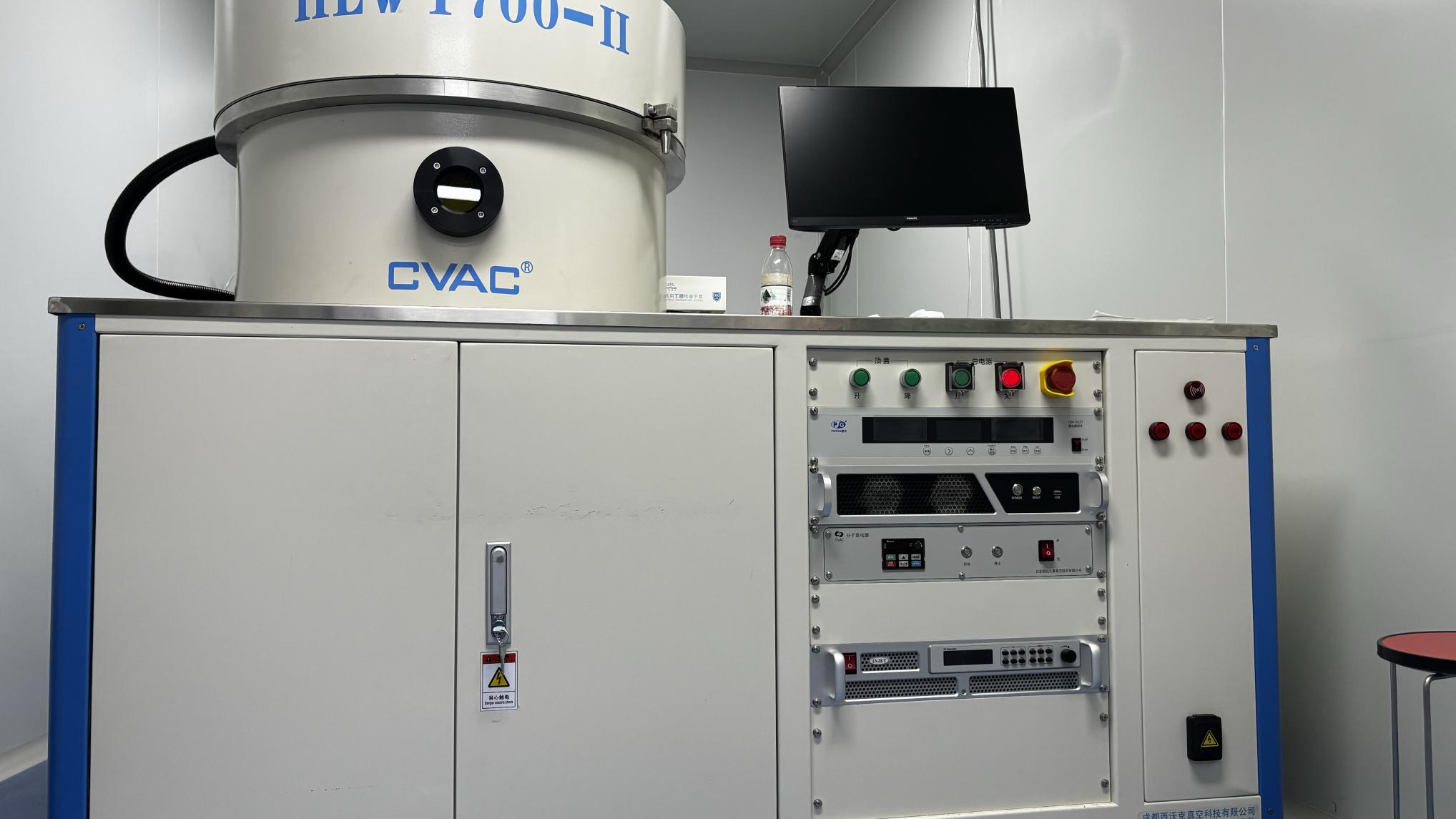
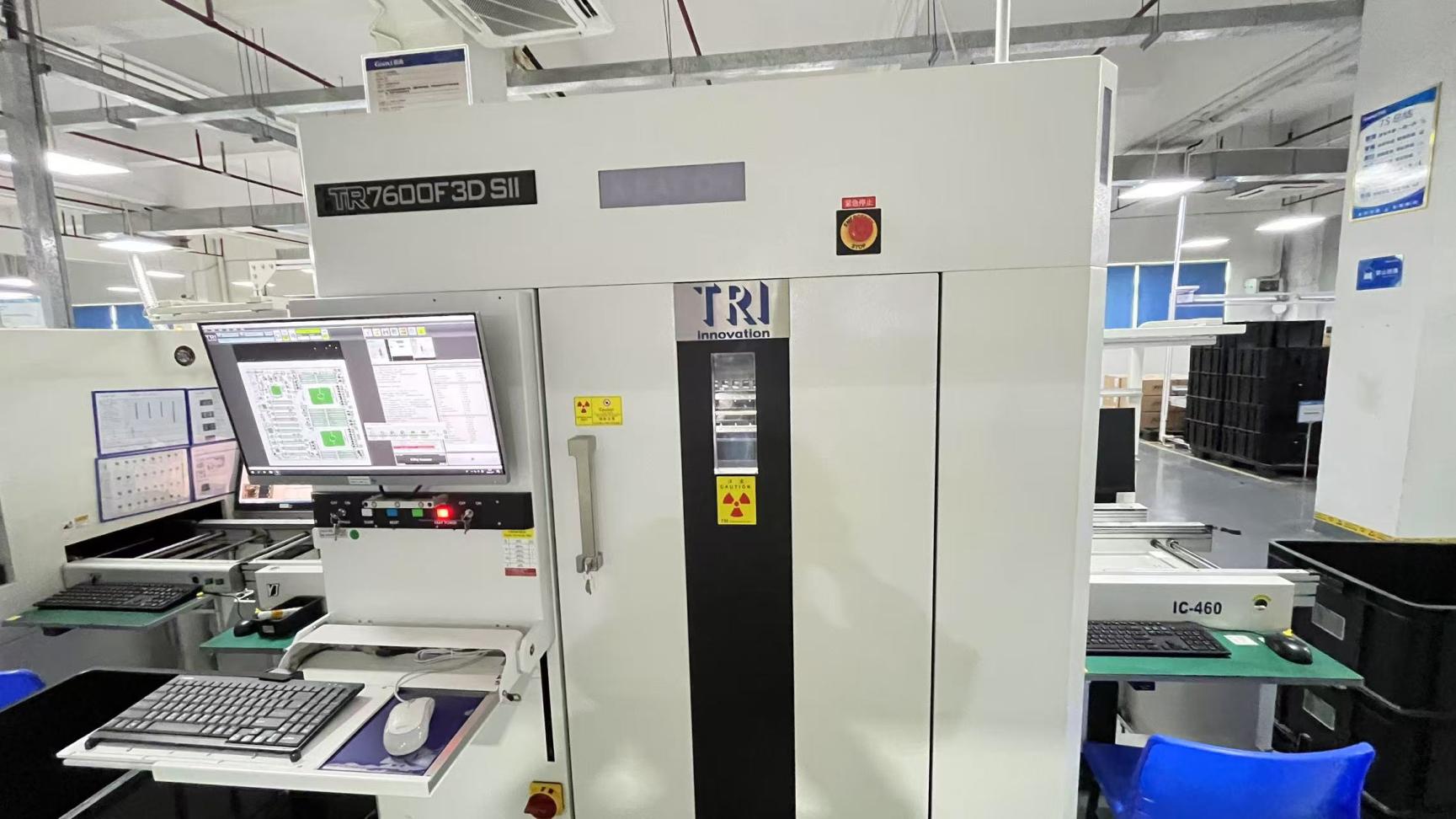
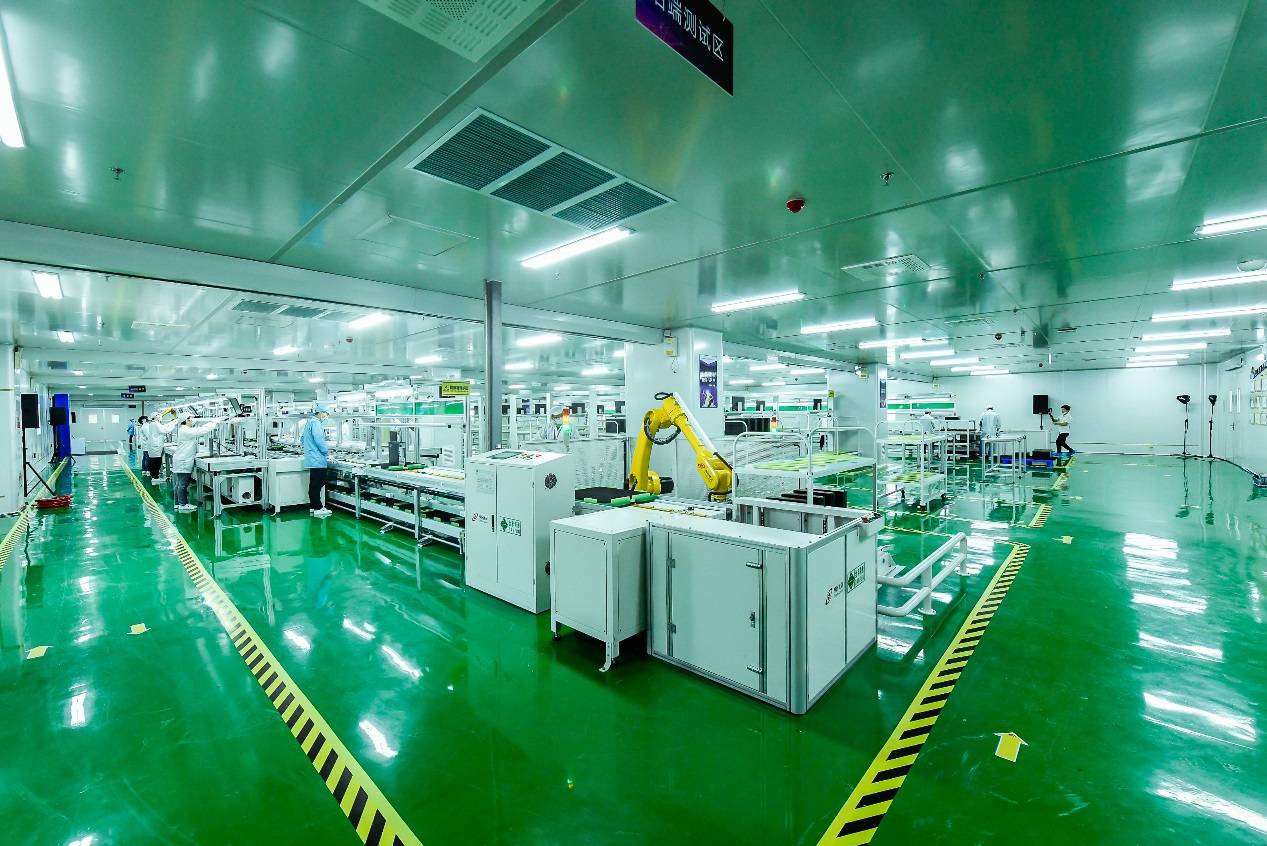
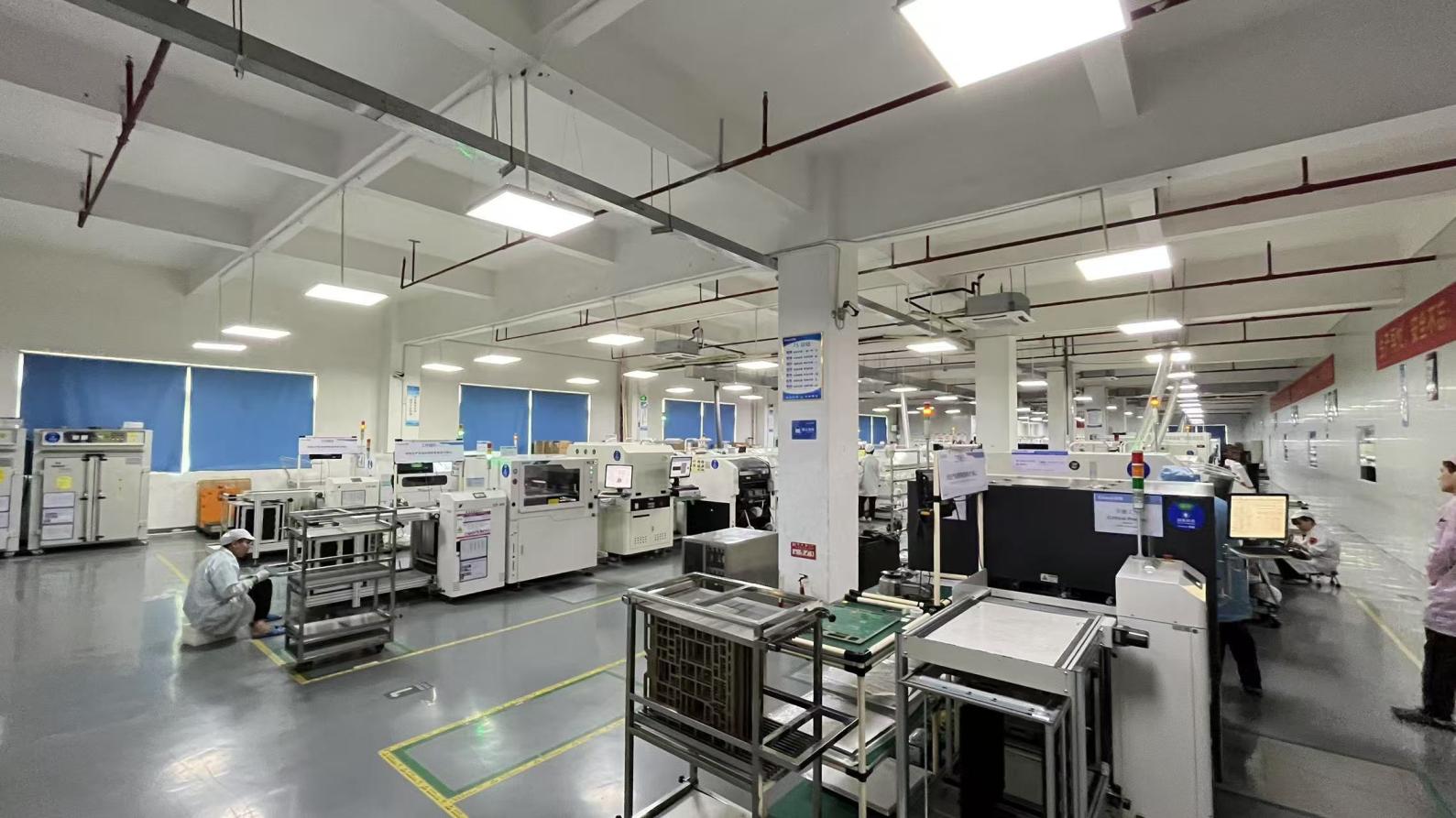
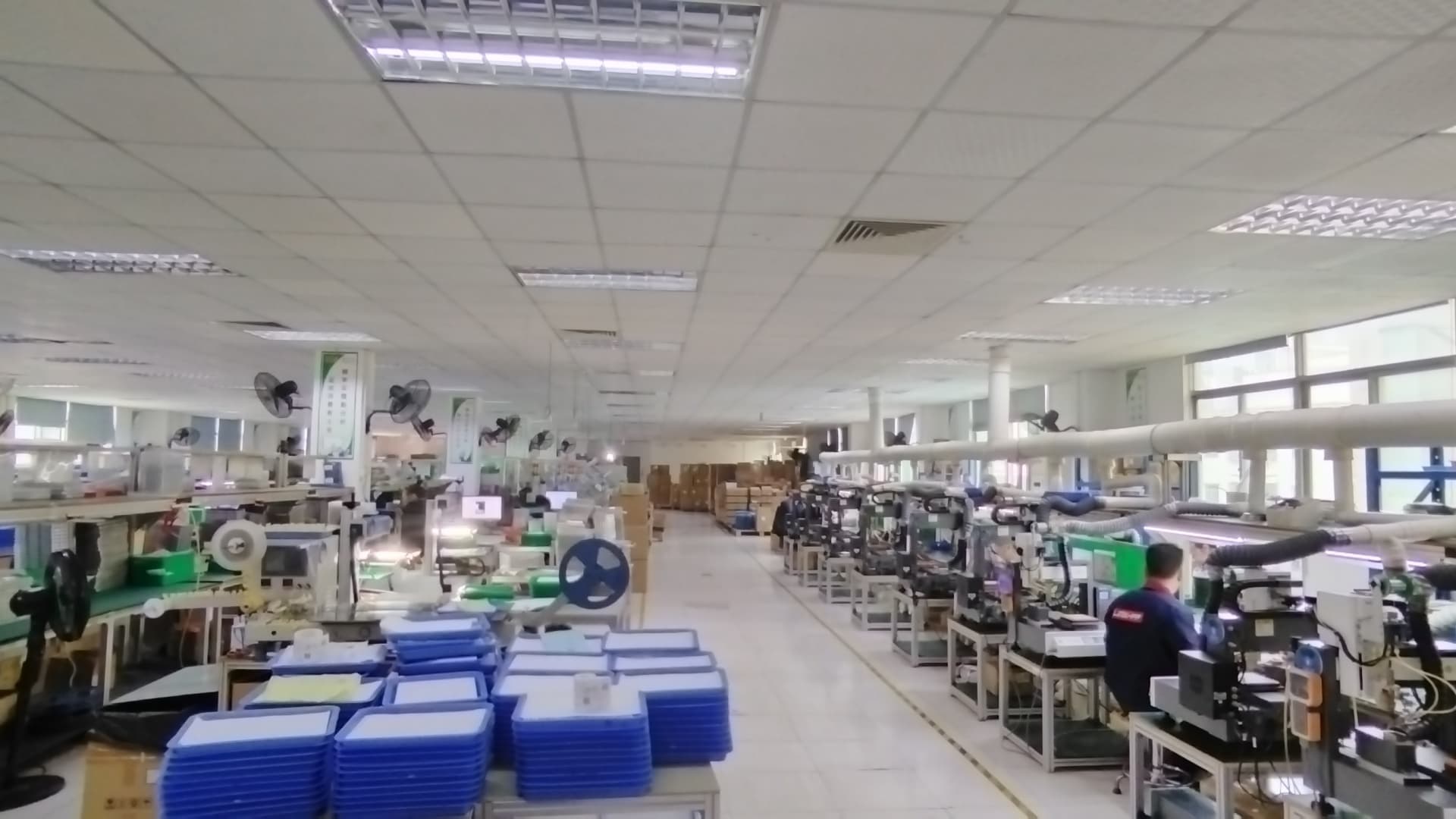
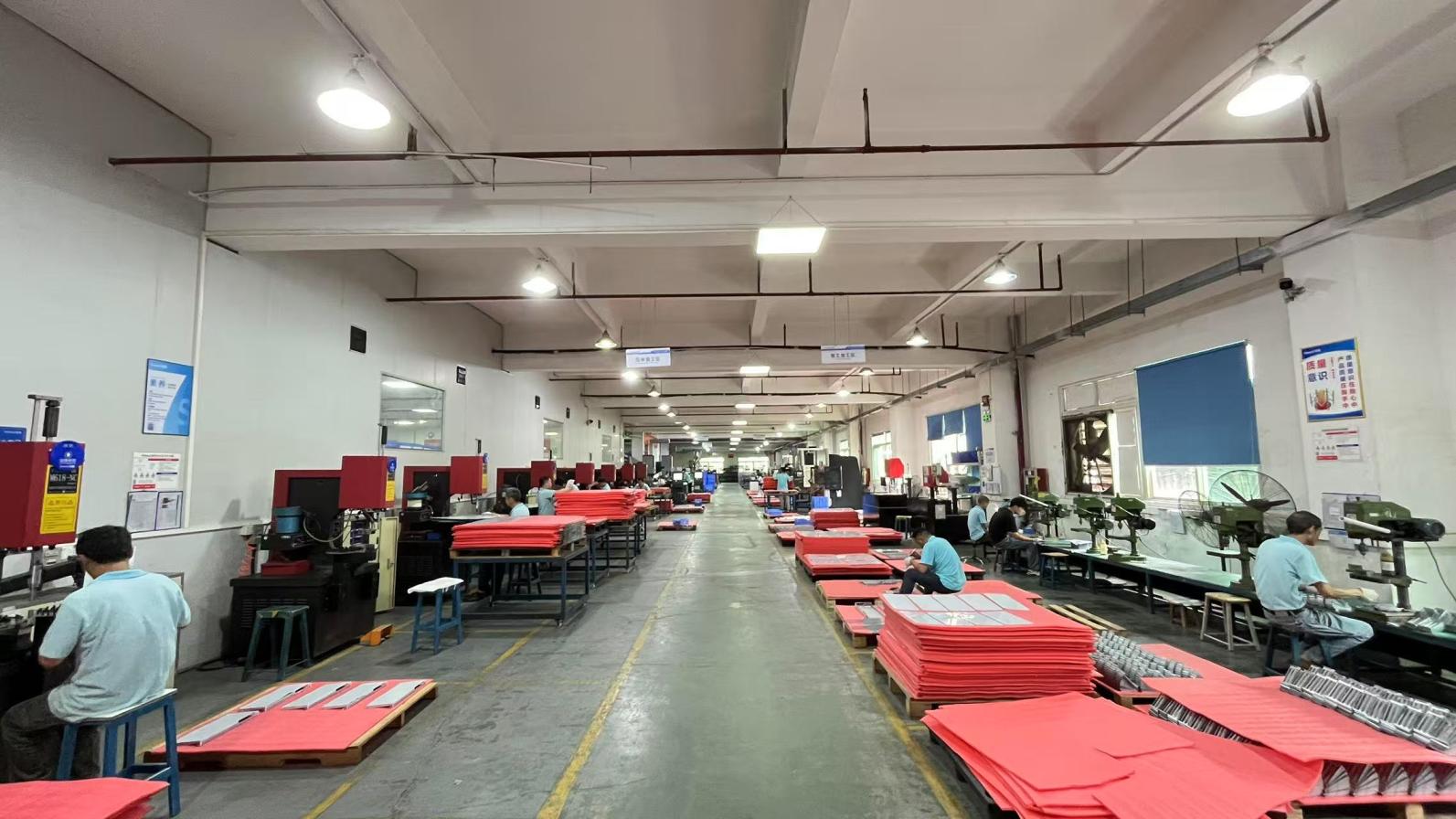
Our **Factory 4.0 manufacturing framework** relies on fully automated terminal crimping, precise automated optical inspection (AOI), and real-time process monitoring. This automation reduces assembly variance, ensuring that each RJ45 contact maintains consistent spring force and low contact resistance. For European procurement managers, this manufacturing control translates to high reliability, minimal incoming inspection overhead, and stable lead times.
To support time-sensitive projects in major industrial hubs like Hamburg, FiberNova maintains a supply chain framework with over **1,200 partners**, enabling rapid procurement of high-grade copper alloys, specialized engineering plastics (like high-temperature LCP), and custom packaging. This logistics capability ensures stable lead times even during global supply chain disruptions.
Every batch of RJ45 connectors without magnetics undergoes rigorous testing before shipment, overseen by a dedicated team of **45 professional QC specialists**:
Delivering high-performance optical and copper interconnect solutions for data centers, telecommunications, and industrial automation worldwide since 2016.
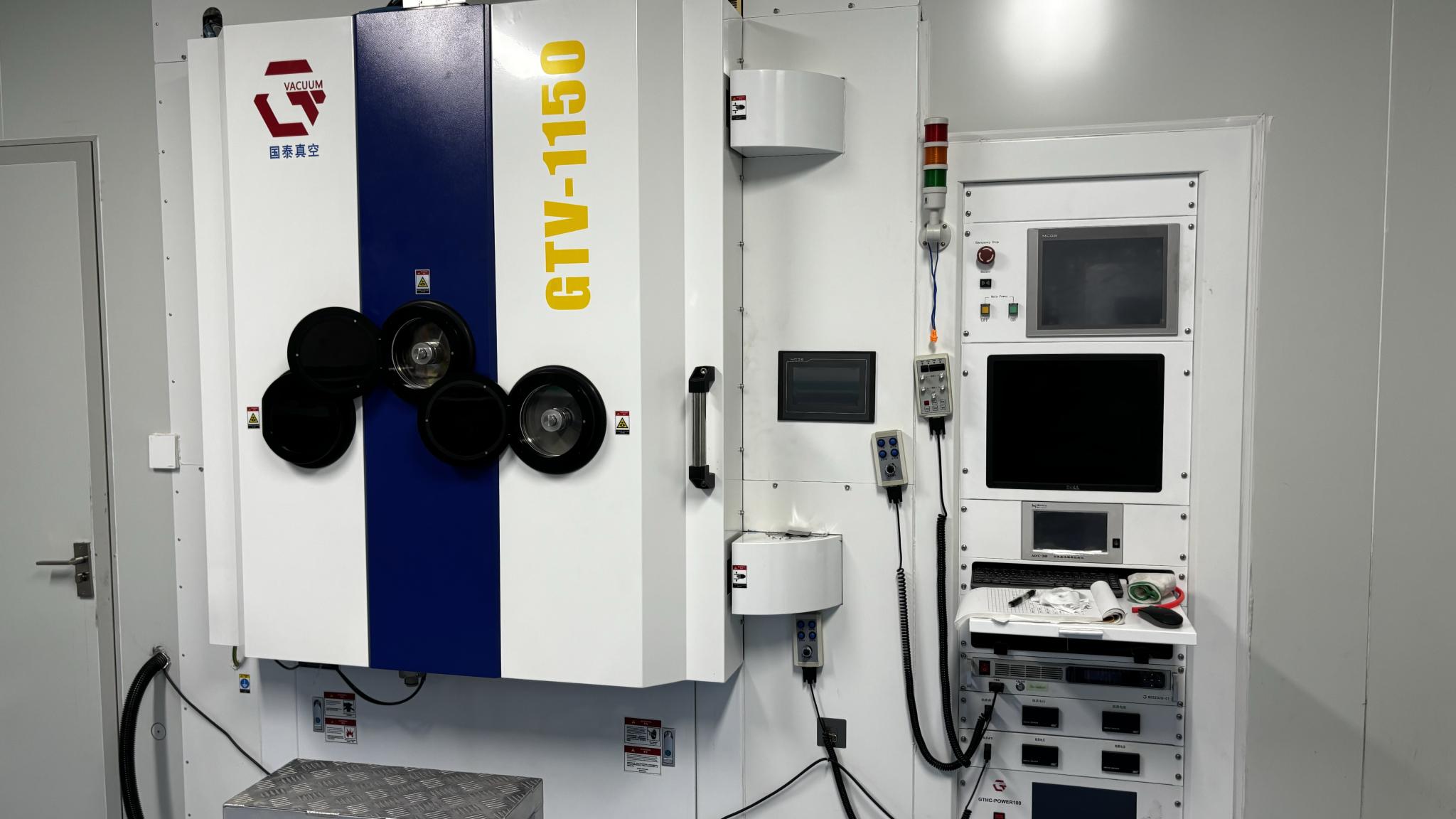
FiberNova Optical Communication Tech Co., Ltd. (FiberNovaTransceivers.com) is an optical transceiver and high-speed network connector manufacturer established in 2016. Operating from our modern production facility covering 380㎡, we specialize in high-speed, high-density physical-layer components, supporting global telecommunications and industrial markets.
With 12 years of industry experience and over 6 years of global export experience, our engineering team assists clients with custom applications. We generate an annual export revenue of USD 8–15 million, supplying network equipment distributors, system integrators, and operators across the United States, Germany, Japan, South Korea, and the United Arab Emirates.
Backed by an R&D department of 65 engineers, FiberNova continuously develops advanced designs, launching approximately 120 new products last year to meet evolving physical-layer performance standards.
Answers to key technical and logistical questions for procurement teams and system integrators.
No, they are not direct drop-in electrical replacements. An RJ45 connector without magnetics contains only the mechanical contacts, housing, and shield. If you replace an integrated MagJack with a non-magnetic connector, you must lay out discrete magnetic modules (transformers and common-mode chokes) on the system PCB between the RJ45 pins and the PHY chip. However, this discrete layout provides superior EMI performance, better thermal isolation, and simplified ESD protection.
In maritime environments, ambient salt spray and high humidity can degrade integrated magnetic modules through moisture absorption. Non-magnetic RJ45 connectors, when combined with vacuum-sealed external transformers on the motherboard, offer a more reliable solution. By using high-temperature LCP housings and nickel-plated copper alloy shields, these connectors resist mechanical fatigue and galvanic corrosion.
For industrial and telecom equipment, we recommend 30 to 50 micro-inches of gold plating. This plating thickness ensures low contact resistance and prevents fretting corrosion over the connector's lifetime, helping the interface withstand vibration and repeated insertion cycles.
Yes, all our RJ45 connectors and optical modules are manufactured using RoHS-compliant materials. We provide full material declaration sheets to support technical compliance files for European industrial markets.
Discrete designs provide system designers with complete control over PCB layout. Placing shielding walls, decoupling capacitors, and ferrite beads directly on the system board helps control EMI emissions, facilitating compliance with CISPR 32 / EN 55032 Class B limits.
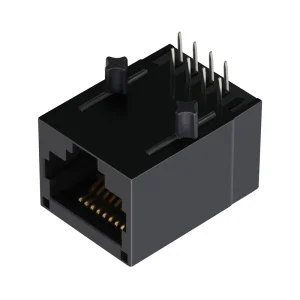
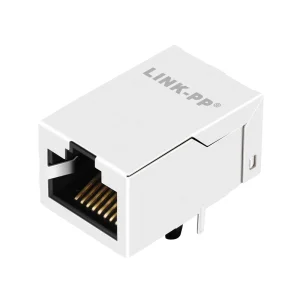
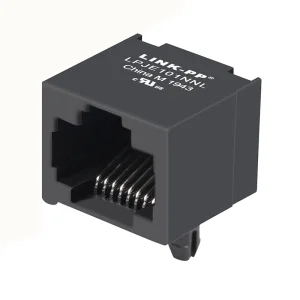
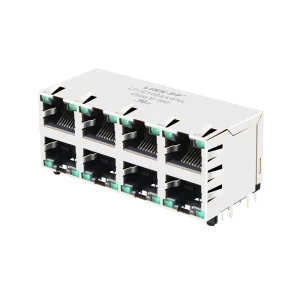
A comprehensive range of through-hole, multi-port, and shielded RJ45 configurations matching global network standards.
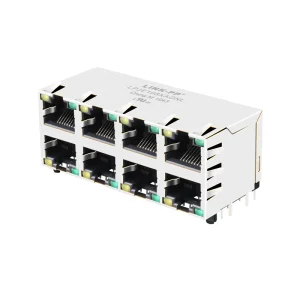
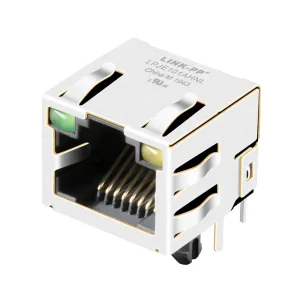
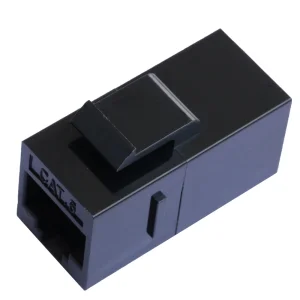
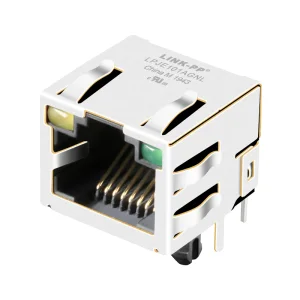
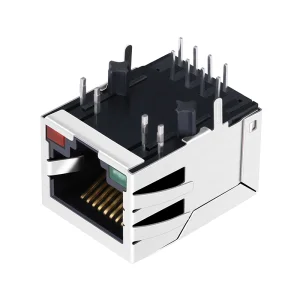
Looking for a reliable ODM/OEM manufacturer to supply custom non-magnetic RJ45 connectors or optical transceivers for your industrial projects in Germany and Northern Europe? Our team provides layout reviews, custom drawings, and sample kits.
Send Inquiry Now FiberNova