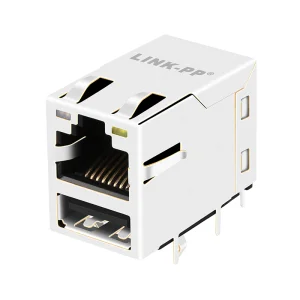
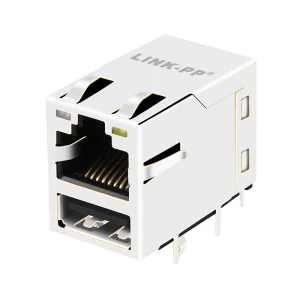
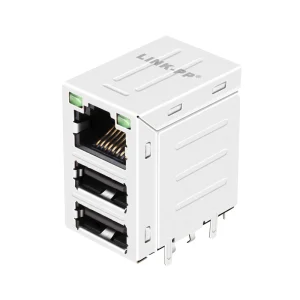
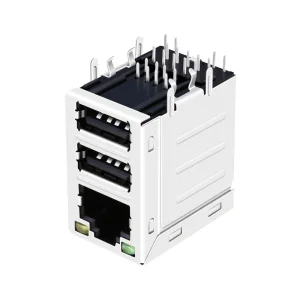
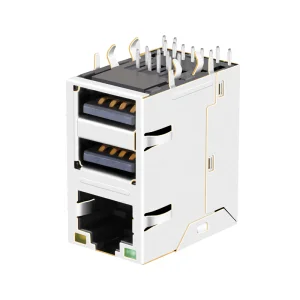
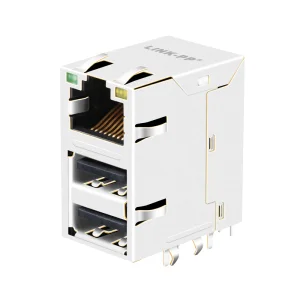
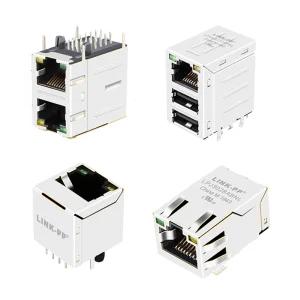
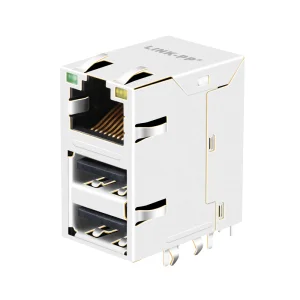
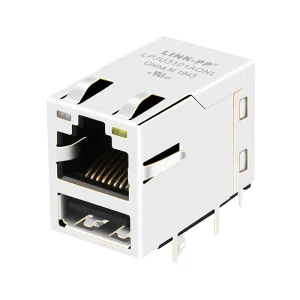
Premium integrated RJ45 + USB assemblies featuring rugged EMI shielding and gold-plated contacts designed for Lima high-speed telecom distribution and extreme Andean high-altitude mining networks.
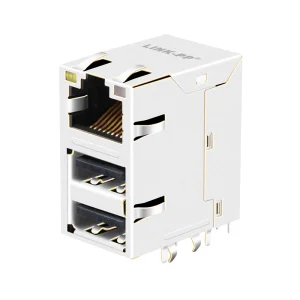
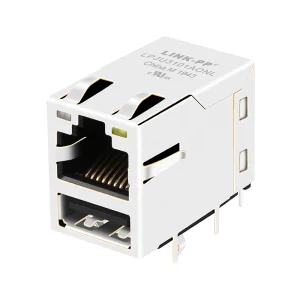
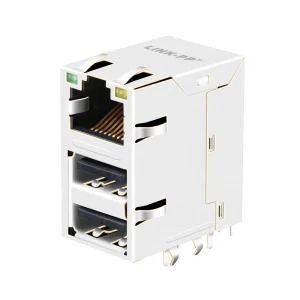
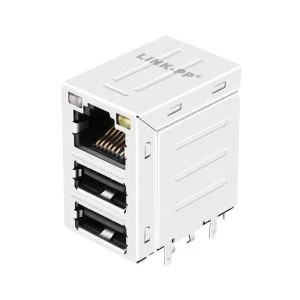
Analyzing the exact field operational requirements for electro-mechanical components within the Andean economic zone.
Peru's heavy reliance on mineral extraction (with mega projects such as Las Bambas, Cerro Verde, and Antamina) requires electronic deployment in high-altitude environments (frequently exceeding 3,500 to 4,500 meters above sea level). In these elevations, low atmospheric pressure reduces the dielectric breakdown voltage of air. Standard RJ45+USB assemblies run the risk of premature electrical arcing if the internal layout design does not account for extended clearance and creepage distances.
Furthermore, dry mountain air exacerbates electrostatic discharge (ESD). Our integrated RJ45 with USB modules solve these local challenges by utilizing advanced internal shielding and built-in isolation magnetics (Magjacks) rated up to 1,500 Vrms. This ensures that the sensitive PLC boards inside mining excavators and automated conveyor networks remain isolated from voltage spikes and static charges.
In coastal industrial zones like the Port of Callao, salt fog and high relative humidity are major catalysts for oxidation on contact pins. Ordinary gold-flash coatings on RJ45 pins quickly degrade, leading to packet loss and data corruption. FiberNova's RJ45 connectors with USB utilize 50 micro-inches (50u") of selective gold plating over nickel on contact areas, maintaining low contact resistance (< 20 mΩ) under corrosive marine and tropical atmospheric conditions.
Under the national digital transformation plan (Plan Nacional de Banda Ancha), Peruvian telecommunications companies are expanding optical fiber networks (FTTH) and municipal Wi-Fi access points. Edge data centers and optical line terminal (OLT) cabinets are popping up across Lima, Arequipa, and Trujillo. These compact, sealed outdoor enclosures demand space-saving physical layer interfaces. Integrated RJ45 and USB modular jacks save critical PCB real estate, permitting simultaneous high-speed Ethernet (up to Gigabit speed) and local USB debugging access on the same physical module.
How global trends shape the high-frequency and multi-bus interfaces utilized in modern rugged networking equipment.
As transmission speeds step up to 10G Base-T and USB 3.0 frequencies (5 Gbps), electromagnetic crosstalk between Ethernet lines and high-frequency USB differential pairs becomes a major concern. Multi-port integrated connectors are built with specialized internal shielding layers, ground fingers, and magnetic filtering arrays (with integrated common mode chokes) to achieve excellent EMI suppression.
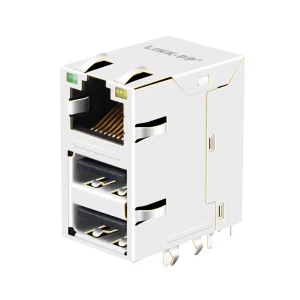
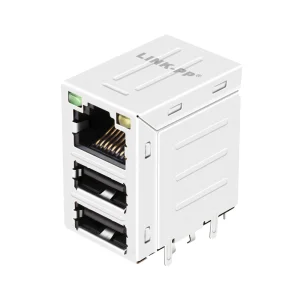
By housing one RJ45 port and stacked/dual USB ports in a single metal cage, developers reduce PCB routing distances. This mitigates parasitic capacitance and trace inductances, providing a cleaner layout for high-speed differential signals.
Heavy duty applications call for operating temperatures ranging from -40°C to +85°C. High-performance engineering plastics (such as LCP or PBT with glass fiber reinforcement) are used to prevent structural warping during high-temperature reflow soldering processes.
Inside an integrated RJ45 + USB module, two major subsystems operate side-by-side. The RJ45 portion includes a magnetic module (transformer, choke, and capacitor network) that isolates the PHY chip from cable-induced surges. The USB segment features dedicated impedance-controlled lines designed for USB 2.0 (480 Mbps) or USB 3.0/3.1 (Gen 1/Gen 2, up to 10 Gbps) standards. This integration eliminates the need for separate discrete magnetic components on the motherboards of telemetry units, rugged switches, and human-machine interfaces (HMI).
A trusted global partner delivering high-speed optical transceivers and integrated physical layer solutions.
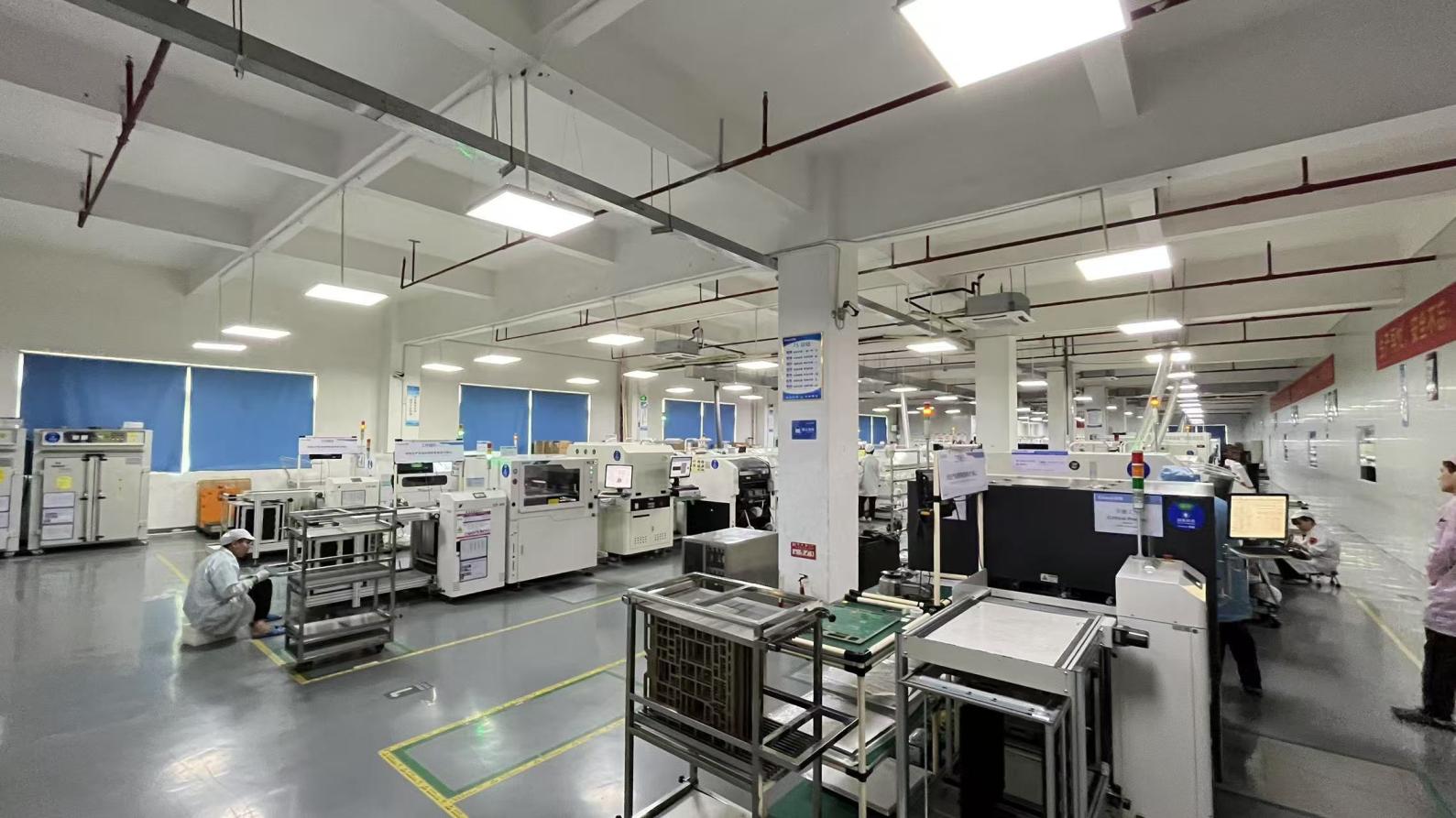
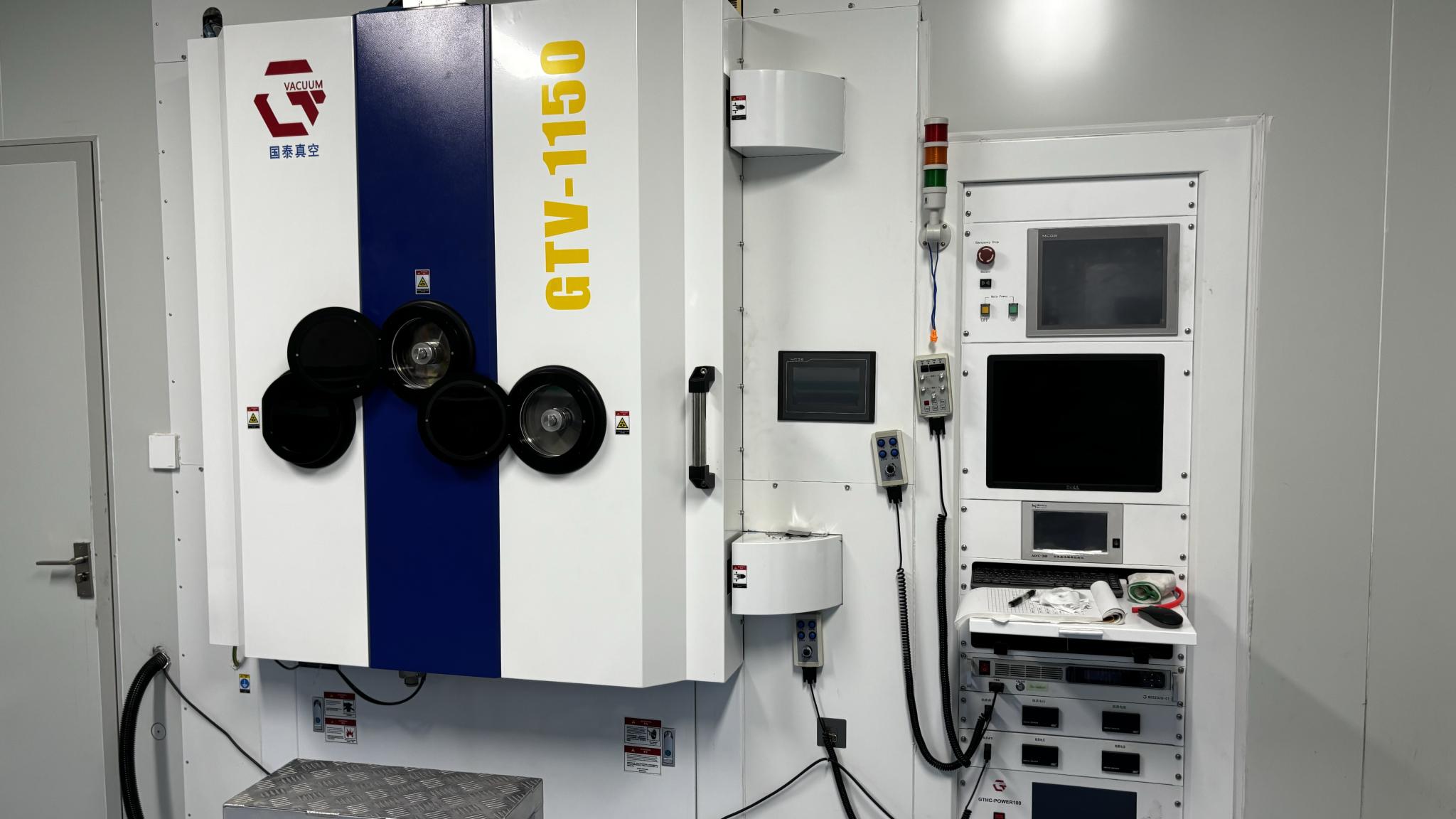
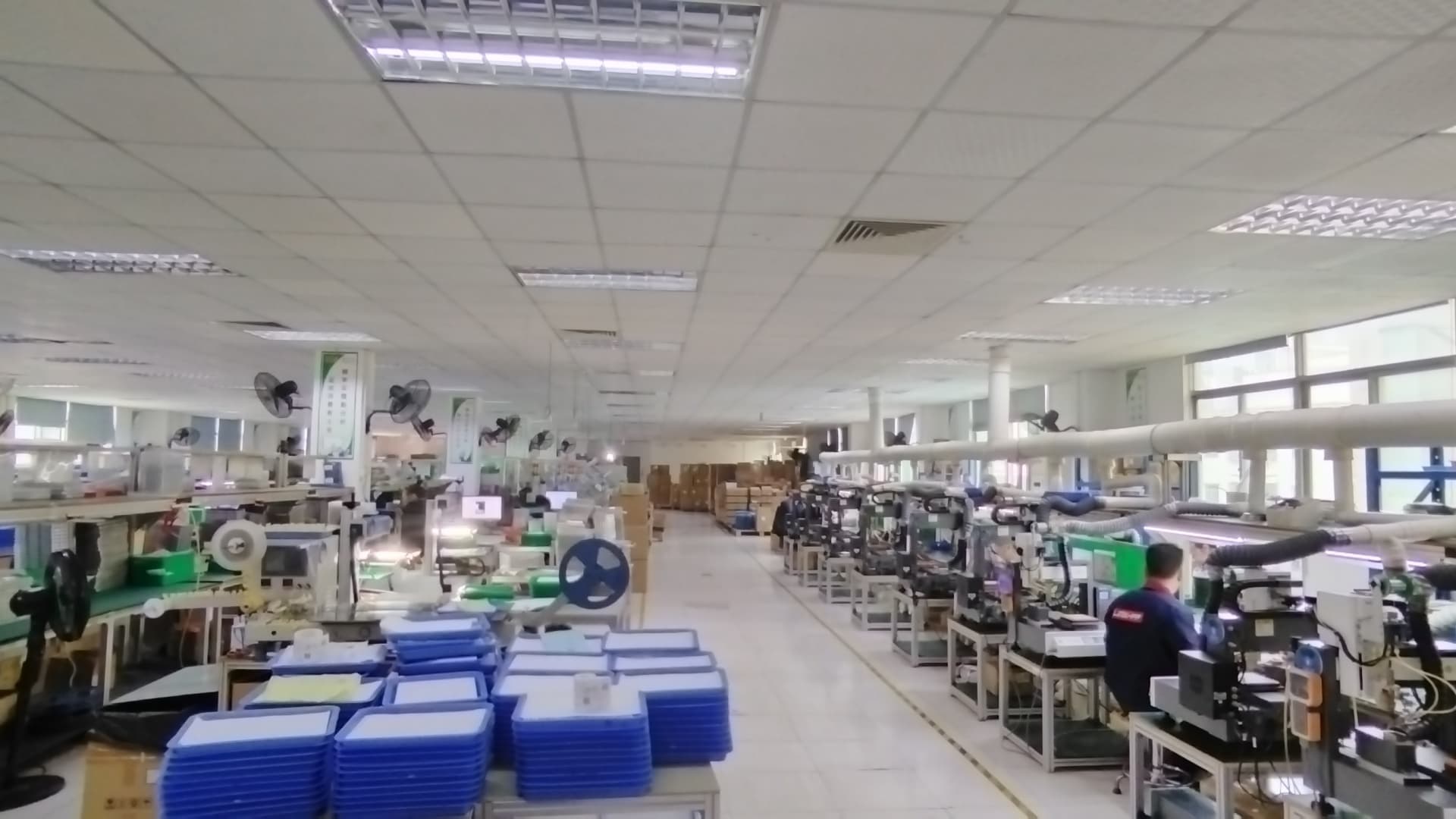
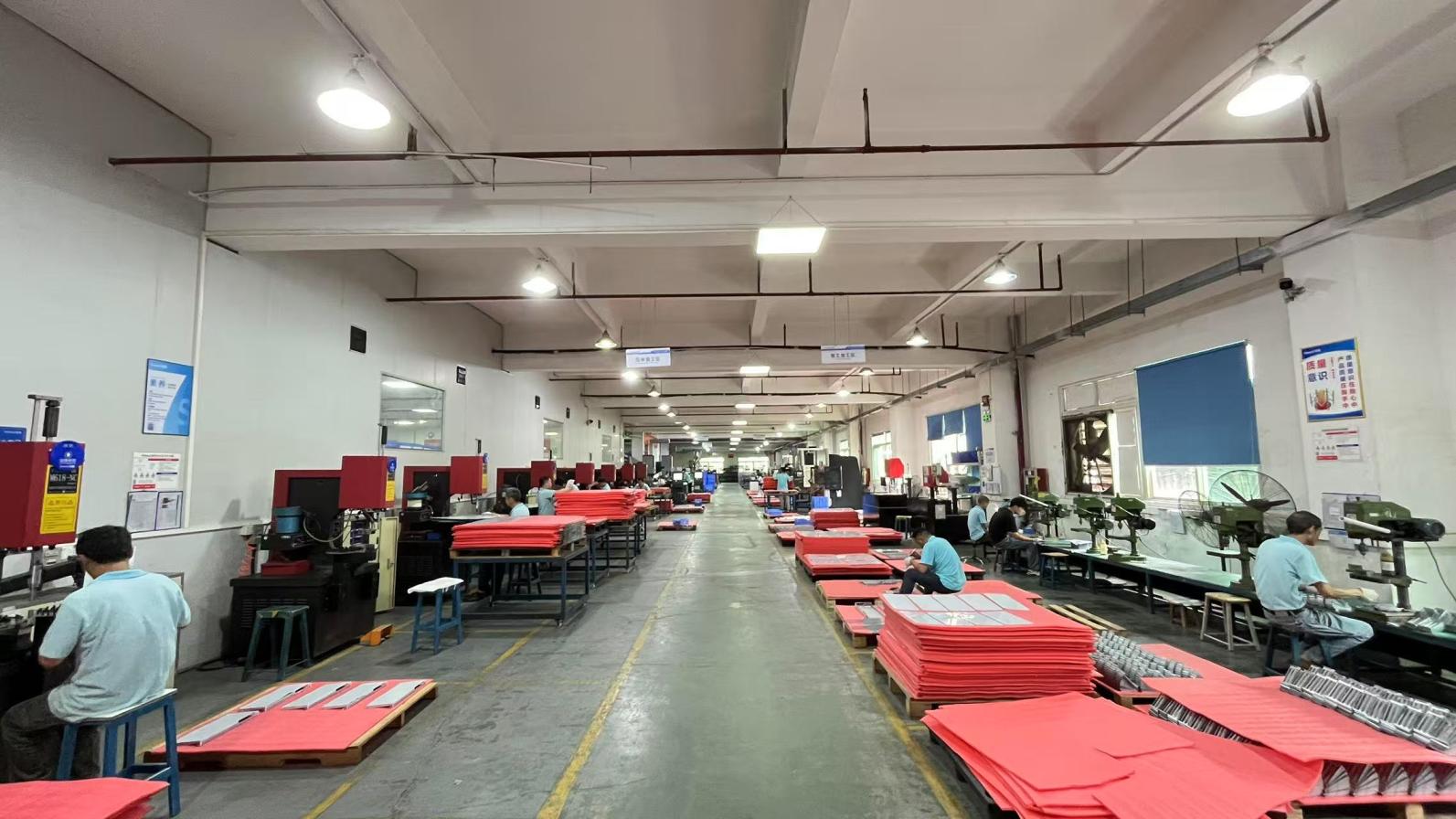
FiberNova Optical Communication Tech Co., Ltd. (FiberNovaTransceivers.com) is a professional optical transceiver and networking connectivity manufacturer established in 2016, with a modern production facility covering approximately 380㎡. The company focuses on high-speed optical communication solutions, serving global data center and telecom customers with stable, high-performance products.
With over 6 years of export experience and 12 years of industry expertise, FiberNova has developed strong capabilities in R&D, manufacturing, and international trade. The company achieves an annual export revenue of approximately USD 8–15 million, supplying customers across North America, Europe, Southeast Asia, and the Middle East.
FiberNova operates with a strict quality control system, including 100% optical performance testing, temperature cycling tests, and signal integrity inspection before shipment. The quality assurance team consists of around 45 professional QC staff, ensuring every transceiver and connector assembly meets international standards such as IEEE and MSA compatibility requirements.
The company maintains a solid trade background with experienced export teams handling OEM and ODM projects worldwide. Its main markets include the United States, Germany, Japan, South Korea, and the United Arab Emirates. FiberNova has established long-term partnerships with more than 1,200 supply chain partners, enabling stable procurement of chips, lasers, optical components, and electro-mechanical connectors.
FiberNova serves a wide range of clients, including telecom operators, cloud service providers, data center integrators, and network equipment distributors. The company has strong R&D capabilities, supported by 65 engineers, focusing on high-speed transmission technologies such as 10G, 25G, 100G, 400G, and 800G optical modules.
Customization is fully supported, including wavelength tuning, protocol compatibility, housing design, and labeling services. In the past year, FiberNova launched approximately 120 new products, continuously expanding its portfolio to meet fast-changing market demands.

Predicting the evolution of dual physical interfaces in industrial IoT and automated control networks.
While standard RJ45 connectors remain the backbone of global enterprise IT networks, the rise of Single Pair Ethernet (SPE - 100BASE-T1 / 1000BASE-T1) is altering industrial edge devices. SPE reduces cabling weight and connector footprints, yet legacy devices and peripheral debug interfaces still demand traditional RJ45 connectivity combined with USB. The next generation of interfaces will likely feature USB Type-C integrated directly alongside SPE or Gigabit RJ45 ports to support Power Delivery (PD) protocols up to 100W, allowing sensors to be powered and queried through a single ruggedized connector port.
As power transmission via Ethernet (PoE++ up to 90W) runs in parallel with USB 3.0 data transfers, heat dissipation inside sealed industrial housings becomes a critical engineering challenge. Future technical revisions focus on lowering DC contact resistance and utilizing high thermal conductivity copper alloys to facilitate passive heat dissipation, preventing local hotspots that degrade signal-to-noise ratios.
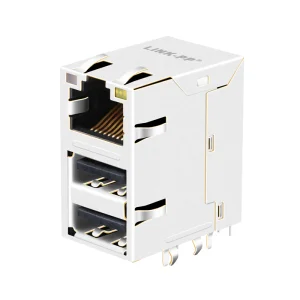
Full specifications directory of integrated modular jacks and magnetic assemblies, available for high-volume shipment to Peruvian and Latin American distributors.
Expert answers addressing the primary design, electrical, and mechanical concerns of engineering teams in Peru.
 FiberNova