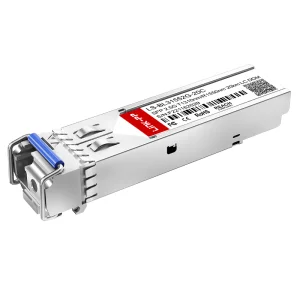
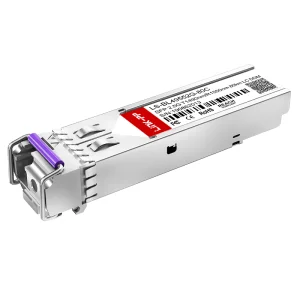
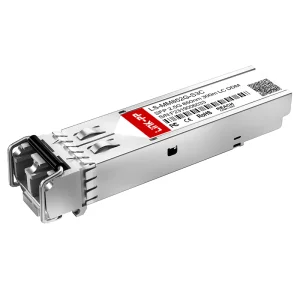
High-efficiency, carrier-grade optical modules optimized for Australian metro networks and regional FTTC/FTTP infrastructure expansion projects.
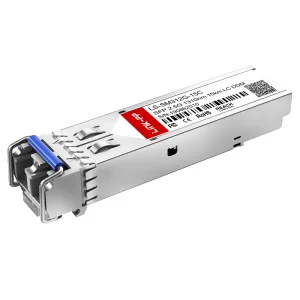
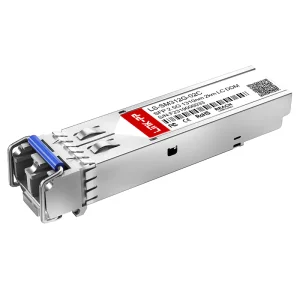
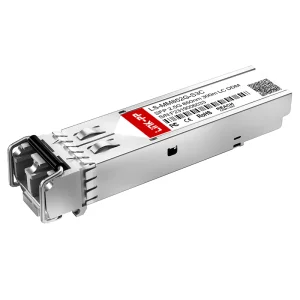
An inside look into Australia’s evolving network dynamics, driving the critical demand for specialized 2.5G to 6G optical transceiver technologies.
Australia’s digital economy is undergoing a structural transformation. With the federal government and private telecom operators continuously funding the National Broadband Network (NBN Co.) upgrades, the market is migrating from Legacy copper connections to full Fiber-to-the-Premises (FTTP). This massive overhaul has directly triggered an unprecedented demand for mid-tier optical transit technologies, specifically within the 2.5G to 6G transmission speed range. These speeds bridge the gap between traditional gigabit access networks and ultra-high-speed 10G/25G carrier backbones, offering an optimal cost-to-performance ratio for commercial, municipal, and industrial operators.
In the industrial sectors—specifically Western Australia’s mining provinces (Pilbara, Goldfields) and Queensland's agricultural hubs—private LTE and 5G networks are being deployed at rapid speed to power autonomous machinery, telemetry sensors, and high-definition environmental monitoring. These private networks require specialized, hardened industrial temperature (I-Temp) SFP transceivers capable of operating in the harsh Australian outback, where ambient temperatures regularly fluctuate from below freezing at night to above 45°C during summer days.
Widespread upgrades to FTTP networks across metropolitan and regional business zones require compatible 2.5G/5G GPON/XGS-PON optical transceivers.
Heavy duty outback automation depends on robust, industrial-temperature modules configured for low-latency transmission over extreme distances.
Decentralized cloud architecture in capital cities leverages 2.5G and 6G options to interconnect local servers with primary storage fabrics.
Understanding the transition path of fiber interfaces and the integration of next-generation optical engineering.
The 2.5G to 6G speed spectrum occupies a critical segment of modern data transmission. While 1G is increasingly insufficient for high-definition streaming, cloud workloads, and multi-user industrial operations, stepping directly to 10G SFP+ can occasionally introduce cost premiums associated with higher power consumption, thermal management, and upgraded host switch equipment. Thus, 2.5G and 5G/6G optical modules represent the ultimate sweet spot.
To optimize transmission over fiber systems installed throughout Australia, transceivers utilize advanced laser types matched to distance and physical fiber constraints:
| Standard/Interface | Wavelength (nm) | Fiber Type | Max Reach | Typical Applications (Australia Market) |
|---|---|---|---|---|
| 2.5GBASE-SX | 850nm VCSEL | Multimode (OM3/OM4) | 300m - 550m | Intra-datacenter interconnects, corporate LANs in Melbourne/Sydney CBDs. |
| 2.5GBASE-LX | 1310nm DFB | Single-mode (OS2) | 10km - 15km | Metropolitan area networks (MANs), FTTP distribution terminals. |
| 2.5G BiDi (Standard) | 1310nm-TX / 1550nm-RX | Single-mode (OS2) | 20km - 40km | Regional loop backhauls, maximizing existing single-strand fiber installations. |
| 2.5G BiDi (Long-haul) | 1490nm-TX / 1550nm-RX | Single-mode (OS2) | 80km | Connecting remote utility monitoring sites and rural township exchange nodes. |
| 5G/6G CPRI/eCPRI | 1310nm / CWDM | Single-mode (OS2) | 10km - 20km | 5G Small Cell backhaul, antenna towers, and distributed antenna systems (DAS). |
Engineered for seamless integration, high-density line cards, and legacy backward compatibility in carrier-grade systems.
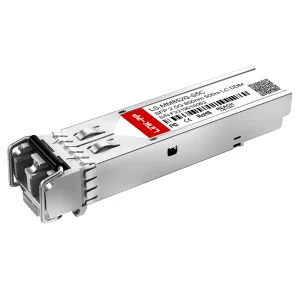
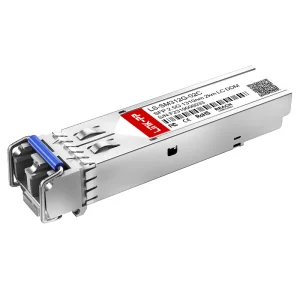
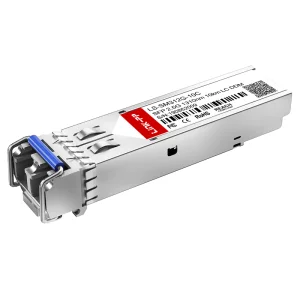
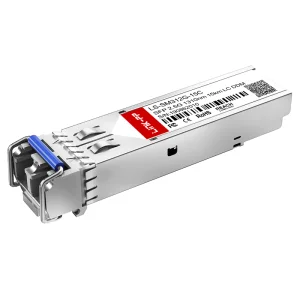
How FiberNova optical interfaces solve complex deployment challenges across diverse corporate, municipal, and industrial sectors.
Australian mobile operators are expanding 5G footprint outside main metropolitan grids. The CPRI (Common Public Radio Interface) protocol requires highly deterministic modules at 2.45Gbps (CPRI Option 3), 4.91Gbps (CPRI Option 5), and 6.14Gbps (CPRI Option 6). FiberNova's 2.5G~6G SFP line is fully tested for latency profile compliance, jitter mitigation, and optical path link budget targets, guaranteeing zero packet drops in critical wireless backhaul lines.
Mining environments are notorious for physical and thermal stress. The deployment of autonomous haulage systems (AHS) and remote operations centers requires optical fibers run alongside high-voltage power lines. SFP transceivers must withstand electromagnetic interference, high dust concentrations, and vibration. FiberNova's modules utilize premium metallic housings and strict dust-resistant optical sub-assemblies (OSA) to maintain signal integrity over decades.
Due to the vast geography of regional Australia, fiber routes are long and expensive to run. BiDi SFP transceivers solve this challenge. By executing transmission and reception simultaneously on a single strand of fiber, network integrators cut fiber leasing and installation costs by 50% overnight. Our 80km 2.5G BiDi modules allow regional councils to establish high-speed links between remote townships without needing expensive mid-span regenerators.
Modern commercial buildings in business centers like North Sydney and Docklands (Melbourne) utilize 2.5G/5G Ethernet (IEEE 802.3bz) to support next-generation Wi-Fi 6/6E/7 Access Points. Traditional 1G SFP is a bottleneck for these APs. FiberNova's 2.5G Multimode and short-haul Singlemode transceivers plug directly into existing PoE+ switches, offering a seamless path to multi-gigabit wireless networking without requiring premium 10G host hardware upgrades.
Ensuring absolute compliance with Australian engineering codes and local network specifications.
For Australian engineering leads and systems integrators, hardware compliance is non-negotiable. Importing telecom modules without proper local certification risks operational shutdowns and severe insurance voids. At FiberNova, we strictly control our components and assembly practices to guarantee full compatibility with regulatory frameworks:
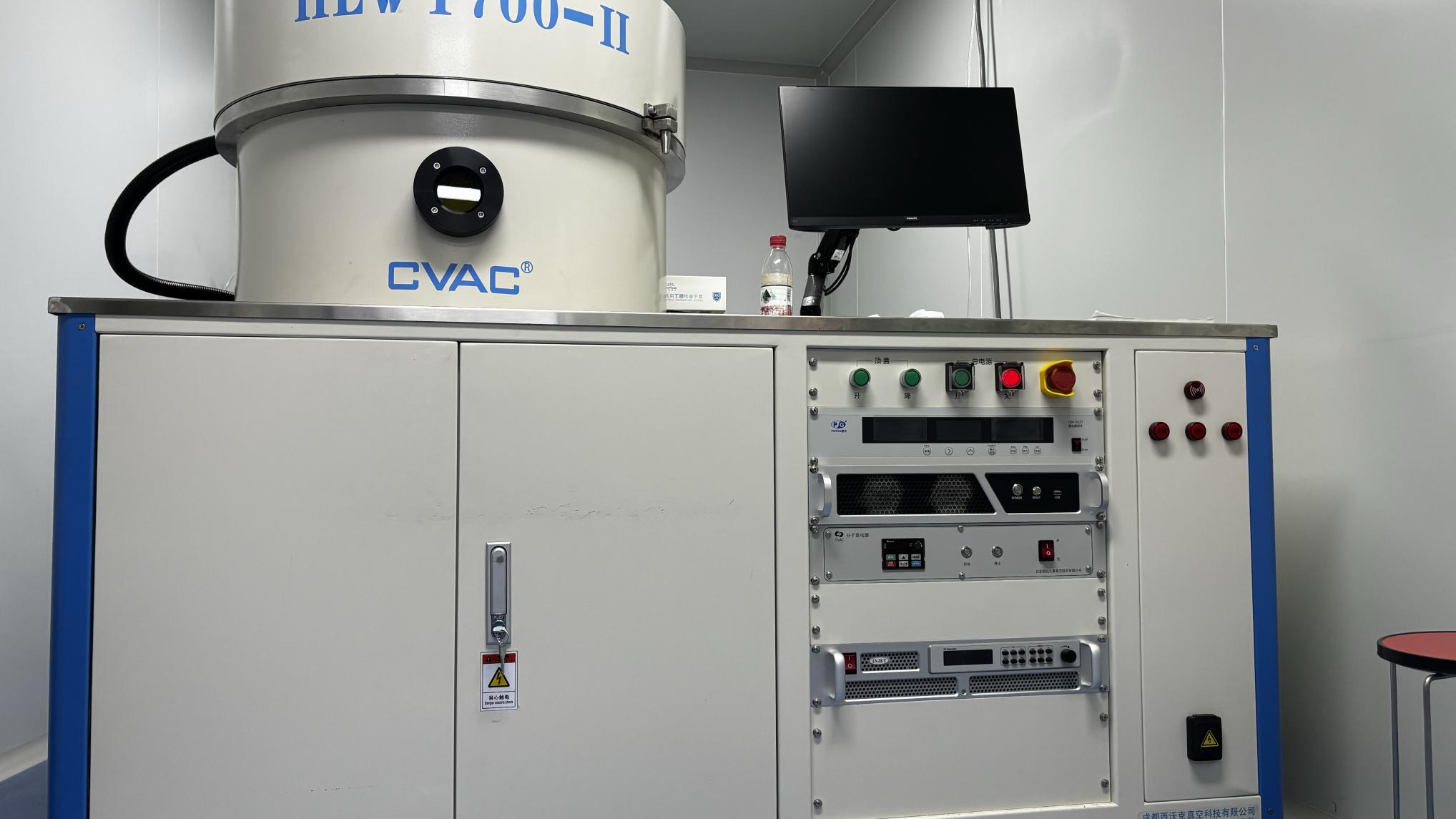
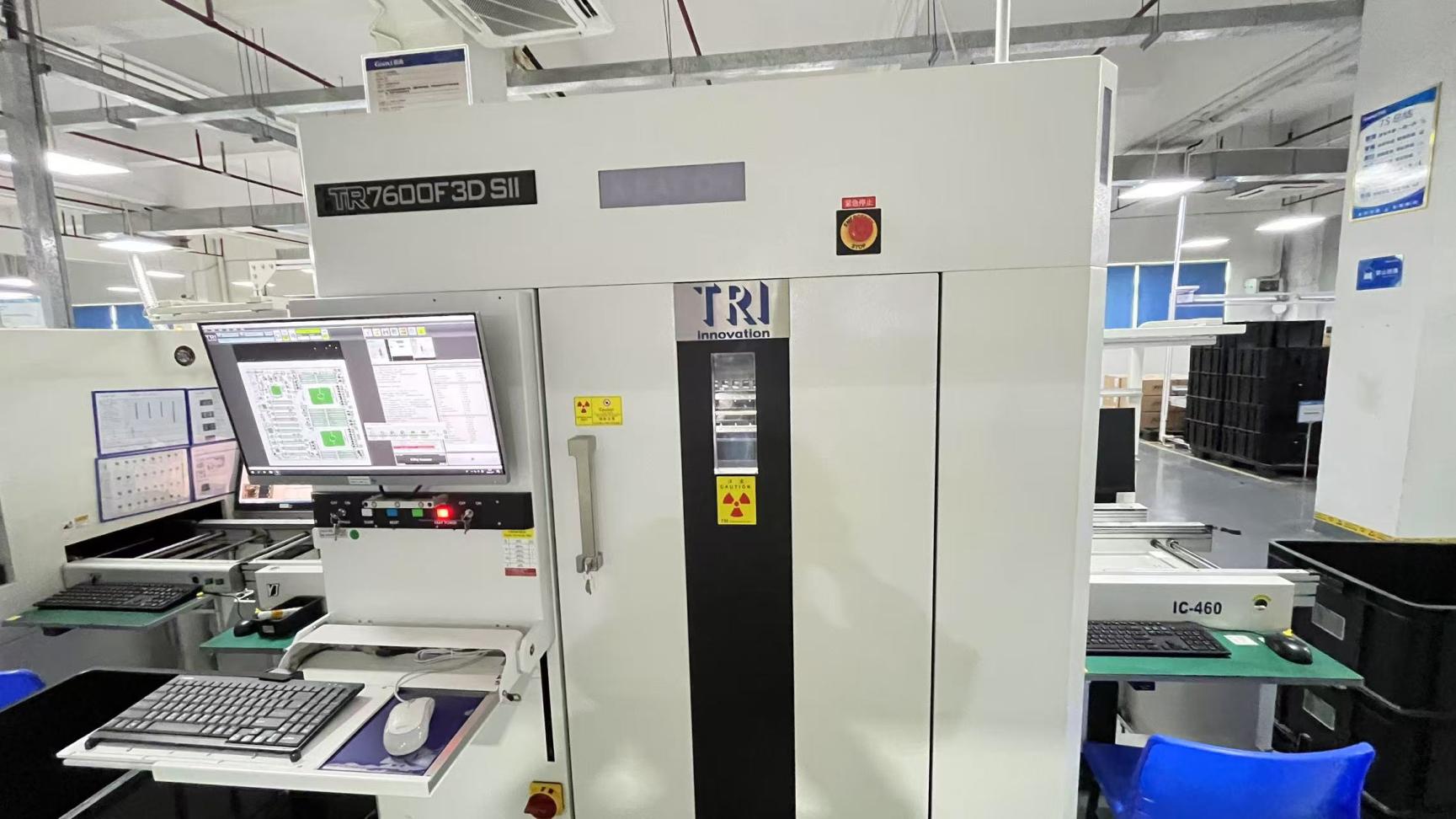
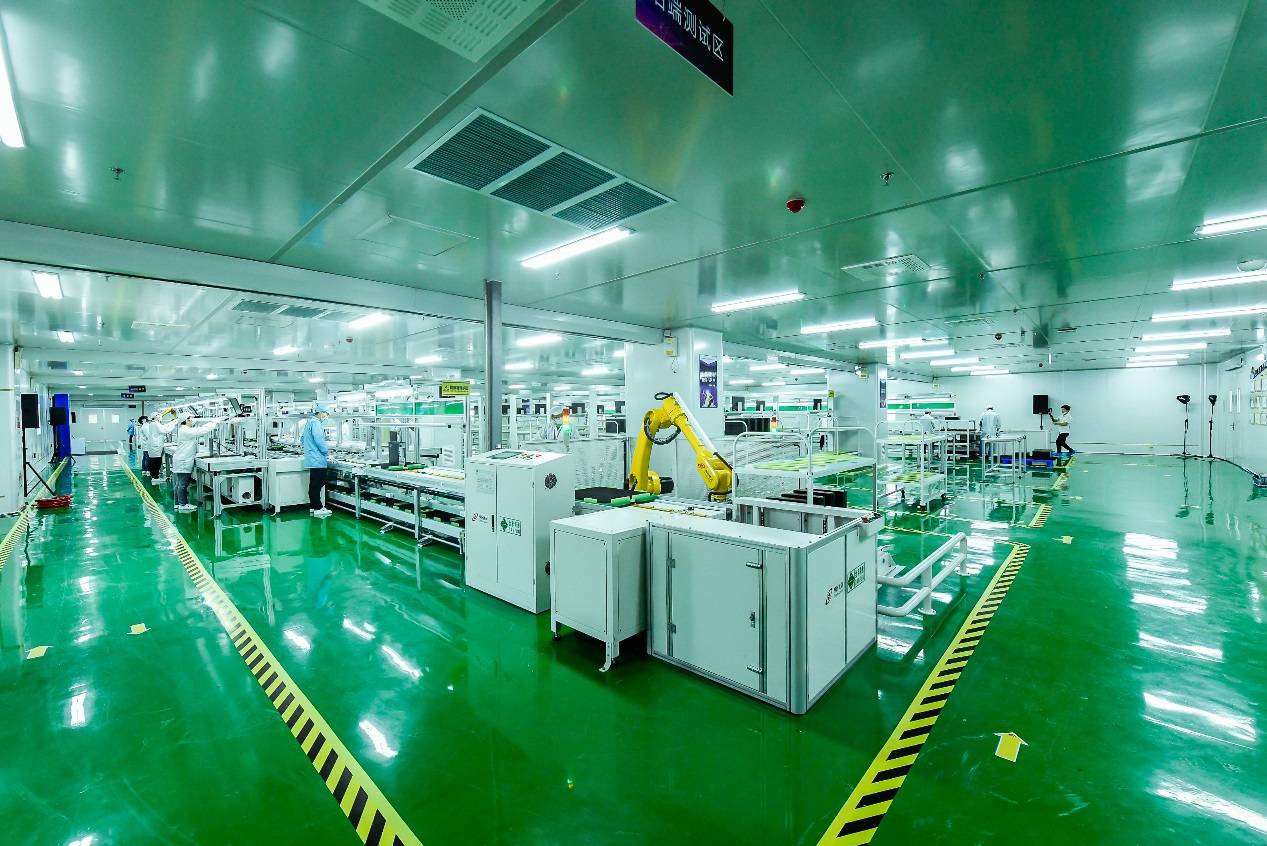
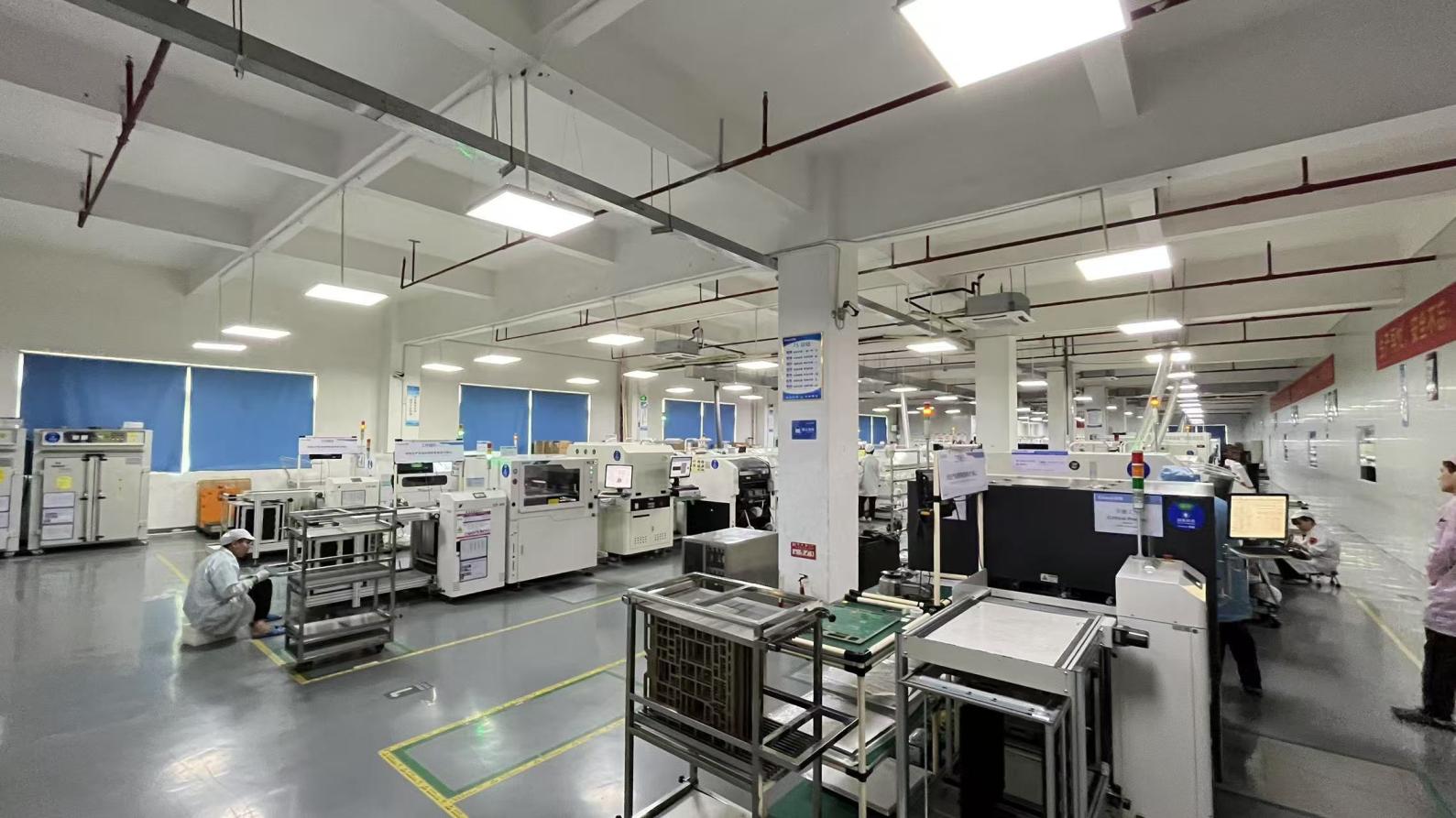
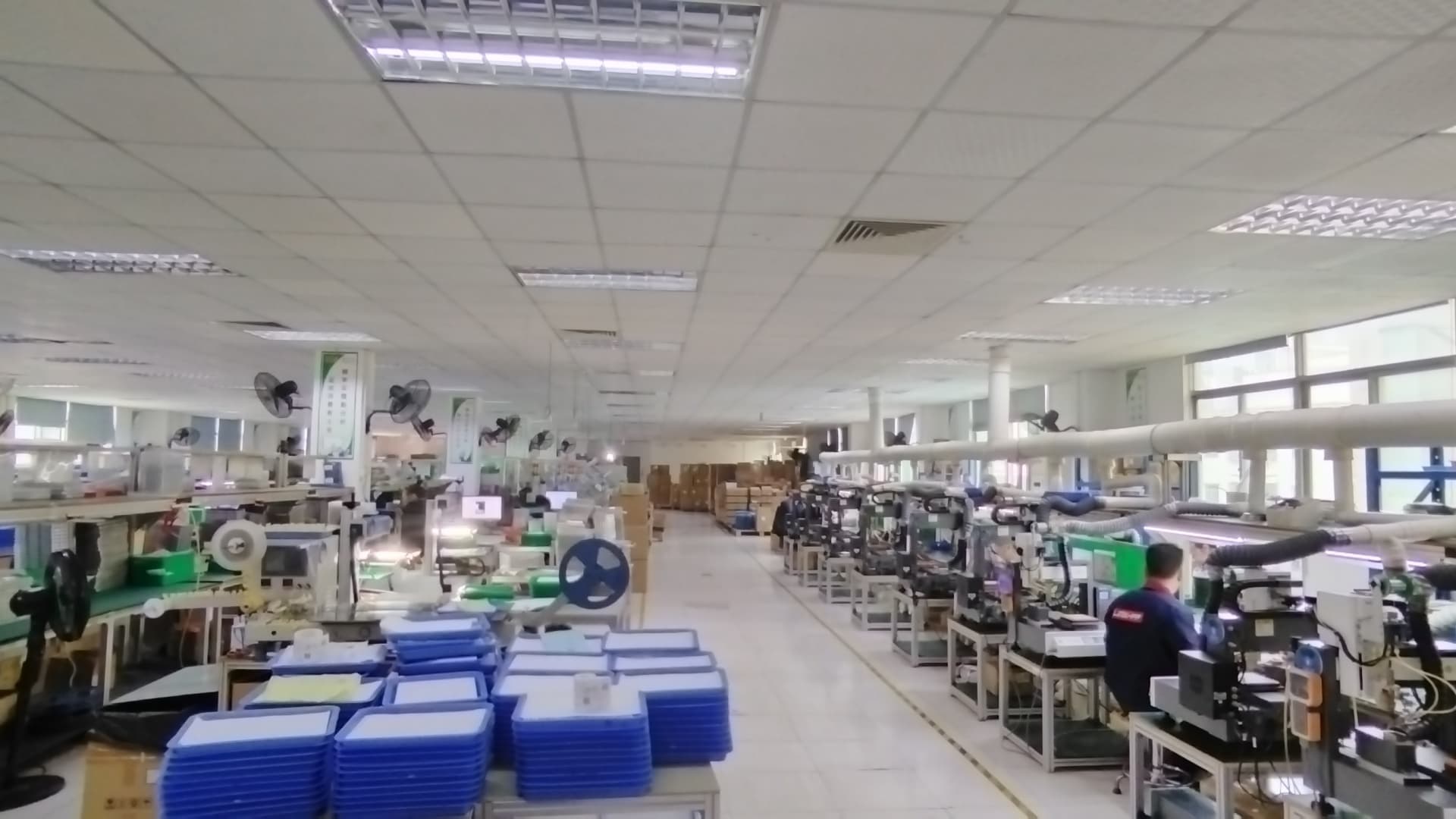
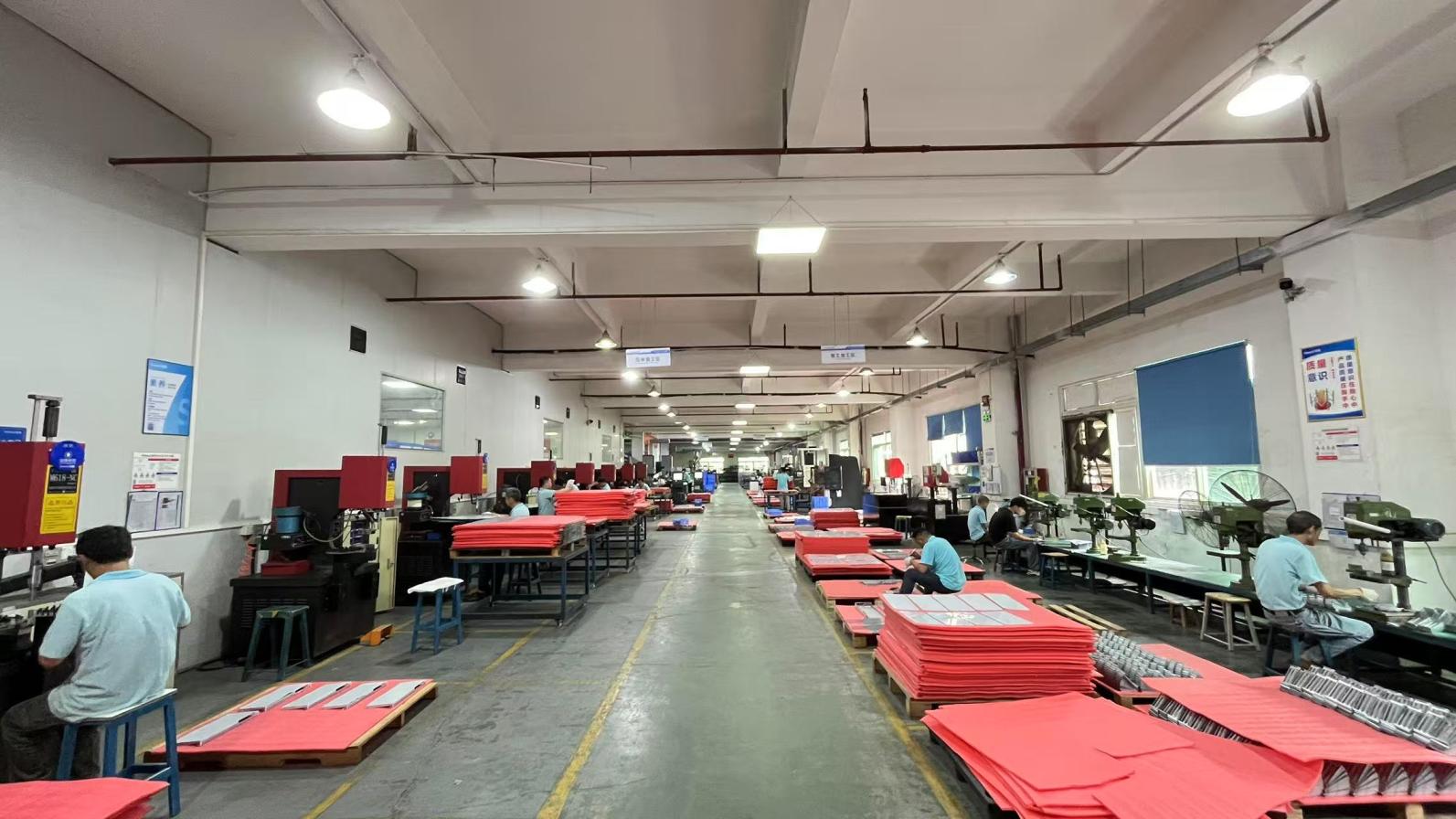
Direct from our state-of-the-art production facility, combining speed, flexibility, and robust quality control systems.
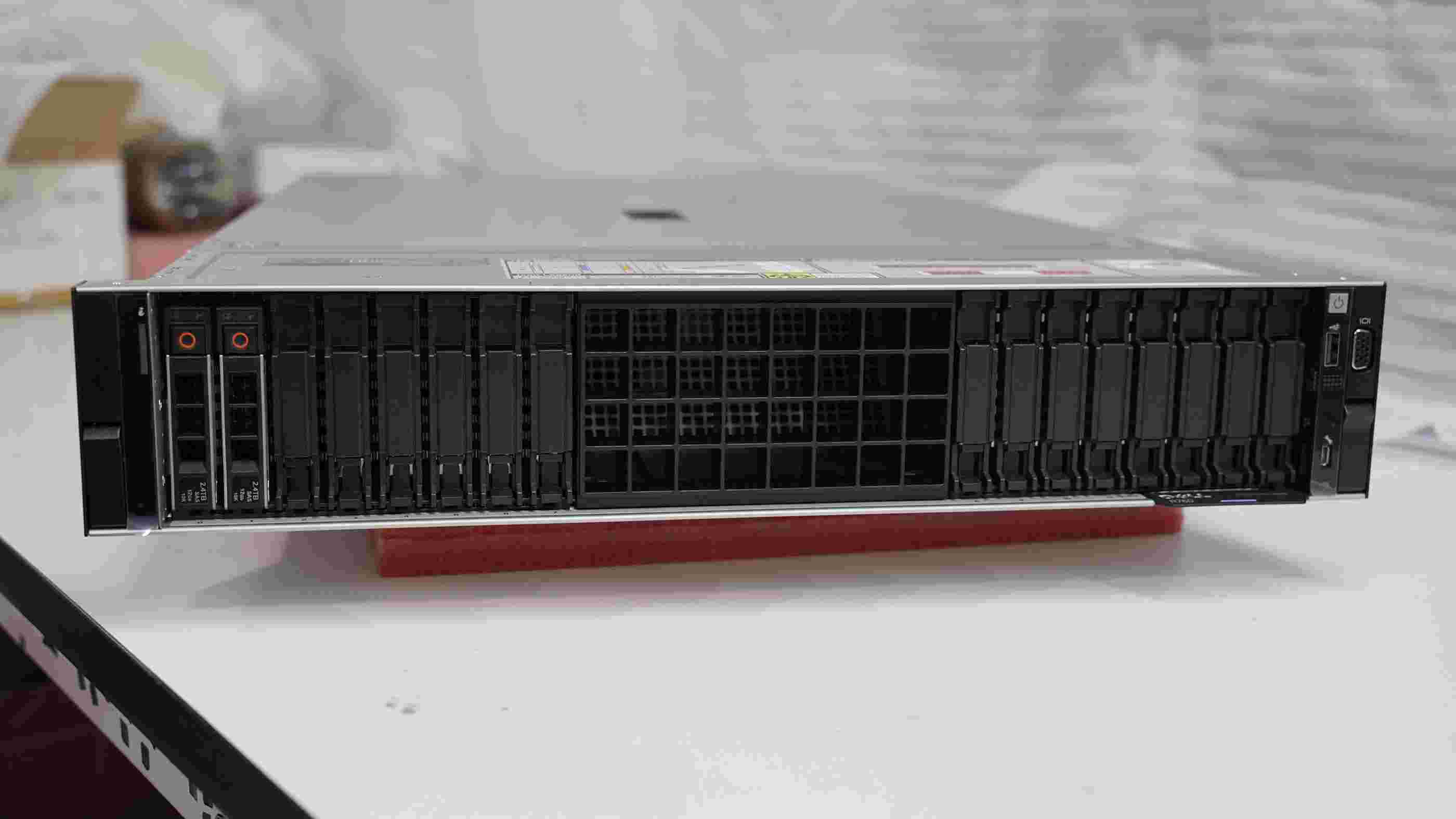
FiberNova Optical Communication Tech Co., Ltd. (FiberNovaTransceivers.com) is a professional optical transceiver manufacturer established in 2016, operating a modern production facility covering approximately 380㎡. The company focuses on high-speed optical communication solutions, serving global data center and telecom customers with stable, high-performance products.
With over 6 years of export experience and 12 years of industry expertise, FiberNova has developed strong capabilities in R&D, manufacturing, and international trade. The company achieves an annual export revenue of approximately USD 8–15 million, supplying customers across North America, Europe, Southeast Asia, and the Middle East, with a rapidly growing footprint in the Australia-Pacific region.
FiberNova operates with a strict quality control system, including 100% optical performance testing, temperature cycling tests, and signal integrity inspection before shipment. The quality assurance team consists of around 45 professional QC staff, ensuring every transceiver meets international standards such as IEEE and MSA compatibility requirements. Every single unit shipped to Australia is programmed, coded, and tested locally inside host switches (Cisco, Juniper, Arista, HP, etc.) to guarantee 100% out-of-the-box compatibility and eliminate software lockouts.
The company maintains a solid trade background with experienced export teams handling OEM and ODM projects worldwide. Its main markets include the United States, Germany, Japan, South Korea, and the United Arab Emirates. FiberNova has established long-term partnerships with more than 1,200 supply chain partners, enabling stable procurement of chips, lasers, and optical components, insulated from global supply shocks.
Customization is fully supported, including wavelength tuning, protocol compatibility, housing design, and labeling services. In the past year, FiberNova launched approximately 120 new products, continuously expanding its portfolio to meet fast-changing market demands. Our R&D capabilities, supported by 65 engineers, focus on high-speed transmission technologies such as 10G, 25G, 100G, 400G, and 800G optical modules, ensuring that your current 2.5G to 6G upgrades are aligned with future network roadmaps.

Clear answers to the most common engineering and procurement questions regarding 2.5G~6G SFP Modules in the Australian market.
Yes, in most cases, but it depends on the host switch firmware. Many enterprise-grade switches (like Cisco, Arista, and Juniper) support multi-rate configuration where a 10G port can be manually configured to run at 2.5G or 1G speed. It is essential to disable "auto-negotiation" on the switch and force the port speed to 2500M (2.5G) to ensure stable linking. We recommend verifying port compatibility with our engineering team during the ordering process.
BiDi modules allow optical transmission and reception over a single strand of fiber cable (Simplex LC) by using two different wavelengths (e.g. 1310nm for transmitting and 1550nm for receiving). In contrast, standard Duplex modules require two physical fiber strands (one for TX, one for RX). BiDi technology helps operators save 50% on physical fiber leasing and cabling costs, making it highly popular for long-range regional backhauls across Australia.
Commercial temperature modules operate safely from 0°C to 70°C, which is standard for climate-controlled indoor datacenters. Industrial temperature modules are ruggedized to operate from -40°C to 85°C. These are mandatory for outdoor roadside cabinets, mining operations, remote wind farms, and non-climate-controlled factory floors across Australia where environmental conditions can be severe.
DDM (Digital Diagnostic Monitoring) or DOM (Digital Optical Monitoring) is a feature that allows network engineers to monitor parameters such as optical output power, receiver sensitivity, operating temperature, and voltage in real time. This capability is crucial for proactive maintenance, enabling engineers to identify degradation in fiber lines and replace modules before they cause complete link failure.
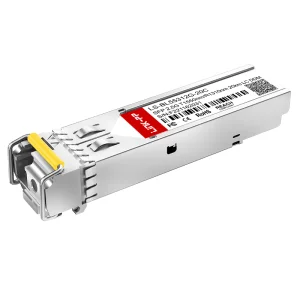
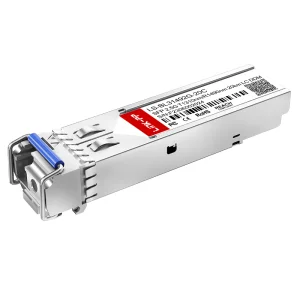
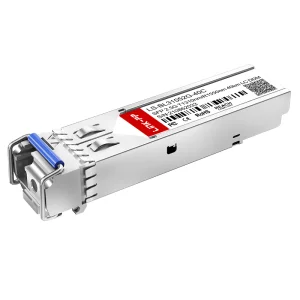
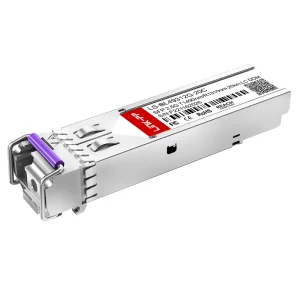
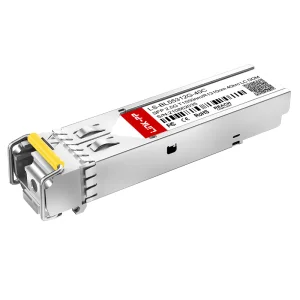
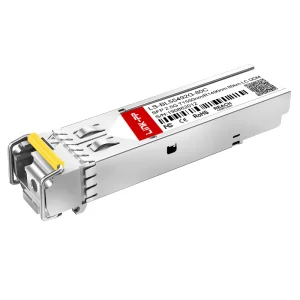
Premium 2.5G Single-Mode Bidirectional Transceivers. Specially configured for long-range municipal interconnects and remote utility backhaul lines.
Ready to optimize your Australian telecom and enterprise optical infrastructure with direct factory pricing?
Send Inquiry Now FiberNova