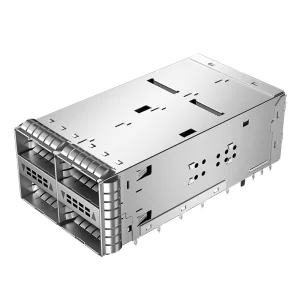
Top Trusted RJ45 to USB Adapter Manufacturers & Supply Chain Partners

High-Speed Optical Communication Solutions & Precision Connectivity Integration for Enterprise Networking

FiberNova Optical Communication Tech Co., Ltd.

Established in 2016, FiberNova Optical Communication Tech Co., Ltd. (FiberNovaTransceivers.com) has quickly emerged as an industry-leading optical communication and connectivity hardware manufacturer. Operatong a modern, highly optimized 380㎡ manufacturing facility, FiberNova is dedicated to pioneering high-speed data transmission and network hardware designs that service the rapidly growing global telecom and enterprise IT sectors.

12+
Years Industry Expertise
65
R&D Engineers
45
QC Staff Members
1,200+
Supply Chain Partners

With more than 6 years of specialized international export experience and a cumulative leadership background spanning 12 years of core industry expertise, FiberNova manages to generate an annual export volume valued between USD 8 million and USD 15 million. Their products satisfy complex connectivity prerequisites in major technology-driven markets across the United States, Germany, Japan, South Korea, and the United Arab Emirates.

Their commitment to structural integrity and functional reliability is backed by a dedicated workforce of 45 professional quality control (QC) specialists. FiberNova implements rigorous testing procedures—including 100% optical performance testing, extreme temperature cycling tests, and signal integrity inspection—to ensure absolute compatibility and conformance with international IEEE standards and Multi-Source Agreement (MSA) metrics.

1. Global Enterprise Procurement Requirements: Scalability & Precision Engineering

Modern enterprises do not buy connectivity components in isolation; they procure integration pathways that guarantee low-latency connectivity, thermal stability, and prolonged mechanical lifecycles. For large-scale data systems, system integrators demand highly customizable RJ45 to USB adapters that support diverse operating systems without needing manual driver installations.

Enterprise procurement directors look for physical and electronic interfaces that meet these essential criteria:

  • Signal Integrity & EMI Protection: High-density rack environments generate significant electromagnetic interference. Adapters must feature robust metal shielding (tin-plated brass or copper alloys) to block crosstalk and protect data streams.
  • Multi-Gigabit Negotiation: Modern configurations demand multi-gigabit speeds. Adapters must instantly negotiate down from 10G or 2.5G to legacy 10/100/1000Mbps speeds based on the connected network switch capabilities.
  • Mechanical Endurance: In active operational environments, USB connectors endure constant insertion cycles. High-retention RJ45 jacks with gold-plated contacts (up to 50 micro-inches) are required to prevent oxidation and contact degradation.
  • Firmware and OS Adaptability: Plug-and-play functionality across Windows, macOS, Linux, and Android systems is vital. Procurement teams prefer hardware that uses standard, widely-supported chipsets like Realtek RTL8153/RTL8156 or ASIX AX88179A.

OEM/ODM Tailoring

Wavelength modification, layout alterations, custom housings, and localized labeling services optimized for global brands.

Stringent Testing

Every batch goes through optical characterization, signal integrity tests, and environmental chamber testing before export.

Compliance Verified

Products align with CE, FCC, RoHS, and REACH requirements, facilitating seamless customs clearance and commercial deployment.

2. The Chinese Electronics Supply Chain Advantage: Ecosystem & Vertical Integration

Why do leading technological enterprises look to Chinese manufacturers like FiberNova for their RJ45 and USB connectivity needs? The answer lies in the highly integrated supply chain ecosystems found in regions like Guangdong (Shenzhen/Dongguan/Guangzhou).

Unlike fragmented manufacturing sites elsewhere, Chinese industrial zones offer deep vertical integration:

  • Raw Material Proximity: High-grade copper alloys for contacts, PBT/LCP plastics for housing components, and high-frequency ferrite cores for magnetic isolation are sourced locally, significantly reducing transit time and material overhead.
  • SMT & Packaging Automation: Chinese electronics manufacturing service (EMS) plants leverage high-speed Surface Mount Technology (SMT) lines to place delicate microcontrollers and discrete capacitors with absolute accuracy, minimizing production errors.
  • Scale and Turnaround Speed: Having access to a network of over 1,200 supply chain partners allows manufacturers to rapidly scale production from prototyping to high-volume manufacturing within days, rather than months.
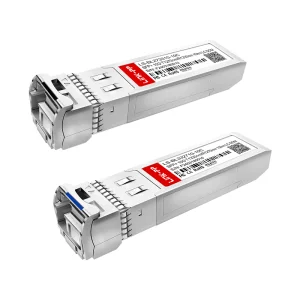
  • Expertise in High-Speed Signaling: Benefitting from years of experience in SFP, SFP28, QSFP-DD, and high-frequency modular PCB designs, Chinese engineers apply telecom-grade testing paradigms to basic network accessories, enhancing product reliability.

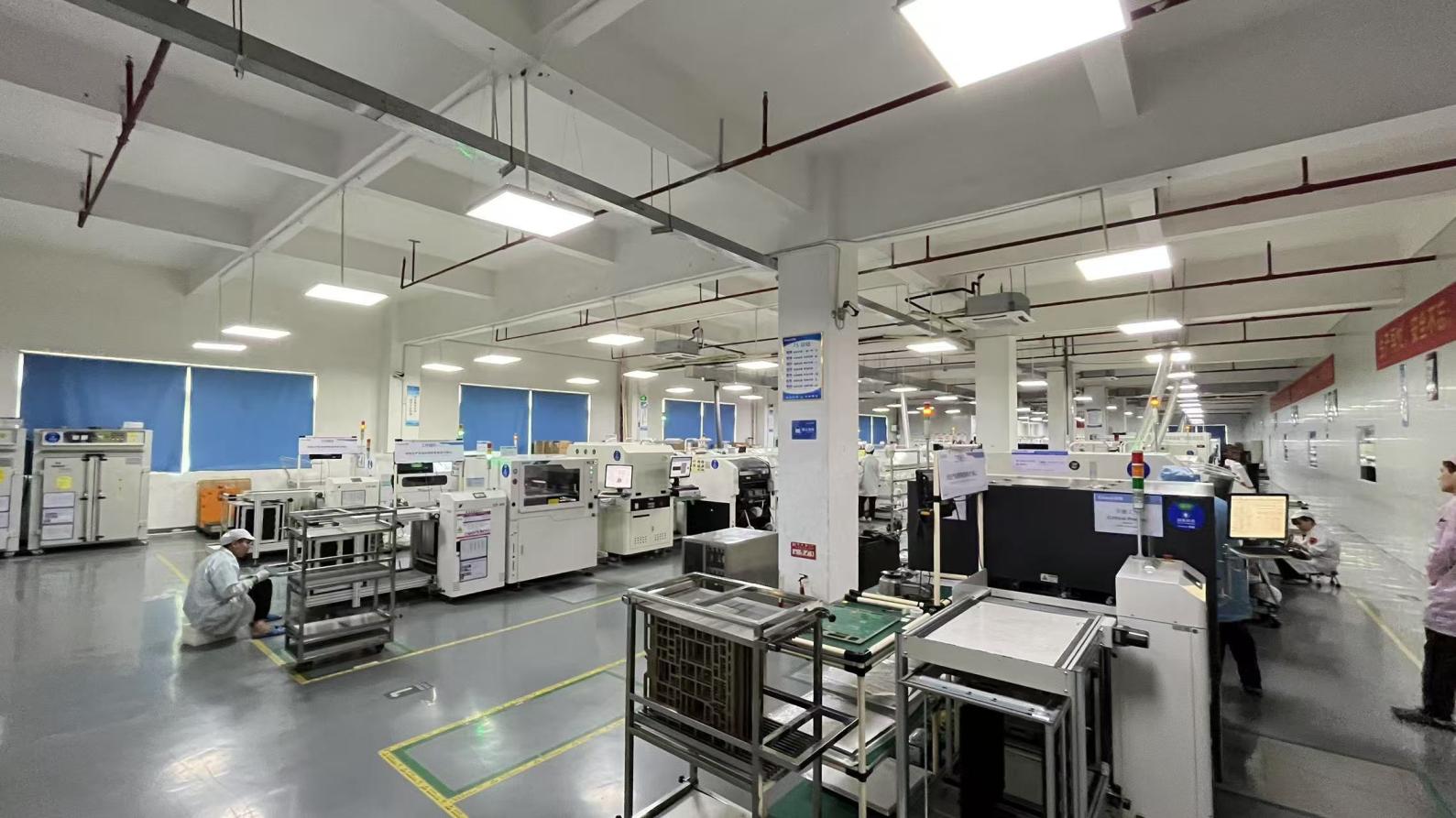
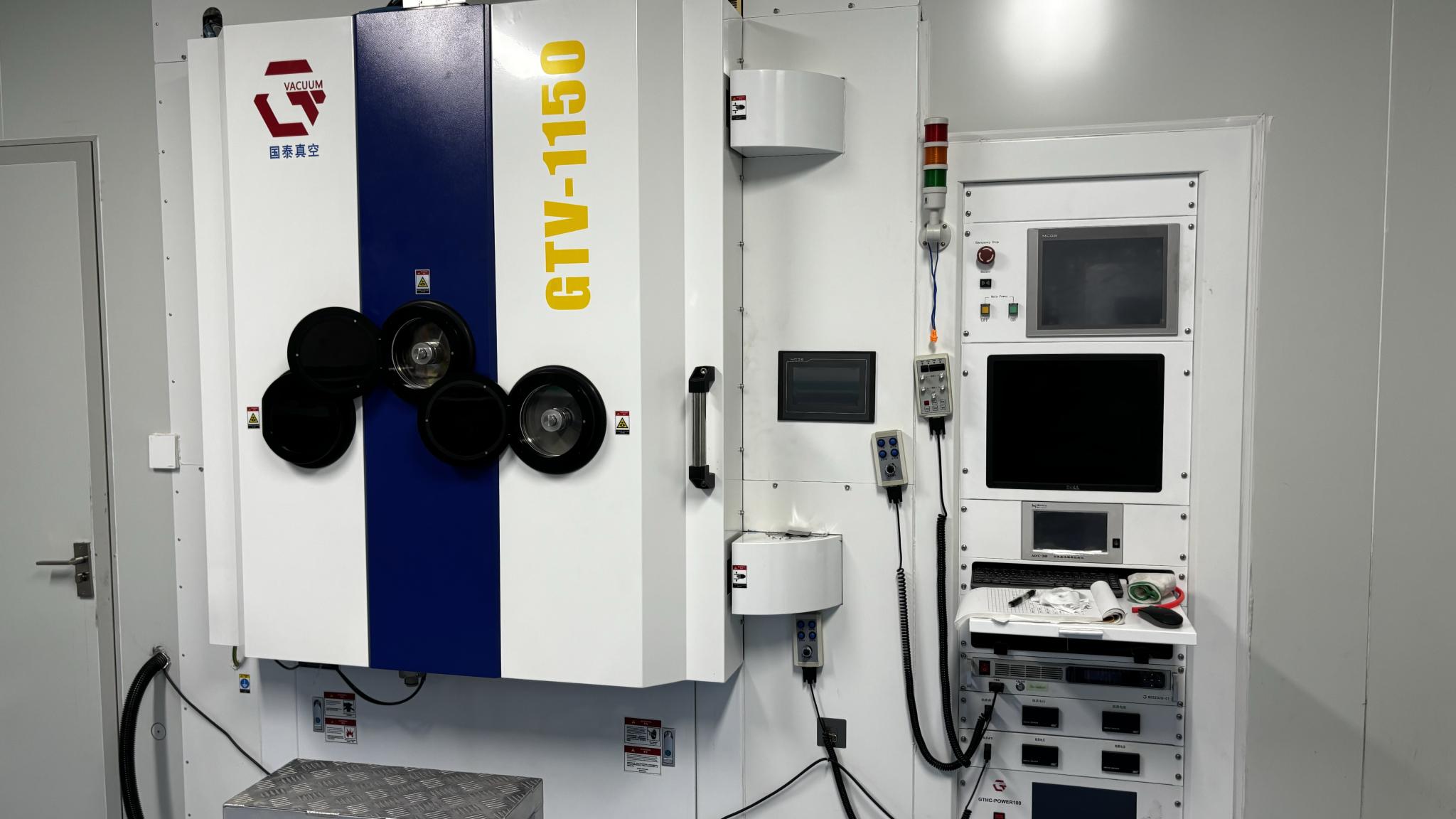
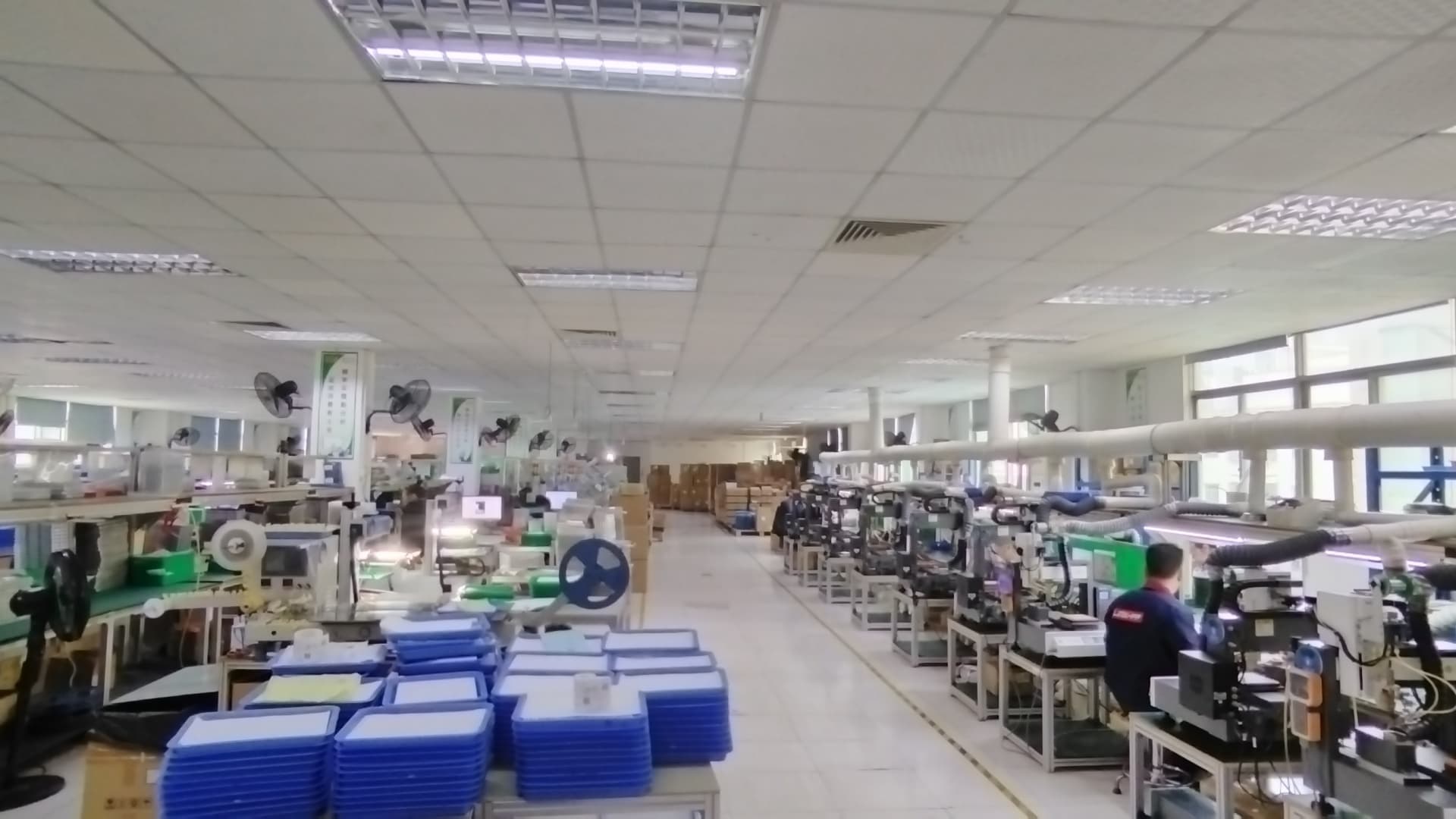
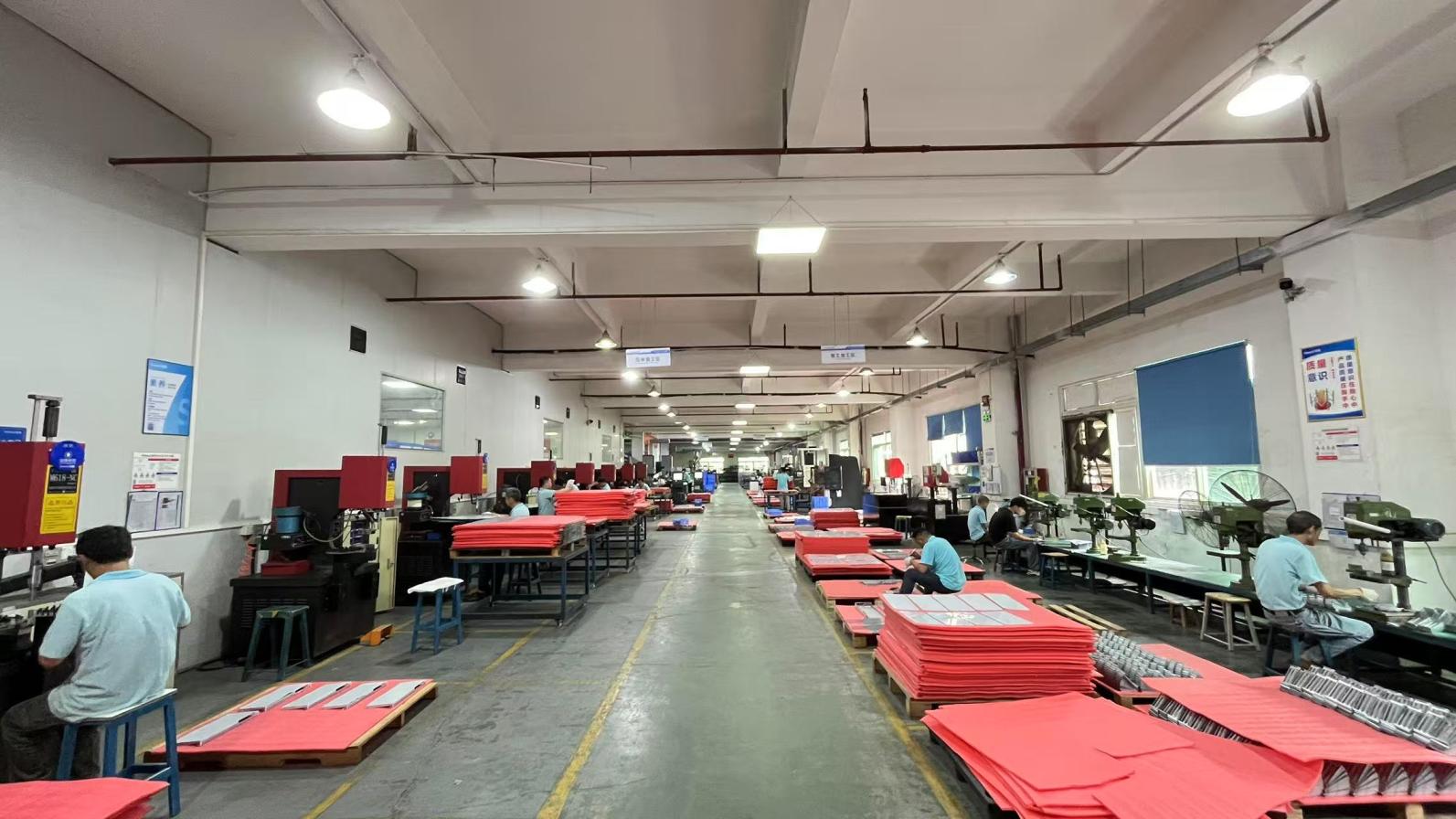
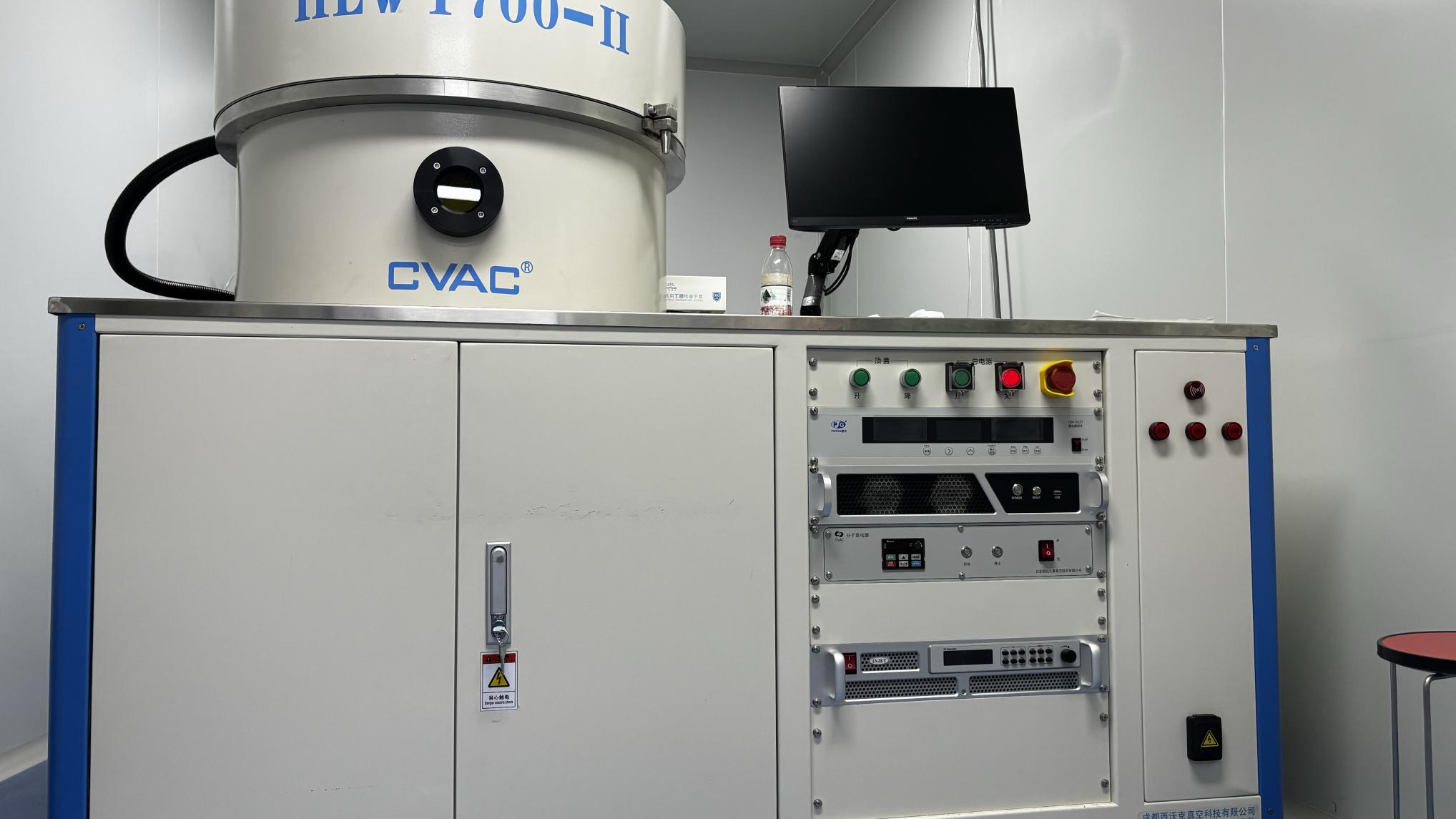
Industrial Manufacturing & Testing Facility

Take an inside look at our modern production line, precise engineering workflows, and advanced testing setups designed to maintain high standards of quality.

3. Regulatory Compliance & Global Certifications

Selling connectivity hardware globally requires strict adherence to international safety, environmental, and electromagnetic compatibility standards. Uncertified adapters can cause data corruption, present electrical hazards, or expose businesses to regulatory fines.

At FiberNova, compliance is built directly into our design process:

  • CE Marking (Conformité Européenne): Ensures our adapters comply with EU safety, health, and environmental requirements, allowing unrestricted distribution within the European Economic Area.
  • FCC Certification (Federal Communications Commission): Validates that the electromagnetic interference produced by our devices is well below limits set by the US government. This testing is crucial for high-speed USB 3.0/3.2 controllers, which can radiate EMI in the 2.4GHz spectrum.
  • RoHS & REACH: Guarantees that no hazardous substances (such as lead, mercury, cadmium, or specific phthalates) are used in our PCBs, solder joints, cables, or plastic shells, making the products safe for long-term handling and disposal.
  • WEEE Compliance: Outlines responsible recycling protocols for electronic waste, aligning with eco-conscious disposal guidelines in European jurisdictions.

4. Emerging Trends in Interface Technology & Network Adaptation

The network landscape is moving away from gigabit-only baselines. As corporate spaces transition to Wi-Fi 6E/7 and high-performance NAS environments, bottlenecks at the client terminal have highlighted the need for next-generation USB adapters.

The following key trends are shaping the future of this product category:

  • The USB Type-C & USB4 Standard: The classic USB-A plug is being replaced by the versatile USB-C interface. Future iterations leverage USB4 and Thunderbolt interfaces to provide higher bandwidth, allowing dual-port 10GbE network adapters to run cool without thermal throttling.
  • Transition to 2.5GbE and 5GbE: 1GbE adapters are no longer sufficient for moving large datasets. Using Multi-Gigabit copper standards (802.3bz) over existing Cat 5e or Cat 6 cabling is becoming the default solution for modern office setups.
  • Power over Ethernet (PoE) Integration: High-end industrial adapters now extract PoE power (IEEE 802.3af/at) from the RJ45 link, enabling host tablets or thin clients to receive both power and data through a single physical interface.
  • Component Shrinkage: Modern SMT components allow magnetics and ethernet controllers to fit directly into compact housings without sacrificing signal strength.

5. Localized Application Scenarios: Where Performance Matters

RJ45 to USB adapters are critical tools used across a range of specialized, mission-critical environments:

  • Industrial Smart Factories: On automated assembly floors, older PLCs and robotic units often lack integrated USB-C or Wi-Fi cards. Ruggedized, shielded RJ45 to USB adapters allow control engineers to plug in diagnostic laptops and adjust operational parameters on the fly without risking EMI-induced downtime.
  • Modern Enterprise Environments: Thin, light laptops lack native Ethernet ports. To access high-security intranets where Wi-Fi is disabled, employees rely on desk-mounted USB-C to RJ45 adapters to handle gigabit speeds reliably.
  • Telemedicine and Diagnostics: Medical imaging devices like portable ultrasound carts must send large data packages to secure local hospital networks. Using certified, low-emission USB-to-Ethernet converters ensures patient files transfer quickly without interfering with nearby medical equipment.
  • Edge Compute Nodes: Remote field terminals and IoT gateways often need extra wired connections to handle local camera systems. Industrial USB-Ethernet adapters expand system capabilities without requiring complex mainboard upgrades.

Frequently Asked Questions (FAQ)

Addressing the technical, compliance, and logistical inquiries of enterprise network administrators and procurement specialists.

Q1: What chipsets offer the best stability and driver compatibility for enterprise deployments? +
For standard gigabit (10/100/1000Mbps) applications, the Realtek RTL8153 and the ASIX AX88179A are the industry standards. They feature native driver support in Windows, macOS, ChromeOS, and modern Linux kernels, enabling plug-and-play functionality. For 2.5G applications, the Realtek RTL8156B is widely used due to its low power draw and efficient thermal profile.
Q2: How do magnetic RJ45 connectors differ from non-magnetic ones? +
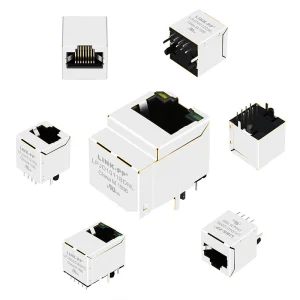
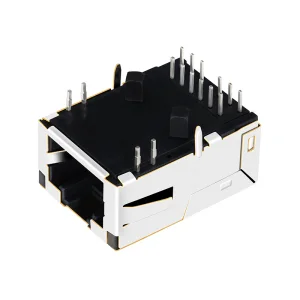
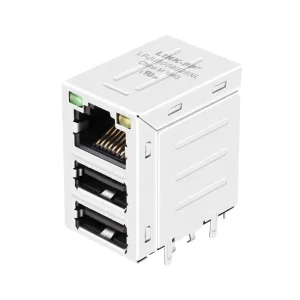
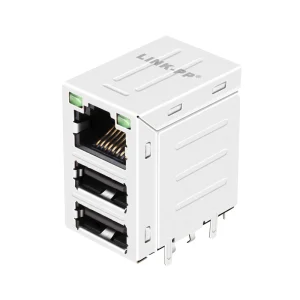
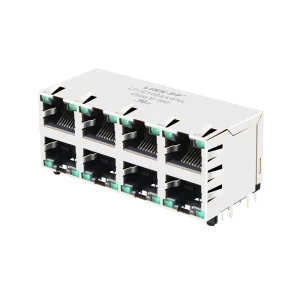
Magnetic RJ45 connectors (often called "Magjacks") integrate isolation transformers, common-mode chokes, and electrostatic discharge (ESD) protection directly inside the metal housing. This design isolates the sensitive PHY transceiver chip on the PCB from high-voltage spikes on the cable, preventing hardware failures.
Q3: Why is USB 3.0 required instead of USB 2.0 for Gigabit Ethernet adapters? +
USB 2.0 is limited to a theoretical maximum speed of 480 Mbps. Because of protocol overhead, real-world speeds rarely exceed 320 Mbps. Since Gigabit Ethernet requires 1000 Mbps of bidirectional bandwidth, USB 3.0 (which supports 5 Gbps) is necessary to prevent bottlenecking the connection.
Q4: What certifications should I check for when exporting network equipment to the US and EU? +
For Europe, products must carry the CE mark and comply with RoHS/REACH environmental standards. For the United States, FCC Part 15 Subpart B certification is required to verify the device does not emit harmful electromagnetic interference.