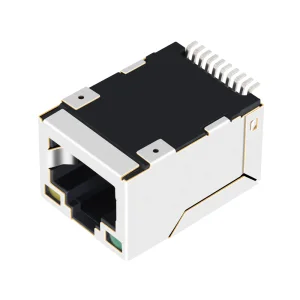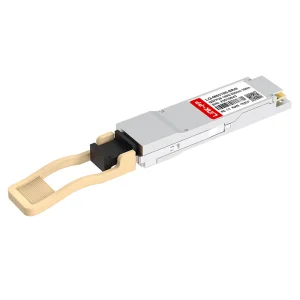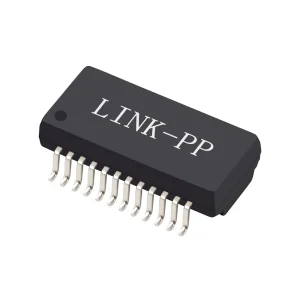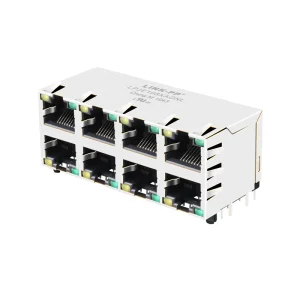
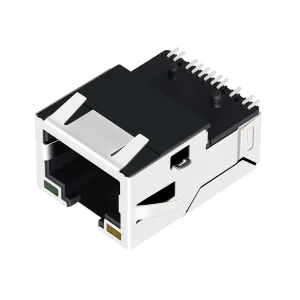
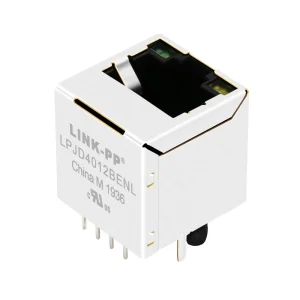
Modern telecommunications, hyper-scale data centers, and advanced industrial automation demand interconnect systems capable of preserving signal integrity under severe stress. As networks migrate toward higher data rates and dense packaging configurations, the standard rigid RJ45 port interface is undergoing a technological evolution. Enter the Flex RJ45 Connector: a specialized architecture optimized for dynamic mechanical configurations, mechanical stress isolation, and superior Electromagnetic Interference (EMI) containment.
In traditional rigid architectures, thermal contraction, chassis vibration, and physical mating stress are directly transferred to the solder joints of the printed circuit board (PCB). Over time, this leads to micro-fractures, intermittent signal loss, and complete component failure. Flex RJ45 designs isolate these mechanical stresses. By incorporating compliant press-fit pins, resilient elastic contact arrays, and specialized housing geometries, they ensure that mechanical loads do not translate into physical failure at the trace level.
High-speed transceivers, such as QSFP28, QSFP56, and SFP28 modules operating in close proximity to Ethernet ports, create challenging EMI profiles. Our integrated magnetic RJ45 connectors solve this via advanced shielding systems:
Sourcing high-performance telecommunication hardware requires a balance of mechanical precision, strict quality control, and scalable supply chains. Here is how FiberNova's production infrastructure delivers global-grade OEM/ODM connectivity products.
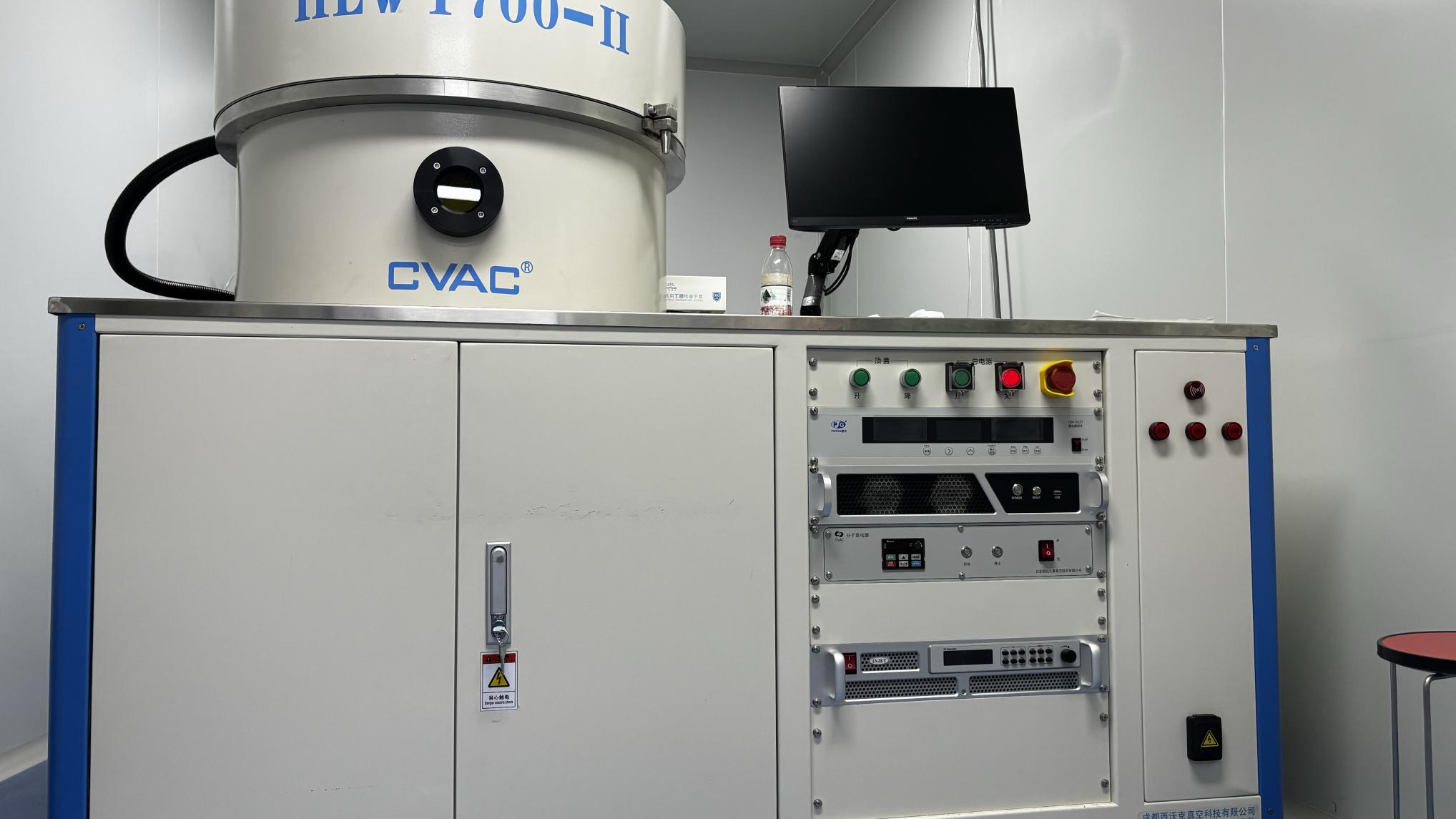
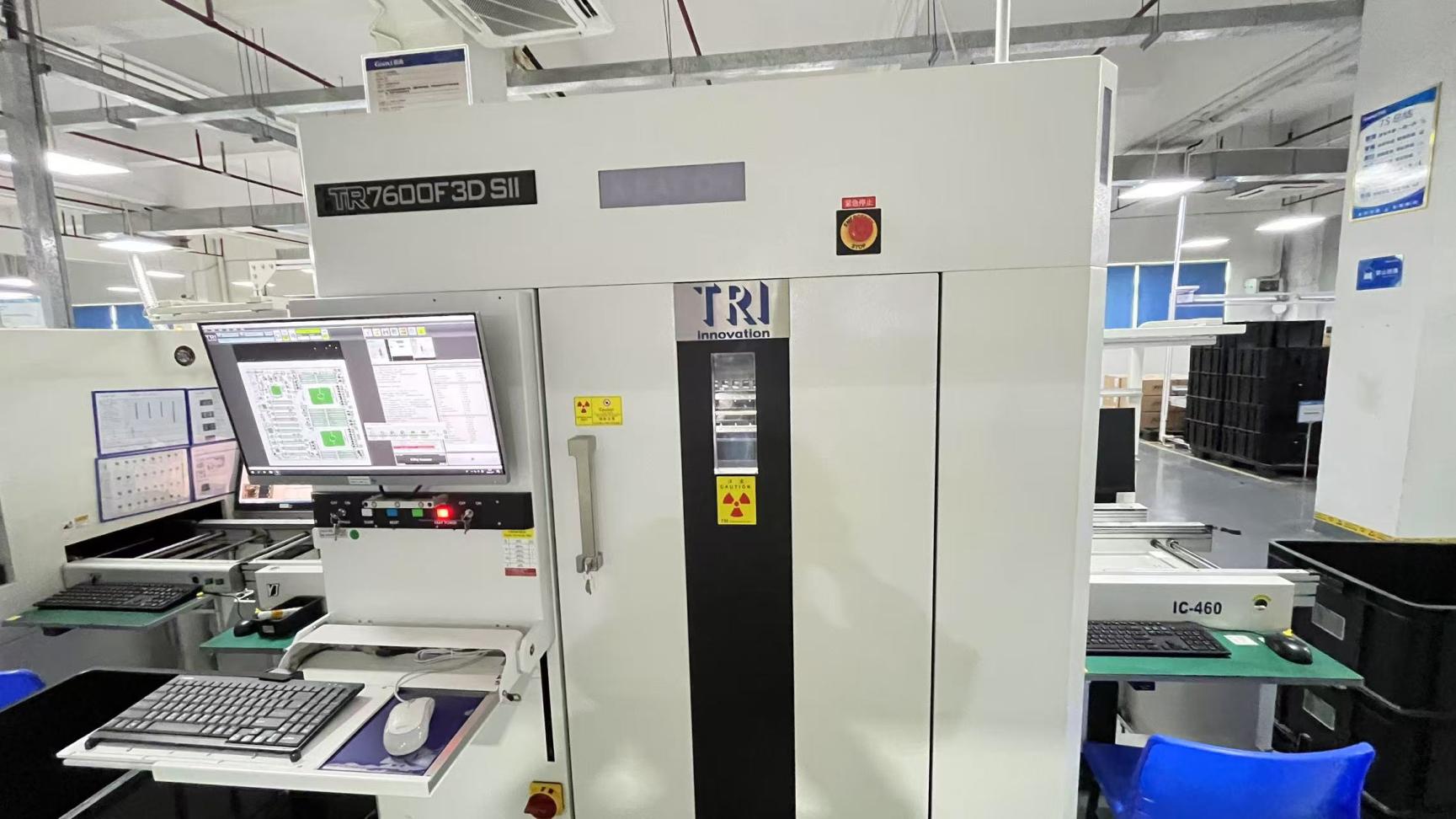
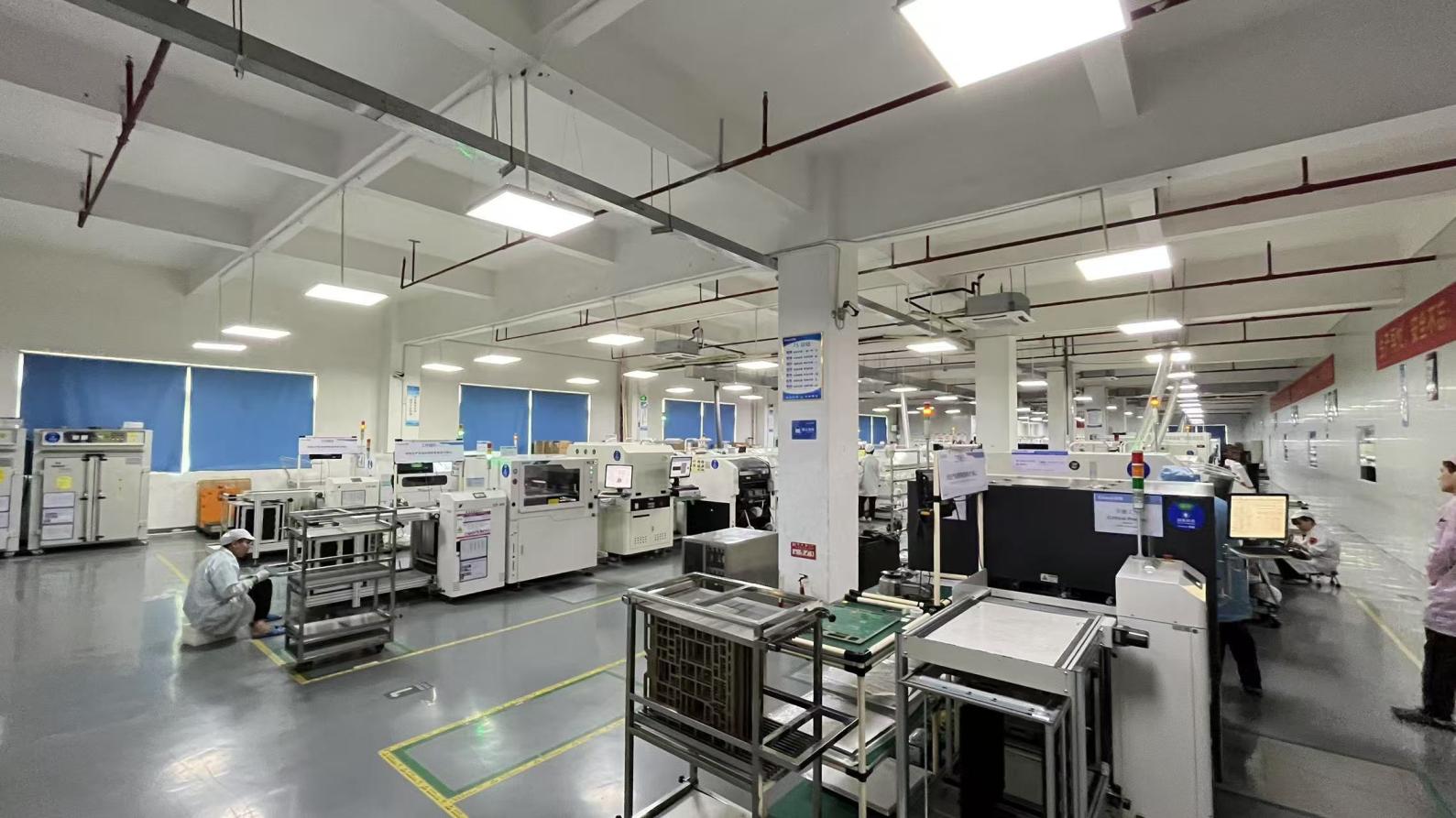
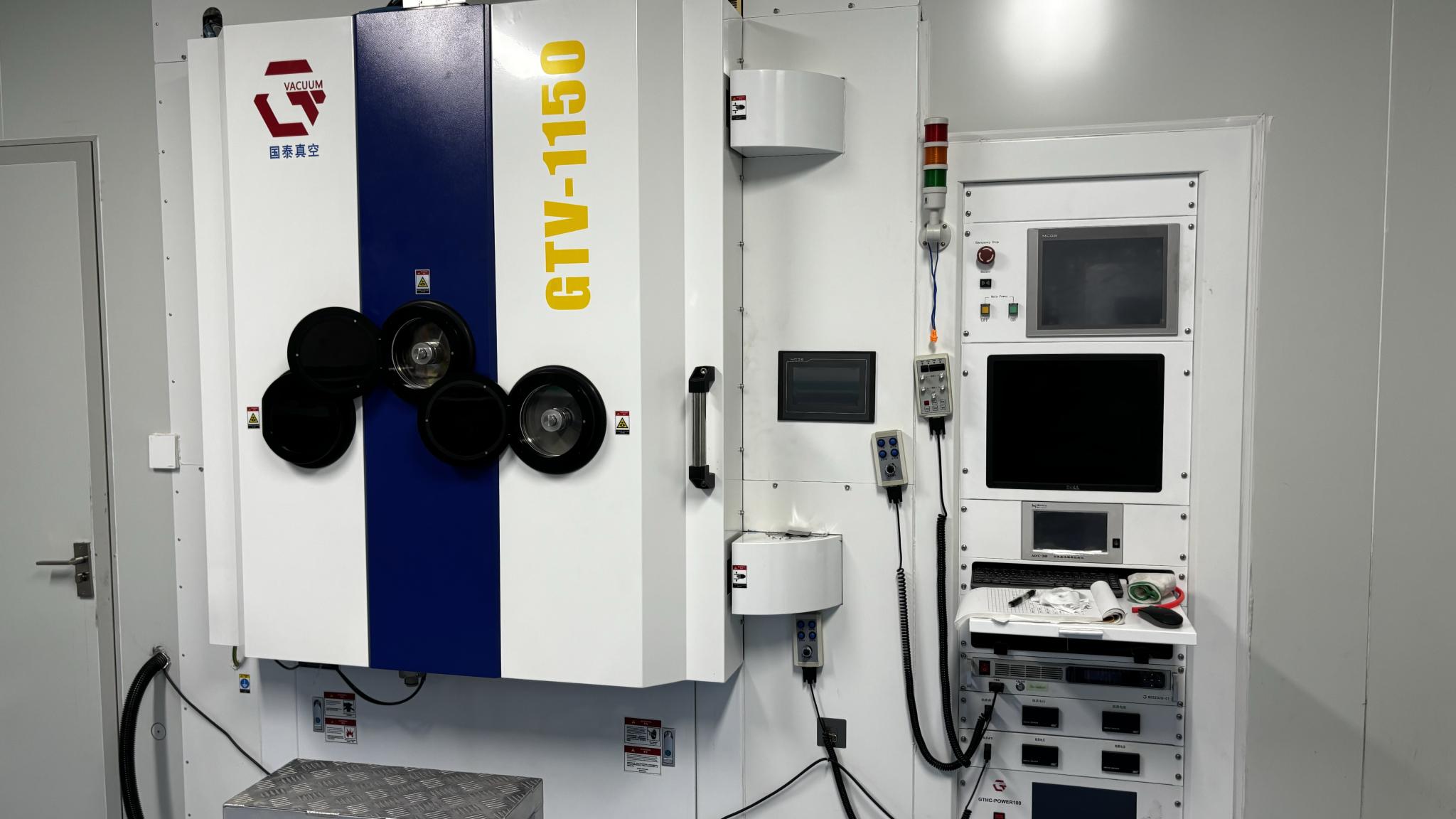
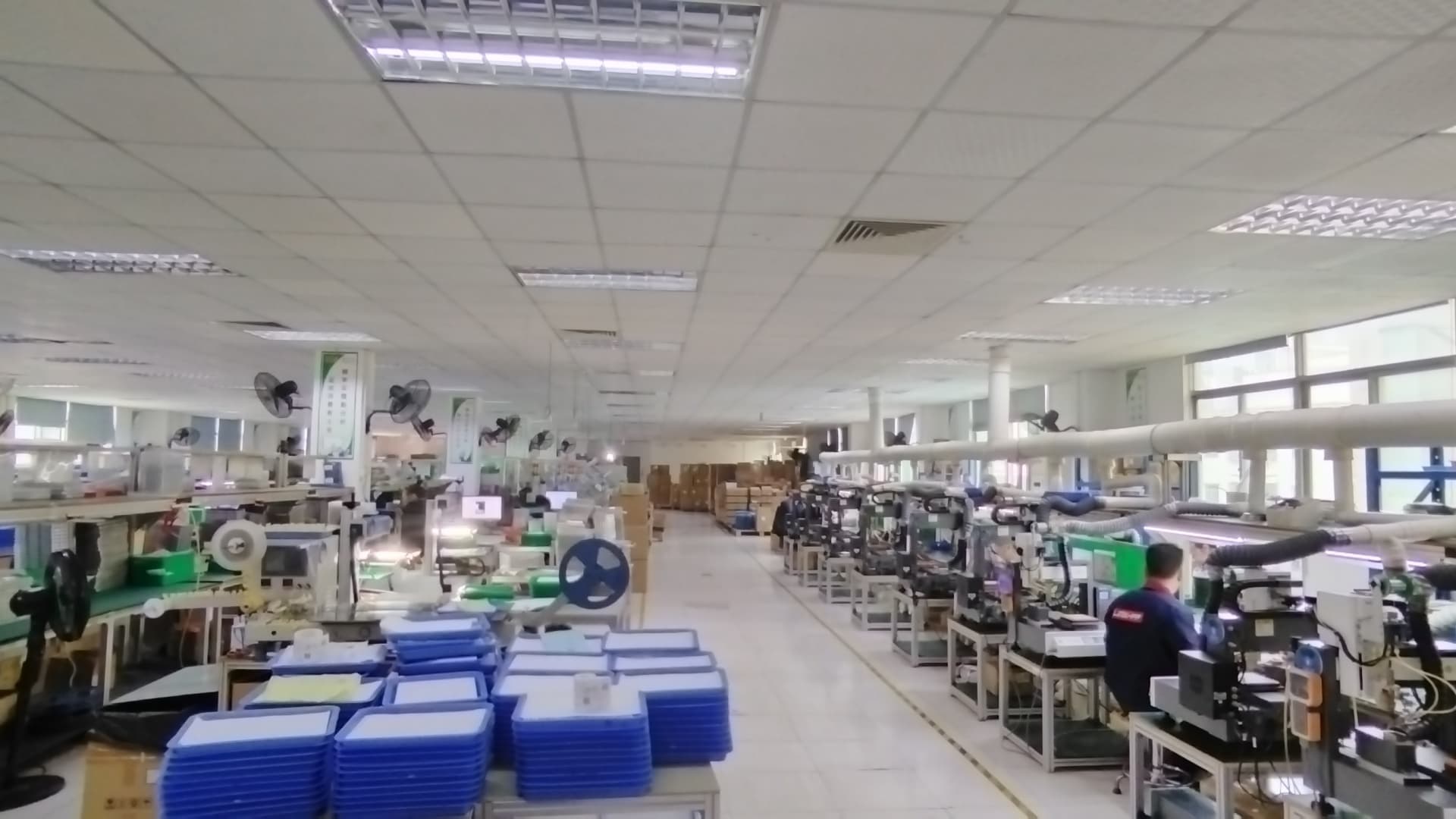
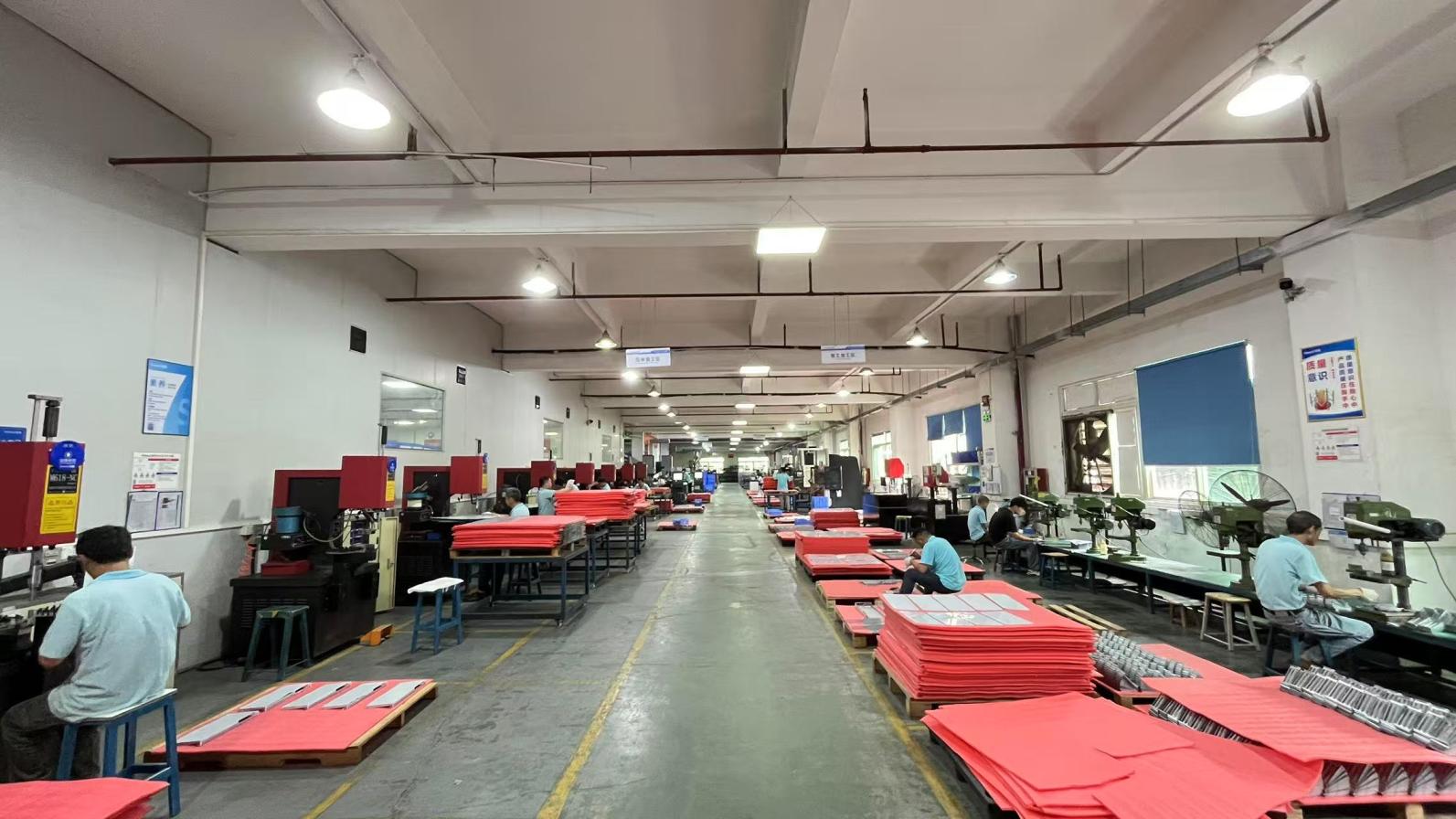
FiberNova operates a modern production facility designed for precision component assembly. By combining automatic packaging, high-speed terminal insertion, and automated inspection, we guarantee consistent pitch dimensions and co-planarity for SMT modular jacks and high-speed cages.
Managed by our dedicated team of 45 professional QC specialists, every production run undergoes testing for Insertion Loss, Return Loss, Crosstalk, and Thermal Cycling. Our modules are validated to meet strict IEEE and MSA standards, ensuring plug-and-play compatibility.
With an engineering pool of 65 R&D experts, we specialize in customizing physical dimensions, wavelength tuning, internal magnetics configurations, and custom labels. In the past year alone, we introduced 120 new products to meet fast-evolving industrial needs.
Within hyperscale data centers, space optimization and thermal management are major concerns. FiberNova's TE Compatible ZQSFP+ press-fit cages and vertical SFP structures enable dense line card packing. The integration of light pipes provides real-time link status monitoring, reducing maintenance times in dark server aisles.
Edge nodes deployed in factory floors face severe electrical noise, high temperatures, and continuous mechanical vibrations. Our SMT modular jacks and vertical magnetic connectors provide localized isolation and high mechanical retention, preventing data dropouts in factory environments.
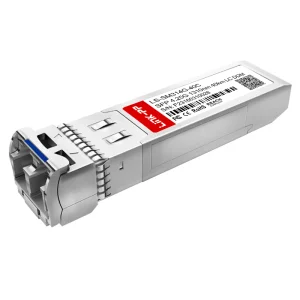
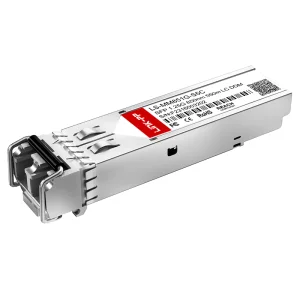
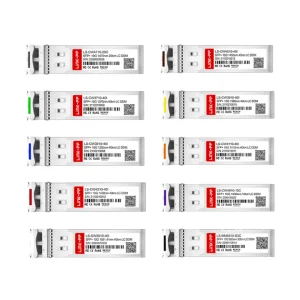
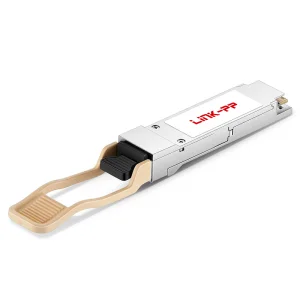
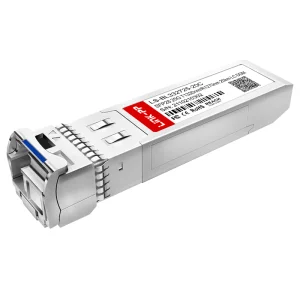
For carrier-grade routers and telecom switches, signal integrity must be maintained over decades of continuous operation. FiberNova's optical transceivers (ranging from 1.25G to 200G) and Telecom LAN transformers support robust signal transmission over long-haul fiber links and copper connections.
High-voltage equipment generates massive electromagnetic pulses that disrupt data flow. The use of optical transceivers combined with shielded RJ45 magnetic connectors prevents EMI from entering logic circuits, keeping grid communications running and fully isolated.
For global procurement managers, component sourcing involves navigating challenges such as chip shortages, compliance updates, and compatibility issues. Sourcing from a verified manufacturer like FiberNova helps mitigate these risks through structural supply chain management and standardized validation protocols.
By partnering with over 1,200 verified supply chain partners, FiberNova secures priority access to raw silicon, laser diodes, precision copper sheets, and high-performance magnetic cores. This network allows us to maintain consistent manufacturing cycles and stable pricing, even during global material shortages.
Modern networks are rarely built on a single vendor's hardware. An enterprise switch might run on Cisco modules, while adjacent servers use Arista or Juniper equipment. FiberNova solves this integration challenge through rigorous EEPROM compatibility coding. Our transceivers are tested across different hardware profiles to ensure they are recognized immediately, preventing software lockouts and transmission errors during field deployment.

A Flex RJ45 connector features mechanical design modifications that isolate stress from solder joints on the PCB. This is achieved using press-fit terminals, floating contacts, or flexible printed circuit (FPC) tails. This setup protects the solder joints from mechanical stress, vibration, and thermal expansion, which are common causes of joint fatigue in harsh industrial or server environments.
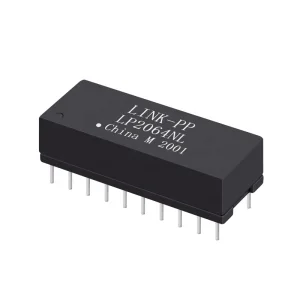
Integrated magnetics house the isolation transformer, common-mode chokes, and termination resistors inside the metal shield of the RJ45 housing. This puts the noise-filtering elements closer to the physical media interface, minimizing PCB trace loops and reducing electromagnetic coupling. The result is better common-mode rejection, improved return loss, and reduced susceptibility to EMI.
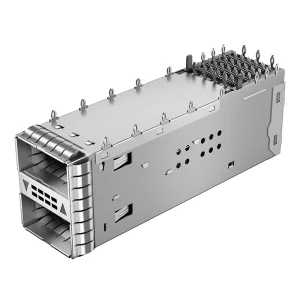
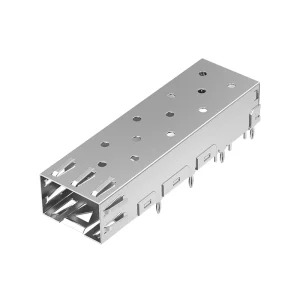
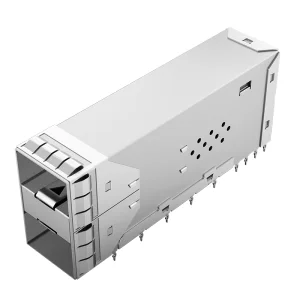
In high-density switches, adjacent ports operate at high frequencies (up to 25 Gbps per lane or higher), creating risk for electromagnetic crosstalk. Our cages (like the ZQSFP+ and SFP designs) are constructed from high-grade copper alloys with multi-point grounding tabs. This creates a continuous Faraday shield around the transceivers, routing high-frequency noise directly to the chassis ground and protecting adjacent signals.
We address compatibility by coding custom EEPROM profiles to match the specific expectations of target network switches and routers. Every module is run through real-world hardware verification in our testing lab, simulating the host system's polling routines. This ensures our transceivers initialize properly and display correct diagnostics (DDM/DOM) without throwing warning flags.
SMT (Surface Mount Technology) enables automated assembly and allows for components on both sides of the PCB, which is ideal for space-constrained designs. However, Press-Fit (Through-Hole) pins offer much stronger mechanical retention, making them the standard choice for multi-port cages (like 2x1 or 2x4 ZQSFP+ blocks) that experience high mating forces when cabling is connected.
Our 45 QC staff members run products through a multi-stage testing process. This includes 100% optical verification (such as eye-diagram checks, bit error rate testing, and central wavelength validation), thermal shock testing (cycling from -40°C to +85°C), signal integrity sweeps, and physical dimension inspections to confirm perfect fit and performance.
 FiberNova