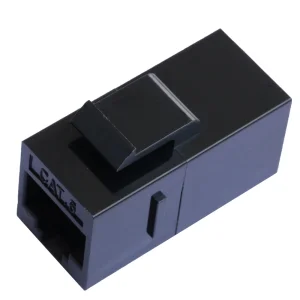
Explore our foundational range of active SFP transceivers and high-performance structural copper RJ45 interfaces designed for minimal insertion loss and robust operational reliability.
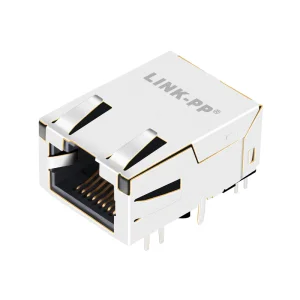
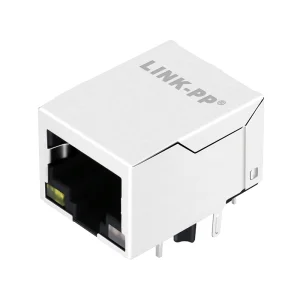
In the era of hyper-scale computational networks, Edge AI deployments, and 5G base stations, the demand for deterministic physical-layer connectivity is higher than ever. Within this landscape, the RJ45 compression connector stands as a critical mechanical and electrical interface. Unlike conventional crimped terminations, which are prone to micro-gaps, uneven contact pressure, and rapid environmental degradation, specialized compression mechanisms provide a 360-degree gas-tight seal. This layout guarantees impedance uniformity, eliminates high-frequency electromagnetic leakage, and dramatically reduces return loss in mission-critical networks.
In high-bandwidth copper networks, such as Category 6A (Cat6A), Category 7 (Cat7), and Category 8 (Cat8) architectures, cable termination requires strict geometric tolerance. Traditional hand-crimp connectors push teeth directly into individual copper conductors, which often compromises the twist structure of the twisted pairs. This structural disruption introduces significant Near-End Crosstalk (NEXT) and Far-End Crosstalk (FEXT).
Conversely, industrial-grade RJ45 compression systems implement a concentric, linear compression design. Using a calibrated mechanical compression tool, the connector shell is compressed symmetrically around the outer sheath and the metallic braided shield. This technique offers several distinct advantages:
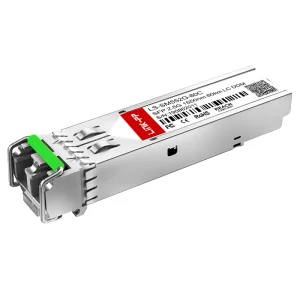
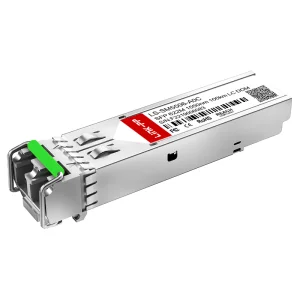
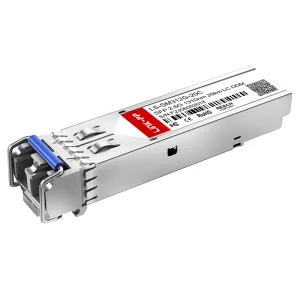
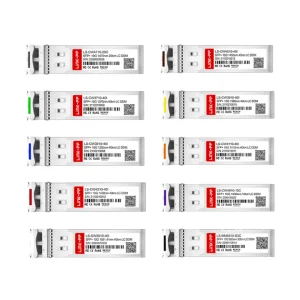
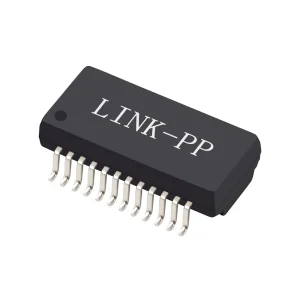
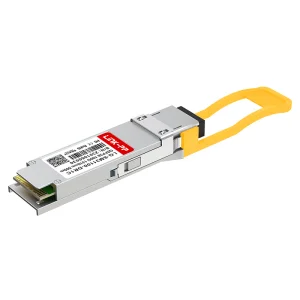
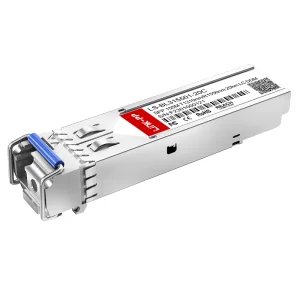
In modern enterprise infrastructures, copper and optical fiber technologies coexist. The high-performance transceiver portfolios—including Single Mode SFP 2.5G Modules, 10GBASE-T SFP+ Copper transceivers, and 100G QSFP28 modules—bridge the optical core network with the copper edge. In these hybrid environments, RJ45 compression connectors act as the reliable endpoint interface for IP surveillance cameras, distributed antenna systems (DAS), wireless access points (WAPs), and industrial controllers.
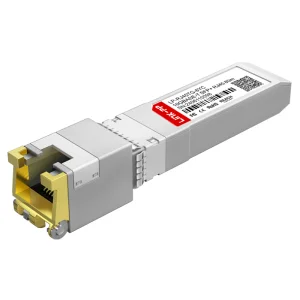
For example, in multi-gigabit enterprise switches, using a 10GBASE-T SFP+ Copper RJ-45 module requires a high-quality Cat6A cable terminated with a precision RJ45 compression plug. If the compression connector lacks gold-plating thickness or is terminated poorly, the link will fall back to lower data rates (1Gbps or 100Mbps) or suffer high packet loss due to impedance mismatch. That is why enterprise integrators rely on unified Chinese manufacturers to source both high-speed optoelectronic modules and high-tolerance copper components.
Designed with low-resistance phosphor bronze contacts and selective gold plating up to 50 micro-inches (50u"). Prevents electrical arcing during under-load disconnects up to 100W (Type 4 PoE).
Constructed with nickel-plated brass or zinc alloy die-cast housings to deliver maximum shielding effectiveness, which is critical for dense patch panels and high-EMI factory floors.
Features a pass-through design or modular insert bars, enabling quick visual verification of conductor alignment and sequence before applying final linear compression.
Leveraging 12 years of industry expertise and advanced production lines to manufacture elite active and passive networking equipment.
FiberNova Optical Communication Tech Co., Ltd. (FiberNovaTransceivers.com) is an industry-recognized optical transceiver and networking connectivity manufacturer established in 2016. Operating from a modern production facility spanning 380㎡, the company focuses on delivering high-speed optical and copper communication solutions, serving global data centers, telecommunication carriers, and system integrators with robust, high-performance physical-layer products.
With more than 6 years of export experience and 12 years of deep industry expertise, FiberNova has developed strong capabilities in R&D, manufacturing, and international trade. The company achieves an annual export revenue of approximately USD 8–15 million, supplying customers across North America, Europe, Southeast Asia, and the Middle East. Our footprints span major technological corridors in the United States, Germany, Japan, South Korea, and the United Arab Emirates.
To ensure high quality, FiberNova operates with a strict quality control system, including 100% optical performance testing, temperature cycling tests, and signal integrity inspection before shipment. The quality assurance team consists of around 45 professional QC staff, ensuring every transceiver and connector complies with international standards, including IEEE guidelines, RoHS directives, and MSA compatibility requirements.
Supported by 65 R&D engineers, FiberNova continuously develops advanced connectivity systems. We have launched approximately 120 new products over the past year, responding to market demands for technologies ranging from Cat6A RJ45 connectors to 10G, 25G, 100G, 400G, and 800G optical modules. Our strategic partnerships with more than 1,200 supply chain partners ensure a stable procurement network of premium semiconductor chips, lasers, and optical components.
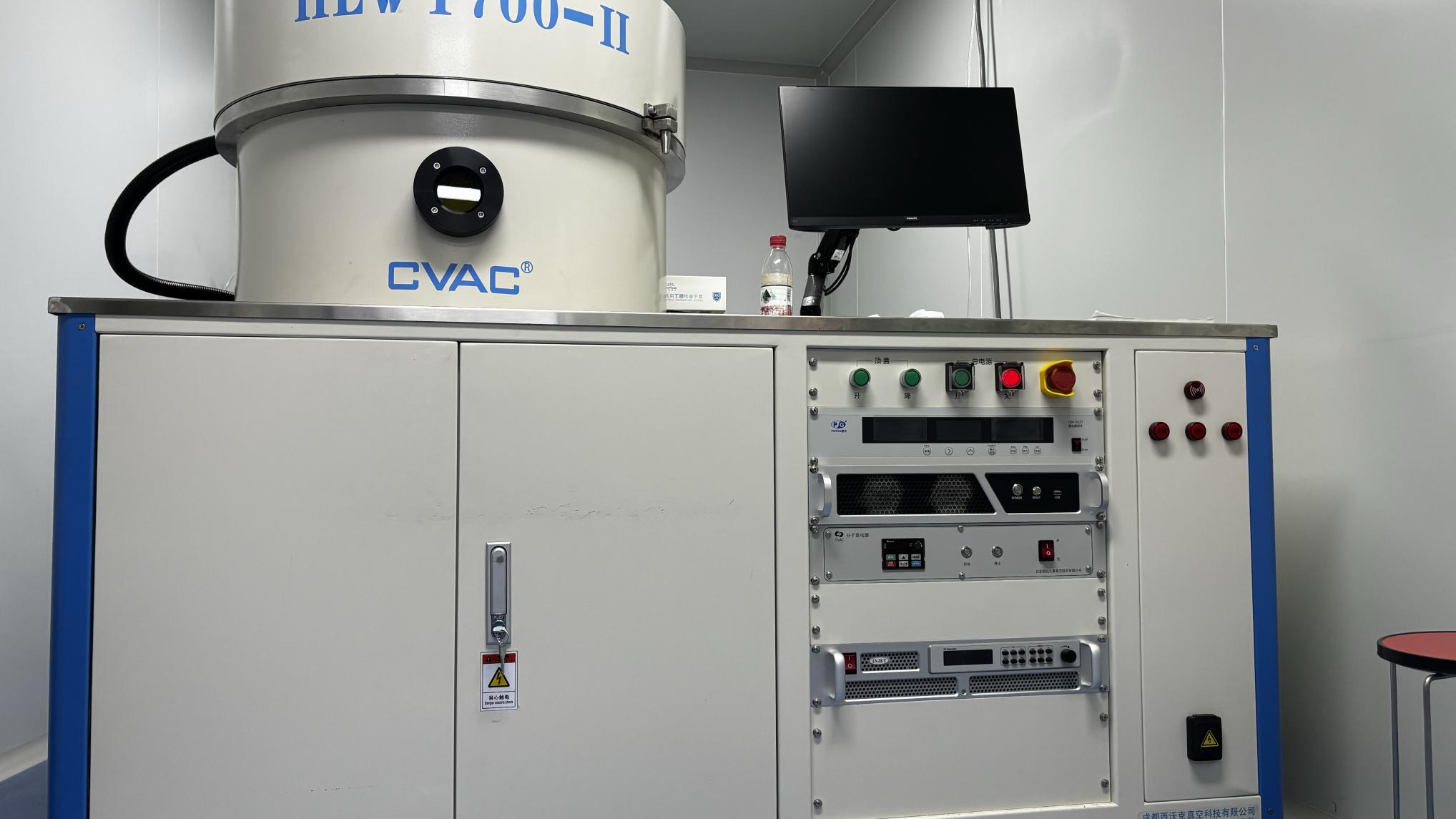

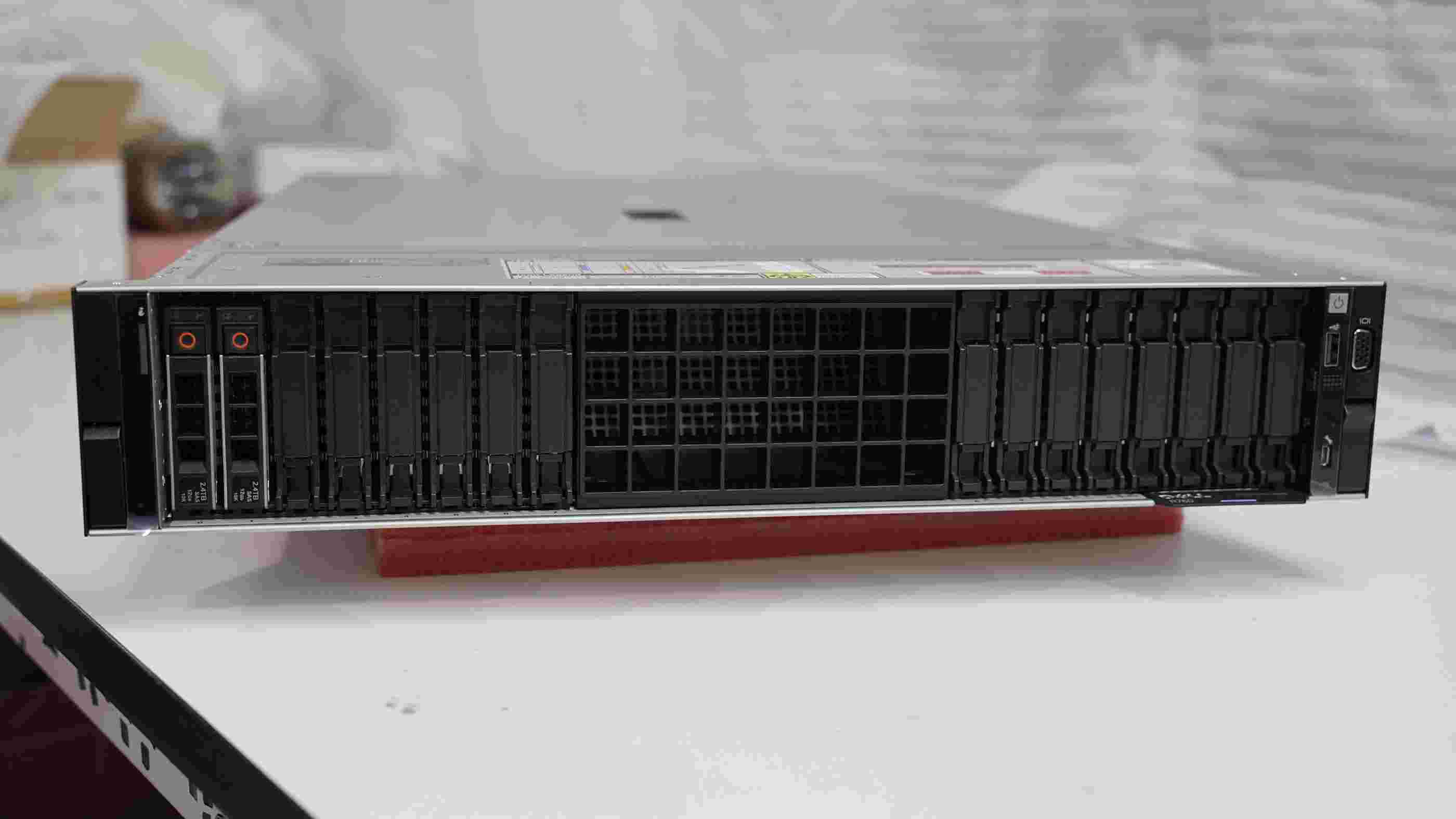

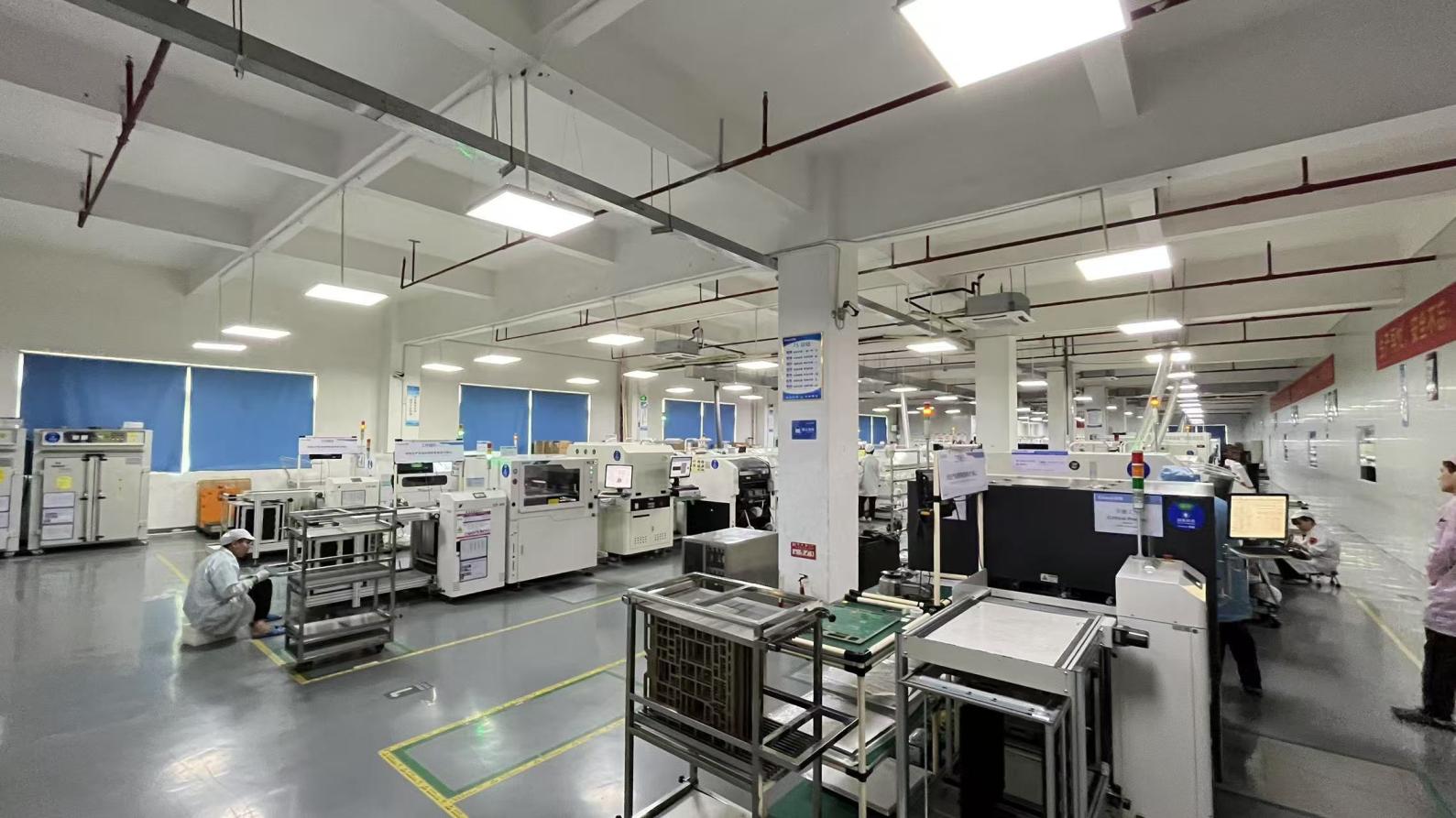
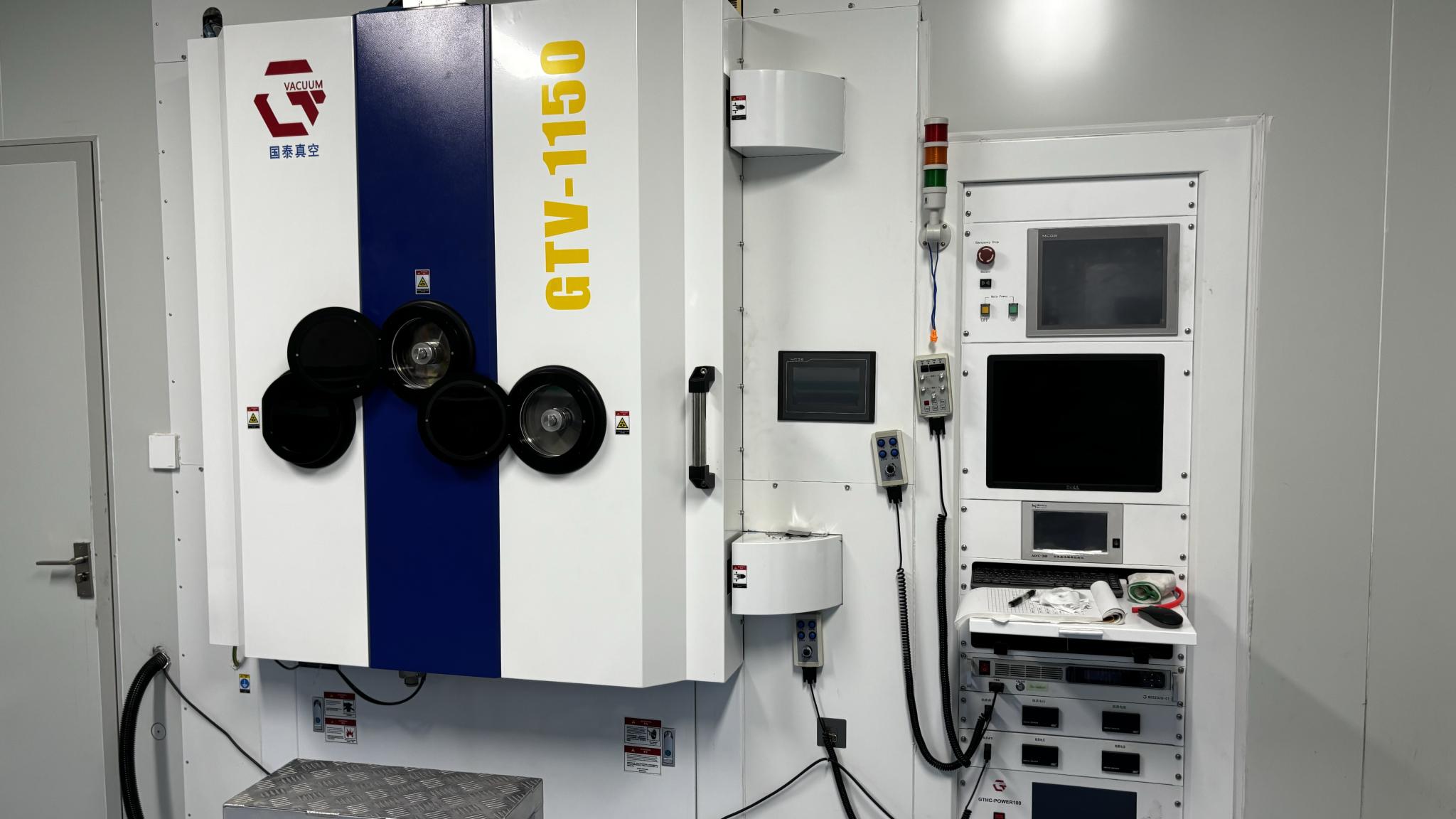
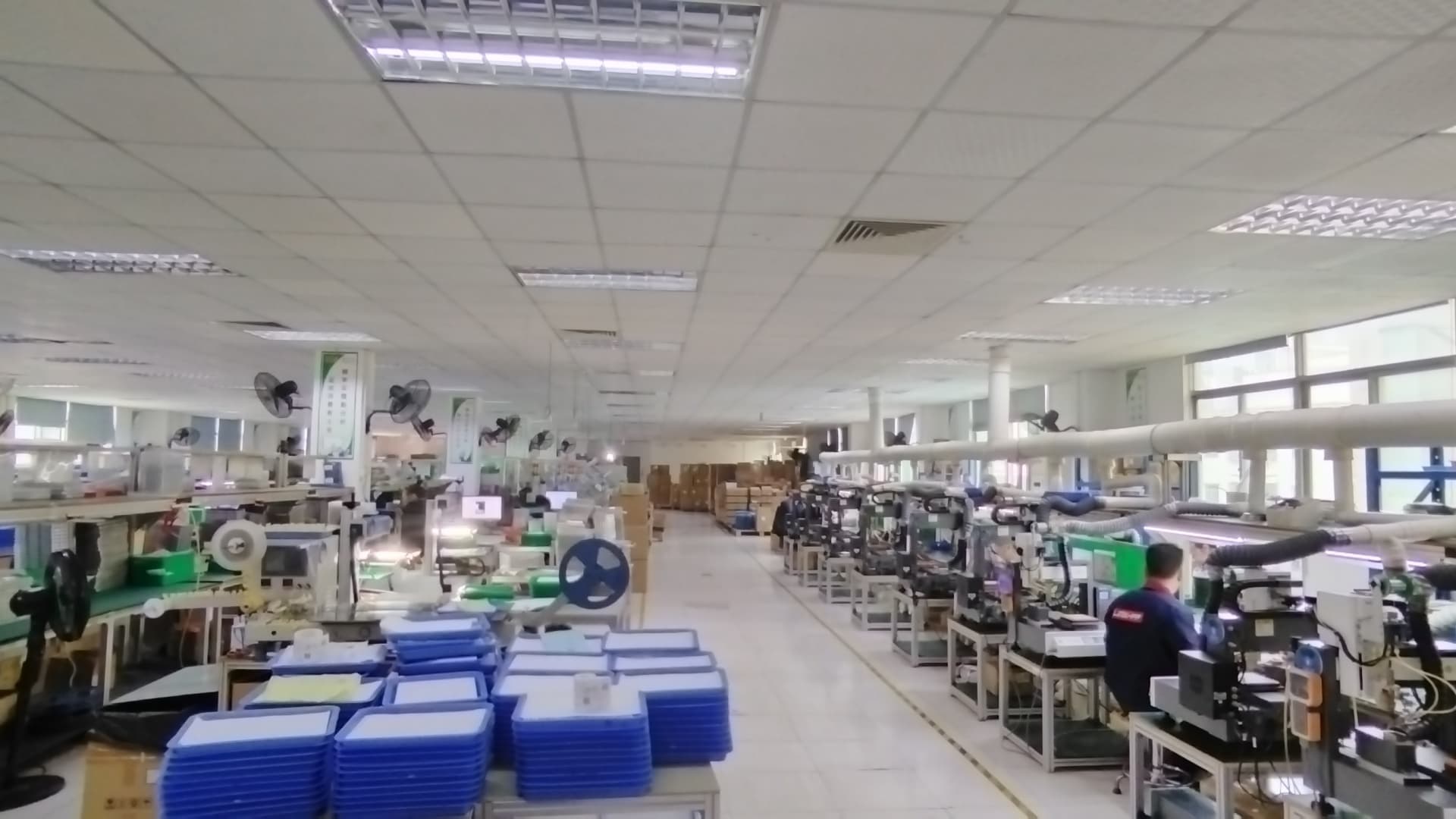
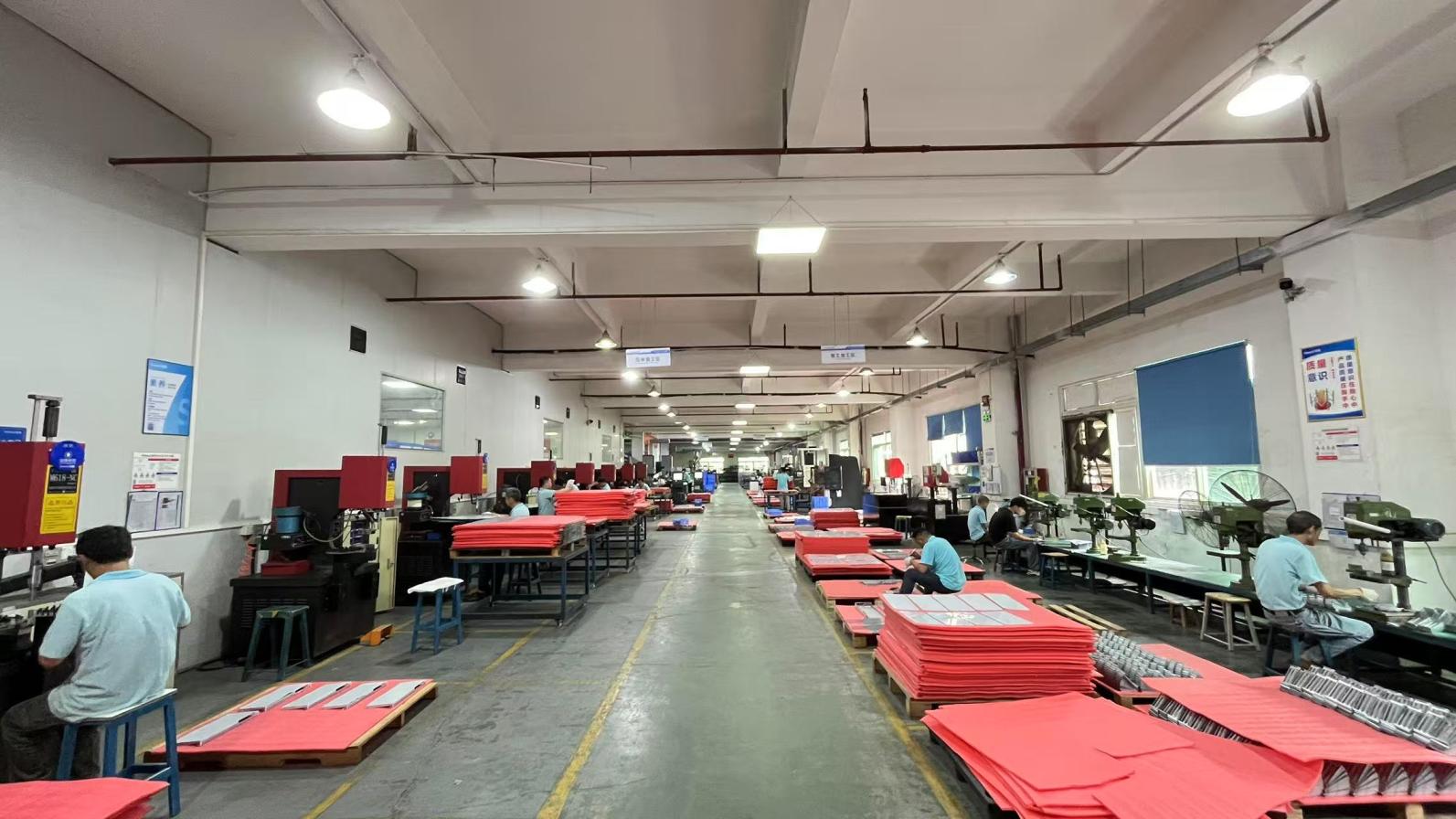
Why do global telecom leaders, distributors, and data center engineers choose China as their primary manufacturing base for RJ45 connectors and optical transceivers? The reason lies in regional specialization and deep industrial integration. China's Pearl River Delta region features a complete component supply chain. From high-tolerance plastic injection molding and automated metal plating to semiconductor packaging, every production phase is optimized for scale, precision, and efficiency.
Chinese manufacturers offer significant competitive advantages, including:
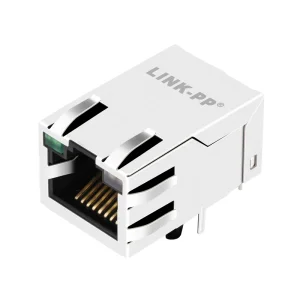
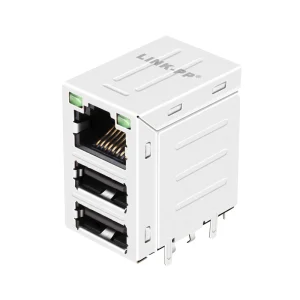
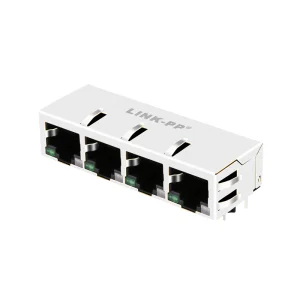
In high-density server rack environments, space constraints require slim-profile, easy-to-release connectors. Standard RJ45 plugs with bulky boots often snag on nearby cables during maintenance, leading to accidental disconnections. To address this, modern RJ45 compression jacks and SFP+ copper modules feature low-profile, snagless designs. Additionally, integrating high-speed SFP+ transceivers directly with RJ45 interfaces (such as the 10GBASE-T SFP+ Copper RJ-45 Module) allows network operators to use cost-effective Cat6A copper cabling for short runs up to 80 meters, bypassing the higher transceiver and fiber deployment costs.
Years of R&D Expertise
Professional QC Experts
Supply Chain Partners
Signal & Performance Tested
Crucial industry insights to guide your next procurement cycle and network deployment project.
Integrate robust magnetics, low-profile modular jacks, and high-speed bidirectional optical links to optimize your networking infrastructure.
 FiberNova