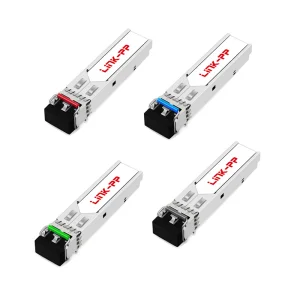
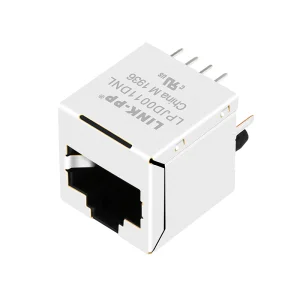
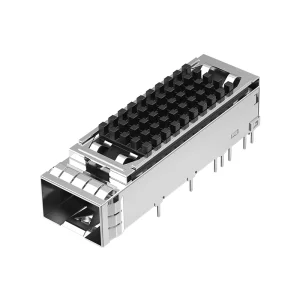
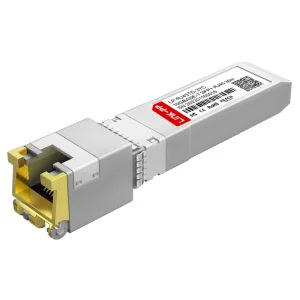
Direct supply of high-performance RJ45 connectors, SFP+ transceivers, and optical communication components matching international standard specifications.
A technical examination of physical layer evolution, sourcing strategies, and manufacturing standards in China's advanced supply chain.
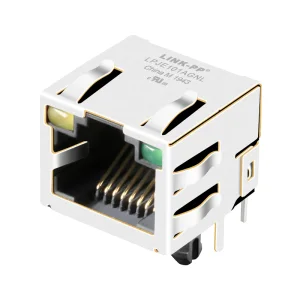
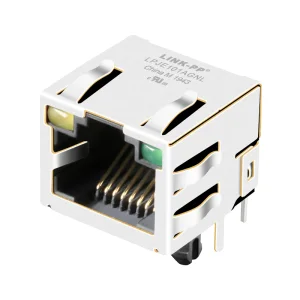
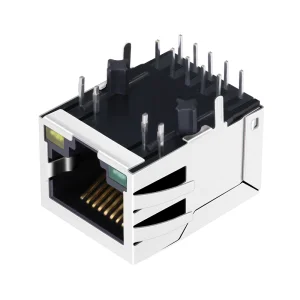
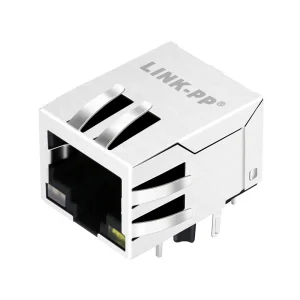
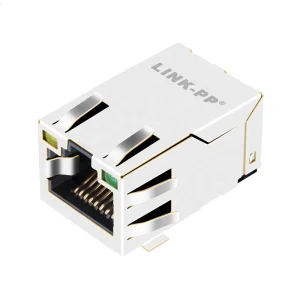
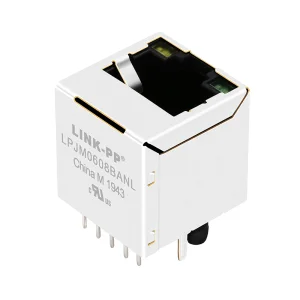
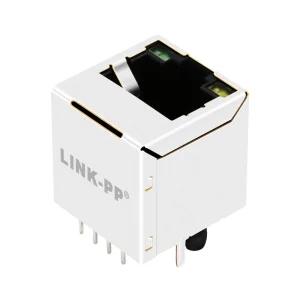
In modern enterprise and industrial telecommunications, the term "Jumbo RJ45 Connector" refers to high-specification, ruggedized, multi-port, or integrated magnetic RJ45 jacks (often called Magjacks) engineered to handle intense data rates and power delivery requirements. Unlike standard commercial-grade RJ45 plugs used in home networks, industrial and enterprise Jumbo RJ45 connectors feature advanced EMI/RFI shielding, thick gold plating (up to 50μ"), and integrated discrete magnetics. These features allow them to support high-bandwidth protocols such as 2.5G Base-T, 5G Base-T, and 10G Base-T Ethernet, as well as high-wattage Power over Ethernet applications (PoE+ and PoE++ up to 90W or 100W per port).
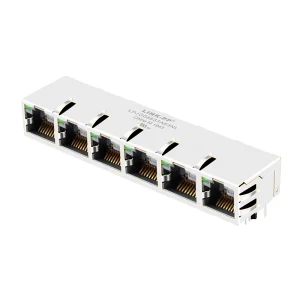
These heavy-duty connectors are designed to host thicker gauge copper cables (such as Cat6A, Cat7, or Cat8) which feature larger conductor diameters and thicker shielding layers. Achieving a reliable physical layer connection requires mechanical precision and raw material integrity. Leading China manufacturers have specialized in producing these complex assemblies, offering customized configurations like vertical top-entry, right-angle, press-fit, and multi-port ganged systems (e.g., 1x6 or 2x8 configurations) to fit diverse PCB layouts.
The shift toward edge computing, 5G NR infrastructure, WiFi 6E/7 access points, and AI-driven data processing networks is pushing copper connectivity limits. Standard RJ45 interfaces are no longer sufficient to mitigate modern signal degradation challenges. Key technological advancements include:
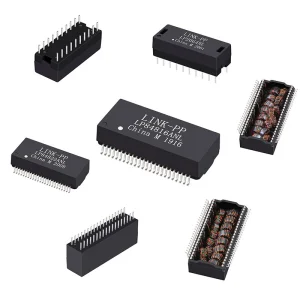
Consolidating filtering magnetics directly inside the shielded RJ45 metal cage. This saves PCB board space, simplifies layout designs, and drastically reduces electromagnetic interference (EMI) at the physical interface.
Optimizing internal lead frame paths to minimize Near-End Crosstalk (NEXT) and Return Loss, enabling reliable 10 Gbps copper links over distances of up to 100 meters.
Utilizing specialized contact alloys and geometry designed to prevent spark damage (electrical arcing) when disconnecting live PoE lines under heavy electrical load (IEC 60512-99-002 compliant).
Procurement agents, network architects, and electronics manufacturing service (EMS) partners face strict technical guidelines. Standard compliance, chemical restriction compliance (RoHS/REACH), and mechanical reliability are primary factors when selecting a supplier. The most sought-after procurement criteria include:
Your strategic engineering partner for high-speed copper and optical physical layer network solutions.
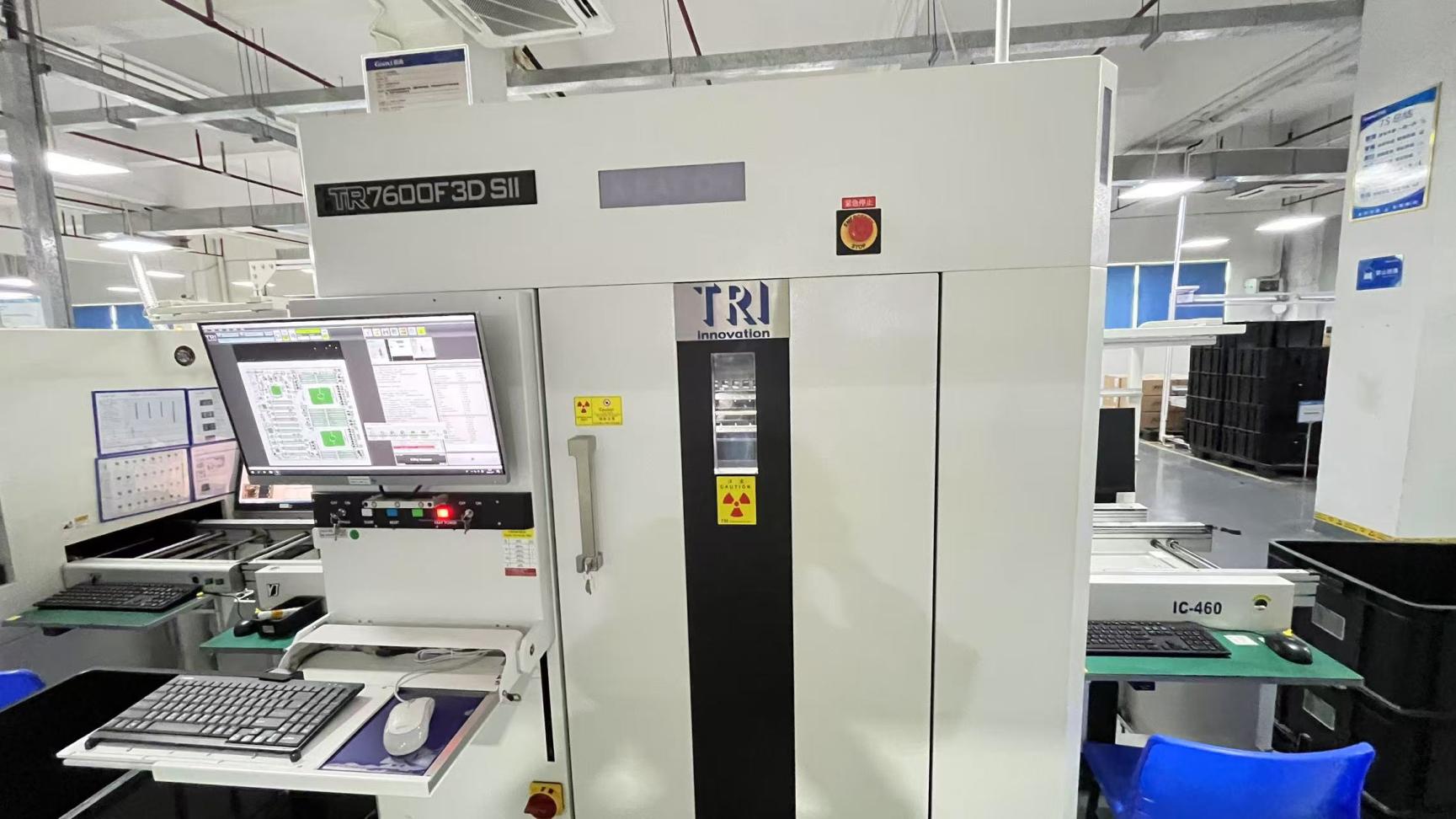
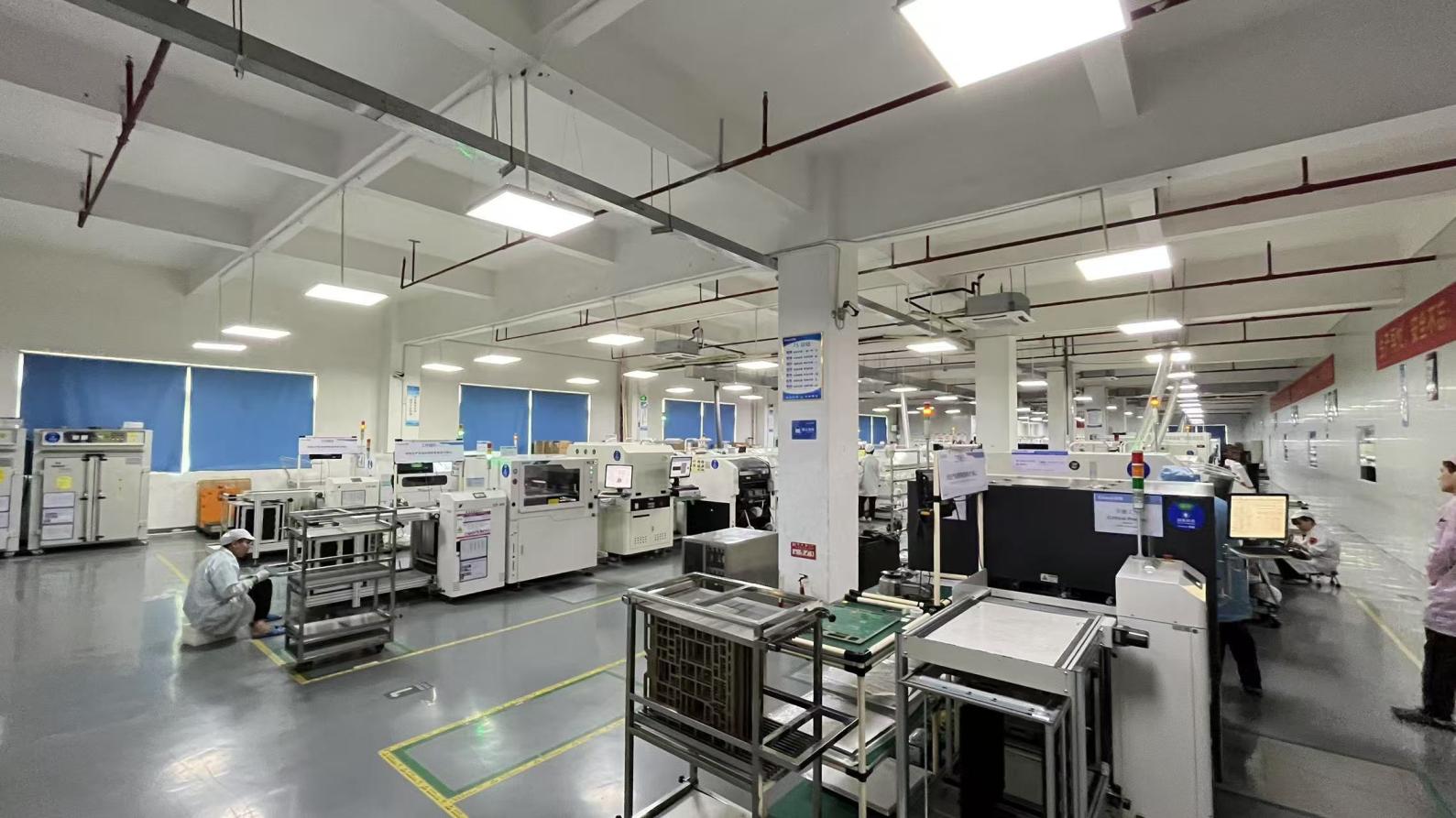
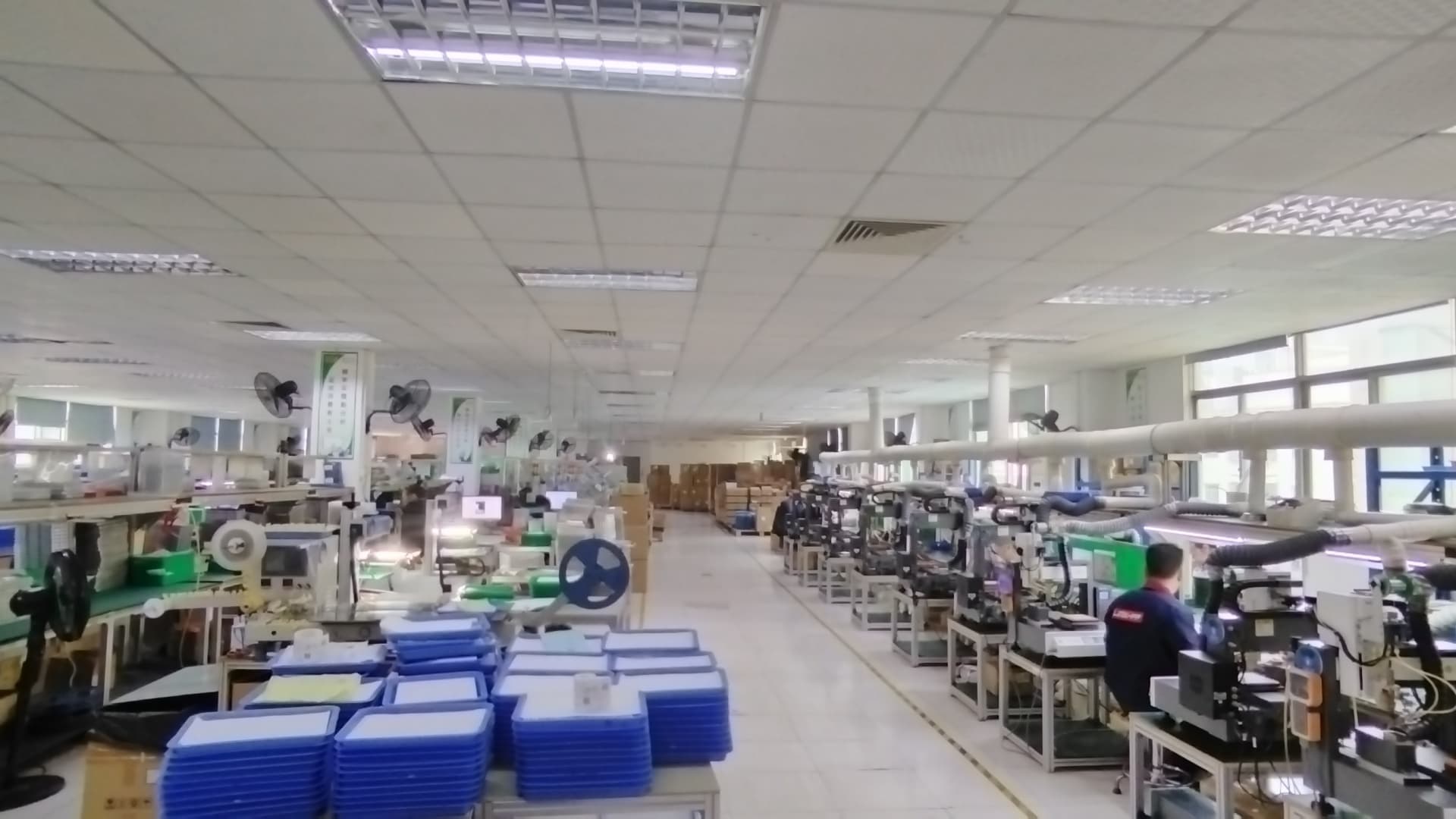
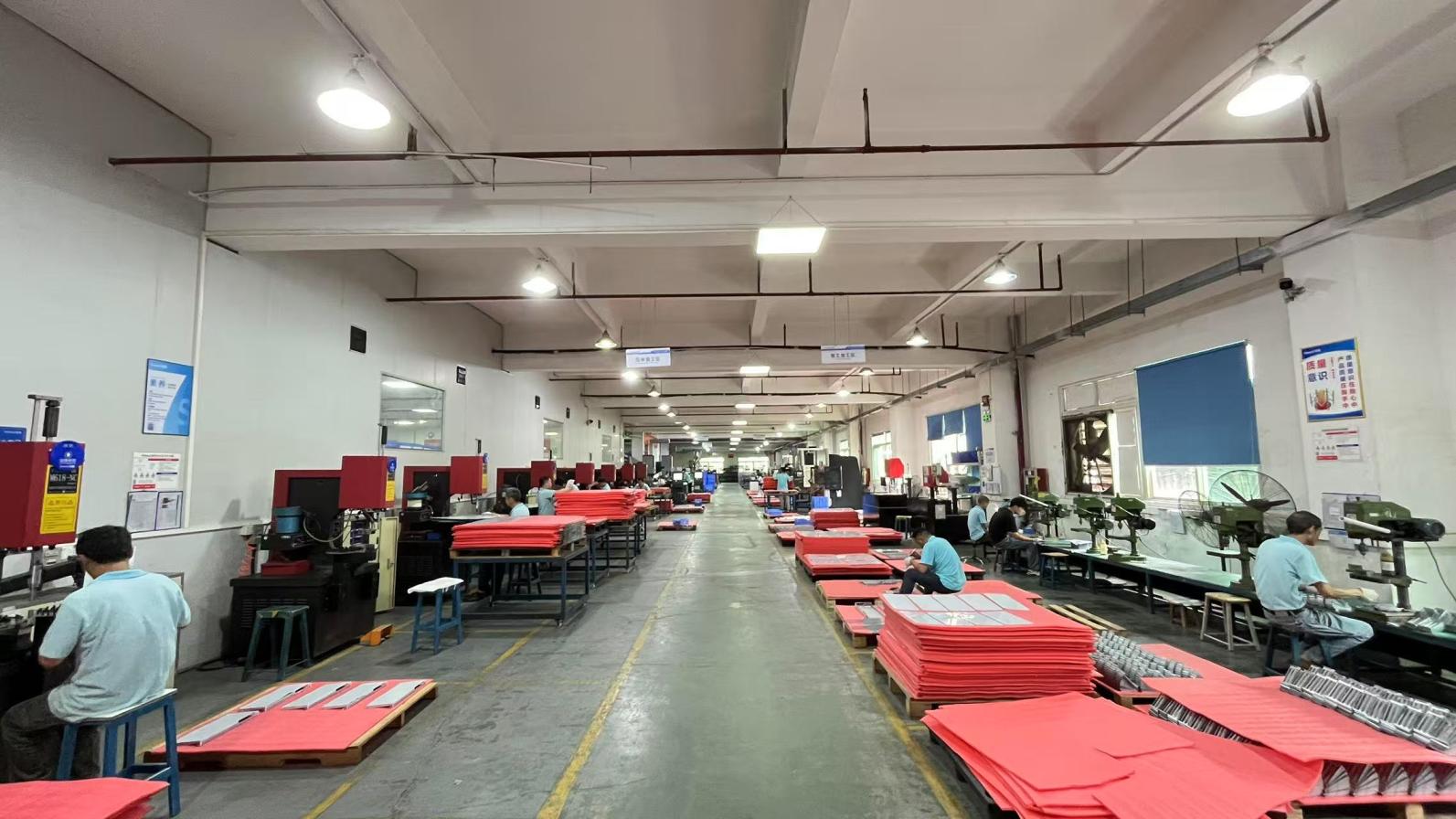
FiberNova operates as a manufacturer specializing in high-speed optical transceivers, while also acting as an engineering partner in China's advanced electronics cluster. Supported by a robust supply chain ecosystem consisting of more than 1,200 partners, FiberNova manages the sourcing, integration, and performance validation of copper-to-fiber physical layer configurations, including specialized RJ45 connectors, SFP+ cages, and magnetics.
At our facilities, quality control starts at the material stage. We verify the chemical composition of raw copper, evaluate plastic housing materials under high temperatures, and perform mechanical wear tests. This level of quality management allows us to support customization services, including custom wavelength tuning, multi-protocol EEPROM coding, customized casing configurations, and specialized private label packaging. Our agile engineering department introduced over 120 new products last year, showing our capability to keep pace with changing network standards.




How specialized physical layer interfaces perform under diverse operating conditions.
Modern data centers combine fiber-optic backbones with copper patch connections. SFP+ cages and copper transceivers are used inside server racks to handle high-density top-of-rack (ToR) switching. High-spec RJ45 components ensure these short-reach interconnections maintain low latency and low power consumption.
On the factory floor, EMI from heavy machinery, motors, and high-voltage cables can disrupt network signals. Shielded Jumbo RJ45 connectors with integrated magnetics help suppress ambient electrical noise, protecting delicate Ethernet packet transmissions in industrial PC panels and PLC systems.
Distributed edge servers and outdoor telecommunication nodes face thermal expansion and contraction. Utilizing RJ45 connectors built with temperature-stable plastics and gold-plated terminals prevents contact resistance changes, maintaining network uptime under outdoor environmental stress.
Addressing core technical questions from design engineers, network specialists, and procurement teams.
Integrated magnetics (or Magjacks) pack the isolation transformer, common mode chokes, and electrostatic discharge (ESD) resistors directly inside the metal shielding of the connector. This layout shortens the signal paths on the motherboard, lowers electromagnetic noise (EMI), and saves valuable PCB space.
Standard connectors use flash gold plating, which can wear off after few mating cycles. Professional telecom-grade connectors use 30μ" to 50μ" thick gold plating over nickel. This thickness prevents oxidization, ensures low contact resistance, and supports up to 750 or more mating cycles.
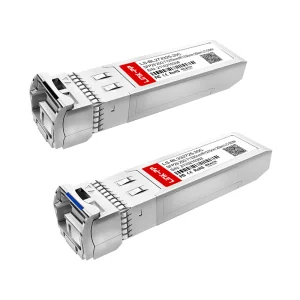
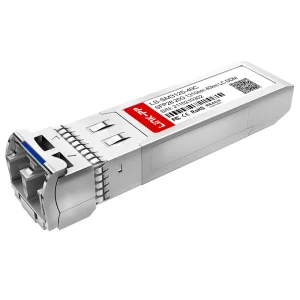
Yes, hot-pluggable SFP+ to RJ45 copper transceivers convert electrical signals into compatibility layers that fit optical ports. These copper transceivers allow network administrators to run copper patch cords from standard optical switch ports up to 30 meters on Cat6A/7/8 cables.
We carry out testing routines including eye-diagram analysis, Insertion Loss, Return Loss, Near-End Crosstalk (NEXT), Far-End Crosstalk (FEXT), thermal shock chamber cycling, and salt-spray testing to confirm shielding resistance against environmental wear.
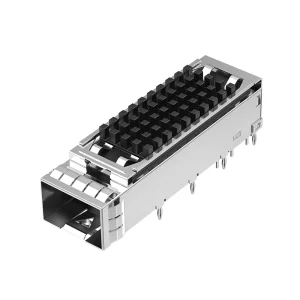
Explore specialized PCB jacks, discrete transformers, and SFP+ cages designed for high-density networking infrastructure.
 FiberNova