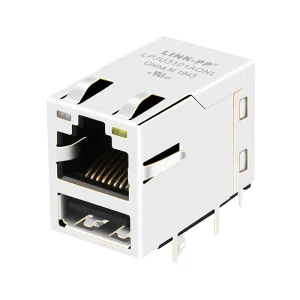
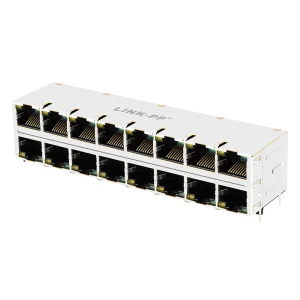
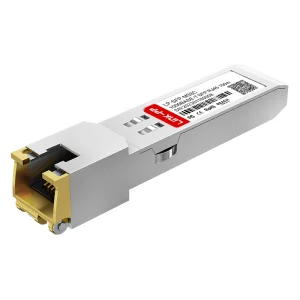
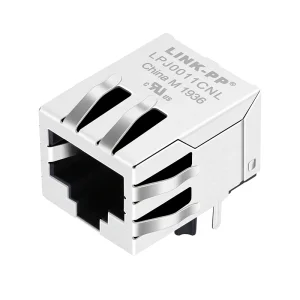
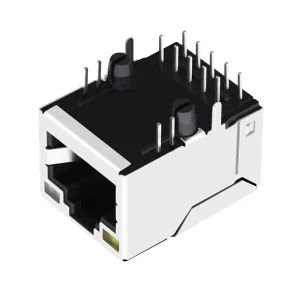
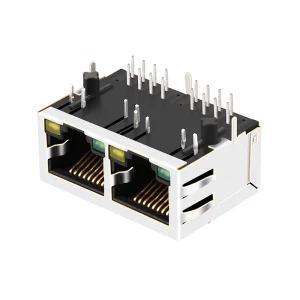
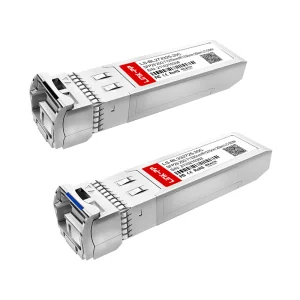
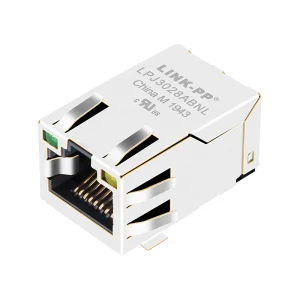
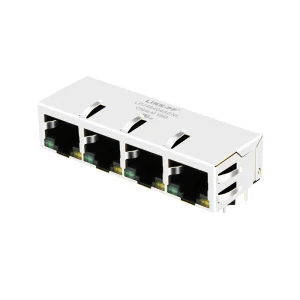
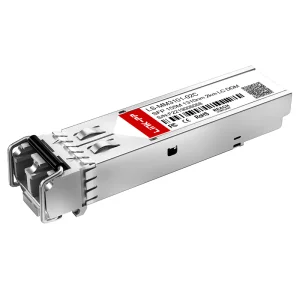
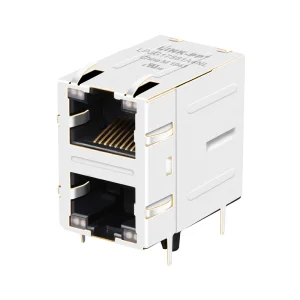
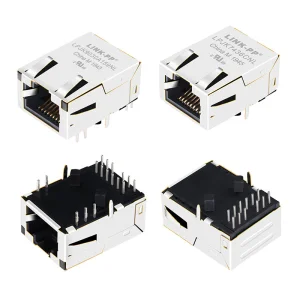
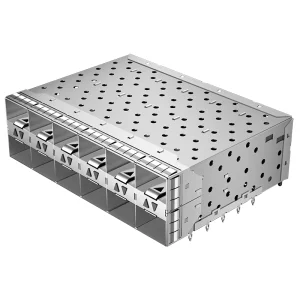
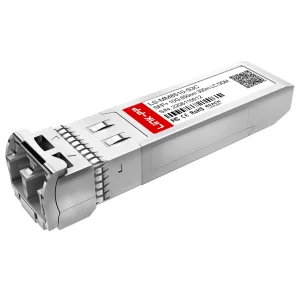
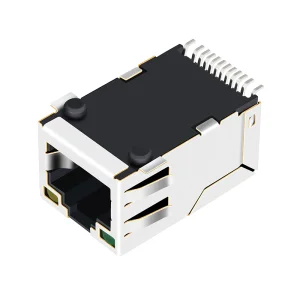
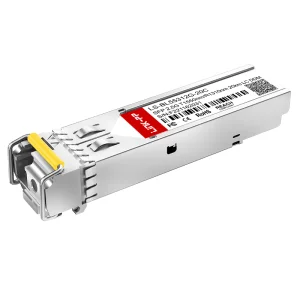
High-performance optical transceivers, shielded RJ45 modules, and magnetics integrated for telecommunication hubs and edge computing sites.
The structured cabling framework serves as the nervous system of modern commercial enterprise architecture, high-density computing topologies, and smart industrial automation units. At the terminal entry points of these networks lies the humble yet critical RJ45 faceplate. It functions as the key physical interface protecting, aligning, and mounting signal delivery terminals.
Global architectural standards demand rigid compliance profiles depending on the regional domain. Sourcing teams must navigate regional form factors, flame retardant safety standards, and shielding architectures:
A summary of mechanical and environment certifications expected when sourcing industrial-grade RJ45 faceplates and wallbox outlets.
| Region | Standard Dimensions | Primary Certification |
|---|---|---|
| North America | 114.3mm × 69.8mm (Single-Gang) | UL 1863, ANSI/TIA-568 |
| Europe / UK | 86mm × 86mm (BS 5733 / French 45x45) | CE, RoHS, IEC 60603-7 |
| Asia Pacific | 86mm × 86mm / 120mm × 120mm | GB50311, CCC, RoHS |
FiberNova Optical Communication Tech Co., Ltd. builds the high-capacity active and passive foundations that power worldwide enterprise datalinks.
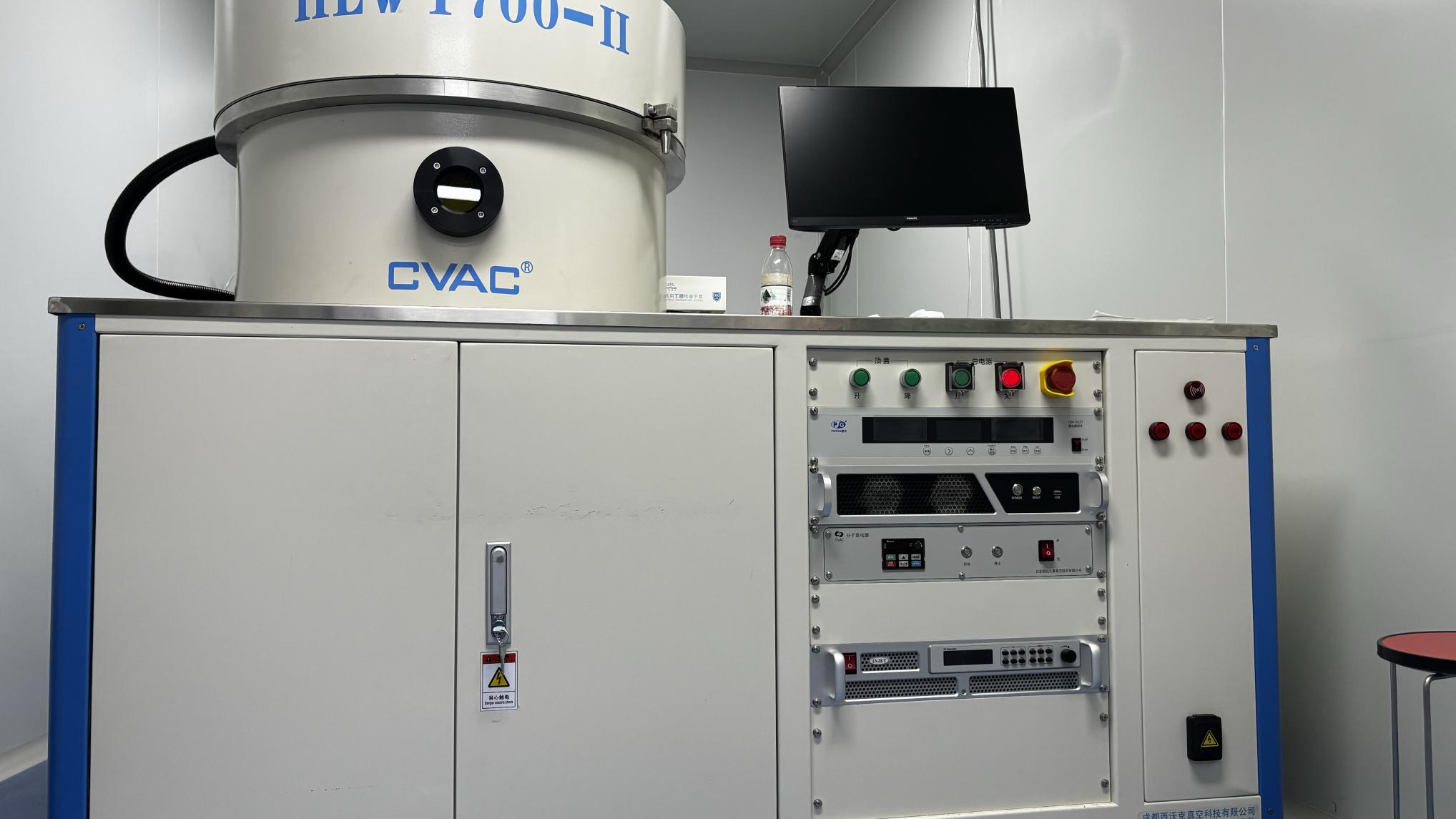
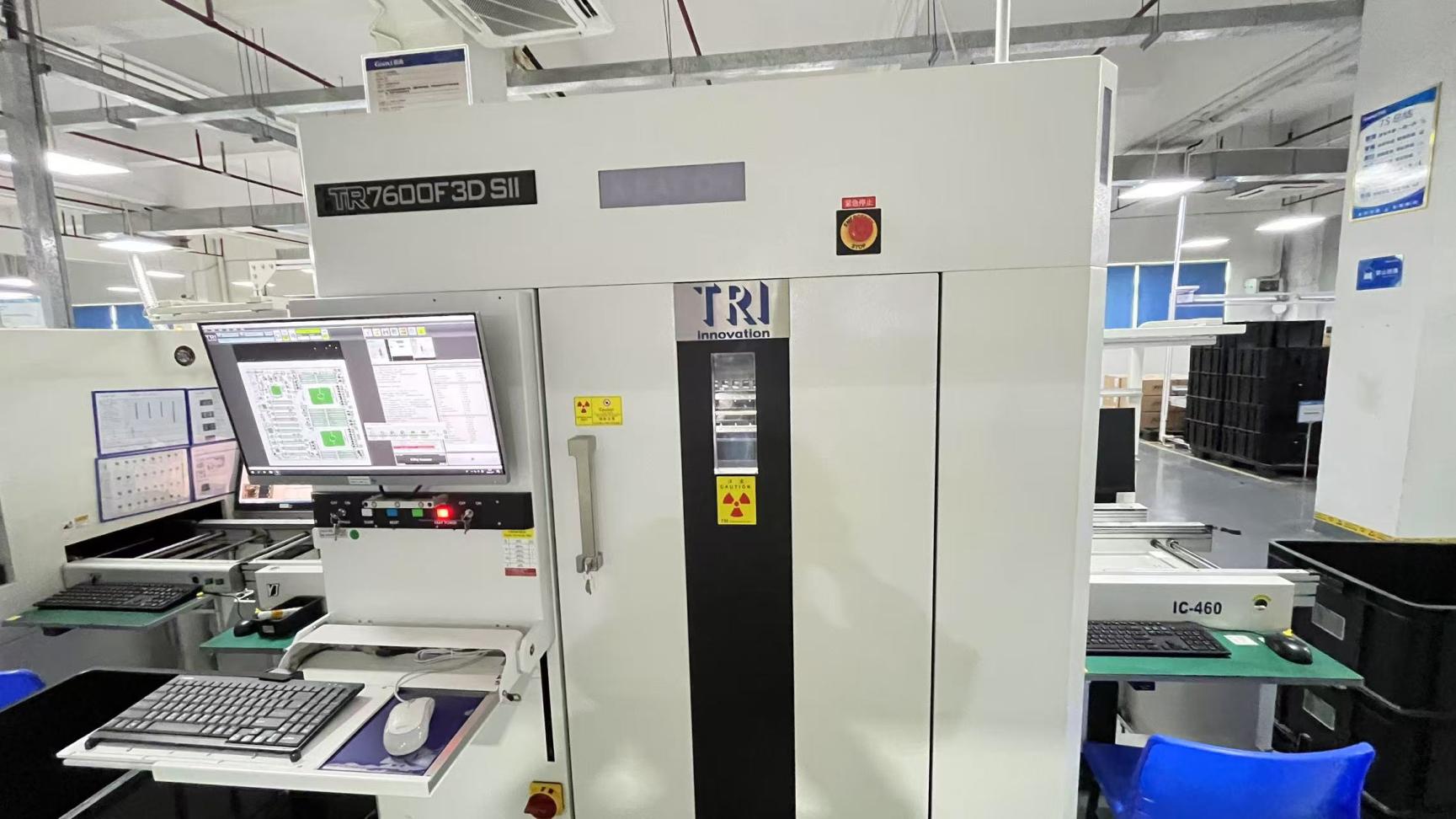
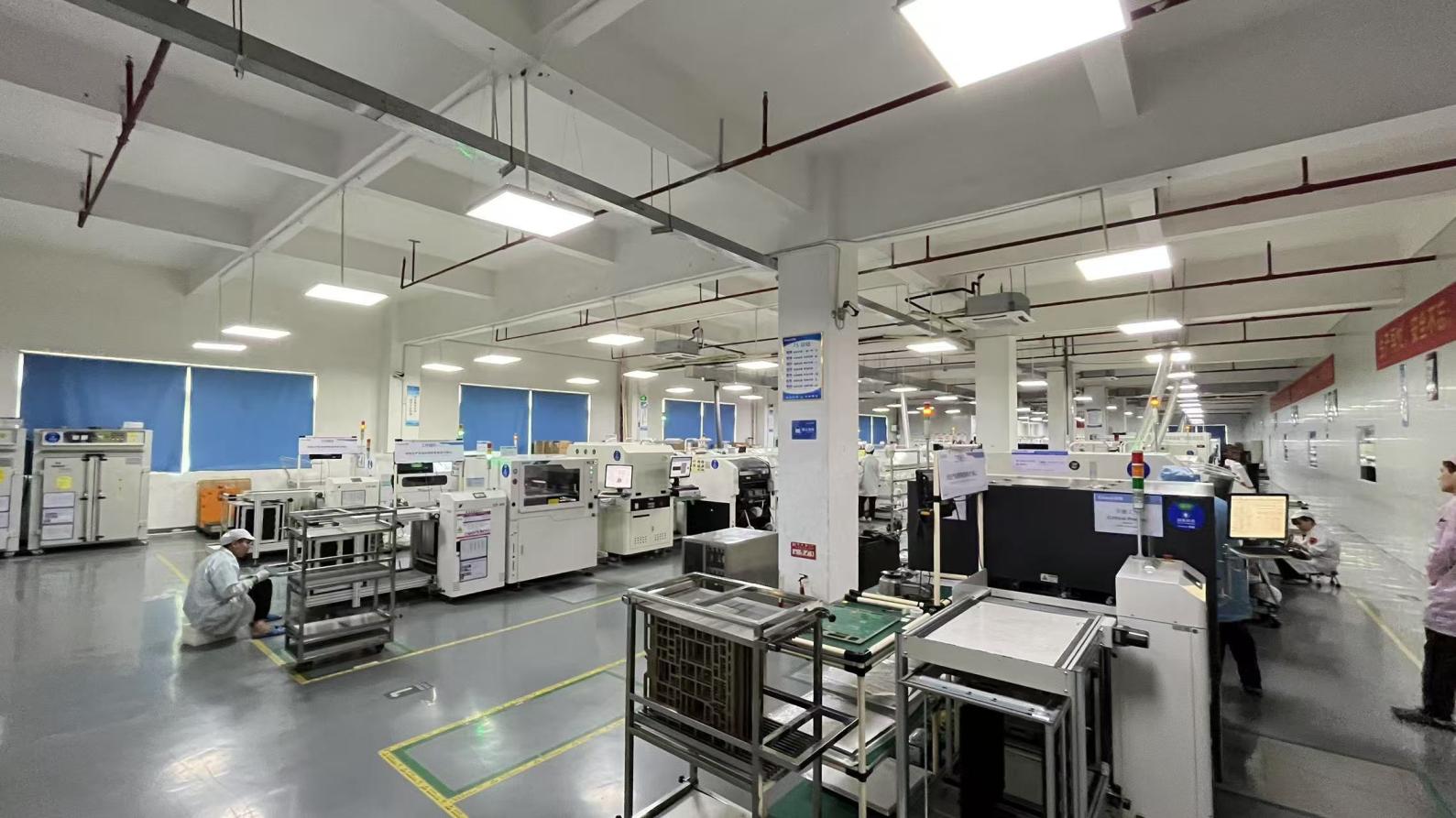
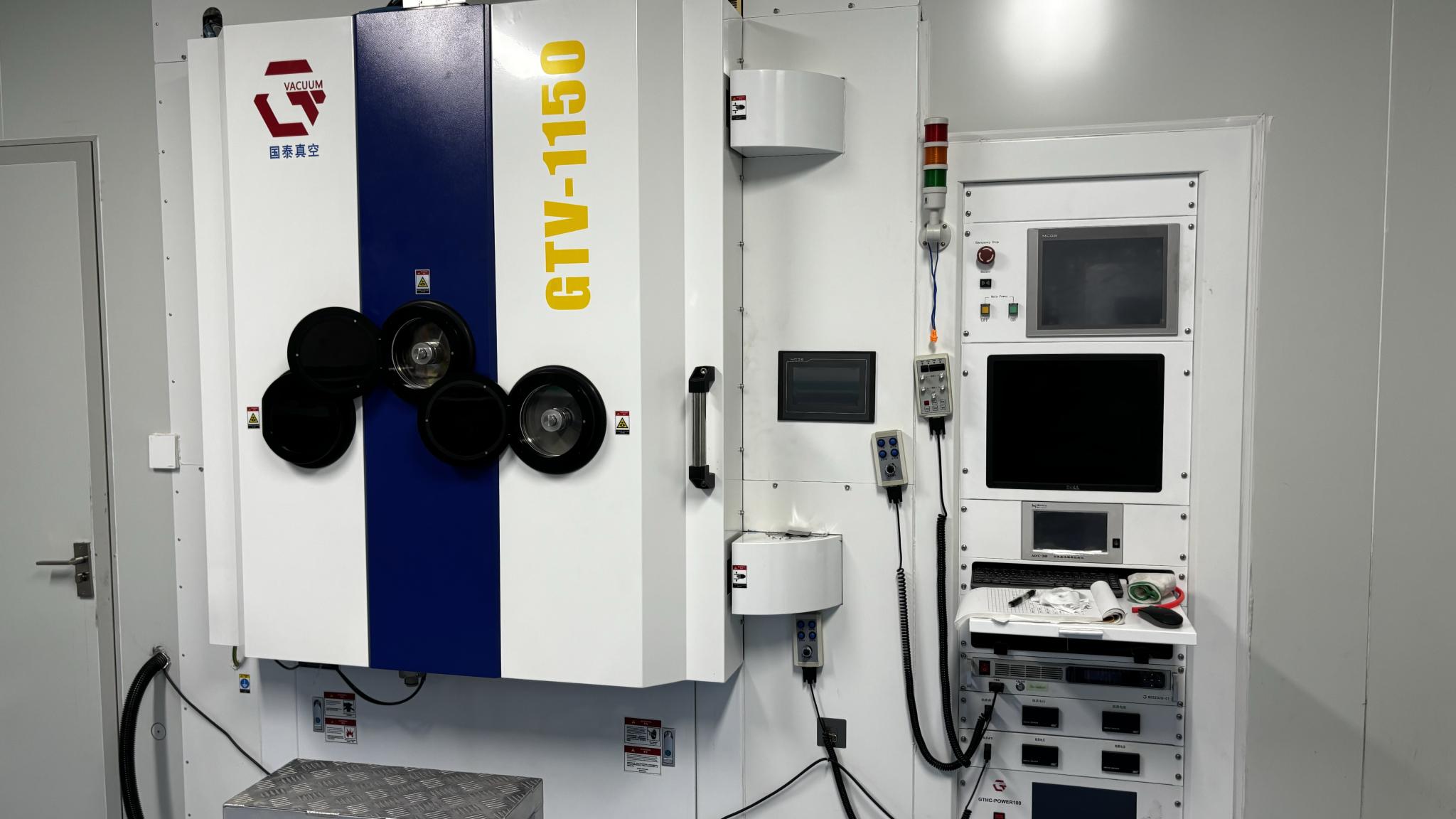
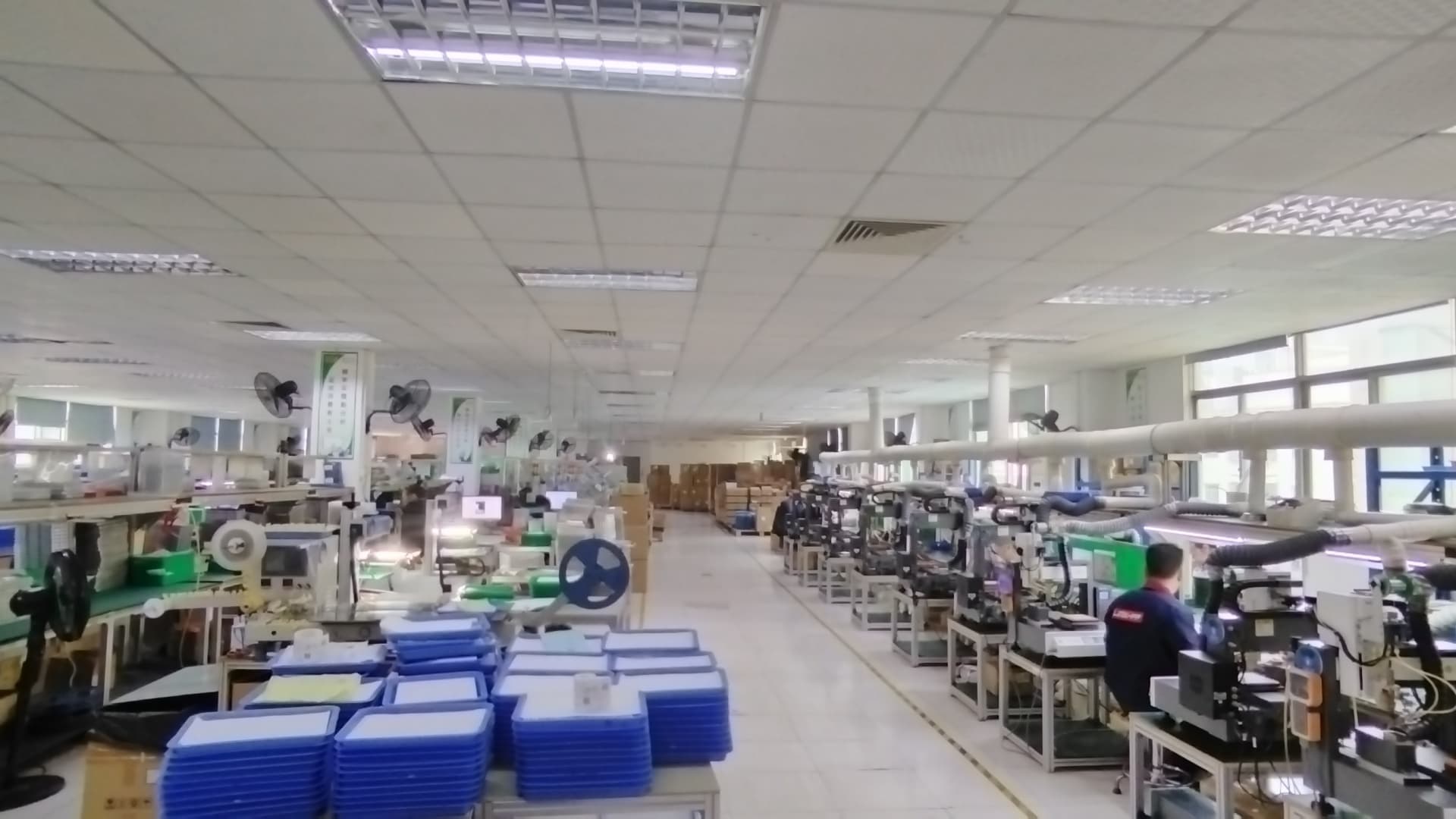
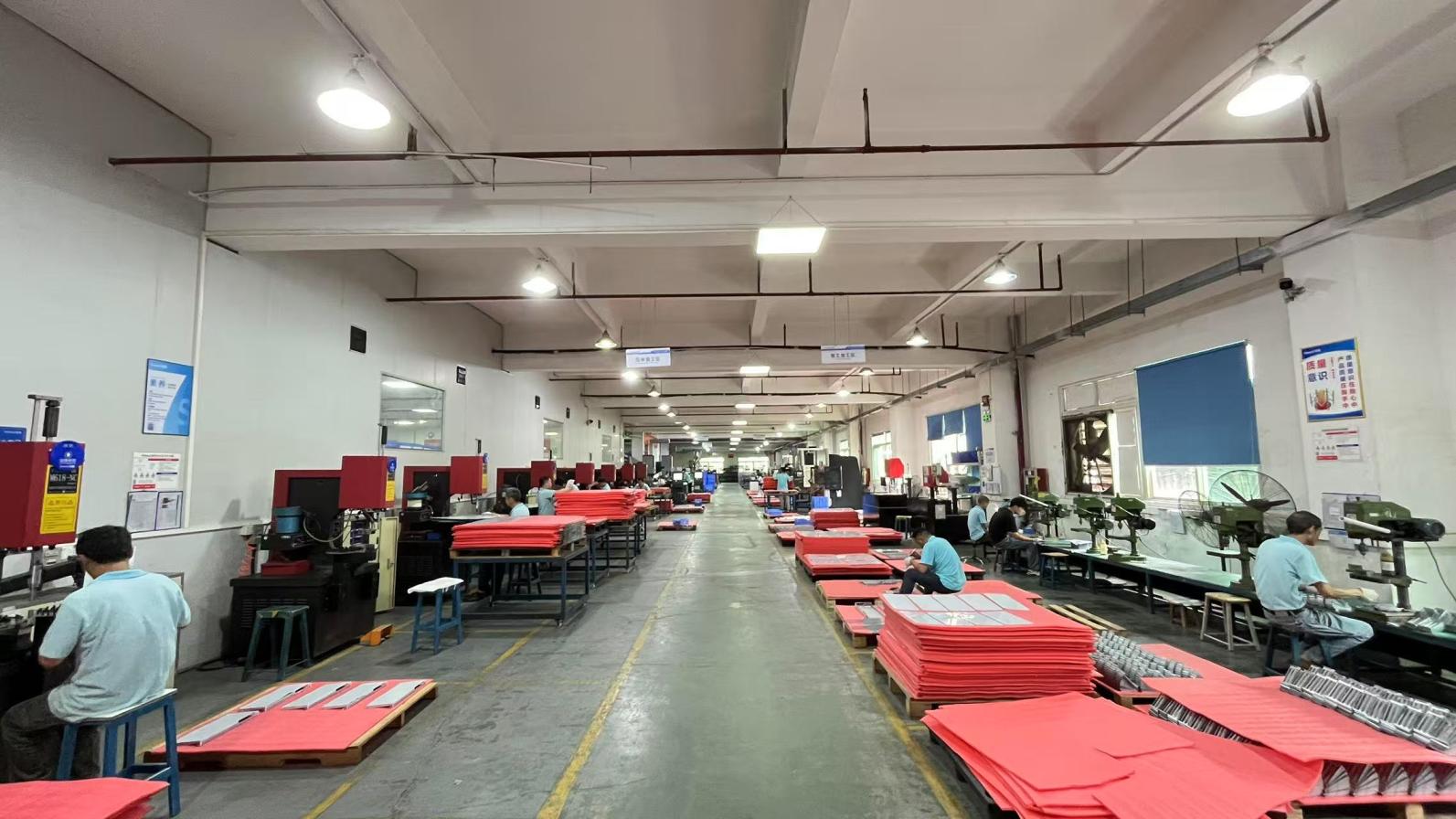
FiberNova Optical Communication Tech Co., Ltd. (FiberNovaTransceivers.com) is a professional optical transceiver manufacturer established in 2016, with a modern production facility covering approximately 380㎡. The company focuses on high-speed optical communication solutions, serving global data center and telecom customers with stable, high-performance products.
With over 6 years of export experience and 12 years of industry expertise, FiberNova has developed strong capabilities in R&D, manufacturing, and international trade. The company achieves an annual export revenue of approximately USD 8–15 million, supplying customers across North America, Europe, Southeast Asia, and the Middle East.
FiberNova operates with a strict quality control system, including 100% optical performance testing, temperature cycling tests, and signal integrity inspection before shipment. The quality assurance team consists of around 45 professional QC staff, ensuring every transceiver meets international standards such as IEEE and MSA compatibility requirements.
The company maintains a solid trade background with experienced export teams handling OEM and ODM projects worldwide. Its main markets include the United States, Germany, Japan, South Korea, and the United Arab Emirates. FiberNova has established long-term partnerships with more than 1,200 supply chain partners, enabling stable procurement of chips, lasers, and optical components.
FiberNova serves a wide range of clients, including telecom operators, cloud service providers, data center integrators, and network equipment distributors. The company has strong R&D capabilities, supported by 65 engineers, focusing on high-speed transmission technologies such as 10G, 25G, 100G, 400G, and 800G optical modules.
Customization is fully supported, including wavelength tuning, protocol compatibility, housing design, and labeling services. In the past year, FiberNova launched approximately 120 new products, continuously expanding its portfolio to meet fast-changing market demands.

Understanding the structural differences that impact data performance, signal interference, and installation longevity.
Spring-loaded dust shutters automatically protect the interior contacts of keystone jacks when patch cords are disconnected. Sourcing shuttered models reduces packet loss caused by contaminants in industrial environments.
Angled outlets deflect patch cords downward. This significantly reduces the bend radius requirement within shallow wall cavities, ensuring Cat6A and Cat8 cables do not exceed physical strain thresholds, maintaining optimal impedance.
For installations utilizing Shielded Twisted Pair (STP) lines, metallic grounding bars and contact plates must route electrical noise from the keystone shielding to the building's main technical earth path through the metal wallbox.
| Feature Spec | Commercial Grade (ABS) | Industrial Grade (PC/Polycarbonate) | Enterprise Datacenter (Metal Alloys) |
|---|---|---|---|
| Tensile Strength | Medium (30-40 MPa) | High (60-70 MPa) | Extreme (Cast Zinc Alloy) |
| Flame Retardancy | UL 94V-2 Standard | UL 94V-0 Certified (Self-Extinguishing) | Non-combustible |
| Operating Temp | -10°C to +60°C | -40°C to +85°C | -40°C to +125°C |
| UV Resistance | None (prone to yellowing) | UV Stabilized (ISO 4892-2) | Inherent (Metallic) |
From local offices to deep-sea fiber terminations, the structural design of network points must match the operational stress of their environment.
Modern commercial workspaces require structured cabling channels that consolidate diverse media formats. The evolution from simple Cat5e networks to Cat6A and Cat8 has driven the need for hybrid wall plates. These units combine HDMI, LC Duplex fiber adapters, and RJ45 Ethernet ports into a single faceplate.
In locations like the UK and European offices, modular systems based on the Euro Module system (25mm x 50mm) or French standard Système 45 allow IT managers to snap in required configurations on-site. This approach reduces inventory overhead for large construction projects.
On manufacturing floors, food processing facilities, and outdoor staging areas, standard commercial faceplates fail due to moisture, chemical exposure, and dust. Here, industrial plants use IP67 or IP68 rated faceplates.
These specialized solutions feature gasketed sealing rings, screw-on protective caps, and rugged outer casings that shield internal connection blocks from high-pressure washdowns, corrosive gases, and severe vibration.
In small edge computing shelters and telecommunication rooms, wall and rack space is limited. High-density faceplates allow up to 4 RJ45 keystones in a single-gang plate, or up to 48 ports in a 1U patch panel.
Using these high-density options requires precise cable routing behind the plate to prevent internal crosstalk and mechanical stress on the wire insulation.
As corporate campuses adopt high-bandwidth applications, they are replacing horizontal copper runs with optical fiber. Modern FTTD faceplates house SC simplex or LC duplex couplers alongside a standard RJ45 port for PoE devices. This setup provides a clean path for fiber patch cords and keeps transceiver modules protected inside the wallbox.
How next-generation networking protocols and physical requirements are shifting the design parameters of local connection outlets.
High-frequency Category 8 cabling (up to 2000 MHz) demands specialized shielding inside the wallbox. Next-generation faceplates include integrated metal back-shells to block internal crosstalk.
High-power PoE (up to 90W) generates heat in cable bundles. Modern faceplate back-boxes are designed with ventilation slots and thermal-resistant plastics to help dissipate heat from active terminations.
To meet corporate sustainability initiatives, global manufacturers are shifting to bio-based polycarbonates and recycled ocean plastics that match traditional flame-retardant performance.
When vetting potential global suppliers and OEM factories, procurement teams should evaluate these core capabilities:
High-quality manufacturers invest in high-tolerance steel injection molds. Vette factories by checking snap-fit tolerances; the keystone jack should lock securely into the plate without shifting or sagging.
Request UL yellow cards and compliance reports for RoHS, REACH, and UL 94V-0 flame retardancy. Reputable factories use 100% virgin resin, avoiding recycled scraps that yellow or turn brittle over time.
Choose manufacturers with in-house labs for mechanical cycle testing, impact resistance testing, and environmental chamber cycling to simulate long-term field conditions.
Answers to technical and sourcing questions about RJ45 faceplate design and installation requirements.
A: The main differences are mounting dimensions and modular designs. US faceplates typically use a rectangular single-gang design (114.3mm x 69.8mm) with direct keystone openings. UK faceplates use a square 86mm x 86mm layout with drop-in modules (25mm x 50mm). European versions often feature 45mm x 45mm internal dimensions or round wallbox mounts.
A: Angled faceplates are recommended for high-performance copper runs like Cat6A and Cat8, especially in shallow wall cavities. They angle patch cables down, which helps maintain the required bend radius and reduces strain on the cable connection.
A: UL 94V-0 compliance ensures the faceplate plastic self-extinguishes within 10 seconds of contact with an open flame and does not release flaming drips. This is a critical requirement for commercial and industrial buildings to limit the spread of fire through wall cavities.
A: Shielded faceplate assemblies feature internal metallic sub-frames or grounding bars. These paths connect the keystone jack's metal shield to the building's ground system via the metal outlet box, helping drain electromagnetic interference (EMI).
A: Yes. Many modern modular faceplates support SC Simplex or LC Duplex couplers alongside standard copper RJ45 jacks, providing a consolidated solution for FTTD (Fiber-to-the-Desk) networks.
A: Yes. Modern modular inserts allow for high-density setups, placing up to 4 RJ45 ports in a standard single-gang wall plate. This requires careful wire dress and deep back-boxes to manage cable bend radii inside the wall.
High-speed transceivers, multi-port connectors, and shielded network jacks for backplane and datacenter routing infrastructure.
 FiberNova