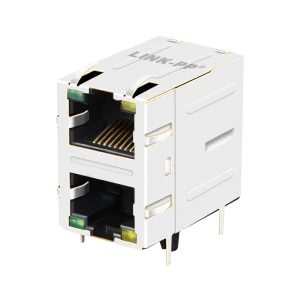
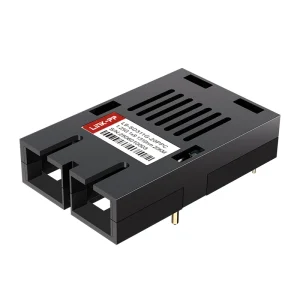
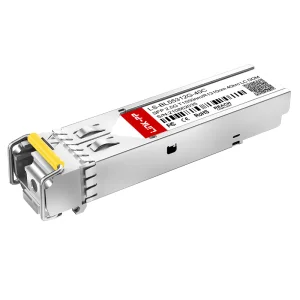
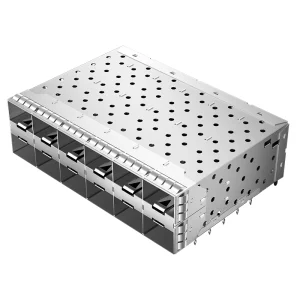
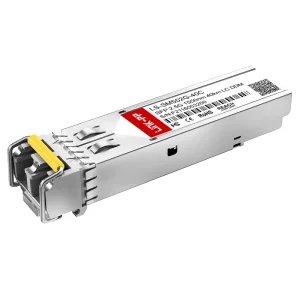
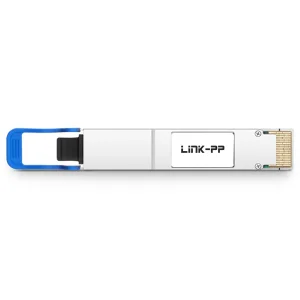
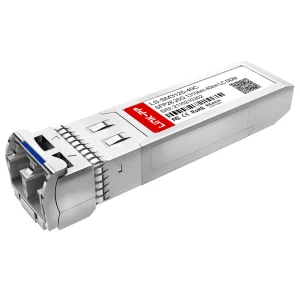
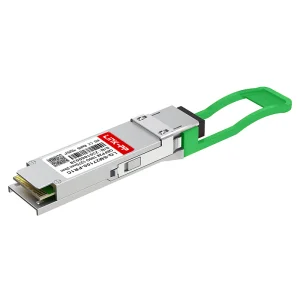
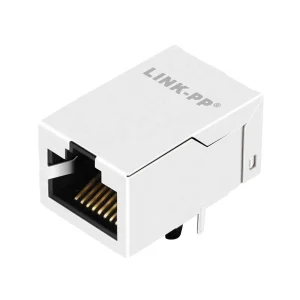
Explore our industrial-grade transceivers, RJ45 modular jacks, and shielding accessories optimized for modern hyperscale computing and telecommunications nodes.
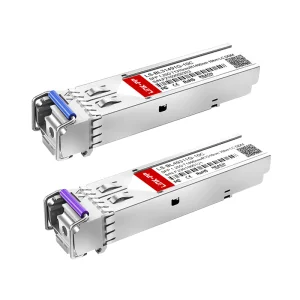
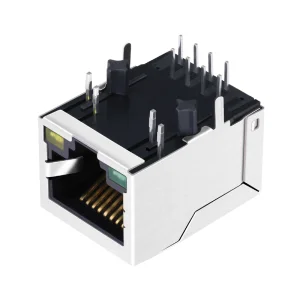
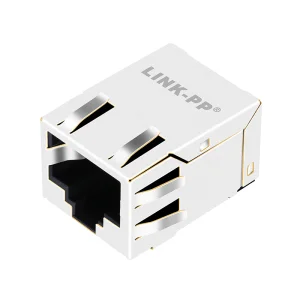
The global demand for high-capacity Ethernet networks has driven the humble RJ45 bridge connector from a standard LAN component to a critical element in high-speed datacenters, smart buildings, and automated industrial plants. Acting as a physical bridge between complex routing boards, magnetics, and external patch cables, the modern RJ45 bridge connector dictates signal integrity, EMI mitigation, and durability in harsh operational environments.
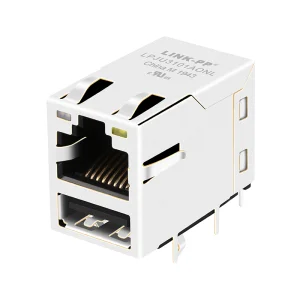
Whether utilized in Multi-port Magjacks, SFP cages, or localized power-over-Ethernet (PoE) modules, these connectors facilitate optimal throughput for 10/100 Base-T and gigabit speeds up to 10G. Key segments driving growth include:
For network architects, selecting a reliable RJ45 or optical transceiver vendor is a matter of minimizing Insertion Loss (IL) and maximizing Return Loss (RL). Minor flaws in standard modular jacks yield crosstalk (NEXT/FEXT) that degrades 100-meter transmission lines, making manufacturing precision a non-negotiable metric.
Identifying the top factories requires understanding how the supply chain is structured. The global leading factories are audited based on automated compliance matrices, MSA (Multi-Source Agreement) adherence, and comprehensive quality control parameters.
| Evaluation Parameter | Industry Standard (Base) | Elite Factory Capabilities (FiberNova Standard) | Impact on Procurement |
|---|---|---|---|
| Automation Rate | 60% - 70% manual or semi-auto | >95% Automated SMT & Press-Fit Assemblies | Eliminates manual alignment errors, reduces RMA rates. |
| Testing Protocols | Sample batch testing | 100% Optical Performance & Temperature Cycling | Guarantees 0-defect plug-and-play in mission-critical networks. |
| R&D Turnaround | 3 - 6 months | Continuous R&D with 65+ specialized engineers | Rapid adaptation to custom wavelengths, SFP formats. |
| Compliance | RoHS / CE standard | ISO9001, MSA Compliant, IEEE Standards Compliance | Ensures universal hardware interchangeability with Cisco, HW, Juniper. |
Pro Tip for Global Buyers:
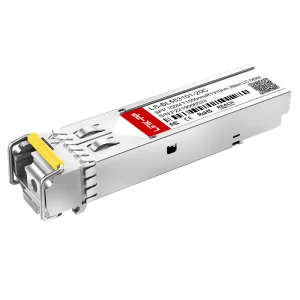
Ensure that your factory partner offers full MSA (Multi-Source Agreement) compliance. This guarantees that passive components (like TE-compatible cages) and active modules (like 25G/100G transceivers) remain fully hot-swappable across heterogeneous equipment environments from Cisco, Juniper, and Huawei.
As a leading name in high-speed optical communications and ruggedized network interconnects, FiberNova Optical Communication Tech Co., Ltd. (FiberNovaTransceivers.com) represents the pinnacle of modern Chinese manufacturing efficiency combined with rigorous international standards.
Operating a modern production facility designed for scalability, FiberNova maintains a footprint tailored for agile manufacturing. With over 6 years of direct export experience, the company caters to strict enterprise networks across the United States, Germany, Japan, South Korea, and the UAE.
Every transceiver batch and RJ45 assembly undergoes 100% optical performance testing, temperature cycling tests, and signal integrity inspection. Backed by 45 professional QC staff, FiberNova achieves near-zero field failure rates, providing telecom operators and cloud providers absolute reliability.
In addition to standard products, customization remains a key differentiator. FiberNova supports wavelength tuning, custom protocol coding, proprietary housing designs, and OEM/ODM packaging. Last year alone, the company introduced 120 new products, reinforcing its position as a dynamic innovator in 10G, 25G, 100G, 400G, and 800G optical segments.
By building strategic alliances with over 1,200 supply chain partners, FiberNova secures continuous access to tier-1 chips, lasers, and precision raw components, assuring stable lead times even during global chip allocation crunches.
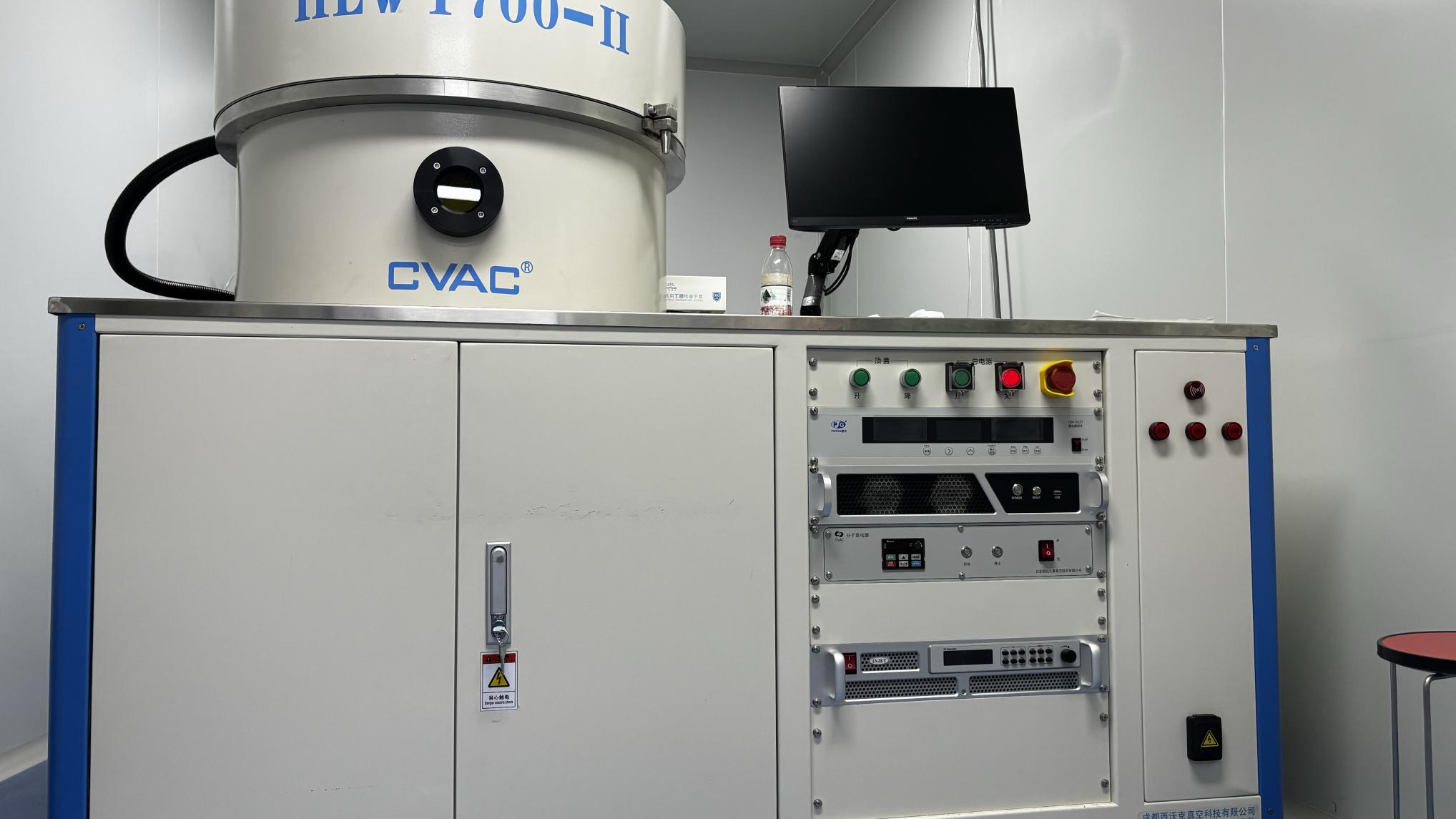
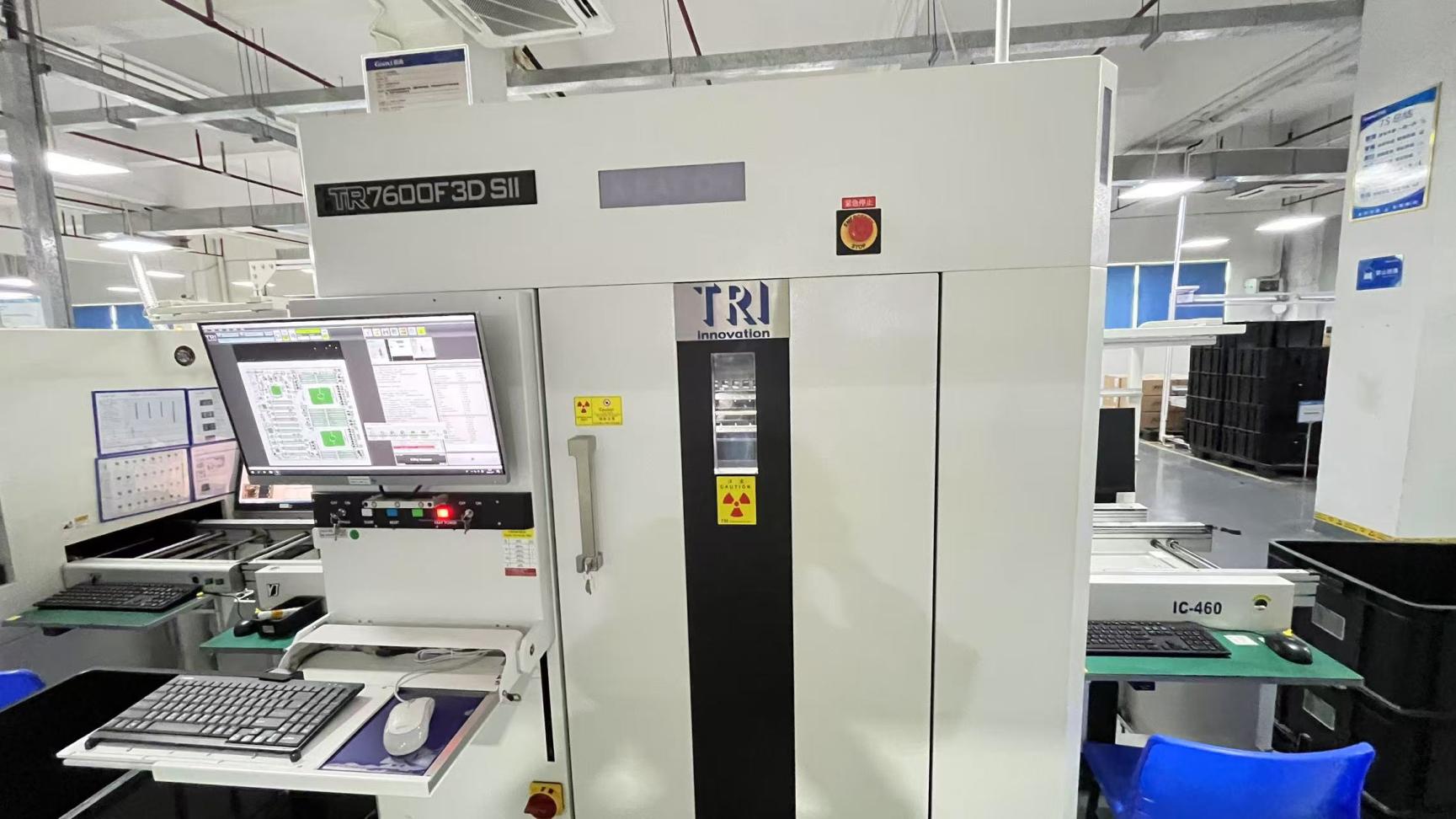
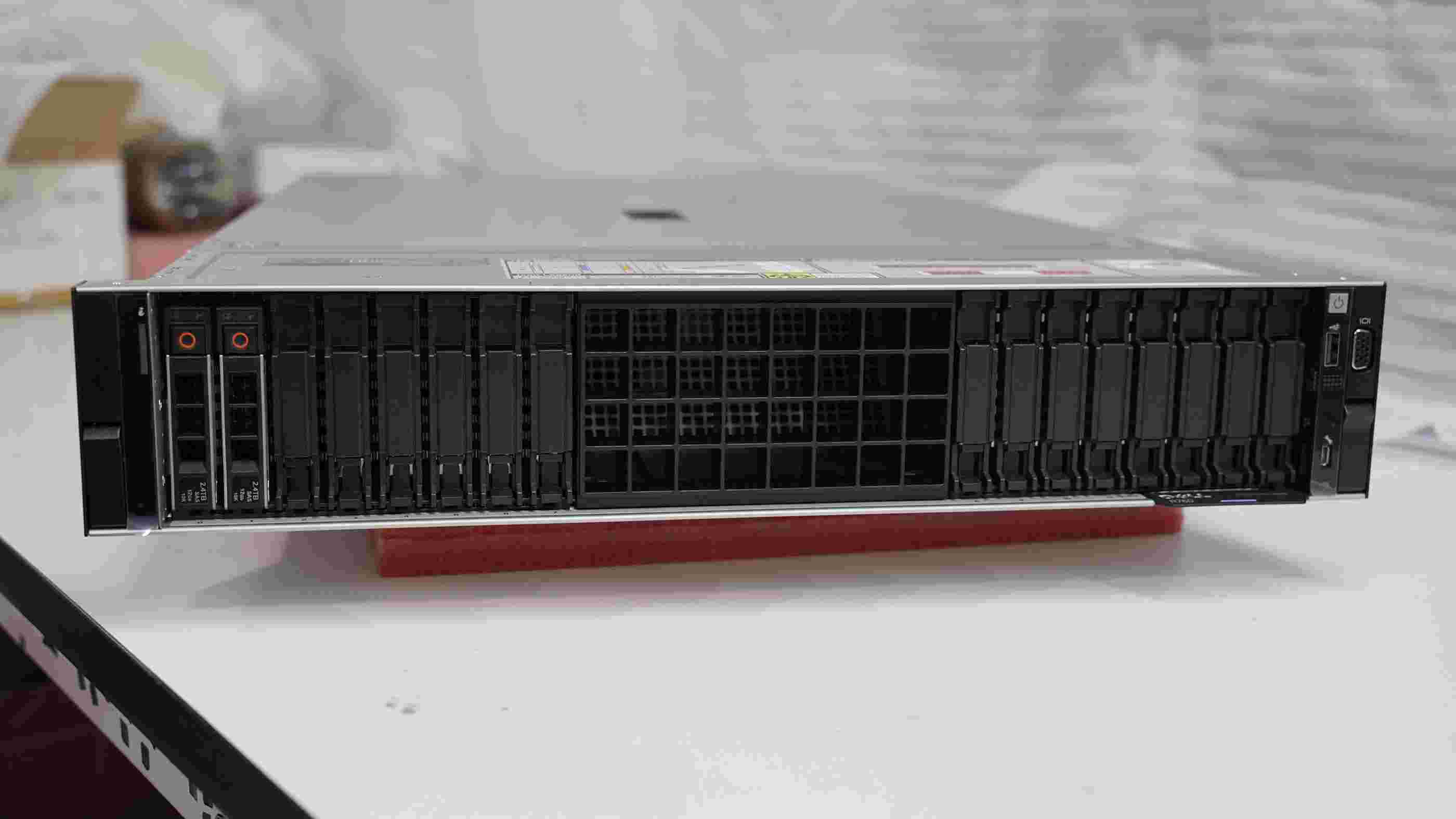
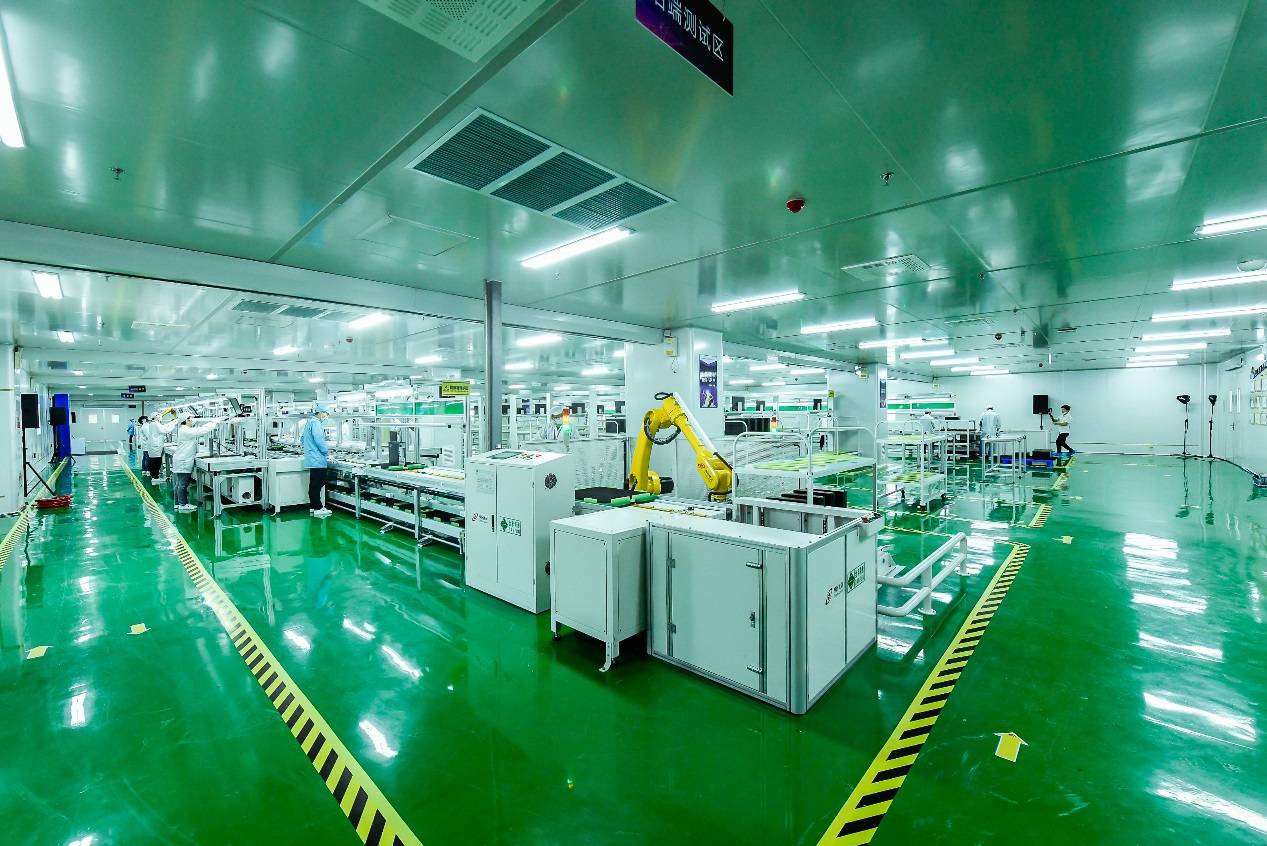
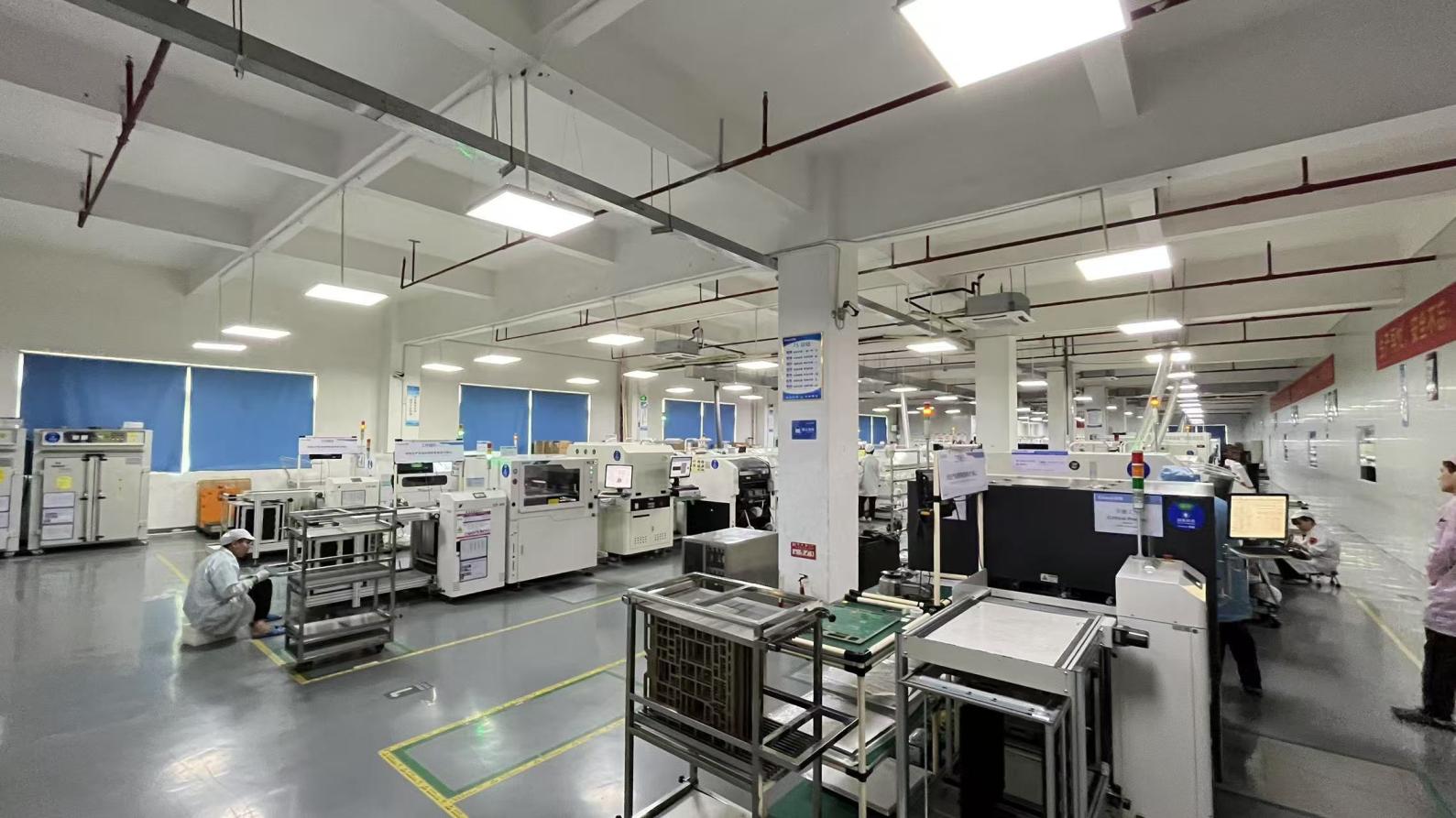
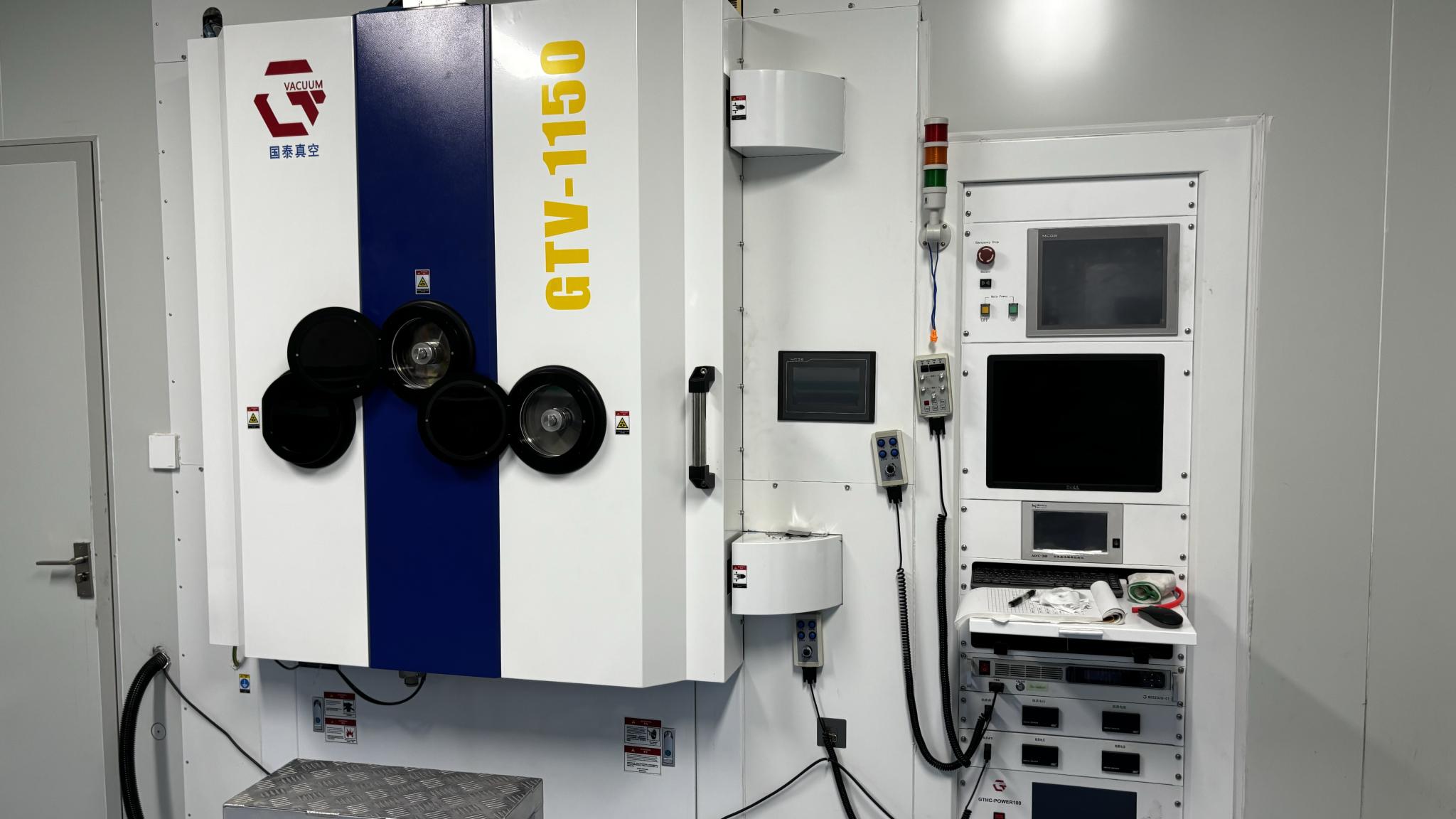
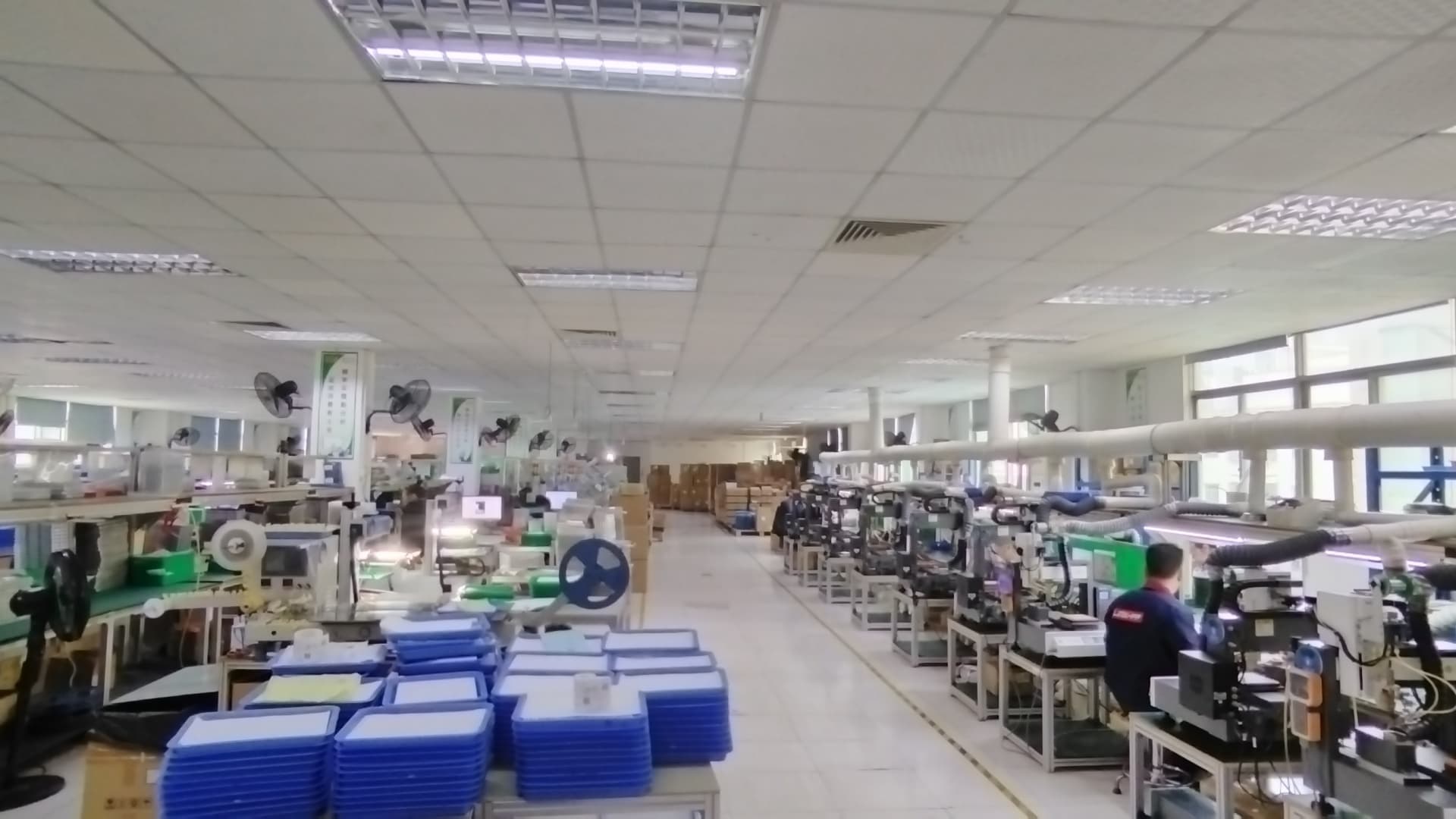
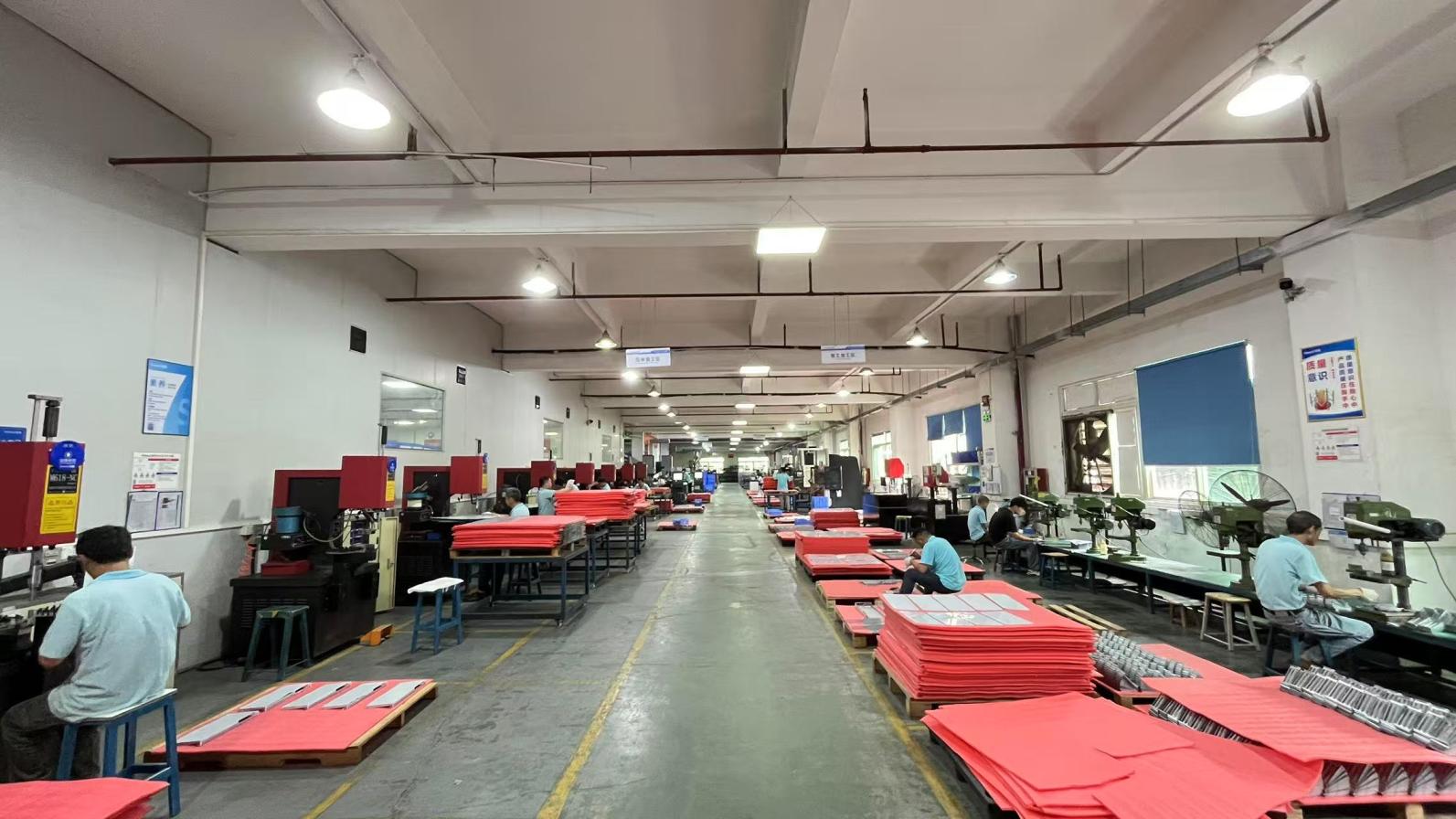
The concentration of advanced raw material suppliers, integrated copper stamping lines, and optical packaging components within China's Guangdong and neighboring technology corridors provides an unparalleled efficiency framework. For global procurement officers, this ecosystem yields distinct advantages:
Whereas localized setups in western hubs require weeks to source custom plastic housings or distinct gold-plated contacts (e.g., 30u", 50u" gold plating), Chinese hubs utilize immediate tooling networks. Prototype iterations for custom SFP cages or RJ45 modules can be verified, modified, and scaled within days.
By housing raw copper refiners, precision CNC pin stamping, magnetic core winding, and automated SMT machinery in close proximity, delays are drastically mitigated. FiberNova's ability to maintain partnerships with over 1,200 supply chain nodes is a direct result of operating within this highly unified ecosystem.
The convergence of generative AI workloads, high-frequency trading networks, and multi-tenant cloud ecosystems is pushing traditional copper boundaries. Modern network configurations require careful assessment of transition options between high-speed copper connectors and optical channels.
As transmission demands surpass 800G and scale toward 1.6T, physical silicon distances must shrink. Optic modules must plug directly into board layouts with minimal trace lengths. SFP28, QSFP28, and QSFP-DD form factors continue to serve as the dominant infrastructure layer, requiring highly stable cages to prevent cross-channel EMI.
The standard passive RJ45 is rapidly being superseded by integrated Magjacks containing transformers, LEDs, and capacitors built directly inside the metal shield. This integration saves PCB space, shields physical chips from spikes, and provides clean power delivery (PoE+) to terminal equipment.
Technical guidance and sourcing advice from our engineering team to help you make informed procurement decisions.
Review the rest of our premium inventory, spanning SMT modular jacks, multi-rate transceivers, and transformer modules engineered for modern architectures.
 FiberNova