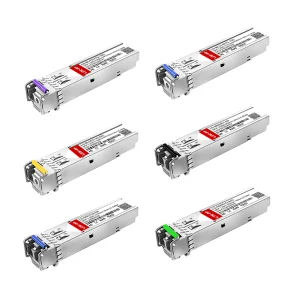
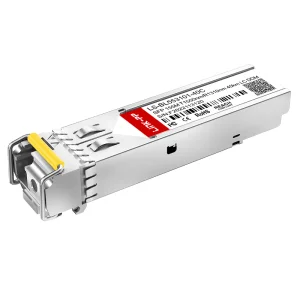
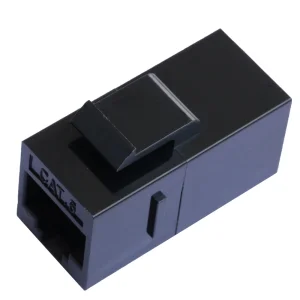
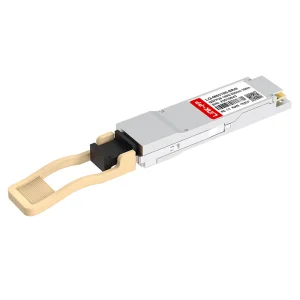
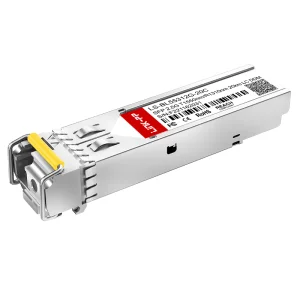
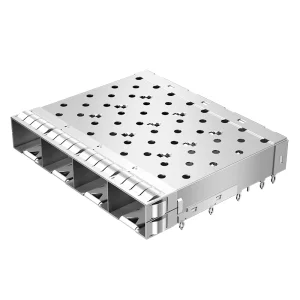
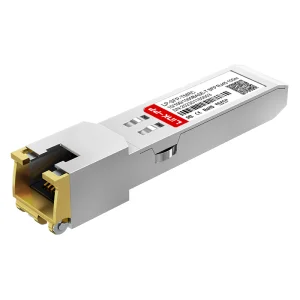
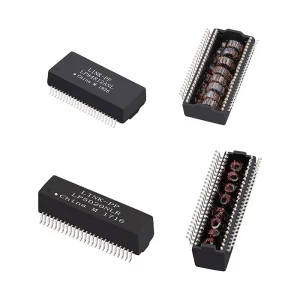
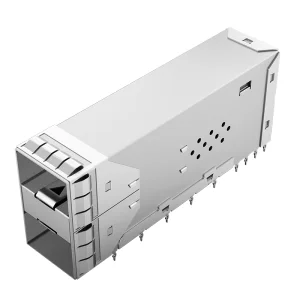
Explore our high-performance line of optical modules, magnetic connectors, and RJ45 jacks designed for next-generation network interface hardware architectures.
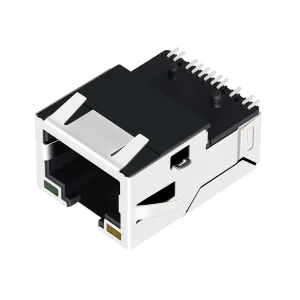
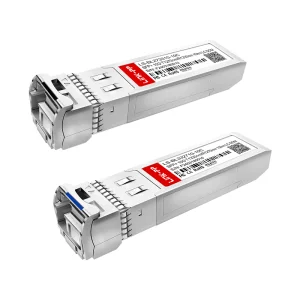
Analyzing the paradigm shift in physical layer interfaces, controllers, and localized networking solutions.
The global data infrastructure is shifting rapidly, requiring highly adaptable physical layer components and high-speed Network Interface Cards (NICs). While fiber optics dominate the core, copper RJ45 connections remain the workhorse of edge computing networks, corporate LANs, and industrial compute units. Modern RJ45 Network Interface Cards are transitioning from traditional 1Gbps architectures toward 2.5Gbps, 5Gbps, and 10Gbps Multi-Gigabit speeds (IEEE 802.3bz / 802.3an). This transition allows data centers and system integrators to upgrade bandwidth capacity without replacing existing Cat6 or Cat6A cabling infrastructure.
"Optimizing network interface architectures is no longer just about raw link speeds; it is about thermal density, signal integrity, and the physical design-in integration of magnetic components and SFP/RJ45 cages."
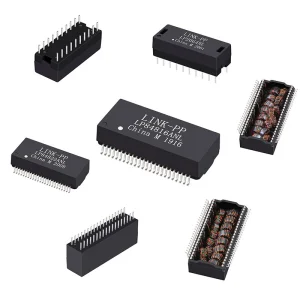
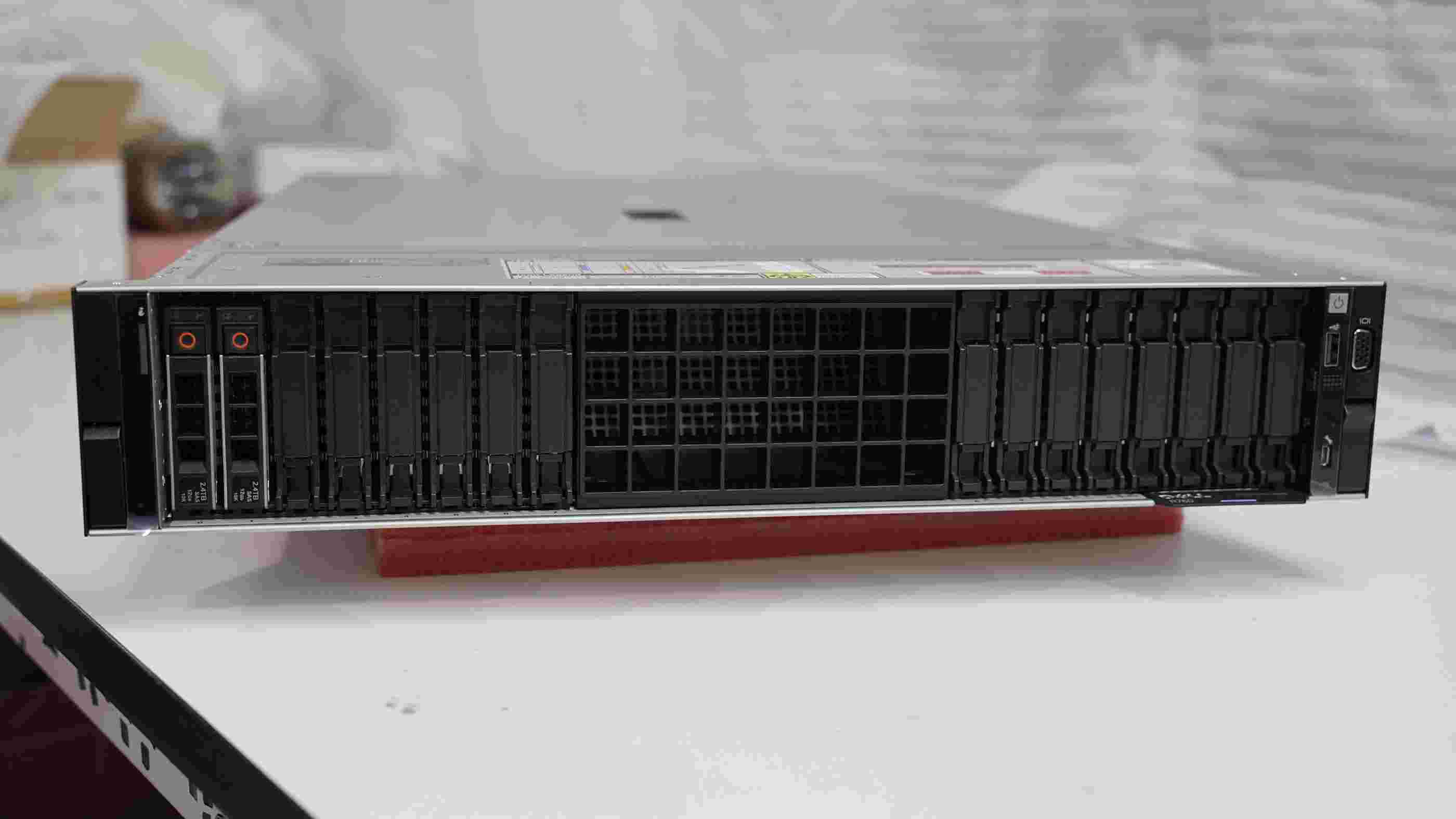
The industry has seen a massive surge in demand for custom OEM network interface boards capable of auto-negotiating speeds between 100M, 1G, 2.5G, 5G, and 10G. These systems depend on highly integrated physical layer transceivers (PHYs) and optimized discrete magnetic transformers—such as our *1000BASE-tx Discrete Magnetic Transformer HST-24001SCR*—to manage electromagnetic interference (EMI) while preserving signal integrity over copper runs of up to 100 meters.
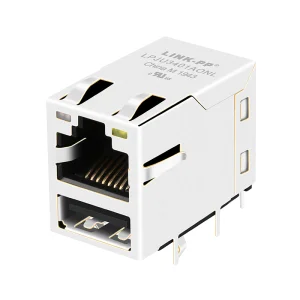
Modern NIC PCB designs are increasingly consolidating standalone magnetic components and standard RJ45 female ports into unified, shielded modules (known as Integrated Connector Modules or MagJacks). These modules drastically cut down board footprint and enhance EMI immunity, especially when handling frequencies above 250 MHz required for 10G Base-T copper transmissions. This structural transformation requires deep partnership with specialized OEM connector and assembly factories to guarantee impedance-matched design-in results.
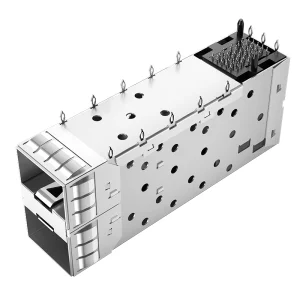
Advanced press-fit shielded cages (e.g., 2007538-8 TE compatible models) and integrated gasket ground tabs are crucial to isolate high-frequency noise in multi-port system architectures.
Integrating hardware engines that handle TCP/UDP checksum calculations, Large Send Offload (LSO), and virtualization tasks directly within the NIC silicon minimizes CPU utilization.
Thermal dissipation is a key challenge in high-density 10G copper designs. Selecting custom heatsinks and thermal interface materials ensures constant peak network uptime.
Aligning custom OEM engineering capabilities with strict international supply-chain procurement standards.
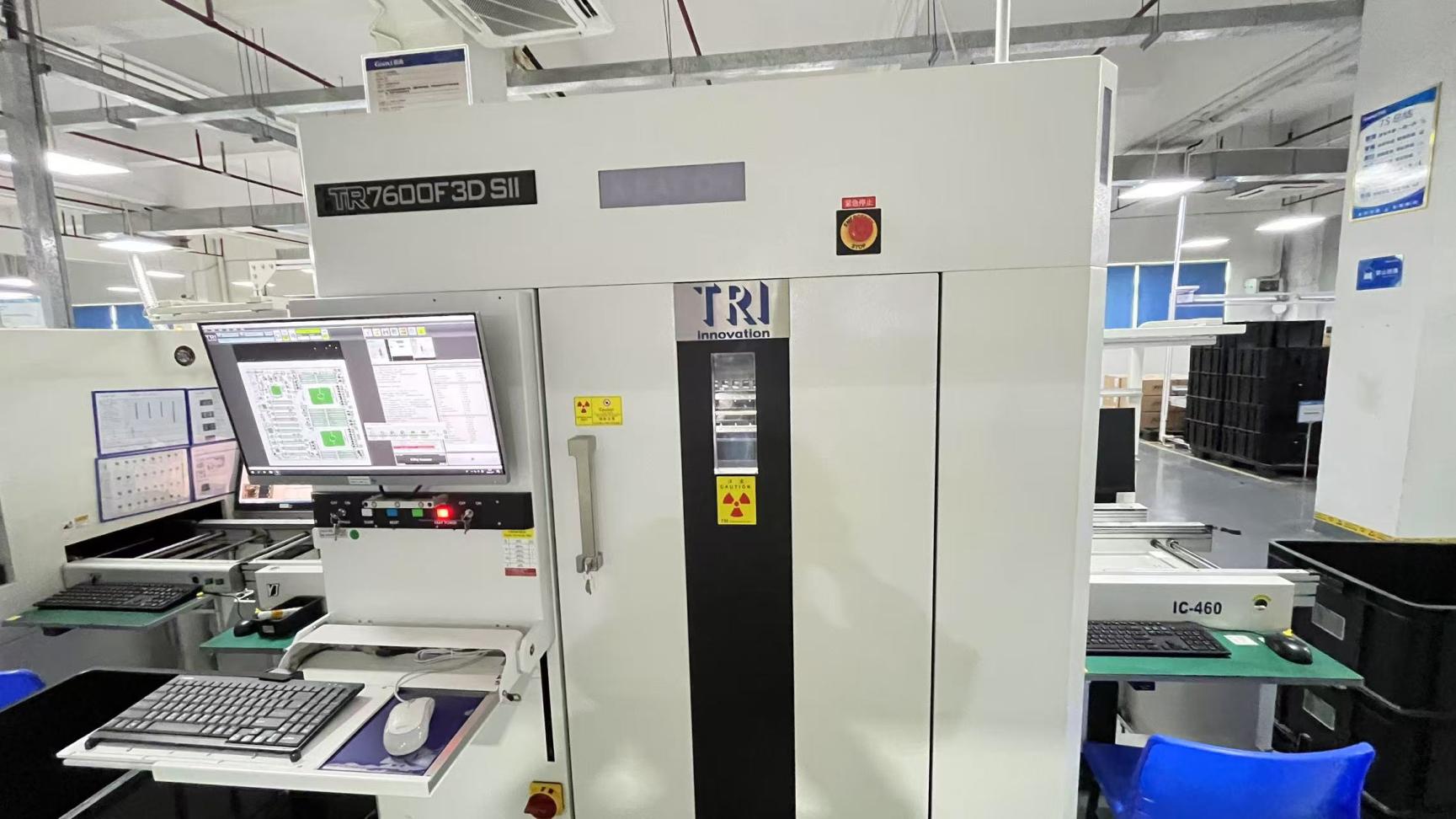
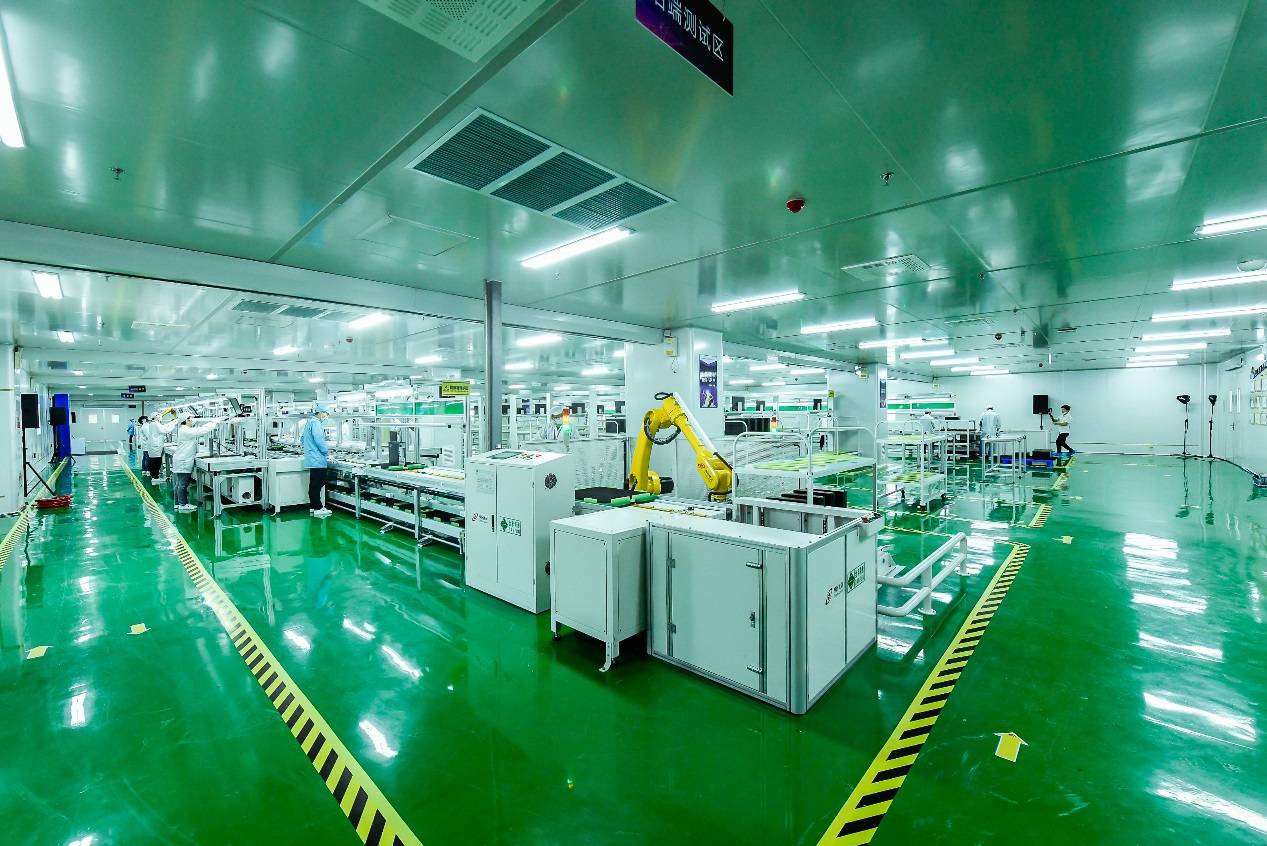
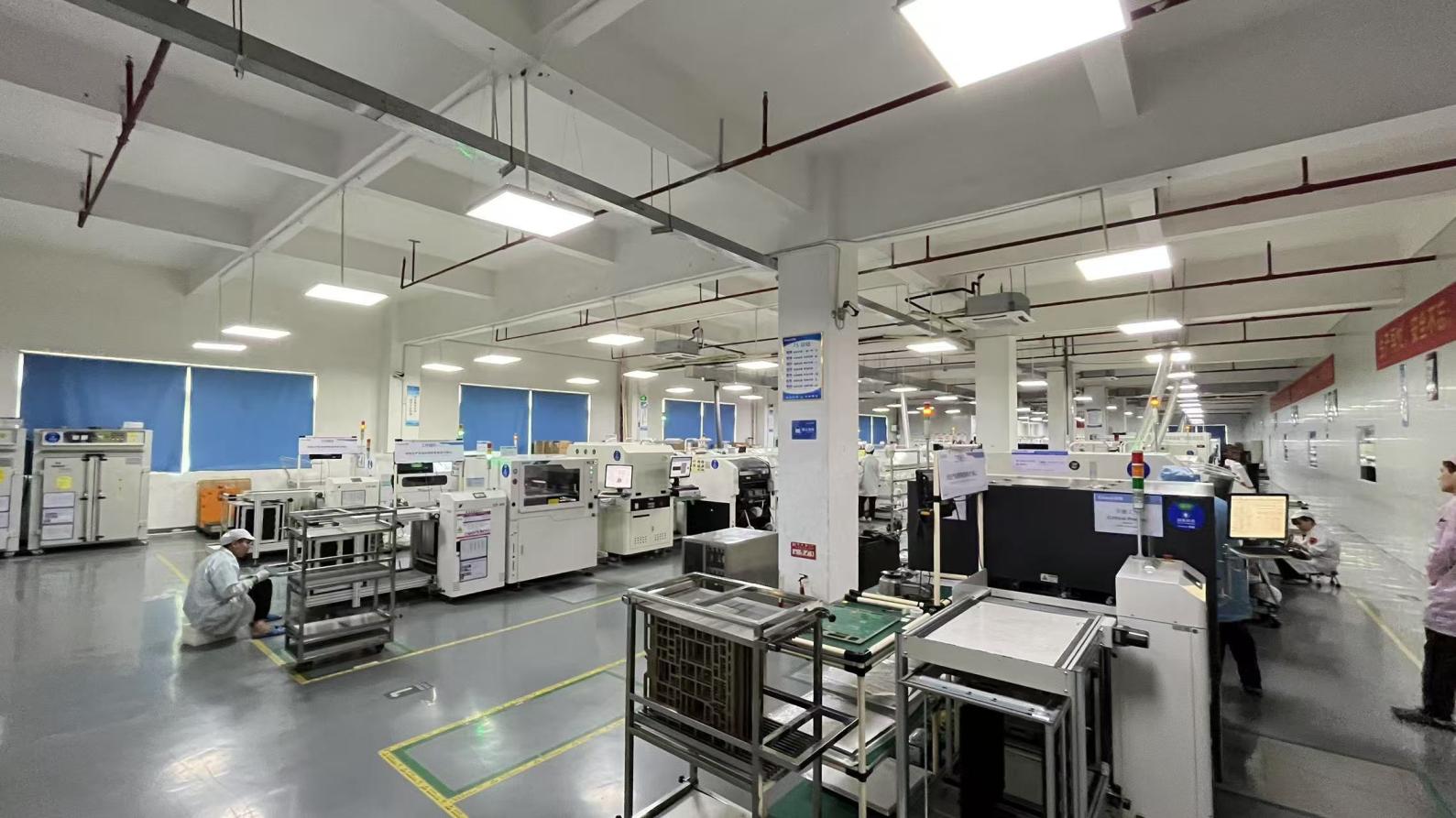
Enterprise procurement teams in North America, Europe, and Asia look beyond component specifications to inspect the supplier's manufacturing facilities, R&D infrastructure, and quality control systems. A professional OEM RJ45 NIC partner must maintain a supply chain that provides high yields, strict compliance, and consistent manufacturing standards.
| Procurement Parameter | Technical Challenge | FiberNova OEM Factory Solution |
|---|---|---|
| Supply Chain Security | Component shortages (ICs, transceivers, PCBs) delaying system deployment. | Strategic partnerships with over 1,200 verified supply chain providers, securing priority component allocation. |
| Quality Assurance & Integrity | High packet-loss ratios, jitter, and interface cross-talk under continuous payload. | 100% optical/electrical verification, temperature cycling, signal integrity sweeps, and an active team of 45 QC specialists. |
| Global Product Approvals | Cross-border regulatory blocks due to lack of environmental or safety certificates. | Production lines fully compliant with CE, FCC, RoHS, REACH, and IEEE/MSA standards. |
| Customization Scope | Off-the-shelf boards do not fit bespoke rack form factors or specialized server backplanes. | Deep ODM/OEM firmware, custom EEPROM/wavelength configuration, physical layout redesigns, and custom brackets. |
Enterprise clients require physical layer reliability. In copper NIC architectures, this requires premium contact plating (50 micro-inches of gold over nickel on RJ45 pins), stable transformer wind ratios to support common-mode rejection, and shielding designs that prevent electromagnetic cross-coupling. FiberNova's engineering teams work alongside customers from prototyping (using rapid 3D printing and quick-turn SMT lines) to mass production, ensuring the finished network products meet exact mechanical specifications.
Tailored connectivity architectures for hyperscale centers, edge configurations, and telecommunications operations.
Modern connectivity infrastructure is diverse, and no single product fits all scenarios. RJ45 Network Interface Cards are highly versatile and interface seamlessly with fiber optic infrastructure via media converters, optical transceivers, and hybrid switch architectures. The table below highlights how different system configurations address specific target applications:
Utilizes ultra-high-speed interfaces (100G QSFP28, 400G, and 800G optical engines) combined with high-density SFP/SFP+ cage assemblies (like the 2198318-1 TE Replacement). High-performance fiber arrays are routed directly to high-throughput Top-of-Rack (ToR) switches to ensure minimal latency and maximize bandwidth across nodes.
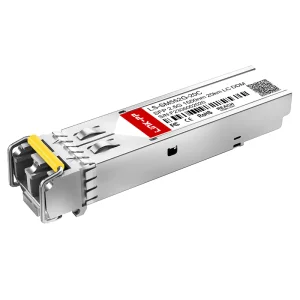
Combines Multi-Gigabit copper RJ45 Network Interface Cards and SFP-to-RJ45 transceivers (such as the MikroTik S-RJ01 Compatible module). This hybrid topology allows enterprise networks to run 10Gbps or 2.5Gbps speeds over pre-installed Cat6 copper cables, cutting equipment costs and simplifying edge server deployment.
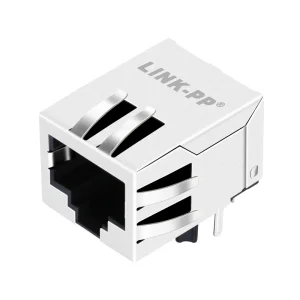
Employs ruggedized, magnetically shielded PCB jacks (e.g. KLU1S041F LF modular jacks) and discrete transformers designed to withstand harsh electromagnetic fields, high vibration, and wide operational temperature spans (-40°C to +85°C) typical of modern manufacturing environments.
Your Trusted Global OEM Partner for Optical Modules, Network Interface Components, and Interconnection Solutions.
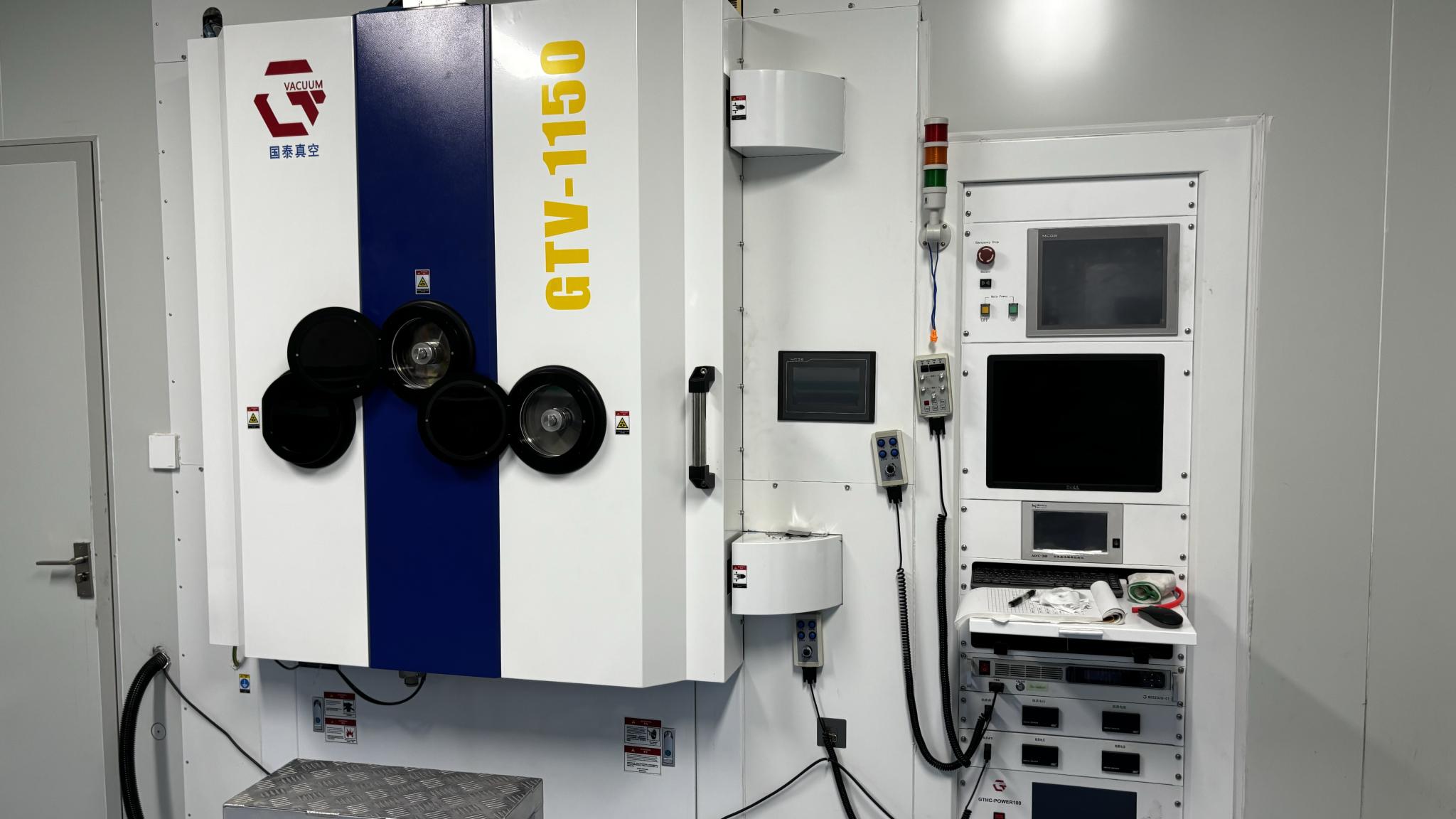
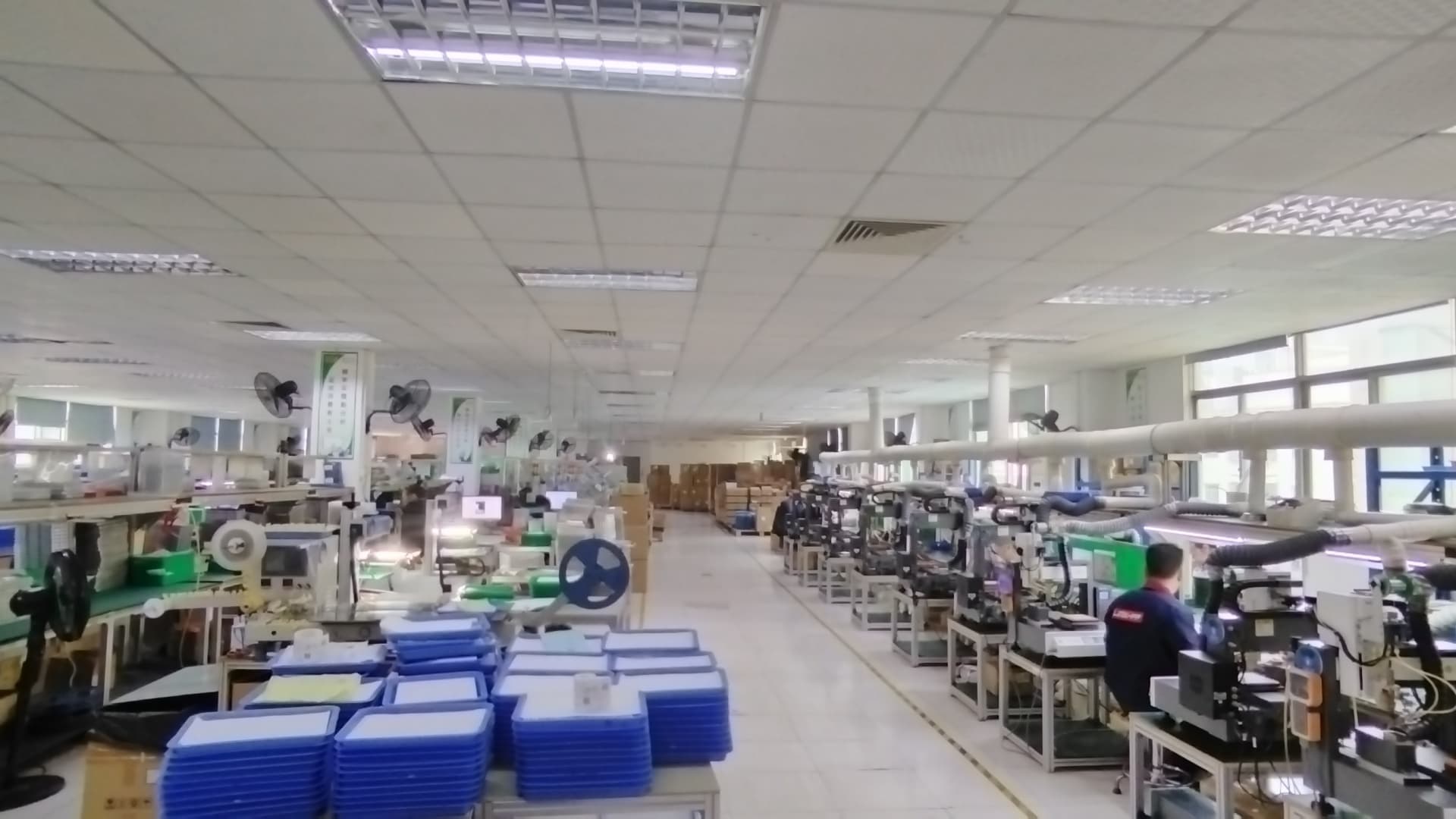
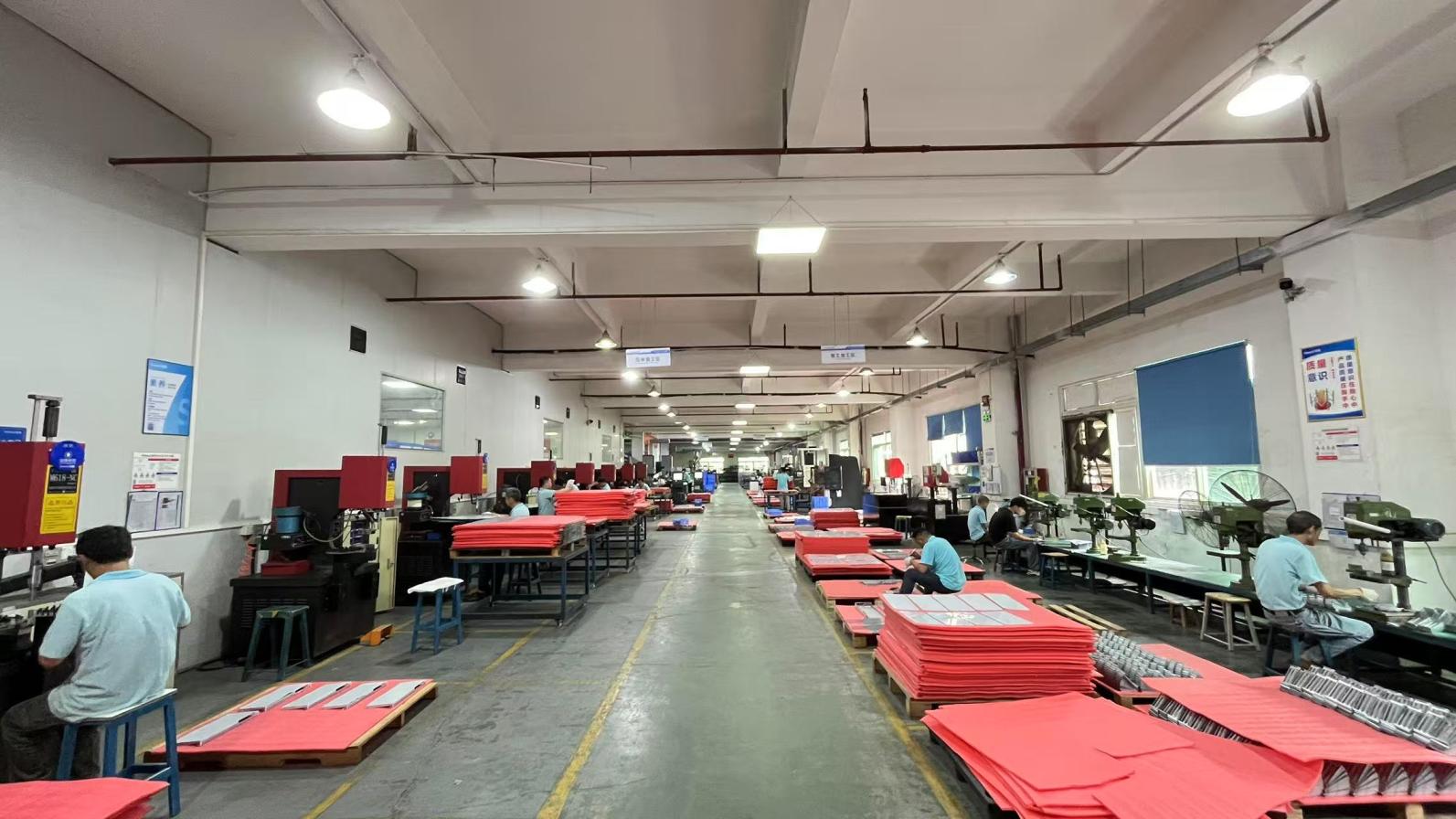
FiberNova Optical Communication Tech Co., Ltd. (FiberNovaTransceivers.com) is a professional optical transceiver and networking component manufacturer established in 2016. We operate a modern production facility covering approximately 380㎡, focused on high-speed optical communication and copper interface solutions. We serve global data centers, enterprise networks, telecom operators, and cloud service providers with stable, high-performance connectivity components.
With over 6 years of export experience and 12 years of industry expertise, FiberNova has developed deep capabilities in R&D, manufacturing, and international trade. The company achieves an annual export revenue of approximately USD 8–15 million, supplying customers across North America, Europe, Southeast Asia, and the Middle East.
Our commitment: 100% optical performance testing, high-temperature cycling tests, and signal integrity inspection before shipment. Every transceiver meets international standards such as IEEE and MSA compatibility requirements.
FiberNova operates with a strict quality control system, supported by around 45 professional QC staff, ensuring every component leaving the factory performs reliably. We maintain a solid trade background with experienced export teams handling OEM and ODM projects worldwide. Our main markets include the United States, Germany, Japan, South Korea, and the United Arab Emirates. FiberNova has established long-term partnerships with more than 1,200 supply chain partners, enabling stable procurement of high-quality chips, lasers, and optical components.
Supported by 65 engineers, our R&D teams focus on high-speed transmission technologies such as 10G, 25G, 100G, 400G, and 800G modules, alongside custom RJ45/SFP structural assemblies. Customization is fully supported, including wavelength tuning, protocol compatibility, housing design, and labeling services. In the past year, FiberNova launched approximately 120 new products, continuously expanding its portfolio to meet fast-changing market demands.
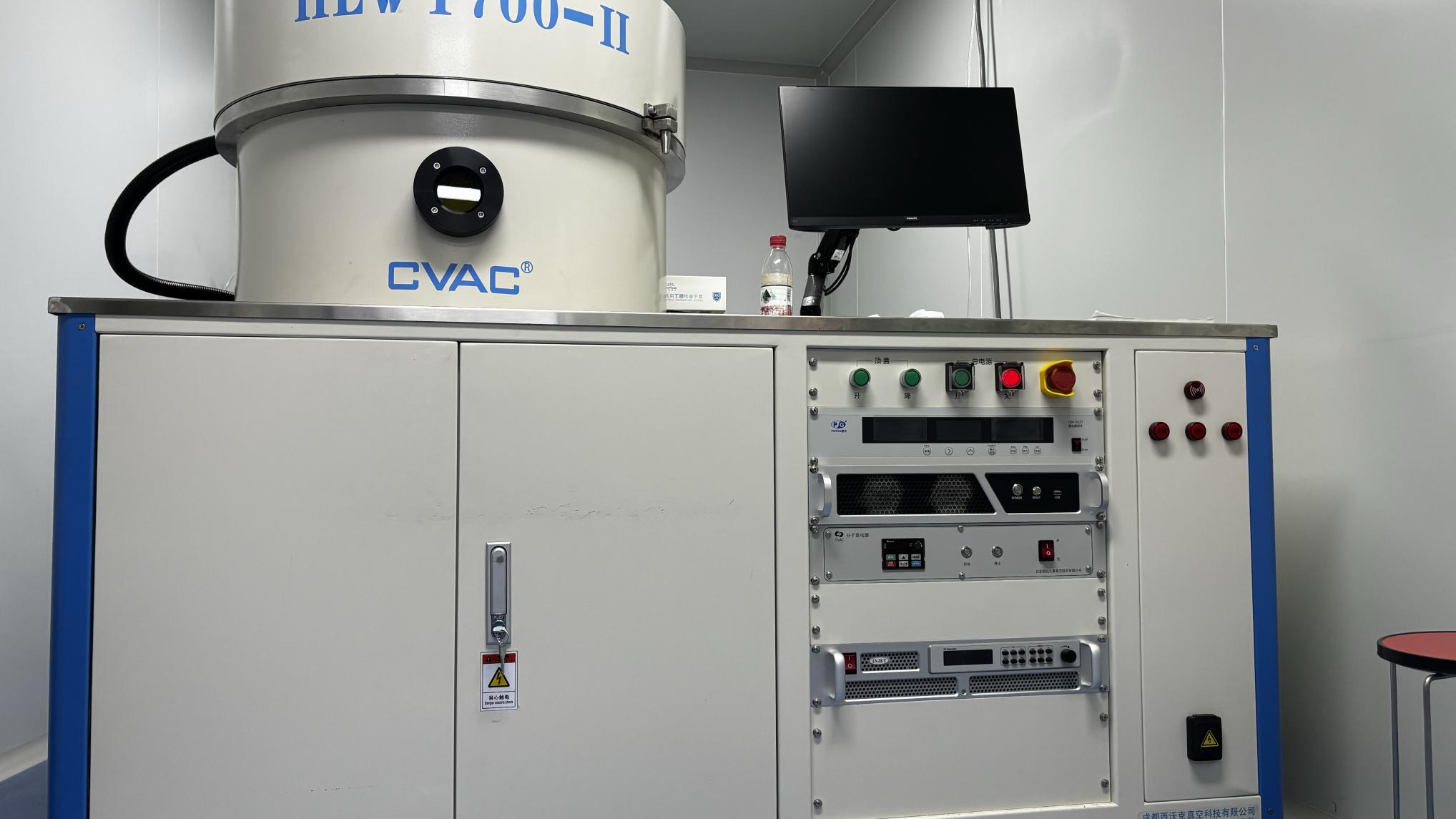
Where high-speed copper and silicon integration is heading in the next 5 years.
The roadmap for Network Interface Cards is heavily influenced by the rise of AI cluster networks and high-performance edge computing. Over the next five years, key technological developments include:
As motherboard architectures shift to PCIe Gen 5 and Gen 6, NIC controller chips require higher PCIe lanes to prevent system bottlenecks. Dual-port 10G Base-T NICs and high-speed multi-gigabit copper network cards must balance heat generation with higher bus speeds.
Because Multi-Gigabit copper transceivers draw more power than optical models, our physical design process now integrates custom heatsinks and localized thermal vias directly into the multi-layer PCBs. This design keeps component temperatures under 70°C, ensuring reliable operation under high workloads.
Enterprise and cloud edge devices are increasingly adopting hybrid layouts. These designs host high-speed optical transceivers for uplink (such as the *100G QSFP28*) alongside 2.5G/10G RJ45 interfaces for local client access on a single network adapter, providing flexible connectivity on a single hardware footprint.
Supporting international markets with certified products and localized technical engineering.
To support global deployments, our products undergo rigorous testing to meet regional electrical and safety standards. FiberNova products carry the required certifications for seamless integration into enterprise systems:
Additionally, we provide localized support through engineering design-in reviews, custom hardware profiling, and FAE (Field Application Engineering) assistance. This localized engineering support helps clients shorten development times and resolve physical layer interoperability issues prior to volume production.
Deep technical insights regarding custom OEM network interface design and component selection.
All FiberNova transceivers are programmed and tested with vendor-specific configuration files during production. This ensures plug-and-play compatibility with Cisco, Juniper, HW, MikroTik, and other leading brands, avoiding typical vendor-lock software flags.
10G Base-T networks operate at frequencies up to 500 MHz. Without proper shielding (like our TE-compatible press-fit cages and grounding pins), high-speed copper lanes can generate electromagnetic cross-talk. This interference degrades signal quality, increases packet drop rates, and shortens transmission distances.
Yes. We support custom hardware design modifications, including unique PCB layouts, custom low-profile brackets, specific heatsink shapes, and customized EEPROM/firmware configurations to match target enclosure profiles.
Optical transceivers provide lower latency, lower power consumption, and longer reach. However, native RJ45 copper ports are more cost-effective for shorter distances, allowing operators to run high-speed connections over standard twisted-pair copper cables without expensive transceivers.
Choose from our selection of cat6 connectors, optical modules, and shielding cages to build high-performance network interface adapters.
 FiberNova