Explore our high-performance RJ45 modular structures, copper transceivers, and compatible optical modules engineered for seamless infrastructure integration.
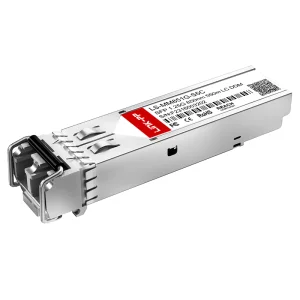
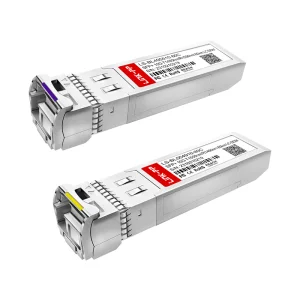
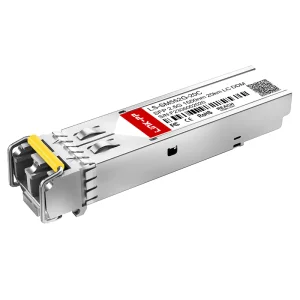
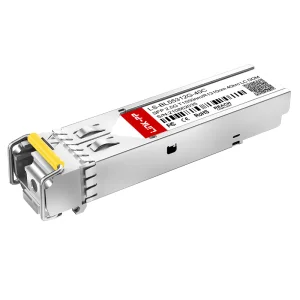
The global transition toward high-speed digital infrastructure has placed immense pressure on physical layer connectivity. As data center architectures migrate from traditional structures to spine-leaf configurations, the demand for high-reliability, low-latency interfaces has surged. The External RJ45 Connector remains a cornerstone of this network topology. Despite the rapid implementation of fiber optics, structured copper cabling retains its absolute dominance in edge routing, localized patch panels, localized LAN switching, and Industrial Ethernet topologies.
According to macro-level infrastructure studies, the demand for custom OEM external RJ45 connectors is driven by three main factors:
SEO Insight / Information Gain: When sourcing custom RJ45 configurations or SFP-to-RJ45 transceivers (such as the 10GBASE-T SFP+ copper modules), system architects must evaluate the interface between copper cabling and active transceiver chips. The integration of magnetic elements inside the connector (Integrated Connector Modules or ICMs) helps minimize insertion losses while protecting high-value PHY chips from ESD (Electrostatic Discharge) spikes.
A Trusted Global Manufacturer and OEM/ODM Exporter of Advanced Interconnect & Optical Communication Systems since 2016.
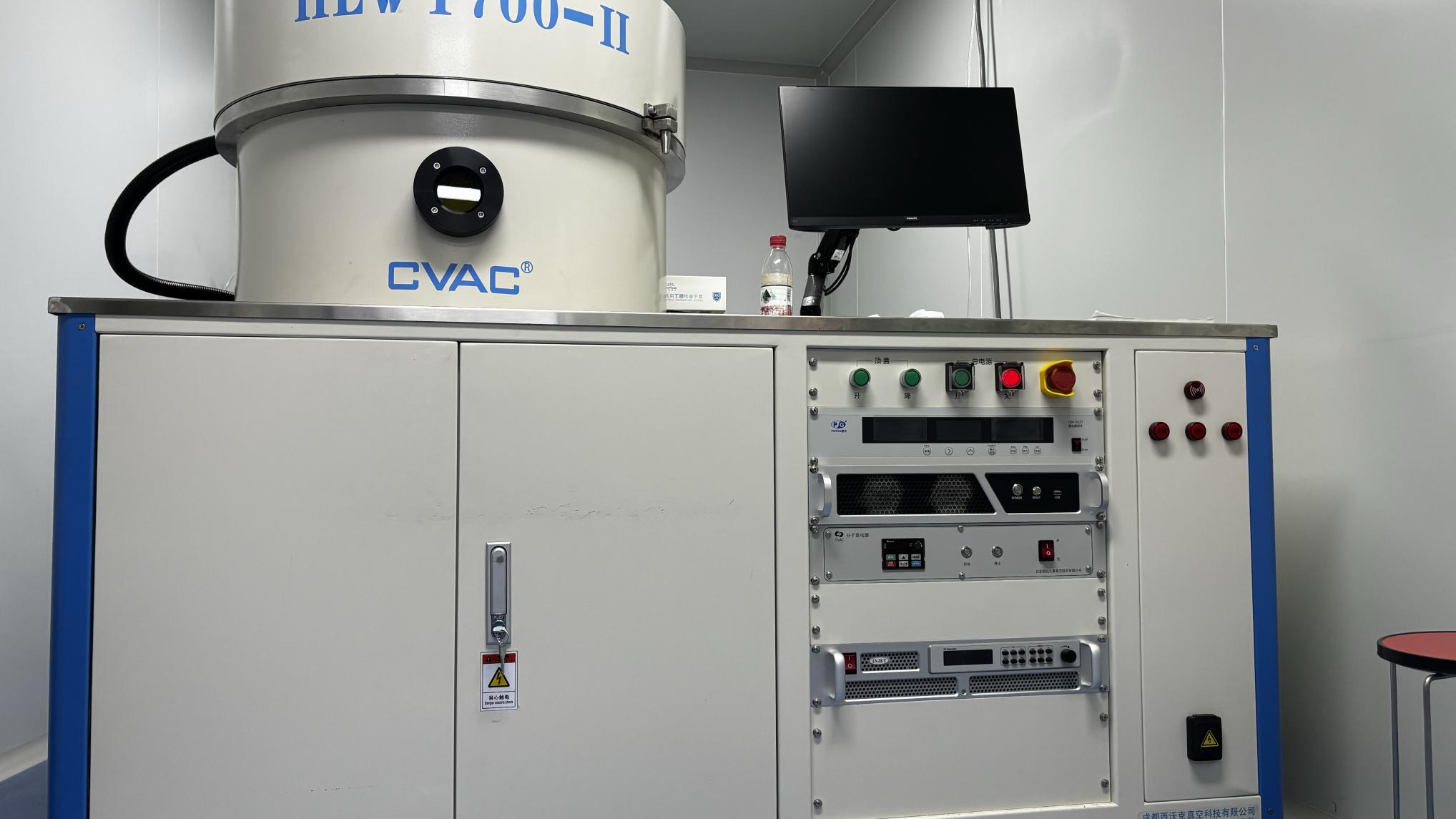
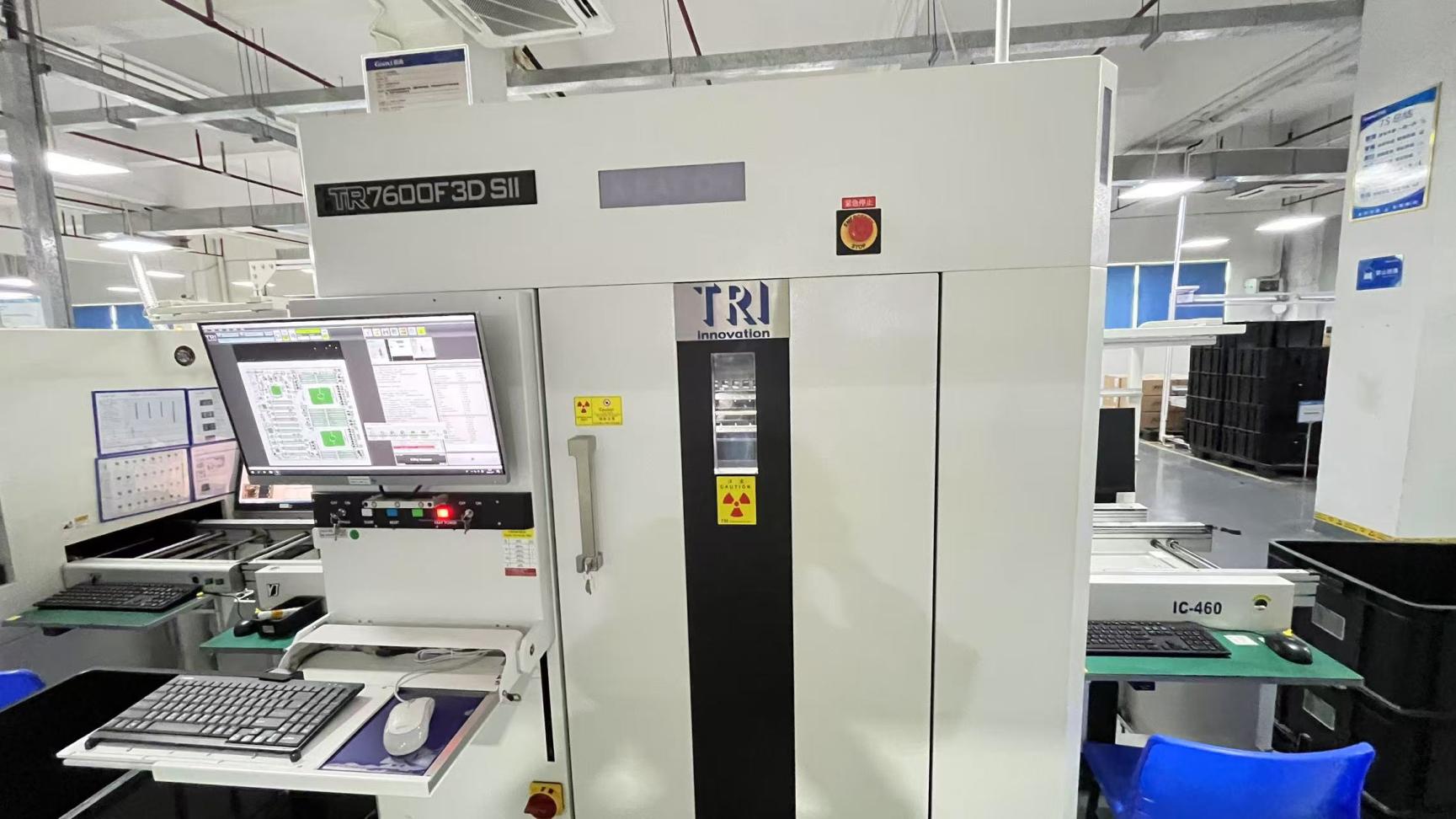
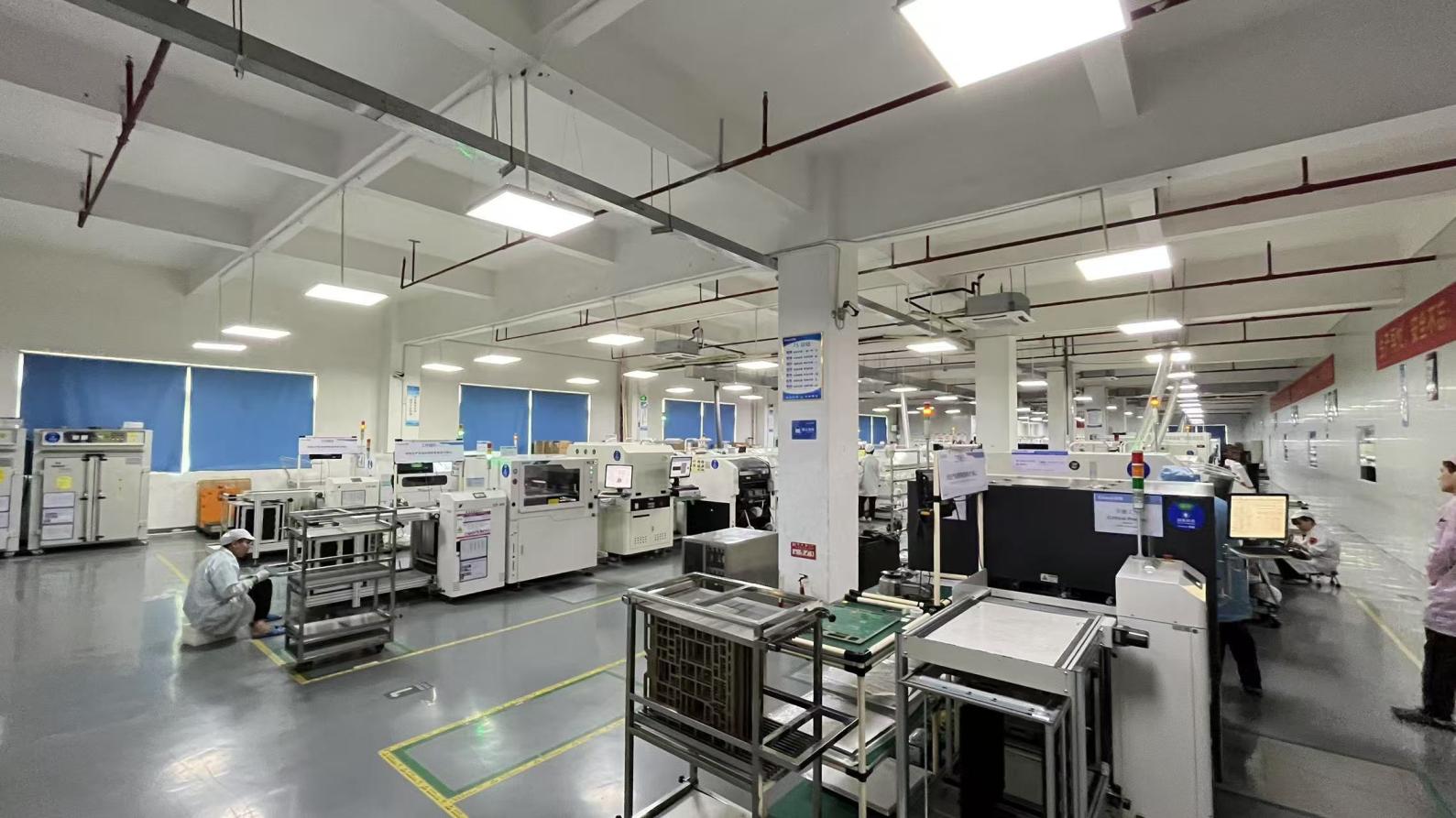
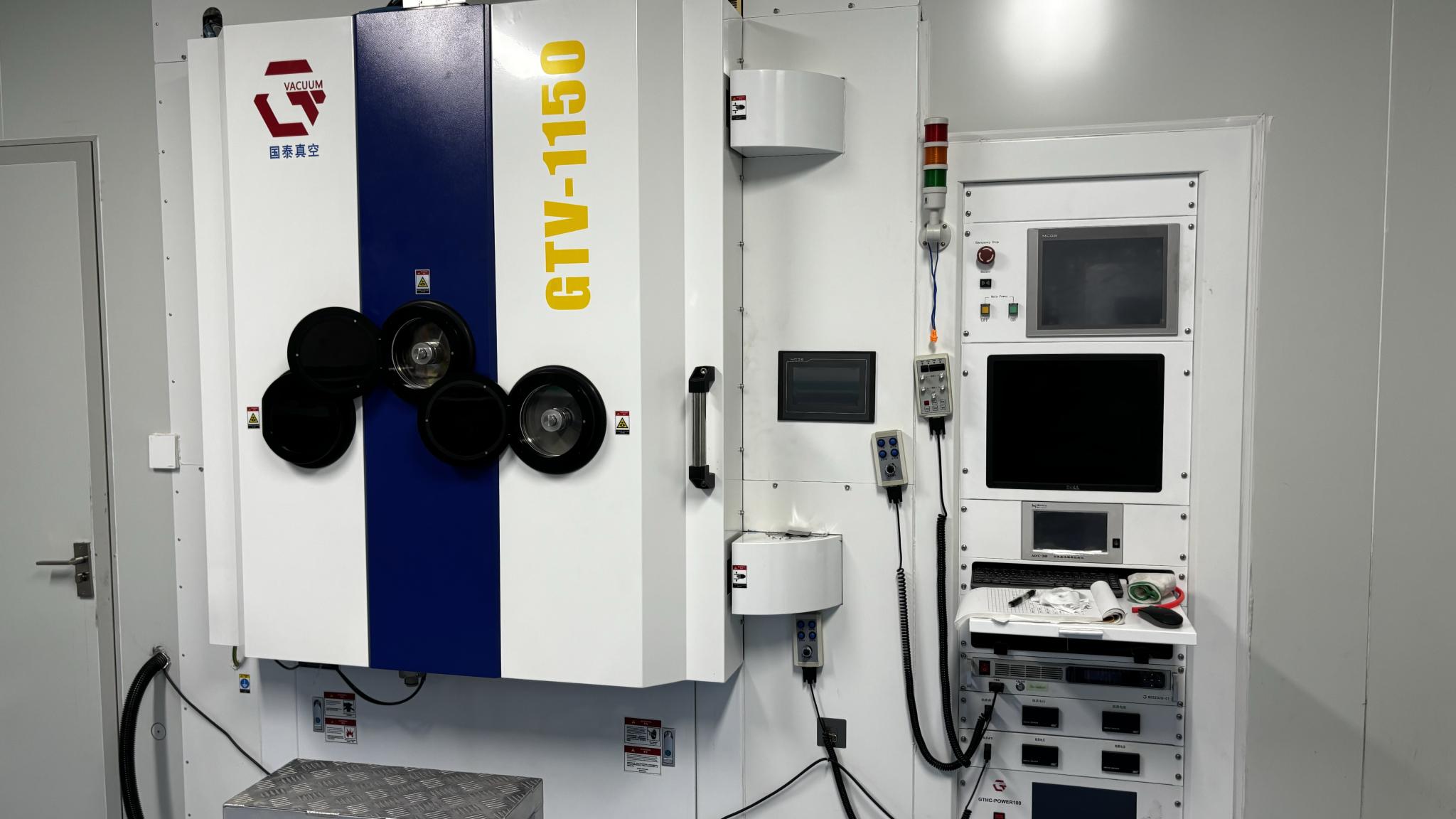
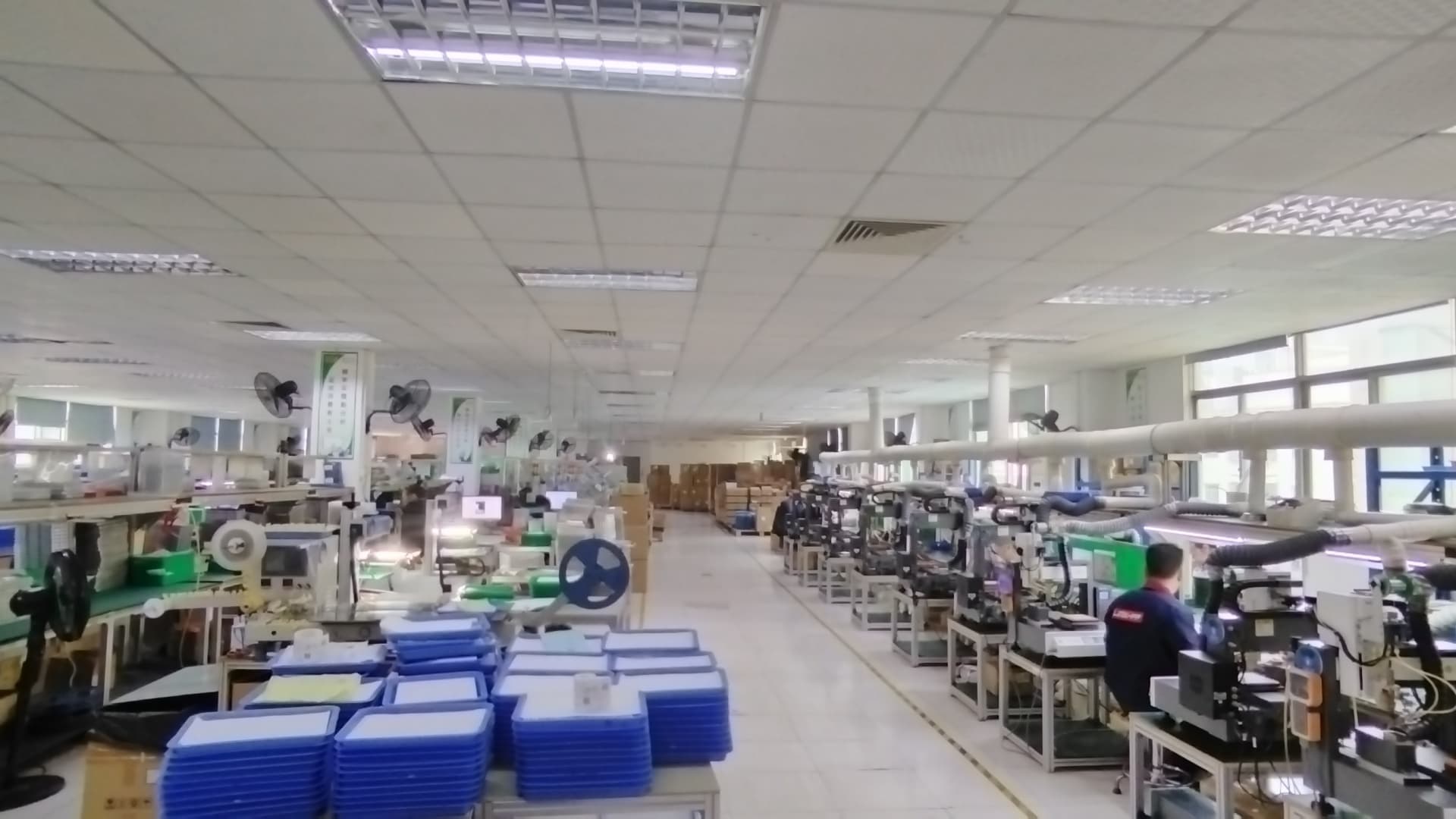
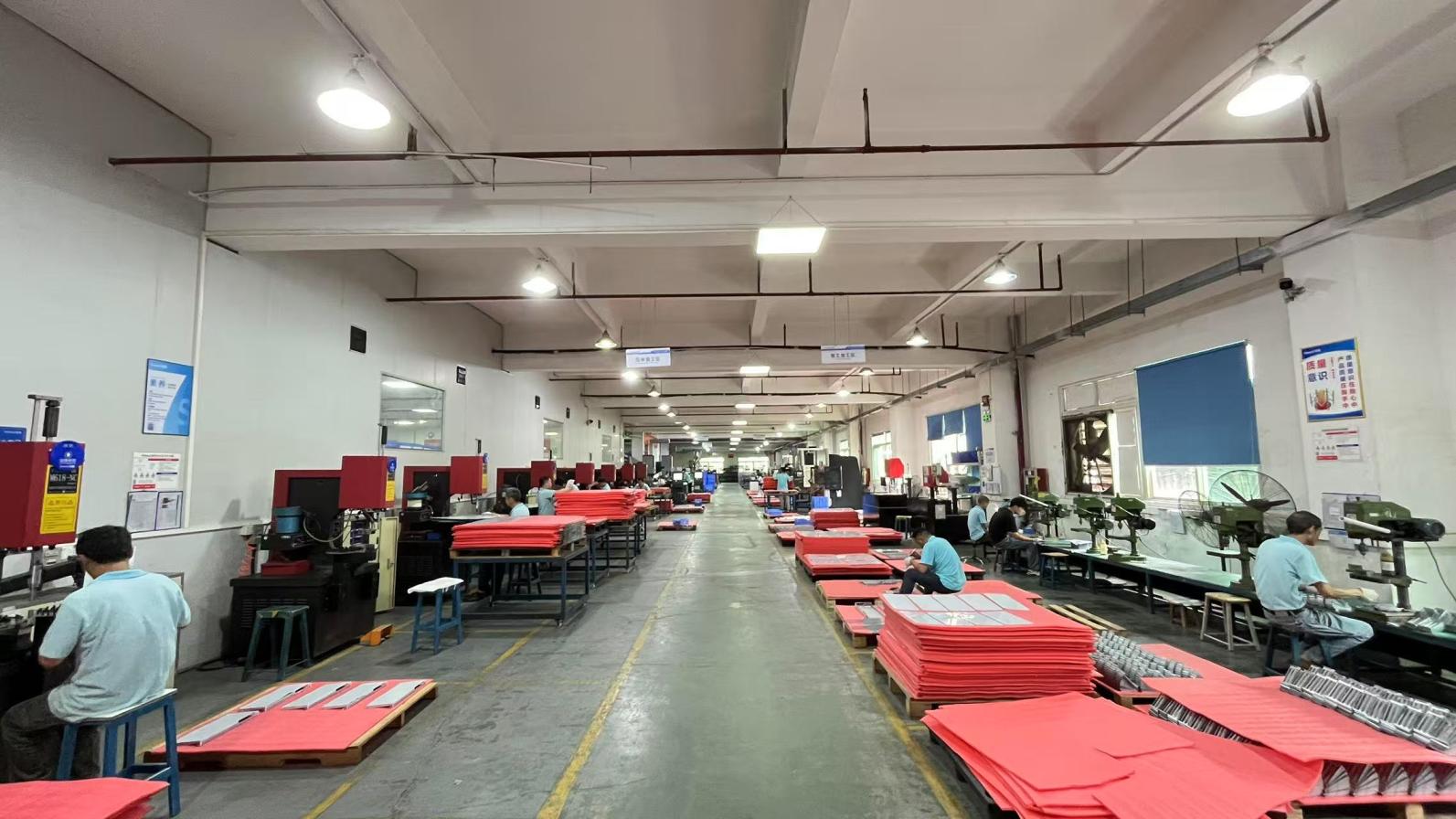
Established in 2016, FiberNova Optical Communication Tech Co., Ltd. (FiberNovaTransceivers.com) operates a specialized, high-precision manufacturing and testing facility covering 380㎡. With 12 years of deep optical and copper network engineering expertise, FiberNova has positioned itself as an industry leader in high-performance transceivers, structured copper connectors, and EMI-shielded assemblies.
Our quality assurance program is built on strict industry compliance. We have 45 professional QC staff performing 100% optical performance metrics, signal integrity verification, high-frequency channel simulation, and rigorous temperature cycling tests. This ensures that every component shipped meets the strict criteria outlined by MSA (Multi-Source Agreements) and IEEE standards.
FiberNova's flexible OEM/ODM workflows enable rapid customization. We provide tailored solutions for wavelength configuration, software compatibility coding, casing architecture, and private labeling. Last year alone, we launched 120 new products, supporting key B2B clients in the United States, Germany, Japan, South Korea, and the United Arab Emirates.


The design of external RJ45 connectors has evolved beyond simple mechanical connections. Today's components must manage complex electromagnetic environments and high transmission frequencies. FiberNova's R&D division has highlighted three key developmental pathways shaping the future of industrial copper connectivity:
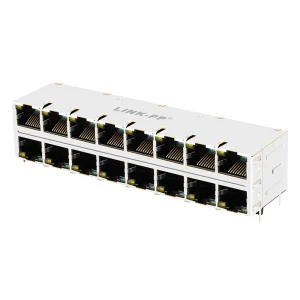
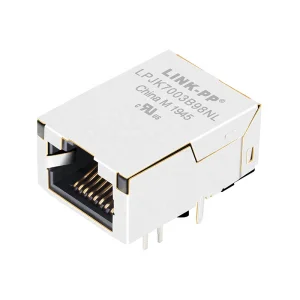
Modern server architectures rely on multi-port configurations like the 0854-2X8R-GK-F Multiple Port Jack. Managing cross-talk in these dense setups requires 360-degree tin-plated copper alloy shields, internal grounding tabs, and integrated magnetics (ICMs) that protect against electromagnetic interference (EMI).
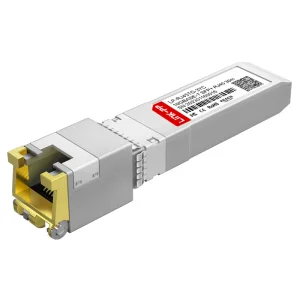
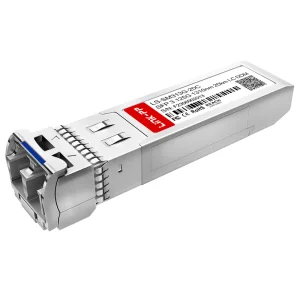
Modern switches often use SFP+ ports to support both copper and fiber connections. Transceiver modules like the 10GBASE-T SFP+ Copper RJ45 extend the operational lifespan of existing Category 6a networks. They deliver 10 Gbps speeds over 30 meters of copper wire while consuming less than 2.5W of power.
Industrial Ethernet is transitioning toward Single Pair Ethernet (IEEE 802.3cg). By replacing traditional four-pair cabling with a single pair, SPE reduces weight, cost, and installation complexity. This makes it ideal for connecting field sensors, automotive electronics, and edge devices.
RJ45 connectors are deployed in a wide variety of global industries, each with its own unique operating requirements and environmental challenges:
In regions with extreme heat and blowing sand, standard plastic RJ45 jacks can fail prematurely. Custom external RJ45 assemblies designed for these environments use UV-stabilized, high-temperature polymers and IP67-rated metal housings. They protect critical network links from dust ingress and thermal degradation.
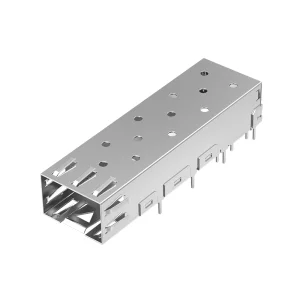
Western markets focus heavily on space optimization and energy efficiency. To maximize port density in crowded server racks, engineers use ganged SFP+ cages and stacked RJ45 connectors. These systems feature advanced EMI venting and low-profile designs that improve airflow and heat dissipation.
Automated assembly lines, robotics, and high-speed sorting facilities generate high levels of vibration and electrical noise. Connectors used in these applications require secure locking mechanisms, rugged metal shielding, and integrated magnetics to ensure reliable data transmission and protect sensitive equipment from voltage spikes.
Modern enterprise networks rarely use only copper or only fiber. To balance performance and cost, system designers build hybrid networks that integrate high-speed fiber trunks with flexible copper edge connections. The diagram below shows how FiberNova components fit into a typical hybrid corporate network:
This hybrid approach allows companies to run fiber backbones over long distances while utilizing cost-effective, easy-to-install copper cabling for short-run device connections. This optimizes both bandwidth and overall deployment costs.
In-depth, engineering-level answers regarding high-frequency copper connections, shielding, and compliance standards.
Standard RJ45 connectors are simple plastic or metal housings that act as mechanical wire terminators. Integrated Connector Modules (ICMs) contain internal electronic components, including isolation transformers, common-mode chokes, and resistors/capacitors (often called Bob Smith terminations). These integrated magnetics filter out high-frequency noise, prevent electromagnetic interference (EMI), and provide electrical isolation between the Ethernet cable and the physical layer (PHY) chip. This protects sensitive network equipment from damage caused by voltage spikes and electrostatic discharge (ESD).
10GBASE-T SFP+ copper modules must work within the tight power limits of SFP+ ports, which typically provide a maximum of 2.5W to 3.0W. Translating high-speed 10 Gbps signals from fiber optics to twisted-pair copper requires significant processing power, which generates heat. Running longer copper cable runs requires higher drive voltages, exceeding the power limits of the SFP+ port. To keep power consumption and heat generation within acceptable levels, the transmission distance is limited to 30 meters. For distances up to 100 meters, dedicated 10G RJ45 switch ports are required.
Industrial RJ45 contacts are made of phosphor bronze plated with gold over nickel. The thickness of the gold plating, typically measured in micro-inches (µin), determines how many mating cycles the connector can handle. Standard connectors use 15µin to 30µin of gold, which is fine for office environments. However, industrial and outdoor connections demand 50µin gold plating. This thicker layer provides superior resistance to wear, oxidation, and corrosion in harsh, humid, or high-vibration environments.
To comply with Multi-Source Agreements (MSA), transceiver modules must pass several rigorous tests. Key measurements include optical launch power, central wavelength stability, extinction ratio, receiver sensitivity, and bit error rate (BER). High-speed eye-diagram testing is also used to evaluate signal quality. Additionally, modules must be tested for mechanical fit, electrical interface compliance, and Digital Diagnostics Monitoring (DDM) accuracy. These tests ensure that the transceiver will work reliably across different vendor hardware platforms.
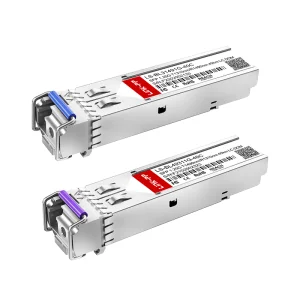
Explore our selection of SFP transceivers, shielding cages, and specialty connectors designed for high-density networking applications.
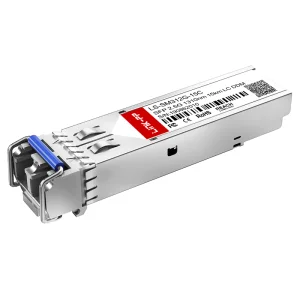
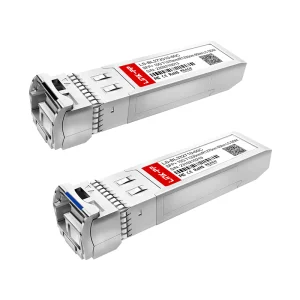
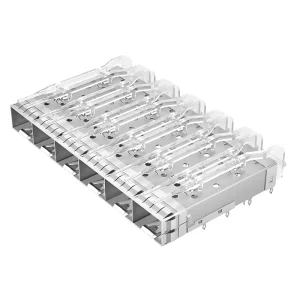
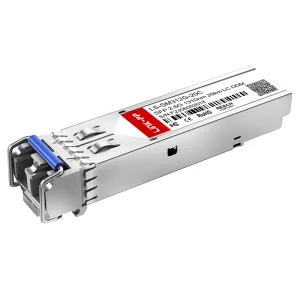
Looking for a custom OEM/ODM partner for your high-speed interconnect or optical network projects? Let our team of 65 R&D specialists build a solution tailored to your exact requirements.
Request a Technical Consultation FiberNova