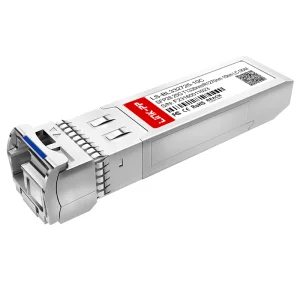
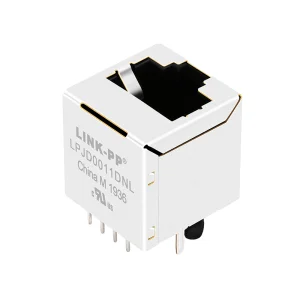
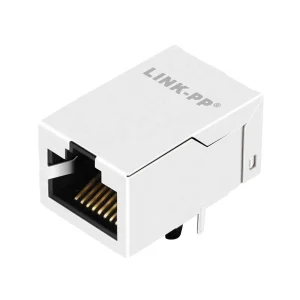
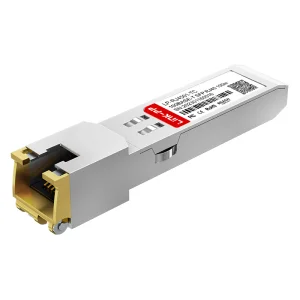
High-performance network interface units designed to meet ultra-reliable signal integrity and extreme density requirements.
As hyperscale datacenters, enterprise local area networks (LANs), and telecommunication nodes rapidly migrate to higher-speed infrastructures, the physical layout of networking equipment faces extreme constraints. The demand for physical density is driving a massive industry transition toward integrated, low-profile, and multi-port stacked copper connectors and optical transceiver technologies.
FiberNova Optical Communication Tech Co., Ltd. (FiberNovaTransceivers.com), established in 2016, is at the forefront of this evolution. Operating from a highly specialized, modern production facility covering 380m², we integrate global manufacturing capacity with engineering innovation to provide high-speed, high-density optical transceivers and modular RJ45 interconnect systems.
With over 12 years of core industry expertise and 6 years of dedicated global export experience, FiberNova has created a resilient manufacturing chain that exports between USD 8 million and 15 million annually. We work hand-in-hand with system integrators, optical network engineers, and bulk distributors across North America, Europe, and Asia-Pacific to deliver MSA-compliant, high-density physical interfaces.

The convergence of IoT, AI computing clusters, and high-frequency communication protocols necessitates advanced copper interfaces.
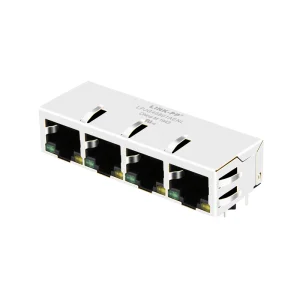
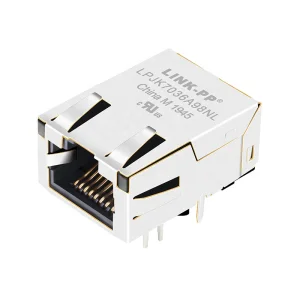
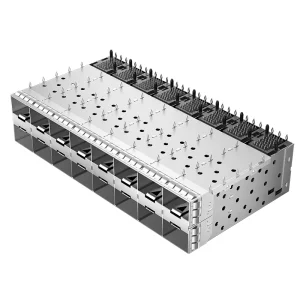
Traditional single-port RJ45 connectors consume vast amounts of PCB edge real estate. Modern enterprise switches utilize stacked configurations (such as 2x8 or 2x12 modular jacks) and vertical, bottom-entry layouts to increase physical port density by up to 150%, allowing higher throughput on standard 1U chassis sizes.
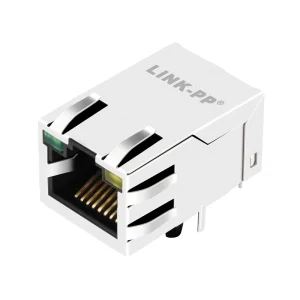
High-density networking environments require strict electromagnetic isolation. Moving the line-isolation magnetics and filter components inside the RJ45 shield (modular jacks with integrated transformers) prevents electromagnetic interference (EMI) and ensures high signal integrity for 10/100/1000 Base-T and 10G networks.
With Power-over-Ethernet (PoE++ / IEEE 802.3bt) delivering up to 90W of power, contacts are subject to thermal stress. High-density RJ45 designs utilize high-grade thermoplastic housings and gold-plated alloy contacts to resist thermal deformation and ensure corrosion-free electrical conductivity.
How telecom operators and data center integrators address multi-vendor compatibility, logistics stability, and custom designs.
Hardware infrastructure must remain system-agnostic. FiberNova's transceivers and modular components undergo extensive digital diagnostic monitoring (DDM) testing to ensure direct compatibility with major international switch and router brands, maintaining 100% MSA standard conformance.
Specific space parameters demand customized pinouts, custom LED indicators, and tailored wavelength modifications for SFP modules. FiberNova supports full customization, launching approximately 120 new products per year to fulfill specialized application formats.
Global markets, including the USA, Germany, Japan, South Korea, and the UAE, demand compliance with RoHS, CE, and FCC frameworks. Working with over 1,200 verified supply chain partners ensures our raw materials meet international green initiative standards.
Uninterrupted supply chains are vital. FiberNova leverages structured procurement cycles for core transceiver chips, laser components, and plastic resins to maintain standard production lead times even during global component shortages.
| Connector & Interface Type | Maximum Data Rate | Primary Industrial Use Case | Key Technical Parameters & Shielding |
|---|---|---|---|
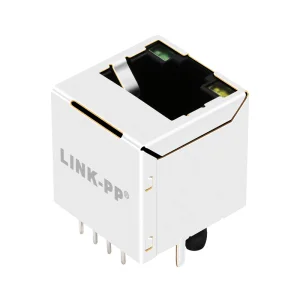
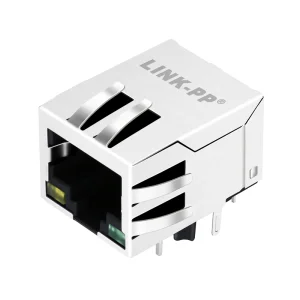
| Vertical RJ45 Female Jacks | 1 Gbps (Cat5e / Cat6) | Compact server blades & embedded IoT panels | Top-entry, space-saving layout, optional LED, EMI tabbed |
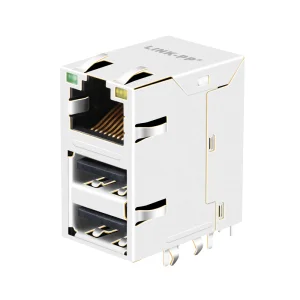
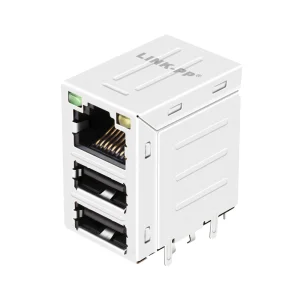
| Stacked RJ45 + USB Combinations | 1 Gbps (Ethernet) + USB 3.0 | Industrial PCs, control systems & terminal switches | Integrated magnetics, internal metal shielding cage |
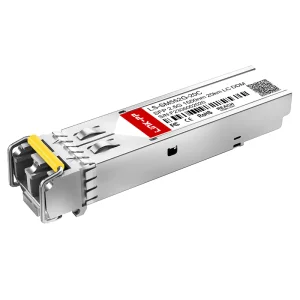
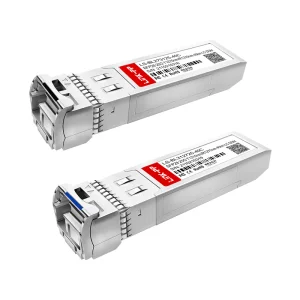
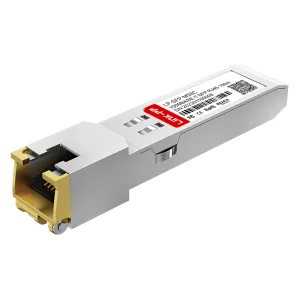
| SFP/SFP+ Copper Transceiver Modules | 10 Gbps (10GBASE-T) | Direct switch-to-switch local connection (100m) | Hot-pluggable, SMT contact pad alignment, metal enclosure |
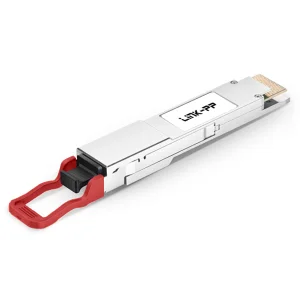
| QSFP-DD High-Speed Modules (Optical) | 400 Gbps (400GBASE-ER8) | Core Metro Networks & Hyperscale Cloud Centers | Duplex LC interface, 1310nm SMF, up to 40km range |
We deploy rigorous physical and optical test matrices to guarantee zero-defect field installation.
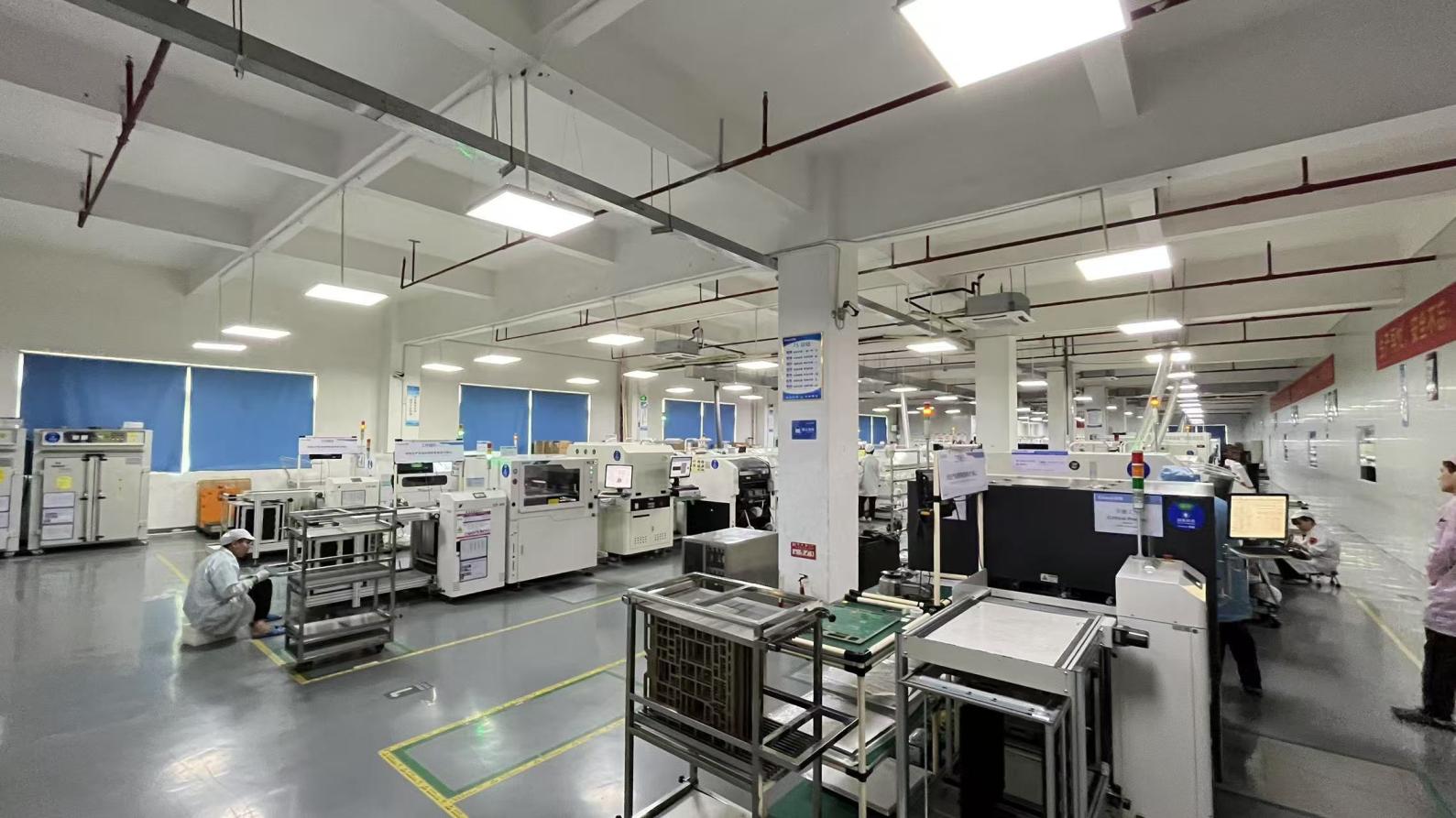
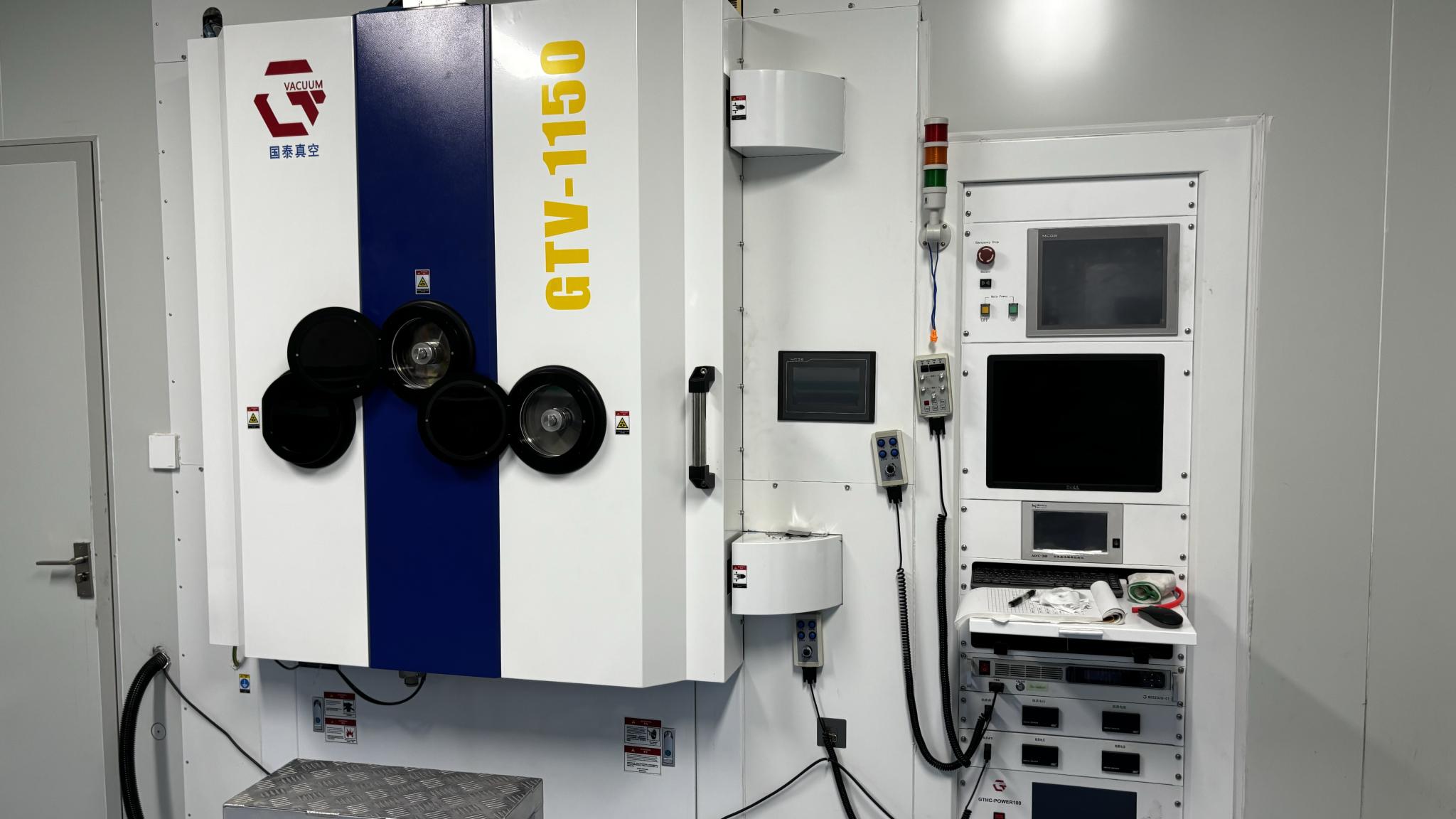
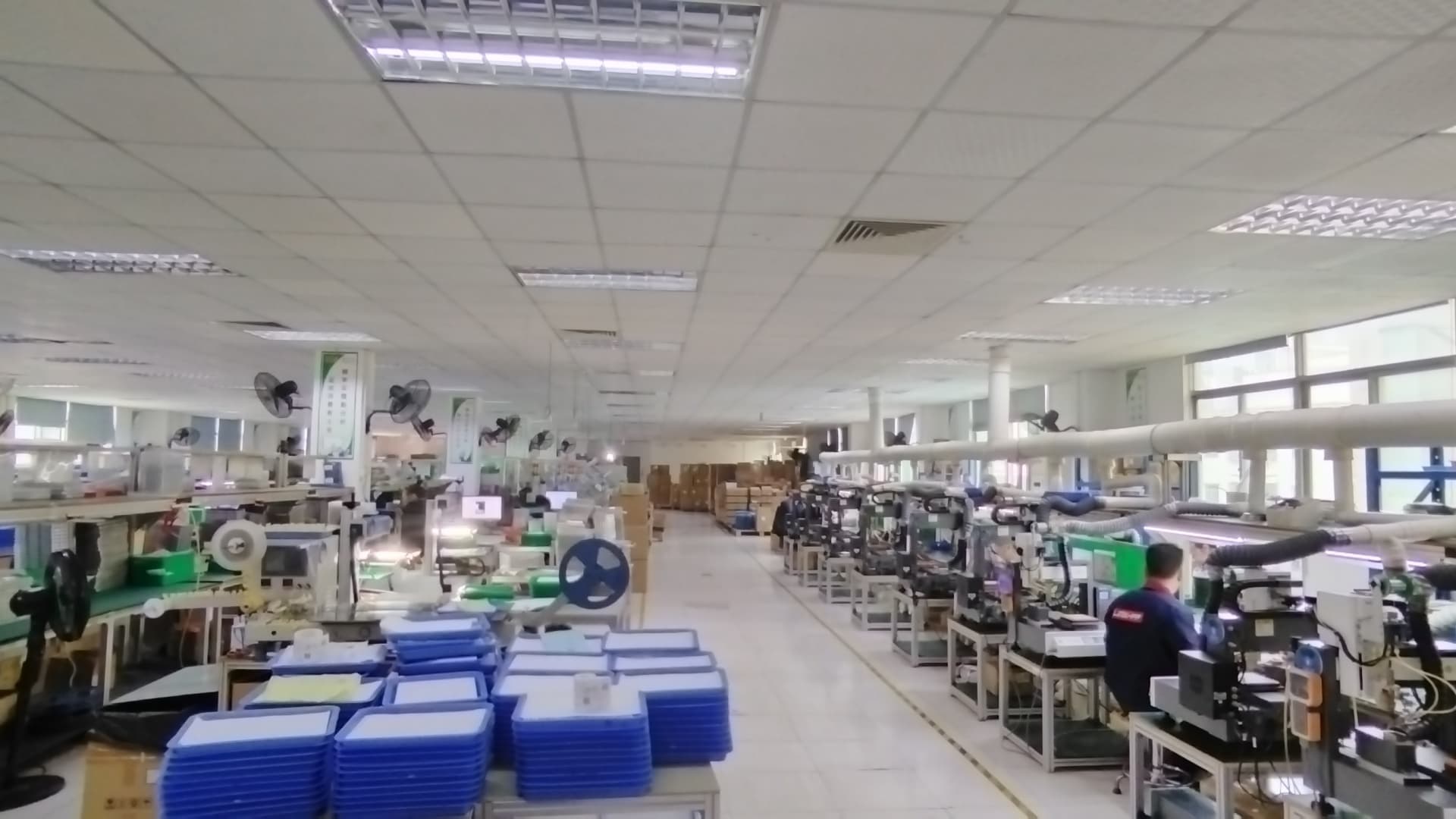
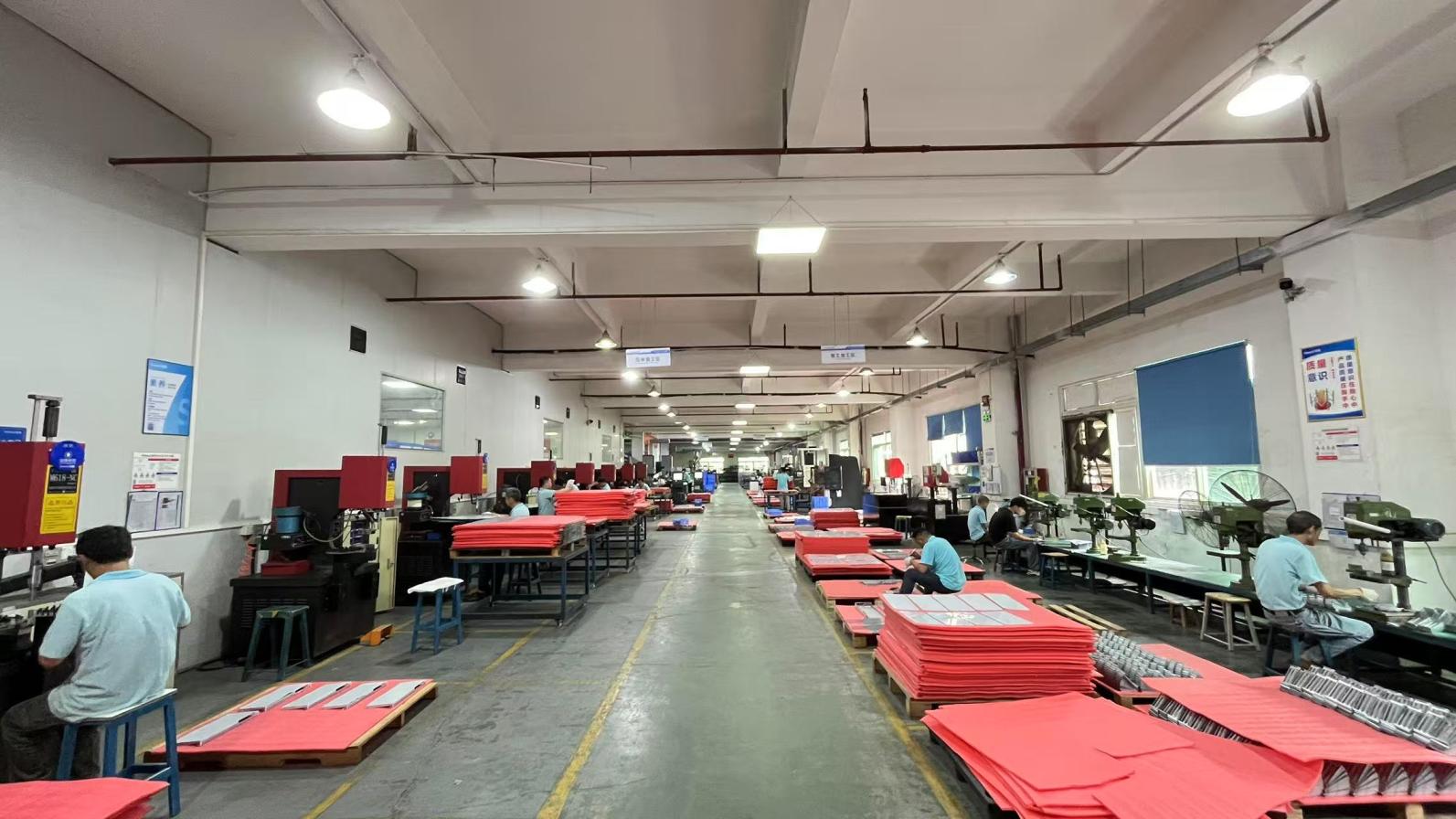
Any loss of signal integrity at high transmission speeds creates packet drop rates that degrade data center productivity. FiberNova maintains a team of 45 dedicated Quality Control (QC) personnel who oversee a rigid three-tier evaluation process before packaging:
1. Signal Integrity Inspection: Utilizing automated network analyzers to check Near-End Crosstalk (NEXT), Return Loss, and Insertion Loss across all copper RJ45 pins and optical fiber ferrules.
2. High-Low Temperature Cycling: All transceiver components undergo chamber testing between -40°C and +85°C to guarantee stability in outdoor telecom boxes and hot data center aisles.
3. Optical Eye-Diagram Calibration: Ensuring that active transceivers maintain high SNR (Signal-to-Noise Ratio) and clean optical waveforms, meeting standard IEEE specifications.
Backed by our team of 65 experienced R&D engineers, FiberNova continuously advances product integration, bridging the physical layer transition from 10G and 25G up to high-speed 400G and 800G communication infrastructures.
Direct answers from FiberNova's technical team on high-density connectors and transceiver deployments.
Explore our technical portfolio of optical transceiver modules and high-speed modular jack connectors.
 FiberNova