Reliable high-speed modules and interface connectors built for rigorous enterprise operations
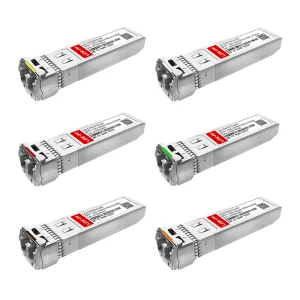
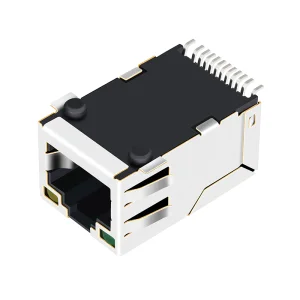
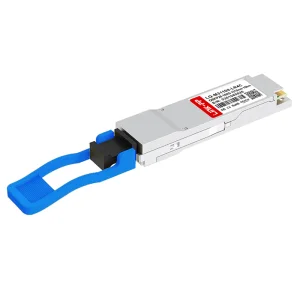
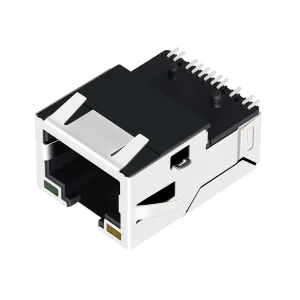
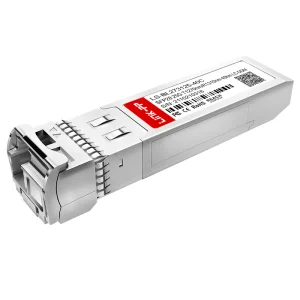
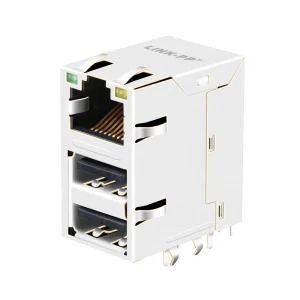
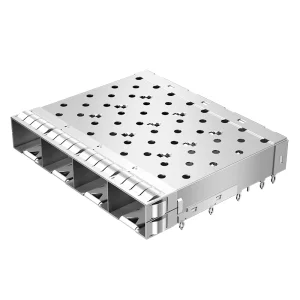
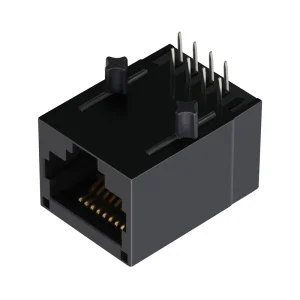
Strategic analysis of copper and optical networking hardware for global industrial operations
In the era of hyper-scale data processing, 5G telecommunication networks, and Industrial Internet of Things (IIoT), the physical layer remains the most critical foundation of data integrity. Among copper-based interconnects, the RJ45 coupling system acts as a central hub, providing critical bridging points in structured cabling setups. High-performance RJ45 connectors, couplers, and associated optical transceiver modules are required to operate with minimal signal degradation while enduring challenging physical environments. The market demands robust designs capable of neutralizing electromagnetic interference (EMI), suppressing cross-talk, and delivering reliable bandwidth over extended lifetimes.
As networks scale from Gigabit Ethernet to 10GBASE-T and beyond, the performance margin for coupling hardware decreases significantly. A minor impedance variance, poor contact shielding, or inadequate plating can lead to packet losses, increased latency, and costly downtime. For procurement officers and telecommunication engineers, choosing a manufacturer that pairs precise engineering with optimized quality control protocols is key to long-term operational success.
Designing RJ45 interconnect configurations to prevent signal attenuation and electromagnetic interference
In high-density network layouts, Near-End Crosstalk (NEXT) and Far-End Crosstalk (FEXT) present significant challenges to data integrity. In RJ45 coupling setups, parallel conductors in close proximity can easily lead to capacitive and inductive coupling. High-performance factories address this through precise pin-to-pin alignment and integrated PCB layouts inside the coupler body. By incorporating phase-cancellation loops on the internal PCB boards, modern RJ45 couplers counteract differential-mode noise, keeping performance within the margins specified by TIA/EIA-568.2-D for Category 6A and Category 8 standards.
Additionally, electrical insulation plays an important role. Using high-grade engineering plastics, such as liquid crystal polymer (LCP) or polybutylene terephthalate (PBT) reinforced with fiberglass, ensures a high dielectric constant and maintains electrical isolation even under humid or high-temperature operating conditions.
How automation and localized material supply chains optimize production for international markets
China's interconnect manufacturing industry has transitioned from basic assembly to highly automated smart production facilities. Modern factories utilize automated terminal insertion, injection molding machines, and automated optical inspection (AOI) lines. These technologies minimize human error, reduce production cycles, and maintain strict tolerances for contact alignments and housing geometry.
This automated capability is backed by a fully integrated local supply chain. The proximity of high-purity copper refineries, specialized polymer compounders, and metal plating facilities allows factories to manage raw material supply risks effectively. This tight integration helps lower production costs and enables manufacturers to quickly scale production to meet sudden increases in global market demand.
Furthermore, this supply ecosystem supports rapid prototyping and flexible customization. Product managers can modify parameters such as PCB layout routing, EMI shielding thickness, and custom housing configurations, moving from design blueprints to pre-production validation samples in a fraction of the time required by less integrated regions.
Evolving architectures to support high-density, high-speed applications
How tailored interconnect components support critical sectors worldwide
1. Data Centers and Cloud Infrastructure: In high-density server configurations, structured copper cabling is widely used for out-of-band management and IPMI networks. RJ45 couplers simplify modular patch panel installations, allowing engineers to quickly swap pre-terminated patch cables during upgrades without disturbing structural links. This design keeps cable runs organized and helps optimize airflow inside server cabinets.
2. Industrial Automation and Smart Manufacturing: The factory floor is a challenging environment with electromagnetic noise, physical vibrations, and temperature changes. Standard commercial RJ45 jacks can fail under these conditions. Industrial solutions utilize IP67/IP68 rated waterproof housings, bayonet locks, and robust internal PCBs to ensure uninterrupted connection points for PLCs, robotic actuators, and sensor networks.
3. Distributed Edge Computing & Telecom: With the expansion of 5G microcell towers and edge compute nodes, interconnect equipment must endure harsh, unconditioned environments. This requires components tested to perform reliably from -40°C to +85°C, ensuring network availability even during severe seasonal weather changes.
Balancing initial product costs with long-term system reliability and operational efficiency
When sourcing network interconnects, calculating the Total Cost of Ownership (TCO) is critical. While initial unit price is important, factors like failure rates, field replacement costs, and shipping times have a major impact on long-term project budgets. Purchasing lower-cost components that fail prematurely in the field can quickly erase any upfront savings.
To mitigate these risks, global procurement managers look for manufacturers that offer transparent material validation, reliable product quality, and complete engineering documentation. Working with suppliers that can provide detailed electrical performance data, RoHS compliance records, and environmental test reports helps reduce technical risk and ensures projects proceed smoothly on schedule.
Meeting global standards to ensure environmental safety and cross-platform compatibility
Addressing key engineering questions regarding network connectivity and component performance
An inline RJ45 coupler introduces two connection points to a network run. Each connection adds a small amount of insertion loss and return loss. To maintain signal integrity, high-quality couplers are designed with internal PCB circuits that minimize impedance mismatches, ensuring the channel performance remains within standards like TIA Cat6A or Cat6.
A gold layer of 50 micro-inches (50μ") provides excellent corrosion resistance and electrical conductivity over time. Thinner plating layers can wear away after repeated connection cycles, exposing the underlying metals to oxidation. This oxidation increases contact resistance, which can lead to intermittent signal drops and packet loss.
Shielded Twisted Pair (STP) couplers feature a metal housing that connects to the cable shield, protecting signals from high electromagnetic interference (EMI) environments. Unshielded Twisted Pair (UTP) couplers lack this shielding and are suited for standard office network environments where EMI levels are low.
Yes, but the coupler must be designed to handle the higher currents (up to 960mA per pair) without overheating. Standard-compliant designs use thicker copper traces on their internal PCBs and contacts that minimize resistance, preventing heat buildup and maintaining connection reliability.
Explore our optical interfaces and structured cabling connectors
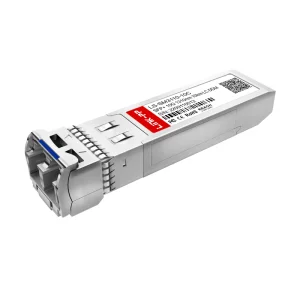
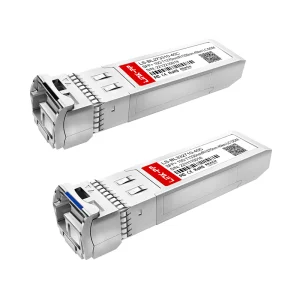
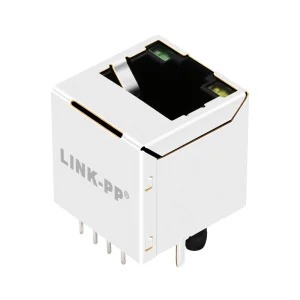
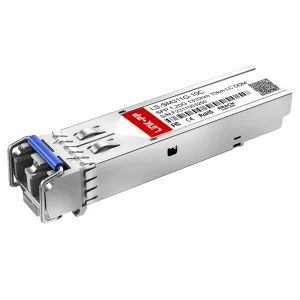
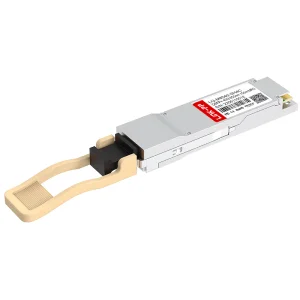
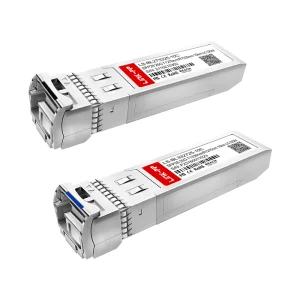
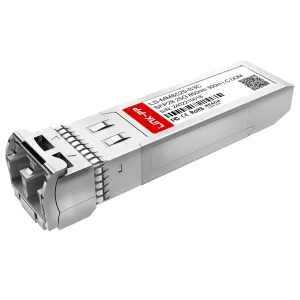
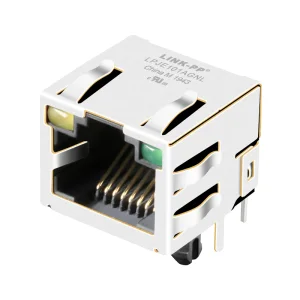
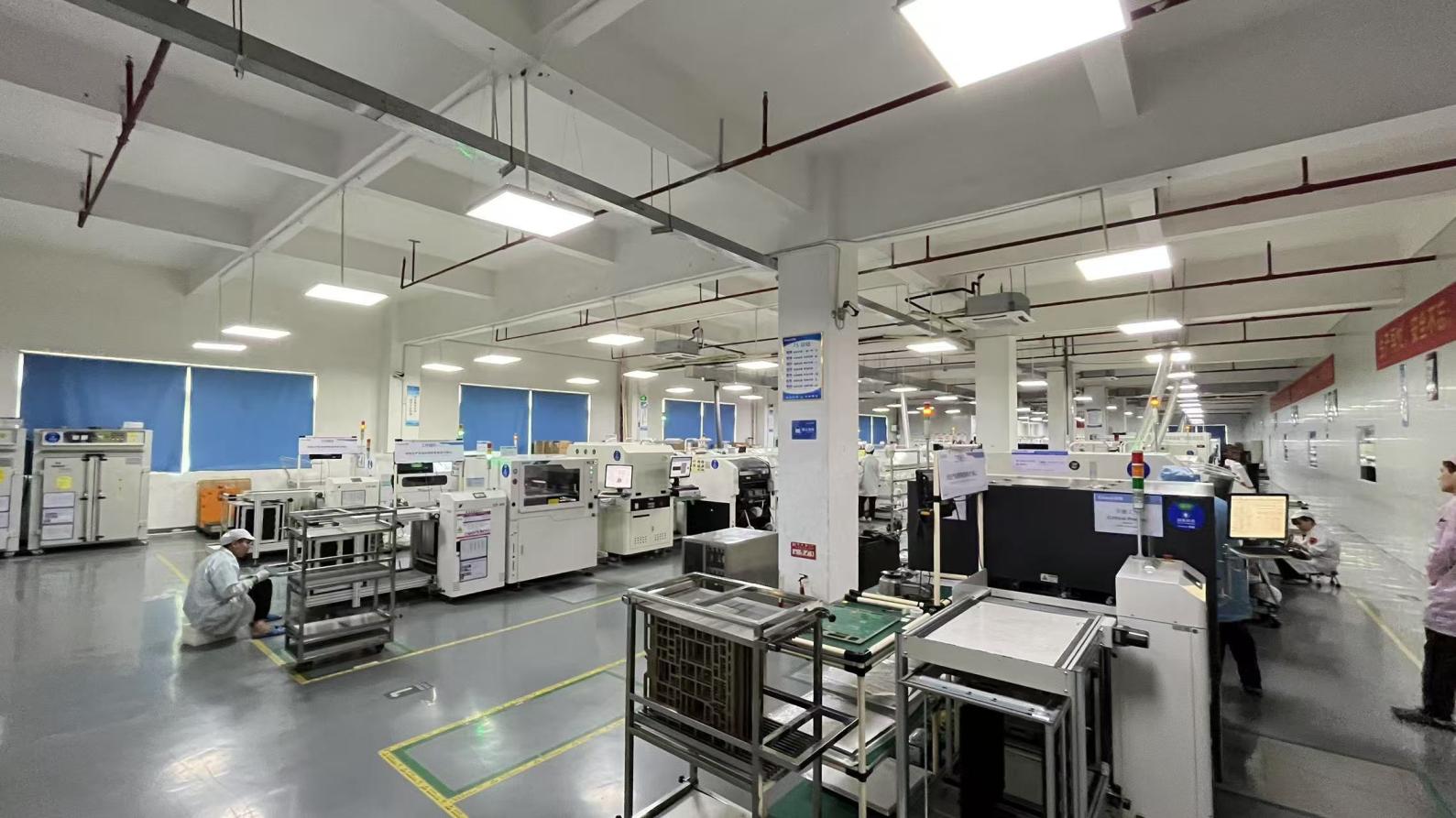
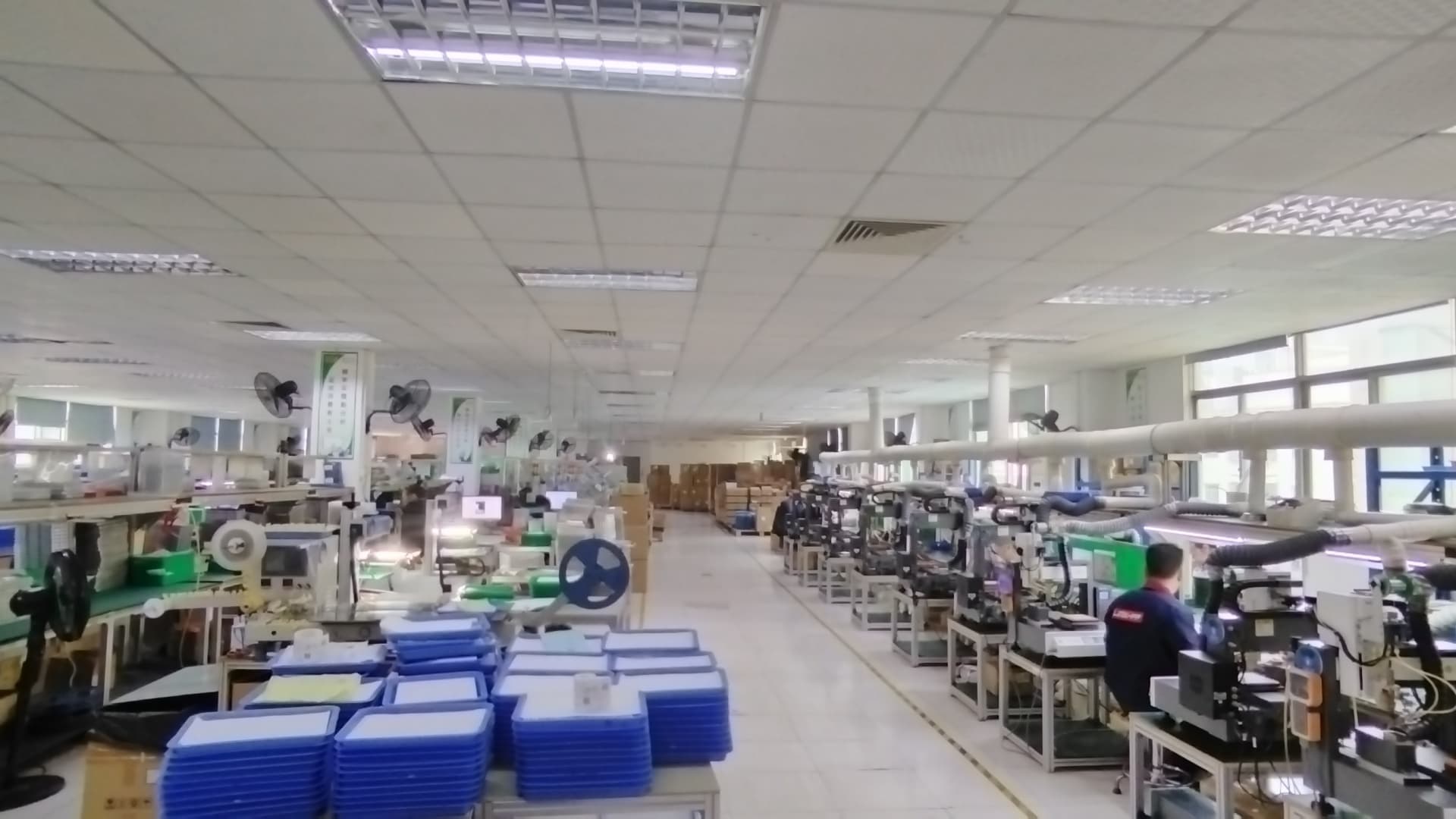
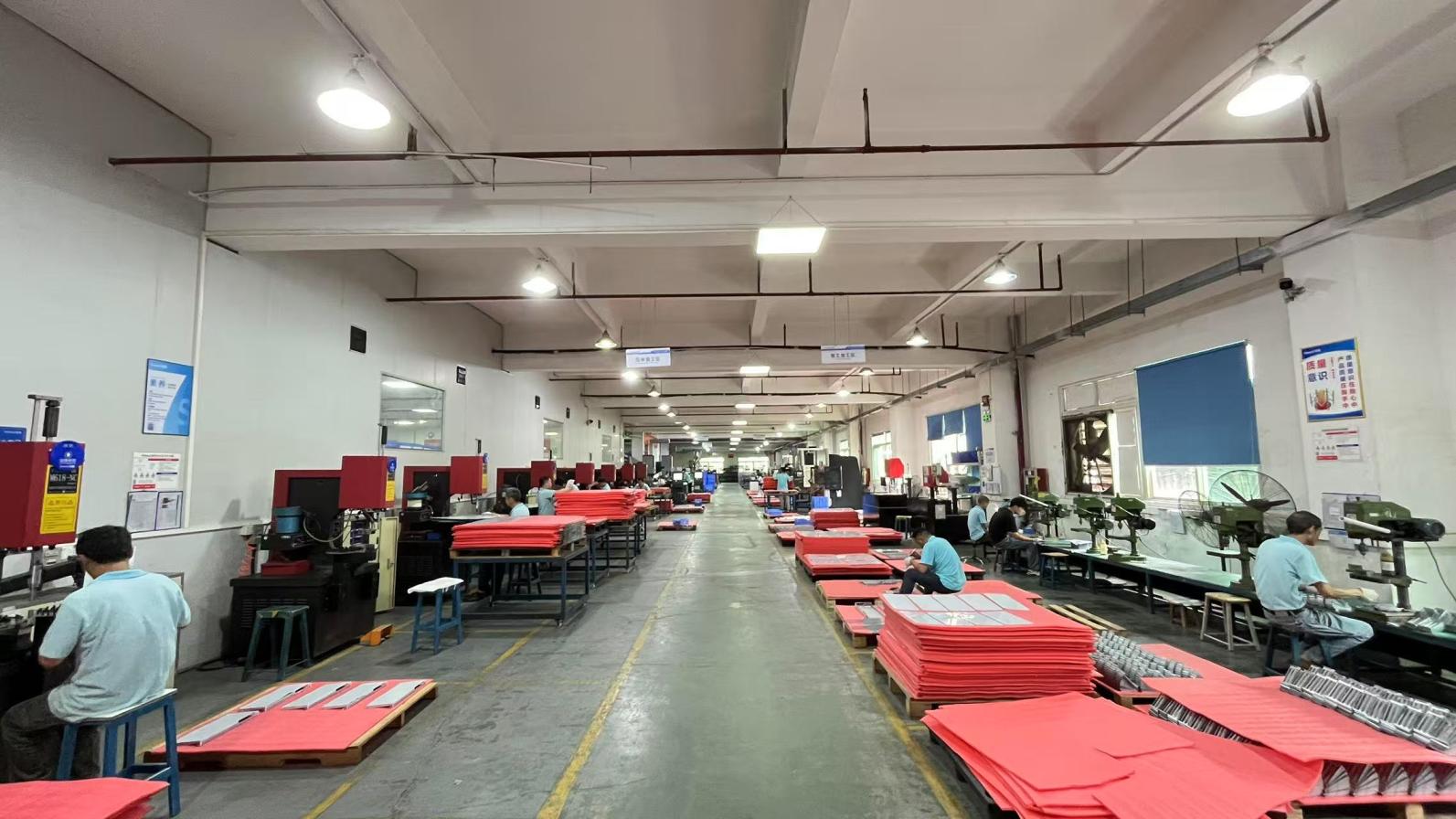
Inside our production facility, where precision engineering meets rigorous quality standards
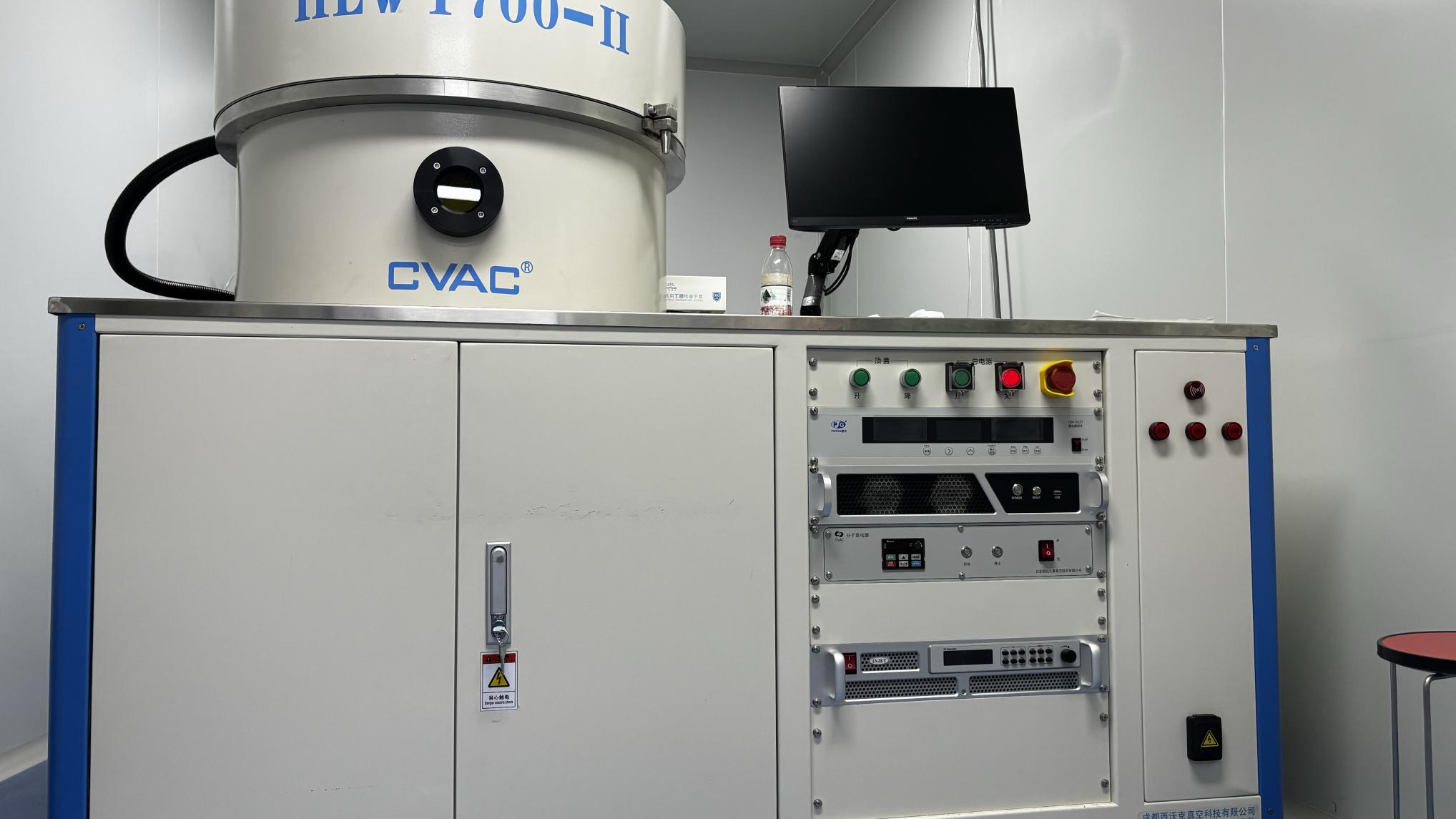
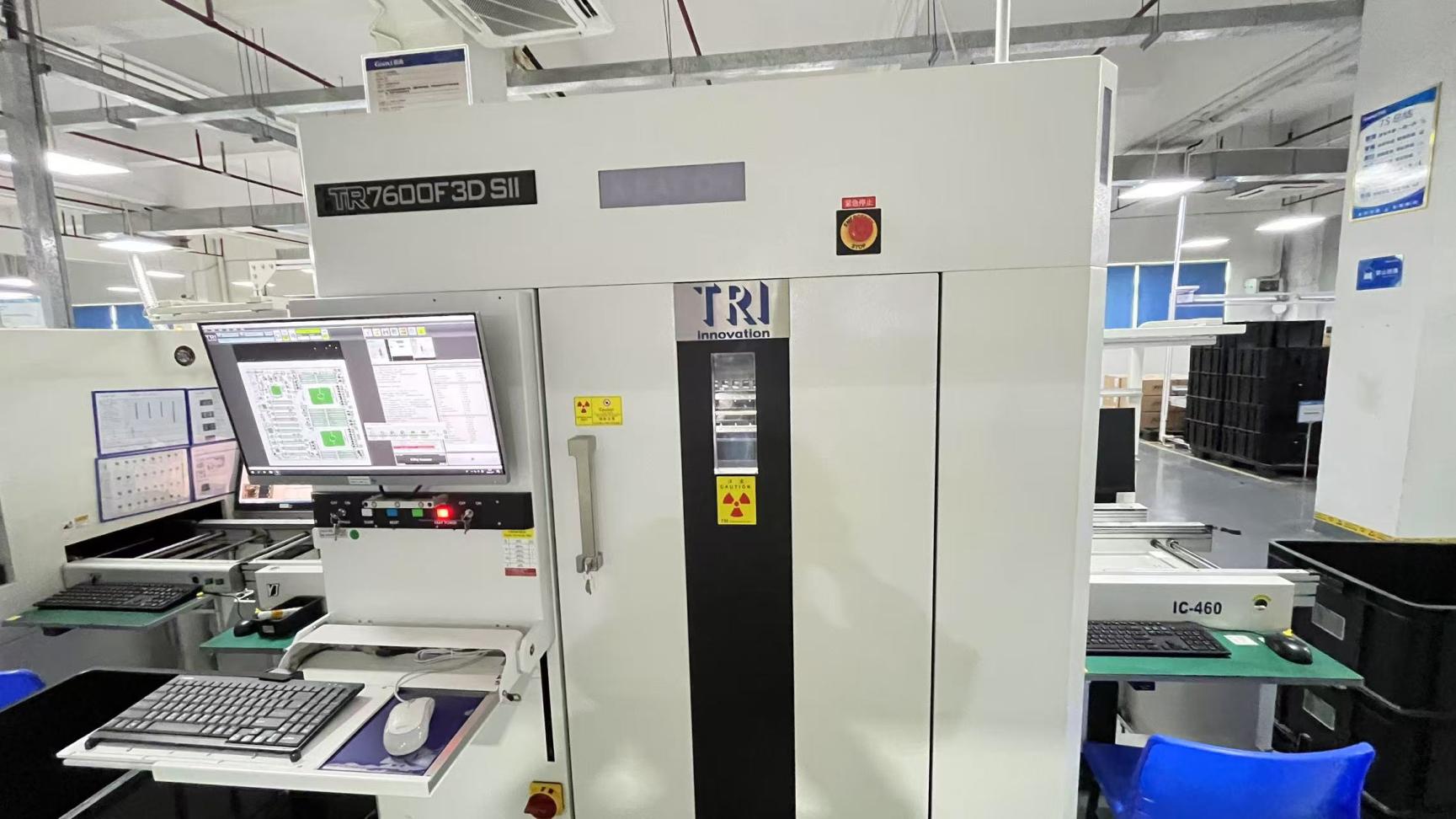
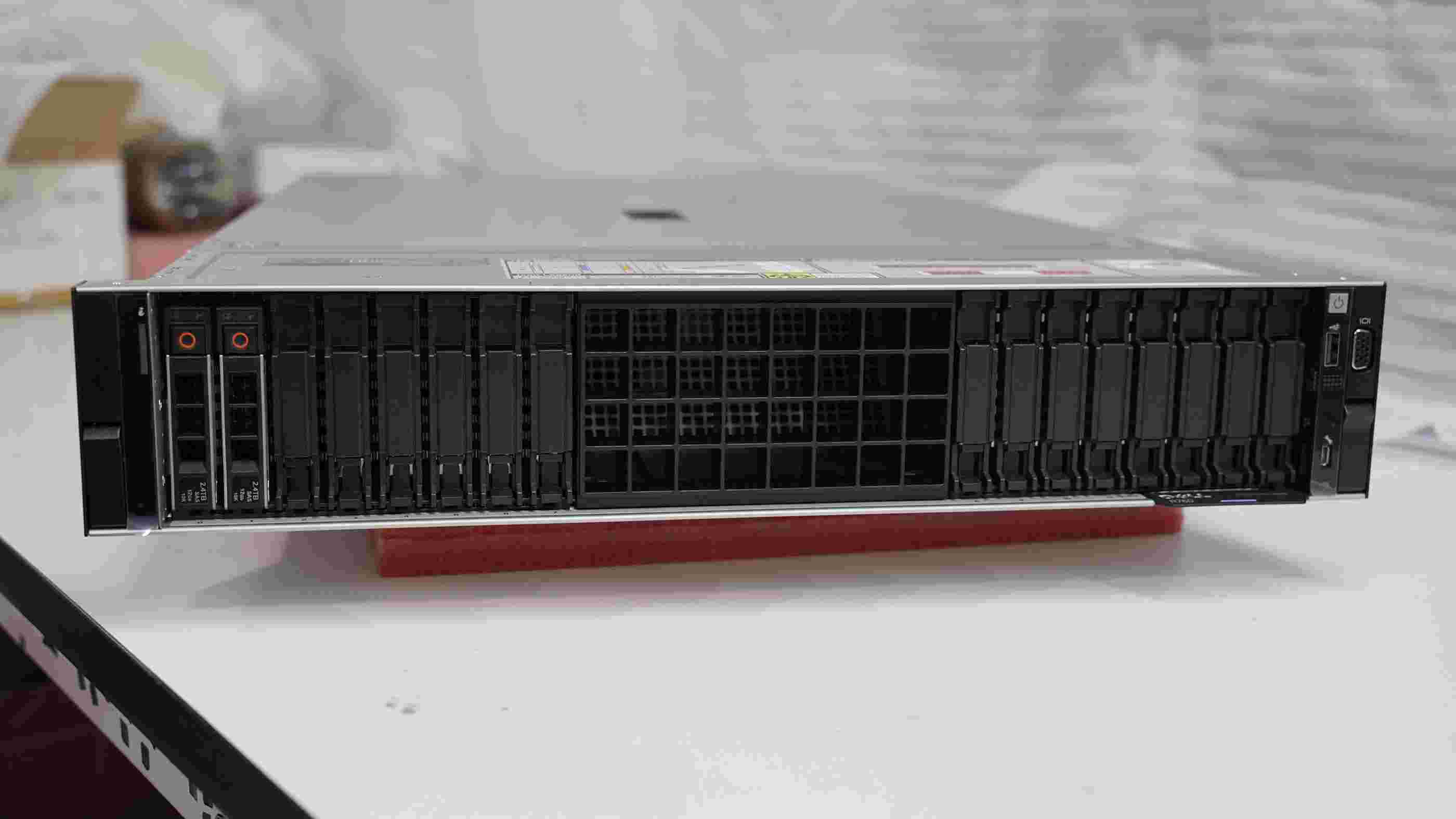
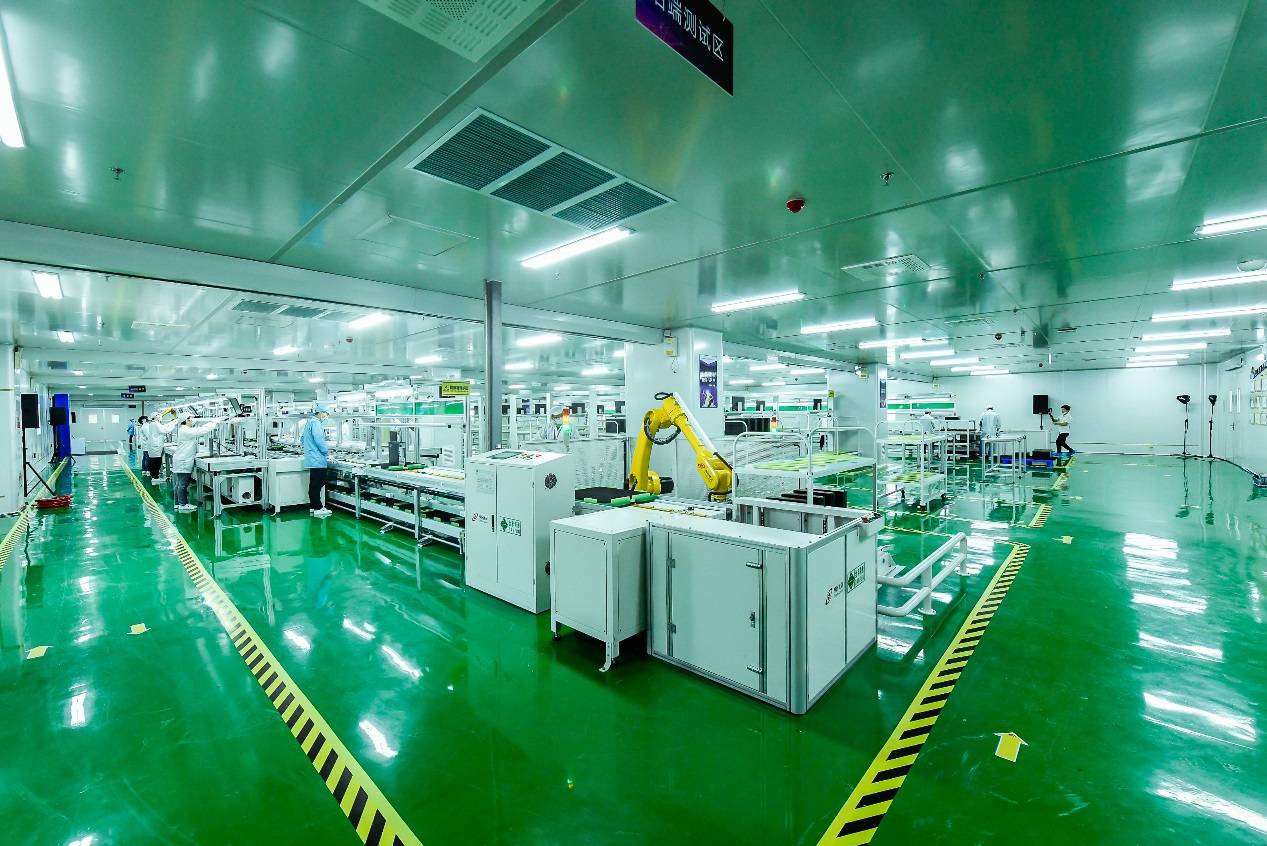

A trusted global supplier of high-speed optical transceivers and interconnect solutions
FiberNova Optical Communication Tech Co., Ltd. (FiberNovaTransceivers.com) is a professional optical transceiver manufacturer established in 2016, with a modern production facility covering approximately 380㎡. The company focuses on high-speed optical communication solutions, serving global data center and telecom customers with stable, high-performance products.
With over 6 years of export experience and 12 years of industry expertise, FiberNova has developed strong capabilities in R&D, manufacturing, and international trade. The company achieves an annual export revenue of approximately USD 8–15 million, supplying customers across North America, Europe, Southeast Asia, and the Middle East.
FiberNova operates with a strict quality control system, including 100% optical performance testing, temperature cycling tests, and signal integrity inspection before shipment. The quality assurance team consists of around 45 professional QC staff, ensuring every transceiver meets international standards such as IEEE and MSA compatibility requirements.
The company maintains a solid trade background with experienced export teams handling OEM and ODM projects worldwide. Its main markets include the United States, Germany, Japan, South Korea, and the United Arab Emirates. FiberNova has established long-term partnerships with more than 1,200 supply chain partners, enabling stable procurement of chips, lasers, and optical components.
FiberNova serves a wide range of clients, including telecom operators, cloud service providers, data center integrators, and network equipment distributors. The company has strong R&D capabilities, supported by 65 engineers, focusing on high-speed transmission technologies such as 10G, 25G, 100G, 400G, and 800G optical modules.
Customization is fully supported, including wavelength tuning, protocol compatibility, housing design, and labeling services. In the past year, FiberNova launched approximately 120 new products, continuously expanding its portfolio to meet fast-changing market demands.
With innovation-driven development and strict quality standards, FiberNova aims to become a trusted global partner in optical communication solutions.
 FiberNova