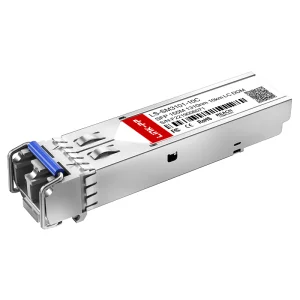
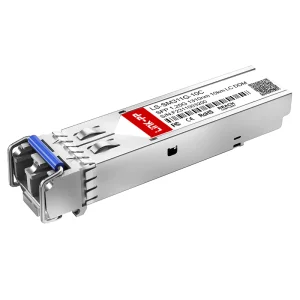
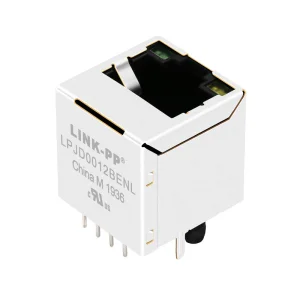
Premium optical interconnect configurations engineered for Suez Canal data centers, Cairo metropolitan backbones, and New Administrative Capital smart city networks.
Egypt's geopolitical positioning as the primary connection corridor between Europe, Asia, and Africa has turned the country into a critical hub for global submarine fiber-optic cables. Driven by the **Egypt Vision 2030** initiatives and spearheaded by the Ministry of Communications and Information Technology (MCIT), the nation is undergoing an unprecedented digital infrastructure overhaul.
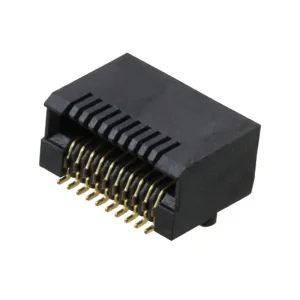
This nationwide transition is demanding high-density, low-latency, and highly stable network hardware components. **Small Form-factor Pluggable (SFP) connectors, cages, and transceiver interfaces** represent the fundamental building blocks of these systems. As data rates shift from legacy Gigabit Ethernet to 10G, 25G, and even 100G+ structures in Egypt's metro networks and hyper-scale data centers, selecting the right SFP connectivity hardware is paramount to maintaining signal integrity and limiting transmission losses.
Furthermore, Egypt's climate presents challenging environmental parameters. Dust, ambient temperature fluctuations, and humidity in coastal cable landing sites like Alexandria, Port Said, and Suez require high-spec SFP connectors with superior gold plating thickness (e.g., 30u") and robust Electro-Magnetic Interference (EMI) shielding to guarantee operational longevity.
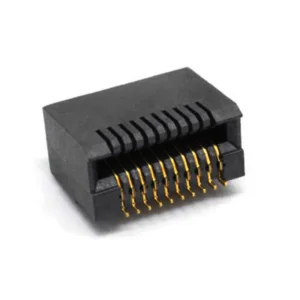
Providing the critical electrical and optical interfaces to connect local enterprises, fiber-to-the-home (FTTH) networks, and Egyptian telecommunication cabinets.
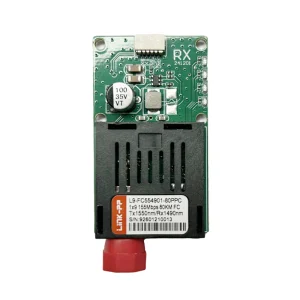
How material science and precise manufacturing tolerances protect optical infrastructure from packet loss, heat decay, and corrosive humidity.
Typical network ports suffer from micro-corrosion caused by humidity and saline breezes in cities like Alexandria and Port Said. By selecting 30 micro-inches (30u") gold-plated SFP connector mating points, physical degradation is avoided. Gold maintains unmatched conductivity and corrosion resistance through thousands of insertion cycles, keeping contact resistance below critical thresholds and preventing high-frequency jitter.
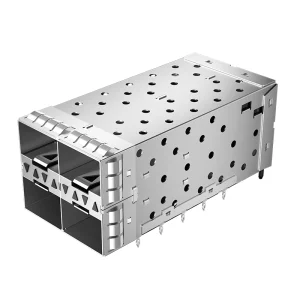
Dense multi-port configurations, such as 2x2 or 2x6 stacked SFP cages, generate considerable electromagnetic crosstalk. Press-fit, multi-point ground pins combined with robust metal shielding wraps ensure EMI is contained. FiberNova's ganged receptacle cages isolate each optical path, preventing external interference from corrupting sensitive high-speed signals.
Universal compatibility is crucial for Egyptian service providers who deploy a mixture of Cisco, Huawei, Juniper, and ZTE equipment. Following strict SFF MSA (such as SFF-8472 and SFF-8431) standards guarantees mechanical and electrical interoperability, giving procurement officers the freedom to source high-grade components without fearing hardware lock-in.
For Egyptian network integrators and distributors, partnering directly with experienced Chinese optical manufacturers like **FiberNova** provides significant commercial and technical advantages:
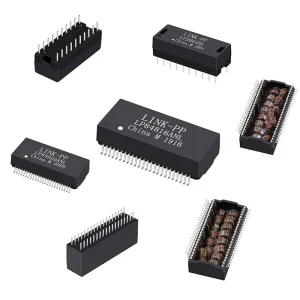
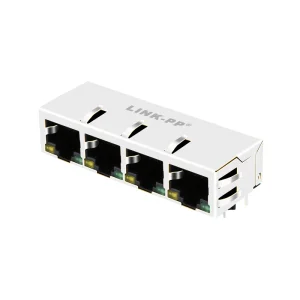
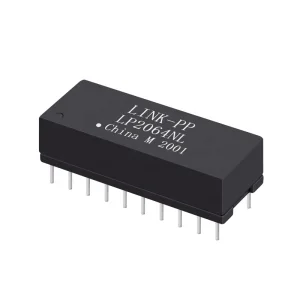
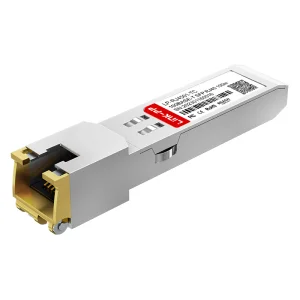
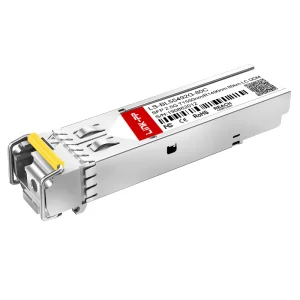
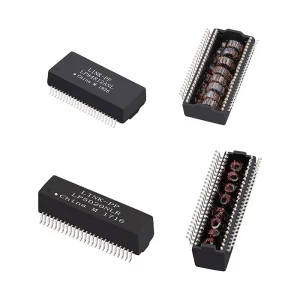
Explore our highly reliable transceivers, PCB jacks, and Lan transformers engineered for enterprise-grade switching, carrier networks, and high-speed data transmission.
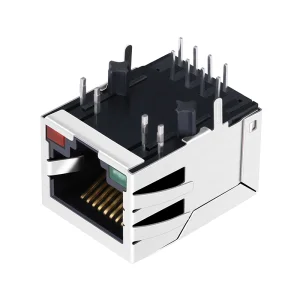
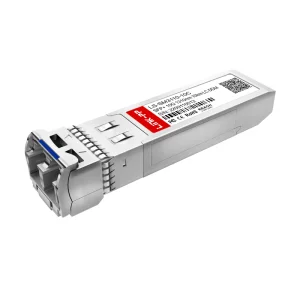
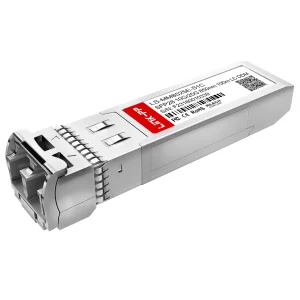
Connecting Global Networks with Rigorous Standards, Advanced Engineering, and Robust Supply Logistics
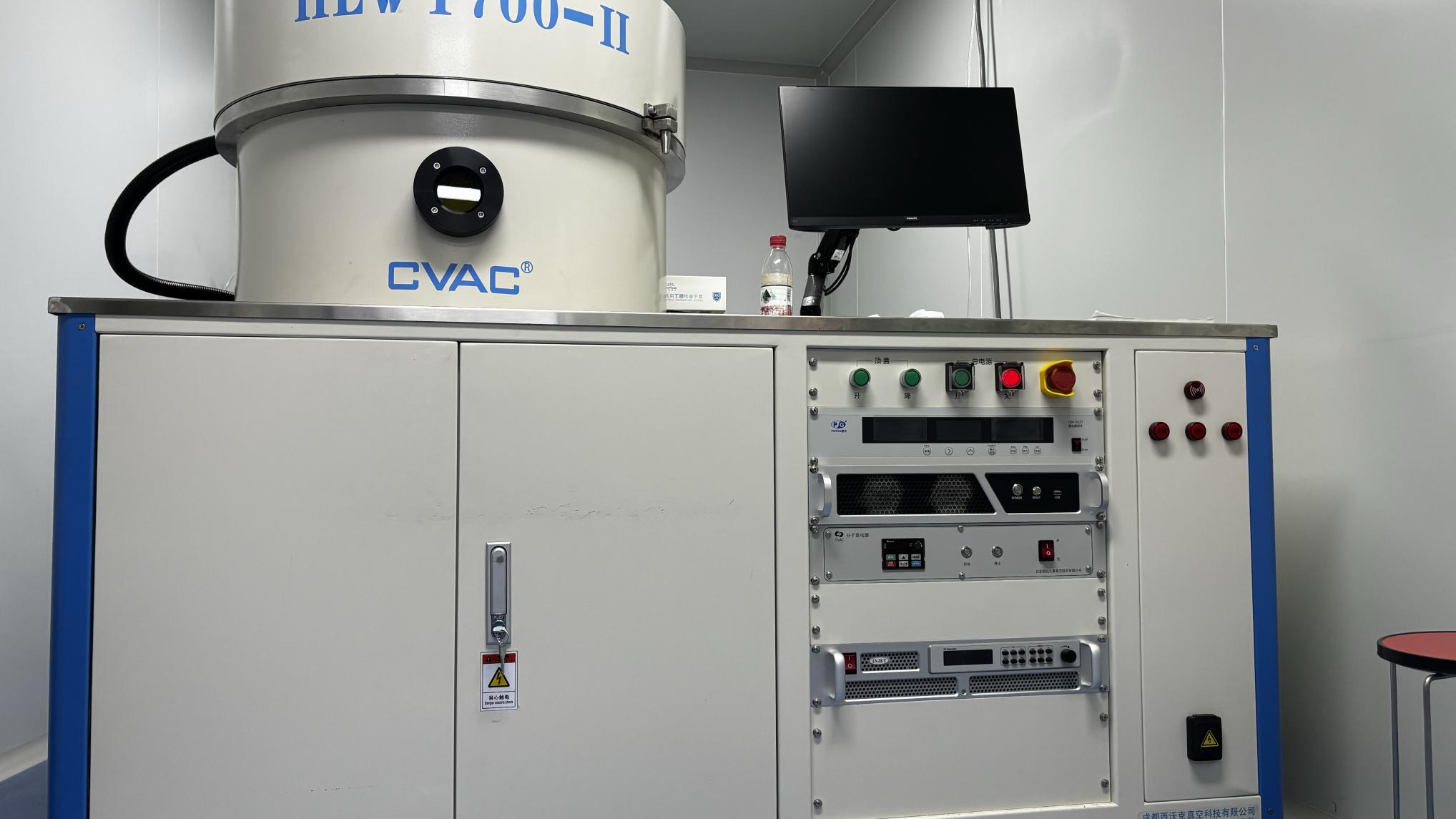
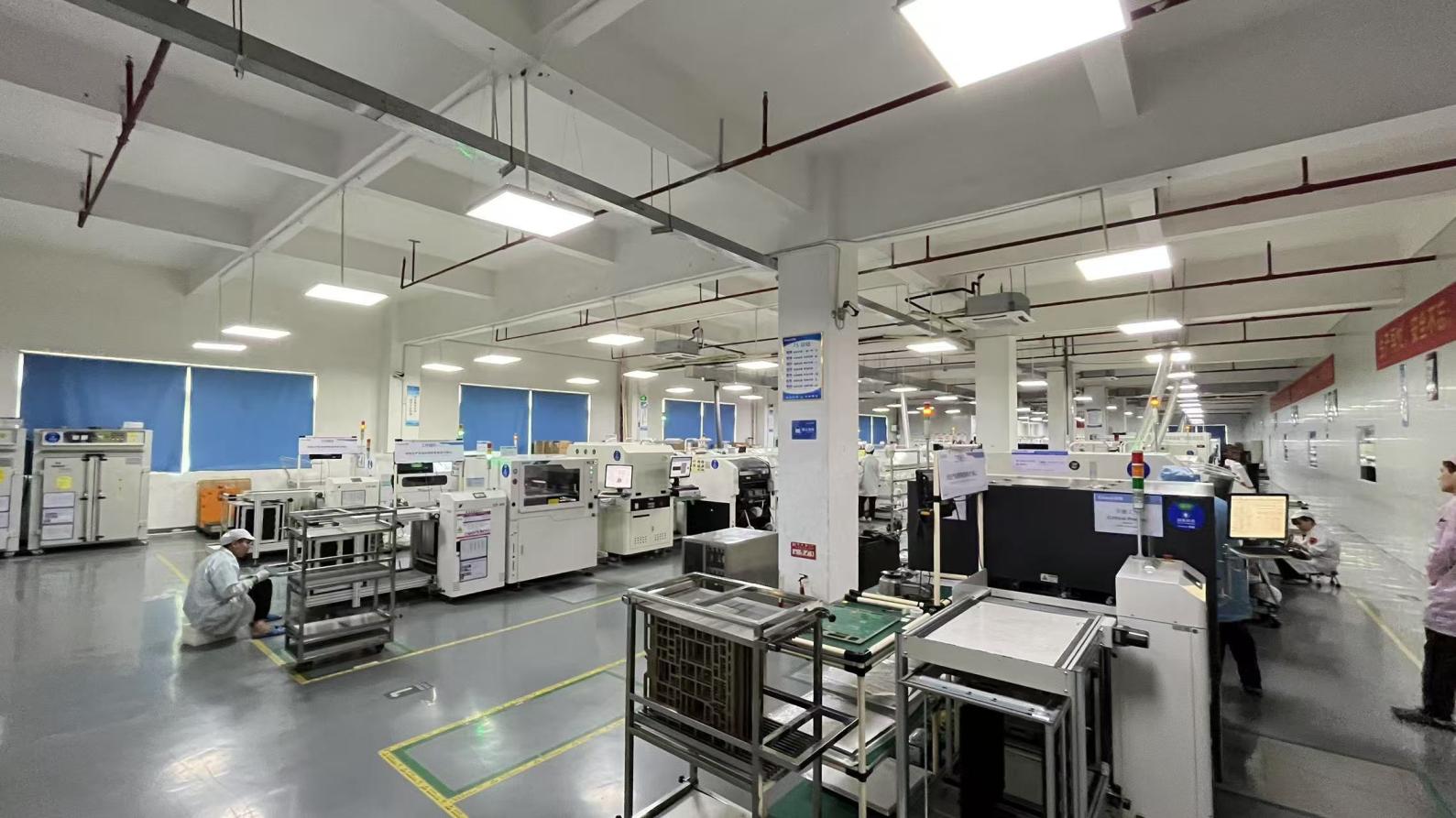
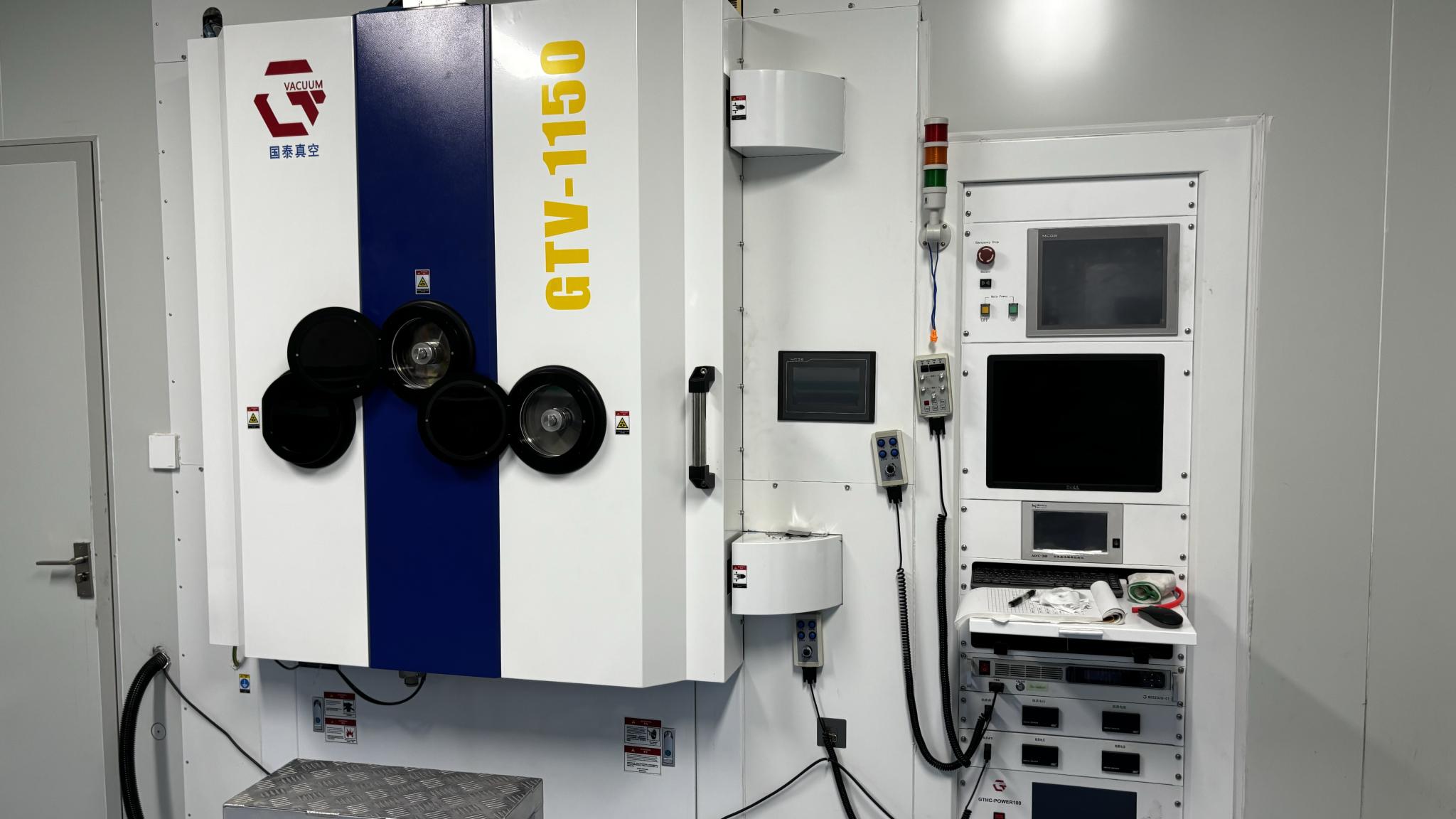
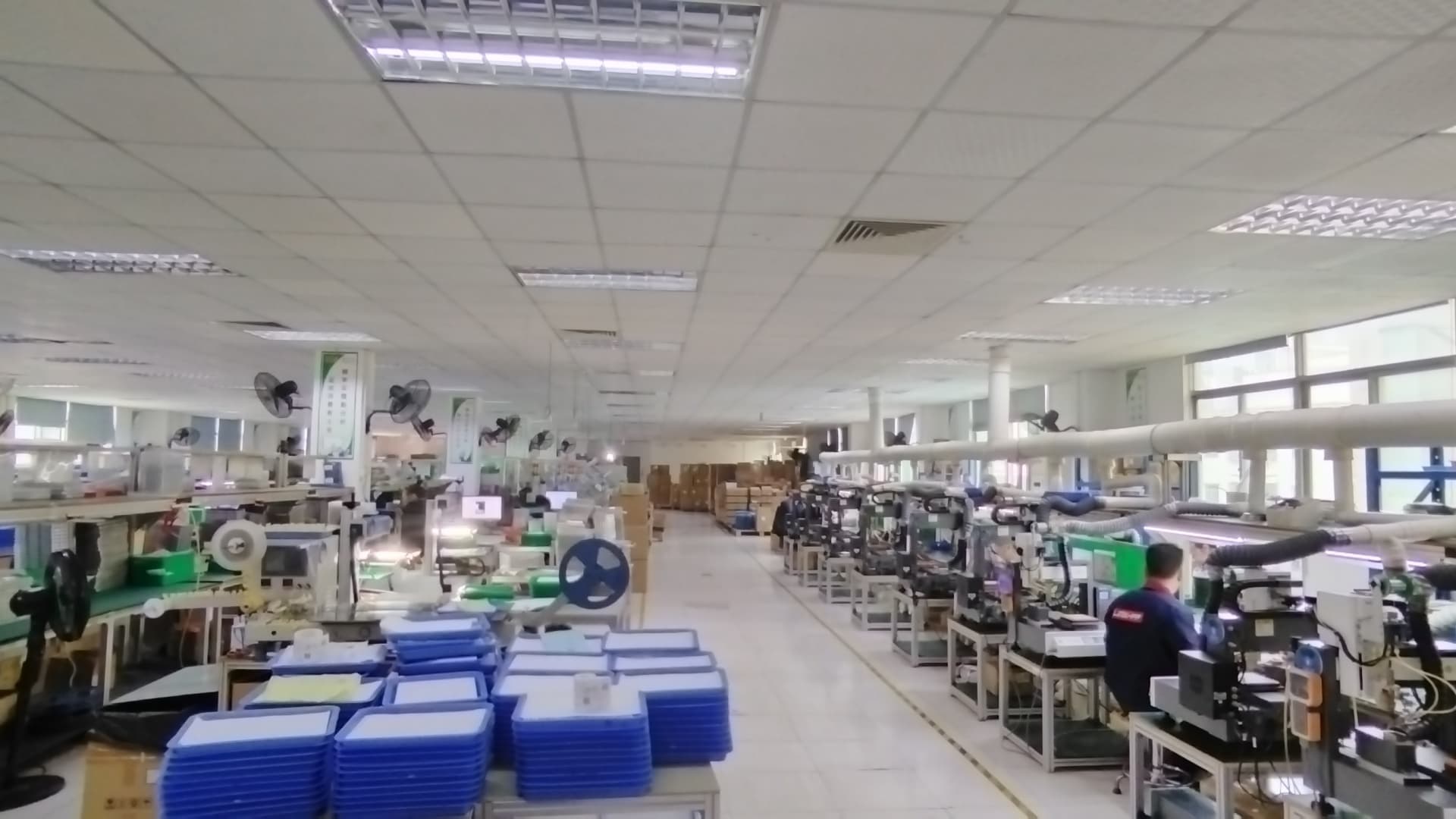
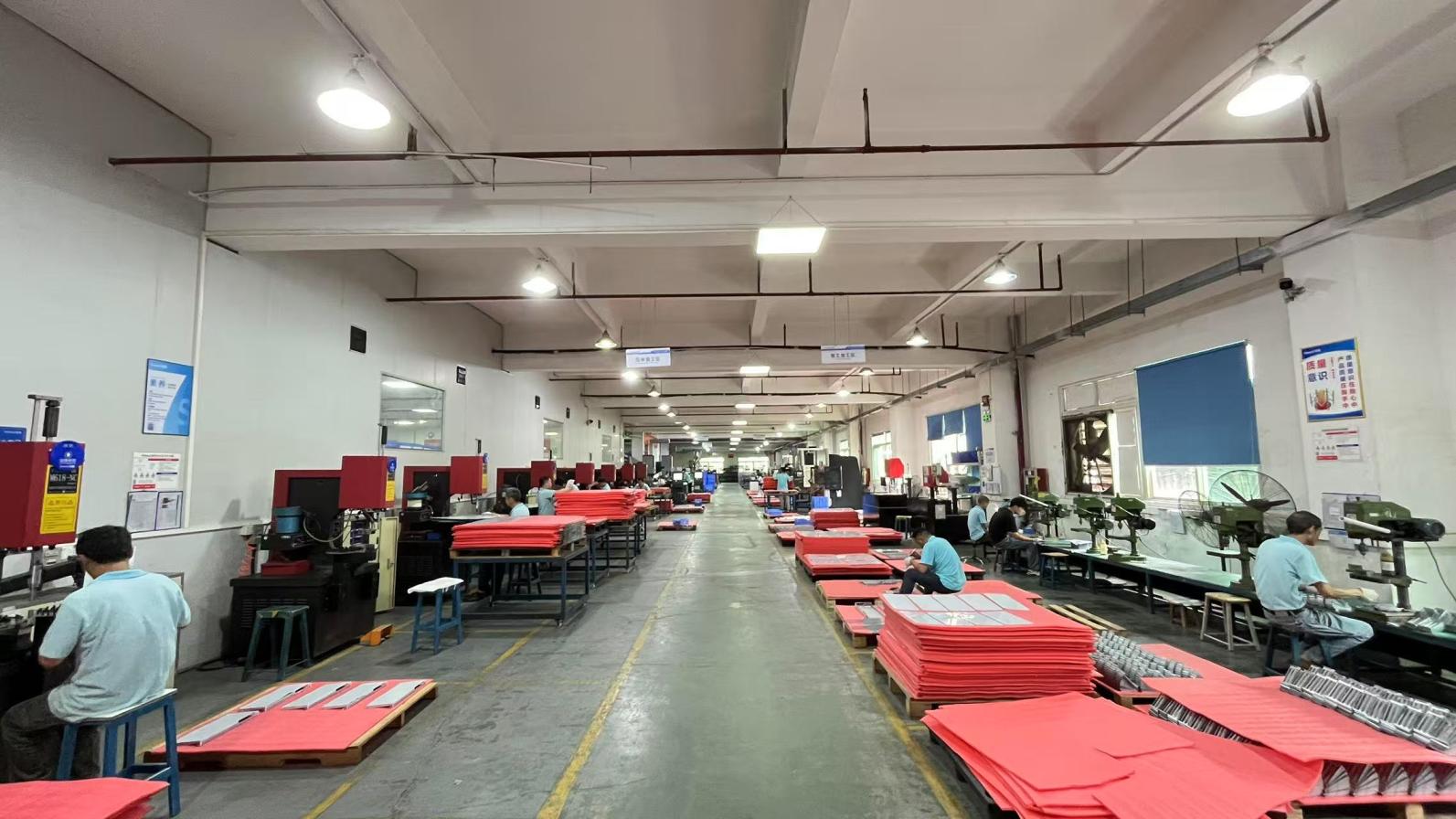
FiberNova Optical Communication Tech Co., Ltd. (FiberNovaTransceivers.com) is a professional optical transceiver manufacturer established in 2016. Over the years, we have expanded our modern production footprint to a specialized facility covering approximately 380㎡, fully optimized for dust-free precision assembly and optoelectronic alignment.
With over 6 years of export experience and 12 years of core industry expertise, our engineering and commercial teams possess an intricate understanding of optical communication networks. This extensive experience translates to robust, field-tested products that power global data centers, cloud infrastructure networks, and major telecommunication backbones. Through highly optimized supply chains, we maintain an annual export revenue of approximately USD 8–15 million, supplying network solutions to clients across North America, Europe, Southeast Asia, and the Middle East—with a major focus on supporting Egypt's current infrastructure wave.
Quality is the absolute foundation of our operations. FiberNova maintains a rigorous QC protocol: 100% optical performance testing, dynamic temperature cycling tests, and high-frequency signal integrity inspections are conducted before any component leaves our facility. Our quality assurance team, consisting of 45 professional QC staff, ensures that every transceiver, connector, and passive transformer strictly meets IEEE and MSA standards.
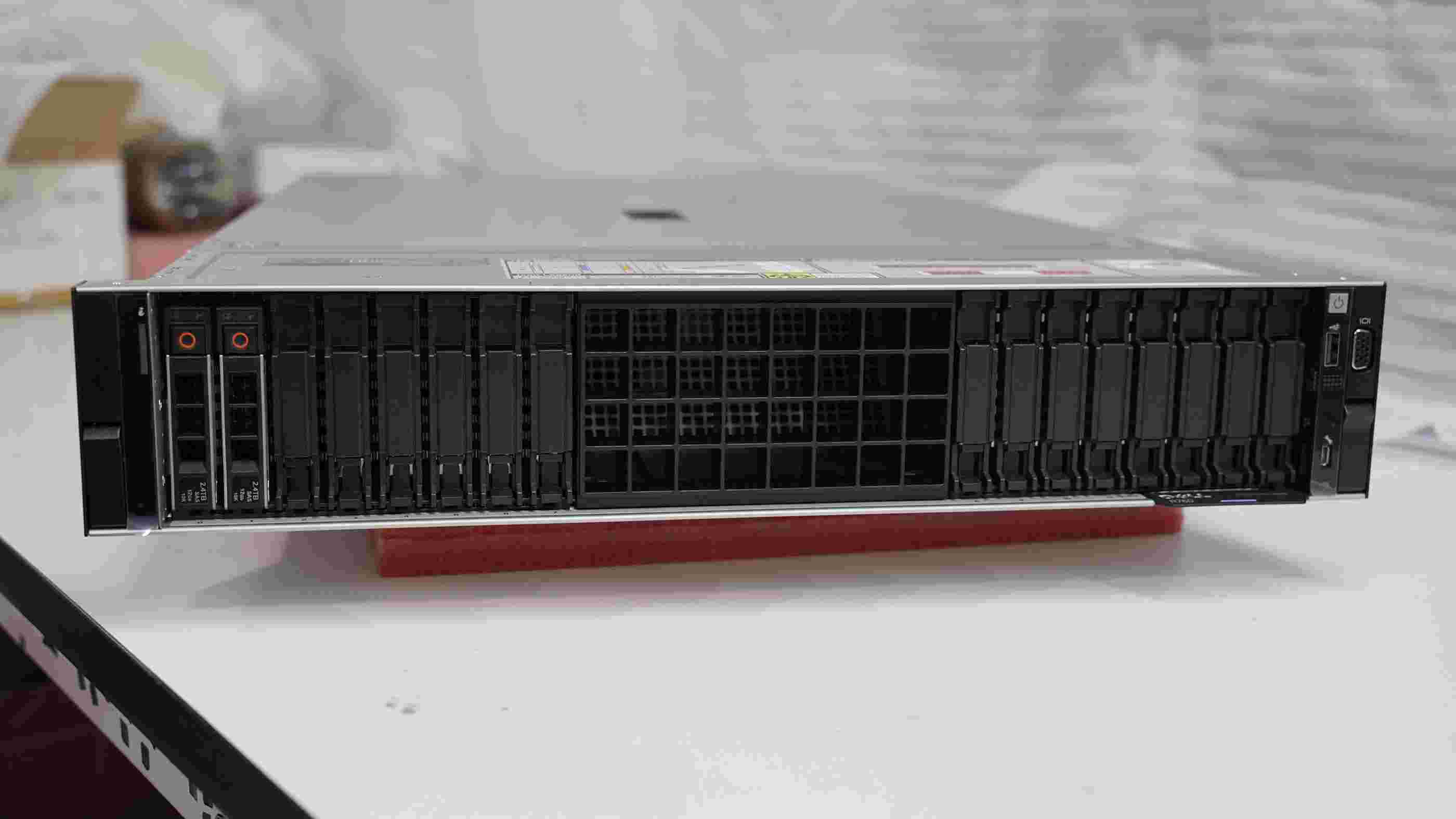
Supported by a resilient supply network of more than 1,200 supply chain partners, we guarantee a stable supply of premium chips, lasers, and optical components, shielding our customers from volatile market shortages. Our strong research and development capabilities are driven by 65 dedicated R&D engineers, focusing on next-generation high-speed transmission technologies including 10G, 25G, 100G, 400G, and 800G optical modules. We fully support customizations including protocol coding, wavelength tuning, custom housing design, and labeling. In the past year alone, we launched 120 new products, reinforcing our dedication to technology leadership.
Year Established
Max Annual Export Value
R&D Engineers
QA/QC Specialists


Direct expert insights addressing customs, compliance, technical compatibility, and environmental endurance requirements for Egypt's optical projects.
All imported telecommunication components entering Egypt, including transceivers and active SFP modules, are regulated by the National Telecommunications Regulatory Authority (NTRA). Importers must secure NTRA Type Approval for active networking electronics. In addition, providing complete Customs Tariff Codes (HS Codes), Certificate of Origin (CO), and strict compliance with the local ACID (Advance Cargo Information System) registration before shipping from China is critical to prevent delays at Alexandria, Sokhna, or Cairo Airport customs.
Egypt's climate frequently causes temperatures to rise above 40°C, leading to thermal accumulation within high-density switch chassis. FiberNova's SFP connectors and receptacles are manufactured with high-temperature LCP (Liquid Crystal Polymer) thermoplastic and premium copper alloys. Our products are fully tested to sustain operation under industrial-grade temperature profiles (-40°C to +85°C), ensuring that structural dimensions and electrical contacts do not deform or degrade under prolonged thermal stress.
Yes. FiberNova's R&D team features 65 engineers who specialize in firmware and EEPROM protocol coding. We can write vendor-specific microcode into our compatible optical transceivers (such as the Cisco GLC-FE-T or SFP-10/25G-CSR-S compatibles), bypassing vendor lock-in mechanisms. This allows our products to seamlessly interface with legacy switch networks across Telecom Egypt and regional enterprise infrastructure.
In coastal areas like Port Said and Alexandria, the atmosphere contains high levels of humidity and salt particles. Over time, base metals corrode, which leads to signal reflections and packet loss. Selecting 30u" (30 micro-inches) gold plating provides a thick, impenetrable shield against chemical corrosion, ensuring reliable connections and low insertion loss across thousands of card swaps.
Standard components can be manufactured and prepared for export within 7-14 working days, depending on order size. For customized ODM runs, lead times typically range from 3 to 4 weeks. Shipments to Egypt are processed through major air freight carriers directly into Cairo International Airport for urgent requirements (3-5 days transit) or via ocean freight to the Port of Alexandria or Port Said (20-30 days transit).
Contact our structural engineers and export managers today to receive customized technical drawings, MSA compatibility reports, and competitive price quotes.
Send Inquiry Now FiberNova