Optimized for High-Density Switch Interconnects in Kuala Lumpur Telecommunication Hubs
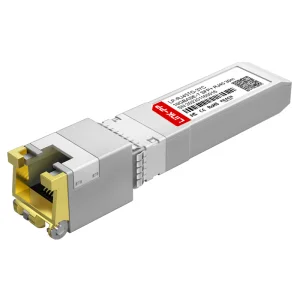
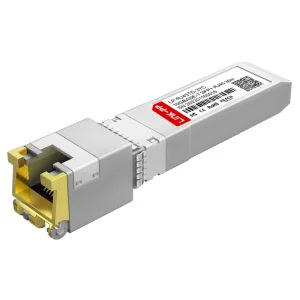
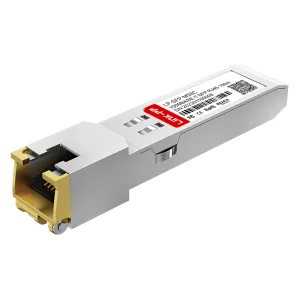
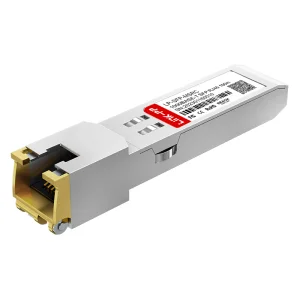
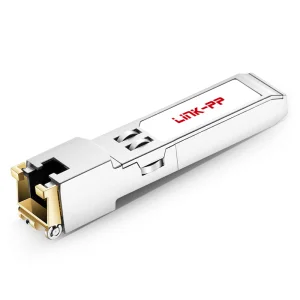
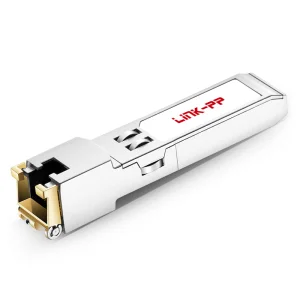
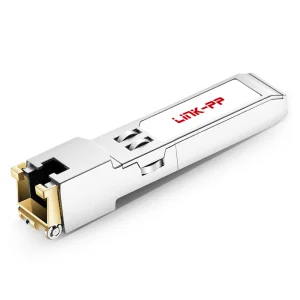
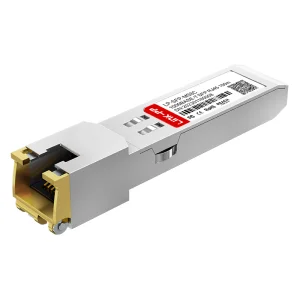
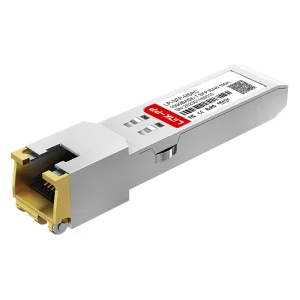
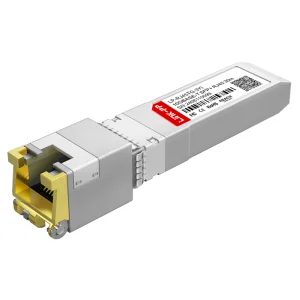
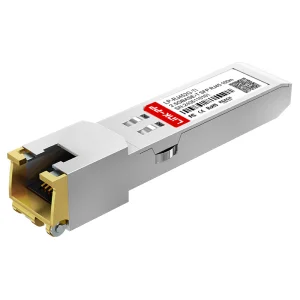
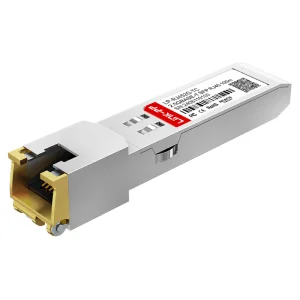
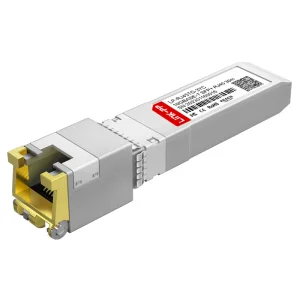
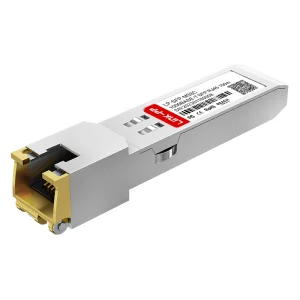
The Kuala Lumpur metro area, expanding into the Klang Valley and Cyberjaya, is rapidly emerging as a leading data center hub in Southeast Asia. Guided by the MyDIGITAL initiative and massive investments in hyper-scale cloud infrastructure, local enterprises and global cloud providers are scaling their networks to handle massive throughput. This shift is driving demand for high-performance physical layer solutions. Transceivers like the RJ45 Copper SFP are essential for bridging high-speed switch backplanes with structured copper cabling.
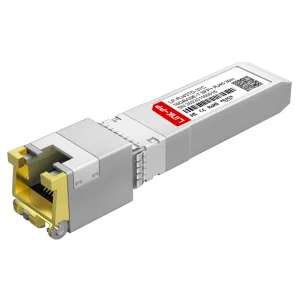
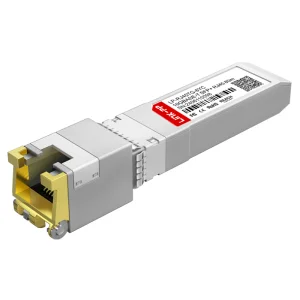
Using copper transceivers provides significant cost benefits over fiber deployments. For short-range connections up to 100 meters, Cat6A copper cabling connected via RJ45 SFP+ modules allows network architects to support up to 10G speeds without installing expensive optical patch cords or transceivers. As a trusted designer and supplier of high-speed optical and copper transceivers, FiberNova supports the Kuala Lumpur market with MSA-compliant, carrier-grade RJ45 SFP modules. Our solutions deliver optimal signal integrity, low power consumption, and reliable compatibility with mainstream switch vendors.
“By optimizing local hardware footprints with high-density RJ45 SFP modules, data centers in Kuala Lumpur are reducing capital expenditure (CAPEX) on short-reach interconnects by up to 45% compared to multi-mode fiber infrastructure.”
Selecting copper SFP modules requires understanding the electrical constraints at high frequencies. While optical SFPs convert electrical signals to photons, RJ45 Copper SFPs (particularly 10GBASE-T variants) rely on high-frequency DSP (Digital Signal Processing) chips to manage line coding, equalizer adjustments, and echo cancellation over twisted-pair copper. This conversion must occur within the SFP module's compact, standardized power budget.
A key challenge with 10GBASE-T SFP+ copper modules is power dissipation. Standard SFP+ ports are designed for a maximum power consumption of 1.5W to 2.0W. Early 10GBASE-T transceivers often consumed over 2.5W, leading to thermal management challenges in high-density switch configurations. FiberNova's latest RJ45 Copper SFP modules use advanced low-power PHY chips, keeping power consumption below 1.6W for 30m runs and under 2.0W for 80m and 100m variants. This reduces heat output, prevents thermal throttling, and extends the lifespan of the host switches in tropical data center environments like Malaysia.
Electromagnetic interference (EMI) is common in dense network racks. Our RJ45 Copper SFPs feature robust die-cast zinc alloy housings that shield internal circuits from EMI and cross-talk. Supporting standards like IEEE 802.3an (10GBASE-T), IEEE 802.3bz (2.5G/5GBASE-T), and IEEE 802.3ab (1000BASE-T), these transceivers use PAM16 (Pulse Amplitude Modulation) and LDPC (Low-Density Parity-Check) coding to guarantee error-free transmission across standard Cat6A/Cat7 copper networks.
Optimized PHY transceivers reduce latency in 10GBASE-T connections, supporting latency-sensitive high-frequency financial platforms in KL.
Industrial-grade transceivers are built for operating temperatures from -40°C to 85°C, ensuring stability in non-climate-controlled environments.
Configured using vendor-specific EEPROM coding to ensure seamless compatibility with Cisco, Aruba, Ubiquiti, and other major platforms.
The Klang Valley is experiencing significant digital growth. Large enterprise campuses, government networks in Putrajaya, and data centers in Cyberjaya are rapidly upgrading their network infrastructure. While new backbone connections rely on single-mode fiber optic cabling, local patch systems, distribution switches, and network-attached storage (NAS) devices continue to use RJ45 copper ports.
Key market drivers in Malaysia include:
6+ Years Export Experience and 12+ Years Industry Expertise Driving Quality Communication Solutions
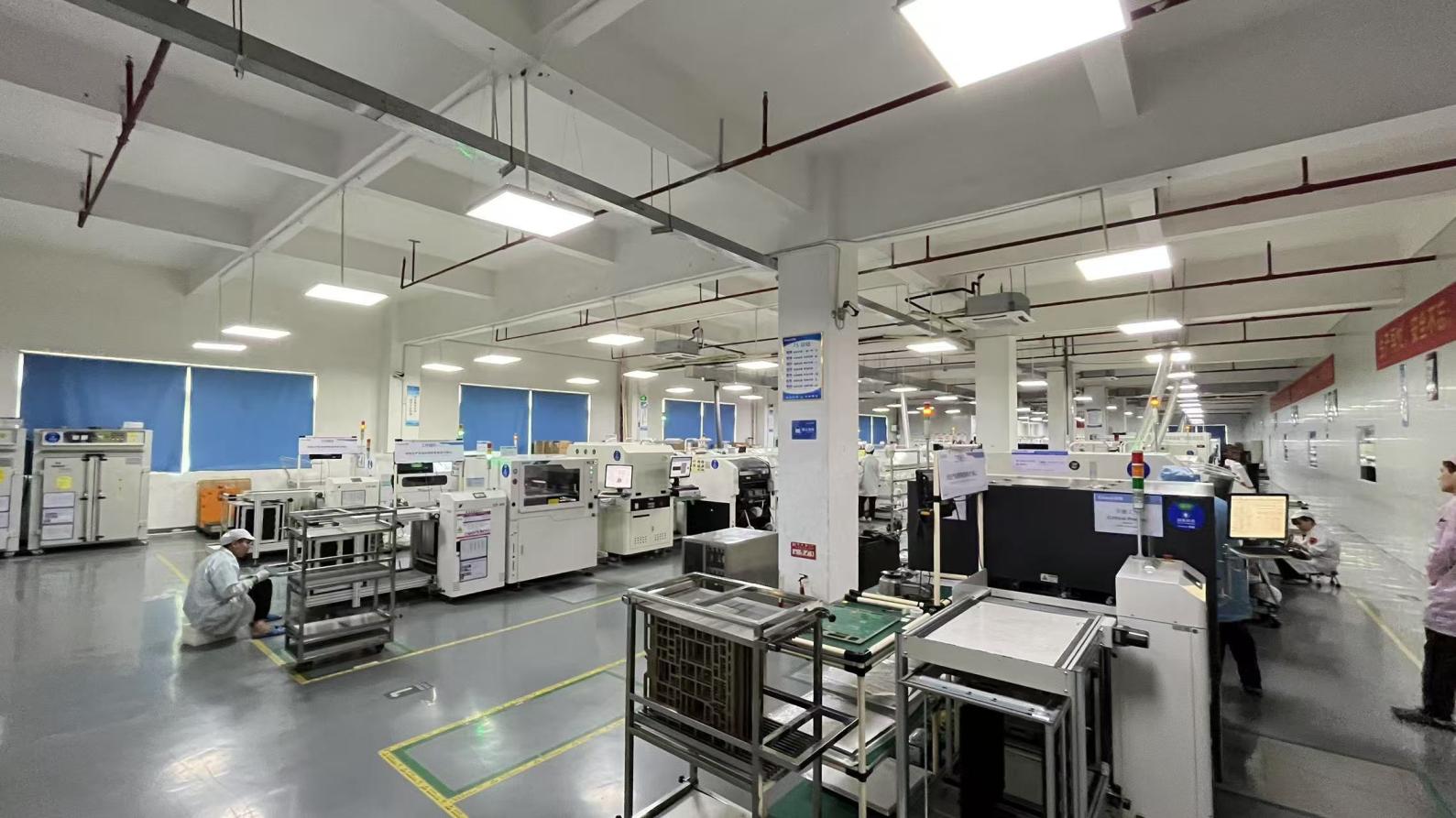
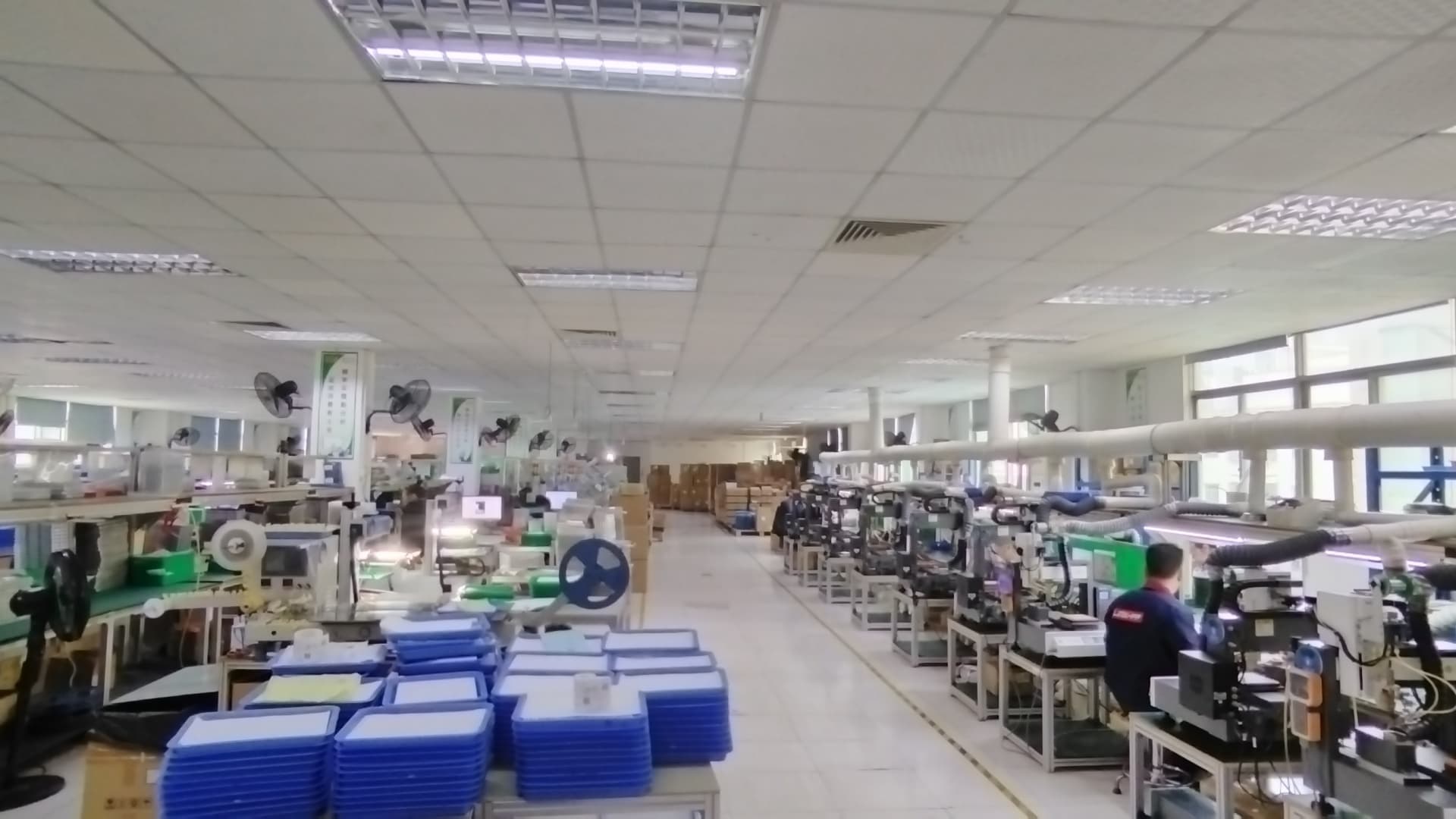
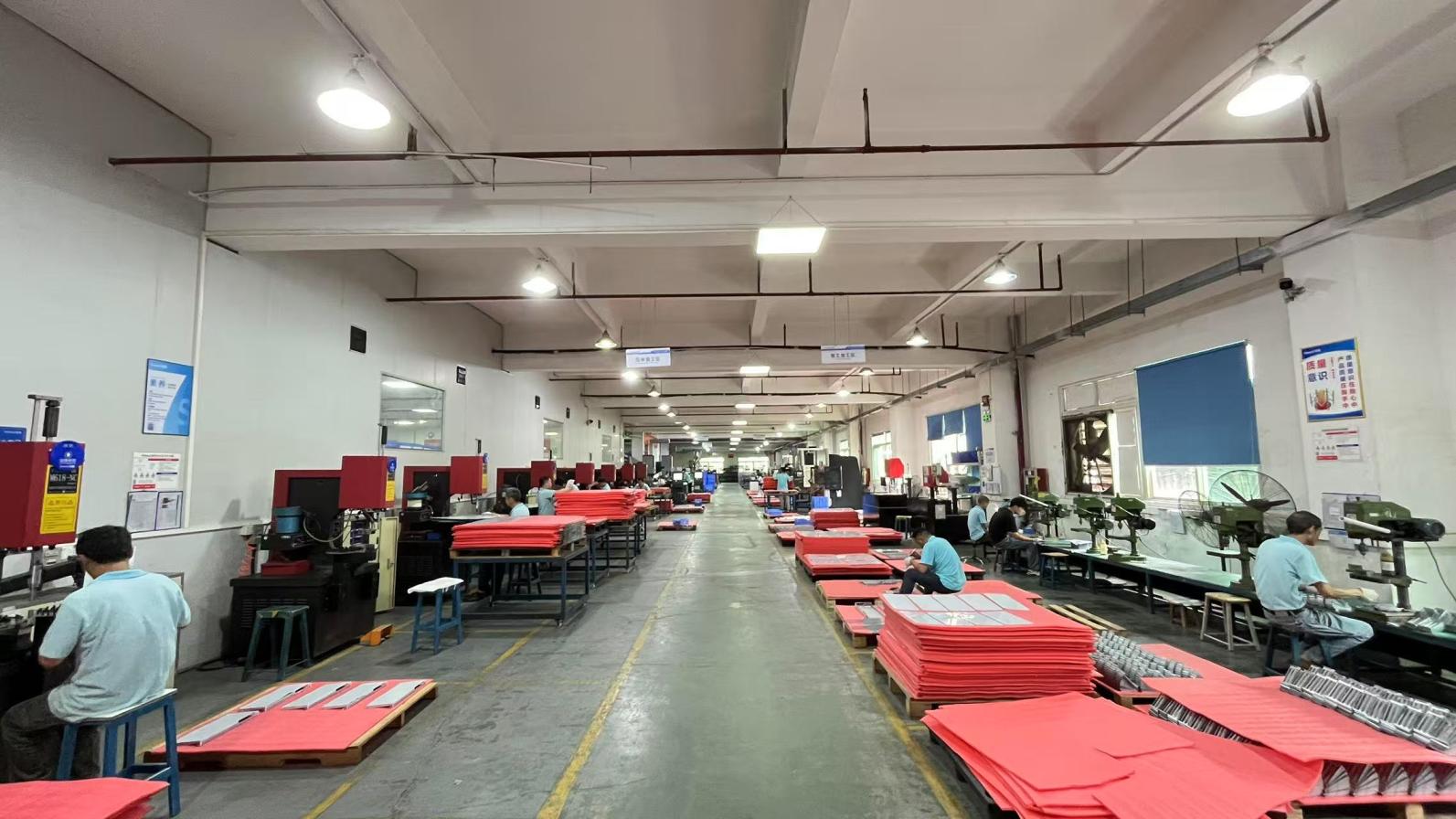
FiberNova prioritizes quality control at every stage. In high-speed communications, small manufacturing defects can cause network packet loss and downtime. Our testing processes ensure that all transceivers meet industry standards before delivery to customers in Malaysia and globally.
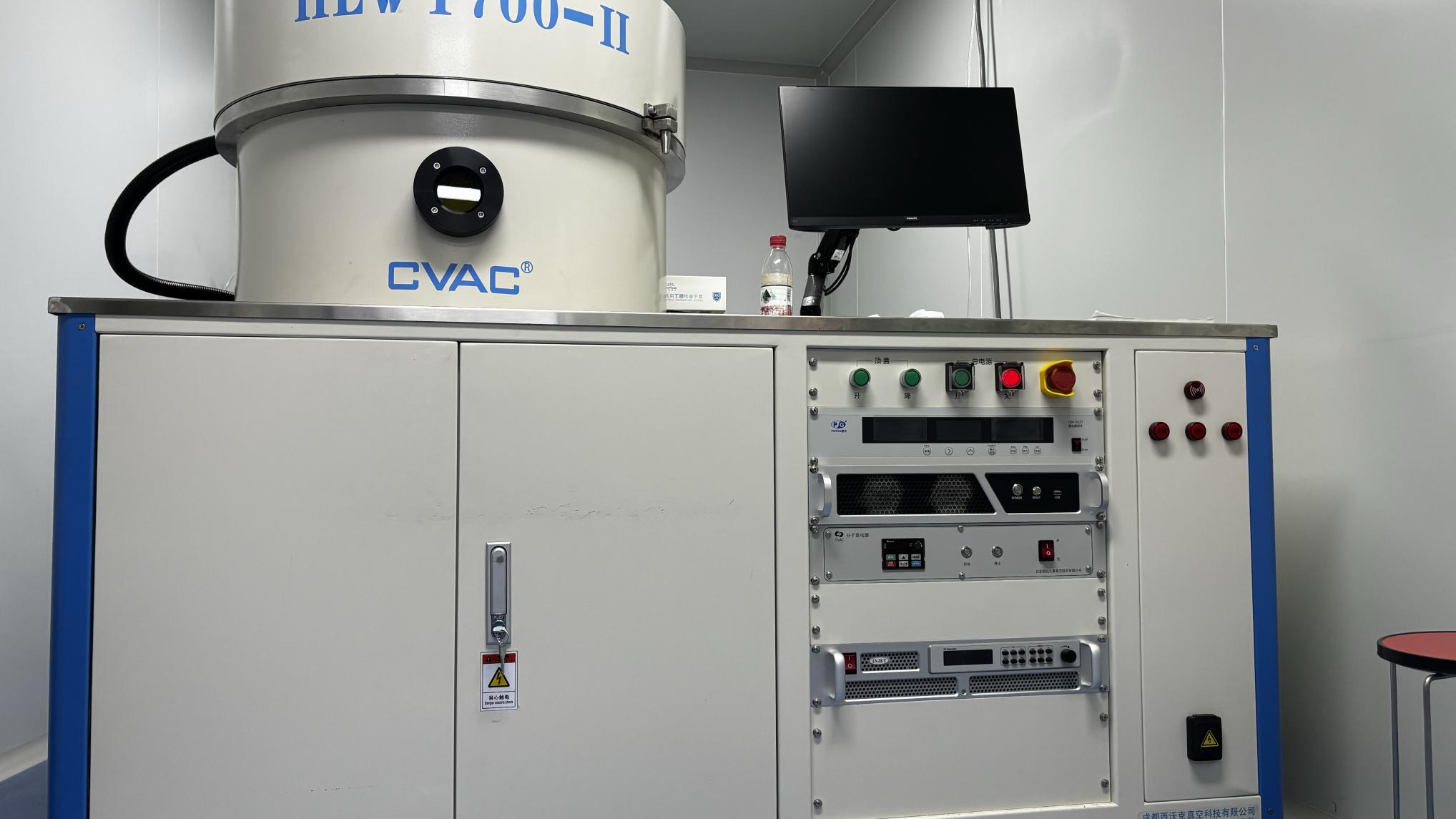
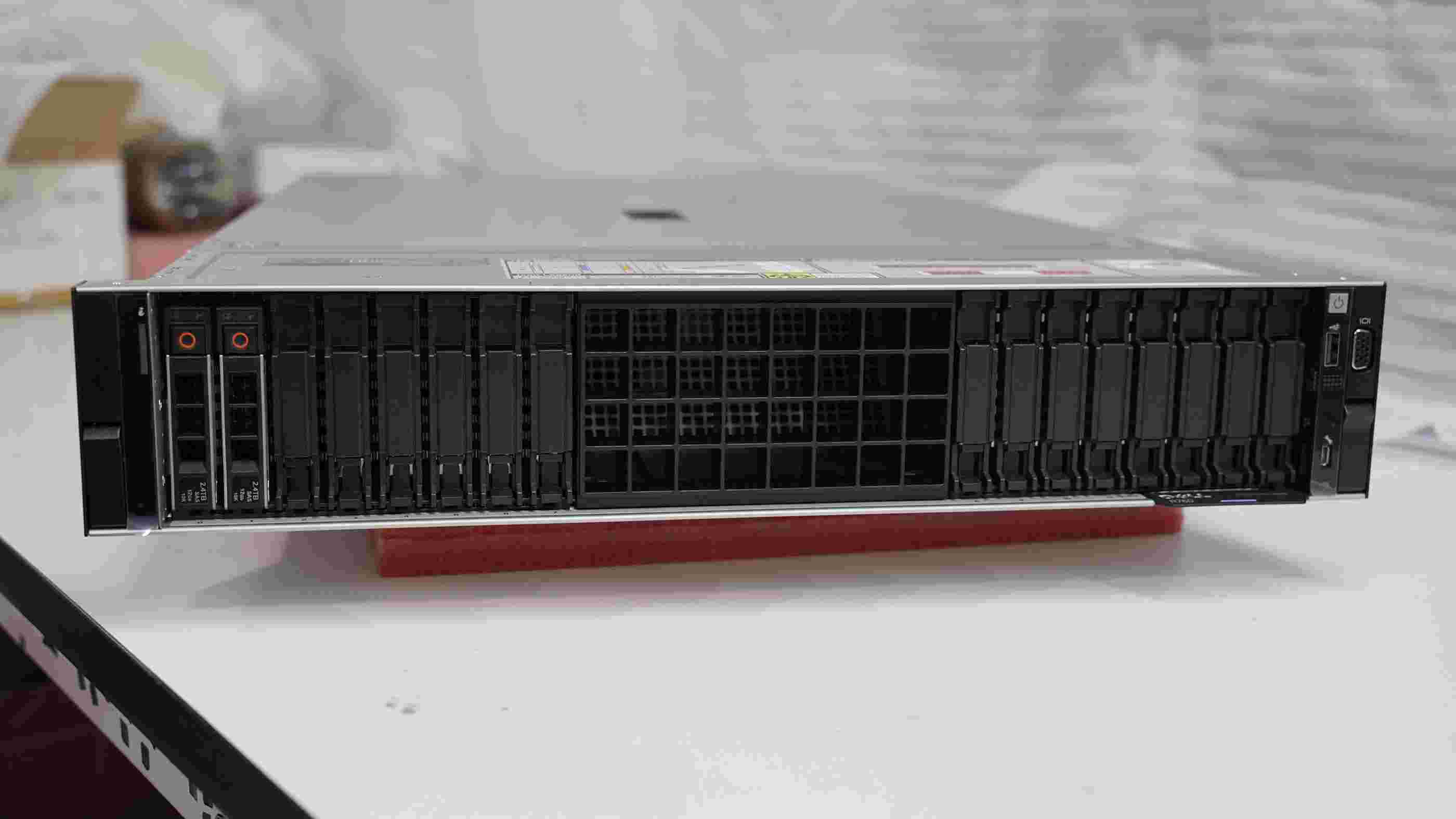
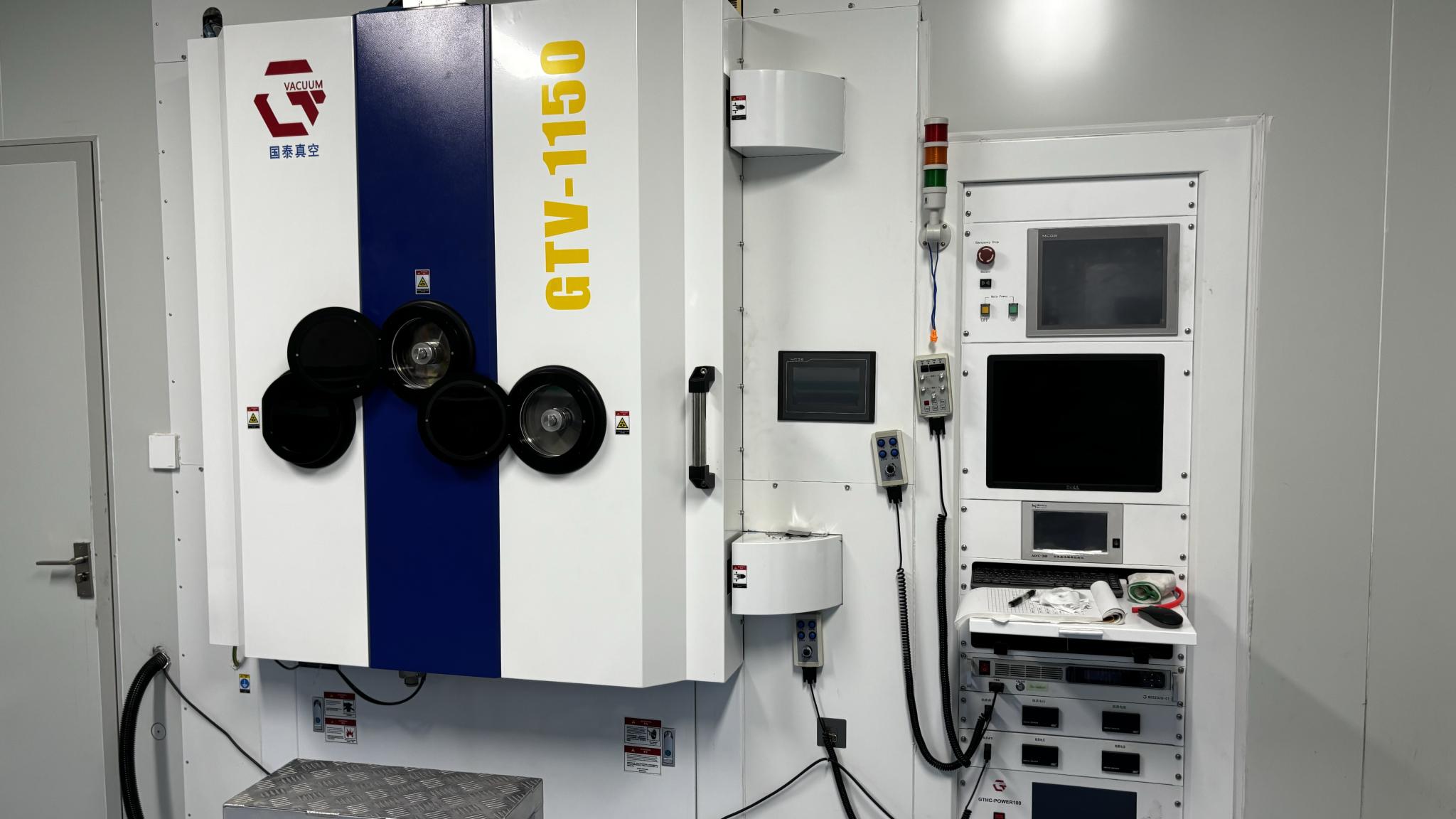
Operating out of our advanced manufacturing facility, our QA team of 45 certified QC inspectors uses high-end testing equipment. Every transceiver undergoes a strict validation protocol:


In modern enterprise networks, mixed-media environments are common. While high-speed backbone connections use fiber, copper transceivers remain critical for linking access switches, Wi-Fi points, and servers. FiberNova's RJ45 Copper SFPs allow network administrators to integrate these systems into a unified infrastructure.
For example, in a mid-sized data center, a core switch with SFP+ optical ports can connect directly to legacy copper servers using 10GBASE-T SFP+ copper modules. This eliminates the need to replace server NICs or install optical conversion hardware, helping manage project costs and timelines.
Importing network hardware into Malaysia requires compliance with local standards. FiberNova products are designed to meet international safety and environmental regulations, including CE, FCC, RoHS, and MSA standards. We work closely with our local partners to facilitate smooth customs clearance through Port Klang and support compliance processes for local deployment. Our support services include:
As networks evolve towards higher speeds, copper technology continues to advance. Development is underway for SFP28 25GBASE-T transceivers, designed to support 25G speeds over copper for short-reach rack connections. Additionally, energy-efficient Ethernet (EEE) standards are helping reduce the idle power draw of network interfaces. FiberNova remains committed to updating our product portfolio, ensuring that our customers in Kuala Lumpur and worldwide have access to efficient, high-performance networking components.
Full Compatibility Solutions for Cisco, Aruba, Ubiquiti and Open-Platform Hardware Systems
Expert Answers on Integrating and Operating Copper SFP Transceivers in Malaysia's Enterprise Networks
 FiberNova