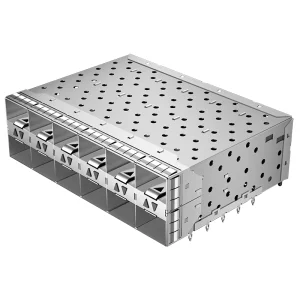
The digital economy of Pakistan is undergoing an unprecedented structural expansion. Spurred by projects under the China-Pakistan Economic Corridor (CPEC) optical fiber initiative, the expansion of high-speed 4G LTE-Advanced networks, and pre-commercial preparations for 5G architectures, local tier-1 telecom operators like PTCL, Jazz, Zong (CMPak), and Telenor are shifting toward high-density computing infrastructure. This rapid deployment of fiber transmission links requires high-performance interconnect interfaces at the central office, edge nodes, and regional data hubs in cities like Karachi, Lahore, and Islamabad.
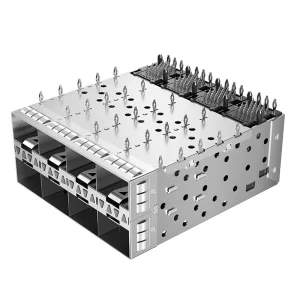
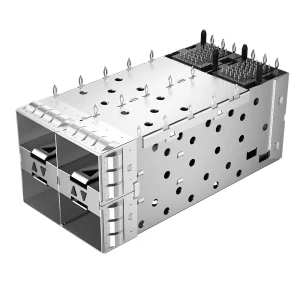
In response to this demand, the adoption of 2xN stacked port interfaces (such as SFP+, SFP28, and zSFP+ configurations) has become critical. The 2xN architecture stack enables double the port density over traditional 1xN single-row designs, allowing system engineers to maximize the throughput capacity of every rack unit (1RU) in space-constrained switching hubs. However, the unique environmental parameters of Pakistan—characterized by extreme summer heat waves, high ambient humidity levels in coastal zones, and air particulate matter—introduce severe physical challenges for optical transceiver infrastructure. Connectors must maintain exceptional thermal dissipation efficiency and EMI integrity under continuous loads.
For system integrators, public utilities, and private enterprise networks in Pakistan, procuring high-performance stacked SFP connectors has traditionally been a challenge. Importing directly from North American or European component giants often results in long delivery times, high customs processes, and pricing structures that put pressure on local operational budgets.
Consequently, sourcing direct-fit replacements from specialized Chinese manufacturers like FiberNova Optical Communication Tech Co., Ltd. provides local companies with a reliable, cost-effective alternative. Our solutions offer exact compatibility with industry-standard TE Connectivity and Molex footprints, ensuring drop-in mechanical and electrical interchangeability while reducing component acquisition costs by up to 30-40%.
Deploying stacked cages in high-speed datacenters requires detailed engineering focus. FiberNova's 2xN configurations are built to address key electrical, mechanical, and thermal challenges:
High-density line cards running high-frequency signals are highly susceptible to crosstalk and external EMI. Our cages feature integrated EMI shielding gaskets and conductive spring fingers to contain radiation, meeting stringent FCC Class B standards.
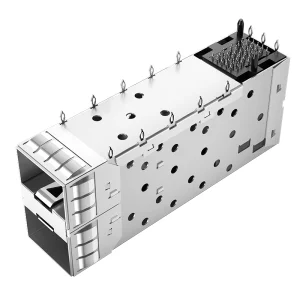
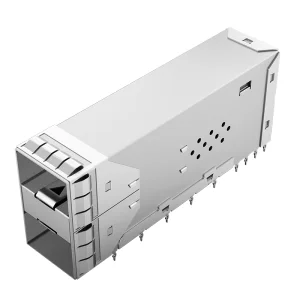
To enable real-time status diagnostics for network engineers, our stacked cages support integrated high-clarity polycarbonate light pipes. They guide LED signals from the PCB to the front panel, even under stacked multi-port configurations.
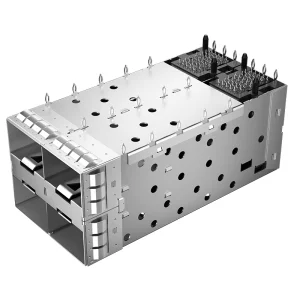
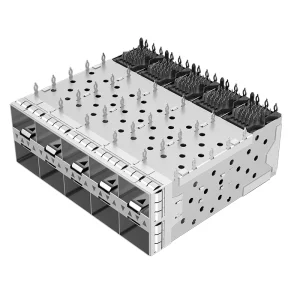
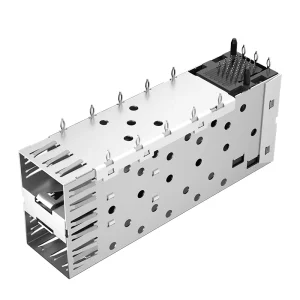
To ensure robust mechanical installation on complex multilayer PCBs, our SFP cages use elastic press-fit (compliant pin) designs. This ensures cold-welded electrical interfaces without the need for manual wave soldering, protecting PCB paths.
Year Established
Supply Chain Partners
Professional QC Staff
R&D Engineers
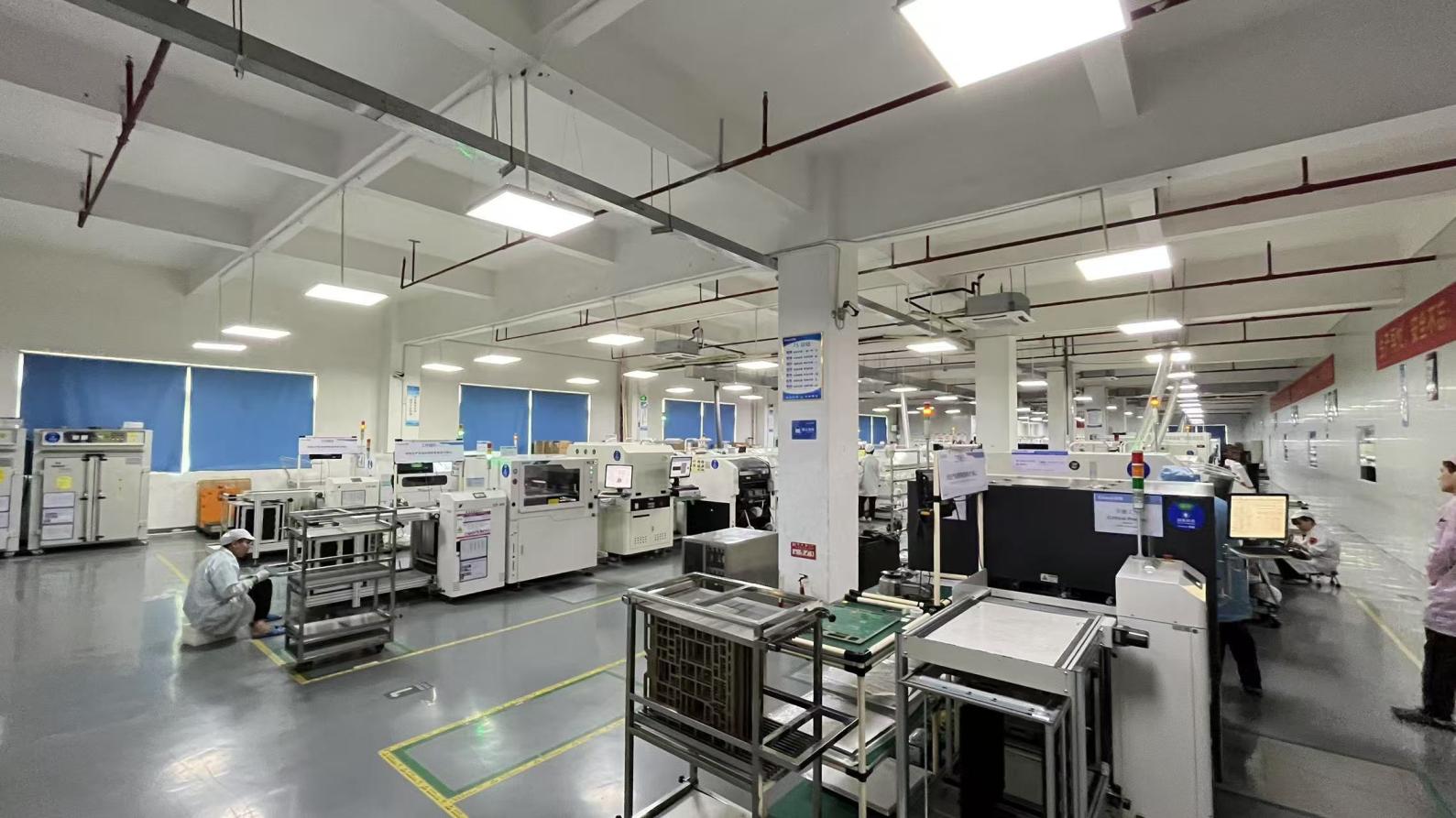
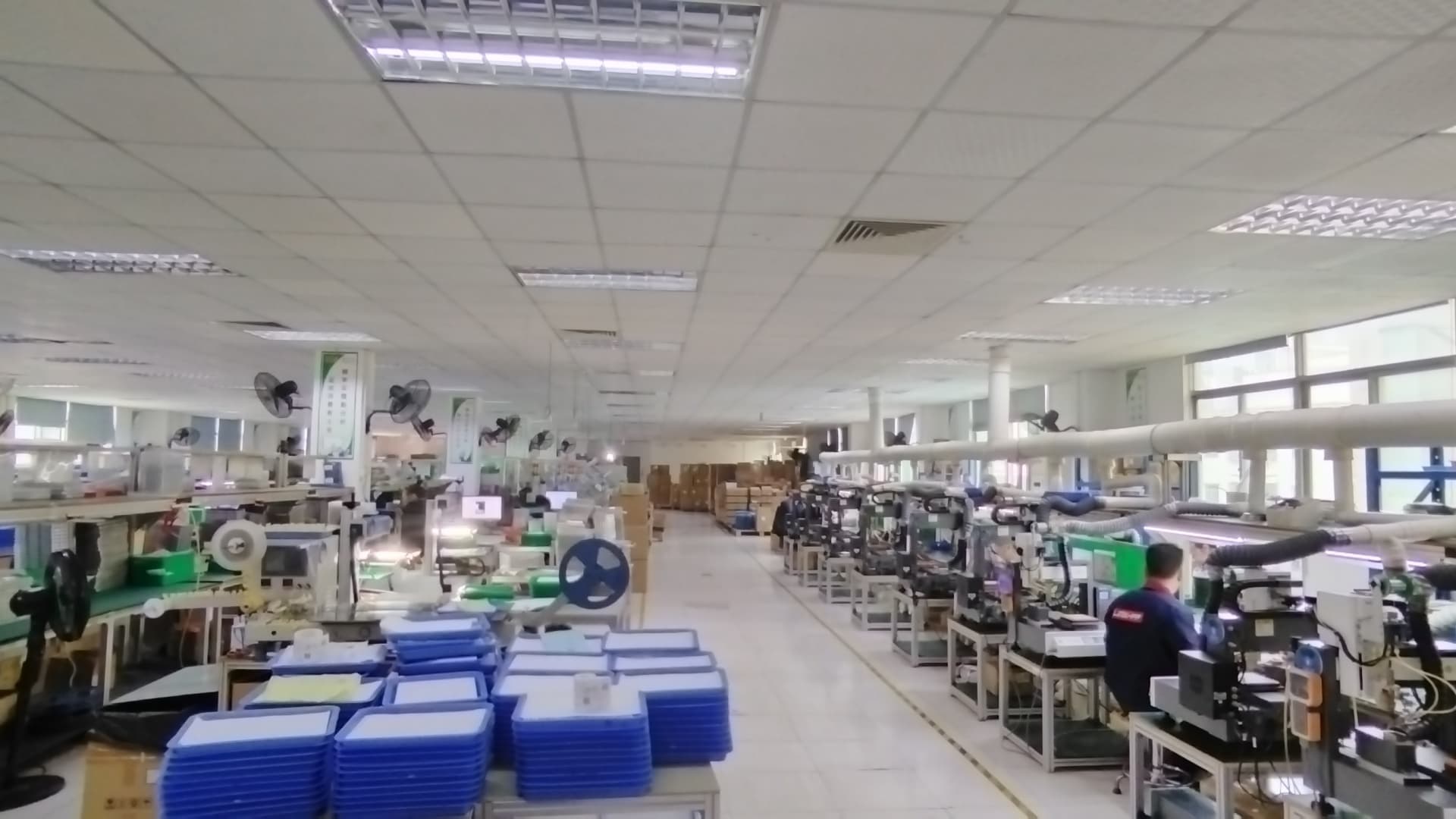
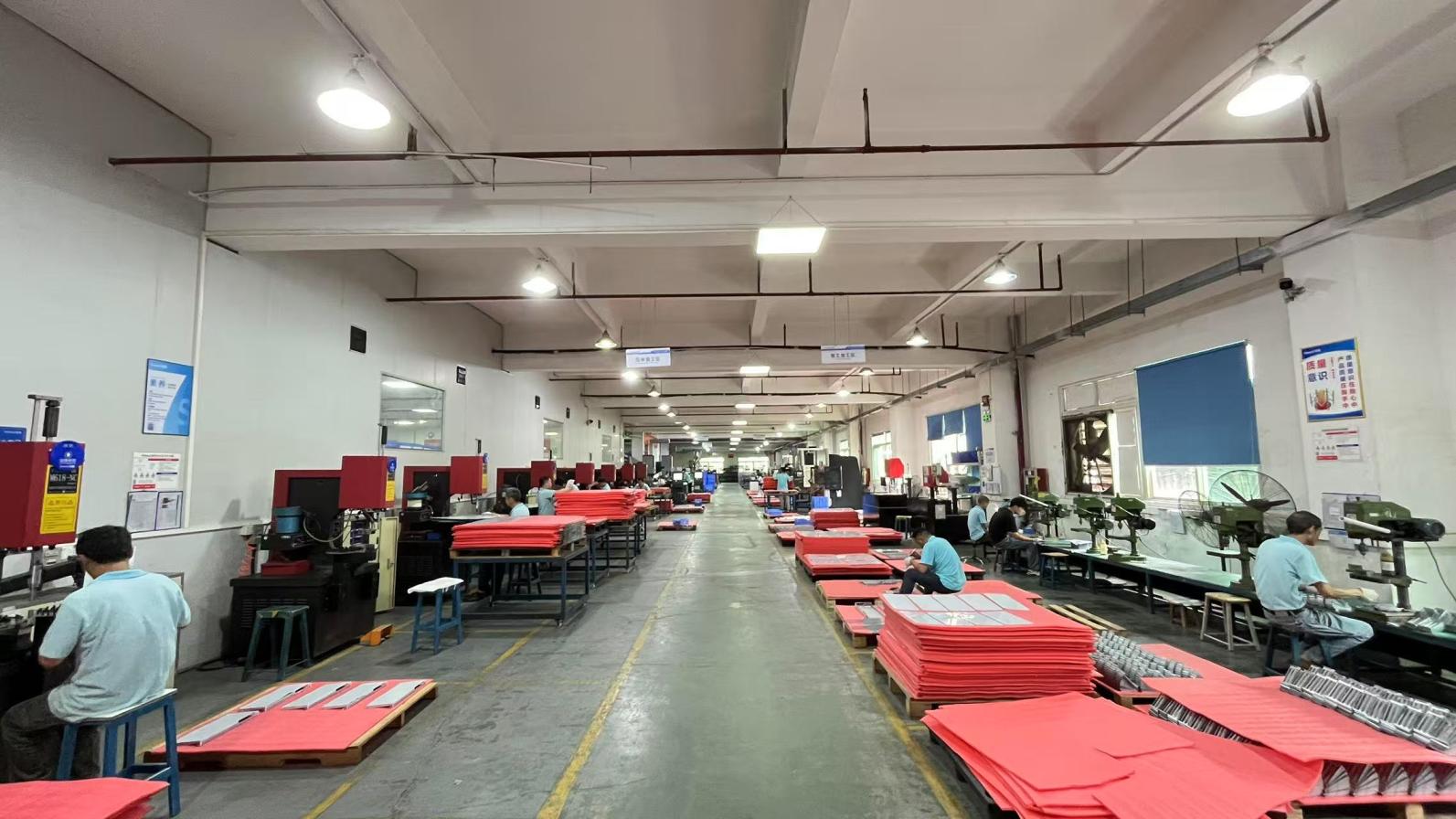
FiberNova Optical Communication Tech Co., Ltd. operates a state-of-the-art production facility spanning approximately 380m², optimized for high-mix, low-volume and high-volume structural production alike. Under our specialized manufacturing operations, we design, tool, and fabricate passive optoelectronic enclosures, stacked cages, and high-frequency connectors compatible with global telecom leaders. With 12 years of industry experience and 6 years of international trade operations, FiberNova delivers performance and design compatibility at a global scale.
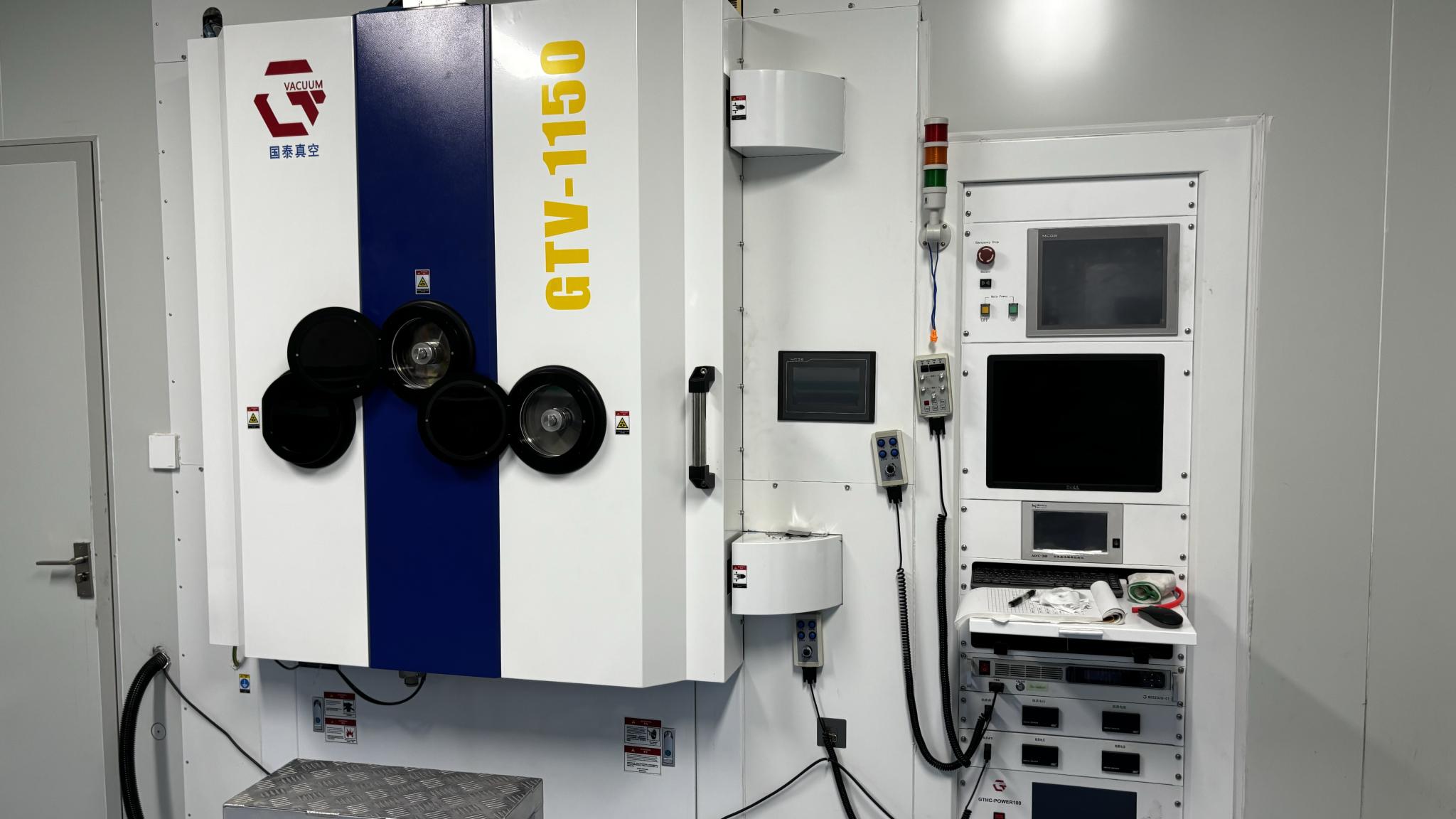
Our quality assurance program is backed by 45 professional quality control technicians. Unlike standard trading companies, FiberNova subjects every SFP cage and mechanical component batch to strict environmental testing. This includes rigorous temperature cycling tests (-40°C to +85°C), high-precision mechanical insertion/withdrawal cycle tracking, and signal integrity inspection of integrated connector pins. This ensures our cages consistently match the performance levels of global brands.
Our modern production line and R&D workspaces are optimized to turn out reliable products with short lead times. Browse through our manufacturing floor, tooling workshops, and testing centers:
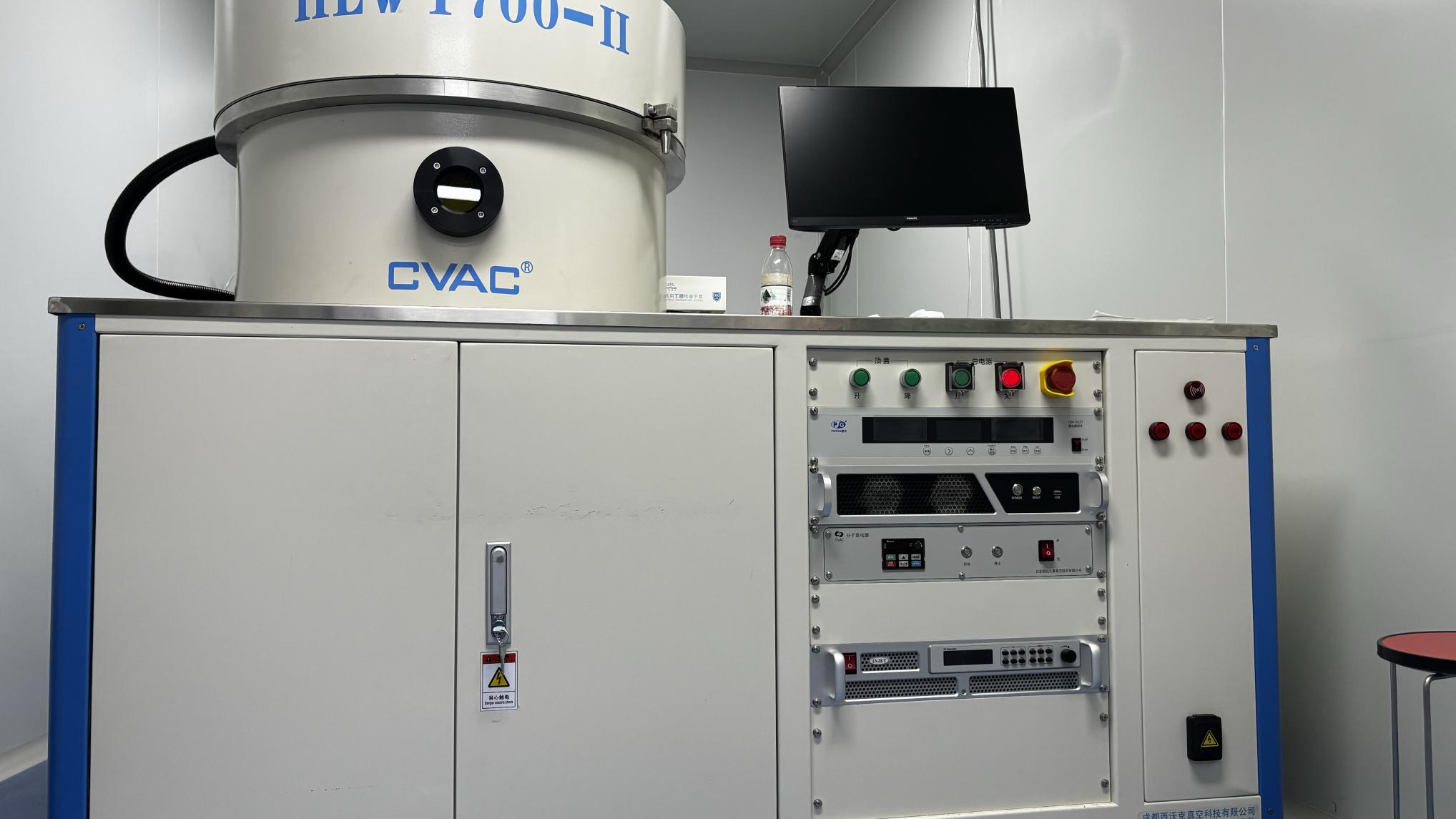
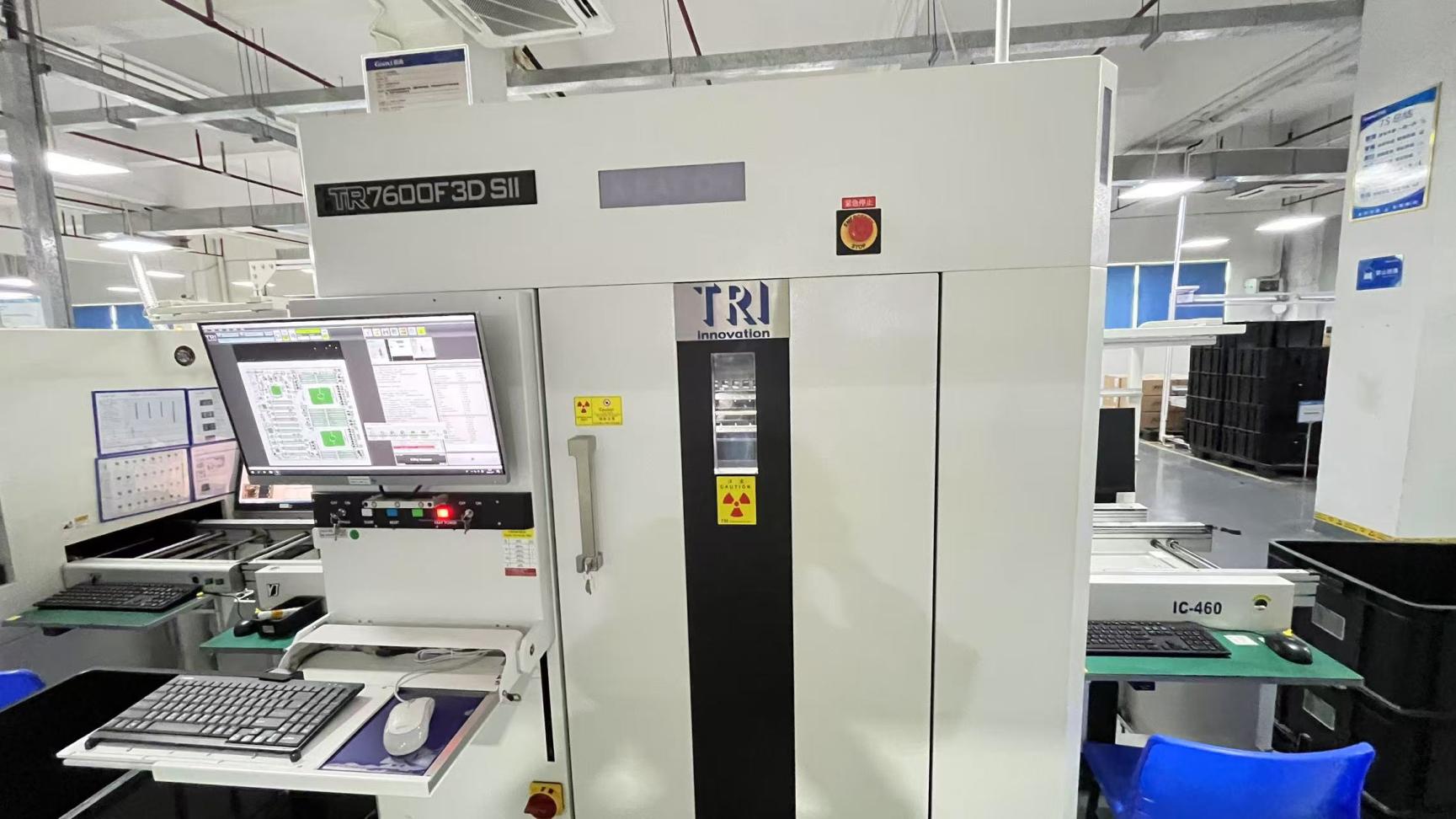
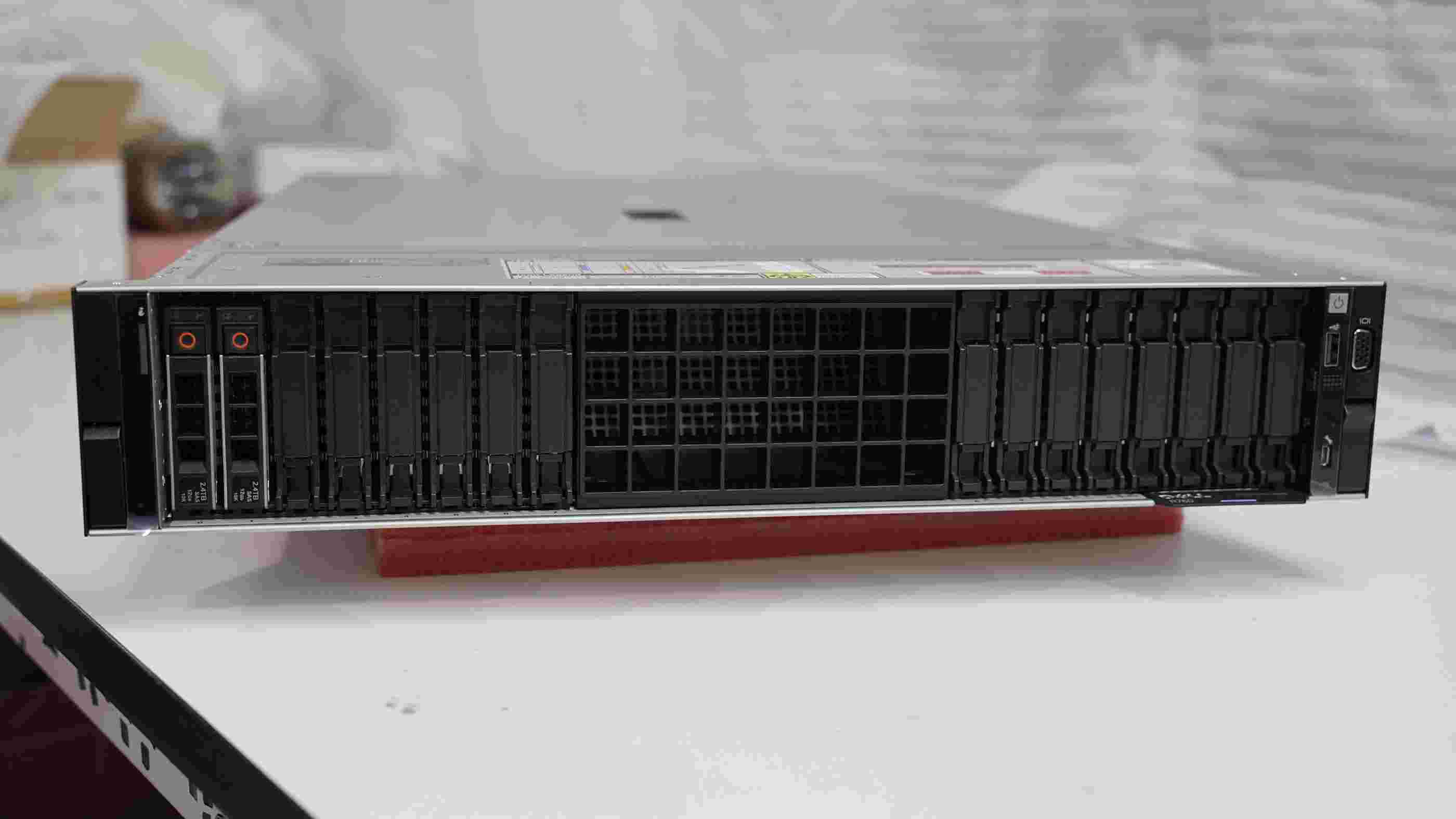

FiberNova's 2xN stacked port connectors are engineered to address specific application demands across Pakistan's physical and digital infrastructure:
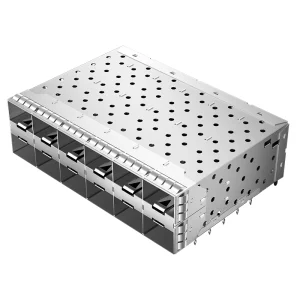
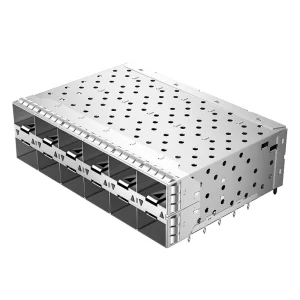
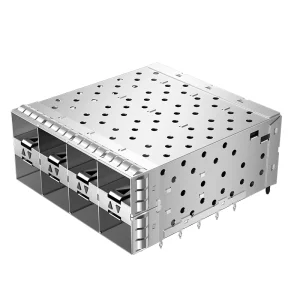
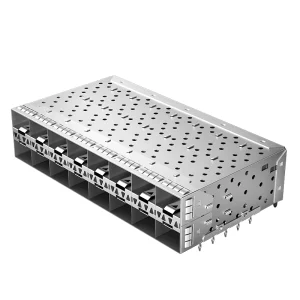
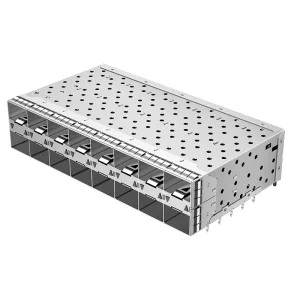
Our 2x6 and 2x8 stacked cages (e.g., 2180640-1 and 2169788-1 equivalents) enable high-density switching fabrics to maximize throughput per rack unit. High-performance EMI shielding prevents crosstalk in high-density rack configurations running continuous traffic.
Cellular base stations in regions like Punjab, Balochistan, and Sindh face extreme temperatures. FiberNova's press-fit SFP+ cages feature ruggedized solderless compliant pins that withstand thermal cycling and vibrations, reducing physical failure points.
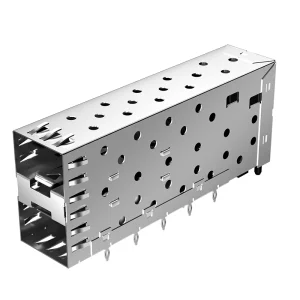
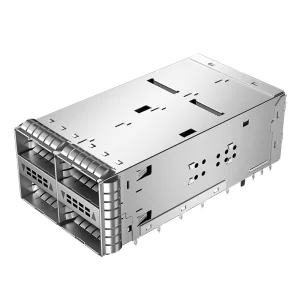
For city-wide FTTH rollouts and GPON/EPON aggregation points in Lahore and Rawalpindi, our 2x2 and 2x4 configurations with integrated light pipes provide clear physical port status indicators, simplifying field maintenance and debugging.
Sourcing electronic interconnect hardware from overseas partners requires absolute confidence in production standards. At FiberNova, we adhere to strict international engineering frameworks to ensure our products meet requirements for telecom networks and enterprise datacenters:
All SFP, SFP+, SFP28, and zSFP+ configurations are developed in strict compliance with Multi-Source Agreements (SFF Committee specifications, including SFF-8431, SFF-8432, and SFF-8402). This ensures mechanical dimensions, EMI clip spacing, and PCB layouts are plug-and-play compatible with multi-vendor systems, including Cisco, Juniper, Huawei, and Arista.
Our quality management workflow follows rigid international protocols to ensure product performance:
With an annual export revenue of USD 8–15 million and over 6 years of direct export experience, FiberNova supports systems integrators worldwide. We service core telecom networks and distribution chains across the United States, Germany, Japan, South Korea, and the United Arab Emirates. Our logistics workflows are configured to handle international freight, customs clearance, and local compliance requirements, ensuring direct deliveries to logistics hubs in Pakistan like Karachi and Lahore.
2xN configurations feature a stacked vertical design that double-stacks ports, allowing systems engineers to double physical connection density on a switch card. For example, a 2x6 stacked cage accommodates 12 transceivers in the same horizontal PCB width as a single-row 1x6 cage, maximizing space utilization in 1RU rack hardware.
Yes. Our stacked cages are engineered to exact MSA physical specifications and pin-out configurations. They serve as direct drop-in replacements for standard TE or Molex parts. We can match equivalent footprints (e.g., TE 2180640-1, 2198318-1, etc.) on existing PCBs without requiring layout re-engineering.
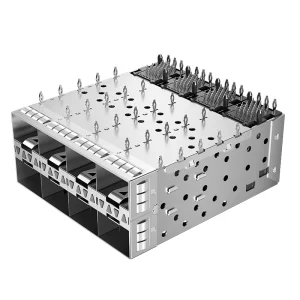
Because double-stacked configurations generate more heat in a smaller physical footprint, our cages are designed with optimized ventilation paths. They feature ventilated top, bottom, and side panels to encourage convective airflow. High-clarity integrated polycarbonate light pipes are positioned to minimize airflow resistance.
Standard catalog configurations are typically shipped within 7 to 10 working days. For bulk orders or custom configurations requiring modified light-pipe geometries or specific EMI shielding gaskets, production turnaround is typically 3 to 4 weeks. Shipping to Pakistan via sea or air freight is coordinated through major shipping hubs.
We supply both configurations: standard open-chassis stacked cages designed to slide over board-mounted connectors, and cages with pre-integrated press-fit connectors. Pre-integrated assemblies simplify factory assembly, enabling single-step press-fit installation on the customer's PCB line.
Optimize your datacenter density and network line-card designs with our high-reliability 2xN stacked port cages. Get in touch with our engineering team for technical support, sample evaluations, and volume quotes.
Send Inquiry Now FiberNova