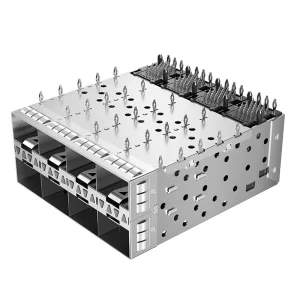
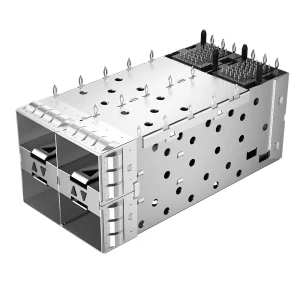
Engineered for high-density switches, routers, and host bus adapters (HBAs) deployed in Lagos, Abuja, and regional West African enterprise networks.
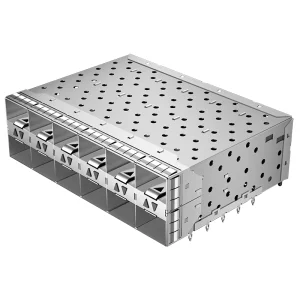
Nigeria's digital landscape is undergoing an unprecedented structural transition. Driven by the Federal Government's National Broadband Plan (NBP 2020–2025), the nation is actively working to achieve a 70% broadband penetration rate, which requires dense deployments of backbone, metro, and last-mile fiber networks. Key metropolitan hubs, particularly Lagos, Abuja, and Port Harcourt, have witnessed massive investments in hyperscale data centers. Standard configurations are no longer sufficient to handle the bandwidth demands driven by subsea cables like Equiano and 2Africa. Local Internet Service Providers (ISPs), mobile network operators (MNOs) such as MTN, Airtel, and Glo, and system integrators must scale up density while minimizing physical footprints in their server cabinets.
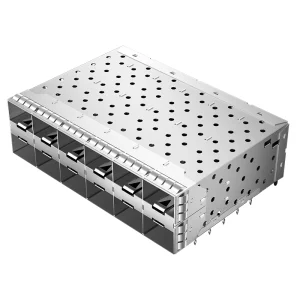
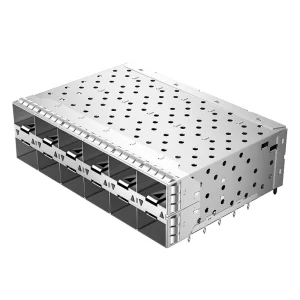
This is where 2xN (Stacked) Cages and Connectors play a critical role. By mounting ports vertically (stacked in 2 rows, where N equals the horizontal quantity of ports—such as 2x1, 2x2, 2x4, 2x6, or 2x8), network hardware developers and system integrators can double the port density on line cards and switches. This spatial efficiency is vital for maintaining low power-to-density ratios and optimizing thermal airflow. Direct integration of 2xN components ensures West African networks can scale seamlessly to handle heavy data demands without facing structural bottlenecks.
“By transitioning line cards from traditional ganged or single-row SFP designs to 2xN stacked designs, telecom operators can increase hardware efficiency by up to 100%, saving precious rack space in high-rent data center facilities like Lagos.”
Discover the high-speed material design and mechanical considerations that ensure reliable performance in telecom environments.
Our SFP+ cages are manufactured with stainless steel or copper-nickel alloys. Featuring elastomeric gaskets or spring fingers, they prevent electromagnetic leakage, ensuring compliance with FCC Class B and EN55022 limits.
Designed with compliance-pin structures for solder-free assembly. Press-fit technology protects the multilayer PCB from thermal stress during assembly, allowing for easy repair and modification in the field.
Designed with optimized ventilation patterns and optional integrated heatsinks. This configuration promotes natural convection to cool transceiver modules and prevent thermal shutdowns in hot data centers.
We guarantee full compliance with local regulations and international hardware requirements:
Navigating the supply chain landscape in West Africa involves challenges such as shipping delays, customs clearance processes, and currency fluctuations. For hardware integrators and telecommunications companies, procuring components like SFP cages can lead to unexpected delays and cost increases. Standard compliance with the Standards Organisation of Nigeria Conformity Assessment Programme (SONCAP) is required for importing electronic and network equipment into the country.
FiberNova mitigates these risks by offering comprehensive trade support. We provide product certification documentation (including PC and SC compliance assistance) and work with experienced freight forwarders handling air and ocean freight to the port of Lagos (Apapa/Tin Can Island) or Abuja (NAIA). This ensures your projects remain on schedule, avoiding delays and keeping network expansion plans on track.
Additionally, our factory-direct pricing model provides a buffer against fluctuating local import expenses. By sourcing SFP and QSFP cages directly from our production line, buyers eliminate middleman markups, helping to keep capital expenditure (CAPEX) budgets predictable.
Explore our wide range of multi-port configurations compatible with TE Connectivity, Molex, and Pulse Electronics, engineered for high-performance networks.
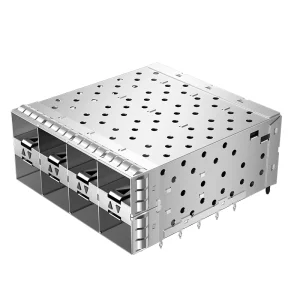
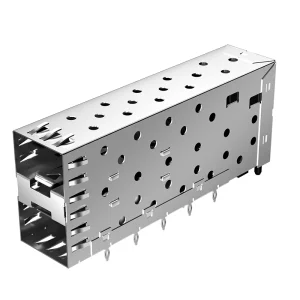
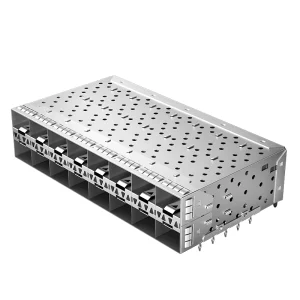
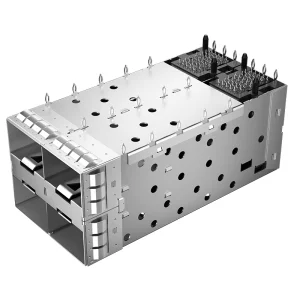
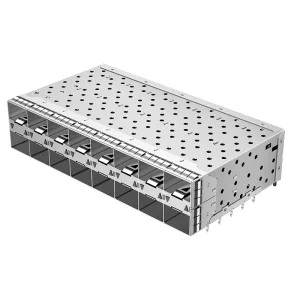
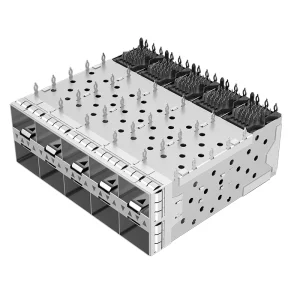
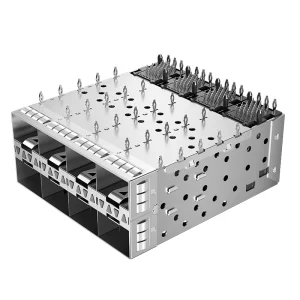
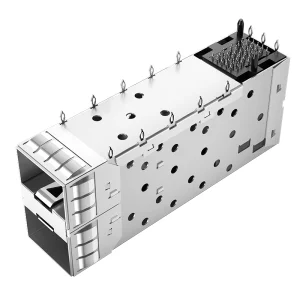
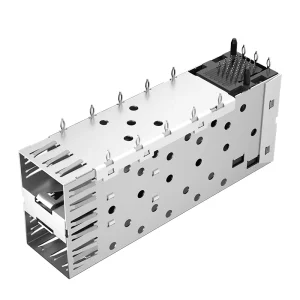
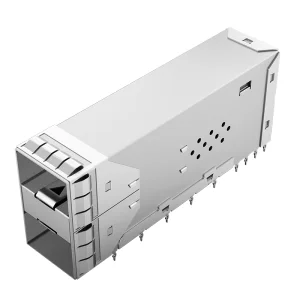
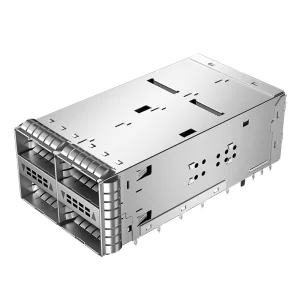
As networks evolve, interconnect demands shift. While 10G SFP+ and 25G SFP28 remain the workhorses of access and distribution networks in Nigeria, core networks and cloud datacenters are transitioning rapidly toward 100G (QSFP28) and 400G (QSFP-DD/OSFP) rates. In high-density settings, 2xN layouts remain the preferred configuration for these high-speed ports. However, higher speeds introduce challenges related to signal attenuation and crosstalk. Signal path lengths within stacked connector assemblies must be managed precisely to prevent signal degradation at higher frequencies.
FiberNova's engineering team works to address these signal integrity challenges. By utilizing advanced impedance control techniques and refined contact geometries, our stacked connector series maintains low insertion loss and reflection at frequencies up to 28 GHz and beyond. This design supports smooth upgrades from legacy infrastructures to high-speed networks, helping West African telecommunications operators maximize the return on their hardware investments.
“Our product development focuses on future-proofing connectivity. We design high-speed interconnects that allow network operators to scale data rates smoothly while maintaining their physical form factors.”
Broad deployment of 2xN SFP+ and SFP28 stacked cages to upgrade regional hubs and base stations.
Integration of 2x2 and 2x6 QSFP28 cages into metropolitan core switches to manage rising traffic demands.
Development of QSFP-DD stacked cages designed to support dense high-speed connectivity in modern datacenters.
A trusted manufacturing partner for optical transceiver modules, cages, and high-speed interconnect assemblies globally.
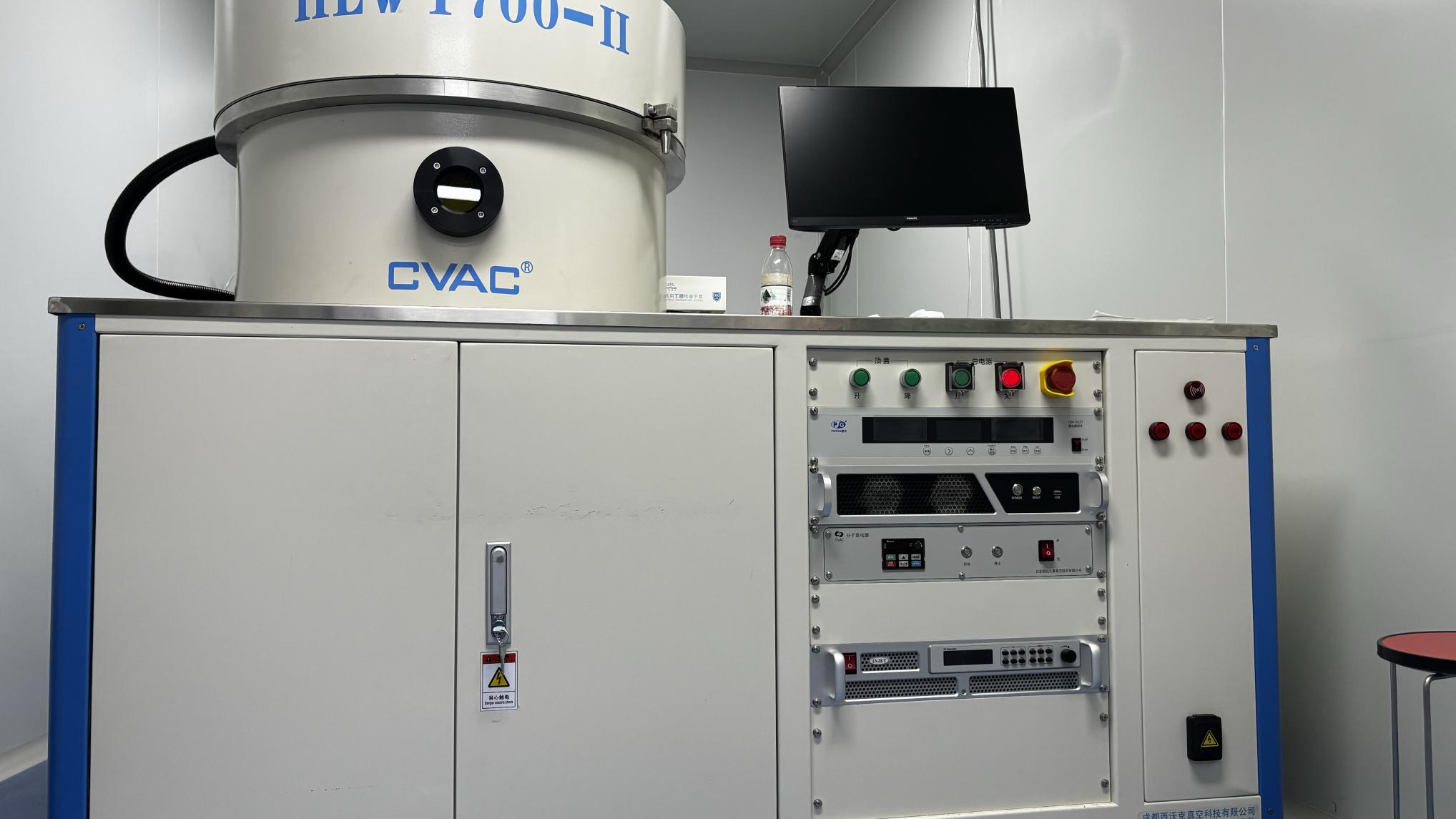
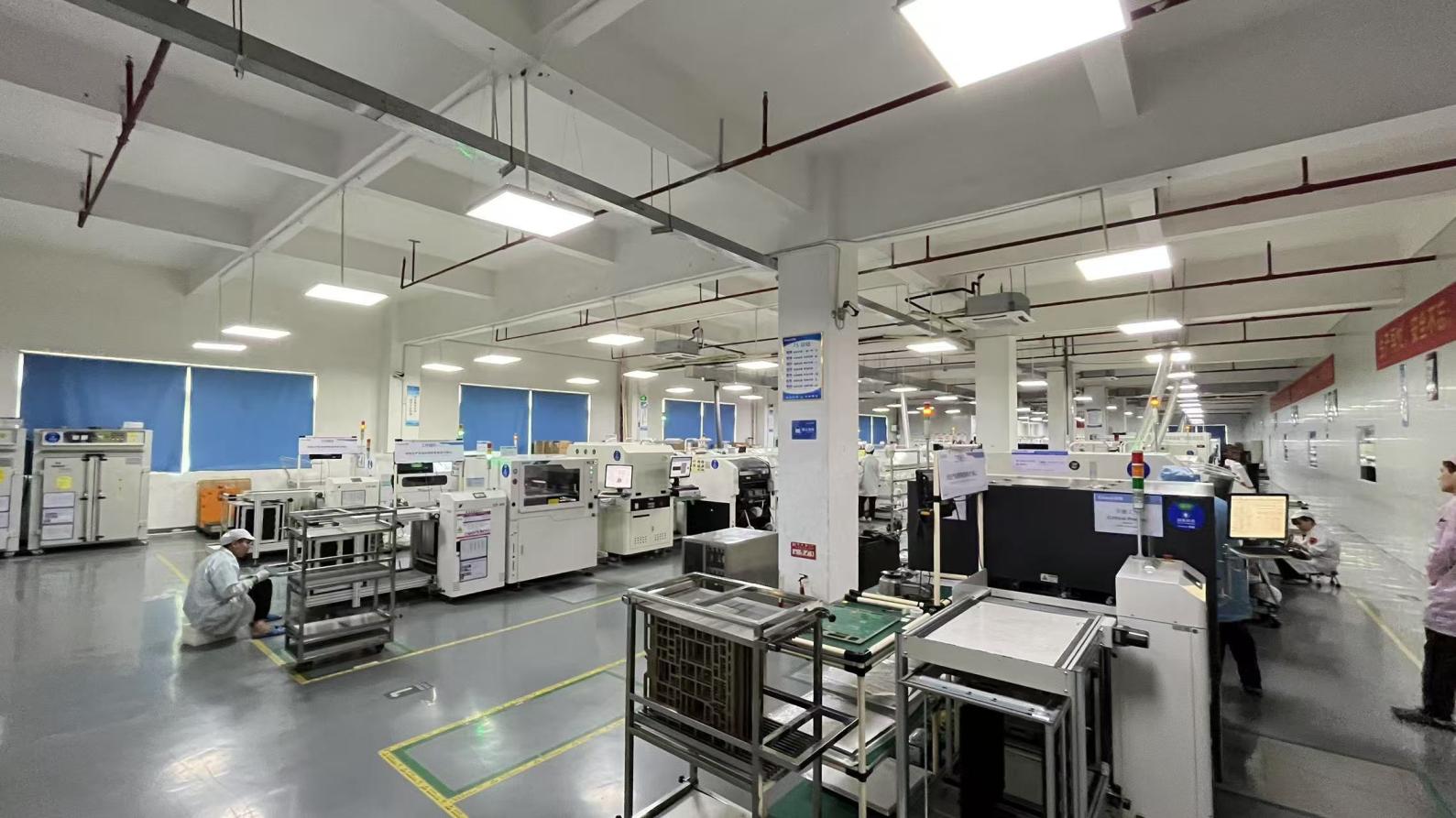
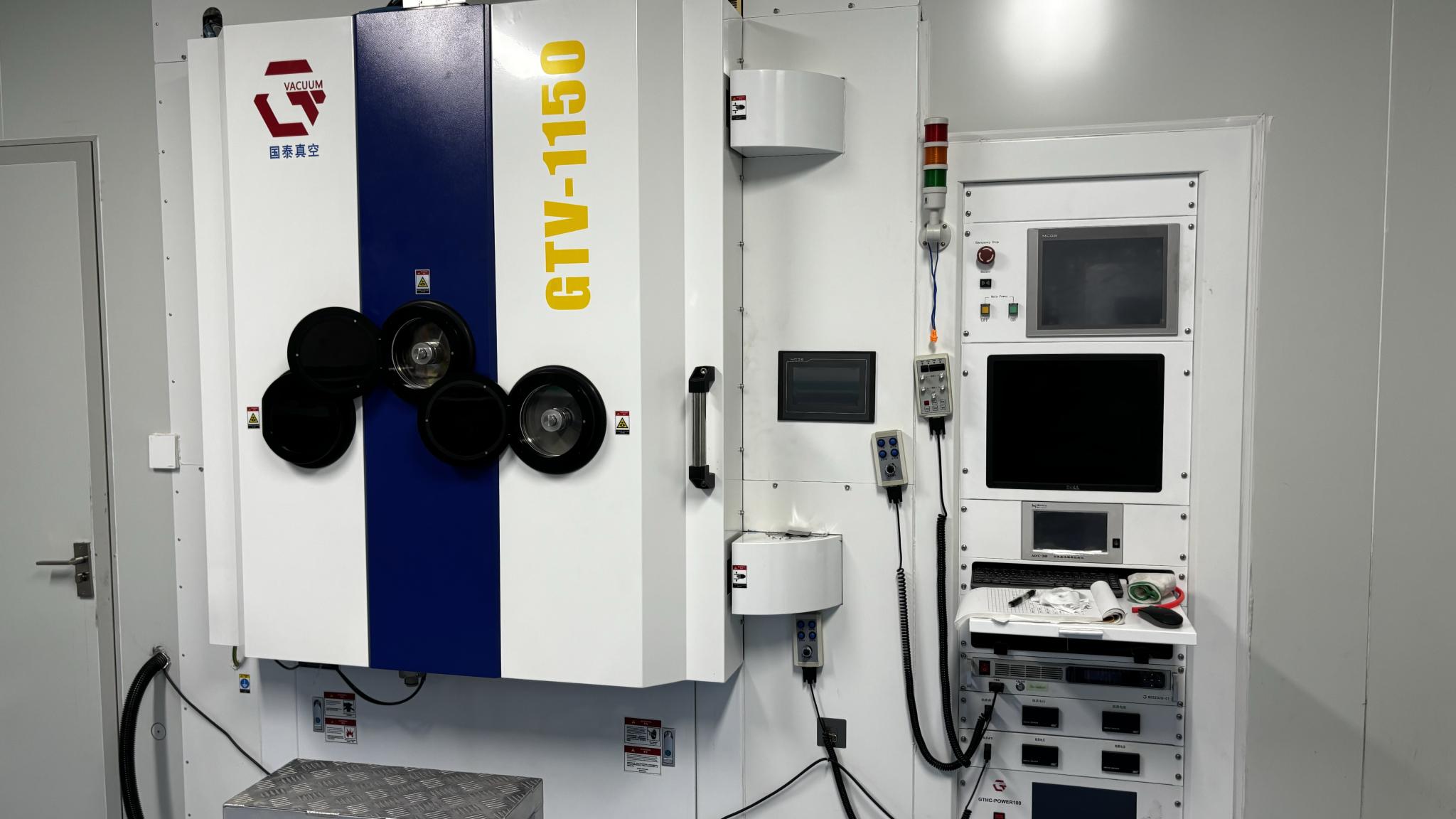
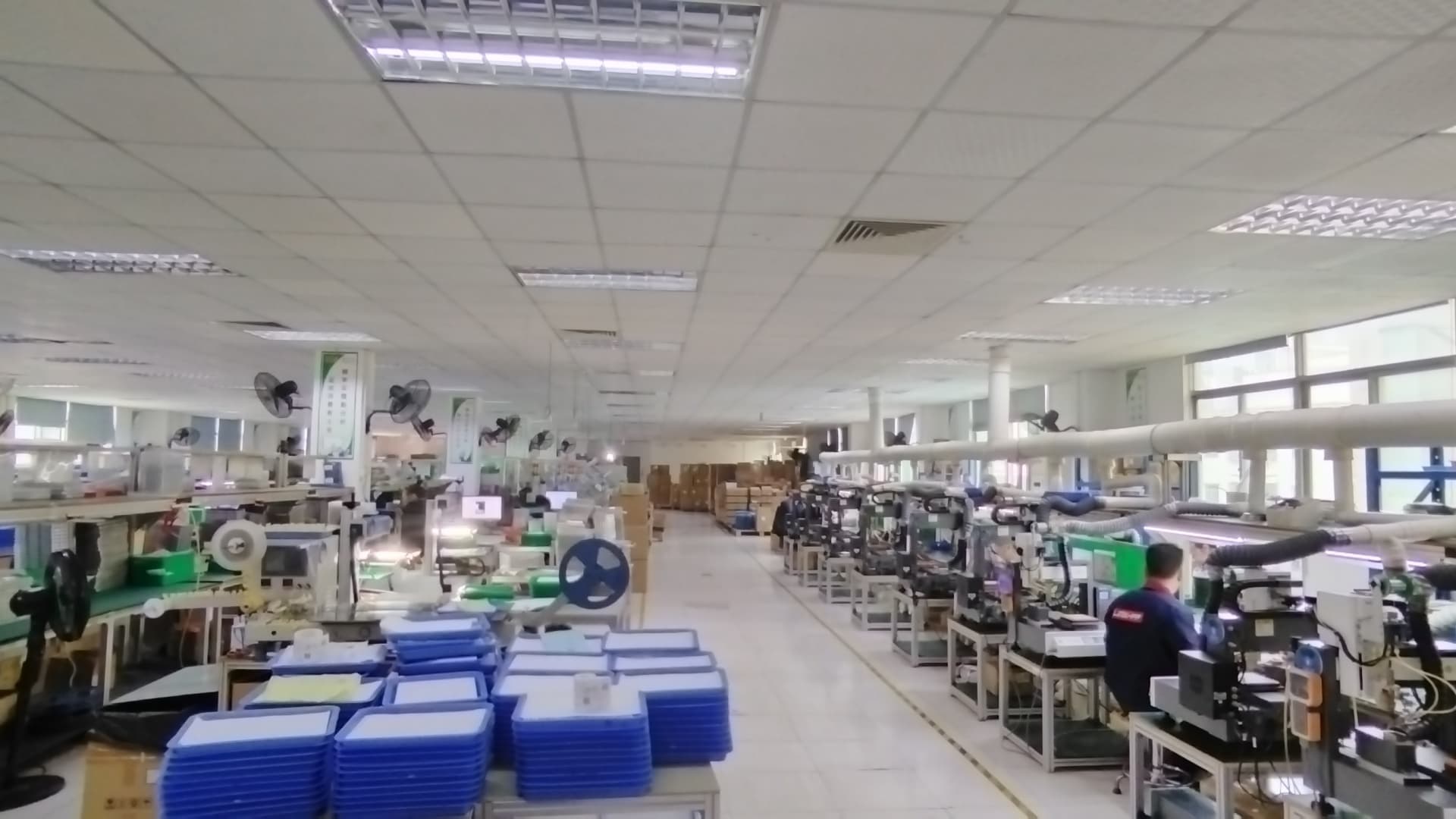
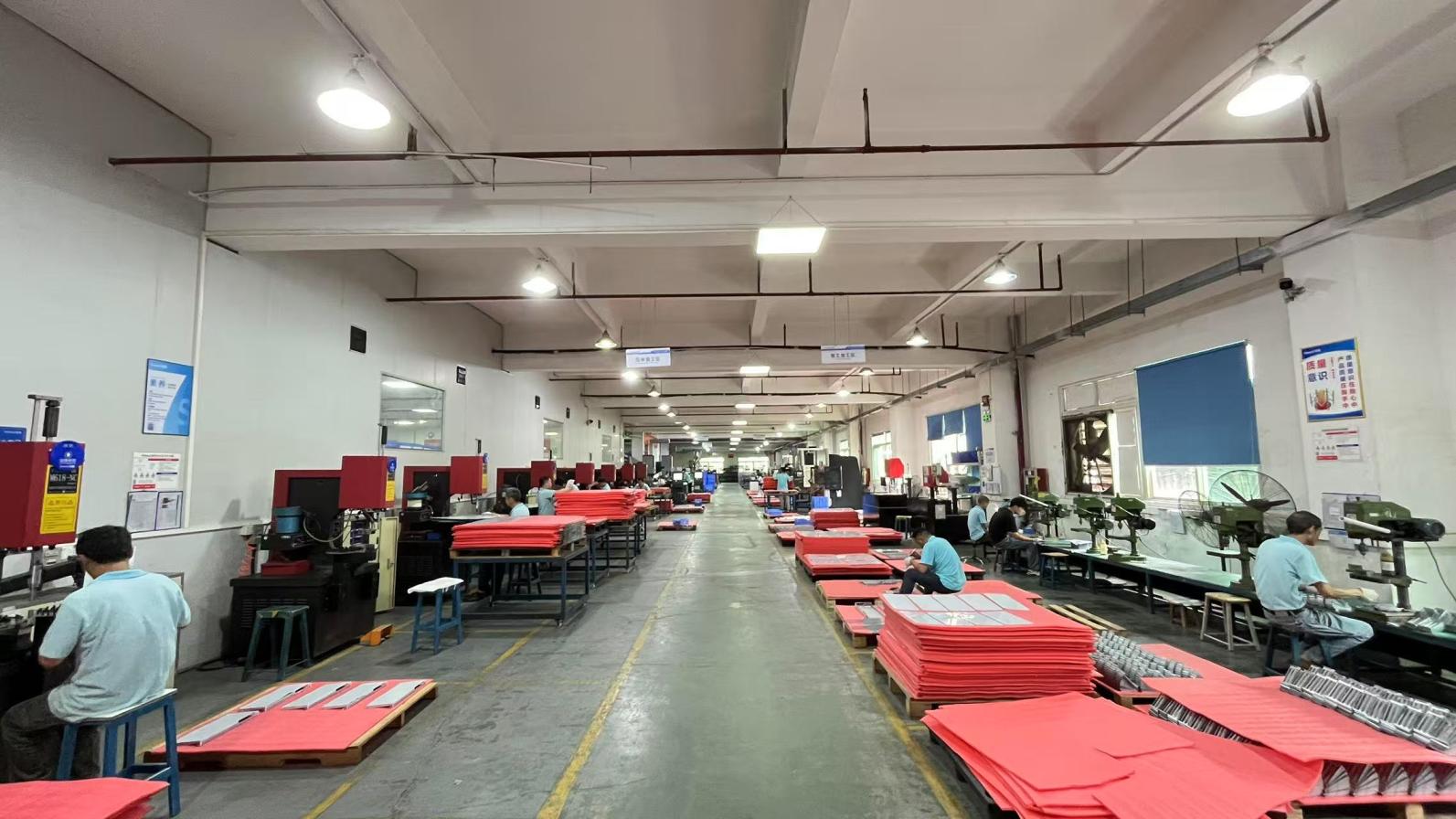
Established in 2016, FiberNova Optical Communication Tech Co., Ltd. (FiberNovaTransceivers.com) is a professional manufacturer of high-speed optical transceivers and interconnect systems. Operating from a modern 380㎡ facility, we specialize in high-performance networking solutions for carrier, enterprise, and cloud datacenter applications worldwide.
Backed by over 12 years of industry experience and 6 years of export history, we have built strong capabilities in research and development, manufacturing, and international trade. Generating an annual export volume of USD 8–15 million, we serve clients across North America, Europe, the Middle East, and expanding markets in Africa. Our team of 65 engineers focuses on high-speed transmission technologies, including 10G, 25G, 100G, 400G, and 800G standards, ensuring our product line adapts to evolving technology requirements.
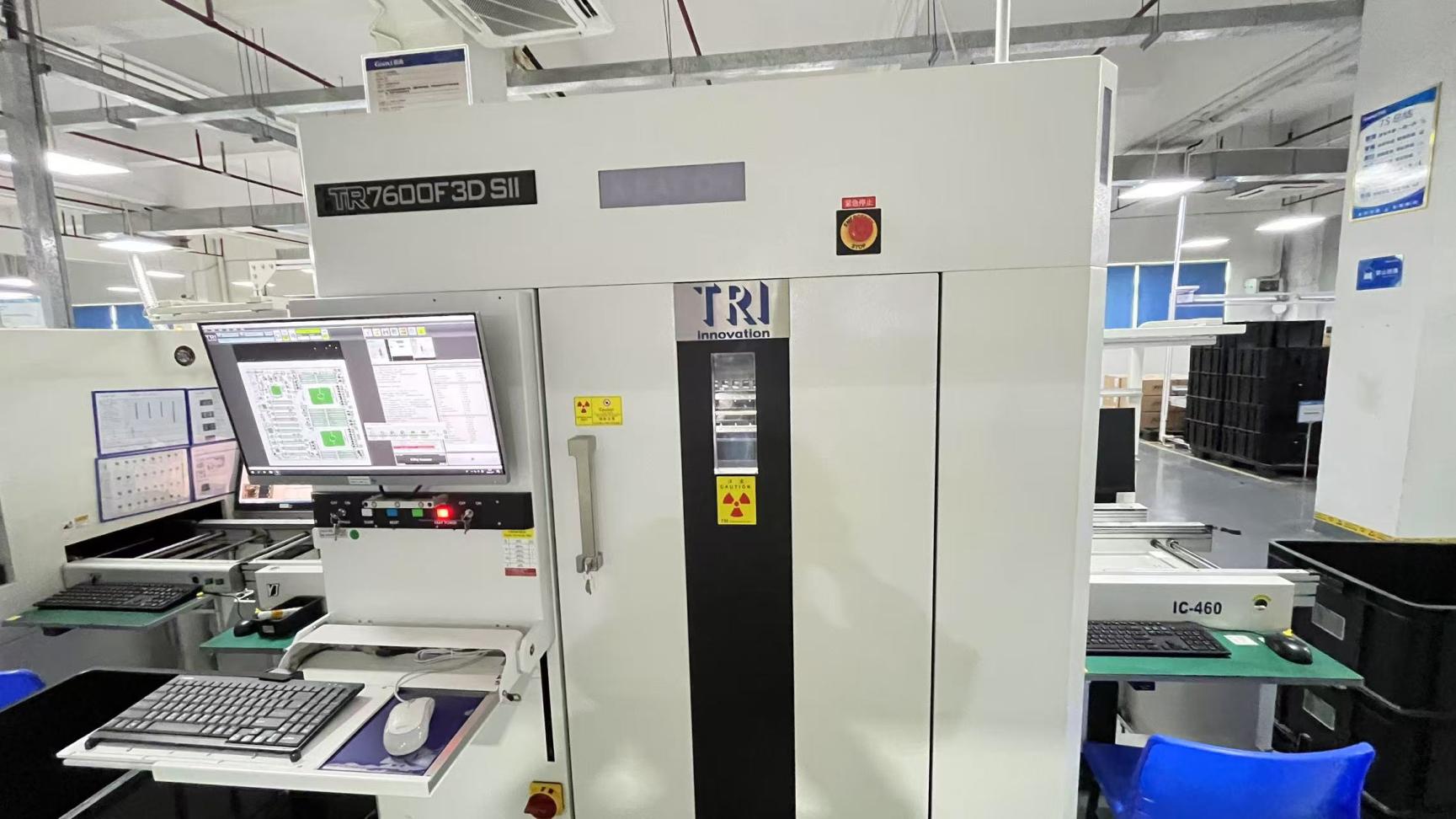
Quality control is central to our operations. Every batch undergoes comprehensive testing, including 100% optical performance verification, temperature cycling, and signal integrity testing. Managed by our 45-member quality assurance team, our products are built to meet MSA compatibility and IEEE compliance standards. We support customization requests (OEM/ODM) including wavelength tuning, protocol configuration, custom labeling, and housing design to meet specific project needs.

Get answers to common technical, mechanical, and logistical questions regarding 2xN SFP/SFP+ cage imports and deployments in Nigeria.
Press-Fit (compliance-pin) designs rely on elastic mechanical deformation to establish electrical contact with plated through-holes on the PCB, eliminating the need for soldering. This reduces thermal stress on multi-layer PCBs and simplifies maintenance. In contrast, Through-Hole designs require wave or selective soldering to secure the pins, which provides high mechanical strength but makes rework more complex.
We use corrosion-resistant nickel-silver and copper alloys for our cages, combined with gold plating on contact interfaces. Additionally, our cages feature optimized airflow channels, integrated heatsinks, and ventilation holes to assist heat dissipation and minimize thermal accumulation inside optical modules.
Yes, our cages are designed and manufactured to comply with industry-standard Multi-Source Agreements (MSA). This ensures mechanical and electrical footprint compatibility with major brands, including TE Connectivity, Molex, and Amphenol, allowing for drop-in replacements in switch and router assemblies.
We provide comprehensive documentation, including detailed material test reports, ISO 9001 certificates, CE/RoHS declarations, and mechanical drawings. This documentation helps local importing partners obtain Product Certificates (PC) and SONCAP Certificates (SC) from accredited testing agencies (e.g., SGS, Intertek, Cotecna) before shipment.
Yes, our engineering team can customize configurations to meet specific requirements. We offer options for light pipe positions (over-the-port or under-the-port indicator directions), customized EMI spring gaskets, and alternative metal alloys depending on the requirements of your host board design.
Get in touch with our engineering team for technical spec sheets, 3D CAD step files, localized shipping quotes, or customized OEM/ODM options.
Send Inquiry Now FiberNova