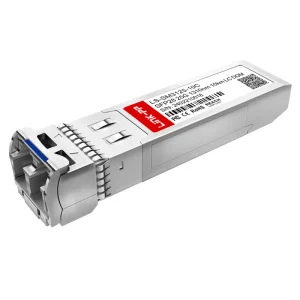
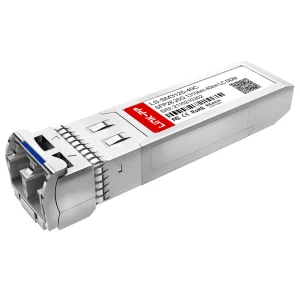
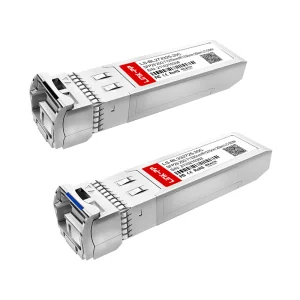
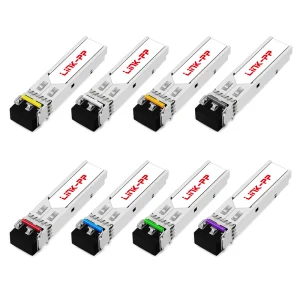
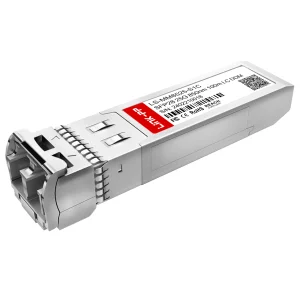
Top 4 SFP28 Optical Transceivers for immediate telecom architecture integration in Iraq projects.
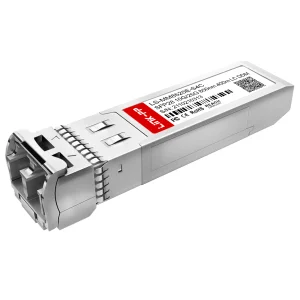
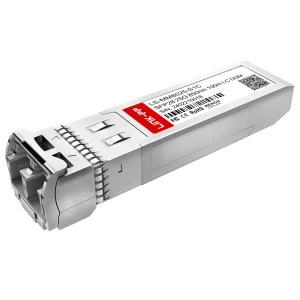
Iraq's communications and technology landscapes are undergoing a major renaissance. Driven by national infrastructure initiatives, metropolitan reconstruction, and expansion phases from national operators (e.g., Zain Iraq, Asiacell, Korek Telecom, and the Iraqi Telecommunications and Post Company - ITPC), there is a massive shift away from legacy copper/microwave backhauls to high-speed fiber-optic backbones. This modernization forms the base platform for the nationwide expansion of FTTH (Fiber-to-the-Home) networks and the active deployment of 4G LTE-Advanced and regional 5G standalone (SA) architectures.
In Baghdad, Basra, Erbil, and Mosul, localized enterprise datacenters and internet exchange points are migrating towards 25G/32G SFP28 architectures. As network backhauls require higher density to support localized content delivery networks (CDNs), high-speed computing clusters, and modern virtualization, typical 10G links are no longer sufficient. Moving to 25G SFP28 provides a direct, cost-effective migration path to 100G (via 4x25G lanes) without incurring massive power consumption penalties or requiring expensive upgrades to physical rack configurations.
However, the operational challenges of deploying network infrastructure in Iraq are unique. The region's extreme ambient summer temperatures, which frequently cross 50°C (122°F), present severe physical and operational issues for optical network equipment. Standard commercial-grade transceiver modules fail or experience severe wavelength drift under these conditions, causing transmission errors. Therefore, Iraqi network architects require high-spec industrial-grade modules with excellent thermal dissipation, ruggedized encapsulation, and precise wavelength control.
Specially engineered components designed to operate continuously under standard Commercial (0°C to 70°C), Extended (0°C to 85°C), or true Industrial-grade (-40°C to 85°C) environments.
Average power consumption is kept under 1W to 1.5W per SFP28 port, minimizing internal cabinet heat and lowering the total operational cost (OPEX) of cooling systems.
Programmed using custom EEPROM configurations to guarantee 100% interoperability with Cisco, Huawei, Juniper, Nokia, Mikrotik, and other key vendor hardware active in Iraq.
The global optical transceiver market is transitioning from 10G SFP+ to 25G SFP28 as the baseline standard for enterprise access networks, telecom fronthaul systems, and high-performance datacenters. According to global fiber optic analytics, 25G Ethernet has become the standard for new server deployments because it offers a 2.5x increase in throughput compared to 10G at a very similar cost point. This allows system engineers to maximize the performance of PCIe Gen3 and Gen4 system buses.
Furthermore, 32G Fibre Channel SFP28 has emerged as a key component for next-generation Storage Area Networks (SANs). High-transaction financial systems, critical energy infrastructures, and large database nodes rely on 32G Fibre Channel links to prevent bottlenecks in modern SSD/NVMe flash storage matrices. In Iraq’s expanding oil, gas, and banking sectors, high-bandwidth storage networks are crucial for maintaining zero-latency database synchronization across regional data centers.
Looking to the future, the technology roadmap for SFP28 is evolving towards multi-rate and multi-wavelength architectures. This includes the development of 25G/50G dual-rate coherent modules and long-reach DWDM options. These advancements allow network operators to run multiple high-speed services over existing single-mode fiber infrastructure without deploying new cables. In markets like Iraq, where laying new fiber optic lines through complex urban or desert terrain can be expensive and logistically challenging, using Wavelength Division Multiplexing (WDM) to maximize existing fiber efficiency is the most practical choice for network expansion.
To understand the practical application of 25G/32G SFP28 modules in Iraq, we must examine the specific environments where they are deployed:
In remote oil and gas facilities, monitoring equipment, high-resolution cameras, and automated industrial control systems generate massive amounts of telemetry data. This data must be sent back to central operation centers over long distances. Utilizing 25G SFP28 ER (40km) and Bidi modules enables operators to deploy high-throughput single-mode fiber links across harsh, hot desert regions with minimal hardware requirements.
As Iraq's mobile carriers expand 4G LTE-Advanced and prepare for 5G, the connections between Baseband Units (BBUs) and Remote Radio Heads (RRHs) require low-latency, high-bandwidth optics. By deploying CWDM/DWDM SFP28 modules, carriers can multiplex multiple high-rate CPRI/eCPRI channels over a single physical fiber path, significantly reducing network expansion costs.
Financial institutions and government departments in Baghdad are modernizing their centralized IT platforms. Upgrading to 32G Fibre Channel storage area networks ensures quick, secure access to critical data and facilitates real-time backup processes, preventing service disruptions.
Regional ISPs and educational institutions (such as the University of Baghdad) are upgrading their local networks. Standardizing on 25G SFP28 modules allows these institutions to run high-density distribution rings, offering stable connectivity to thousands of concurrent users.
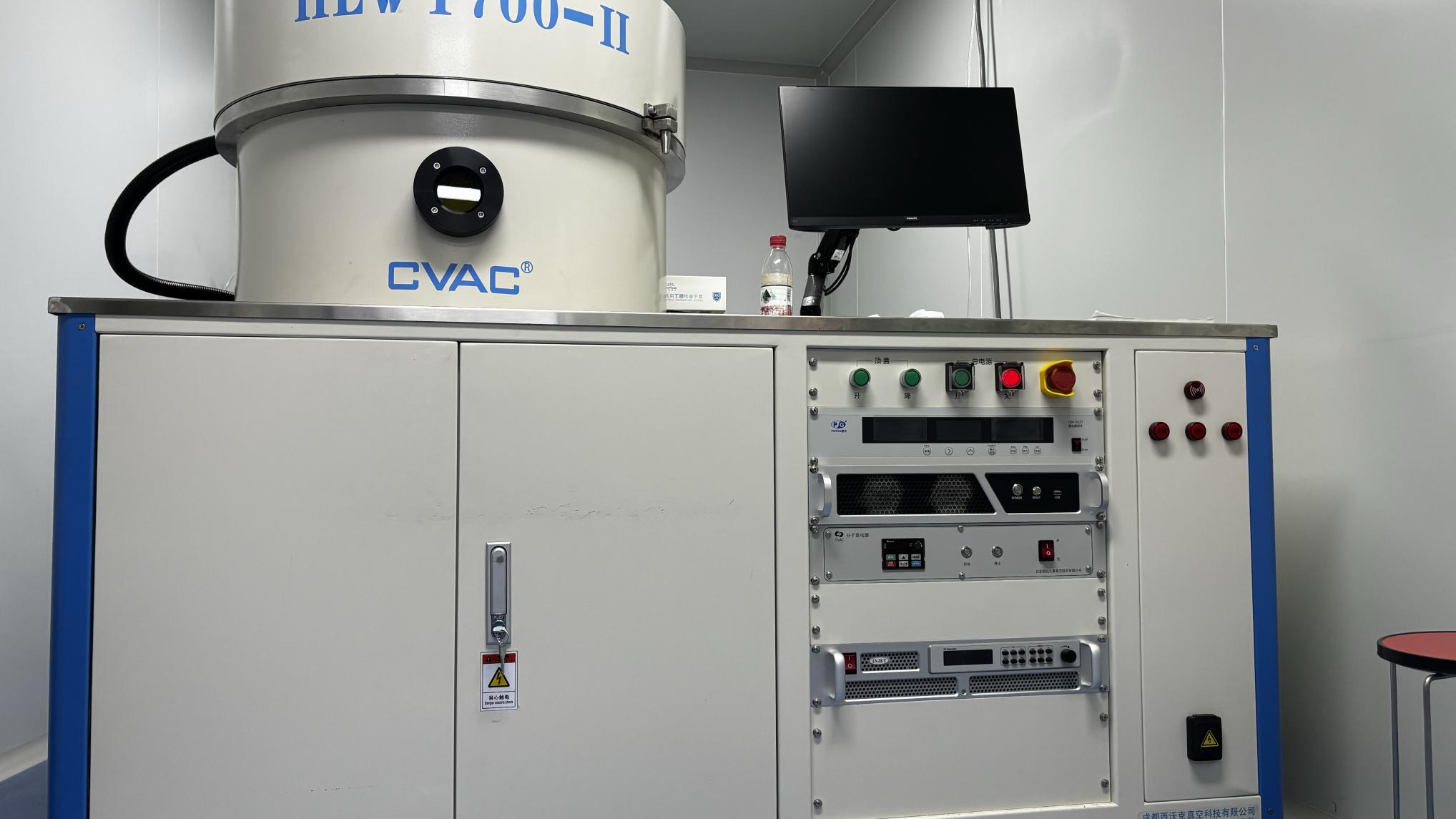
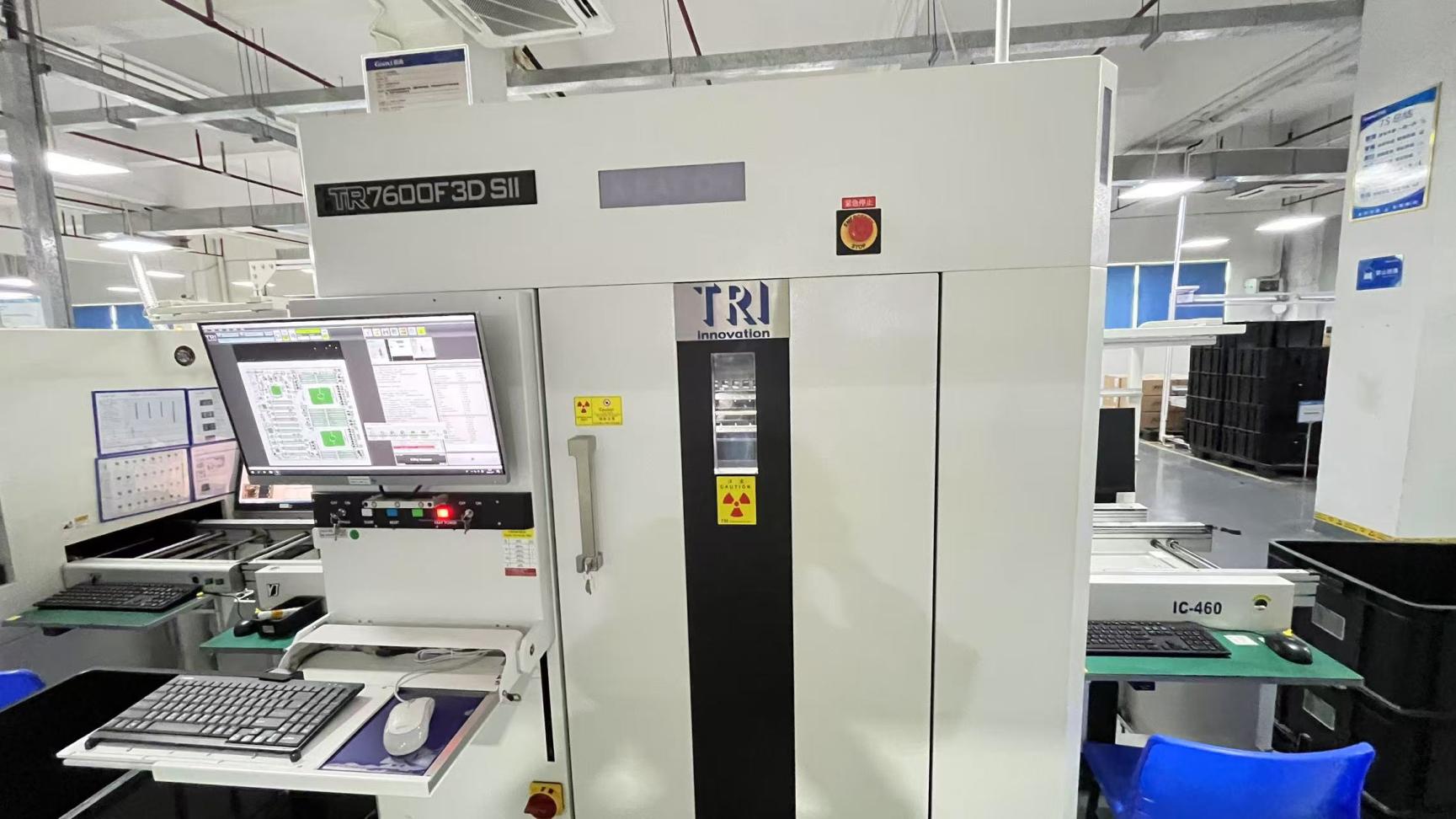
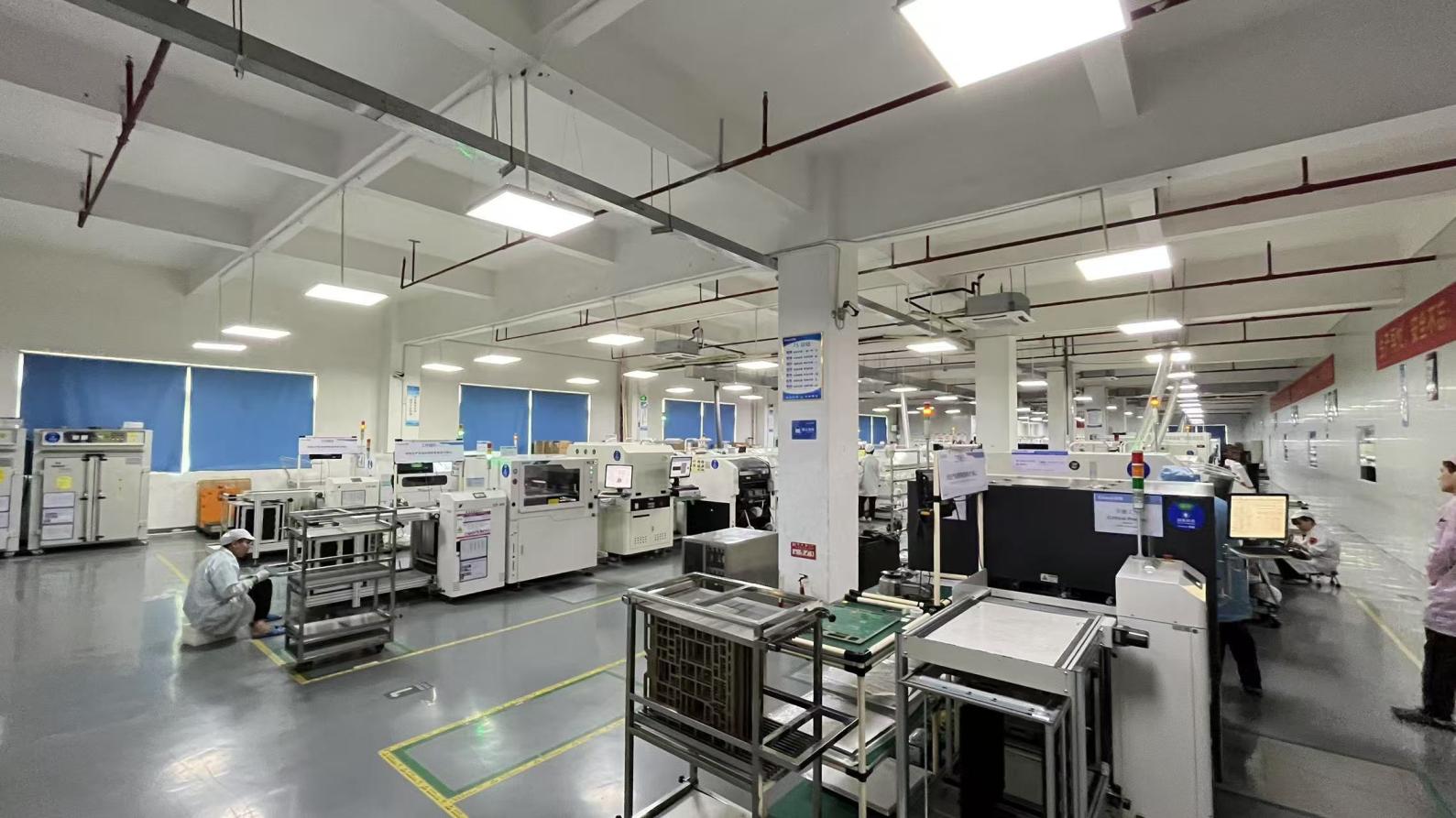
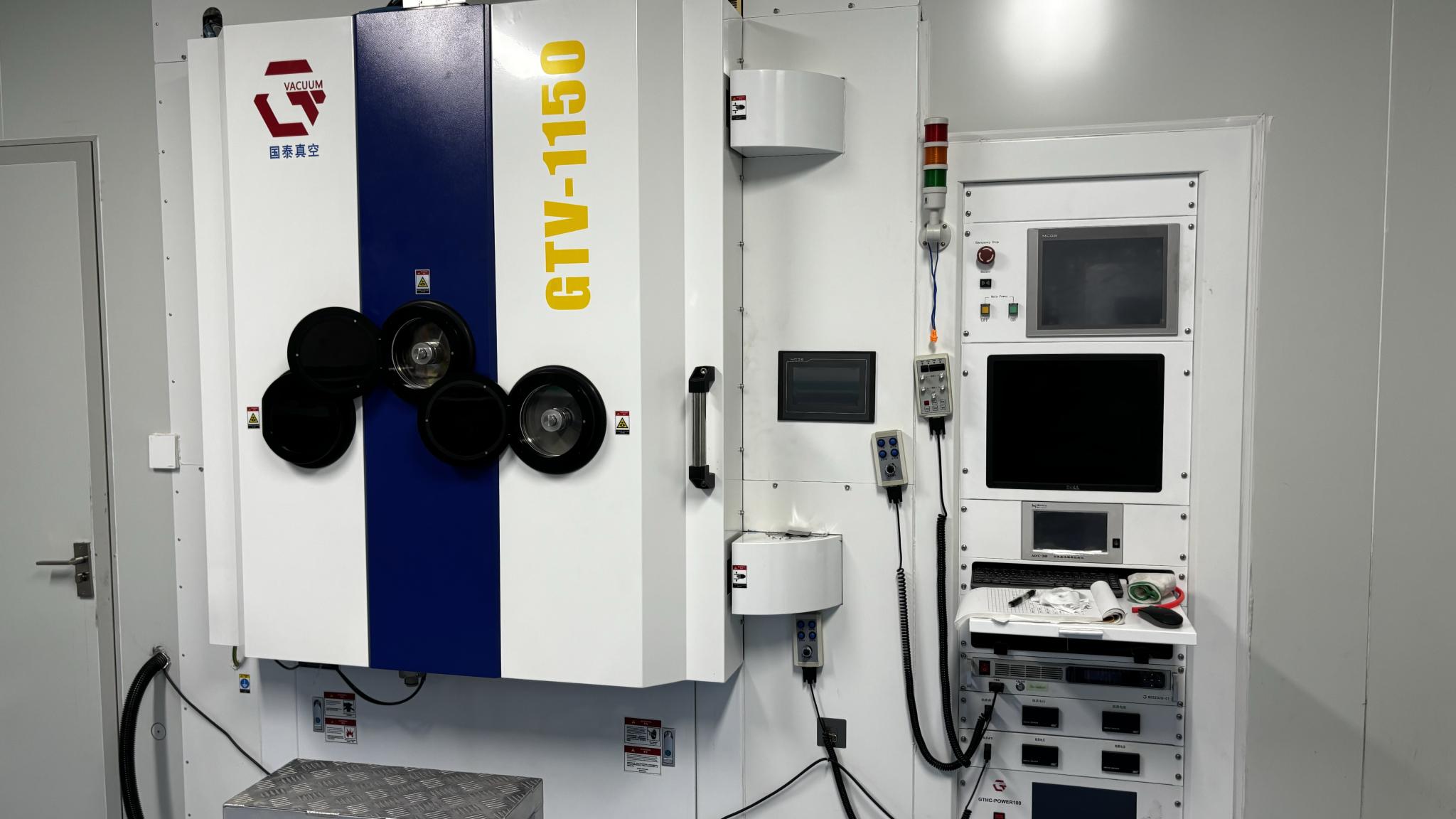
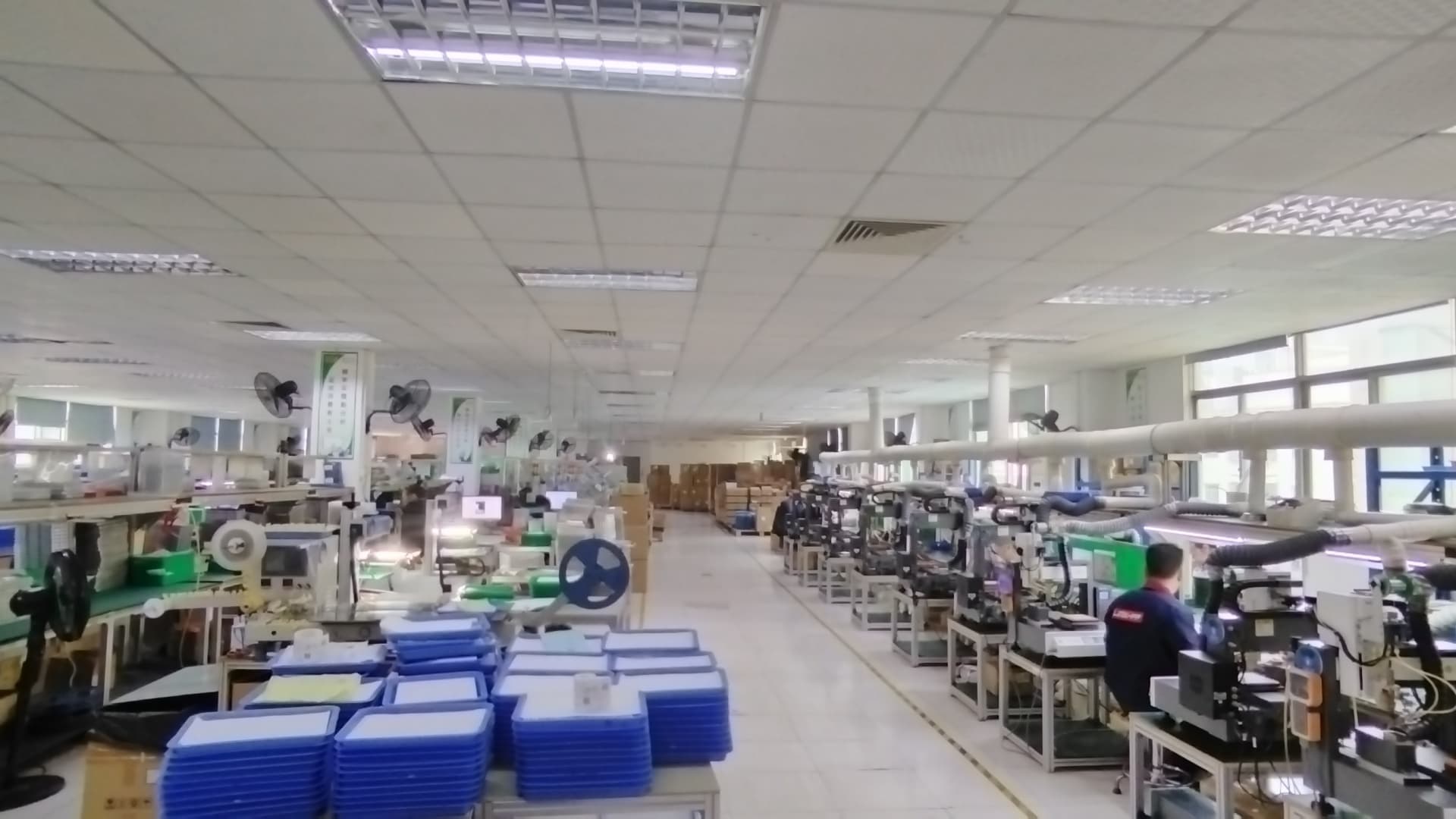
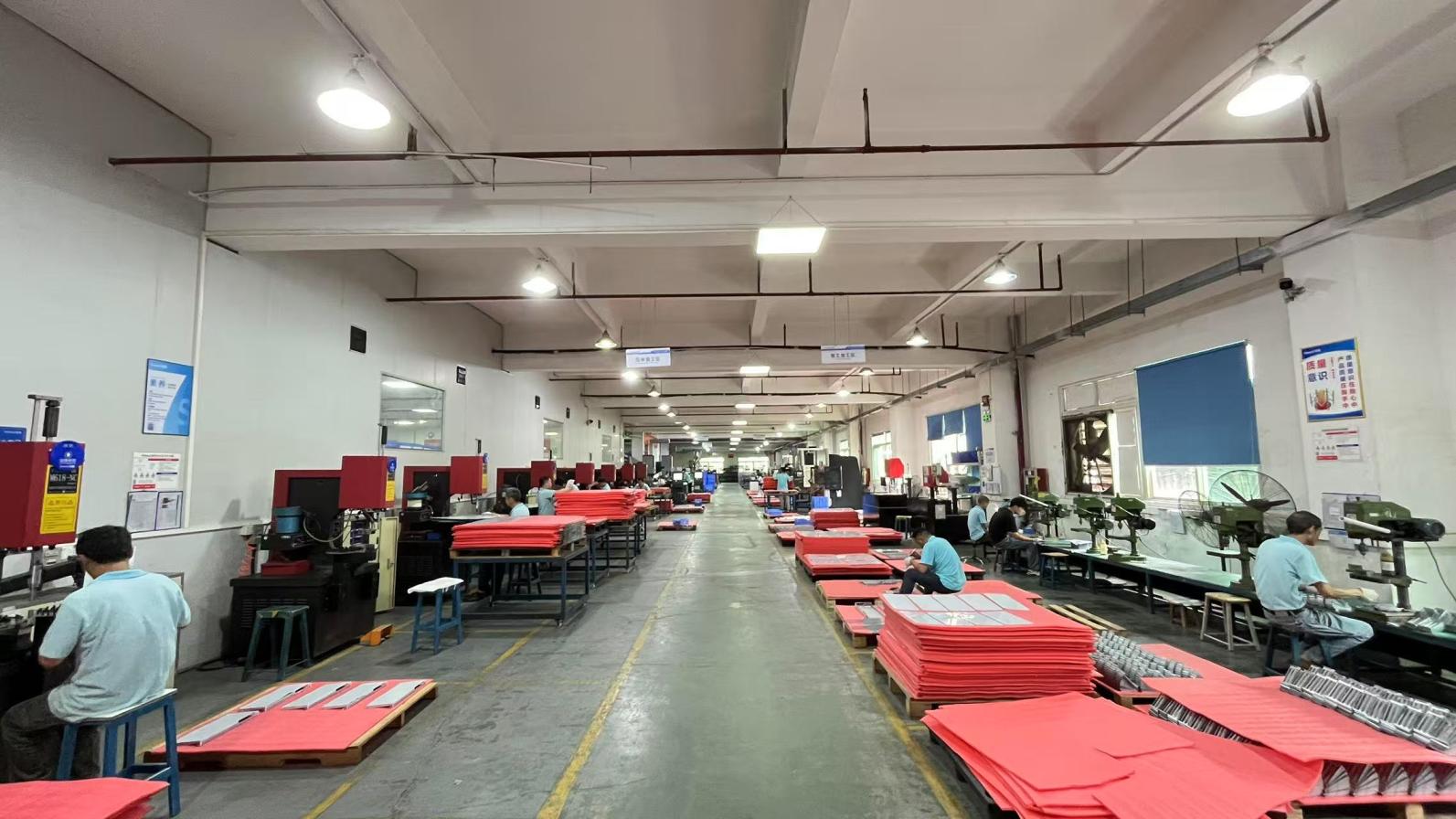
FiberNova Optical Communication Tech Co., Ltd. (FiberNovaTransceivers.com) is a professional optical transceiver manufacturer established in 2016, with a modern production facility covering approximately 380㎡. The company focuses on high-speed optical communication solutions, serving global data center and telecom customers with stable, high-performance products.
With over 6 years of export experience and 12 years of industry expertise, FiberNova has developed strong capabilities in R&D, manufacturing, and international trade. The company achieves an annual export revenue of approximately USD 8–15 million, supplying customers across North America, Europe, Southeast Asia, and the Middle East (including telecom contractors in Iraq).
FiberNova operates with a strict quality control system, including 100% optical performance testing, temperature cycling tests, and signal integrity inspection before shipment. The quality assurance team consists of around 45 professional QC staff, ensuring every transceiver meets international standards such as IEEE and MSA compatibility requirements.
The company maintains a solid trade background with experienced export teams handling OEM and ODM projects worldwide. Its main markets include the United States, Germany, Japan, South Korea, and the United Arab Emirates. FiberNova has established long-term partnerships with more than 1,200 supply chain partners, enabling stable procurement of chips, lasers, and optical components.
FiberNova serves a wide range of clients, including telecom operators, cloud service providers, data center integrators, and network equipment distributors. The company has strong R&D capabilities, supported by 65 engineers, focusing on high-speed transmission technologies such as 10G, 25G, 100G, 400G, and 800G optical modules.
Customization is fully supported, including wavelength tuning, protocol compatibility, housing design, and labeling services. In the past year, FiberNova launched approximately 120 new products, continuously expanding its portfolio to meet fast-changing market demands.

Technical answers for networks in Iraq and the Middle East
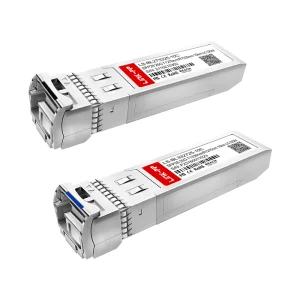
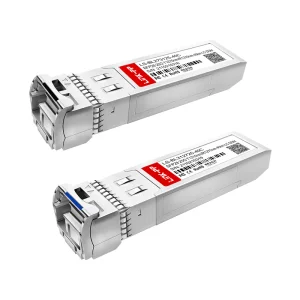
Explore our specialized single-mode, multi-mode, and bidirectional transceivers optimized for high-speed systems.
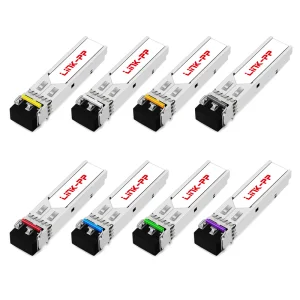
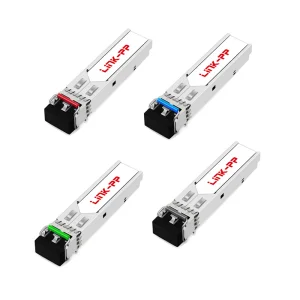
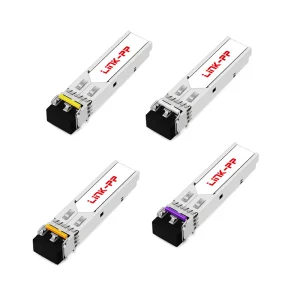
Get direct factory engineering support, customized EEPROM compatibility coding, and wholesale pricing on our complete range of 25G/32G transceivers.
Send Inquiry Now FiberNova