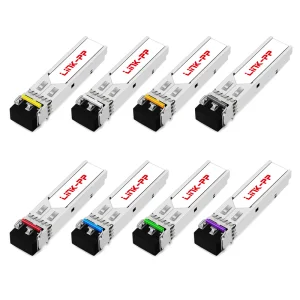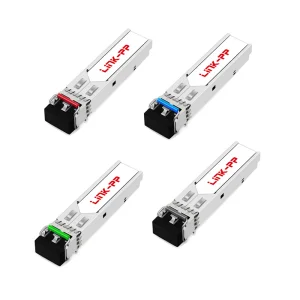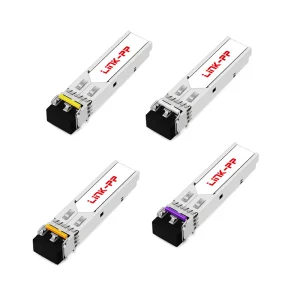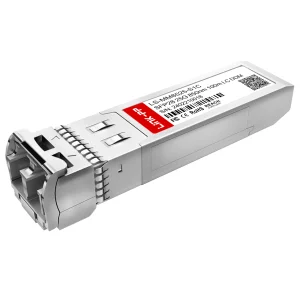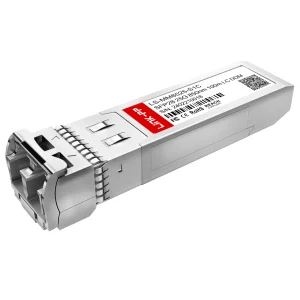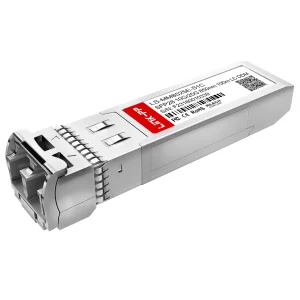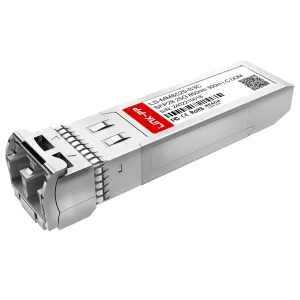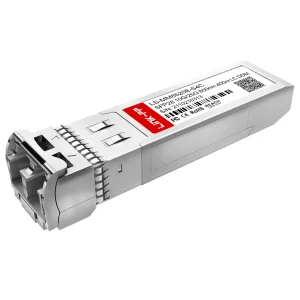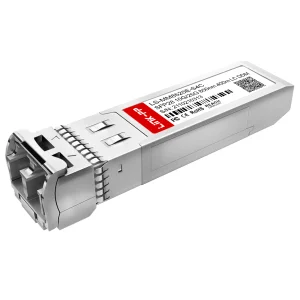
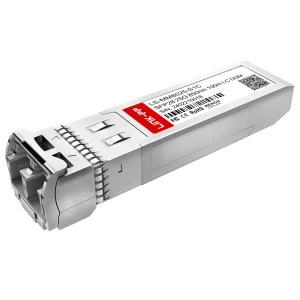
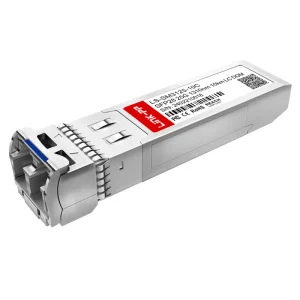
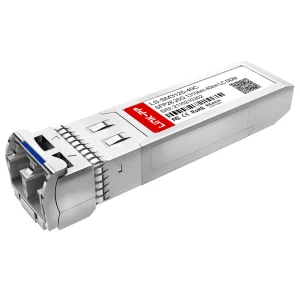
25G/32G SFP28 Module Factory & Exporter for the Canada Market

High-reliability optical transceivers engineered for Canada's next-generation data centers, telecommunications, and high-capacity storage area networks.

12+ Yrs
Industry Expertise
100%
Optical Performance Tested
65+
R&D Engineers
1,200+
Supply Chain Partners

Canada's Evolving Network Ecosystem: The Transition to 25G and 32G Platforms

The Canadian digital landscape is experiencing an unprecedented surge in bandwidth demand, driven by high-density data center corridors in Montreal, Toronto, and Vancouver, combined with nationwide 5G standalone (SA) deployments. As traditional 10G networks face congestion and 40G systems prove highly inefficient in port density, 25G SFP28 and 32G Fibre Channel (FC) transceivers have emerged as the foundational building blocks for modern enterprise infrastructure. Utilizing the same physical envelope as SFP+, SFP28 offers a 2.5x increase in data throughput without requiring extensive spatial modifications to existing rack topologies.

In addition, Canadian municipal networks, utilities, and large-scale industrial IoT systems are pushing optical boundaries. With rugged geographies and extreme weather variations, deployment teams require optical hardware that adheres to rigorous standards of signal integrity and physical resilience. From local internet exchanges (such as TORIX or QIX) to remote monitoring networks in the resources sector, FiberNova's 25G/32G transceivers deliver optimal performance, minimizing total cost of ownership (TCO) while guaranteeing high-speed reliability.

Why 25G SFP28 & 32G FC are Essential for Canadian Data Centers

For cloud service providers and enterprise SAN (Storage Area Network) operators across Canada, port efficiency, thermal dissipation, and compatibility are paramount. SFP28 leverages single-lane 25Gb/s signaling technology (NRZ), simplifying the transceiver circuitry compared to multi-lane alternatives and resulting in reduced power consumption. This efficiency is crucial for massive server farms looking to lower their cooling footprints. Similarly, 32G SFP28 modules support the latest Gen 6 Fibre Channel protocols, providing the sub-millisecond response times required for high-frequency trading (HFT) platforms in Toronto's financial hub and real-time processing pipelines in advanced research facilities.

Factory-Direct Supply Chain & Manufacturing Edge

How FiberNova leverages automated production, rigorous QA, and global scale to deliver cost-optimized optical modules.

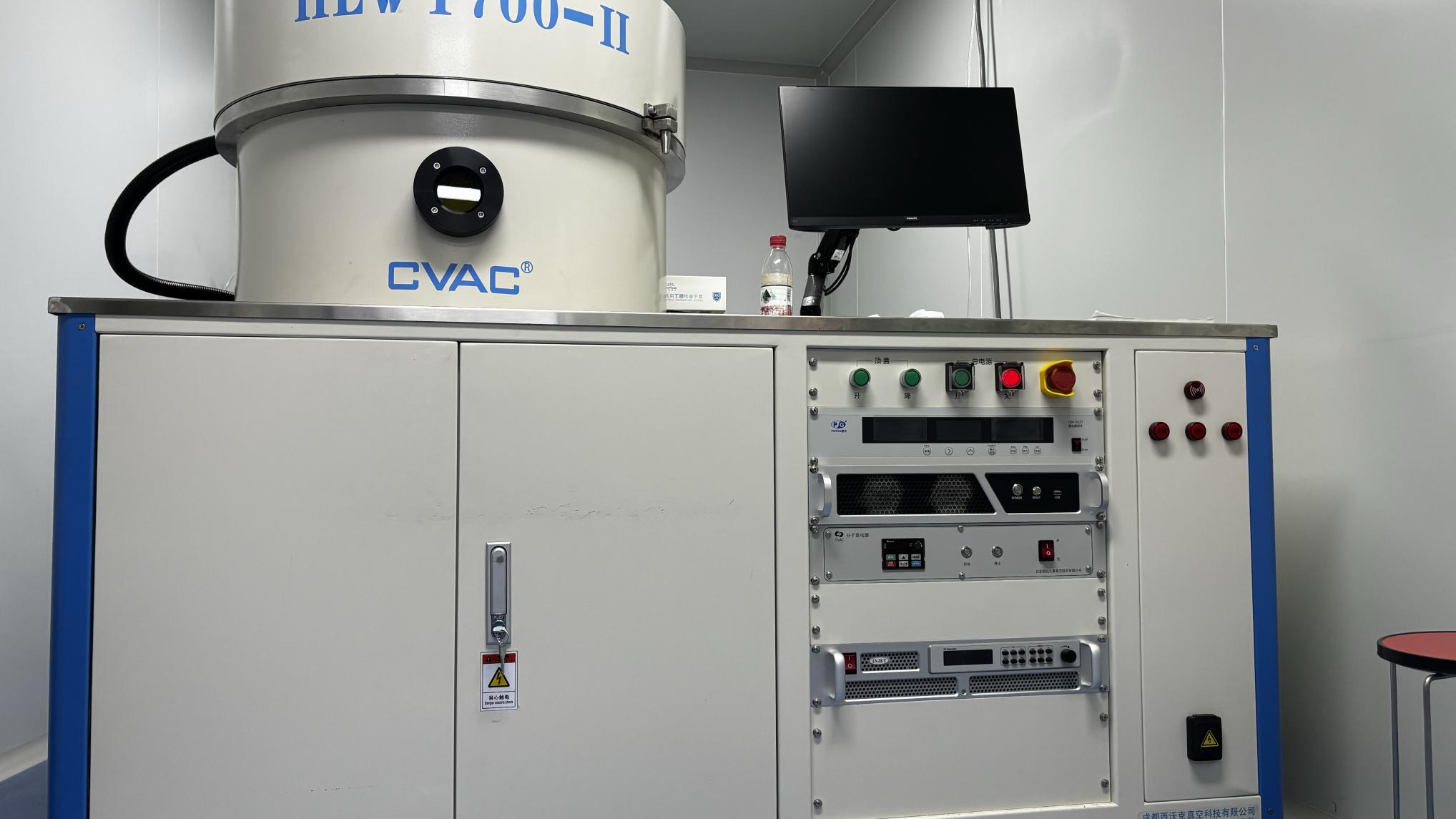
Advanced Manufacturing Lab

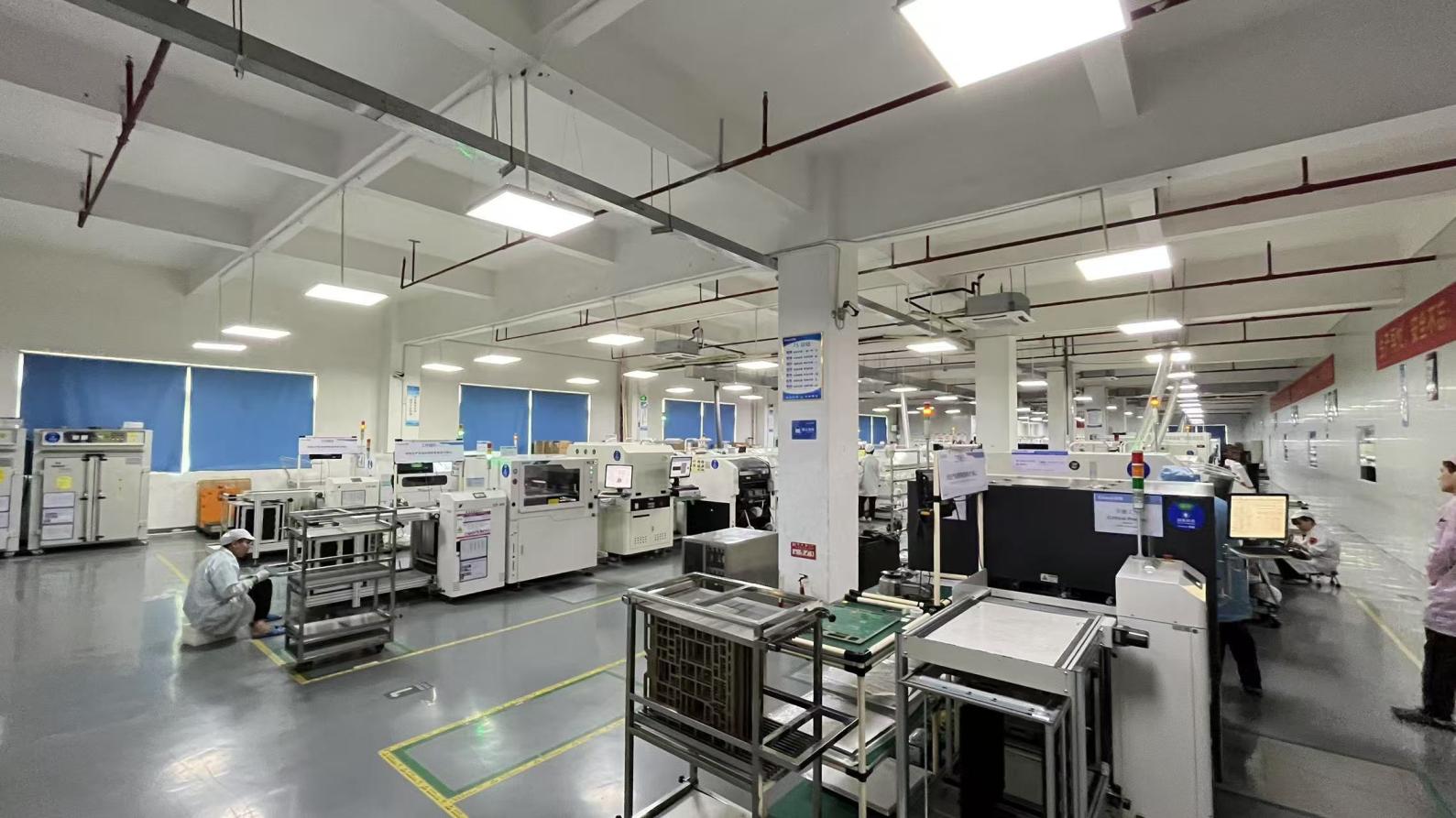
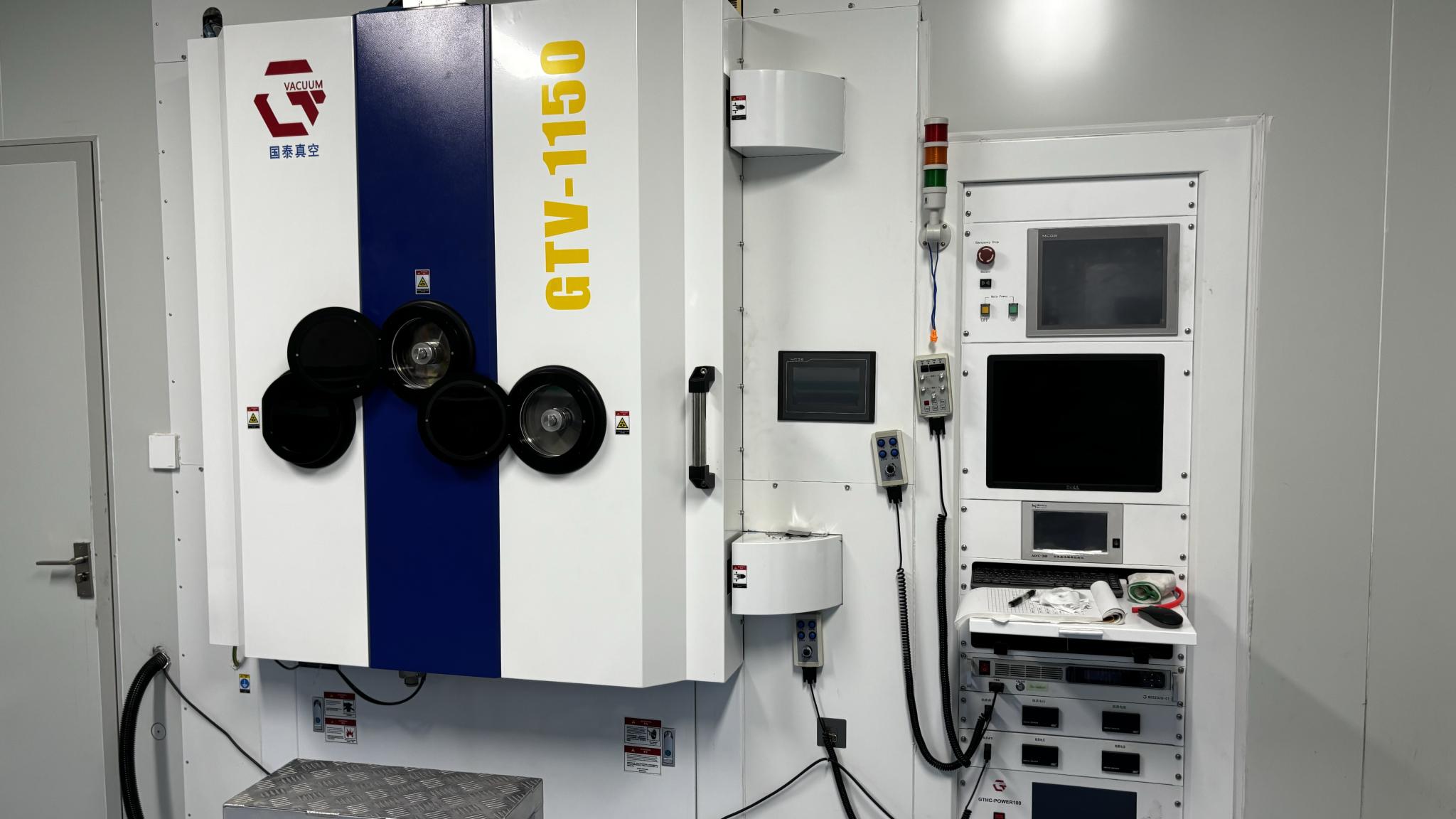
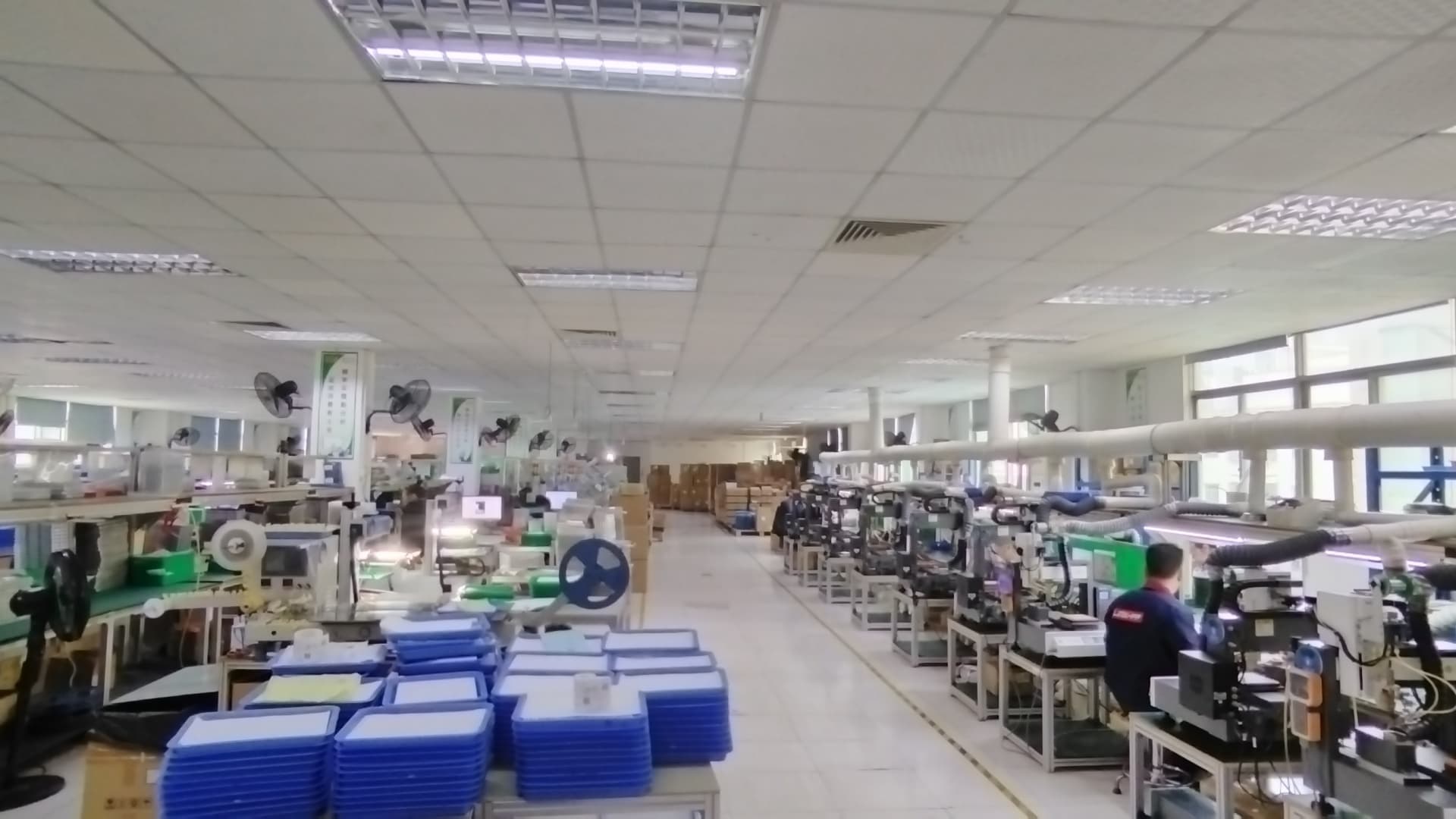
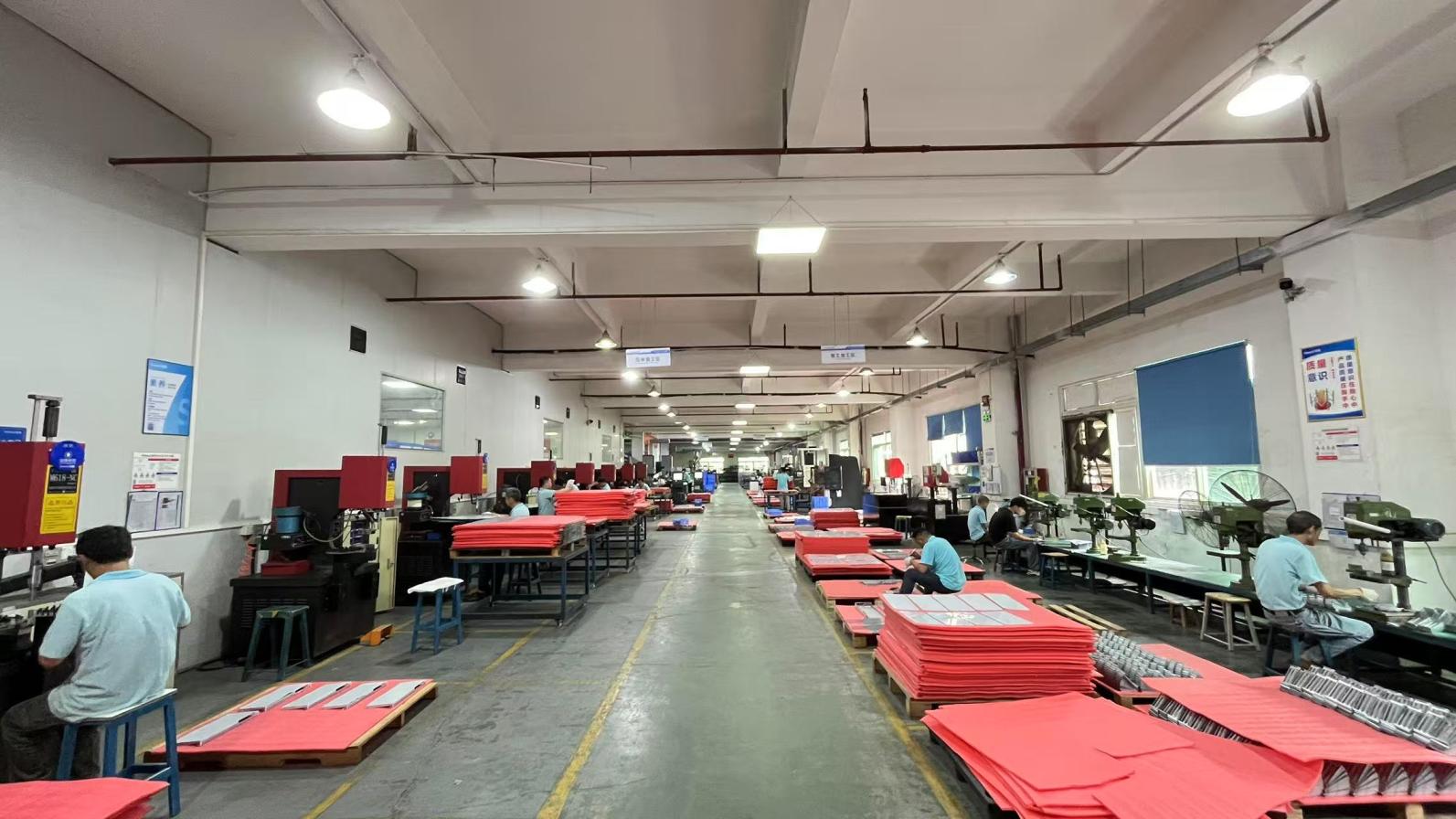
Operated by FiberNova Optical Communication Tech Co., Ltd. (founded in 2016), our state-of-the-art facility spans over 380㎡ of class-10,000 cleanrooms, designed for high-precision optical sub-assembly alignment and high-yield automated testing.

R&D and Customization

Supported by a robust team of 65 engineers, we customize transceivers for specific wavelength configurations, specialized EEPROM coding (ensuring 100% host compatibility), and extended temperature operation profiles.

Uncompromising Quality Control

Our dedicated group of 45 QC staff conducts 100% optical performance testing, thermal cycling, and comprehensive signal eye-diagram analysis. Every batch is certified before departing our facility.

Regulatory Compliance and Physical Localization for the Canadian Climate

Deploying optical network equipment in Canada requires adherence to specialized parameters due to harsh winter environments and specific electrical directives. Unlike standard enterprise environments, outdoor cabinets, cell towers, and industrial sub-stations in locations like Alberta or Northern Ontario experience temperatures dipping below -40°C. FiberNova offers standard commercial (0°C to 70°C) and robust industrial temperature grade (-40°C to 85°C) SFP28 modules. These industrial modules utilize high-reliability laser diodes (DFB/EML) and temperature-compensated DDM (Digital Diagnostic Monitoring) mechanisms to guarantee zero wavelength drift and constant optical output power under freezing conditions.

Compliance with Canadian Standards

To ensure smooth importation and deployment within Canadian IT infrastructure, our SFP28 and SFP+ modules are engineered to align with local and international regulatory requirements:

  • ICES-003 Compliance: Ensuring our modules generate electromagnetic interference levels well below the limits specified for Class A and Class B digital apparatus in Canada.
  • Laser Safety: Fully certified under FDA/CDRH and IEC 60825-1 Class 1 laser safety standards, protecting installers and maintaining safe operation.
  • RoHS & REACH Directives: Strict lead-free manufacturing processes to support Canada's environmental protection directives.
  • MSA Compliance: Strict compliance with SFF-8431, SFF-8432, and SFF-8472 multi-source agreements, ensuring physical, electrical, and register-map interchangeability in all compliant host platforms.

Robust China-Canada Logistics and OEM/ODM Adaptability

Leveraging over 6 years of direct export operations and yielding an annual export revenue of USD 8–15 million, FiberNova has created a frictionless bridge to Canada. We work alongside global air freight leaders (DHL, FedEx, UPS) to deliver directly to primary hubs in Toronto Pearson, Vancouver, and Montreal-Trudeau, handling all custom clearances. For telecom operators requiring custom labeling, serialization, and distinct firmware programming (e.g., Ciena, Rogers, Bell, Telus network codes), our engineering team performs tailored configuration before dispatch, significantly reducing installation friction on-site.

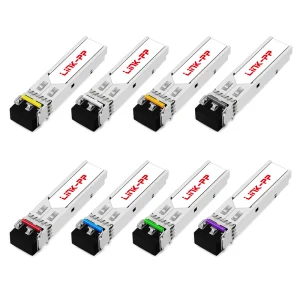
Additional Enterprise Solutions & Compatibility Inventory

Extended dual-rate and multi-vendor options to integrate seamlessly into existing legacy architectures.

Technical FAQ & Engineering Insights

Resolving deployment, compatibility, and physical layer challenges common to Canadian networks.

Q1: What is the main structural advantage of shifting from 10G SFP+ to 25G SFP28 in a Canadian datacenter setting?
A: The shift from 10G SFP+ to 25G SFP28 offers a 2.5x increase in data transmission rate using the identical physical form factor. By avoiding the multi-lane routing architecture of QSFP+ (which uses 4 lanes of 10G), SFP28 enables a 1-to-1 conversion from switch port to server NIC. This minimizes the complex wiring setups common in high-density installations in Vancouver and Toronto. It also reduces power consumption and heat dissipation per gigabit, resulting in lower cooling overheads for data center facility managers.
Q2: Are FiberNova's 25G/32G transceivers fully compatible with major networking hardware suppliers like Cisco, Juniper, and Ciena?
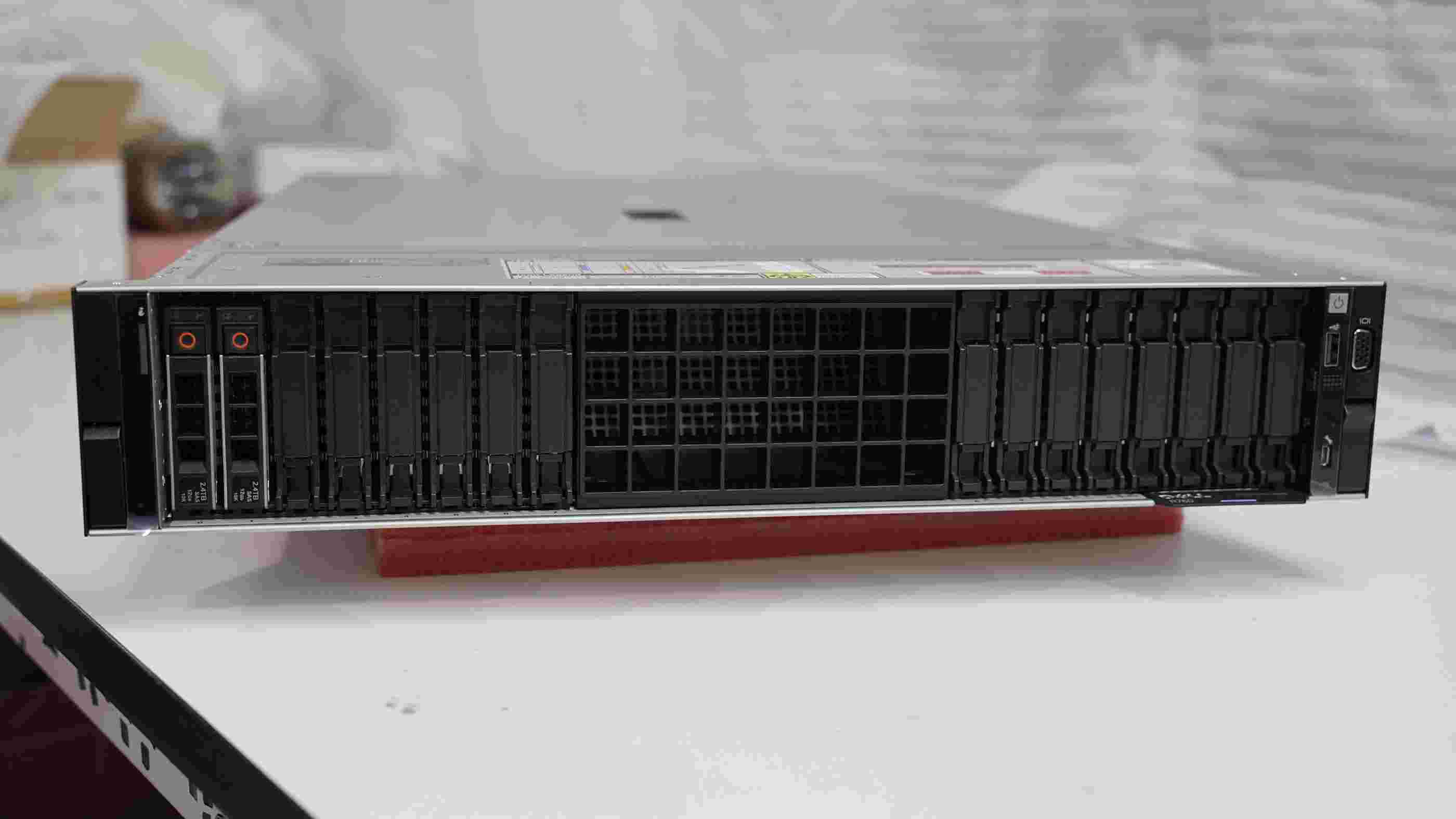
A: Yes. FiberNova optical transceivers are configured with customized EEPROM lookup tables matching the target host switch vendor. We program and test our modules on actual host equipment (including Cisco Catalyst/Nexus, Juniper MX/EX, Arista, and Ciena Packet-Optical Platforms). This eliminates "unsupported transceiver" warnings and guarantees full integration of DDM parameters in the native network operating system (e.g., Cisco IOS-XE/NX-OS, Junos OS).
Q3: How do FiberNova transceivers withstand the extreme temperature drops in industrial deployments across Northern Canada?
A: For outdoor wireless base stations, utility substations, and industrial environments, we supply Industrial Temperature (-40°C to +85°C) modules. Unlike commercial grade transceivers, industrial modules feature specialized components like lasers (with thermoelectric coolers or specialized semiconductor structures) and passive hardware designed to withstand thermal expansion and contraction. We perform rigorous thermal cycling and environmental stress screening (ESS) to guarantee continuous optical power and wavelength stability at sub-zero temperatures.
Q4: What are the differences between 25G SFP28 SR, LR, ER, and BiDi modules, and how do they apply to local layouts?
A:
  • SR (Short Range): Uses 850nm VCSEL lasers over Multimode Fiber (MMF), supporting up to 100m on OM4 fiber. Best suited for intra-rack datacenter interconnects.
  • LR (Long Range): Uses 1310nm DFB lasers over Singlemode Fiber (SMF), supporting distances up to 10km. Ideal for metro area campus backbones and enterprise connections.
  • ER (Extended Range): Utilizes cooled EML lasers and APD photodetectors over SMF, achieving up to 40km reaches. Designed for long-span inter-office connections and rural backhauls.
  • BiDi (Bidirectional): Employs single-strand simplex fibers with alternating Tx/Rx wavelengths (e.g., 1270nm/1330nm). This doubles fiber capacity by eliminating the need for separate receive/transmit fibers, providing a cost-effective solution for legacy fiber systems.
Q5: How does FiberNova ensure physical layer security and signal integrity under the MSA requirements?
A: We utilize advanced automated alignment equipment to align our optical sub-assemblies (TOSA/ROSA), keeping optical insertion loss and back-reflection to a minimum. Signal integrity checks are executed using digital sampling oscilloscopes to measure eye diagram parameters, jitter, and rise/fall times. Digital Diagnostics Monitoring (DDM) is fully enabled according to SFF-8472, providing real-time data on supply voltage, operating temperature, laser bias current, and transmit/receive optical power to the network operator.

Partner with a Top-Tier Optical Transceiver Factory

Ensure stable supply chains, reliable vendor compatibility, and competitive prices for the Canadian market.

Whether you require standard 25G SR transceivers for a corporate data center build, specialized CWDM/DWDM grids for a metropolitan fiber ring, or custom-coded solutions compatible with Arista, Cisco, or Ciena platforms, FiberNova delivers proven quality. Backed by 12 years of industry experience and a rigorous quality testing protocol, we are ready to support your optical network requirements in Canada.