Premium 1.25G Single Mode duplex transceiver modules configured for long-range, electromagnetic-resistant communications across Caspian infrastructure systems.
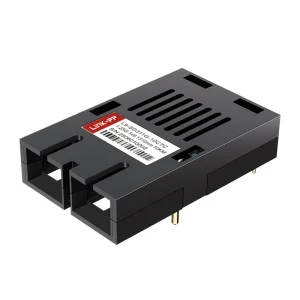
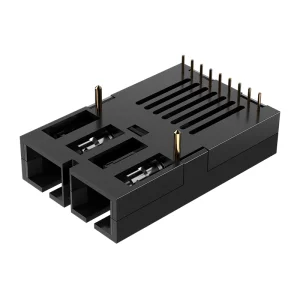
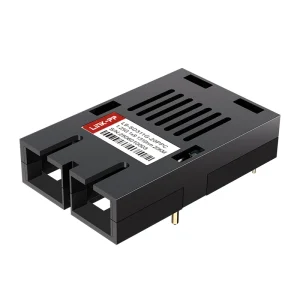
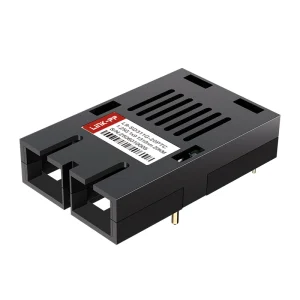
As a key geopolitical hub along the "Digital Silk Way" and the Middle Corridor, Azerbaijan is aggressively accelerating its industrial and digital infrastructure. Strategic national programs have prioritized the complete modernization of optical networks spanning the Absheron Peninsula, Ganja, Sumgait, and the oil-rich Caspian shelf. High-density telecommunication deployments are not restricted merely to urban fiber-to-the-home (FTTH) connections, but are deeply integrated into the state's foundational industrial structures, including pipelines, transport networks, and smart energy grids.
Within these demanding environments, legacy optical setups and critical industrial control systems require standard 1x9 transceivers. These components act as the backbone for Supervisory Control and Data Acquisition (SCADA) systems, which supervise energy flow and automated infrastructure. Unlike hot-swappable SFP transceivers, soldered 1x9 optical transceiver modules offer unyielding physical durability. This makes them highly resistant to severe environmental factors such as vibration, moisture, and extreme temperature variations—typical challenges found in Azerbaijan's oil and gas sectors operated by SOCAR, as well as the expanding regional rail corridors.
Information Gain Insight: The Baku-Tbilisi-Ceyhan (BTC) pipeline and offshore oil platforms utilize custom ruggedized 1x9 optical interfaces. The hardware-based pinning minimizes micro-disconnections that can disrupt continuous data polling in safety-critical oil and gas facilities.
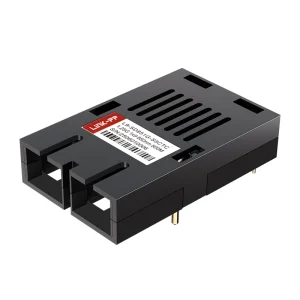
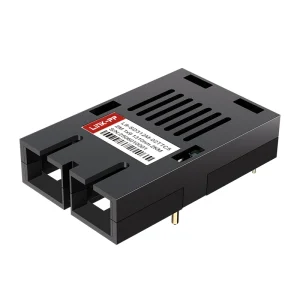
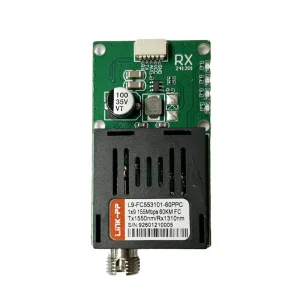
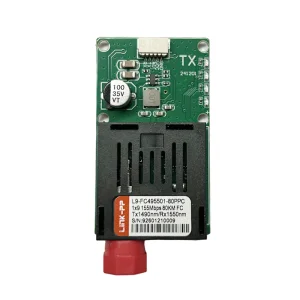
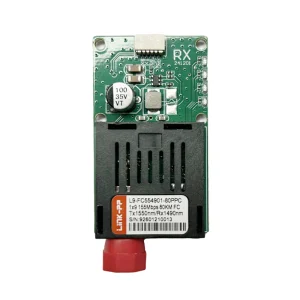
The 1x9 optical transceiver interface remains a staple in mission-critical networks due to its simplicity, deterministic behavior, and hard-wired security. Operating with a 1x9 pin configuration (typically 9 single pins arranged in a single line), these modules combine the transmitter and receiver optical sub-assemblies (TOSA and ROSA) directly onto the host device’s printed circuit board (PCB).
By utilizing differential PECL (Pseudo-Emitter Coupled Logic) or TTL (Transistor-Transistor Logic) data inputs and outputs, 1x9 modules communicate with system microcontrollers without the need for complex, software-driven digital diagnostics monitoring (DDM) interfaces. This lack of firmware complexity makes the modules immune to firmware corruption, firmware-based cyber hacks, or handshake incompatibilities that often plague contemporary SFP, SFP+, and QSFP form factors.
For Azerbaijani engineers operating high-voltage electrical substations for Azerenerji, the 1x9 format's direct soldering provides maximum isolation against electromagnetic interference (EMI). The metal housing, combined with high-grade optical connectors (typically Duplex SC, FC, or ST), prevents electrical arcs from crossing into the fiber cabling, ensuring reliable operation of remote terminal units (RTUs) under extreme conditions.
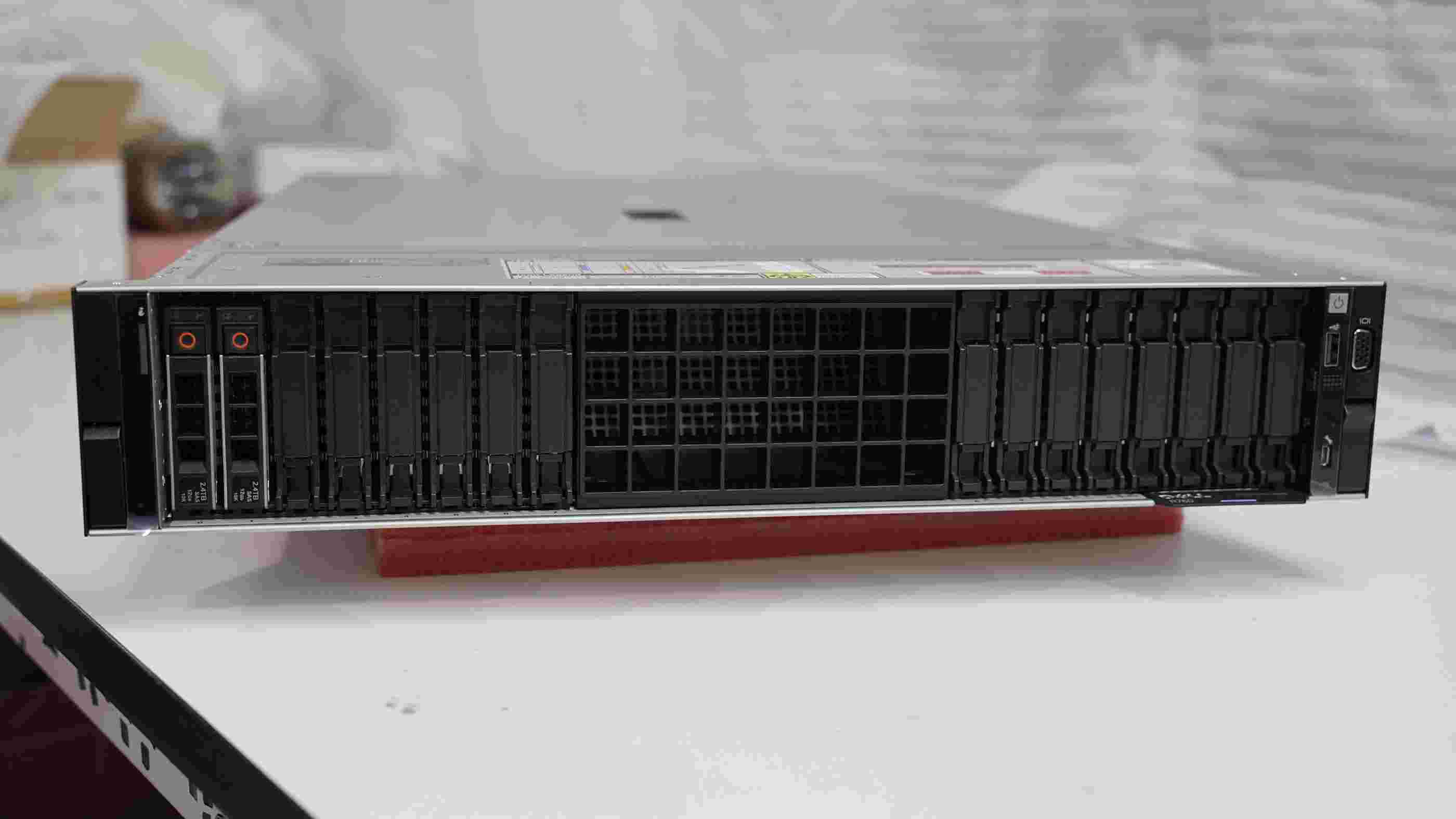
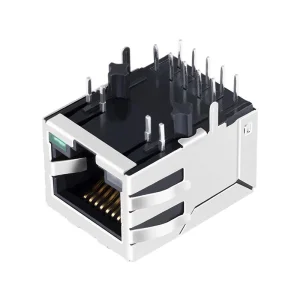
Complementary telecom infrastructure components including active SFP transceivers, modular RJ45 jacks, and magnetic transformers designed to support complete network integrations.
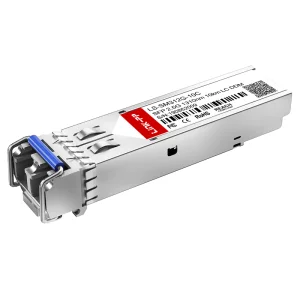
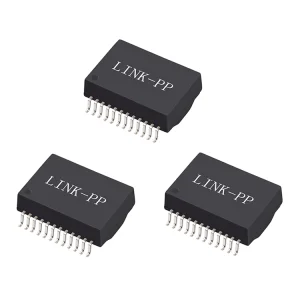
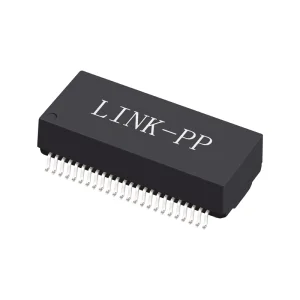
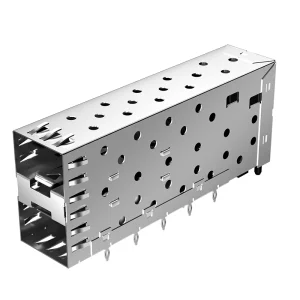
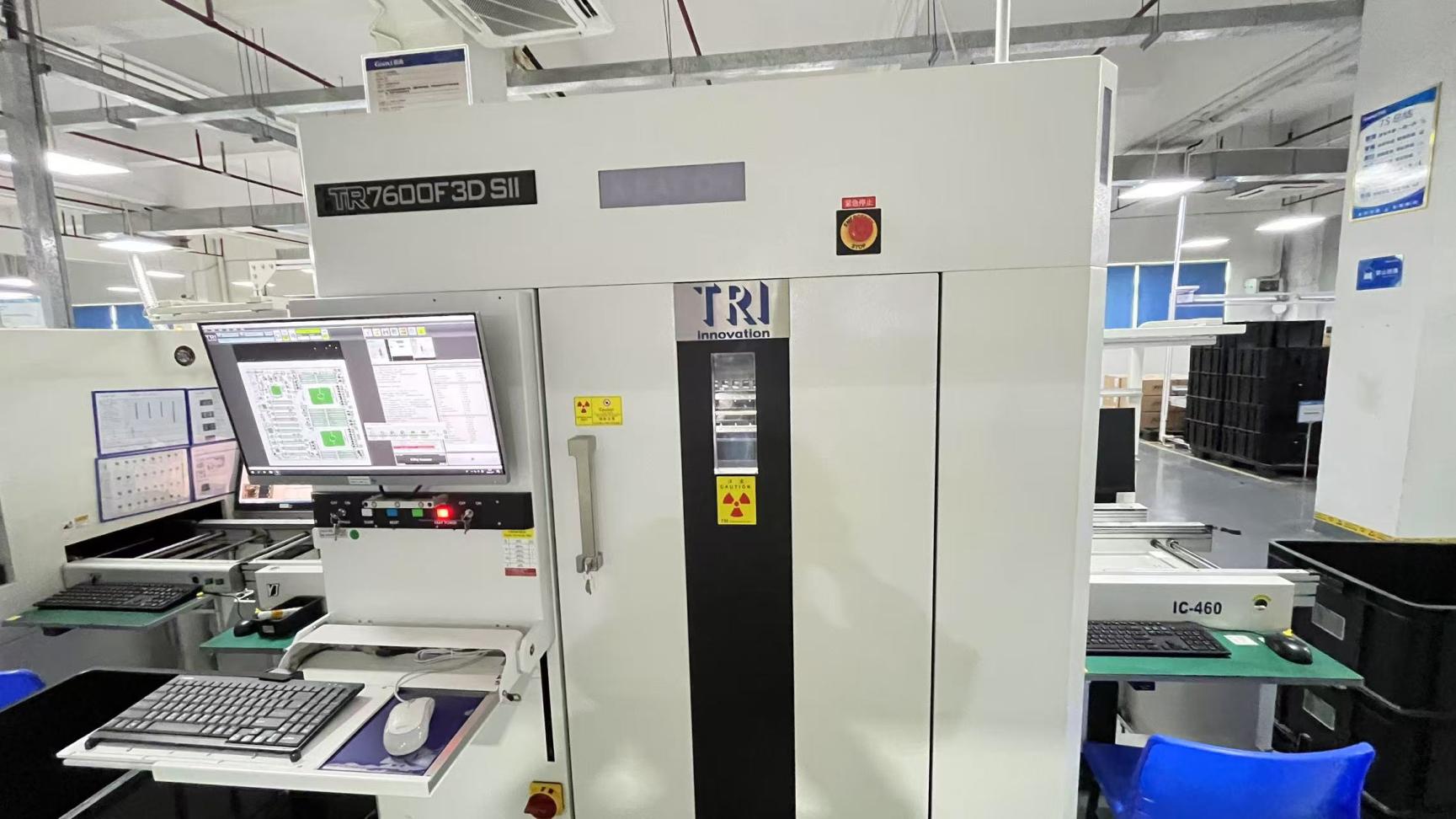
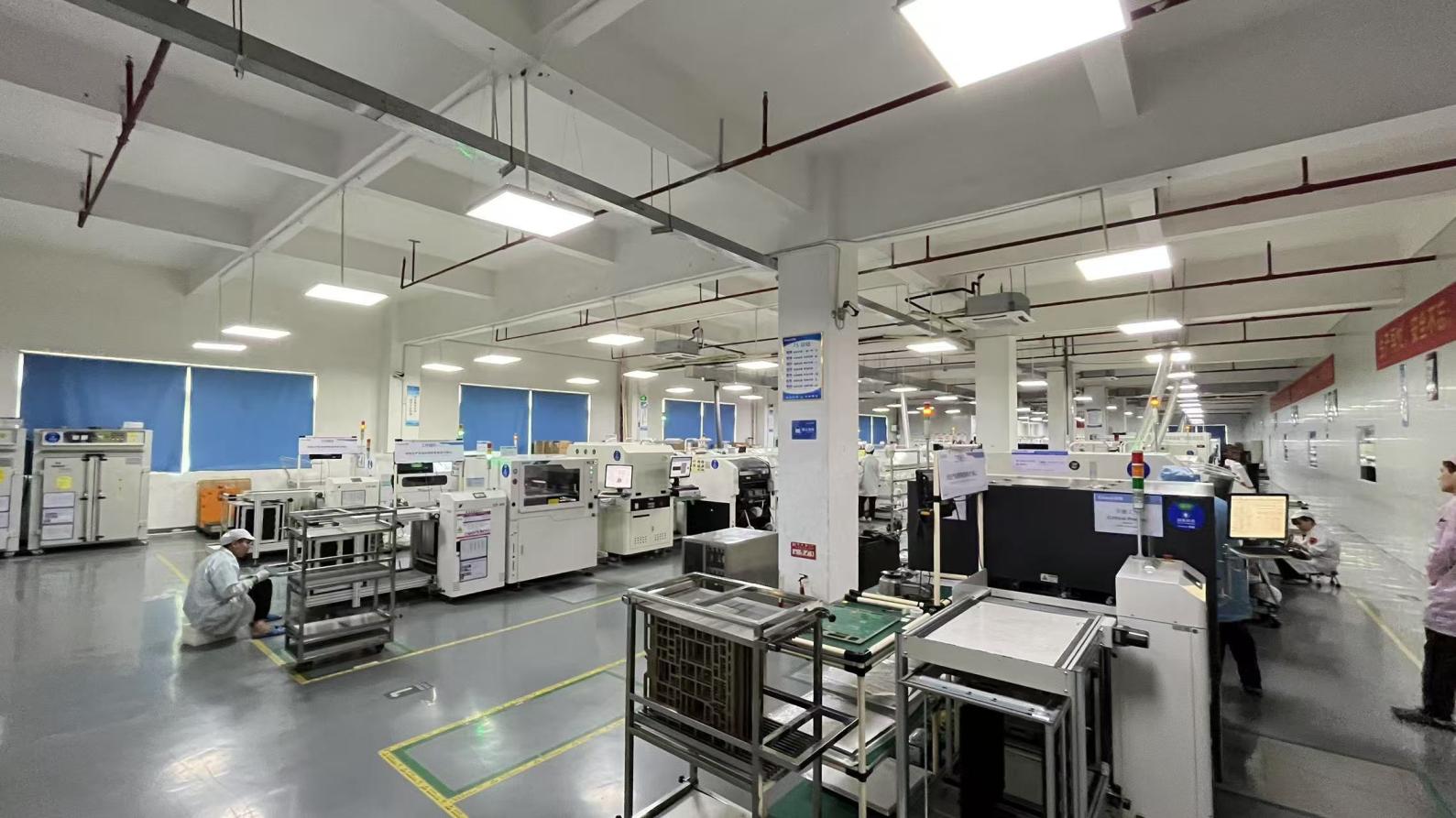
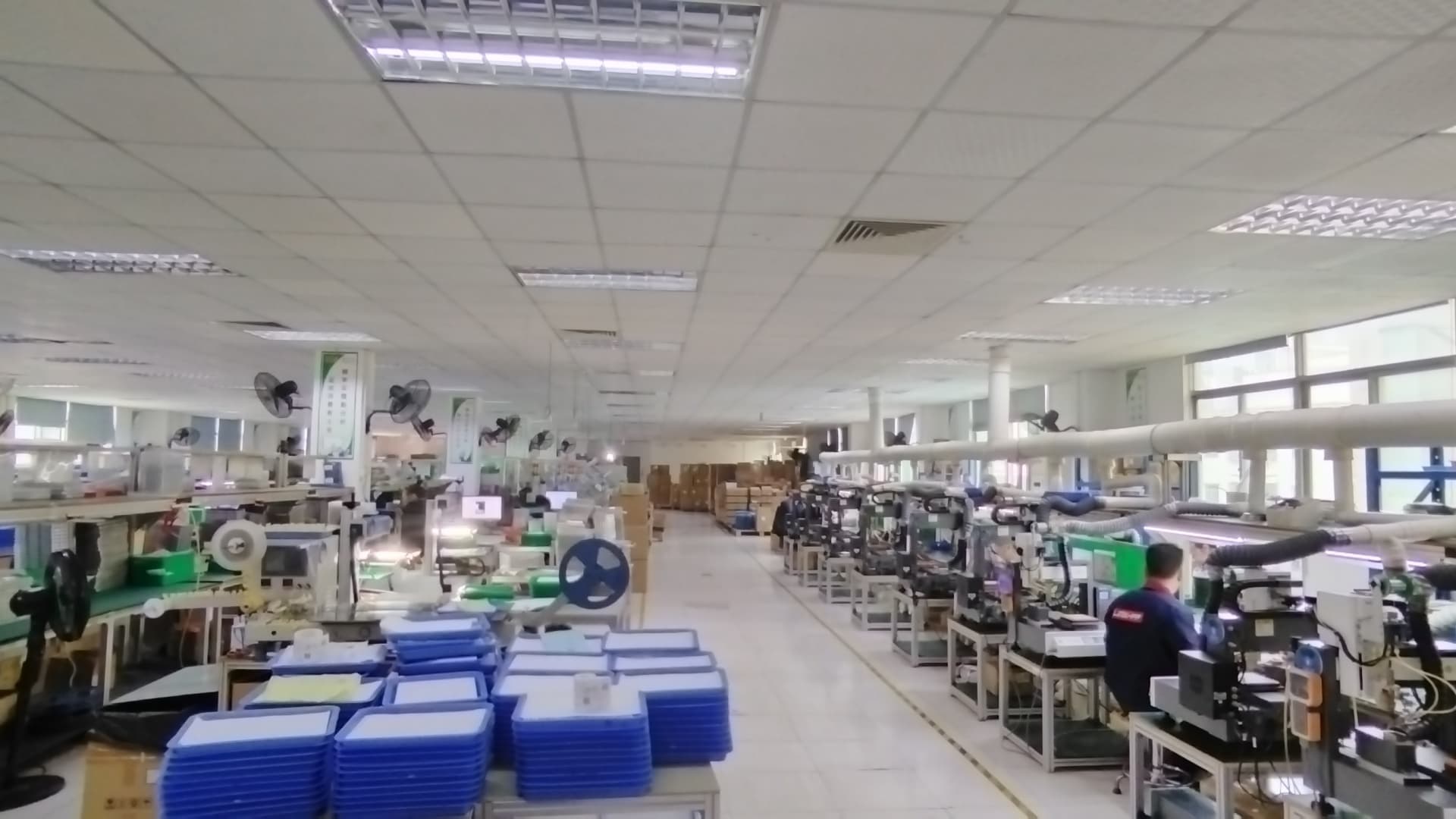
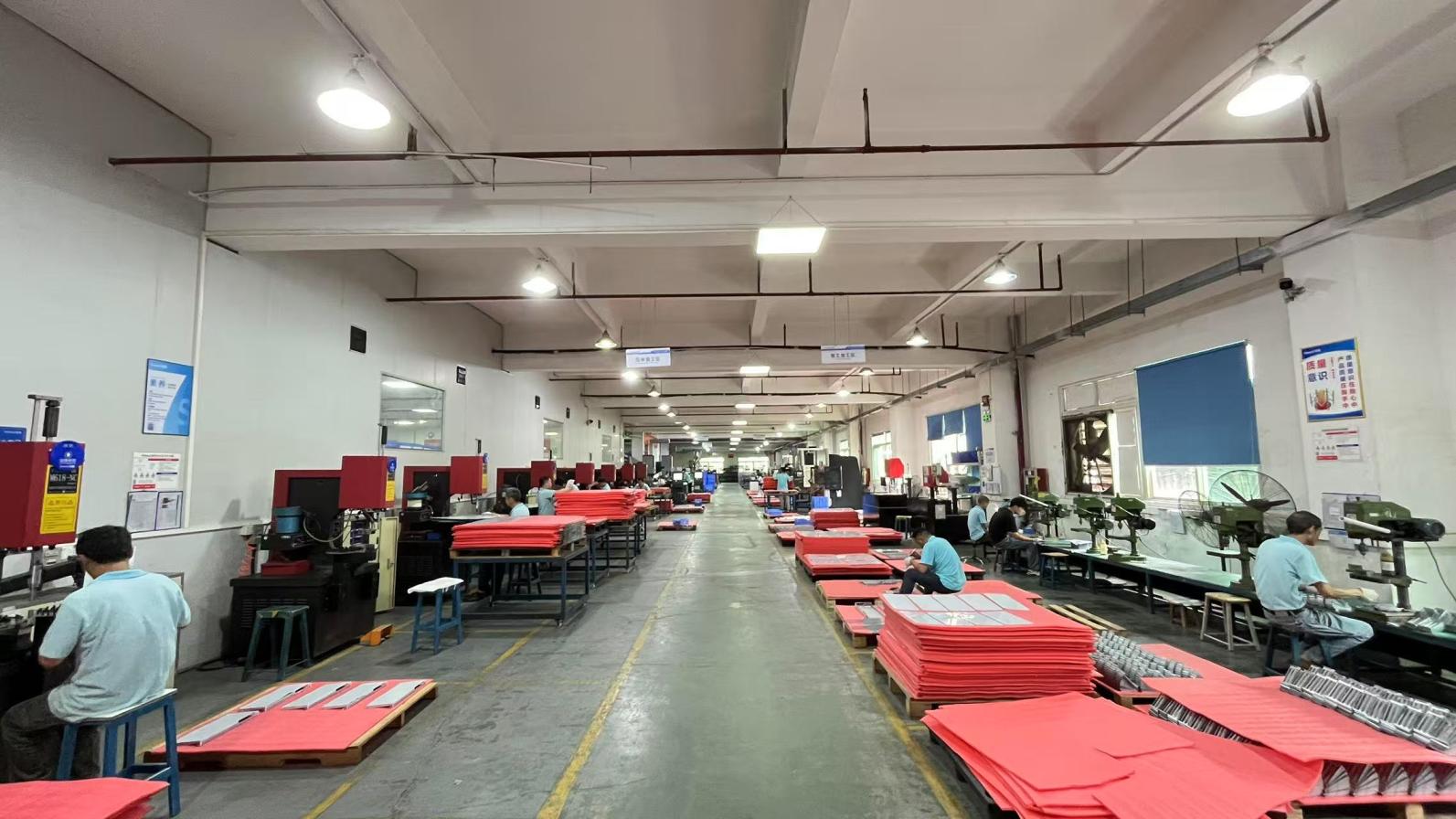
Established in 2016, FiberNova Optical Communication Tech Co., Ltd. (FiberNovaTransceivers.com) operates a modern 380m² manufacturing facility optimized for high-speed and legacy optical transceiver modules. FiberNova maintains a strict quality control system, including 100% optical performance testing, temperature cycling tests, and signal integrity inspection before shipment. Supported by 45 professional QC staff, FiberNova ensures every transceiver meets international standards such as IEEE and MSA compatibility requirements.
With over 6 years of export experience and 12 years of industry expertise, FiberNova has developed strong capabilities in R&D, manufacturing, and international trade. The company achieves an annual export revenue of approximately USD 8–15 million, supplying customers across North America, Europe, Southeast Asia, and the Middle East. Under the Factory 4.0 initiative, our production lines utilize automated optical coupling and alignment stations alongside high-precision spectral analyzers. This ensures that every 1x9 transceiver maintains stable output power and optimal extinction ratios over extended lifecycles.
FiberNova operates with a robust supply chain network. The company has established long-term partnerships with more than 1,200 supply chain partners, enabling stable procurement of chips, lasers, and optical components. This scale of supply chain integration allows us to offer customized wavelengths, protocol compatibility, housing designs, and labeling services. In the past year alone, FiberNova launched approximately 120 new products, continuously expanding its portfolio to meet fast-changing market demands.
For the industrial sectors of Azerbaijan, environmental adaptation is critical. FiberNova’s testing protocols simulate the real-world conditions of the Baku windy weather, high offshore humidity, and regional temperature extremes. Every single 1x9 transceiver undergoes a rigorous thermal stress test inside specialized climate chambers, transitioning from -40°C up to +85°C.
Additionally, our 65 engineers focus on high-speed transmission technologies such as 10G, 25G, 100G, 400G, and 800G optical modules, applying this advanced engineering expertise back to our legacy 1x9 transceiver manufacturing. This ensures that even our classic 155M and 1.25G 1x9 transceiver models benefit from the same high-frequency signal design improvements, low insertion loss components, and robust packaging used in next-generation data center networks.
E-E-A-T Commitment: FiberNova’s export trade background is fully backed by long-term partnerships with telecom operators, cloud service providers, and network distributors worldwide. We provide full traceability records for all laser diodes, photodetectors, and PCB components.



How FiberNova's 1x9 transceivers and modular connectivity components solve physical transmission challenges across specific Azerbaijani industries.
Connecting offshore wells in the Caspian Sea to mainland terminals requires ultra-reliable communication lines. 1x9 BiDi transceivers operating over single-mode fibers up to 80km are utilized to transmit sensor telemetry without risk of signal degradation or pipeline downtime.
Modern subway networks depend on zero-latency signal relays. The direct-pin physical layer design of our 1x9 TTL and PECL transceiver modules prevents handshake dropouts in the high-EMI subway tunnels of Baku, maintaining steady communication flows.
High-voltage utility stations generate massive electromagnetic interference. FiberNova’s 1.25G 1x9 SMF transceivers isolate copper control interfaces from high-voltage fields, keeping control signals clean during critical switching events.
Comprehensive legacy support including Multimode, Bidirectional (BiDi) Single-Strand Fiber configurations, and high-performance LC/SC interfaces.
In-depth technical clarifications for engineering teams managing fiber optic networks in high-stress industrial locations.
1x9 transceivers are direct-soldered to the system board. In industrial settings subject to physical vibrations (like railway signaling systems or oil pumps in the Ganja and Absheron regions), hot-pluggable SFP cages can suffer from micro-motion wear on electrical contact pads. Soldered 1x9 modules guarantee permanent connection paths and prevent physical displacement. They also utilize simpler PECL or TTL logic without software-driven controllers, eliminating firmware-level system hangs.
TTL (Transistor-Transistor Logic) typically operates with 0V to 5V (or 3.3V) voltage swings, suitable for shorter distance transmission and legacy logic controllers. PECL (Pseudo-Emitter Coupled Logic) uses smaller differential voltage swings, offering superior noise immunity and higher bandwidth. This makes PECL the standard choice for Gigabit-level data transmission over longer spans (up to 80km or 100km).
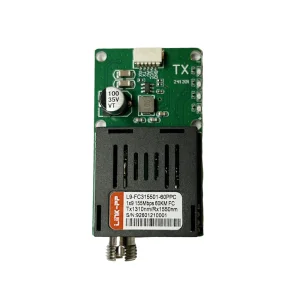
Standard duplex modules require two strands of fiber—one to transmit and one to receive. BiDi modules utilize Wavelength Division Multiplexing (WDM) to transmit and receive at different wavelengths (e.g., Tx 1310nm/Rx 1550nm and Tx 1550nm/Rx 1310nm) on a single strand of fiber. This effectively cuts physical cabling requirements in half. For long-haul links connecting isolated municipal locations or industrial outposts in rural Azerbaijan, this halves the fiber leasing or installation cost.
Yes. Supported by our 65 R&D engineers, we specialize in customizing wavelength ranges, physical housing designs, pin-out mappings (such as altering RX/TX ground pins to avoid PCB conflicts), and labeling services. This flexibility is critical for engineers upgrading older, legacy switches that do not adhere to modern standard MSA pin configurations.
Whether deploying networks along the Caspian pipelines, Baku metro links, or remote substations, partner with a verified manufacturer providing robust components with 100% optical verification.
 FiberNova