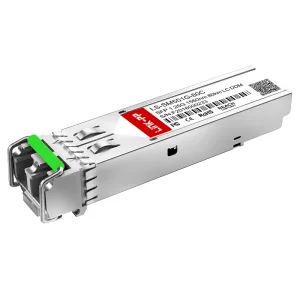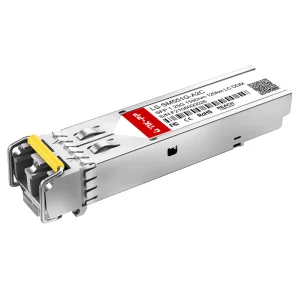
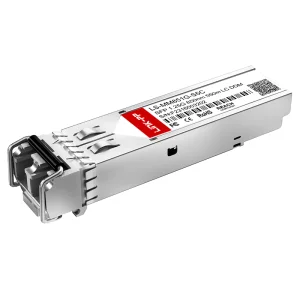
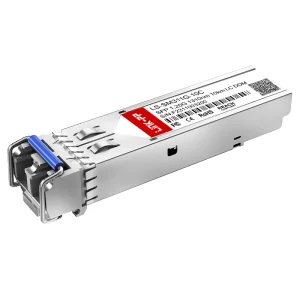
An Industry Whitepaper on Optical Transceiver Engineering, Localized Solutions, and Global Manufacturing Resilience
Slovakia has positioned itself as the industrial and manufacturing nucleus of Central Europe. With a formidable automotive industry anchored by global brands in Bratislava, Trnava, Nitra, and Žilina, the country demands robust, reliable industrial Ethernet networking. In the context of Industry 4.0, real-time telemetry, machine-to-machine (M2M) communication, and sensor-to-cloud architectures require bulletproof local networks. Although next-generation 10G and 100G networks dominate new core data hubs, 1.25G SFP modules remain the essential workhorse of edge computing networks, supervisory control and data acquisition (SCADA) systems, and regional access loops.
Slovakia's national telecommunications networks, maintained by operators such as Slovak Telekom, Orange Slovensko, O2, and SWAN, continue to expand their fiber-to-the-home (FTTH) and fiber-to-the-cabinet (FTTC) architectures. Within these architectures, the 1.25G SFP transceiver module provides the optimal cost-to-performance ratio for gigabit active optical networks (AON). The Slovak terrain, characterized by the rugged Tatra Mountains and highly dispersed rural communities, presents distinct logistical and environmental challenges for fiber deployments. Local municipal fiber networks rely heavily on robust transceivers that can withstand extreme temperature variations while maintaining optical integrity over extended optical spans.
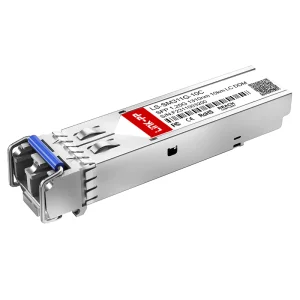
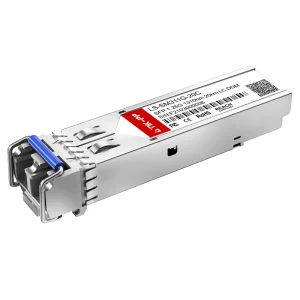
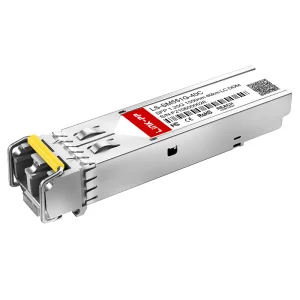
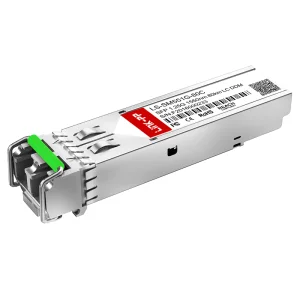
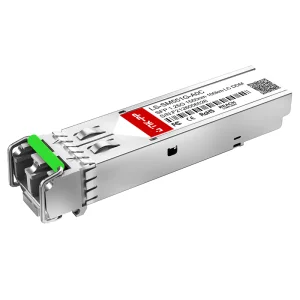
While the global optical industry aggressively pushes toward 400G and 800G coherent optics for hyper-scale data centers, the 1.25G SFP (Small Form-factor Pluggable) platform remains irreplaceable in diverse edge networks. The reasons are rooted in cost-efficiency, stability, and broad backwards compatibility. Utilizing SFF-8472 Multi-Source Agreements (MSA), 1.25G SFP modules feature standard LC, SC, or RJ45 interfaces that integrate seamlessly with legacy and modern network hardware.
Under the Hood: Digital Optical Monitoring (DOM)
Modern 1.25G SFPs deployed in Slovakian telecommunication rings integrate advanced DOM/DDM (Digital Diagnostic Monitoring) chipsets. Network engineers in Kosice or Bratislava can remotely poll real-time parameters including:
• Transmit Optical Power (dBm)
• Receive Optical Power (dBm)
• Laser Bias Current (mA)
• Internal Temperature (°C)
• Transceiver Supply Voltage (V)
This telemetry allows for proactive link budget audits and prevents unscheduled downtime. The hardware relies on high-quality distributed feedback (DFB) lasers for long distances (up to 160km) and economical vertical-cavity surface-emitting lasers (VCSEL) for short-range multimode applications.
As a premier manufacturing partner, FiberNova Optical Communication Tech Co., Ltd. (FiberNovaTransceivers.com) has built a reputation for excellence since its founding in 2016. Operating from a highly optimized 380㎡ production facility, FiberNova is a true modern powerhouse combining 12 years of industry experience with 6+ years of international trade capabilities. Generating between USD 8 million and 15 million in annual export revenues, we satisfy strict European requirements with absolute precision.
Our manufacturing process utilizes Factory 4.0 automation. Our R&D division, featuring 65 skilled optical engineers, oversees rigorous validation tests. Quality assurance is maintained by 45 professional QC staff who perform 100% optical performance tests, physical eye-diagram analysis, and dynamic thermal chamber cycling. This process ensures that when our transceivers land in Slovakia, they perform reliably in temperatures ranging from -40°C to +85°C.
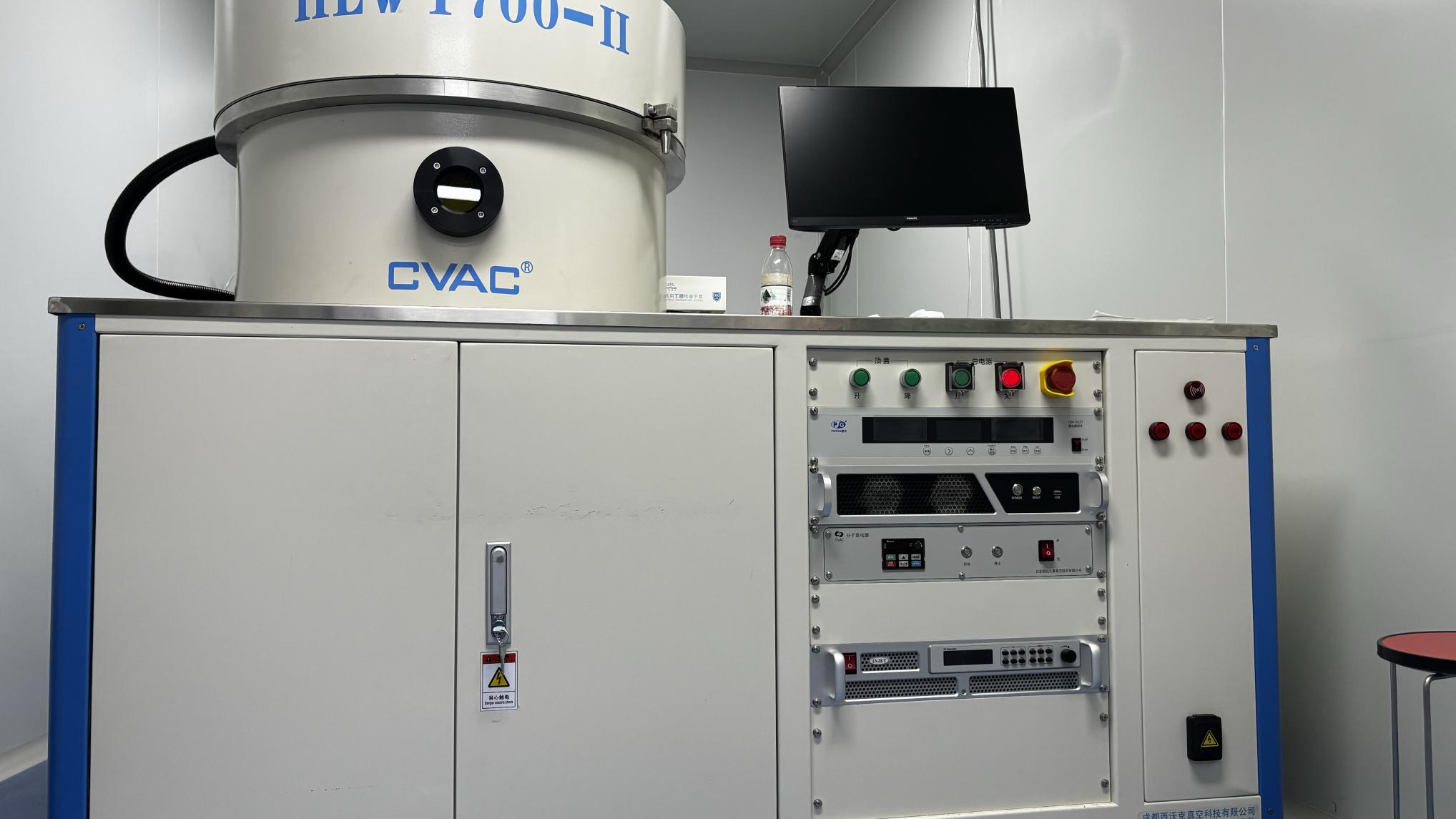
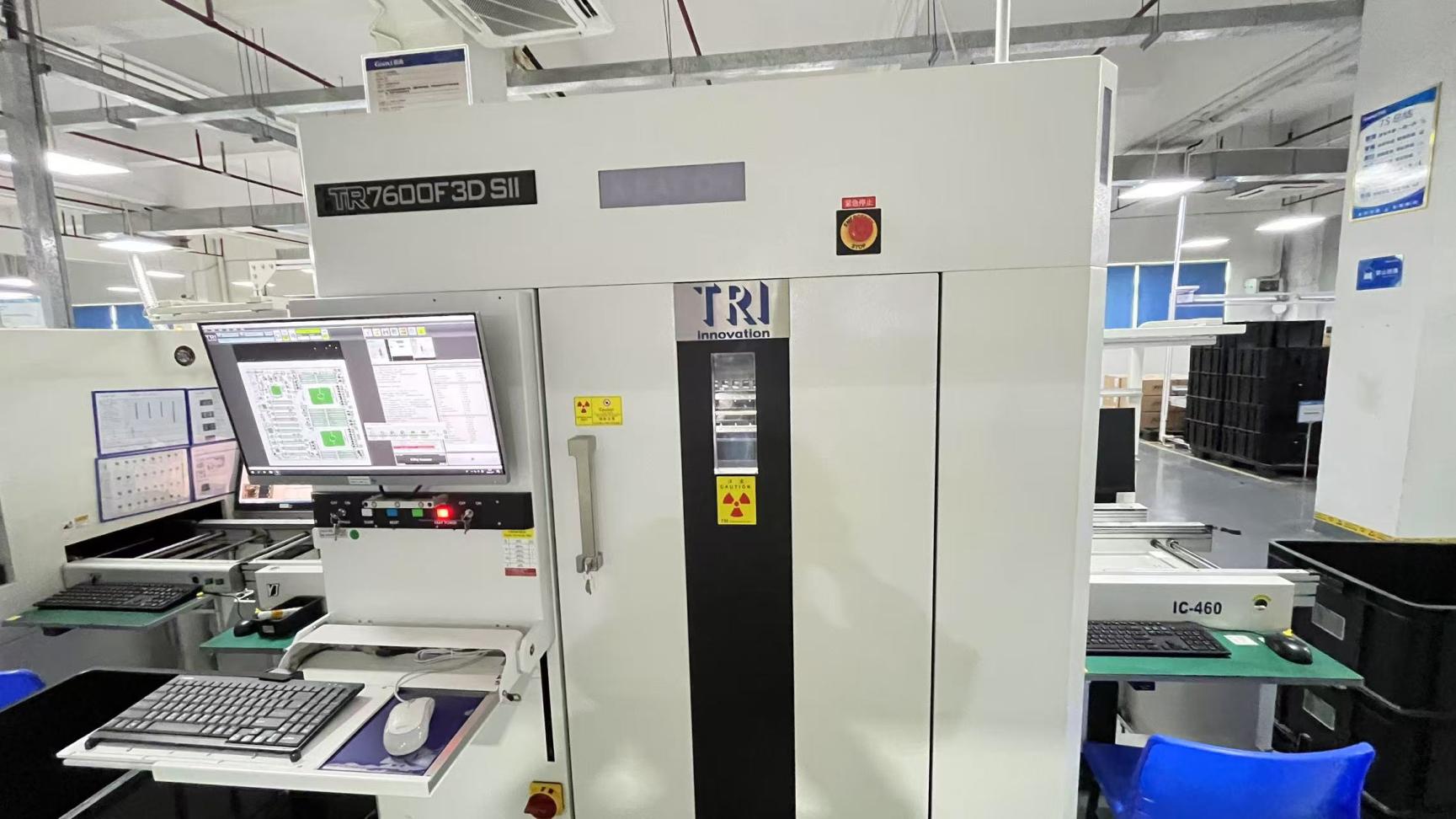


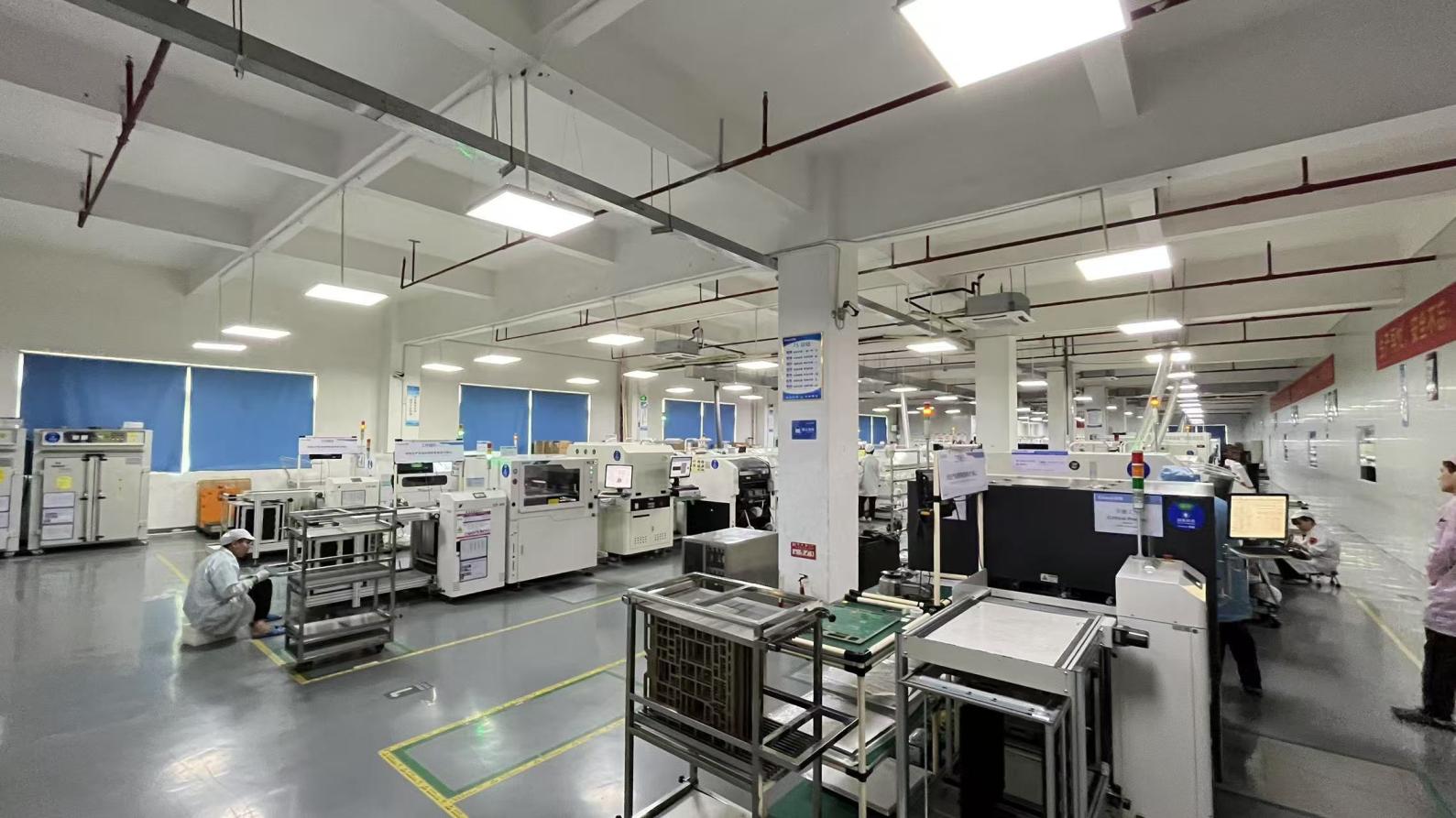

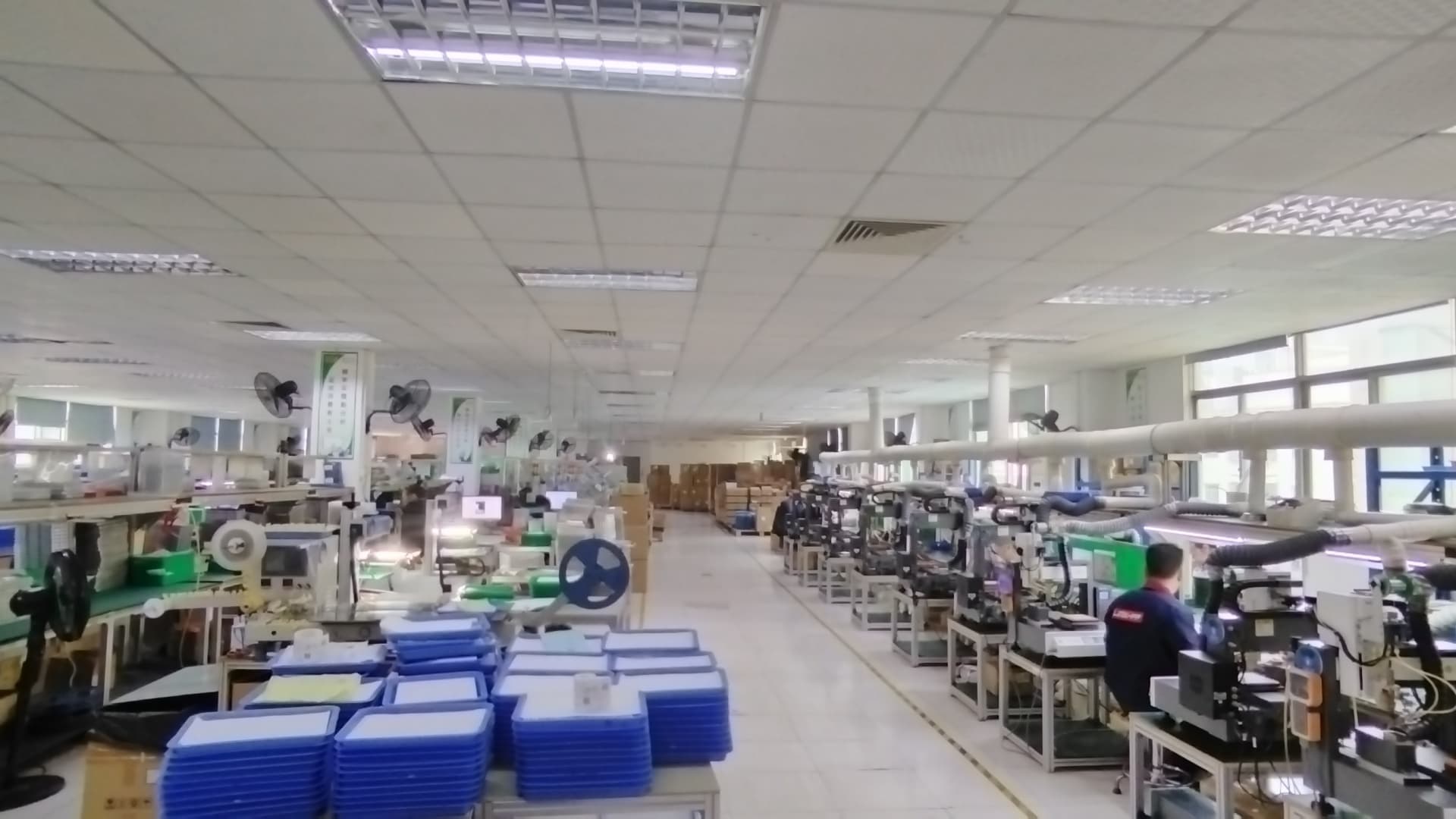
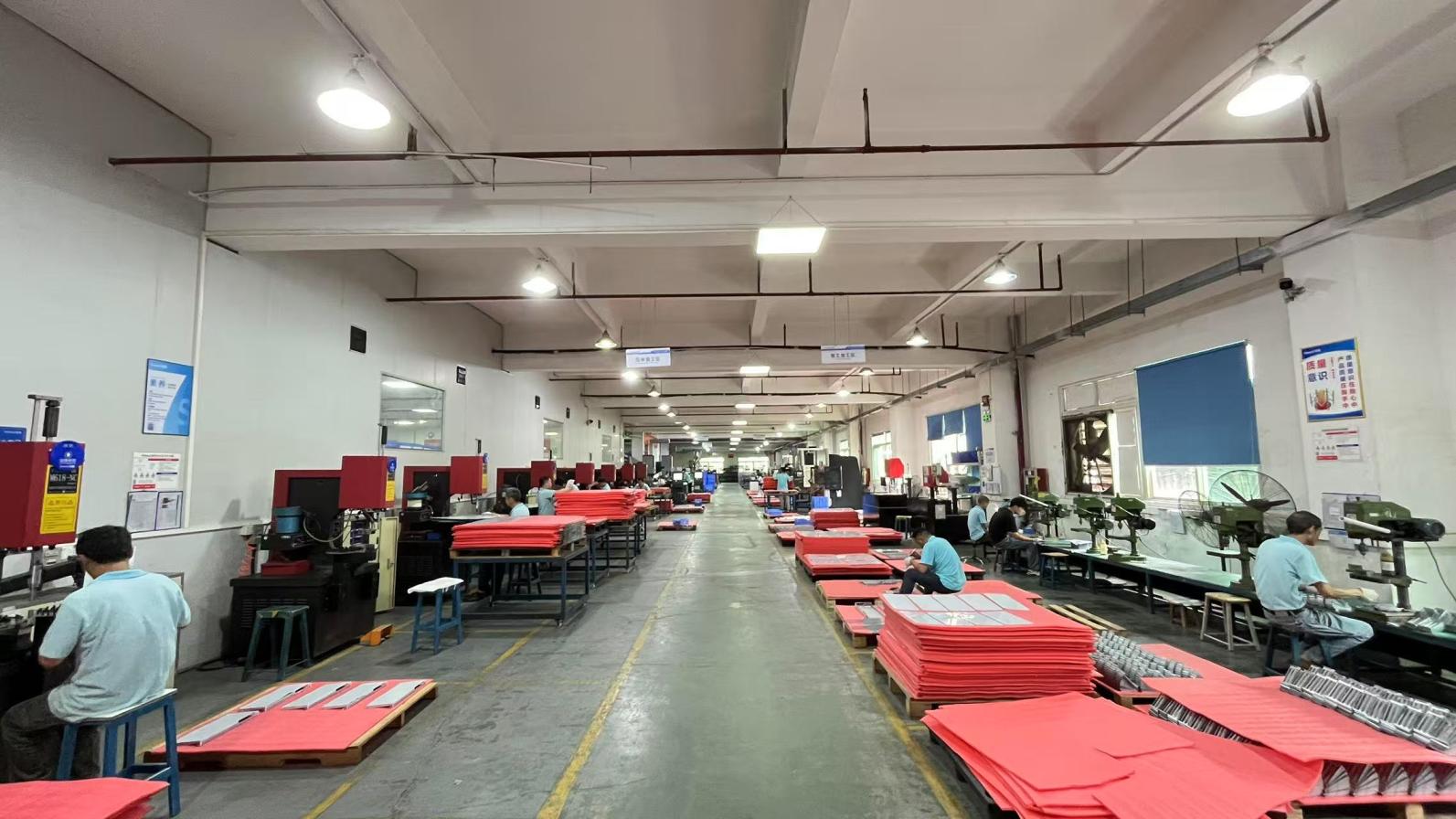
By maintaining deep partnerships with over 1,200 raw material and component suppliers, FiberNova secures priority allocations of premium laser diodes (TOSA/ROSA) and MCU controllers. This robust supply chain guarantees stable pricing and short lead times, allowing us to supply large-scale projects throughout Europe, North America, and the Middle East without supply bottlenecks.
Importing networking equipment into the European Union requires compliance with strict safety and ecological standards. FiberNova's SFP transceivers hold full CE, FCC, RoHS, and REACH certifications. We guarantee that all our modules comply with the EU’s Waste Electrical and Electronic Equipment (WEEE) directive, making integration into Slovak corporate networks frictionless.
Furthermore, our engineering teams excel in customized EEPROM coding. Many enterprise switches deployed in Slovakia, including Cisco, Juniper, HP, Mikrotik, and Ubiquiti, utilize vendor locking. FiberNova programs each SFP module’s firmware with customized vendor codes to prevent compatibility warnings and ensure seamless plug-and-play installation in Slovak municipal networks.
Slovak infrastructure deployment teams frequently deal with legacy single-mode and multi-mode fiber runs. When utilizing a 1.25G SFP transceivers module 80km or 120km, calculating the exact optical power budget is essential. The formula is:
Optical Power Budget (dB) = Min Tx Power (dBm) - Max Rx Sensitivity (dBm)
For long distances across mountainous terrain, connectors, splices, and fiber attenuation can cause signal degradation. Utilizing a 1550nm wavelength over single-mode fiber reduces loss to approximately 0.2 dB/km, ensuring that data transmitted from industrial sites in Poprad reaches core routers in Bratislava without requiring inline optical amplifiers.
Get in touch with our engineering team today for competitive bulk pricing, customized compatibility coding, and comprehensive local support guarantees.
Send Inquiry NowYes. Mikrotik devices are widely deployed throughout Central Europe. FiberNova offers custom compatibility coding for Mikrotik, enabling our 1.25G SFP transceivers to report exact diagnostic (DOM) data and avoid any port lockouts or operational faults.
Standard commercial-grade SFP modules operate from 0°C to 70°C. However, for outdoor cabinets and industrial settings in Slovakia, we manufacture industrial temperature-grade modules that function reliably between -40°C and +85°C, using thermoelectric cooling (TEC) to stabilize laser output.
All optical transceivers leaving our factory feature full CE, RoHS, and FCC marks. We strictly monitor hazardous material use under the REACH regulations and design packaging and products to support Slovak national collection systems for WEEE.
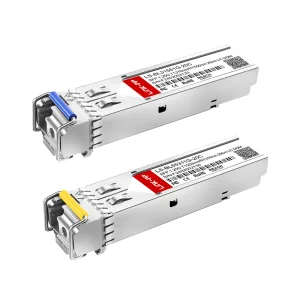
BiDi modules, such as our 1310nm-TX/1550nm-RX 20km SFP, transmit and receive signals over a single optical fiber strand. This effectively doubles the capacity of existing fiber runs in crowded municipal conduit systems without the expensive process of laying new optical cable.
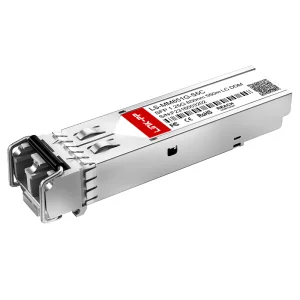
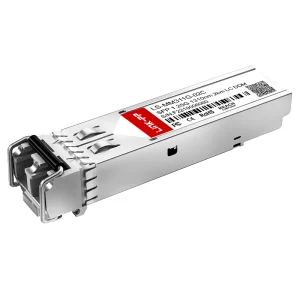
 FiberNova