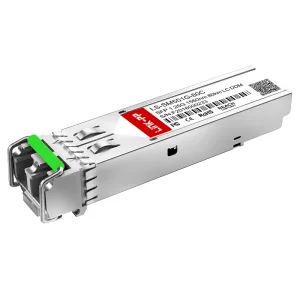
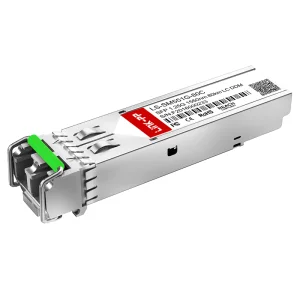
Engineered for Ethio Telecom and Safaricom infrastructure compatibility. High-density, high-performance gigabit transceivers designed to handle rigorous local fiber environments.
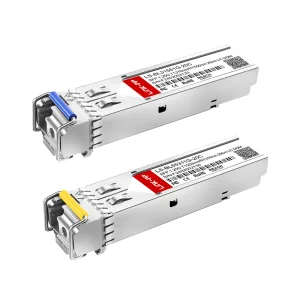
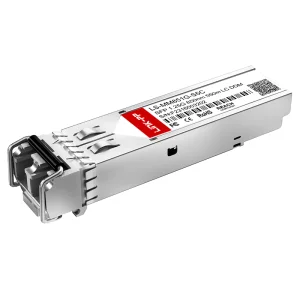
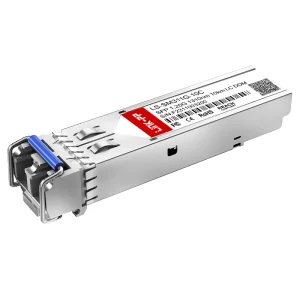
Ethiopia is undergoing a historical digital transformation. Under the banner of "Digital Ethiopia 2025," the Government of Ethiopia, through the Ministry of Innovation and Technology (MINT), is actively dismantling barriers to digital inclusion, seeking to position the country as a leading digital economy in East Africa. For decades, the national network operated under a singular monopoly. However, the recent introduction of private telecom giants like Safaricom Ethiopia alongside the incumbent state operator, Ethio Telecom, has triggered massive demand for highly reliable optical equipment.
The construction of metropolitan fiber backbones, FTTH (Fiber to the Home) links in Addis Ababa, Dire Dawa, Bahir Dar, and industrial parks (such as Hawassa Industrial Park and Bole Lemi Industrial Park) relies heavily on 1.25G SFP (Small Form-factor Pluggable) optical transceivers. These components form the cellular base station backhauls, enterprise LAN extensions, and switch-to-switch interconnects across the nation's rugged mountainous terrain.
Operating hardware in Ethiopia poses unique challenges. The high altitude of Addis Ababa (approximately 2,355 meters above sea level) influences heat dissipation characteristics of hardware, requiring optical transceivers to maintain stable thermal footprints and robust digital diagnostic systems (DOM/DDM). Standard grade modules often suffer premature laser degradation under such physical constraints. Thus, sourcing from reputable factories that employ 100% optical performance testing and burn-in screening is vital for local ISPs and integrators.
While 10G, 100G, and 400G modules capture headlines, the 1.25G SFP module remains the undisputed workhorse of the Ethiopian distribution and access layer. The vast majority of municipal nodes, smart metering systems, university network upgrades, and fiber-to-the-premise connections do not require multi-gigabit routing. Instead, they require cost-effective, dependable, and highly compatible gigabit links that can operate over legacy fiber setups.
For Ethiopian network builders, importing high-tech optical transceivers involves navigating stringent cost control, custom clearance procedures, and long-term hardware reliability demands. FiberNova Optical Communication Tech Co., Ltd. (FiberNovaTransceivers.com) represents the gold standard of Chinese high-tech manufacturing, specifically configured to service the unique logistics and design profiles of East African buyers.
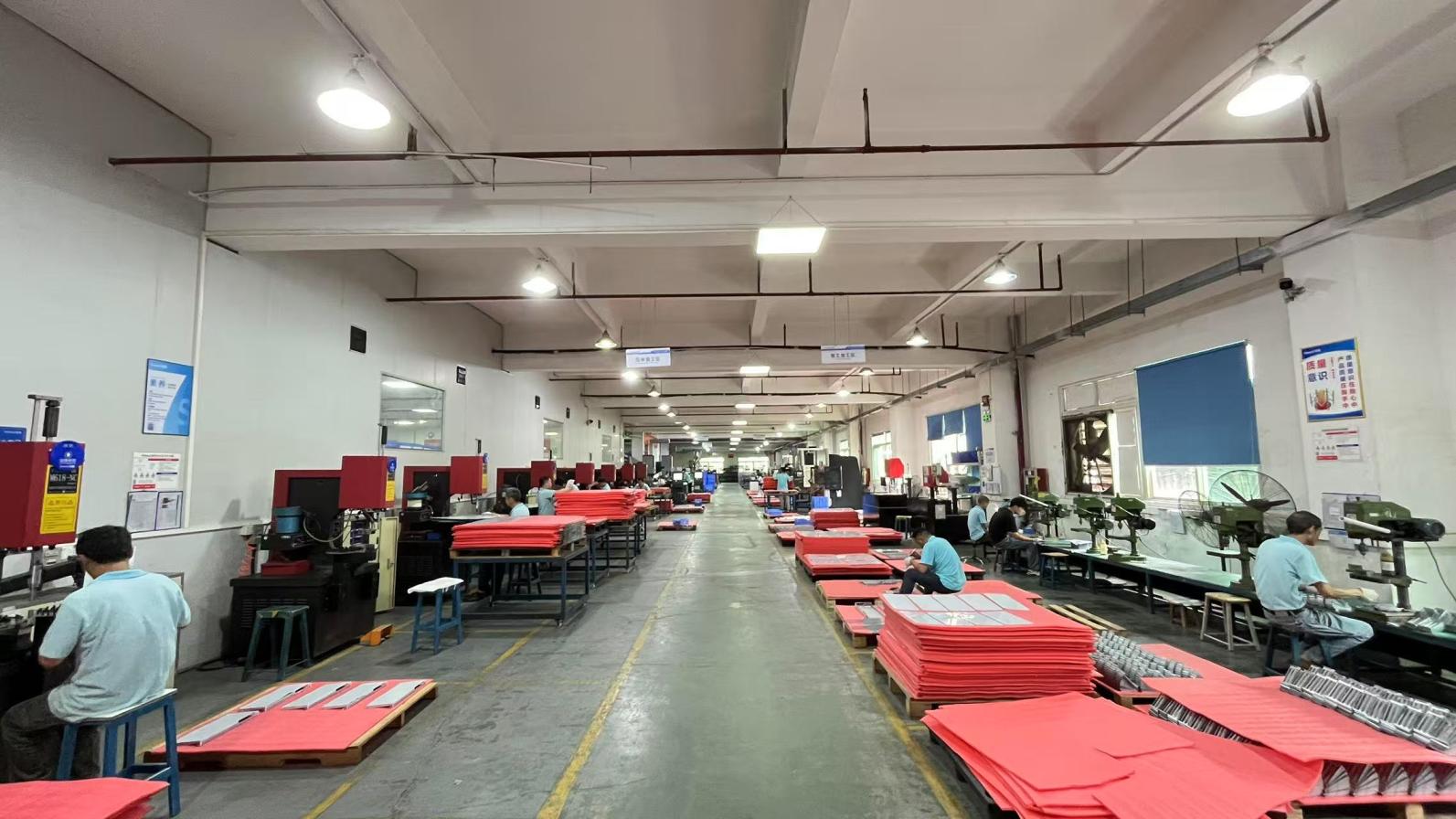
Established in 2016 and backed by over 12 years of industry expertise, FiberNova operates a specialized facility equipped with automated chip mounting, component alignment, and digital performance testing sweeps. With 6+ years of direct export experience, we have optimized our supply channels to ensure seamless delivery to airports like Addis Ababa Bole International Airport (ADD), navigating tariff and quality certification requirements (such as CE, FCC, RoHS) efficiently.
Our manufacturing philosophy revolves around absolute precision. By maintaining a highly specialized 45-person Quality Control team, we ensure that every Single Mode or Multi-Mode 1.25G SFP module leaving our production line operates flawlessly within its designated optical budget.
Deploying 1.25G SFP transceivers requires a comprehensive understanding of the localized network architecture. In Ethiopia, the applications fall into four major operational categories:
As cities like Addis Ababa, Awassa, and Mekelle grow, consumer demands for reliable, high-speed fiber-to-the-home connections are soaring. 1.25G SFP modules, specifically Bidi (Bidirectional) simplex transceivers (1310nm/1550nm over a single fiber core), permit operators to double their capacity without digging new trenches to lay extra cables. SFP modules link GPON OLTs (Optical Line Terminals) directly to localized distribution hubs, maintaining latency budgets under 5 milliseconds.
Ethiopia’s industrial parks represent the pinnacle of manufacturing investment in East Africa. Within these zones, factories require high-speed local Area Networks (LAN) to coordinate manufacturing executing systems (MES), automated warehousing, and secure enterprise communications. Standard multimode (MMF) 1.25G SFP modules running at 850nm allow switches inside factory yards to link reliably up to 550 meters, resisting electromagnetic interference (EMI) typical of heavy machinery zones.
With Safaricom and Ethio Telecom expanding LTE and 5G nodes, bridging rural communities to main metropolitan switching centers is a major infrastructure goal. Rural areas in regions like Tigray, Oromia, and Amhara require long-distance optical modules (ZX/EX/EZX series) capable of pushing optical signals over 80km to 120km without active optical regeneration stations. Using 1000BASE-ZX and EZX modules ensures stable connectivity over challenging mountainous pathways.
Take a visual tour inside our production floors and quality assurance labs. Here, advanced precision instruments test compatibility, thermal endurance, and optical signal integrity.

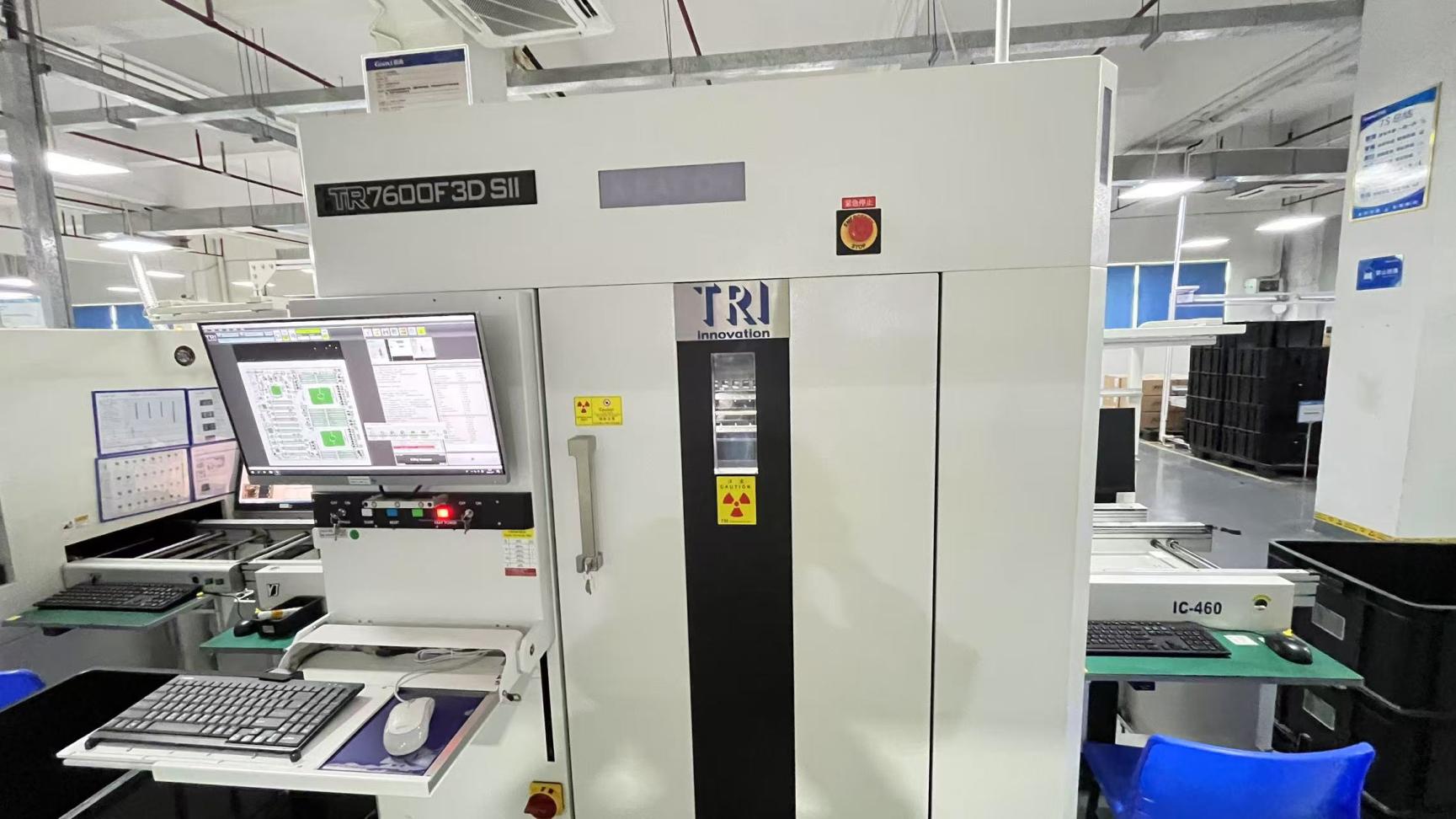


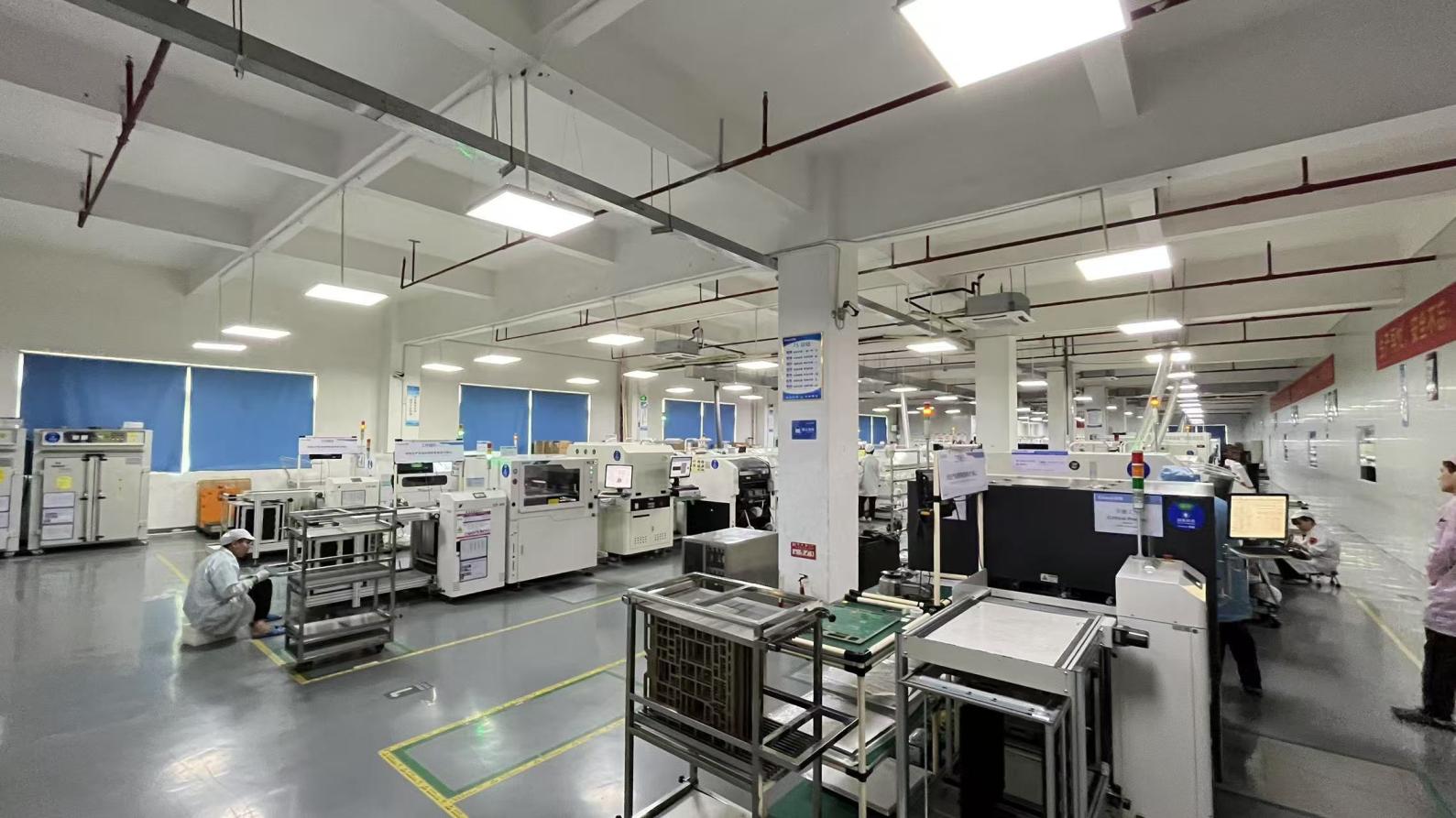

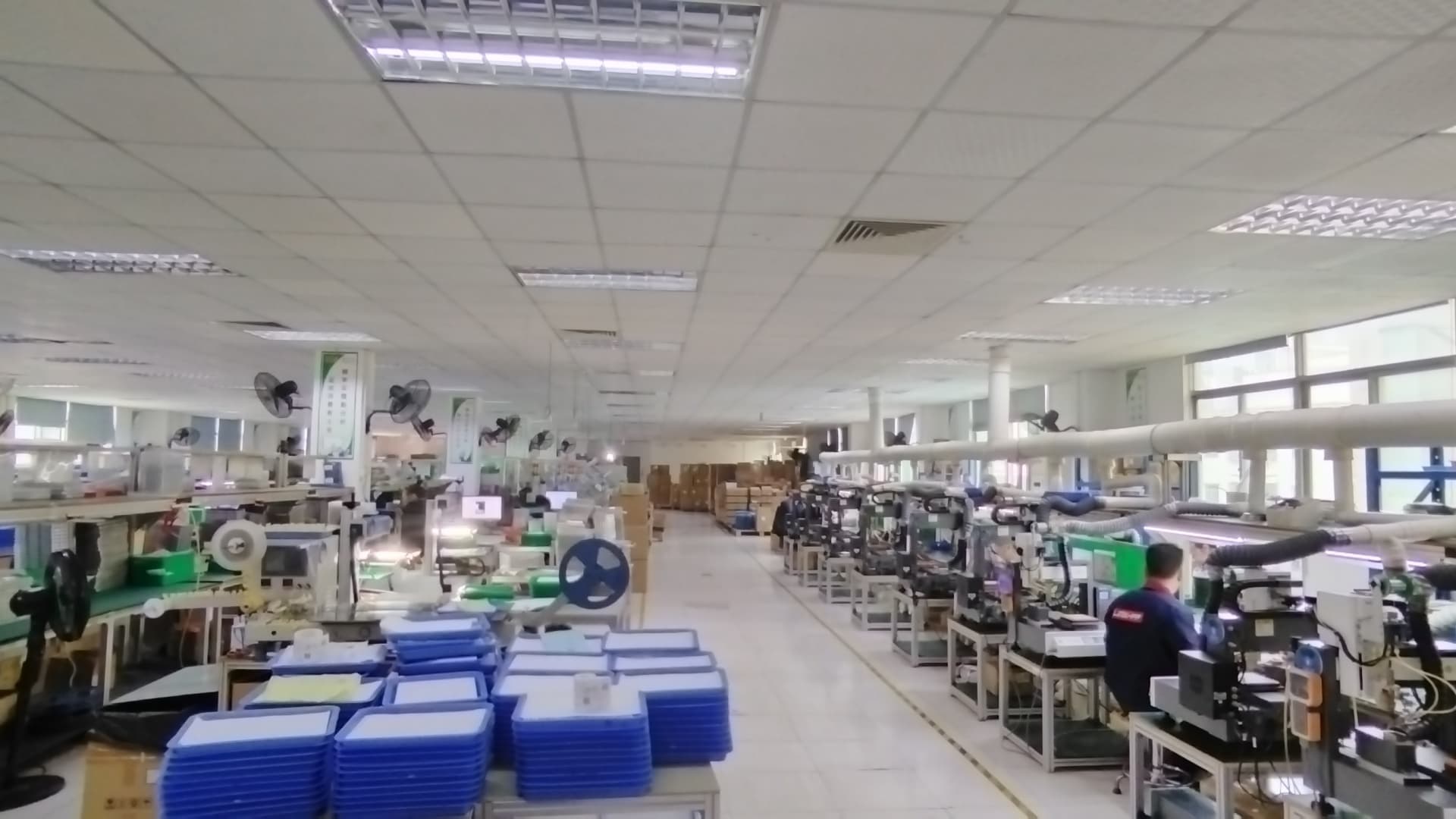
Browse through our full line of Gigabit SFP modules. Fully compatible with mainstream telecom equipment and engineered to perform in complex operational scenarios.
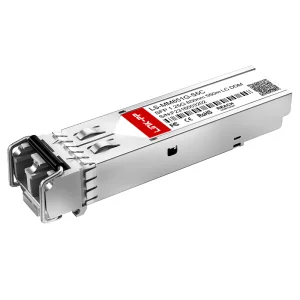
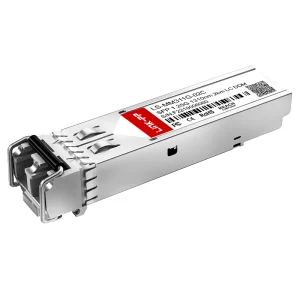
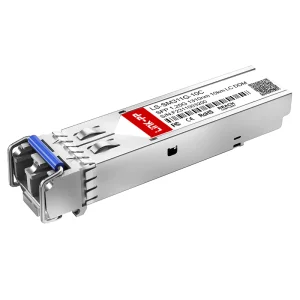
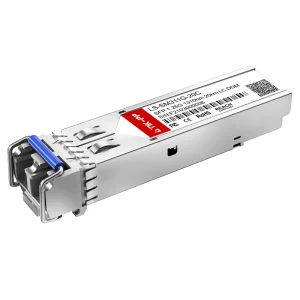
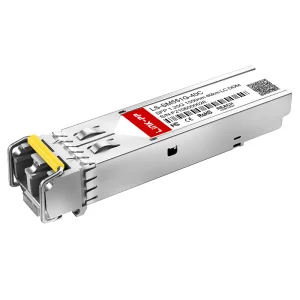
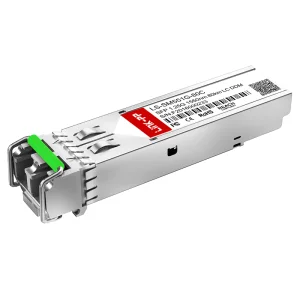
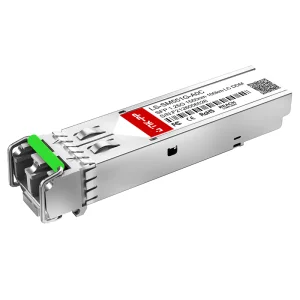
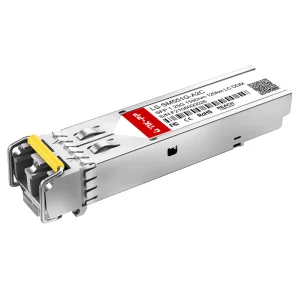
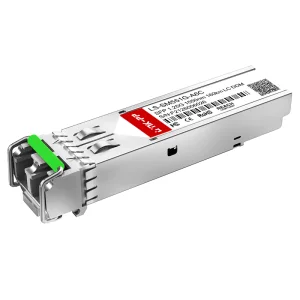
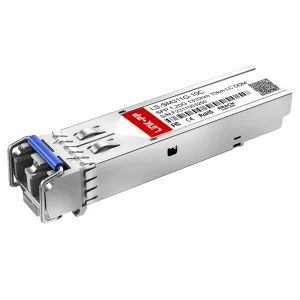
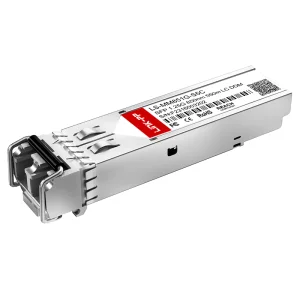
As network demands escalate, the optical communication market is witnessing a shift towards greener, more modular networks. In Ethiopia, where electrical grid stability and infrastructure budgets are key metrics, 1.25G SFP transceivers are valued for their low power consumption—typically under 1.0W per module. This low thermal and energy load is crucial for solar-powered telecom stations in rural areas.
Moreover, global enterprises establishing regional offices in Ethiopia are standardizing their hardware interfaces. They look for suppliers that guarantee compliance with the Multi-Source Agreement (MSA). This compatibility allows for hybrid vendor deployments—for example, pairing a Cisco core switch with a Huawei access switch—using the exact same FiberNova SFP modules without custom configuration codes.
Yes. FiberNova 1.25G SFP transceivers are built strictly following SFP MSA (Multi-Source Agreement) standards. We write customized vendor EEPROM codes to ensure complete compatibility with equipment from major brands like Huawei, ZTE, Nokia, Cisco, and Mikrotik, which are widely deployed across Ethiopian networks.
High-altitude environments like Addis Ababa (over 2,300 meters) feature lower air density, which reduces natural convection cooling. FiberNova mitigates this by utilizing low-power consumption chipsets (typically <0.8W) and high-quality heat sinks. Additionally, our modules come equipped with DDM (Digital Diagnostics Monitoring), enabling network managers to monitor operating temperatures in real time.
Standard orders are processed within 3 to 7 working days. For shipping to Ethiopia, we primarily utilize air freight via DHL, FedEx, or Ethiopian Airlines cargo directly from Shenzhen/Guangzhou to Addis Ababa Bole International Airport, ensuring safe transit within 5-9 days.
Yes, customization is one of our primary core competencies. We support custom wavelength tuning (such as specific CWDM/DWDM channels), customized labeling, custom shell colors, and specialized firmware options to meet the needs of large-scale enterprise deployments in industrial parks.
 FiberNova