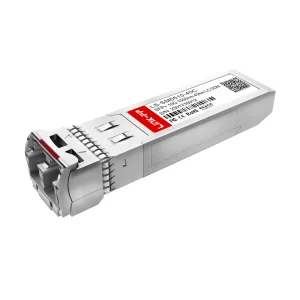
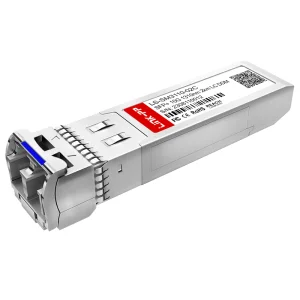
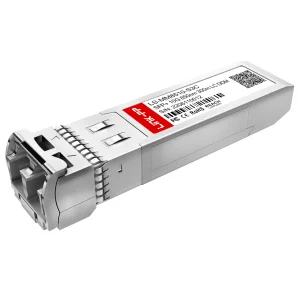
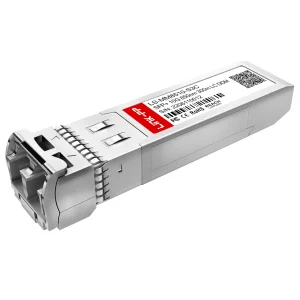
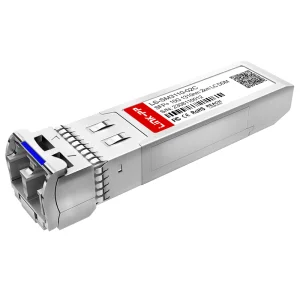
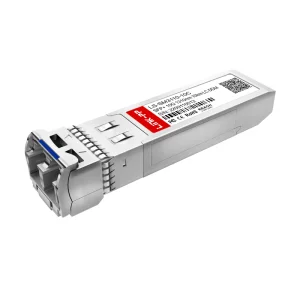
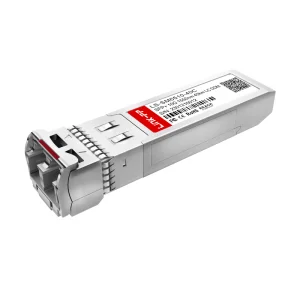
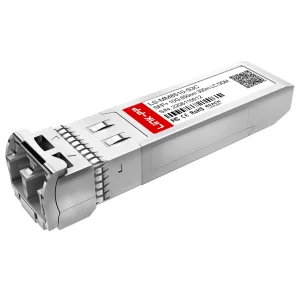
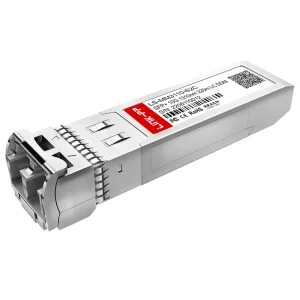
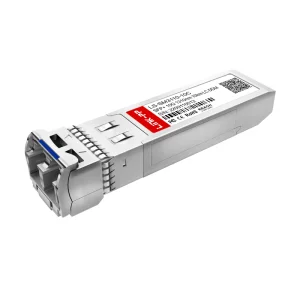
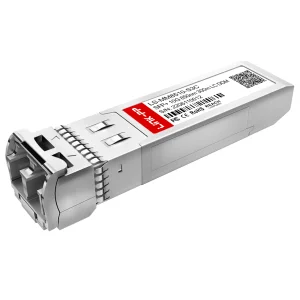
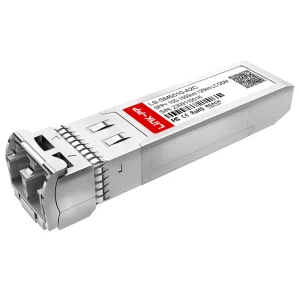
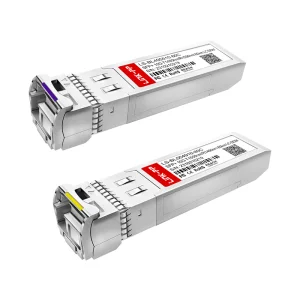
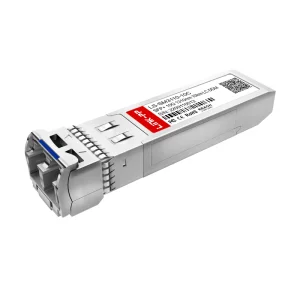
10G/16G SFP+ Module Manufacturers & Supplier serving the Singapore market

High-speed, carrier-grade optical transceivers engineered for Singapore's next-generation hyperscale data centers, financial networks, and smart enterprises.

Send Inquiry Now
12+ Yrs
Industry Expertise
45+ Staff
QA & Compatibility QC
100%
Signal & Optical Testing
1,200+
Supply Chain Partners

Techno-Economic Analysis of 10G & 16G Optical Transceivers in Singapore’s Digital Economy

An in-depth guide on optical transceivers, local market requirements, compliance standards, and green data center initiatives.

1. Singapore's Digital Infrastructure Landscape & Fiber Demands

As the preeminent digital hub of Southeast Asia, Singapore hosts over 60% of the region’s data center capacity. Driven by the Smart Nation Initiative, the expansion of the Tuas, Jurong, and Loyang data center corridors, and the rapid rollout of 5G Standalone (SA) networks, the demand for optical interconnection has reached unprecedented levels. While 400G and 800G optical engines capture industry headlines, the foundational layers of enterprise local area networks (LANs), metropolitan area networks (MANs), and storage area networks (SANs) rely heavily on high-performance 10G SFP+ and 16G SFP+ modules.

Singapore's unique position presents unique environmental and engineering challenges. High ambient temperatures and humidity levels place extreme thermal stress on network equipment. Consequently, network architects must deploy transceivers designed with low power dissipation and excellent thermal stability to maintain optimal performance in hot aisle/cold aisle containment systems. 10G SFP+ and 16G SFP+ transceivers remain critical for linking high-density server racks to Top-of-Rack (ToR) switches, enabling low-latency operations across the island.

Information Gain: Why 16G SFP+ Matters for Modern SANs

Unlike standard Ethernet modules, the 16G SFP+ is uniquely optimized for Fibre Channel (FC) networks (16GFC). In Singapore's booming financial district (MBFC and Raffles Place), data centers hosting relational databases and high-frequency trading engines require the deterministic latency and zero packet loss offered by 16G Fibre Channel protocols. Standardizing on dual-rate 10G/16G modules ensures backward compatibility and path flexibility for future upgrades.

2. SFP+ Technical Standards & Multi-Source Agreements (MSA)

Optical transceivers must be strictly interchangeable across different vendor platforms to ensure cost efficiency and network resilience. Multi-Source Agreements (MSAs) govern the physical dimensions, electrical interfaces, and optical characteristics of SFP+ modules.

  • SFF-8431: Defines the high-speed electrical interface specs for SFP+, including SFI (SFP+ Serial Interface) parameters.
  • SFF-8472: Defines the Diagnostic Monitoring Interface (DMI), also known as Digital Optical Monitoring (DOM) or Digital Diagnostic Monitoring (DDM). This allows real-time access to operational parameters like laser bias current, temperature, received optical power (Rx), and transmitted optical power (Tx).
  • IEEE 802.3ae: The physical layer standards for 10 Gigabit Ethernet (10GBASE-SR, 10GBASE-LR, 10GBASE-ER, 10GBASE-ZR).

For network operators in Singapore, DOM/DDM compatibility is essential. It enables predictive maintenance protocols. If a transceiver's laser bias current increases or the Rx power drops below a defined threshold, SNMP trap alerts can notify network engineers before link failure occurs. This is critical for preventing unscheduled downtime in financial transactions and cloud services.

3. Comparative Technical Overview of SFP+ Protocols

Selecting the appropriate SFP+ transceiver requires a deep understanding of transmission distances, fiber types, and wavelength characteristics. Below is an engineering overview of the primary optical formats:

  • 10GBASE-SR (Short Range): Operates at 850nm over Multimode Fiber (MMF) (OM3/OM4). It supports distances up to 300m (OM3) or 400m (OM4). Ideal for intra-rack and inter-rack connectivity within data centers.
  • 10GBASE-LR (Long Range): Operates at 1310nm over Single Mode Fiber (SMF) (G.652). It supports distances up to 10km. Typically used for campus backbones and metropolitan links.
  • 10GBASE-LRM (Long Reach Multimode): Operates at 1310nm over legacy MMF (FDDI-grade and OM1/OM2) up to 220m. It uses Electronic Dispersion Compensation (EDC) to mitigate modal dispersion, which is ideal for retrofitting older campus structures in Singapore.
  • 10GBASE-ER (Extended Range): Operates at 1550nm over SMF. It supports transmission distances up to 40km. Designed for high-performance municipal links.
  • 10GBASE-ZR (Zephyr Range): Operates at 1550nm over SMF. It supports transmission distances up to 80km. It features APD photodetectors for increased receiver sensitivity, enabling ultra-long-distance point-to-point connections.
  • BiDi (Bidirectional) SFP+: Uses Wavelength Division Multiplexing (WDM) to transmit and receive signals over a single strand of fiber (typically 1270nm/1330nm or 1490nm/1550nm). This doubles fiber capacity instantly, providing a cost-effective solution when leasing dark fiber in Singapore.

4. Regulatory Compliance & Localized Support in Singapore

Compliance is a non-negotiable factor for modern enterprises. FiberNova ensures that all optical components exported to Singapore meet strict international standards and local requirements set by the Info-communications Media Development Authority (IMDA).

Our transceivers comply with:

  1. RoHS & REACH: Ensuring the elimination of hazardous substances in manufacturing, which aligns with Singapore’s environmental sustainability targets.
  2. CE & FCC Certification: Guaranteeing electromagnetic compatibility (EMC) so that transceivers do not interfere with adjacent servers, routers, and switches.
  3. Laser Safety Class 1: Complying with FDA 21 CFR 1040.10 and IEC 60825-1 to ensure eye safety during deployment and maintenance.

To support Singapore-based system integrators and telecom partners, FiberNova offers specialized OEM/ODM services, including custom EEPROM programming. This ensures compatibility with major hardware brands like Cisco, Juniper, Arista, HPE, Dell, and Huawei, minimizing compatibility issues on site.

5. Quality Control and Validation Testing Methodologies

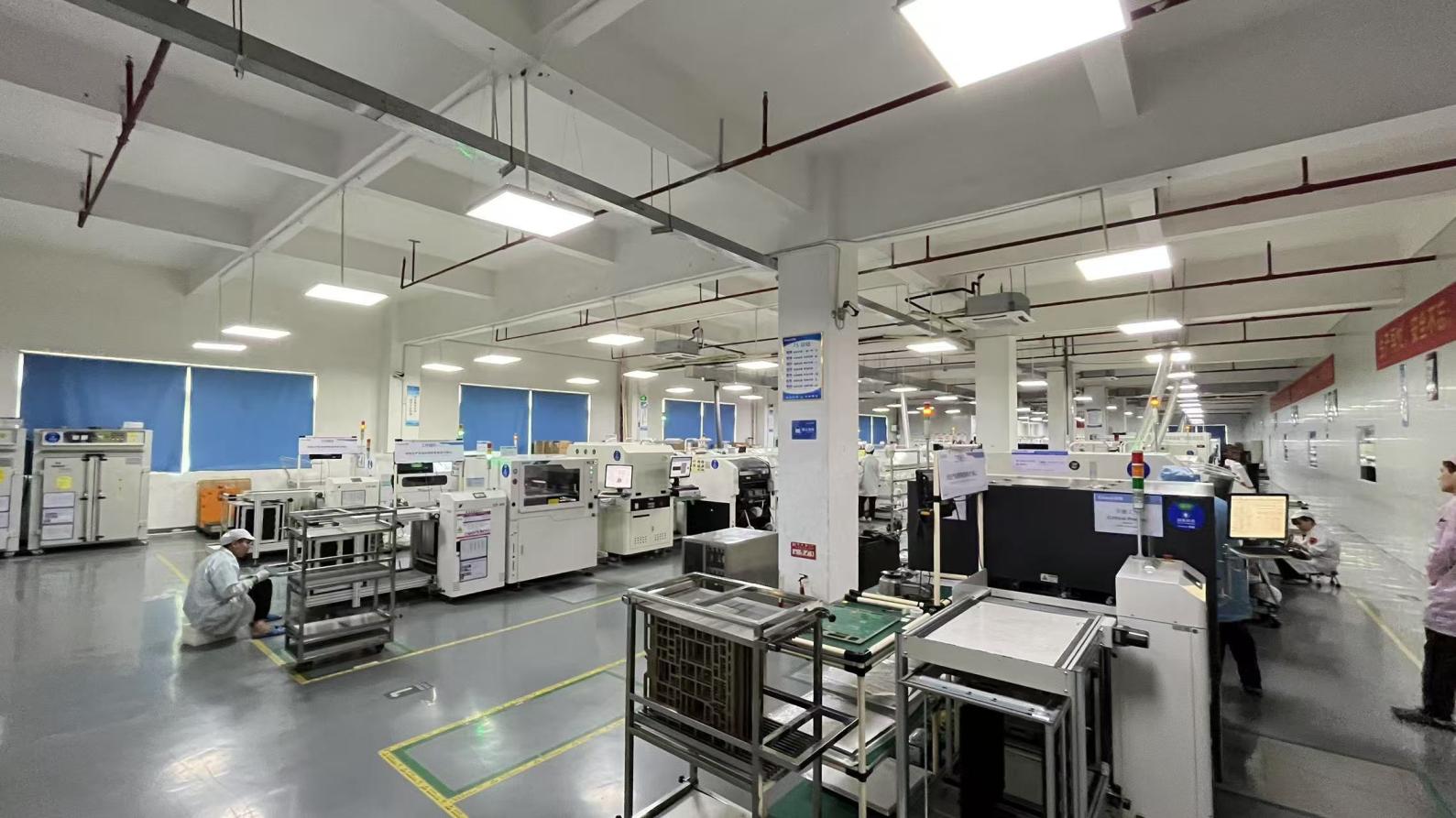
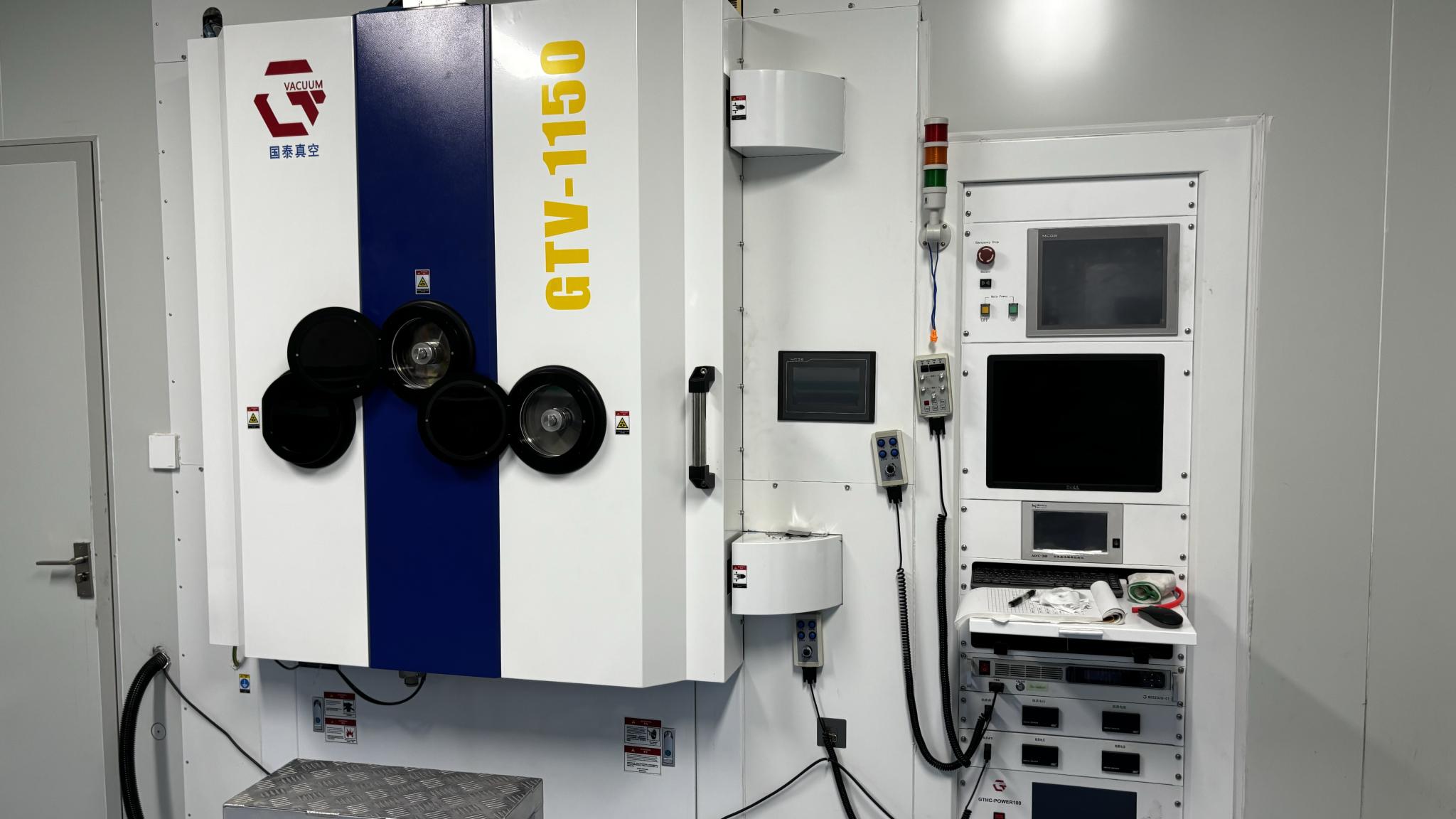
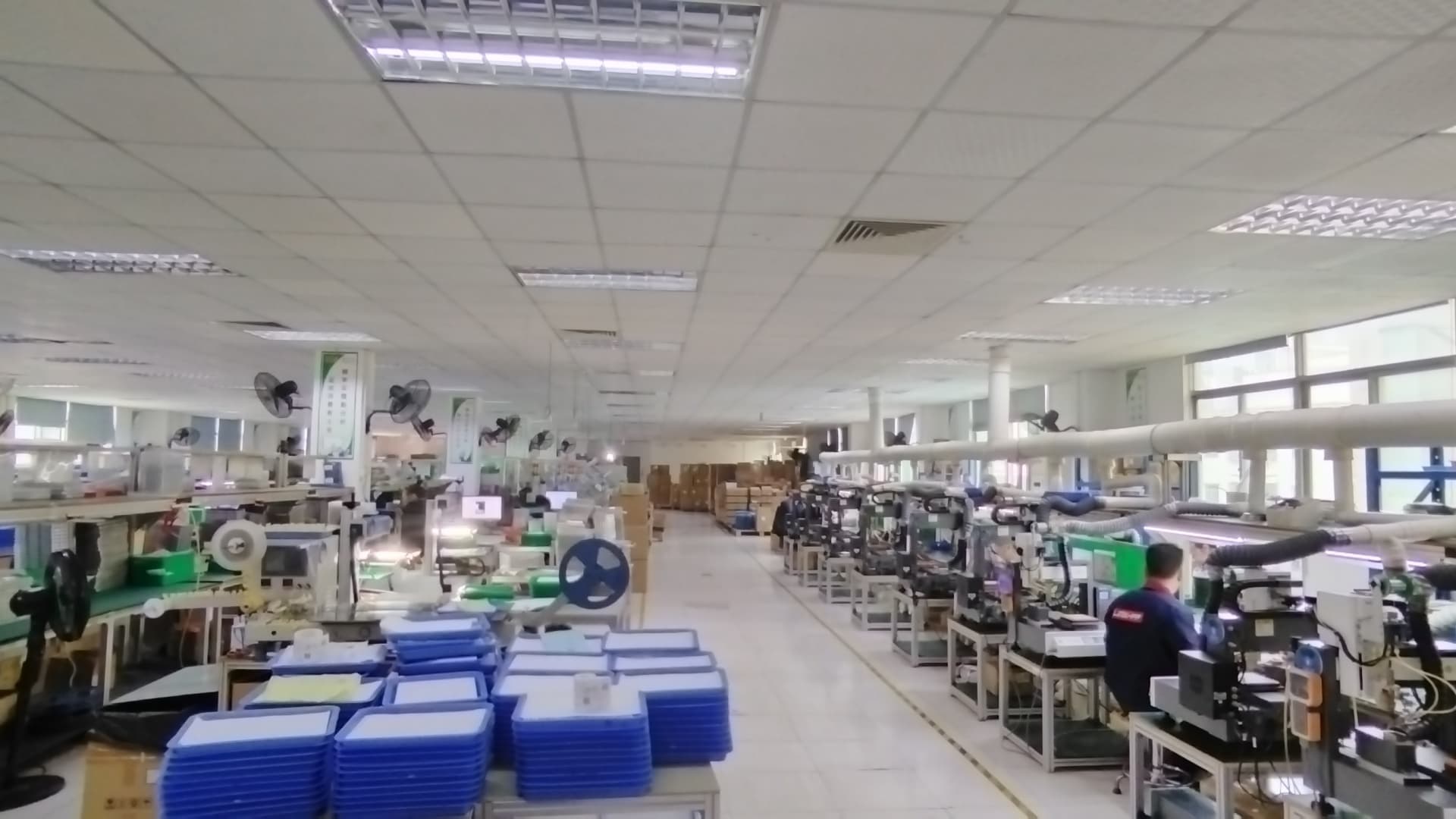
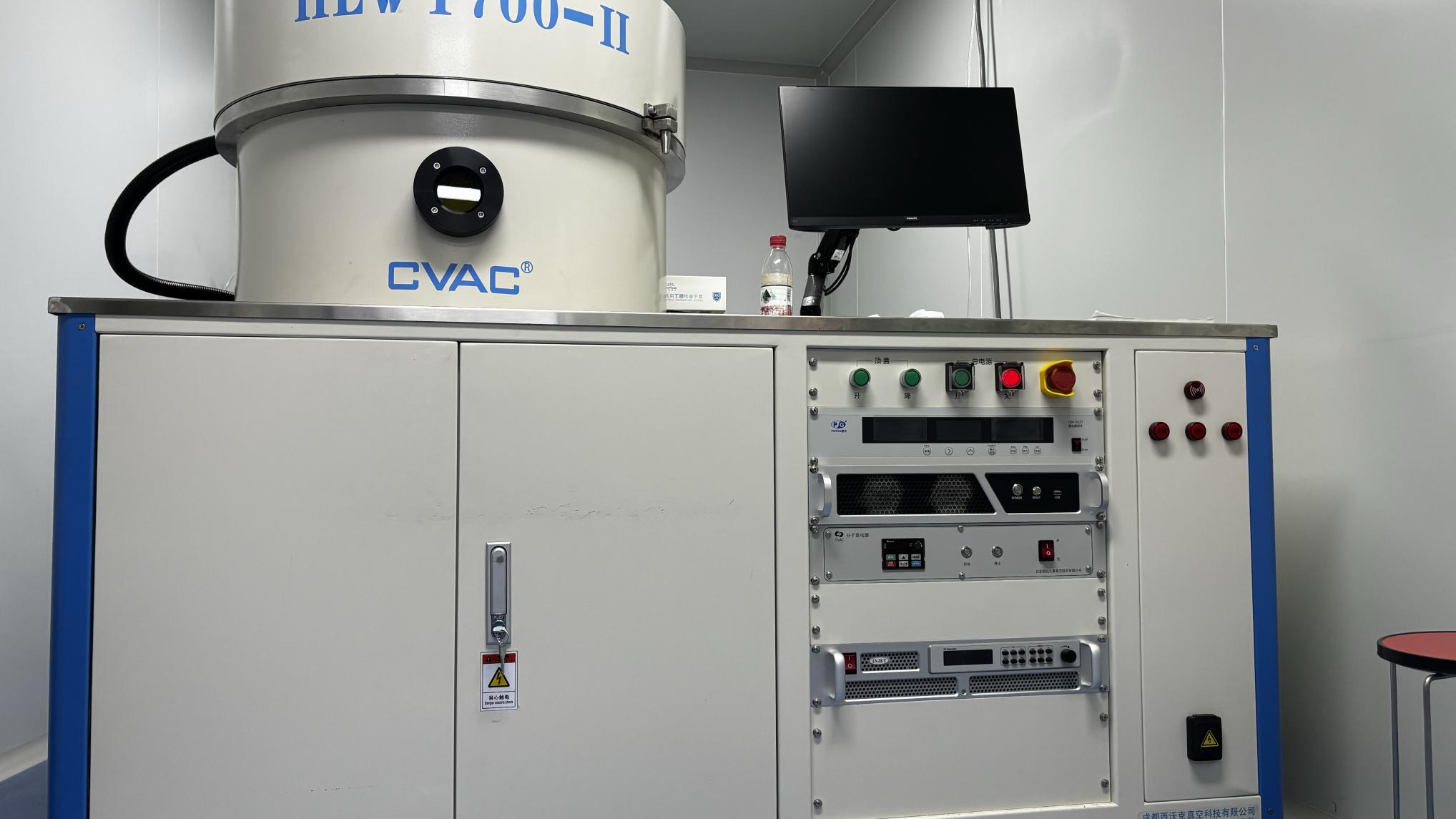
At FiberNova, reliability is guaranteed by a comprehensive validation framework. In our 380㎡ testing center, our team of 45 QA and testing professionals performs:

  • 100% Host Compatibility Testing: Writing specific vendor-compatible firmware and validating each module in actual switches (Cisco, Juniper, Arista, etc.) to ensure zero operational friction.
  • Optical Eye Diagram Analysis: Evaluating transmitter performance (rise/fall times, extinction ratio, jitter) to ensure optimal signal integrity over extended operational lifespans.
  • Bit Error Rate Testing (BERT): Validating transmission performance at full line rates under high-stress conditions.
  • Thermal Cycling: Subjecting modules to temperature variations from -40°C to 85°C (for industrial-grade transceivers) to ensure reliable operation under extreme environmental conditions.
Request FiberNova Custom Compatibility Matrix

FiberNova Optical Communication Tech Co., Ltd.

Established in 2016, FiberNova is a professional optical transceiver manufacturer dedicated to delivering high-reliability networking solutions to global markets.

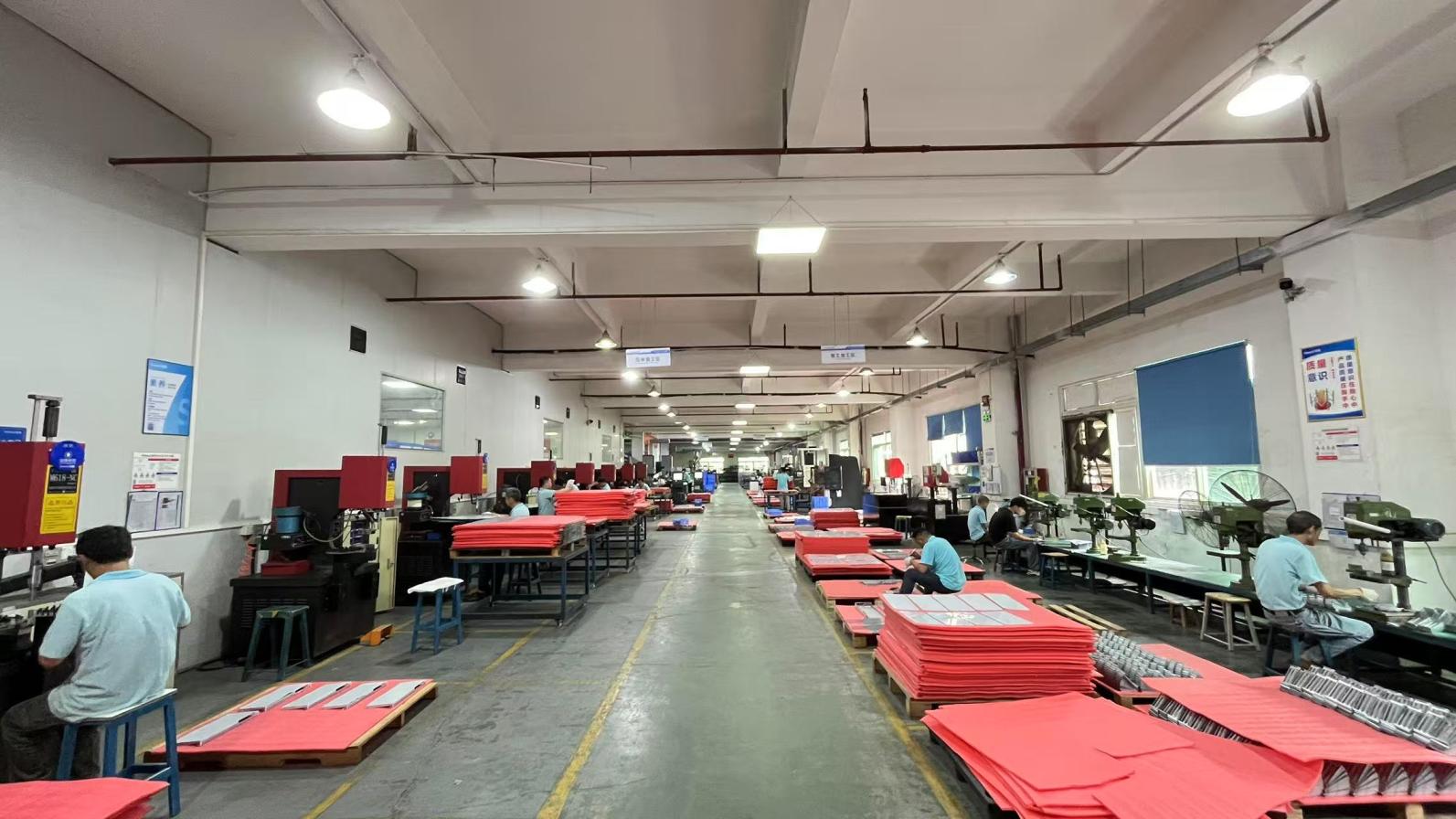
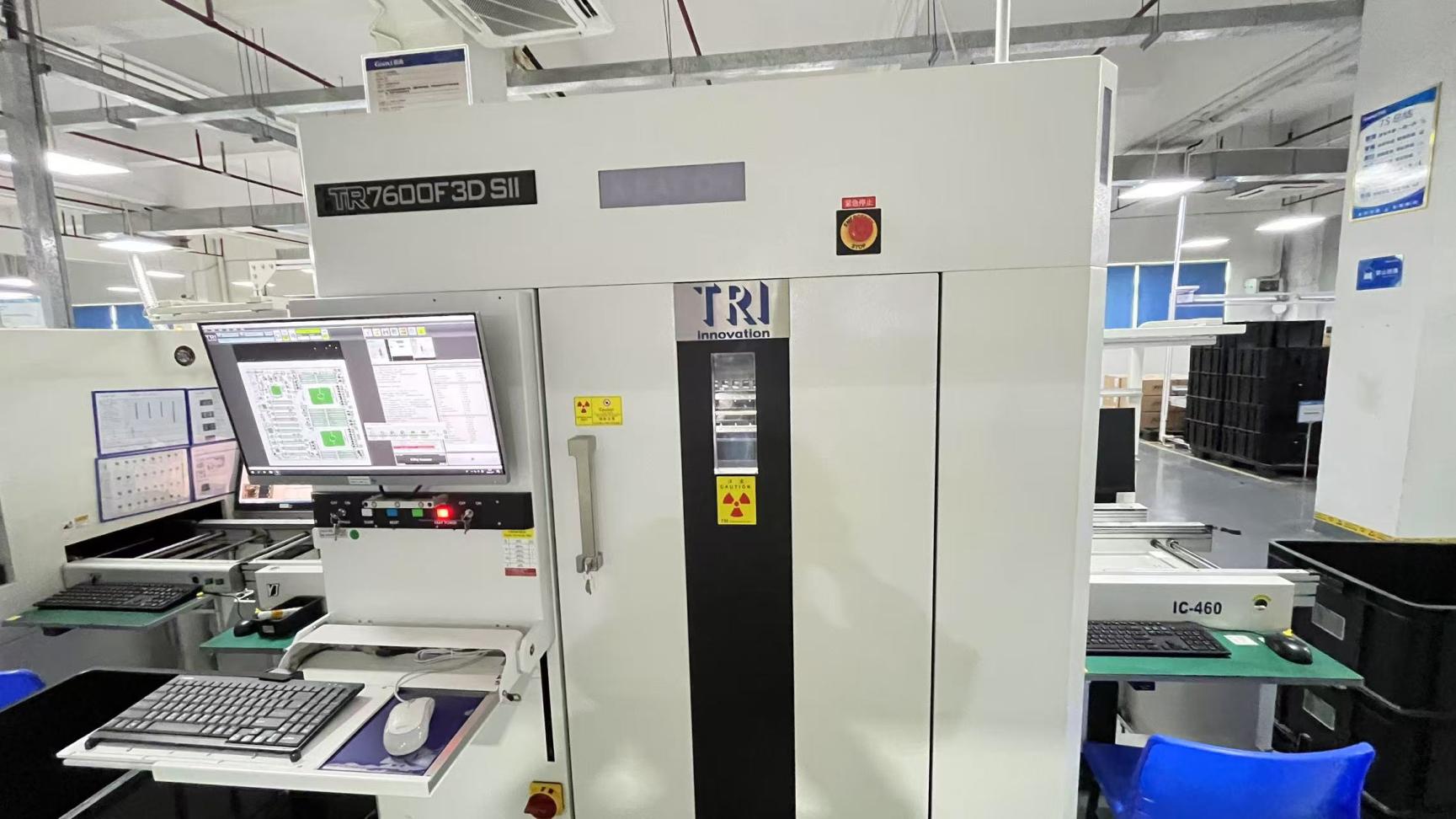
FiberNova operates a state-of-the-art 380㎡ production facility, utilizing advanced automated testing systems to serve telecommunication operators, data centers, and systems integrators worldwide. With over 12 years of industry experience and 6 years of export expertise, we generate between USD 8 million and USD 15 million in annual export revenue. Our primary export markets include the United States, Germany, Japan, South Korea, and the United Arab Emirates.

Our engineering team includes 65 R&D engineers focused on the development of next-generation optical engines, including 10G, 25G, 100G, 400G, and 800G optical modules. Backed by partnerships with over 1,200 supply chain companies, we maintain a reliable supply of premium components, lasers, and photodetectors.
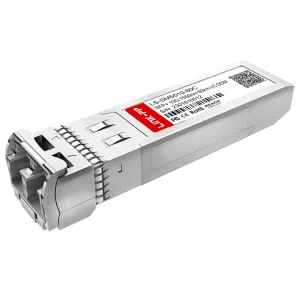
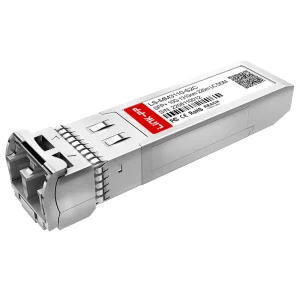
Complete 10G & 16G SFP+ Product Portfolio

Explore our full line of carrier-grade optical transceivers, including multi-vendor compatible modules designed for Singapore’s networking environments.
Frequently Asked Questions: SFP+ Architecture & Supply

Technical answers to key questions from network engineers and procurement managers deploying transceivers in Singapore.

Q1: What is the main structural difference between a 10G SFP+ and a 16G SFP+ module?
The fundamental difference lies in their target protocol design and clock rates. 10G SFP+ transceivers are primarily configured for Ethernet networks running at 10.3125 Gbps. 16G SFP+ modules are optimized for Fibre Channel networks (16GFC) running at 14.025 Gbps, commonly used in storage area networks (SANs). Some high-performance transceivers feature multi-rate support, dynamically switching between 10G Ethernet and 16G Fibre Channel protocols depending on the host switch/host bus adapter (HBA) settings.
Q2: Can I deploy a 10G SFP+ module into a 1G SFP port, or a 1G SFP into a 10G SFP+ port?
Putting a 10G SFP+ module into a 1G SFP port typically will not work, as 1G SFP ports cannot negotiate speed up to 10G. However, putting a 1G SFP module into a 10G SFP+ port is widely supported, provided the host switch OS configuration has manually set the interface speed to 1000Base (1G) instead of auto-negotiate.
Q3: How does high humidity in tropical regions like Singapore affect SFP+ transceivers?
High humidity can lead to moisture condensation on optical interfaces, causing increased insertion loss, scattering, and signal degradation. FiberNova addresses this risk by hermetically sealing the optical sub-assembly (OSA) and applying anti-corrosive conformal coatings to the PCB. We also recommend using dust caps during installation to keep the optical ports dry and clean.
Q4: What parameters should I monitor in DDM/DOM to prevent unexpected fiber link drops?
You should monitor three primary parameters: (1) Laser Bias Current: An increase indicates laser diode aging. (2) Rx Power (Receiver Optical Power): A drop suggests fiber path attenuation, micro-bends, or contamination. (3) Transceiver Temperature: Higher temperatures indicate ventilation or thermal management issues in the rack.